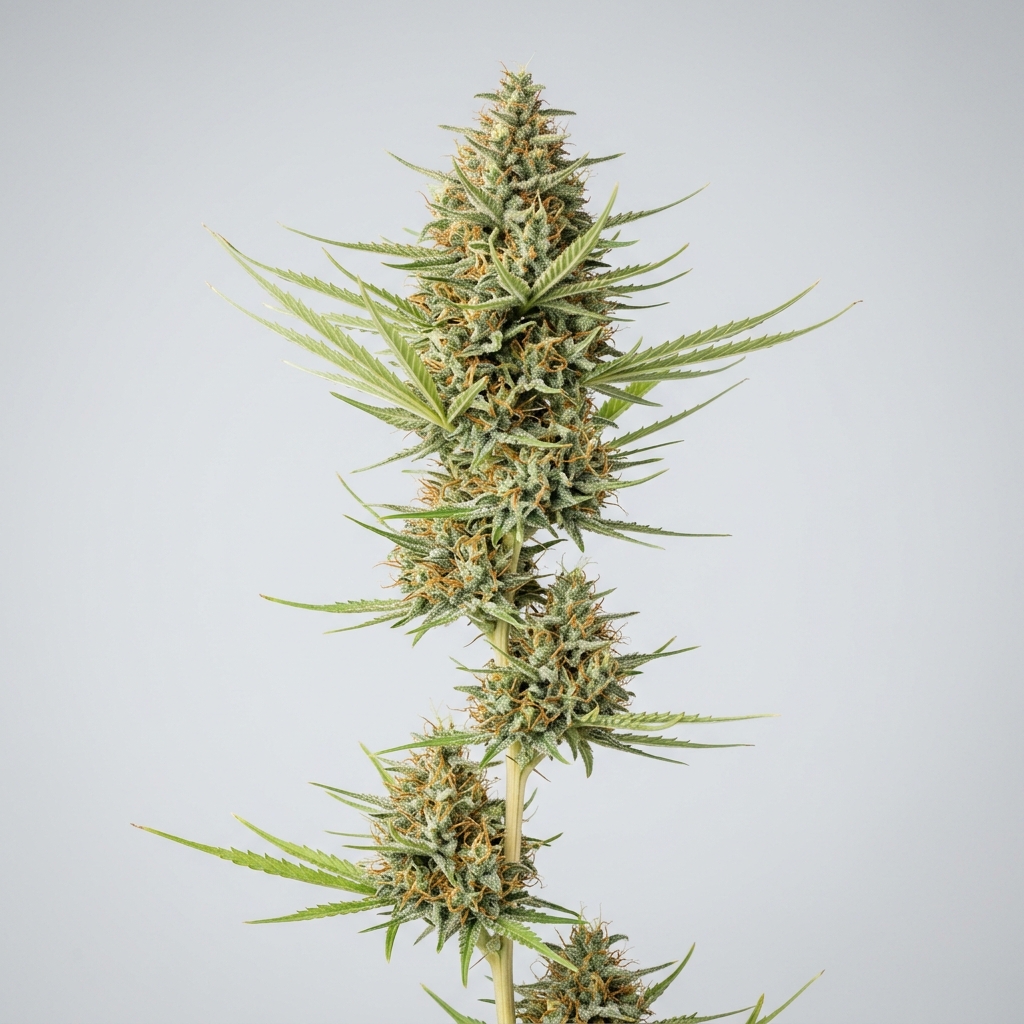
Golden Tiger (Cannabis Strain)
Golden Tiger is a pure sativa landrace hybrid crossing Malawi (the famous Killer Malawi cut) and Meao Thai
genetics, delivering a highly potent THC range of 20% to 28%. Characterized by its sharp citrus lift, resin-rich spear colas, and heavy incense finish, this cultivar is celebrated for its extreme tropical vigor and soaring, long-lasting effects. Growers value the strain for its impressive resin coverage and classic wild sativa stretch, making it a benchmark for landrace preservation.
Developed by Ace Seeds, this pairing brings together two of the most powerful and resinous sativas from different continents. The result is a highly demanding but exceptionally rewarding plant that eschews modern dessert-strain sweetness in favor of raw, spicy, and trippy potency.
Quick Facts
| Trait | Details |
|---|---|
| Genetics | Malawi × Meao Thai |
| Variety | 100% Sativa |
| THC Range | 20% – 28% |
| Flowering Time | 11 – 14 weeks |
| Yield Potential | Medium to High |
| Plant Height | Tall (high stretch) |
| Climate Preference | Warm, tropical, high light intensity |
| Difficulty | Experienced |
Scientific & Botanical Overview
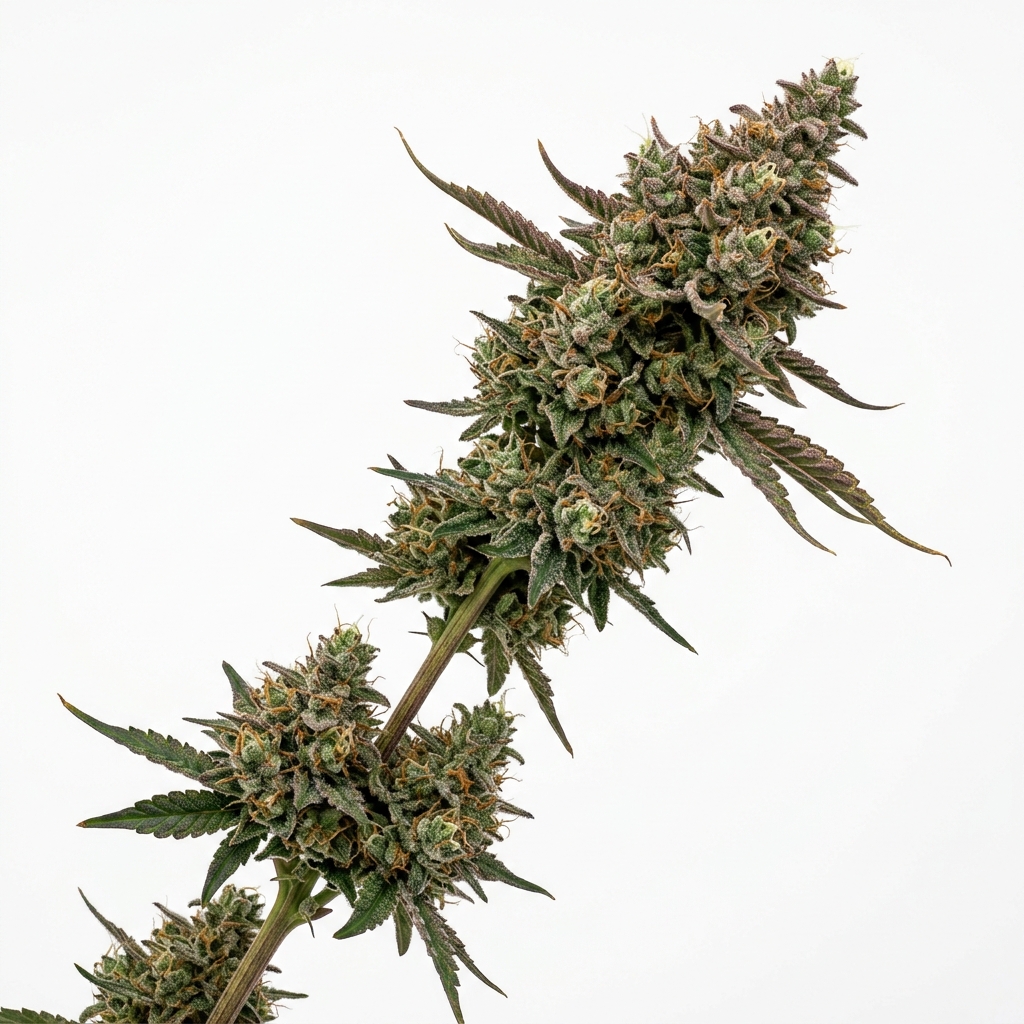
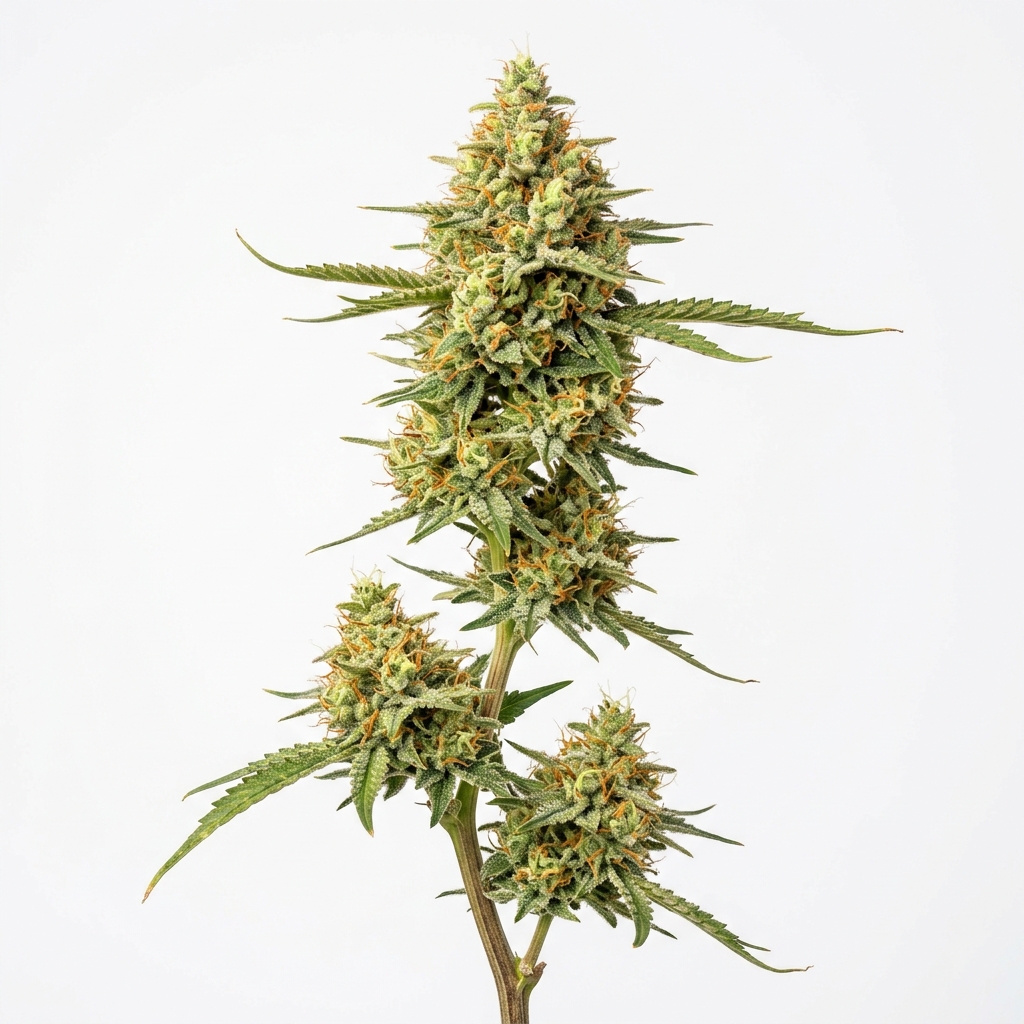
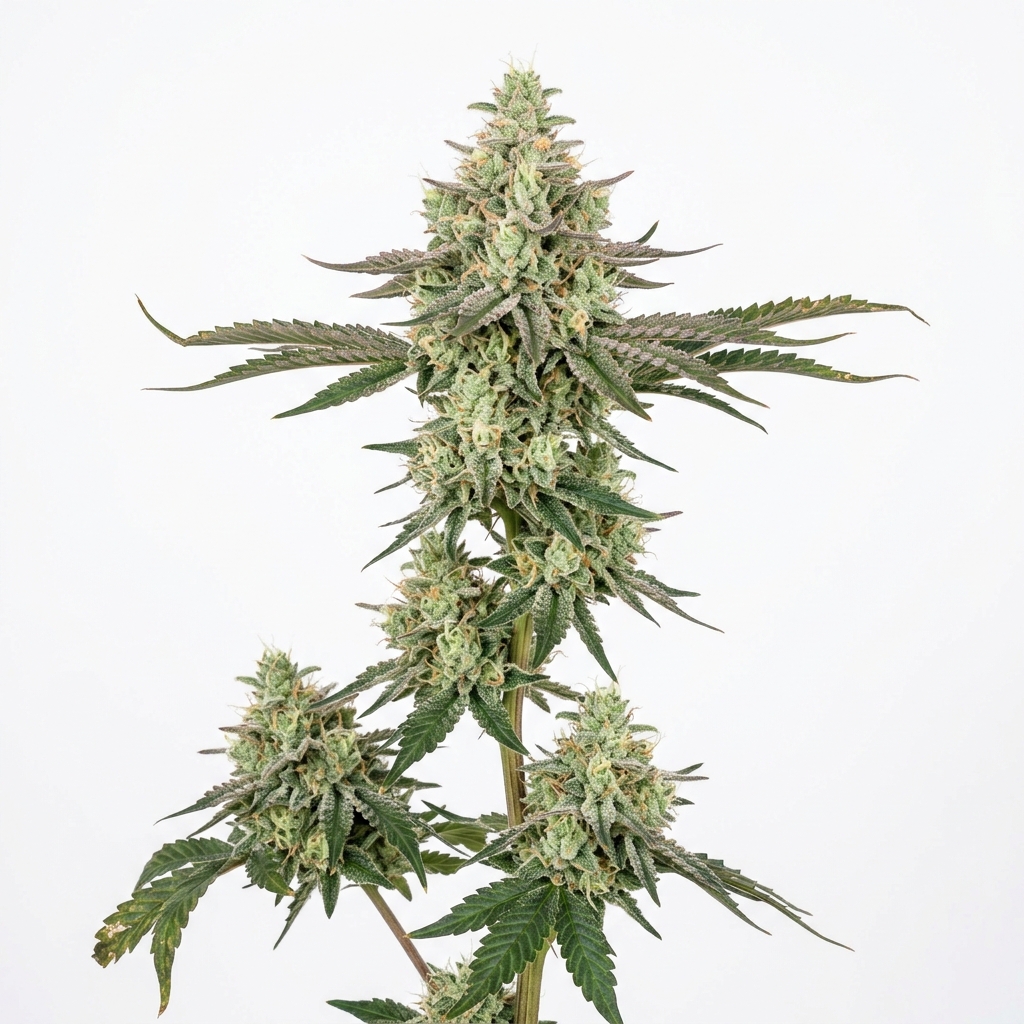
Botanically, Golden Tiger shows classic tropical sativa morphology with thin, pale-green fan leaves and wide internodal spacing. The vegetative stage is characterized by rapid, aggressive growth that requires active canopy management from the outset. This cultivar thrives under intense light and shows remarkable resistance to heat and humidity, inheriting its structural resilience from its equatorial ancestors.
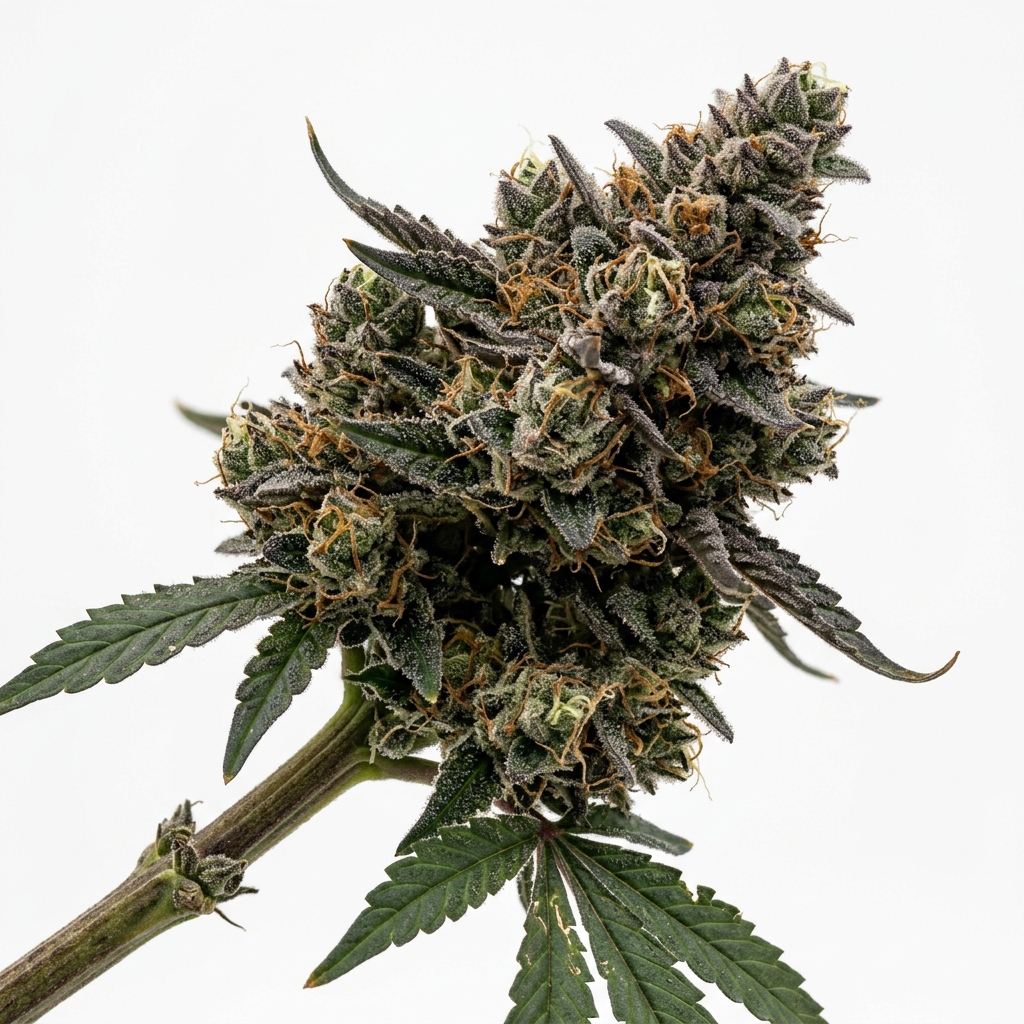
During its extended flowering cycle, the plant produces long, slender spear colas that fill out with dense bracts rather than bulky, rounded buds. The calyx-to-leaf ratio is remarkably high, facilitating excellent airflow through the canopy during the critical late-flower weeks. This open structure makes the plant highly resistant to botrytis and other moisture-related pathogens.
Unlike many modern hybrids, the resin glands on Golden Tiger are small but exceptionally dense, coating the long pistils and bracts in a glassy, wet frost. The stem rub reveals a complex mix of organic solvents, wood oil, and fermenting citrus. The plant continues to stretch well into the fourth week of flowering, demanding careful spatial planning in indoor environments.
Effects & Use-Cases (Reported)
Commonly reported effects: Users frequently describe a rapid, soaring cerebral onset that can feel intensely stimulating and psychedelic. The physical sensation is minimal, leaving the mind highly active, creative, and sometimes introspective for several hours. It is widely considered one of the most powerful pure sativas available, with a heavy, long-lasting cerebral focus.
Use-case context: This cultivar is typically reserved for daytime use, outdoor activities, or creative sessions where deep focus and high energy are required. Its lack of sedating terpenes makes it unsuitable for evening wind-down or sleep-focused regimens. It is best enjoyed by those with a high tolerance for active, stimulating sativas.
Note: Due to its high THC content and low CBD levels, novice consumers should approach this strain with caution, as its intense cerebral stimulation can occasionally induce anxiety in sensitive individuals.
Aroma & Flavors
Aroma: A pungent blend of sour lemon, spicy incense, and damp earth, underpinned by a distinct wood oil and leather undertone.
Flavor: The smoke is sharp and expansive, leaving a lingering taste of ripe citrus, fermented carrot, and a dry, peppery wood finish on the palate.
Terpene associations: Dominant terpenes include terpinolene, myrcene, and limonene, which drive its bright, chemical-like citrus profile and intense clarity.
Tested Cannabinoid & Terpene Ranges
| Compound | Typical Range |
|---|---|
| Δ9-THC | 20.0% – 28.0% |
| CBG | 0.5% – 1.5% |
| THCV | 0.2% – 0.8% |
| Terpinolene | 0.4% – 1.2% |
| Myrcene | 0.3% – 0.9% |
| Limonene | 0.2% – 0.6% |
Note: Cannabinoid and terpene profiles vary depending on cultivation methods, light spectrum, and curing techniques.
Cultivation Notes
- Canopy Management: High stretch requires early training, topping, or SCROG setups to manage the plant’s height indoors.
- Nutrient Regimen: Requires light feeding, particularly low nitrogen levels during both vegetative and flowering stages to prevent excessive leaf growth.
- Humidity Control: Maintains excellent mold resistance due to airy bud structure, but late-flower humidity should ideally remain below 45% to preserve delicate terpenes.
- Light Requirements: Thrives under high-intensity discharge or full-spectrum LED lighting with a strong UV component to maximize resin production.
- Harvest Window: Patience is required as the trichomes mature slowly, with peak harvest typically falling between weeks 11 and 14.
Grower Notes (Week-by-Week Snapshot)
- Weeks 1–3 (Vegetative & Early Stretch): Expect explosive vertical growth immediately upon switching to a 12/12 light cycle. Apply early LST (low-stress training) or super-cropping to establish a flat canopy.
- Weeks 4–7 (Mid-Flower): Slender white pistils begin to cluster along the long, thin branches. Internodal spacing remains wide, and the plant’s nutrient demands remain minimal; watch for tip burn.
- Weeks 8–11 (Late-Flower & Resin Development): Calyxes begin to swell and stack into spear colas. Glassy resin starts to coat the bracts, and the aroma shifts from fresh vegetation to sharp, sour citrus and incense.
- Weeks 12–14 (Ripening & Harvest): Pistils turn a deep amber-orange, and the trichome heads transition from clear to cloudy. Flush with plain water for the final 10 to 14 days, then slow-dry at 60°F and 60% relative humidity.
Genetic Lineage
Golden Tiger is a highly stable landrace hybrid developed by crossing a select Killer Malawi mother with a male Meao Thai. The Malawi parent contributes raw potency, structure, and high resin production, while the Meao Thai adds the classic, soaring Southeast Asian sativa character and complex wood-citrus terpenes.
This combination successfully tames some of the more difficult growing traits of the Thai parent while retaining the unadulterated, non-hybridized sativa high that is increasingly rare in contemporary commercial markets.
Research Insights
Analytical testing of Golden Tiger consistently highlights a high concentration of terpinolene combined with significant levels of THCV (tetrahydrocannabivarin). This specific cannabinoid-terpene synergy is associated with the strain’s clear, energetic, and long-lasting cerebral effects.
Breeders and researchers value the strain for its genetic purity, offering a valuable gene pool of landrace-derived traits that have not been diluted by modern indica hybridization. This makes it a prime candidate for breeding programs targeting clean energy profiles and high mold resistance.
Frequently Asked Questions
Is Golden Tiger suitable for indoor growing?
Yes, but it requires experience. Due to its extreme sativa stretch, indoor growers must use training techniques like SCROG, top early, and limit the vegetative period to keep the canopy height manageable.
How long does Golden Tiger take to flower?
This strain has a long flowering period, typically requiring 11 to 14 weeks to reach full maturity, depending on the specific phenotype and environmental conditions.
What does Golden Tiger smell like?
It features a sharp, pungent aroma of sour lemon, spicy incense, and wood oil, with undertones of damp earth and leather.
What are the main effects of Golden Tiger?
It is known for a highly stimulating, soaring, and long-lasting cerebral effect that is energetic and trippy, with minimal physical heaviness.
Educational Disclaimer
This content is for educational and informational purposes only. Cultivation and consumption of cannabis are subject to local laws and regulations.
Rate and review this strain
Ratings and reviews are accepted only from signed-in Google accounts.
Sign in with Google to leave a rating and written review.
Latest Reviews
0 reviewsNo reviews yet. Be the first Google user to rate and review this strain.
Follow New Cultivar Records
Get newly documented genetics, breeder history, research highlights, and important Strainpedia discoveries by email.