
Apple Tarts (Cannabis Strain)
Apple Tarts is a modern hybrid cultivar bred by Clearwater Genetics, crossing Apple Fritter with Runtz. Uninfused dried flower typically tests between 22% and THC not consistently reported, presenting a distinctive bouquet of sour green apple, sweet confectionary dough, and a subtle gas finish. The variety produces dense, resin-rich colas loaded with swollen calyxes and heavy trichome coverage, earning consistent appreciation in both boutique flower production and solventless extraction.
The cross merges the stout structural frame and pastry-like sweetness of Apple Fritter with the exotic candy profile and anthocyanin coloration of Runtz. Plants display moderate internodal spacing and predictable flower stretch, making canopy management straightforward for trained growers. Consumers commonly describe the experience as mentally uplifting and physically calming without inducing premature lethargy.
Quick Facts
| Field | Details |
|---|---|
| Breeder | Clearwater Genetics |
| Genetics | Apple Fritter × Runtz |
| Variety | Balanced Hybrid (approx. 50% Indica / 50% Sativa) |
| THC Range | 22% – 28% |
| Flowering Time | 8 – 9 weeks (56 – 63 days) |
| Yield Potential | Moderate to High |
| Plant Height | Medium |
| Climate Preference | Temperate to Warm, controlled indoor |
| Difficulty | Moderate |
Scientific & Botanical Overview
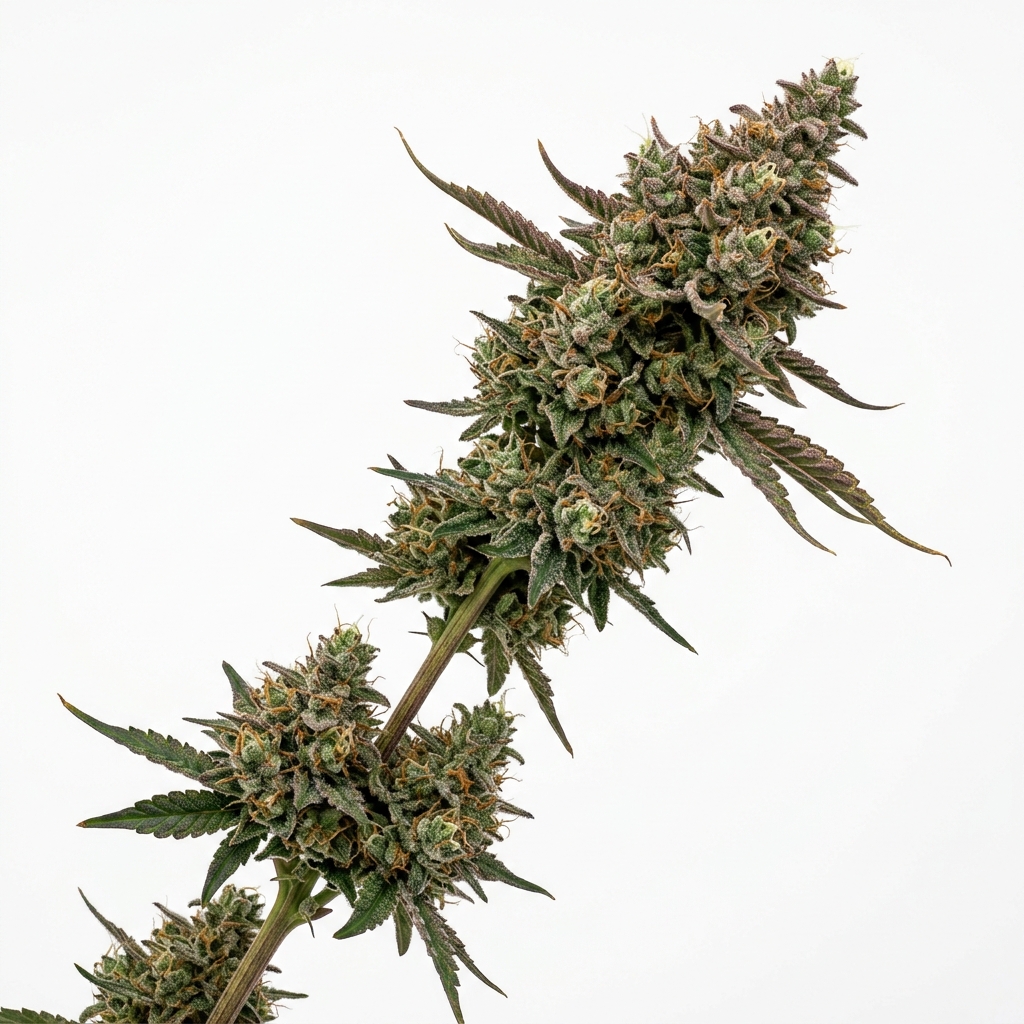
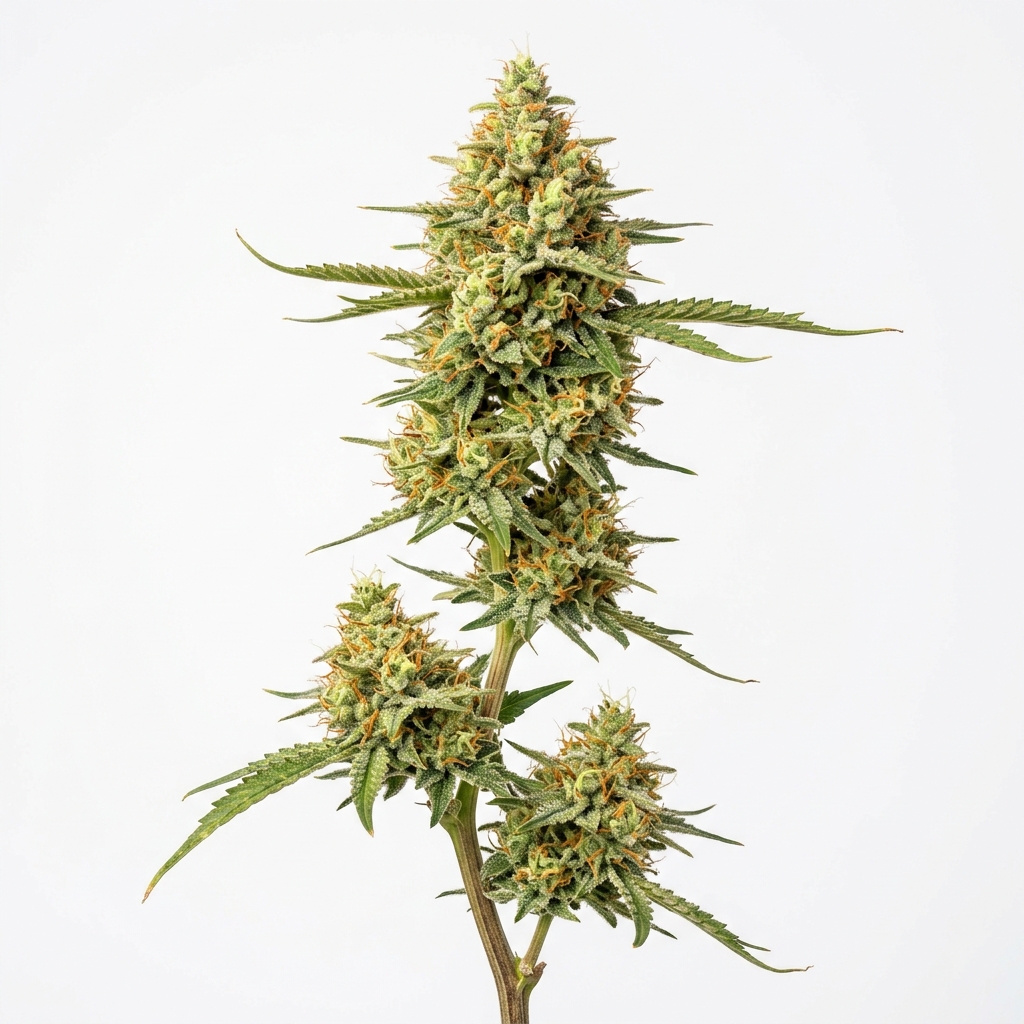
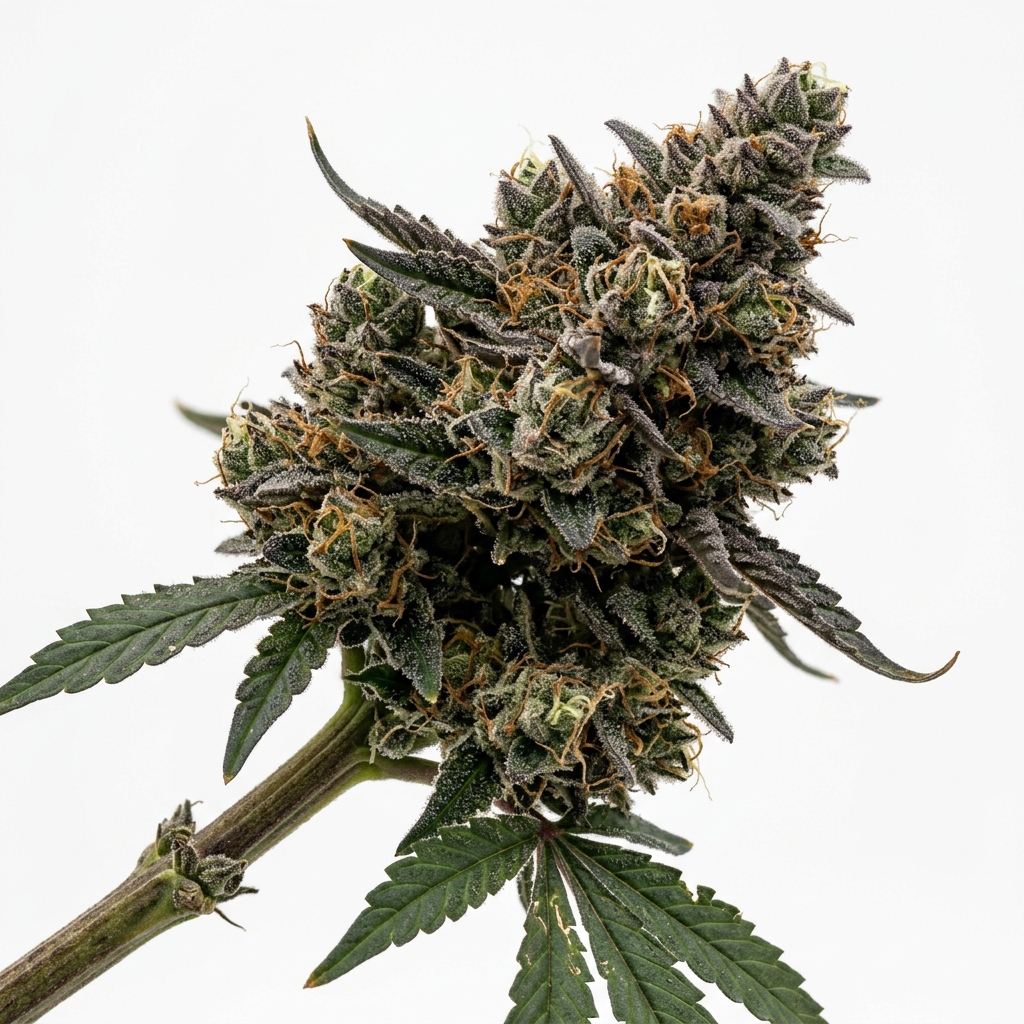
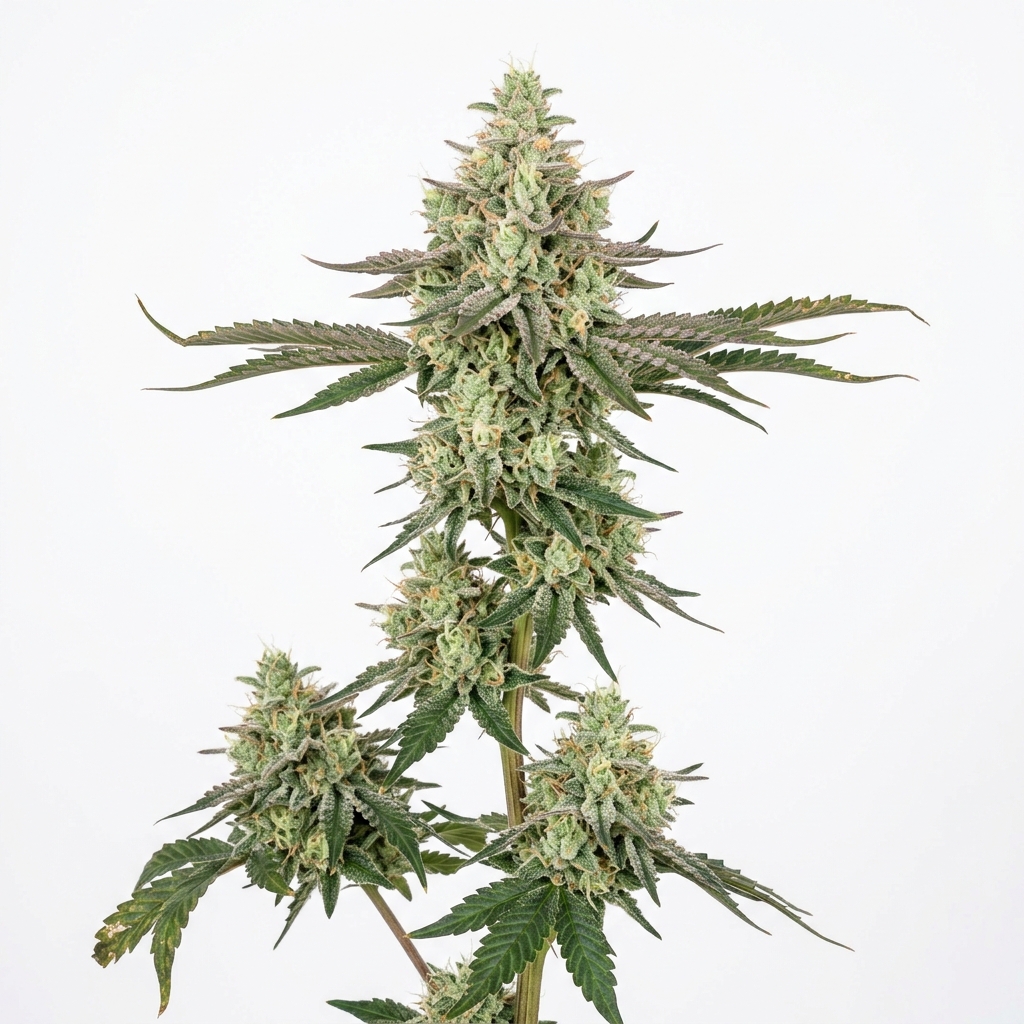
Botanically, Apple Tarts forms tight, spade-to-spear-shaped flower clusters anchored along sturdy lateral branches. Bract development is prominent, creating layered, textured colas that resist excessive foxtailing under controlled lighting. The cured buds display deep forest green hues with frequent lavender and dark violet shading across the upper sugar leaves.
The glandular trichome layer develops heavily by mid-flower, showing large capitate-stalked heads that remain greasy to the touch. These resin heads hold dense concentrations of volatile terpenes that retain structural integrity through a slow dry and cure. Mature pistils curl tightly against the bracts, maturing from bright tangerine to a deeper copper hue.
Vegetative growth is steady, characterized by broad fan leaves and medium internodal spacing. The cultivar shows reasonable resilience against mild abiotic stresses, though its dense bud geometry requires attentive moisture control during late ripening to preserve inner flower quality.
Effects & Use-Cases (Reported)
Commonly reported effects: The onset is typically described as a fast-acting cerebral elevation paired with light pressure behind the eyes. Users report enhanced sensory focus and elevated mood, which gradually settles into a functional physical ease that relieves muscular tension without heavy sedation.
Use-case context: Apple Tarts fits comfortably into late afternoon and evening sessions. It serves well during creative hobbies, casual social settings, or post-work decompression where physical relaxation is desired alongside mental engagement.
Individual experiences with cannabis vary widely based on tolerance, dosage, consumption method, and individual endocannabinoid physiology.
Aroma & Flavors
Aroma: Breaking open a cured bud releases bright notes of sour green apple skin, sweet confectionary dough, and candied citrus. Beneath the fruit-forward top notes sits a grounded layer of damp earth, spicy herbal undertones, and a sharp touch of diesel.
Flavor: The smoke or vapor translates directly to tart orchard fruit on the inhale, backed by sugary baked pastry and creamy vanilla notes. The exhale leaves a lingering sour candy flavor with a peppery, fuel-tinged finish on the palate.
Terpene associations: Dominant aromatic profiles are driven primarily by beta-caryophyllene, limonene, and myrcene, with supporting contributions from linalool and humulene providing the floral and dough-like undertones.
Tested Cannabinoid & Terpene Ranges
| Compound | Type | Typical Range (Dried Flower) |
|---|---|---|
| Δ9-THC / THCA | Cannabinoid | 22.0% – 28.0% |
| CBG / CBGA | Cannabinoid | 0.5% – 1.2% |
| CBD / CBDA | Cannabinoid | < 0.2% |
| Beta-Caryophyllene | Terpene | 0.4% – 1.1% |
| Limonene | Terpene | 0.3% – 0.9% |
| Myrcene | Terpene | 0.2% – 0.6% |
| Linalool | Terpene | 0.1% – 0.4% |
| Total Terpenes | Terpene Profile | 1.8% – 3.2% |
Range note: Cannabinoid and terpene metrics reflect laboratory analyses of cured, uninfused dried flower. Results vary according to specific phenotype, cultivation environment, lighting intensity, and post-harvest drying protocols.
Cultivation Notes
- Humidity management: Maintain relative humidity around 55% to 60% during early flowering, tapering to 40% to 45% in late bloom to protect the dense colas from moisture accumulation.
- Nutrient requirements: Plants handle moderate to heavy nutrient inputs in peak flower, showing solid calcium and magnesium uptake under high-intensity lighting.
- Canopy training: Responds well to topping and low-stress training (LST) early in veg to establish an even multi-top canopy across trellising.
- Defoliation: Conduct a thorough strip of lower fan leaves at the end of week 3 of flower to improve light penetration and internal airflow through the core canopy.
- Harvest window: Prime maturity typically lands between days 58 and 63, signaled by cloudy trichome heads with light amber development and swollen, resin-coated calyxes.
Grower Notes (Week-by-Week Snapshot)
- Weeks 1–3 (Transition & Stretch): Plants undergo a moderate stretch of approximately 1.5× to 2× their vegetative height. Internodal spacing remains compact, and early floral cluster formation begins rapidly by the end of week 2.
- Weeks 4–6 (Bud Set & Trichome Build): Bracts swell rapidly while trichome density surges across buds and upper fan leaves. Aromas transition from faint green fruit to sharp, sour candy dough.
- Weeks 7–9 (Ripening & Color Development): Calyx swelling peaks and flower density solidifies. Cooler night temperatures in the final two weeks often reveal deep purple hues across the foliage.
- Post-Harvest (Dry & Cure): A slow 12 to 14 day dry at 60°F (15.5°C) and 60% relative humidity preserves the tart apple and fuel-candy terpene profile.
Genetic Lineage
Apple Tarts was created by crossing Apple Fritter with Runtz. Apple Fritter (Sour Apple × Animal Cookies) supplies the hybrid with heavy resin yields, pastry-like aroma depth, and a sturdy branch architecture capable of bearing dense terminal colas. Its genetic background grounds the cross with balanced hybrid vigor.
The pollen parent, Runtz (Zkittlez × Gelato #33), contributes intense confectionary sweetness, dark purple coloration, and abundant capitate-stalked trichomes. The combination stabilizes into a predictable hybrid that preserves the sour-pastry signature of the maternal line while gaining the vibrant candy-gas notes of Runtz.
Research Insights
Scientific literature on cannabis phytochemistry emphasizes the interaction between dominant sesquiterpenes like beta-caryophyllene and monoterpenes like limonene. Caryophyllene is unique as a dietary terpene capable of binding directly to peripheral CB2 cannabinoid receptors, while limonene is frequently studied for its role in modulating perceived aromatic brightness and mood-related responses.
These broad terpene and cannabinoid findings represent general botanical research and should not be interpreted as clinical proof of specific medical outcomes for Apple Tarts. Cultivar-level effects remain subject to individual biology, environment, and total phytochemical composition in whole dried flower.
Frequently Asked Questions
Who bred the Apple Tarts strain?
Apple Tarts was bred by Clearwater Genetics, combining Apple Fritter with Runtz to merge sour pastry notes with exotic candy profiles.
Is Apple Tarts an indica or sativa?
Apple Tarts is classified as a balanced hybrid (approximately 50% Indica / 50% Sativa), offering a combination of mental clarity and calm physical relaxation.
What does Apple Tarts smell and taste like?
The cultivar features an aroma of sour green apple, sweet dough, and light fuel. On the palate, it delivers tart orchard fruit, sugary pastry, and a lingering candy-gas finish.
How long does Apple Tarts take to flower?
Under standard indoor light schedules, Apple Tarts finishes flowering in 8 to 9 weeks (56 to 63 days).
Educational Disclaimer
This content is for educational and informational purposes only. Cannabis laws and regulations vary by jurisdiction. Always consult with a qualified professional before beginning any cultivation project or consuming cannabis products.
Rate and review this strain
Ratings and reviews are accepted only from signed-in Google accounts.
Sign in with Google to leave a rating and written review.
Latest Reviews
0 reviewsNo reviews yet. Be the first Google user to rate and review this strain.
Follow New Cultivar Records
Get newly documented genetics, breeder history, research highlights, and important Strainpedia discoveries by email.