Candy Flip (Cannabis Strain)
Candy Flip is a balanced hybrid cultivar testing between 18% and 24% THC, developed through the pairing of Granddaddy Purple and Space Queen. The original breeder is not consistently documented across commercial registries, though early selections emerged from West Coast breeding circles working with legacy sweet-and-sour genetics. The cultivar is recognized for its dense, trichome-coated bracts, controlled canopy stretch, and a distinct terpene signature defined by candied grape, tart tropical fruit, and a light herbal finish. Its reliable resin coverage and solid flower density make it a dependable choice for both flower production and solventless extraction.
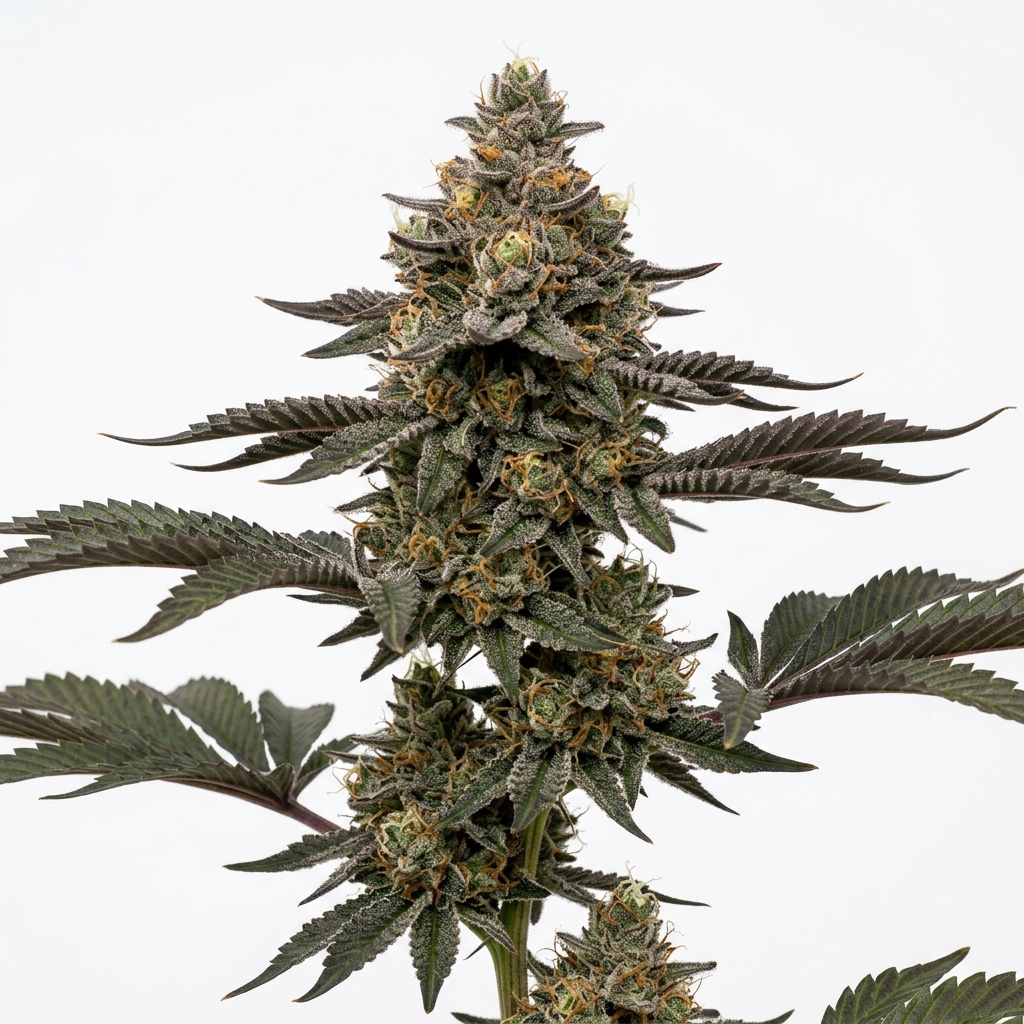
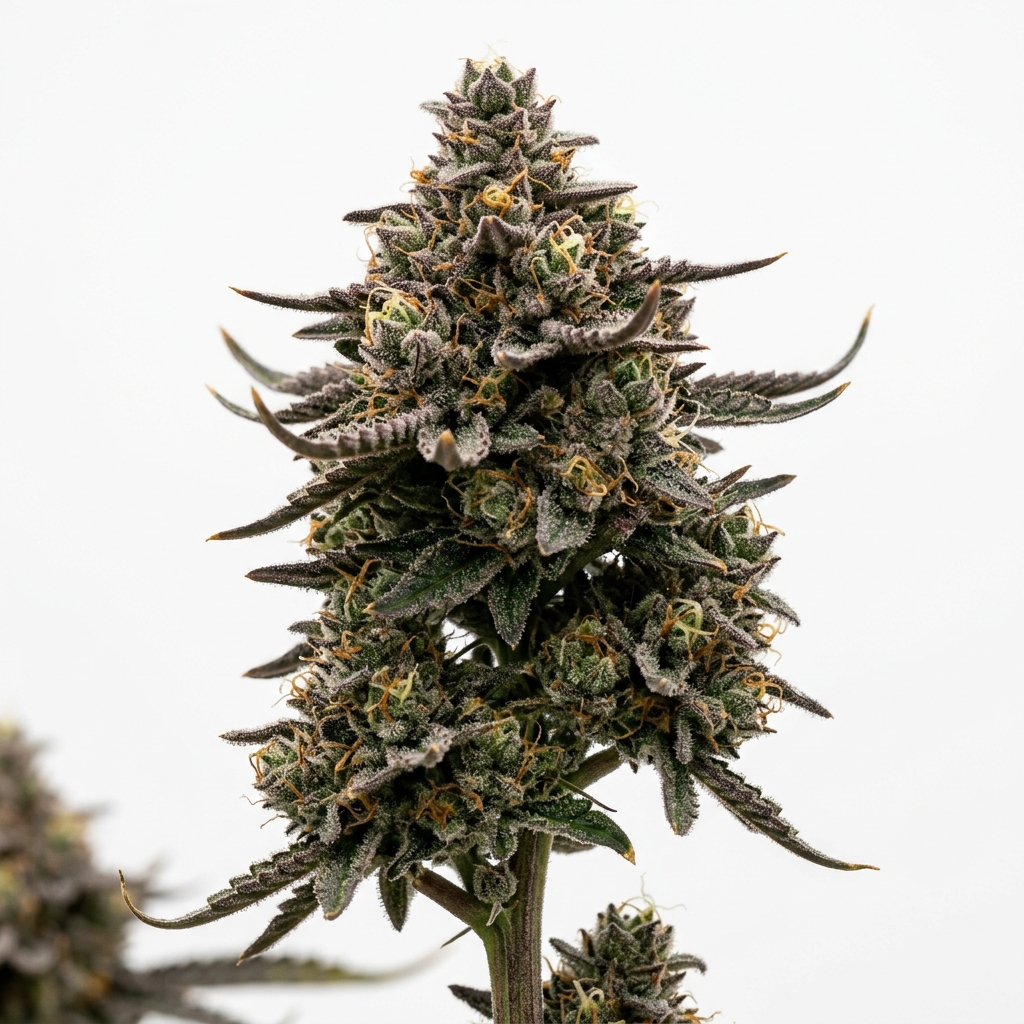
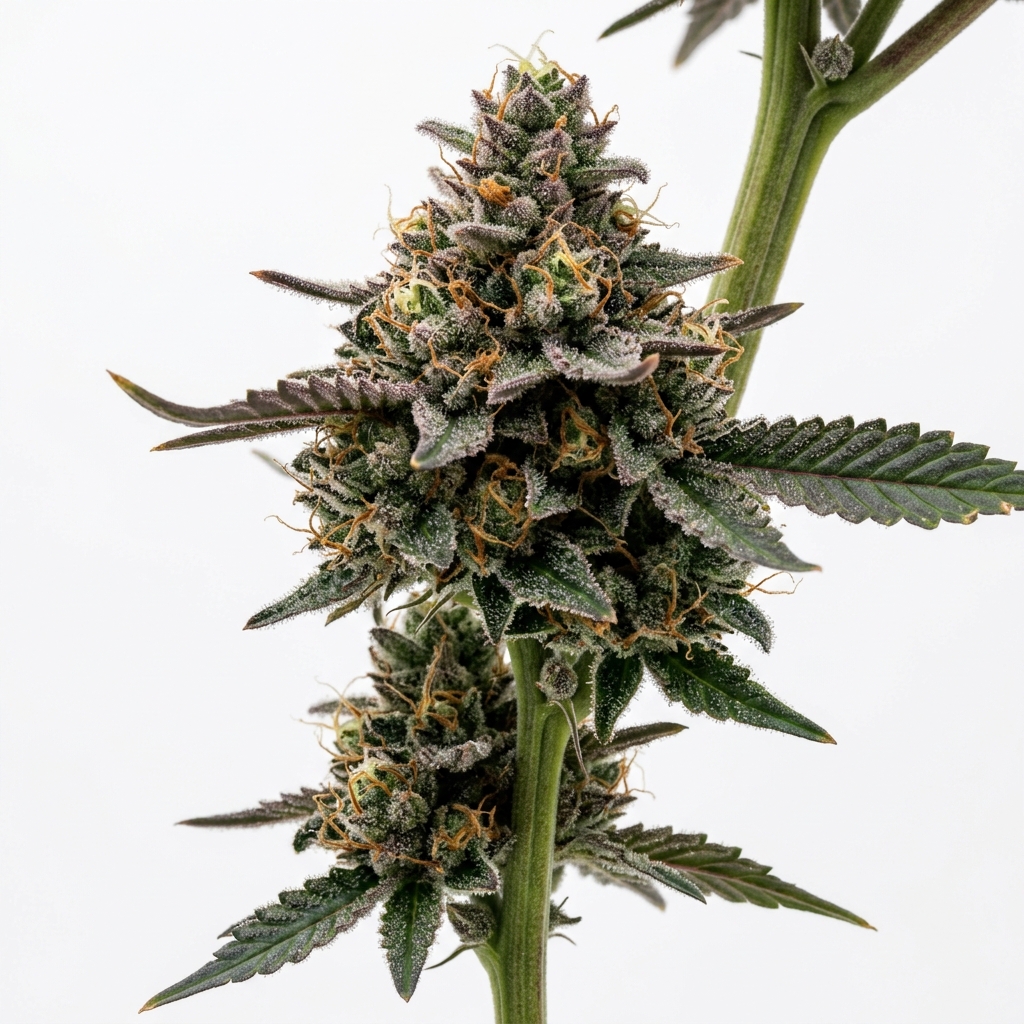
Inheriting deep coloration and body from its Granddaddy Purple lineage alongside the bright, uplifting fruit profile of Space Queen, Candy Flip develops stout lateral branching and thick spear colas. In late bloom, fan leaves frequently transition into muted lavender and deep plum hues under cooler nighttime temperatures. Consumers commonly report a balanced experience that pairs sensory clarity with gradual physical relaxation, making it adaptable to daytime and early evening use without heavy sedative lock.
Quick Facts
| Field | Detail |
|---|---|
| Breeder | Not consistently documented |
| Genetics | Granddaddy Purple × Space Queen |
| Variety | Hybrid (approx. 50% Indica / 50% Sativa) |
| THC Range | 18% – 24% |
| Flowering Time | 8 – 9 weeks (56 – 63 days) |
| Yield Potential | Moderate to high (450 – 550 g/m² indoor) |
| Plant Height | Medium (90 – 140 cm) |
| Climate Preference | Temperate to warm Mediterranean |
| Difficulty | Moderate |
Scientific & Botanical Overview
Candy Flip displays a balanced hybrid growth habit characterized by medium internodal spacing, strong main stalks, and dense secondary branching. The vegetative phase establishes broad, deep-green fan leaves that narrow slightly as the plant transitions into flower. Its structural rigidity allows the plant to carry substantial cluster weight without severe staking, although light trellising is recommended to support developing top colas.
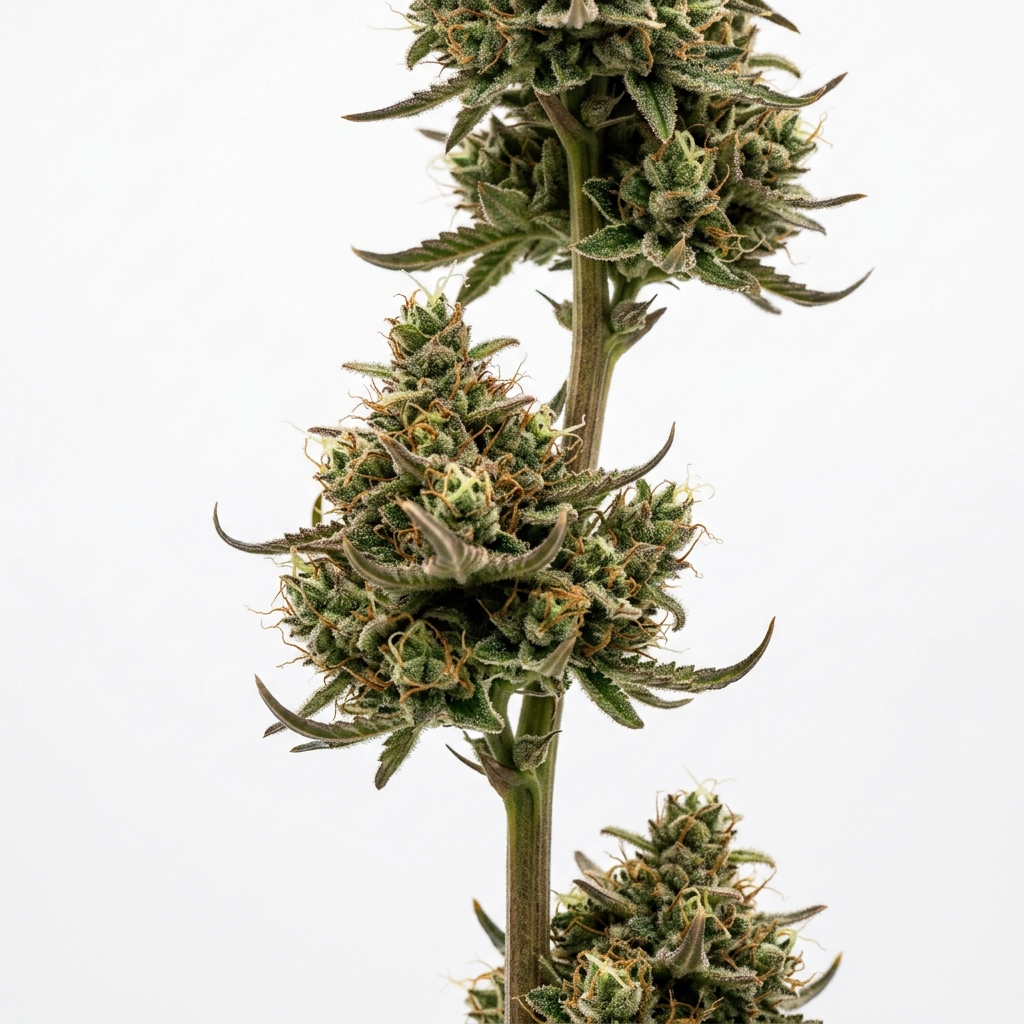
During anthesis, the cultivar develops tight clusters of swollen calyxes that stack along terminal shoots. Glandular trichome production begins early, typically forming thick, bulbous resin heads across the bracts and sugar leaves by week five. The calyx-to-leaf ratio remains favorable, simplifying post-harvest handling while preserving fragile resin glands during trimming.
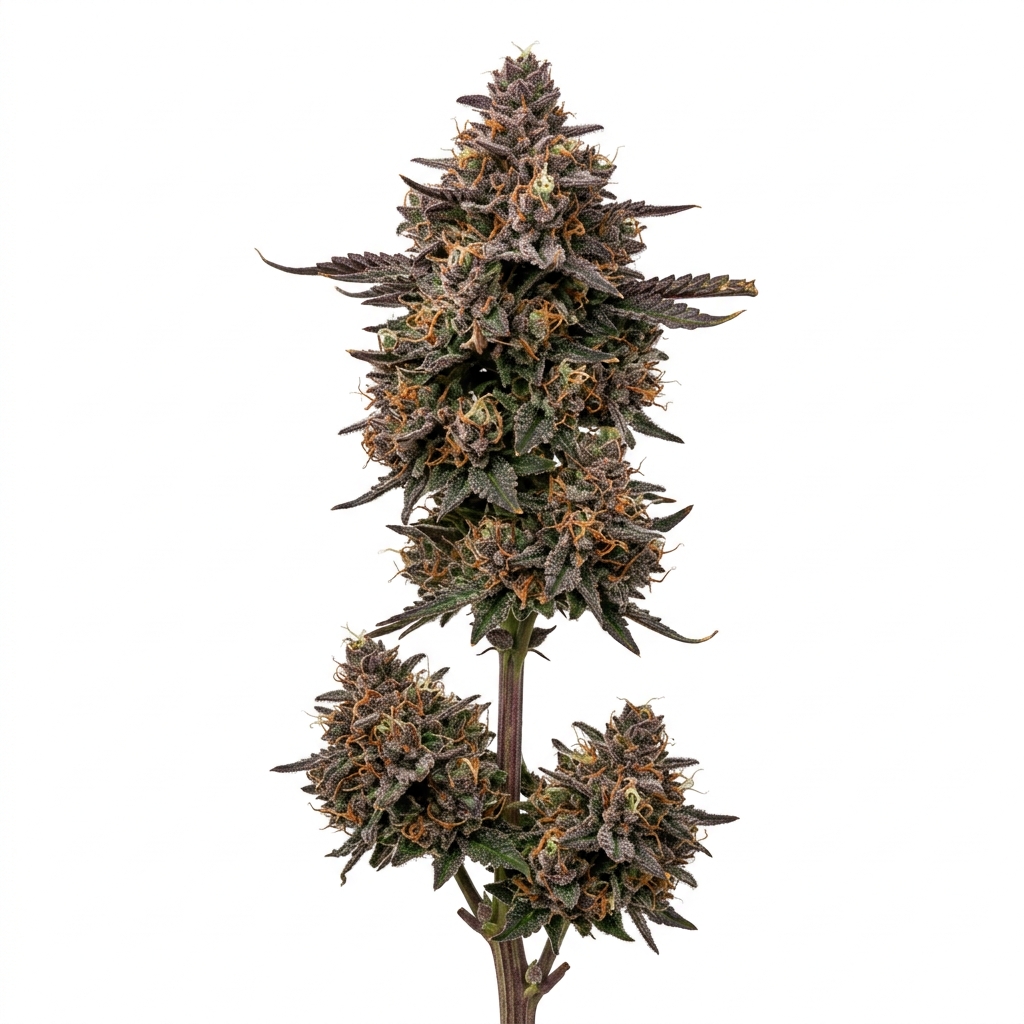
Anthocyanin accumulation is phenotype-dependent, often triggered by a moderate night-to-day temperature differential in late bloom. The finished flower shows a tight, golf-ball to spear-shaped morphology with vibrant rust-orange pistils cutting across olive-green and purple-tinged calyx structures. The cured buds retain noticeable density and a greasy, resinous surface feel.
Effects & Use-Cases (Reported)
Commonly reported effects: Consumers typically describe an initial cerebral lift marked by mental alertness, mood elevation, and heightened sensory awareness. As the duration progresses, this active phase gives way to a smooth, soothing body sensation that settles in the shoulders and limbs without causing immediate drowsiness or heaviness.
Use-case context: The dual nature of the cultivar makes it suitable for late-afternoon leisure, social gatherings, creative pursuits, or post-work unwinding. Its balanced onset supports tasks that require focus before transitioning into calm physical ease.
Note: Individual experiences vary widely depending on personal tolerance, dosage, consumption method, and specific batch chemistry.
Aroma & Flavors
Aroma: Breaking apart a cured flower releases an immediate burst of sweet candied berries, tart green apple, and fermented grape. Beneath the fruit layer sits a mild backdrop of earthy spice, damp pine, and a subtle sour citrus rind.
Flavor: The smoke or vapor delivers a pronounced sugary palate upfront, blending dark berry sweetness with a sharp, tangy citrus finish. On the exhale, subtle notes of floral lavender, pine needle, and soft hash emerge cleanly without lingering bitterness.
Terpene associations: The aroma and flavor profile is driven predominantly by myrcene, caryophyllene, and limonene, with supporting concentrations of pinene and linalool providing floral and herbal accents.
Tested Cannabinoid & Terpene Ranges
| Compound | Tested Range (Dried Flower) |
|---|---|
| Δ9-THC / THCA | 18.0% – 24.0% |
| CBD / CBDA | < 1.0% |
| CBG / CBGA | 0.4% – 1.2% |
| Total Terpenes | 1.5% – 2.8% |
| Primary Terpenes | Myrcene, Caryophyllene, Limonene |
| Secondary Terpenes | Pinene, Linalool, Humulene |
Range note: Cannabinoid and terpene figures represent typical ranges found in cured flower batches. Natural variations occur based on cultivation parameters, lighting, curing protocols, and specific clone selections.
Cultivation Notes
- Humidity management: Maintain 55% to 65% relative humidity in early vegetative growth, lowering to 45% in mid-flower and 40% in late bloom to safeguard dense colas against mold.
- Nutrient requirements: Plants respond well to moderate nitrogen in veg and increased phosphorus and potassium during weeks four through seven, with careful EC monitoring to avoid tip burn.
- Canopy training: Responds effectively to topping and low-stress training (LST) early in veg to establish an even multi-top canopy and maximize light exposure.
- Defoliation: Moderate selective pruning of large lower fan leaves around week three of flower improves airflow through dense inner nodal sites.
- Harvest window: Optimal trichome development typically occurs between day 56 and day 63, targeting mostly milky heads with 10% to 15% amber for balanced potency.
Grower Notes (Week-by-Week Snapshot)
- Weeks 1–3 (Establishment & Transition): Plants experience a moderate 1.5x stretch post-flip. Lateral shoots establish strong spacing; light trellising is installed to set the upper canopy height.
- Weeks 4–6 (Bud Set & Resin Surge): Calyxes swell into distinct round clusters as trichome coverage accelerates rapidly. Scent transitions from green herbal notes to pungent candied berry.
- Weeks 7–9 (Ripening & Finish): Pistils darken to deep orange. Cooler night temperatures can be introduced to encourage purple pigmentation across upper bracts before the harvest window opens.
Genetic Lineage
Candy Flip brings together two influential parental lines from different ends of the flavor spectrum. Granddaddy Purple, a classic California cross of Purple Urkle and Big Bud, contributes substantial flower density, deep purple coloring potential, and an established grape-and-berry terpene foundation. Space Queen, bred by TGA Genetics from Romulan and Cinderella 99, introduces bright, sour pineapple and tropical citrus notes along with rapid resin output.
The combination yields an even hybrid profile where neither parent fully dominates. Space Queen moderates the heavy, sedative nature of Granddaddy Purple by adding cerebral clarity and zest, while Granddaddy Purple contributes structural density and smooth physical depth that prevents the high from becoming jittery.
Research Insights
Cannabis research indicates that the interplay between THC and dominant monoterpenes like myrcene and limonene plays a key role in modulating the overall sensory experience. Published pharmacology studies suggest that limonene may promote alert, elevated mood states, whereas myrcene and caryophyllene interact with peripheral receptors to facilitate physical relaxation. In balanced cultivars, this combination often results in an adaptable, multi-phase onset.
Cultivar-specific laboratory testing for Candy Flip highlights a terpene profile rich in volatile mono- and sesquiterpenes that require careful thermal management during post-harvest handling. Curing under controlled temperature (15–18°C) and stable humidity preserves the delicate fruity volatiles, preventing the degradation of limonene and linalool into harsher oxidized compounds.
Frequently Asked Questions
Who is the original breeder of Candy Flip?
The original breeder of Candy Flip is not consistently documented in commercial seed registries. The cross of Granddaddy Purple and Space Queen circulated widely among legacy growers and West Coast collectives who developed regional cut selections.
Is Candy Flip an indica or sativa cultivar?
Candy Flip is an evenly balanced hybrid (approximately 50% Indica / 50% Sativa). It combines the structural density and physical relaxation of Granddaddy Purple with the energetic fruit terpene profile and mental lift of Space Queen.
What does Candy Flip smell and taste like?
The strain has a prominent sweet aroma of candied grape, sour citrus, and tropical berries with a light pine-and-earth undertone. The flavor is sweet and tart on the draw, finishing with notes of floral spice and mild citrus rind.
What is the flowering time for Candy Flip?
Indoor flowering typically takes between 8 and 9 weeks (56 to 63 days). Outdoor plants in temperate climates generally reach maturity by early to mid-October.
Educational Disclaimer
This content is for educational and informational purposes only. Cannabis laws and regulations vary by jurisdiction. Always consult with a qualified professional before beginning any cultivation project or consuming cannabis products.
Rate and review this strain
Ratings and reviews are accepted only from signed-in Google accounts.
Sign in with Google to leave a rating and written review.
Latest Reviews
0 reviewsNo reviews yet. Be the first Google user to rate and review this strain.
Follow New Cultivar Records
Get newly documented genetics, breeder history, research highlights, and important Strainpedia discoveries by email.