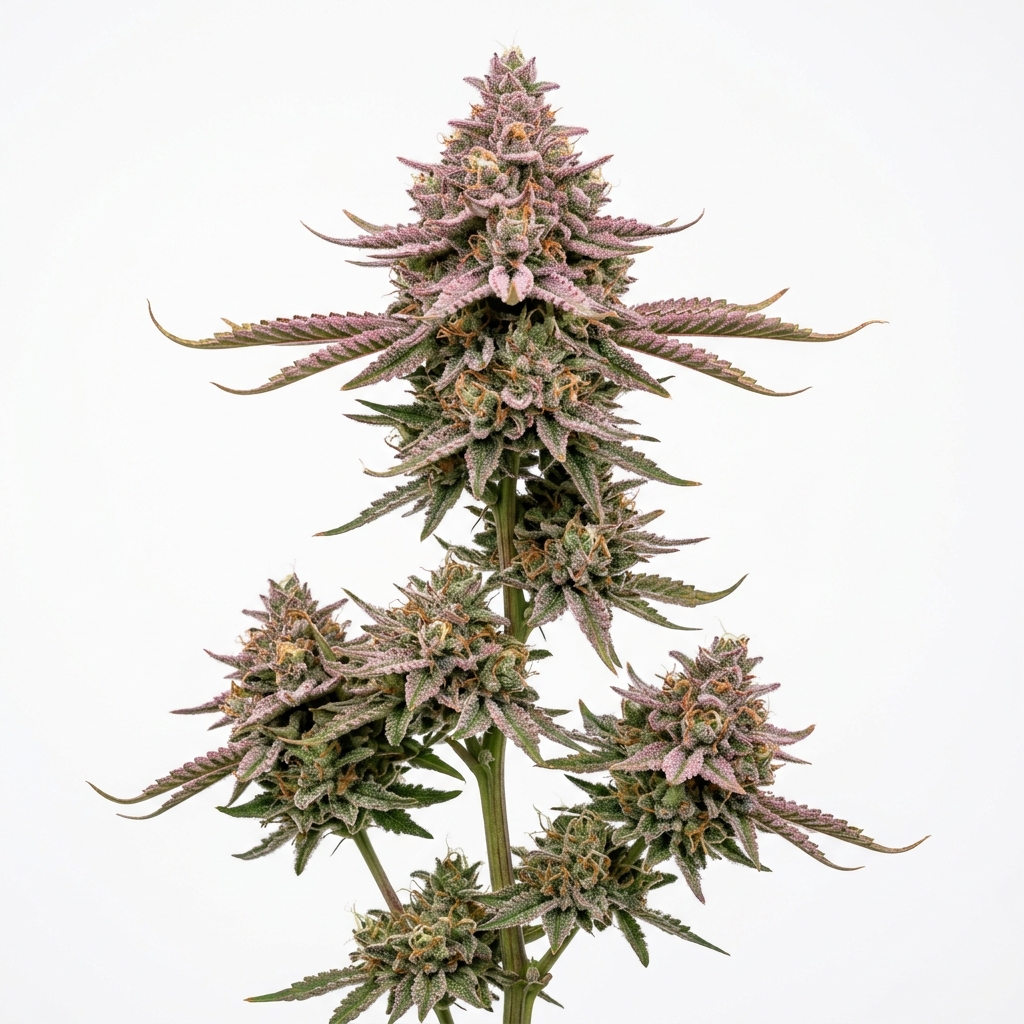
Pink Warheads (Cannabis Strain)
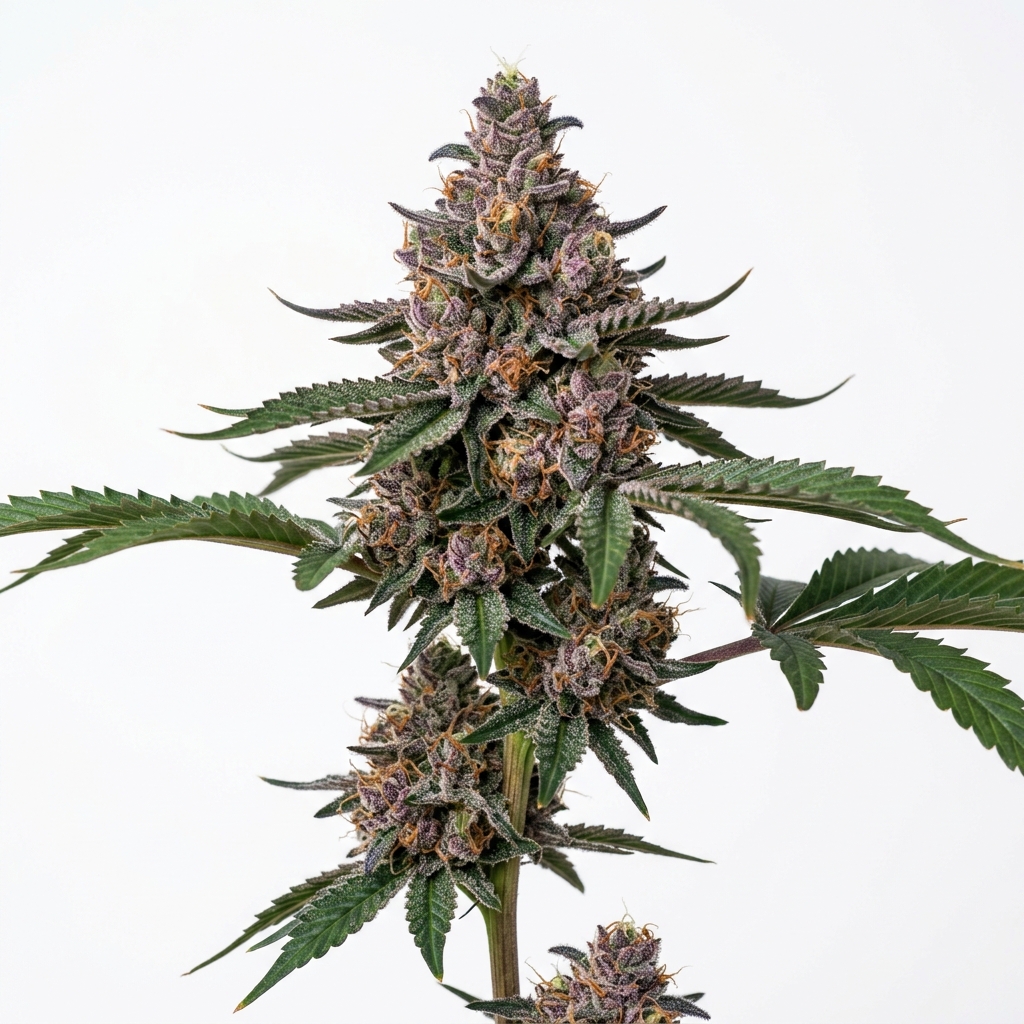
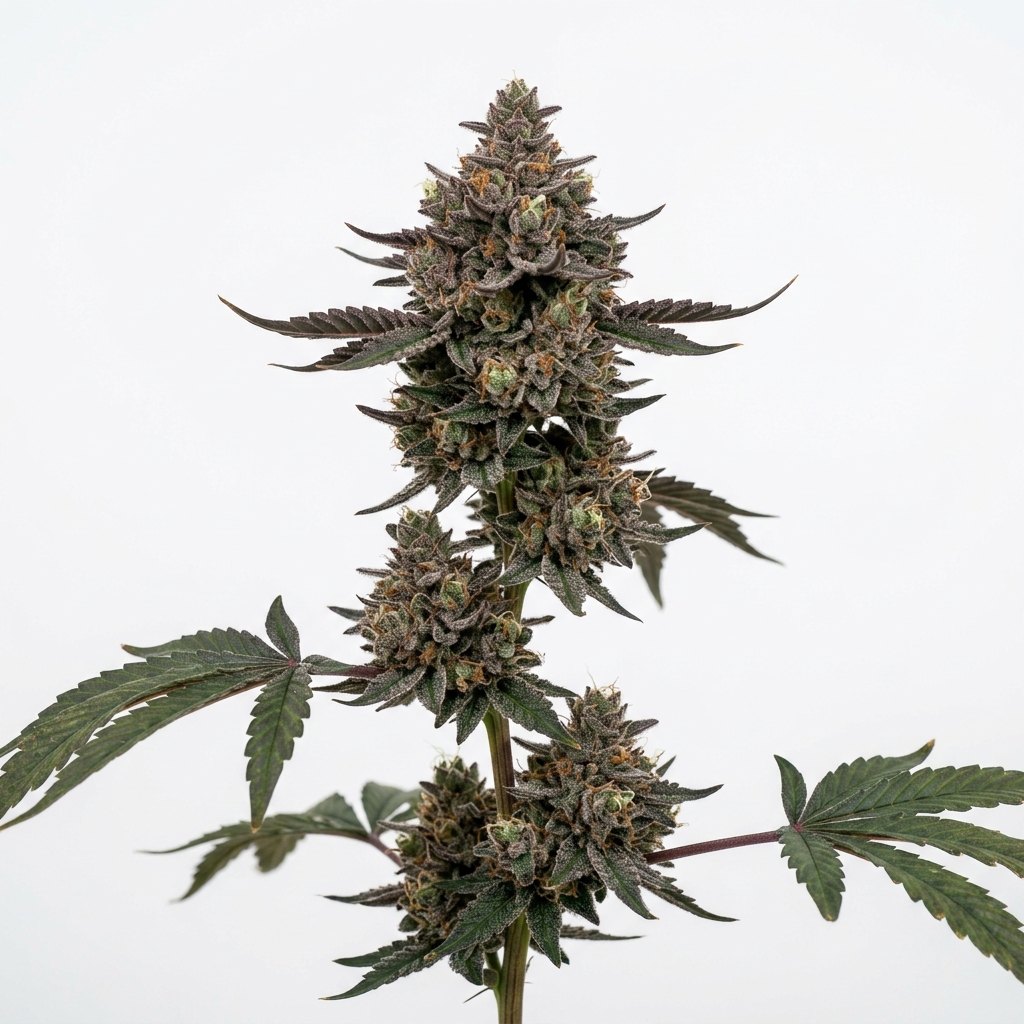
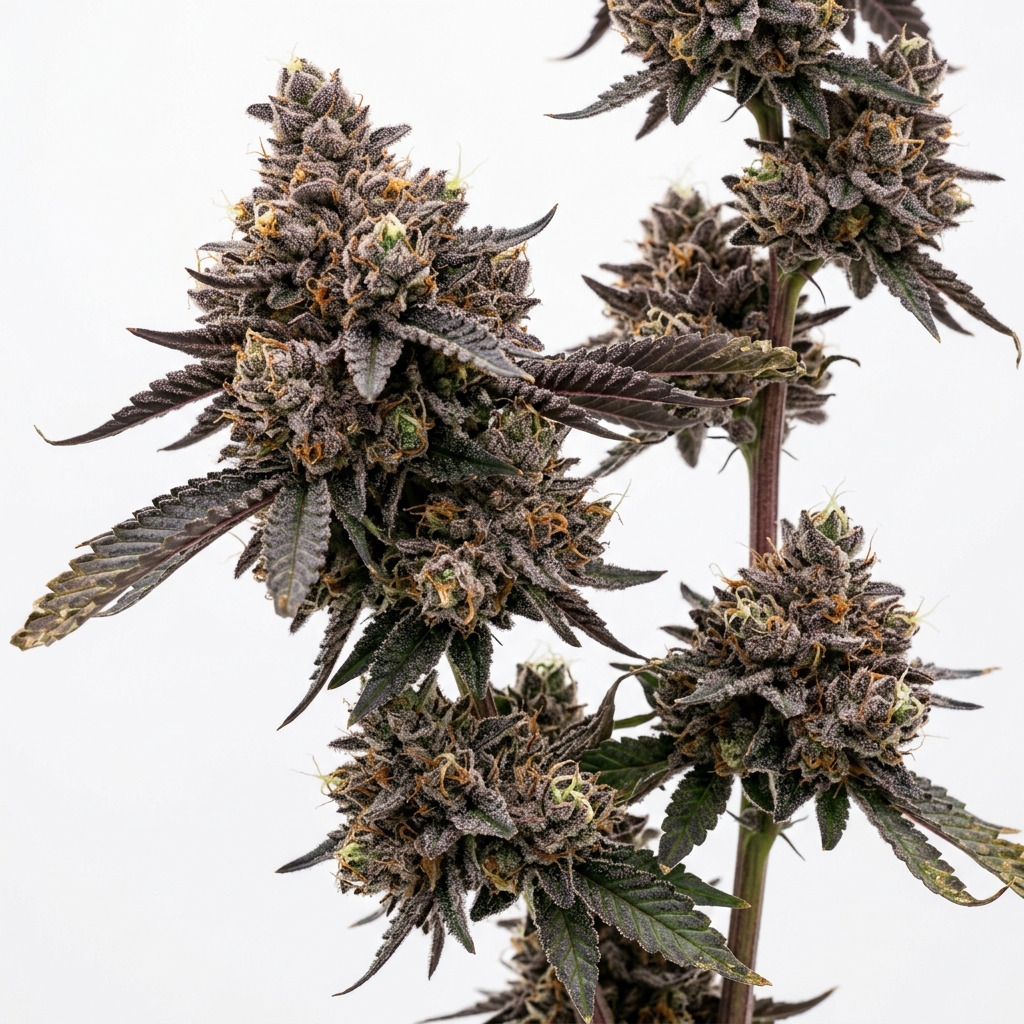
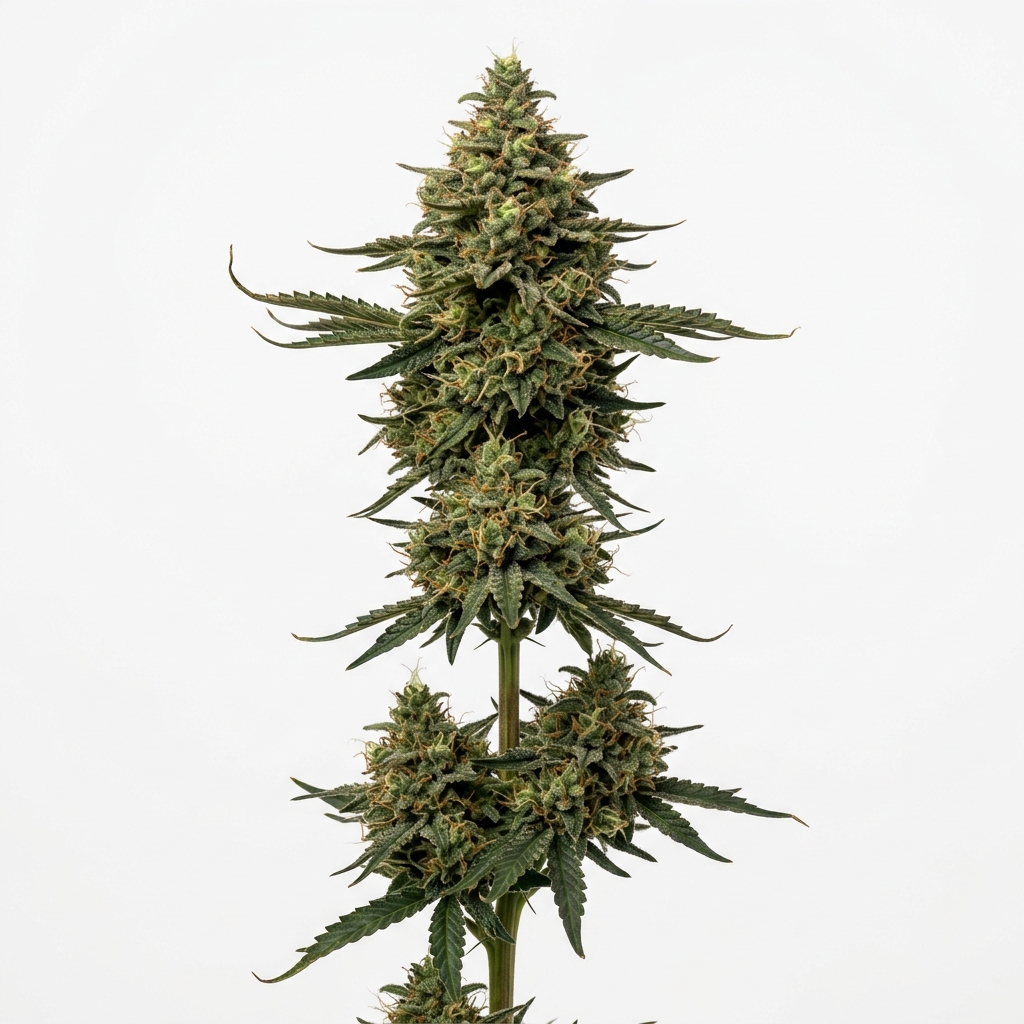
Pink Warheads is a potent hybrid cultivar typically testing between 22% and 28% THC, developed through the pairing of Pink Rozay and Warheads. While the original breeder is not consistently documented in verified public records, the cut gained traction across West Coast boutique circles for its puckering sour candy profile, sharp diesel undertones, and heavy resin output. The cultivar produces dense, spear-shaped colas with vivid pinkish-purple marbling, making it a staple among growers seeking modern exotic profiles with distinct bag appeal.
The lineage brings together the floral, wine-like berry notes of Pink Rozay and the aggressive sour fuel of the Warheads line. In the garden, plants demonstrate moderate internodal spacing and responsive lateral branching that adapts well to structured canopy management. Reported consumer experiences consistently note an initial wave of cerebral clarity that gradually settles into a calm, physically grounding state.
Quick Facts
| Field | Details |
|---|---|
| Breeder | Not consistently documented |
| Genetics | Pink Rozay × Warheads |
| Variety | Hybrid |
| THC Range | 22% – 28% |
| Flowering Time | 8 – 9 weeks (56 – 63 days) |
| Yield Potential | Moderate to high |
| Plant Height | Medium |
| Climate Preference | Temperate to warm indoor or greenhouse |
| Difficulty | Moderate |
Scientific & Botanical Overview
Pink Warheads shows classic hybrid vegetative vigor with broad, dark green fan leaves that narrow slightly as flowering progresses. Stems develop sturdy cell walls capable of supporting dense terminal clusters, though secondary branches often benefit from trellising during late floral development. The internodal spacing remains moderate, allowing sufficient light penetration into lower canopy sites when properly managed.
As the plant transitions through mid-bloom, the calyx-to-leaf ratio remains favorable, producing compact bract stacks coated in capitate-stalked glandular trichomes. Anthocyanin accumulation is readily triggered by moderate nighttime temperature drops, shifting foliage and floral tips into striking shades of violet, magenta, and pale pink. The glandular heads mature with thick cuticle walls that help preserve volatile aromatic fractions throughout the drying process.
The finished flower shows a greasy resin texture rather than a brittle, sandy coat. Cured buds retain high structural density with tightly curled orange pistils recessed between swollen calyxes. This heavy trichome coverage makes the cultivar well suited for solventless extraction techniques.
Effects & Use-Cases (Reported)
Commonly reported effects: Consumers typically describe a fast-acting onset marked by focused mental stimulation, elevated mood, and mild sensory sharpening. As the session continues, the head-focused lift transitions into a soft, spreading physical relaxation that releases tension in the neck and shoulders without inducing immediate sedation.
Use-case context: The balanced nature of this cultivar makes it versatile for late afternoon or early evening sessions. It is often chosen for creative downtime, casual social settings, or unwinding after physical exertion. Higher doses tend to shift the experience toward heavier body stillness, making it practical for quiet nighttime routines.
Note: Individual responses to cannabinoids vary significantly based on tolerance, dosage, consumption method, and personal physiology.
Aroma & Flavors
Aroma: Breaking apart a cured bud releases a pronounced blast of sour citrus, tart green apples, and candied berries, immediately backed by an earthy, pungent fuel baseline. A subtle floral sweetness lingers in the background, softened by faint notes of damp earth and crushed pepper.
Flavor: On the inhale, the palate registers sharp, mouth-puckering sour fruit and sweet berry syrup. The exhale introduces a transition toward sharp gas, spicy earth, and a lingering citrus zest finish that coats the tongue.
Terpene associations: The sensory profile is driven primarily by beta-caryophyllene, limonene, and myrcene, with minor contributions from linalool and humulene providing the faint floral and herbal balance.
Tested Cannabinoid & Terpene Ranges
| Compound | Typical Range |
|---|---|
| Δ9-THC | 22.0% – 28.0% |
| CBD | < 1.0% |
| CBG | 0.5% – 1.5% |
| Total Terpenes | 1.8% – 3.2% |
| Primary Terpenes | Beta-Caryophyllene, Limonene, Myrcene |
Range note: Cannabinoid and terpene content can vary substantially across different cultivation styles, nutrient programs, harvest windows, and post-harvest drying conditions.
Cultivation Notes
- Humidity management: Maintain vegetative relative humidity near 65%, tapering down to 45%–50% in mid-flower and 40% in the final two weeks to safeguard dense colas against mold risks.
- Nutrient requirements: Plants handle moderate-to-heavy feeding regimes well, showing strong demand for calcium and magnesium during the stretch before transitioning to phosphorus and potassium support.
- Canopy training: Low-stress training (LST) and early topping encourage a broad, even canopy with multiple dominant terminal colas.
- Defoliation: Perform a selective defoliation around day 21 and day 42 of flowering to improve air exchange and light penetration through the dense inner foliage.
- Harvest window: Optimal potency and terpene clarity generally align when trichomes show roughly 10%–15% amber with the remainder fully cloudy, usually between days 58 and 63.
Grower Notes (Week-by-Week Snapshot)
- Weeks 1–3 (Transition & Stretch): Plants undergo a moderate stretch of approximately 1.5× to 2× their vegetative height. Set initial support trellising early as lateral shoots develop quickly.
- Weeks 4–6 (Bud Formation & Scent Onset): Calyx clusters consolidate into tight spear formations. Frost production increases rapidly, and the pungent sour candy aroma begins filling the room.
- Weeks 7–9 (Ripening & Color Shift): Floral mass swells significantly while fan leaves fade into pink and purple hues if night temperatures are lowered by 5°F–8°F. Lower room humidity to preserve terpene density.
- Post-Harvest: Hang whole plants for 12 to 14 days at 60°F and 60% relative humidity to preserve delicate monoterpenes before a minimum three-week cure.
Genetic Lineage
Pink Warheads is built upon the cross of Pink Rozay and Warheads. Pink Rozay, an indica-leaning hybrid descended from Lemonchello and London Pound Cake, contributes dense floral pigmentation, sweet berry wine notes, and compact bud architecture. Its background anchors the heavy resin coverage and dark anthocyanin coloration that defines the visual appeal of the cross.
The Warheads side of the parentage introduces aggressive sourness and pungent diesel funk, derived from sour and chem-heavy heritage lines. This genetic input provides the tart citrus bite and energetic cerebral onset, balancing the heavier dessert attributes of the Pink Rozay lineage.
Research Insights
General scientific literature indicates that cultivars rich in beta-caryophyllene and limonene often present complex aromatic profiles that interact distinctly with cannabinoid receptors. Beta-caryophyllene is unique among dietary terpenes for its ability to selectively bind to peripheral CB2 receptors, while limonene is frequently studied for its uplifting aromatic qualities in consumer evaluations.
While broad pharmacological studies continue to explore how major monoterpenes and sesquiterpenes modulate the sensory properties of cannabis flower, empirical data on Pink Warheads specifically remains limited to certificate-of-analysis lab results. Controlled agricultural trials will be needed to fully characterize its exact volatile chemical distribution across varying light spectra and environmental regimes.
Frequently Asked Questions
Who bred Pink Warheads?
The original breeder is not consistently documented in verified public records, though the cut emerged from boutique West Coast breeding circles specializing in candy-gas flavor profiles.
Is Pink Warheads an indica or sativa?
Pink Warheads is a balanced to slightly indica-leaning hybrid that combines a clear, focused cerebral start with a relaxing physical body finish.
What does Pink Warheads smell and taste like?
It carries a prominent aroma of tart green apple, sour berries, and pungent diesel fuel. The flavor delivers a mouth-puckering sour fruit inhale followed by an earthy, gassy exhale.
How long does Pink Warheads take to flower?
Indoor cultivation typically requires 8 to 9 weeks (56 to 63 days) of flowering to achieve full resin maturity and peak terpene expression.
Educational Disclaimer
This content is for educational and informational purposes only. Cannabis laws and regulations vary by jurisdiction. Always consult with a qualified professional before beginning any cultivation project or consuming cannabis products.
Rate and review this strain
Ratings and reviews are accepted only from signed-in Google accounts.
Sign in with Google to leave a rating and written review.
Latest Reviews
0 reviewsNo reviews yet. Be the first Google user to rate and review this strain.
Follow New Cultivar Records
Get newly documented genetics, breeder history, research highlights, and important Strainpedia discoveries by email.