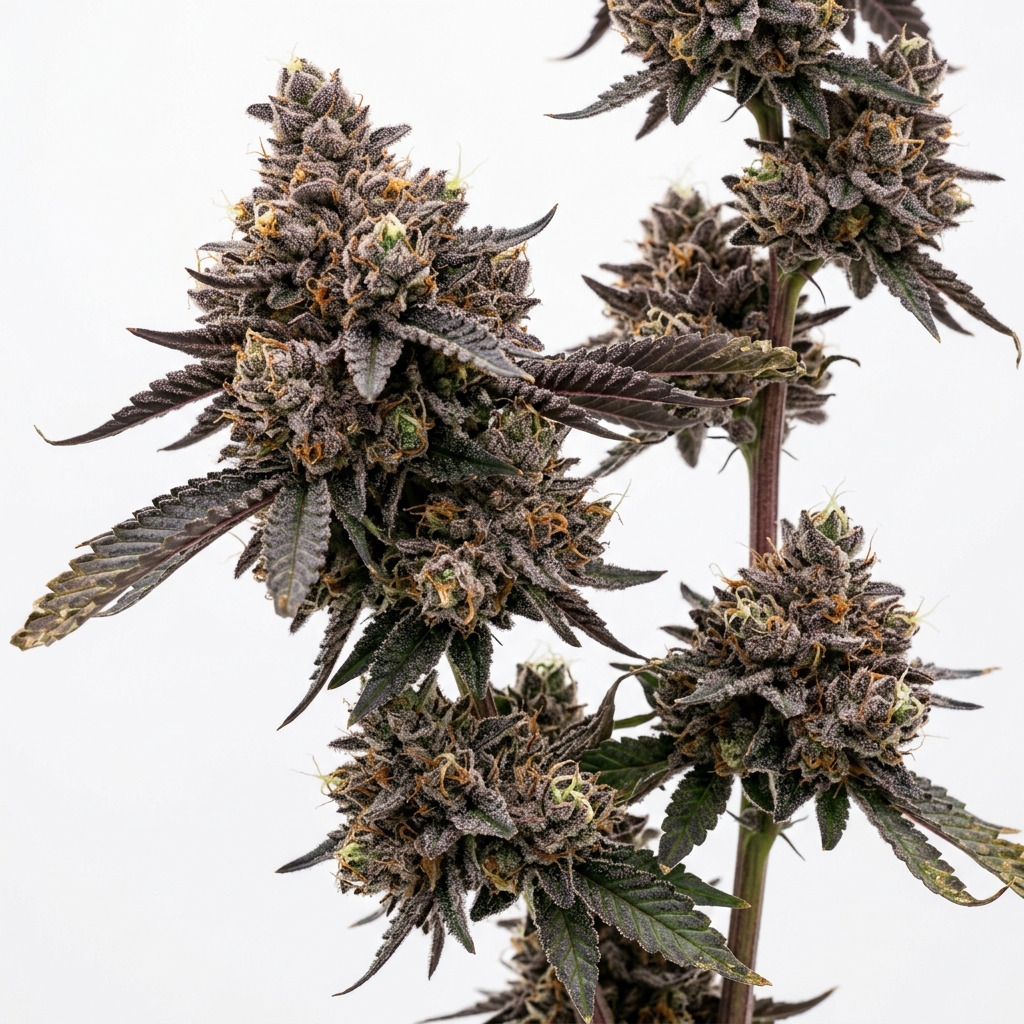
Crepes (Cannabis Strain)
Crepes is an indica-dominant hybrid cultivar bred by LIT Farms, typically testing between 22% and 28% THC in mature dried flower. Created by pairing Pancakes (London Pound Cake #75 × Kush Mints #11) with Project 4516 (Gelato 45 × Platinum Puff), it produces an aromatic profile centered on sweet batter, dark berries, and a sharp gas finish. The cultivar develops dense, golf-ball-shaped calyxes coated in thick resin, making it a reliable selection for whole-flower boutique jars and solventless extraction.
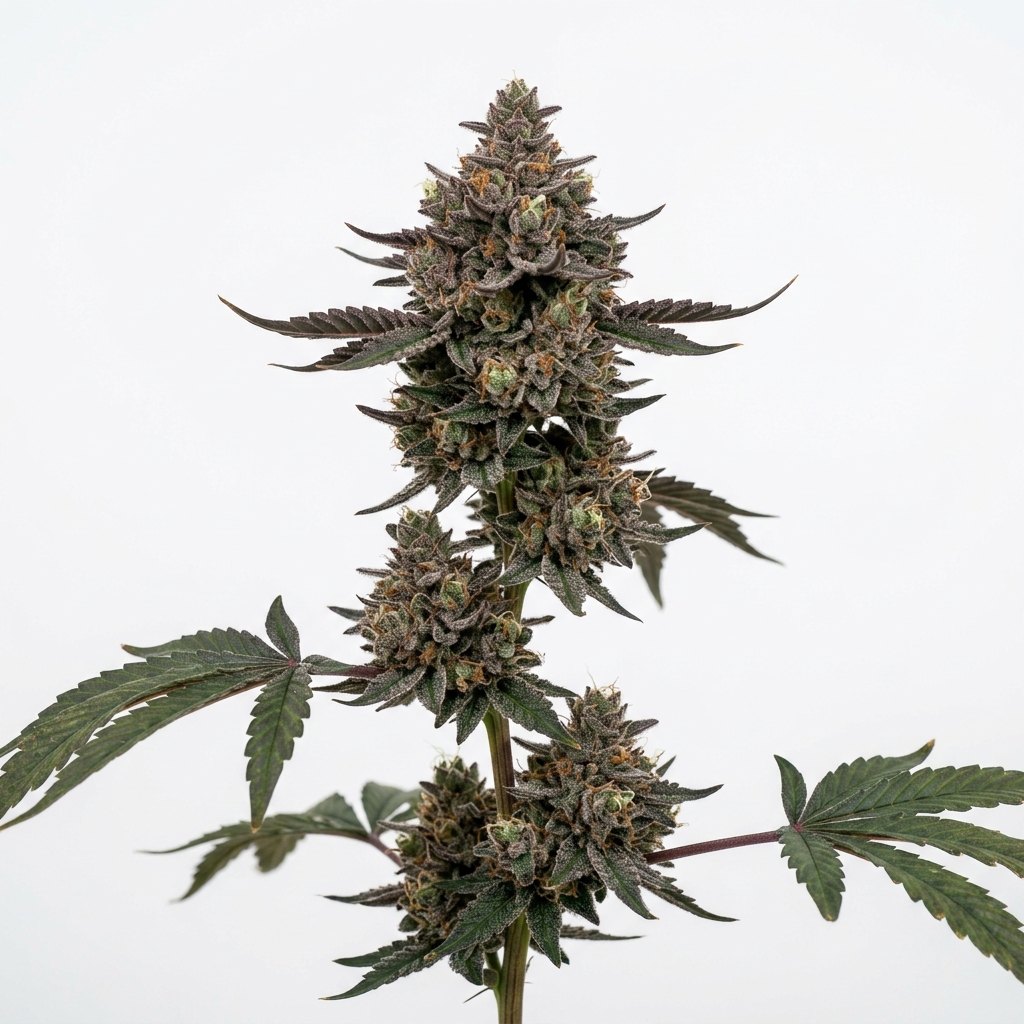
The plant shows a compact, sturdy branching pattern inherited from its Gelato and Kush Mints heritage, finishing flowering in 8 to 9 weeks with pronounced purple foliage under cooler night temperatures. Reported effects commonly center on physical body relaxation accompanied by a mellow, clear-headed calm suitable for late-afternoon and evening hours.
Quick Facts
| Field | Details |
|---|---|
| Breeder | LIT Farms (commonly reported) |
| Genetics | Pancakes × Project 4516 |
| Variety | Indica-dominant hybrid |
| THC Range | 22% – 28% |
| Flowering Time | 8 – 9 weeks (56 – 63 days) |
| Yield Potential | Moderate to high |
| Plant Height | Medium |
| Climate Preference | Controlled indoor or warm, arid greenhouse |
| Difficulty | Moderate |
Scientific & Botanical Overview
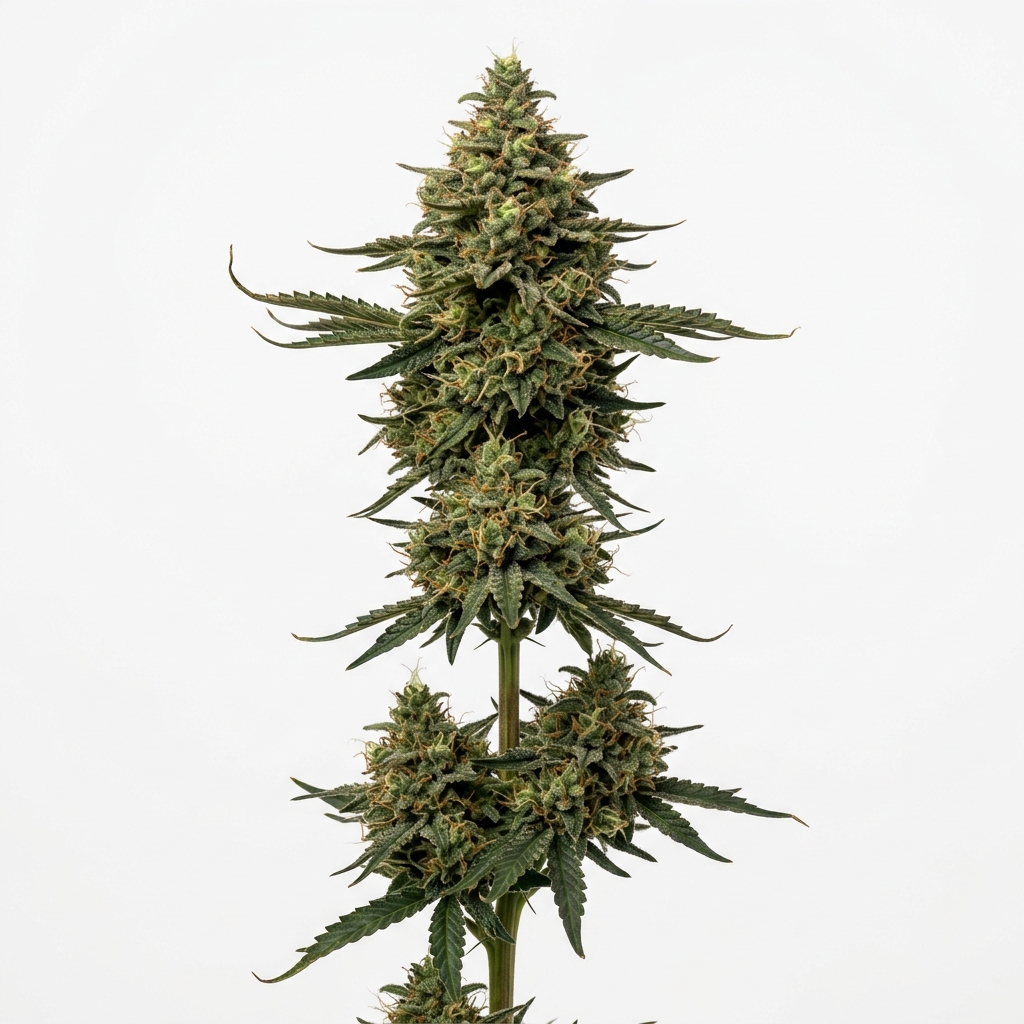
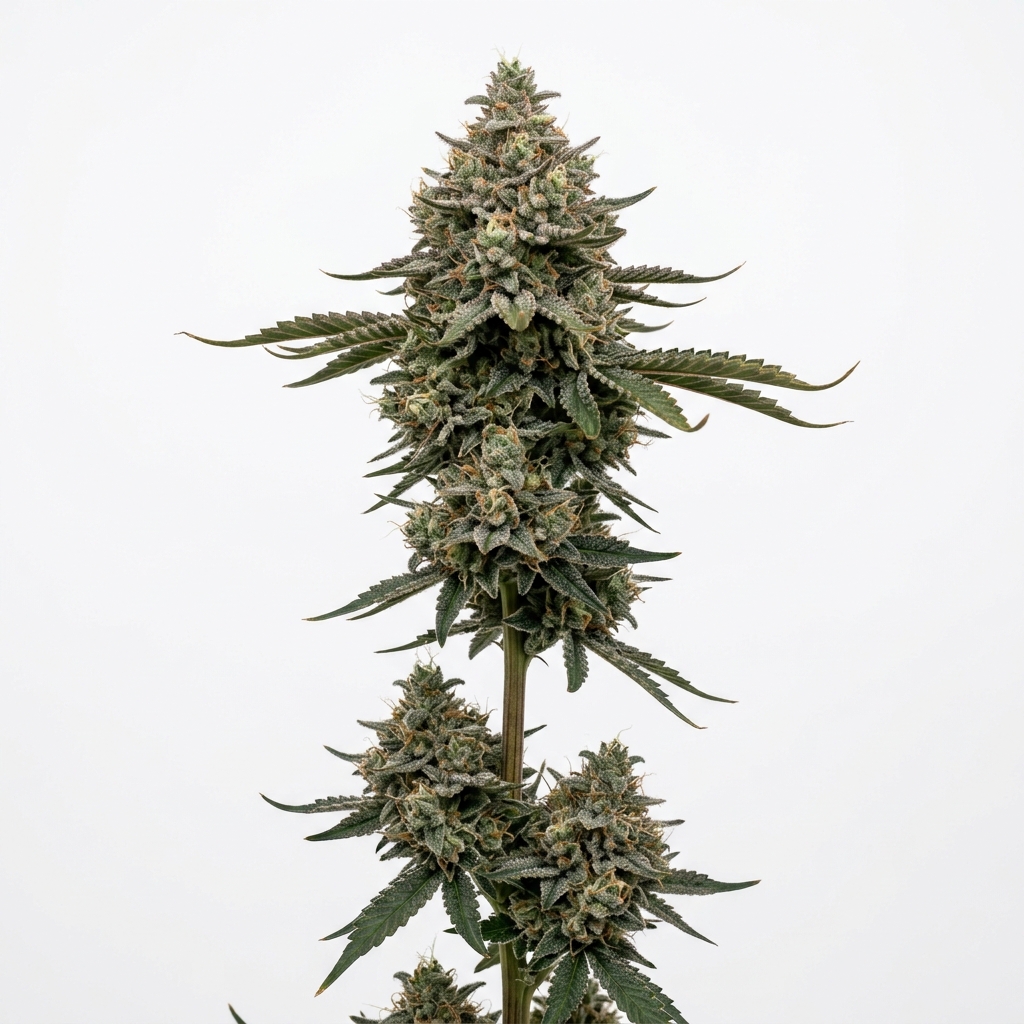
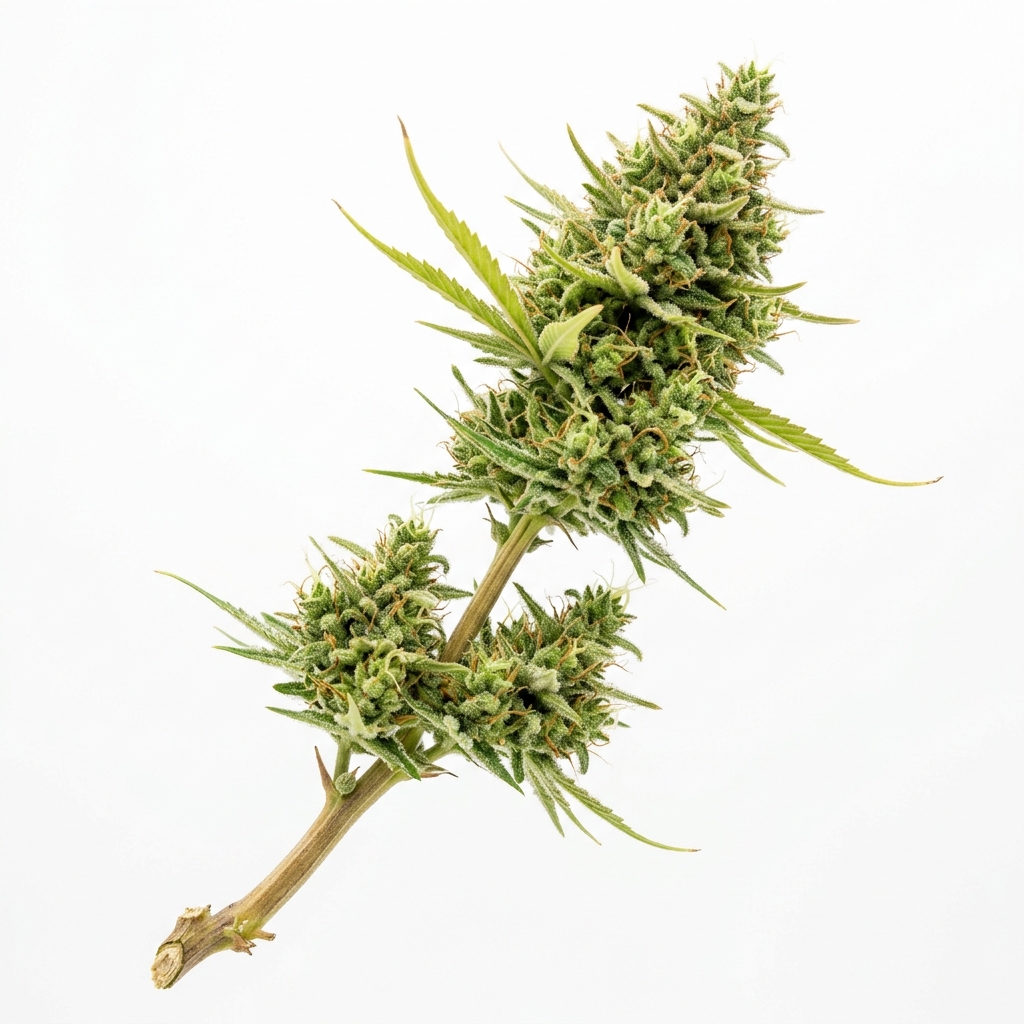
Crepes develops thick, rounded floral clusters supported by short internodal spacing and broad fan leaves. The bracts swell significantly during the final three weeks of bloom, creating compact, heavy colas with a high calyx-to-leaf ratio that simplifies manicuring.
The glandular trichomes feature broad heads with sturdy stalks, clustering densely across the outer bracts and sugar leaves. As flower development progresses, cooler root-zone and canopy temperatures promote late-stage anthocyanin expression, shifting fan leaves and upper bracts to deep violet and charcoal tones.
Secondary metabolite expression is led primarily by beta-caryophyllene, limonene, and linalool, with lower amounts of myrcene and humulene. This balance provides a layered chemical signature combining heavy pastry dough notes with floral pepper and a clean citrus lift.
Effects & Use-Cases (Reported)
Commonly reported effects: Consumers typically report a smooth physical release accompanied by steady mental relaxation. The initial onset brings a light mood elevation and sensory ease without raciness, gradually deepening into heavy body calm and couchlock at higher quantities.
Use-case context: The cultivar is frequently chosen for unwinding at the end of the day, quiet creative projects, streaming films, and evening socializing. Its sedative lean makes it less ideal for morning tasks requiring high physical output or rigorous focus.
Note: Individual experiences vary based on dosage, tolerance, and personal chemistry. Cannabinoids affect each consumer differently.
Aroma & Flavors
Aroma: Cured jars open with sweet vanilla cream and warm pancake batter, supported by an undercurrent of tart gas, peppery earth, and subtle lavender florals.
Flavor: The smoke is thick and buttery on the inhale, carrying toasted pastry notes and berry syrup. The exhale shifts into a sharper blend of mint, fuel, and mild cracked pepper.
Terpene associations: Beta-caryophyllene lends spice and fuel depth, limonene contributes a sweet citrus-cream top note, and linalool rounds out the profile with faint floral sweetness.
Tested Cannabinoid & Terpene Ranges
| Compound | Typical Flower Range |
|---|---|
| Δ9-THC | 22.0% – 28.0% |
| CBG | 0.5% – 1.2% |
| CBD | < 0.2% |
| Total Terpenes | 1.8% – 3.2% |
| β-Caryophyllene | 0.6% – 1.1% |
| Limonene | 0.4% – 0.9% |
| Linalool | 0.2% – 0.5% |
| Myrcene | 0.1% – 0.4% |
Range note: Cannabinoid and terpene quantities reflect aggregate lab data from mature uninfused flower samples. Realized potency and chemical concentration vary depending on phenotype selection, light intensity, root environment, and post-harvest drying conditions.
Cultivation Notes
- Humidity management: Maintain relative humidity near 55% during early flower, lowering it to 42%–46% by week 6 to protect the dense colas from botrytis.
- Nutrient requirements: Plants feed moderately throughout vegetative growth and tolerate higher calcium and magnesium inputs during peak flower stretch.
- Canopy training: Low-stress training (LST) and early topping encourage lateral branching, allowing light penetration to reach lower bud sites across an even canopy.
- Defoliation: Perform a selective leaf strip at day 21 and day 42 of flowering to improve air circulation through the tight inner canopy.
- Harvest window: Optimal trichome maturity typically arrives between day 58 and day 63 when trichome heads transition from milky white to approximately 10%–15% amber.
Grower Notes (Week-by-Week Snapshot)
- Weeks 1–3 (Stretch & Transition): Moderate stretch of approximately 1.5×. Plants stack nodes closely; early trellis netting helps support outward growth.
- Weeks 4–6 (Bud Set & Early Resin): Calyx clusters form rapidly and trichome coverage extends across upper leaves. Sweet pastry aromatics emerge in the room.
- Weeks 7–9 (Ripening & Color Shift): Flowers swell into dense, golf-ball clusters. Dropping night temperatures to 18°C–20°C encourages deep purple pigmentation.
- Post-Harvest (Dry & Cure): Whole-plant hang at 15°C–16°C and 60% relative humidity for 12 to 14 days preserves terpene clarity and the buttery pastry aroma.
Genetic Lineage
Crepes inherits its rich dessert foundation from Pancakes, a hybrid created by Seed Junky Genetics and Cookies that crosses London Pound Cake #75 with Kush Mints #11. Pancakes contributes stout structure, high trichome density, and a profile rich in buttery baked goods and herbal gas.
The pollen parent, Project 4516 (Gelato 45 × Platinum Puff), brings dark purple coloration, tighter bud density, and distinct diesel notes. This combination produces a uniform hybrid that refines classic dessert-strain aromatics with modern bag appeal and reliable resin output.
Research Insights
Academic research on cannabis secondary metabolites highlights the pharmacological significance of sesquiterpenes such as beta-caryophyllene. Studies demonstrate that beta-caryophyllene uniquely binds directly to peripheral CB2 cannabinoid receptors, acting as a dietary cannabinoid that may modulate inflammatory signaling pathways.
While general scientific literature documents potential synergies between limonene, linalool, and cannabinoids, specific therapeutic outcomes cannot be claimed for this cultivar. Phenotypic variation and individual human endocannabinoid tone heavily influence how these chemical profiles express in real-world use.
Frequently Asked Questions
Who is the original breeder of Crepes?
Crepes is widely attributed to LIT Farms, developed as part of their breeding lines crossing Pancakes with Project 4516.
Is Crepes an indica or sativa cultivar?
Crepes is an indica-dominant hybrid that shows compact growth morphology and delivers predominantly relaxing, body-focused reported effects.
What does Crepes smell and taste like?
The aroma combines warm dough, vanilla cream, and dark berries with a sharp gas backbone. The flavor mirrors this with buttery pastry on the inhale and a mint-pepper fuel finish on the exhale.
What is the flowering time for Crepes?
Indoor flowering typically finishes in 8 to 9 weeks (56 to 63 days) under a standard 12/12 light schedule.
Educational Disclaimer
This content is for educational and informational purposes only. Cannabis laws and regulations vary by jurisdiction. Always consult with a qualified professional before beginning any cultivation project or consuming cannabis products.
Rate and review this strain
Ratings and reviews are accepted only from signed-in Google accounts.
Sign in with Google to leave a rating and written review.
Latest Reviews
0 reviewsNo reviews yet. Be the first Google user to rate and review this strain.
Follow New Cultivar Records
Get newly documented genetics, breeder history, research highlights, and important Strainpedia discoveries by email.