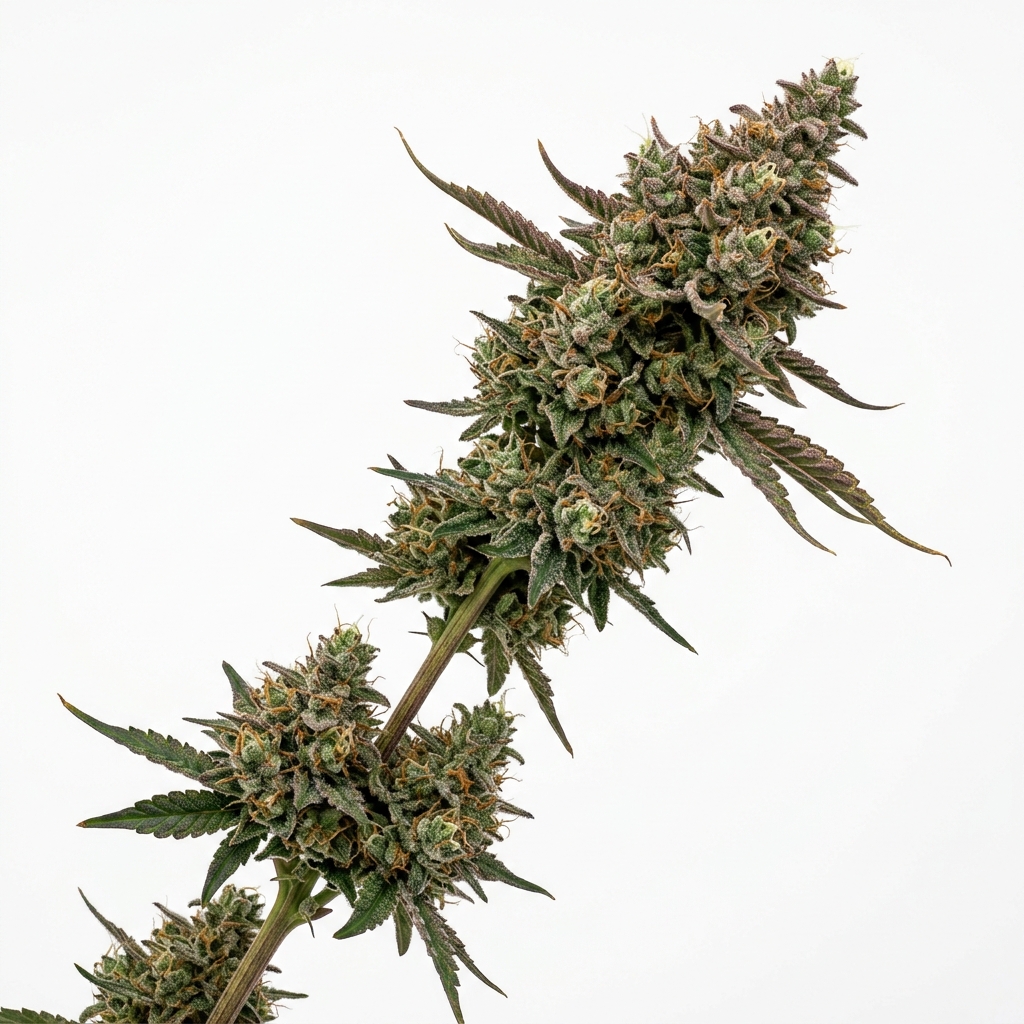
Garlic Storm (Cannabis Strain)
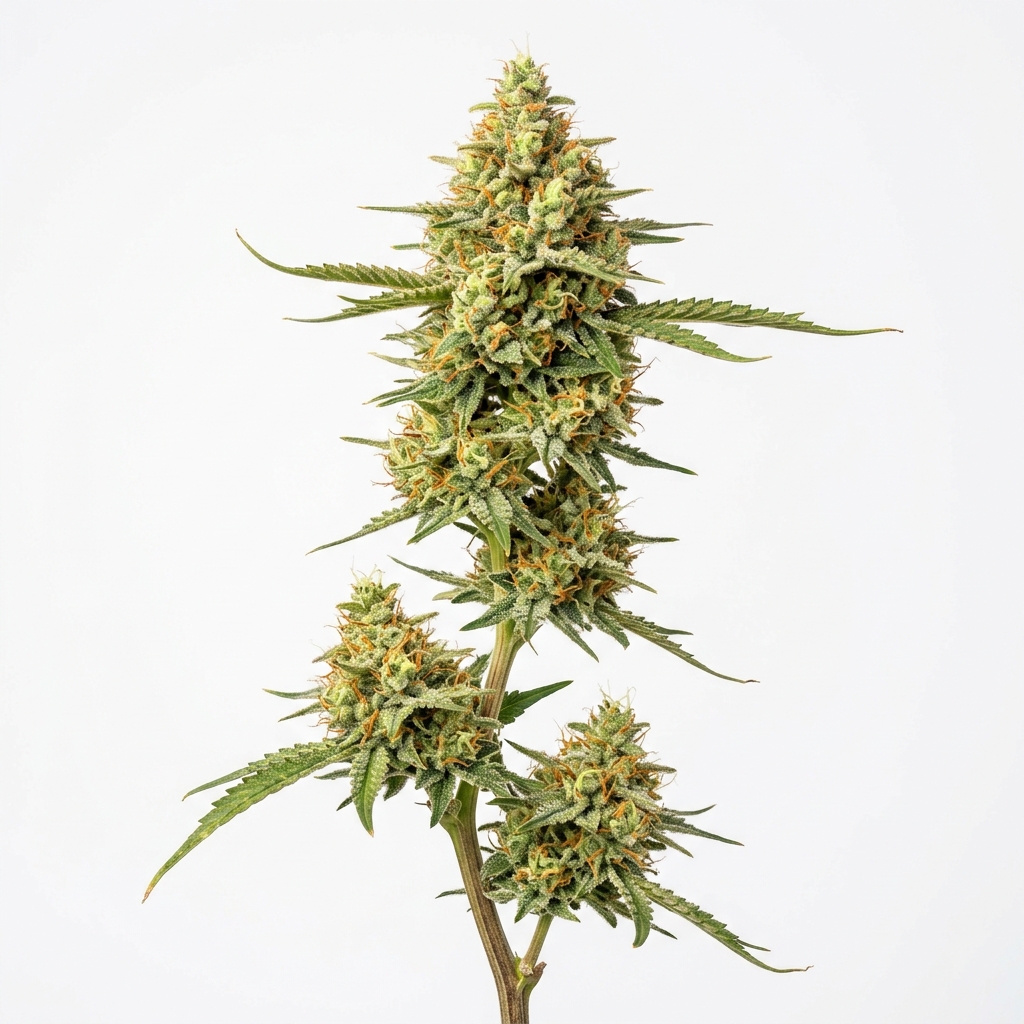
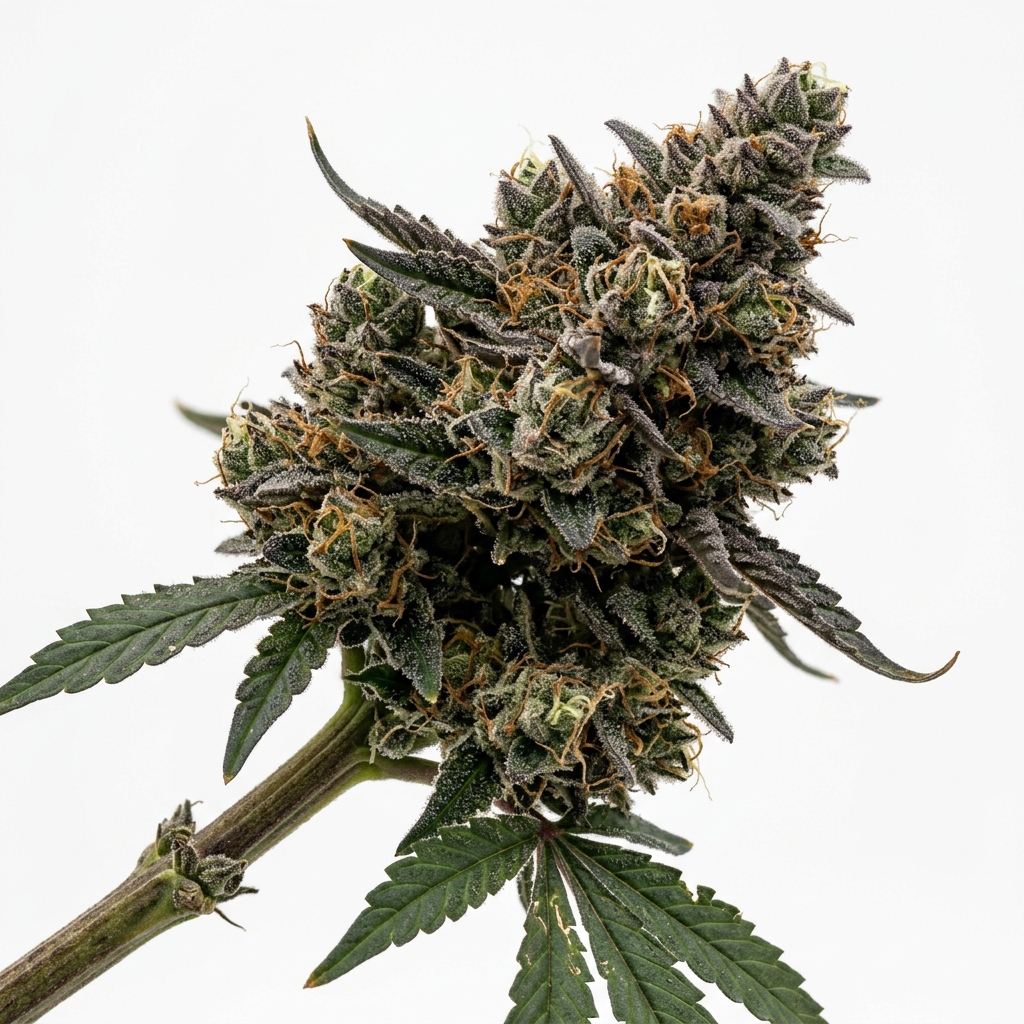
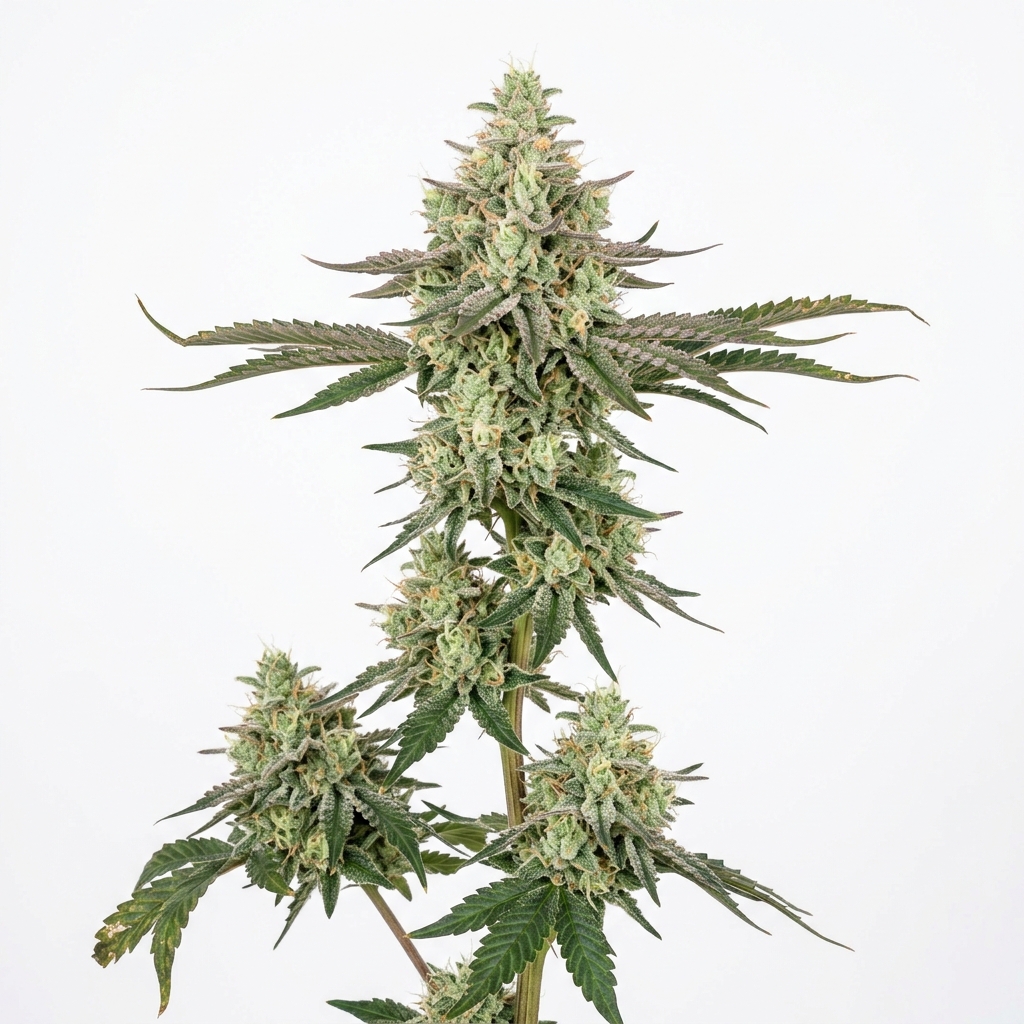
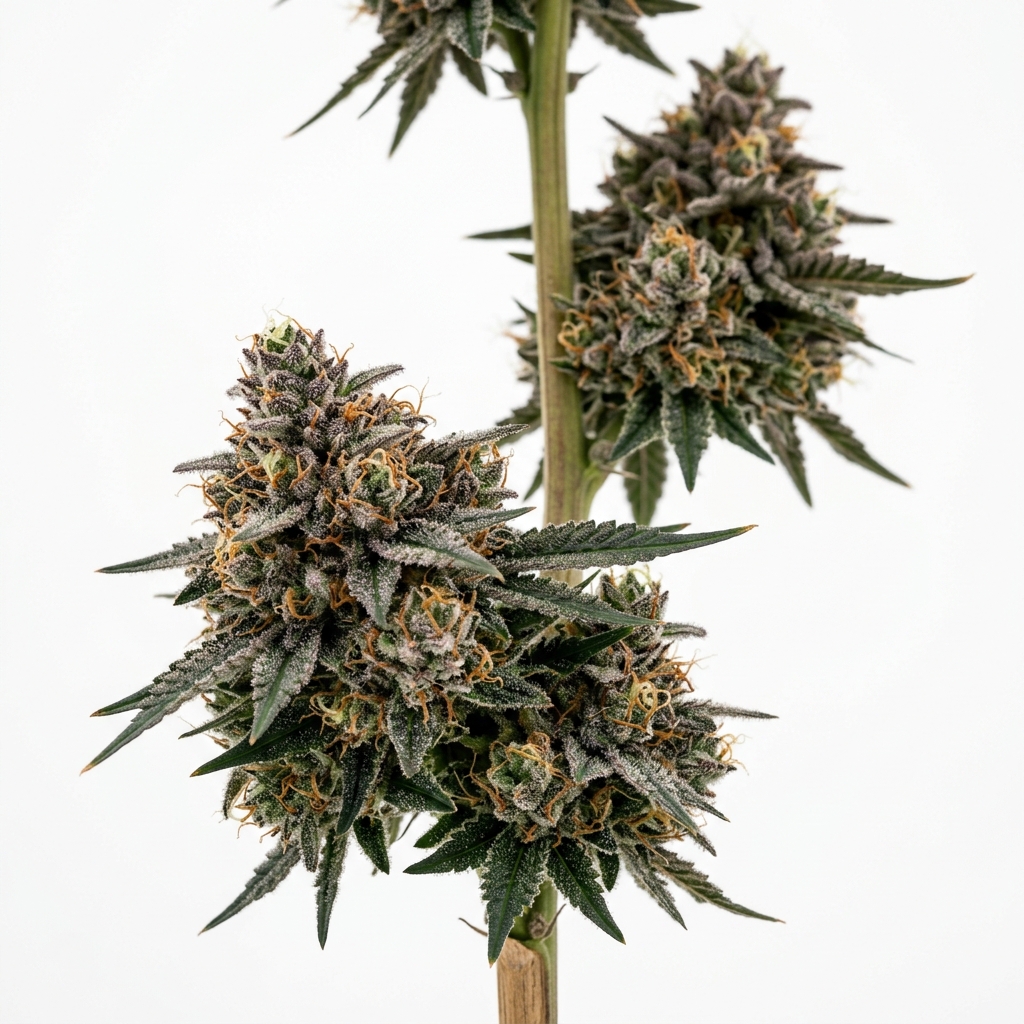
Garlic Storm is an indica-dominant hybrid cultivar bred by In-House Genetics, created by crossing the pungent powerhouse GMO (Garlic Cookies) with the resin-dense selection Slurricane #23. Testing consistently in the 24% to 30% THC range in dried flower assays, the strain is recognized for its greasy trichome coverage, spear-shaped colas, and intense aromatic profile that layers savory allium funk over tart gas and dark berry undertones. Its substantial trichome head density has earned it a strong reputation among solventless extractors seeking high wash yields and distinct terpene separation.
The cross merges the elongated nodal spacing and heavy chem profile of GMO with the compact internodes, deep purple pigmentation, and rapid resin production of the Slurricane line. Plants typically display strong lateral branching, deep forest foliage, and swollen calyxes coated in a wet, glassy resin blanket by late bloom. Reported effects are decidedly physical and evening-leaning, delivering deep musculoskeletal calm paired with a slow, unfocused cerebral ease.
Quick Facts
| Field | Details |
|---|---|
| Breeder | In-House Genetics |
| Genetics | GMO × Slurricane #23 |
| Variety | Indica-dominant hybrid |
| THC Range | 24% – 30% |
| Flowering Time | 9 – 10 weeks (63 – 70 days) |
| Yield Potential | Moderate to heavy (450 – 550 g/m² indoors) |
| Plant Height | Medium to tall (120 – 160 cm indoors) |
| Climate Preference | Temperate to Mediterranean with low late-flower humidity |
| Difficulty | Moderate |
Scientific & Botanical Overview
Botanically, Garlic Storm shows a hybrid growth pattern influenced heavily by its Chemdawg and Cookies ancestry. The plant forms substantial vegetative stalks with broad, dark green leaves that transition toward deep purple hues during late senescence when exposed to cooler night cycles. Inflorescences develop as dense, elongated spear clusters with high calyx-to-leaf ratios, allowing for efficient light penetration across the lower bud sites.
Capitate-stalked glandular trichomes coat the bracts and sugar leaves early in the flowering cycle, creating an exceptionally sticky outer layer. The resin glands are broad-headed with relatively weak neck attachments, which contributes directly to the cultivar’s viability in mechanical ice-water separation. Cellular tissue across the bracts remains firm and resin-dense, demanding careful relative humidity monitoring to prevent moisture entrapment within thick terminal colas.
The chemotype is characterized by dominant levels of delta-9-tetrahydrocannabinol accompanied by minor fractions of CBG and CBC. The volatile aromatic fraction is driven by elevated concentrations of beta-caryophyllene, myrcene, and limonene, supplemented by secondary sesquiterpenes and sulfur-adjacent volatile compounds that give the cultivar its characteristic savory, garlic-tinged base.
Effects & Use-Cases (Reported)
Commonly reported effects: Consumers typically describe a rapid shift into physical heaviness and mental deceleration. The initial onset often softens tension in the temples and neck before settling into a deep, full-body stillness that limits active movement. While mentally quietening, the experience rarely feels sharply disorienting, instead providing a steady, couch-locking sedative state.
Use-case context: Due to its heavy physical pull, Garlic Storm is almost exclusively suited for late-evening sessions, restful downtime, or pre-sleep routines. It is frequently selected by experienced consumers seeking to unwind after intense physical exertion or quiet down persistent somatic discomfort at the end of the day.
Note: Cannabinoid sensitivity and individual tolerance vary widely; high-THC cultivars should be approached cautiously by novice consumers or those prone to lethargy.
Aroma & Flavors
Aroma: The cured flowers emit a sharp, pungent bouquet defined by roasted garlic, fuel, and damp earth. Breaking open the dense colas releases deeper layers of sour chem, cracked black pepper, and a subtle undertone of tart dark berries inherited from the Slurricane parentage.
Flavor: The inhale is heavy and savory, coating the palate with diesel, allium funk, and damp woodland earth. On the exhale, the profile reveals a faint berry sweetness and toasted spice finish, leaving a lingering, slightly herbal aftertaste.
Terpene associations: The aromatic profile is heavily anchored by beta-caryophyllene, myrcene, and limonene, with supporting contributions from humulene and linalool.
Tested Cannabinoid & Terpene Ranges
| Compound | Type | Typical Flower Range |
|---|---|---|
| Δ9-THC | Cannabinoid | 24.0% – 30.0% |
| CBD | Cannabinoid | < 0.2% |
| CBG | Cannabinoid | 0.5% – 1.2% |
| β-Caryophyllene | Terpene | 0.6% – 1.4% |
| Myrcene | Terpene | 0.4% – 1.0% |
| Limonene | Terpene | 0.3% – 0.8% |
| Humulene | Terpene | 0.1% – 0.4% |
Range note: Cannabinoid and terpene metrics represent literature-informed ranges from verified dried flower testing. Real-world analytical results fluctuate substantially depending on specific phenotype selection, cultivation parameters, lighting spectrum, feed composition, and curing method.
Cultivation Notes
- Humidity management: Maintain vegetative relative humidity near 60% to 65%, dropping to 50% during mid-bloom and reducing to 40% to 45% during the final three weeks to safeguard dense terminal clusters from botrytis.
- Nutrient requirements: Plants handle moderate to heavy electrical conductivity (EC) during peak vegetative and mid-bloom development, requiring consistent calcium and magnesium inputs to sustain vigorous calyx expansion.
- Canopy training: Topping early and deploying a double-trellis ScrOG system manages the moderate vertical stretch and ensures an even light footprint across all secondary colas.
- Defoliation: Conduct a moderate leaf-strip around Day 21 of flower to open internal air pathways, followed by light cleanup around Day 42 to expose lower bracts to direct illumination.
- Harvest window: Optimal trichome development typically occurs between Days 63 and 70, with peak harvest indicated when trichome heads show a milky opaque density with roughly 10% to 15% amber conversion.
Grower Notes (Week-by-Week Snapshot)
- Weeks 1–3 (Vegetative Transition & Stretch): Plants demonstrate a 1.5x to 2x stretch upon flip. Internodes space out moderately; establish primary canopy trellis and prune lower sucker branches before floral clusters set.
- Weeks 4–6 (Bud Formation & Resin Initiation): Bracts begin swelling rapidly into distinct spear shapes. Trichome coverage expands aggressively onto upper fan leaf stems, and the signature savory allium odor becomes prominent in the grow room.
- Weeks 7–9 (Cola Density & Maturation): Calyxes swell and harden significantly while pistils turn a deep bronze. Nighttime temperature drops of 5°C to 8°C encourage anthocyanin development, bringing out purple margins across the outer foliage.
- Post-Harvest (Drying & Curing): Dry slowly at 15°C to 18°C (59°F to 64°F) and 58% to 62% RH for 12 to 14 days. A 3- to 4-week glass cure stabilizes the heavy garlic and fuel volatiles while preserving delicate top notes.
Genetic Lineage
Garlic Storm derives its genetic architecture from two heavily celebrated modern cultivars: GMO and Slurricane #23. GMO, bred by Mamiko Seeds and selected by SkunkMasterFlex from a cross of Chemdawg and Girl Scout Cookies, is widely recognized for its unmistakable savory diesel profile, exceptional potency, and extensive flowering duration. This parent provides the foundational structure, heavy resin density, and intense fuel-funk profile that characterizes the cross.
The pollen donor, Slurricane #23 (Dosidos × Purple Punch), was selected by In-House Genetics for its compact structure, heavy anthocyanin expression, and thick frosted resin coverage. Introducing Slurricane tightened the looser nodal spacing typically seen in pure GMO lines, shortened the flowering window by roughly a week, and layered a subtle dark fruit complexity into the finished flower profile.
Research Insights
Scientific investigations into cannabis phytochemistry highlight the influential role of terpene and sesquiterpene combinations in modulating user experience. The co-occurrence of beta-caryophyllene, a sesquiterpene known to act as a direct agonist at peripheral CB2 receptors, alongside elevated concentrations of myrcene and limonene, forms an entourage profile frequently associated with sedation and muscular relaxation in observational literature.
Current analytical research into savory chemotypes, particularly crosses containing Chemdawg and GMO lineages, increasingly focuses on low-concentration volatile sulfur compounds (VSCs) working alongside major terpenes. While standard laboratory panels primarily quantify monoterpenes and sesquiterpenes, these trace sulfur-containing molecules are critical drivers of the pungent, allium-like aromas found in cultivars like Garlic Storm.
Frequently Asked Questions
Who bred Garlic Storm?
Garlic Storm was bred by In-House Genetics, created by crossing the renowned GMO cut with their internal selection of Slurricane #23.
Is Garlic Storm an indica or sativa?
Garlic Storm is an indica-dominant hybrid cultivar that typically produces heavy, physically grounding effects suited for evening consumption.
What does Garlic Storm smell and taste like?
The profile is dominated by pungent roasted garlic, sharp chemical diesel, and damp earth, balanced by subtle cracked pepper spice and tart berry sweetness on the exhale.
How long does Garlic Storm take to flower?
Indoor flowering typically completes within 9 to 10 weeks (63 to 70 days), depending on phenotype selection and environmental conditions.
Educational Disclaimer
This content is for educational and informational purposes only. Cannabis laws and regulations vary by jurisdiction. Always consult with a qualified professional before beginning any cultivation project or consuming cannabis products.
Rate and review this strain
Ratings and reviews are accepted only from signed-in Google accounts.
Sign in with Google to leave a rating and written review.
Latest Reviews
0 reviewsNo reviews yet. Be the first Google user to rate and review this strain.
Follow New Cultivar Records
Get newly documented genetics, breeder history, research highlights, and important Strainpedia discoveries by email.