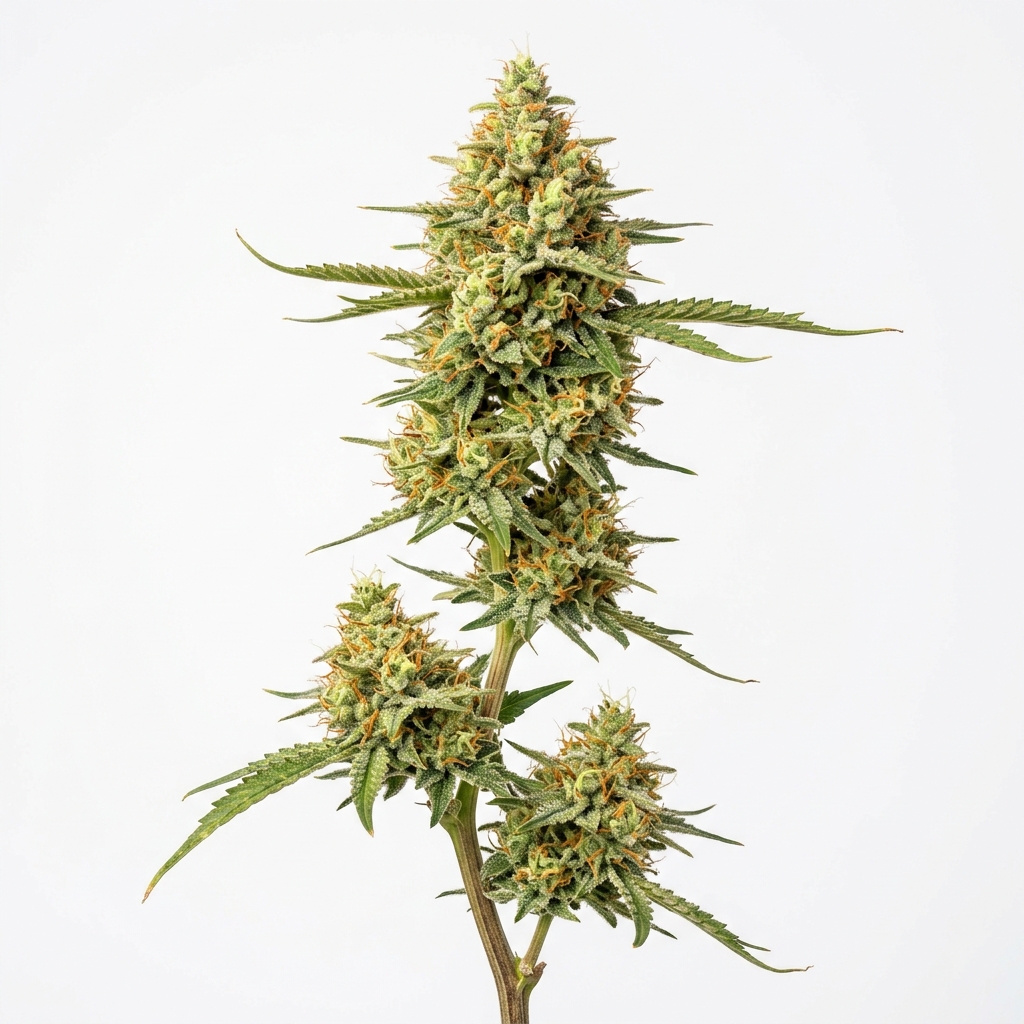
Lunar Lemon (Cannabis Strain)
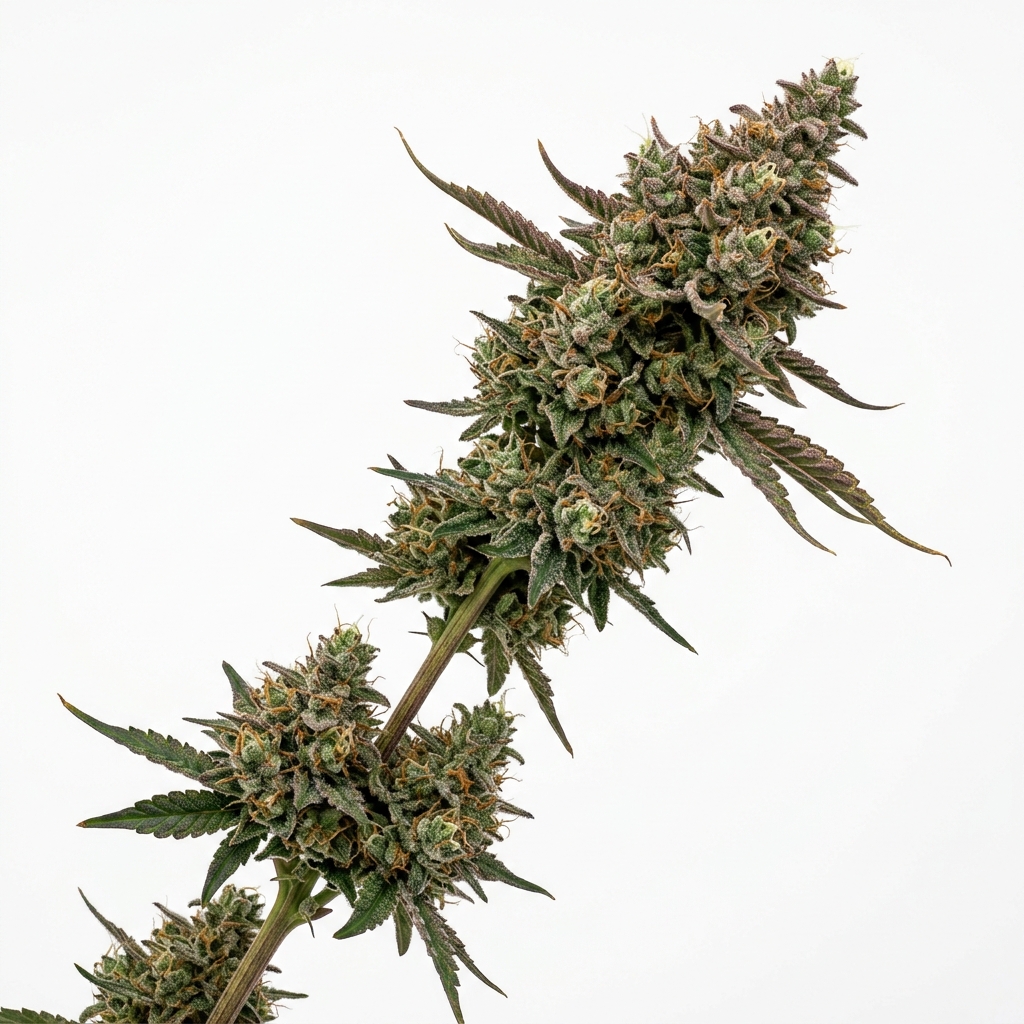
Lunar Lemon is a citrus-forward hybrid testing between 20% and THC not consistently reported, developed by crossing Lemon Tree with a resinous Moonbow or OG-leaning pollen donor. Known for its sharp lemon peel nose, pale lime-green bracts, and heavy glandular trichome coverage, the cultivar delivers an uplifting, clear-headed onset that transitions into calm physical ease. Its steady vegetative vigor and balanced stretch make it well-suited for indoor canopy management and boutique solventless extraction.
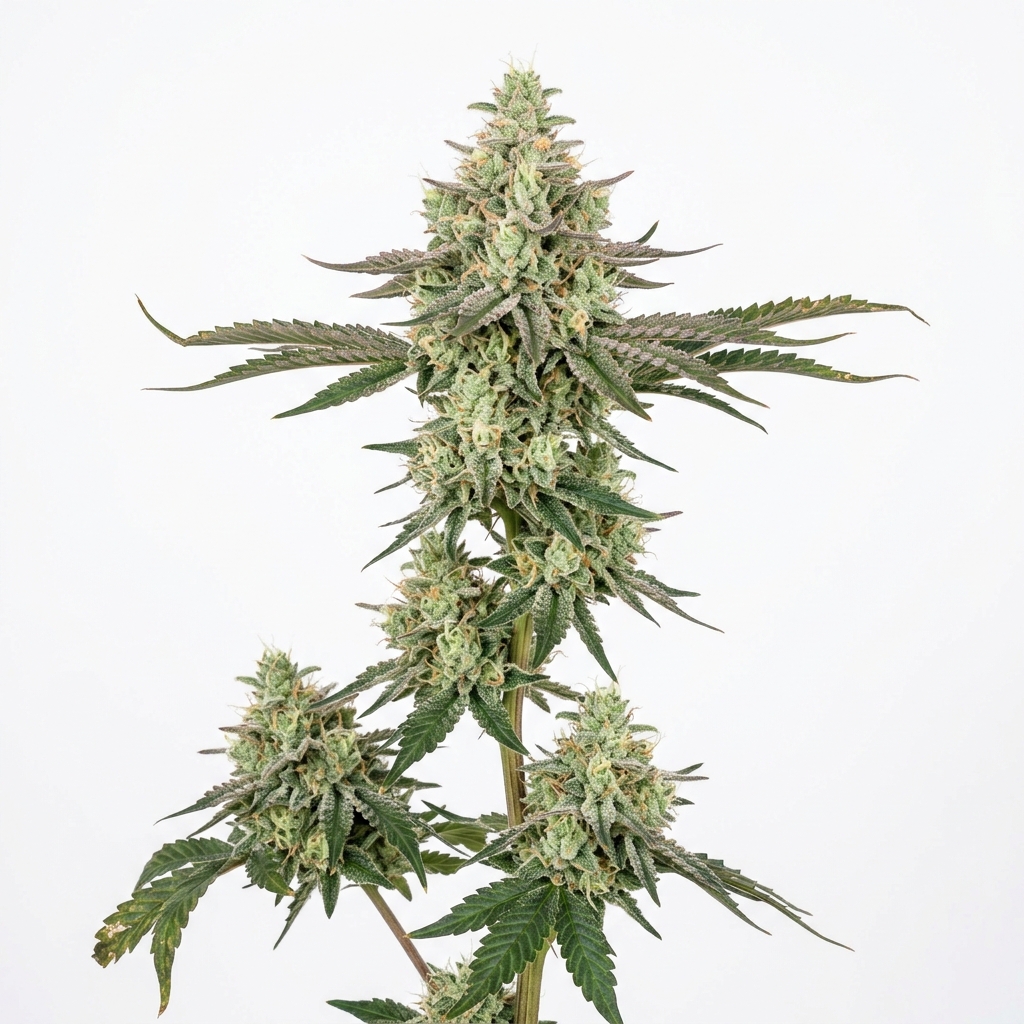
The original breeder is not consistently documented across commercial markets, though several regional cuts stem from West Coast lemon hybrid selections. Structurally, the plant forms tapered spear colas with moderate leaf-to-calyx ratios, making defoliation straightforward. Consumers typically report an alert, sensory-focused profile that settles into mild relaxation without heavy sedation.
Quick Facts
| Field | Details |
|---|---|
| Breeder | Not consistently documented |
| Genetics | Lemon Tree × Moonbow lineage |
| Variety | Hybrid (approx. 60% Sativa / 40% Indica) |
| THC Range | 20% – 26% |
| Flowering Time | 8 – 9 weeks (56 – 63 days) |
| Yield Potential | Moderate to High (450 – 550 g/m² indoor) |
| Plant Height | Medium to Tall |
| Climate Preference | Warm, temperate, controlled indoor / greenhouse |
| Difficulty | Moderate |
Scientific & Botanical Overview
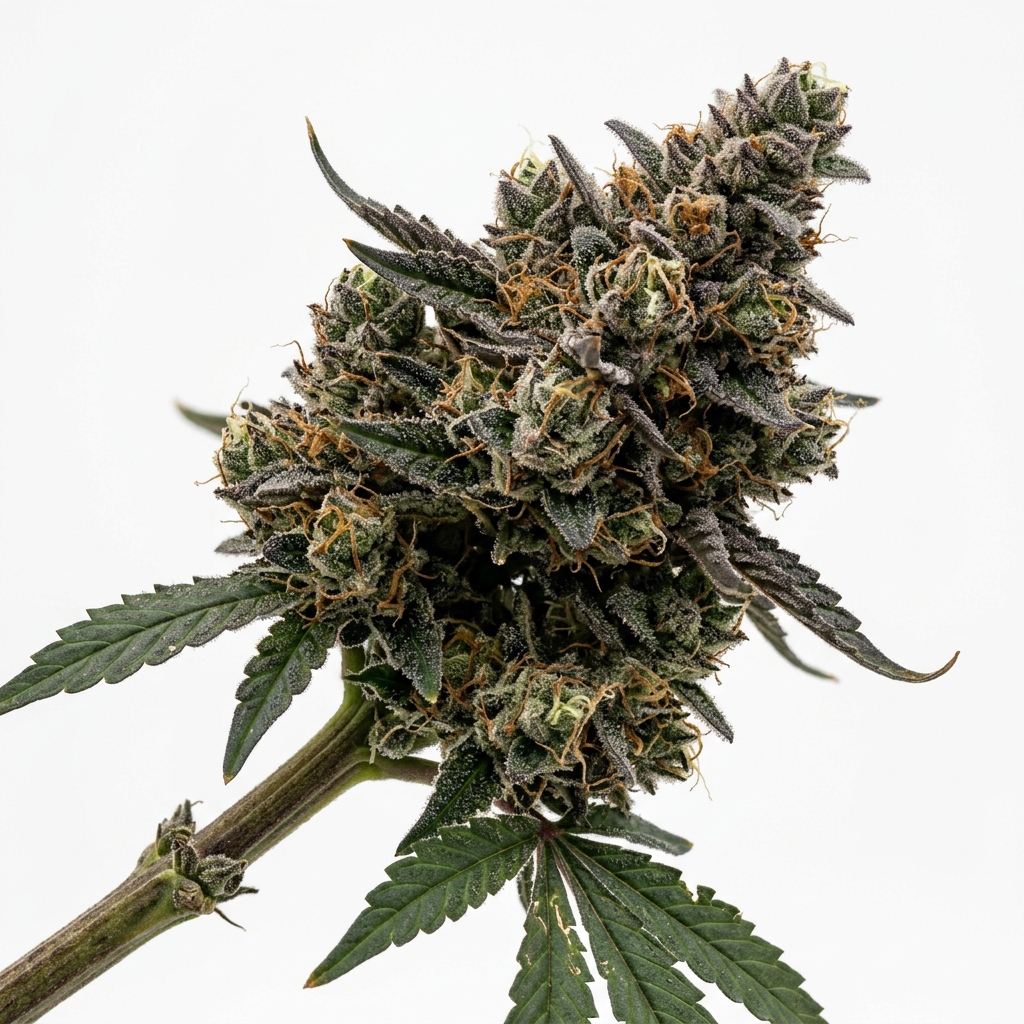
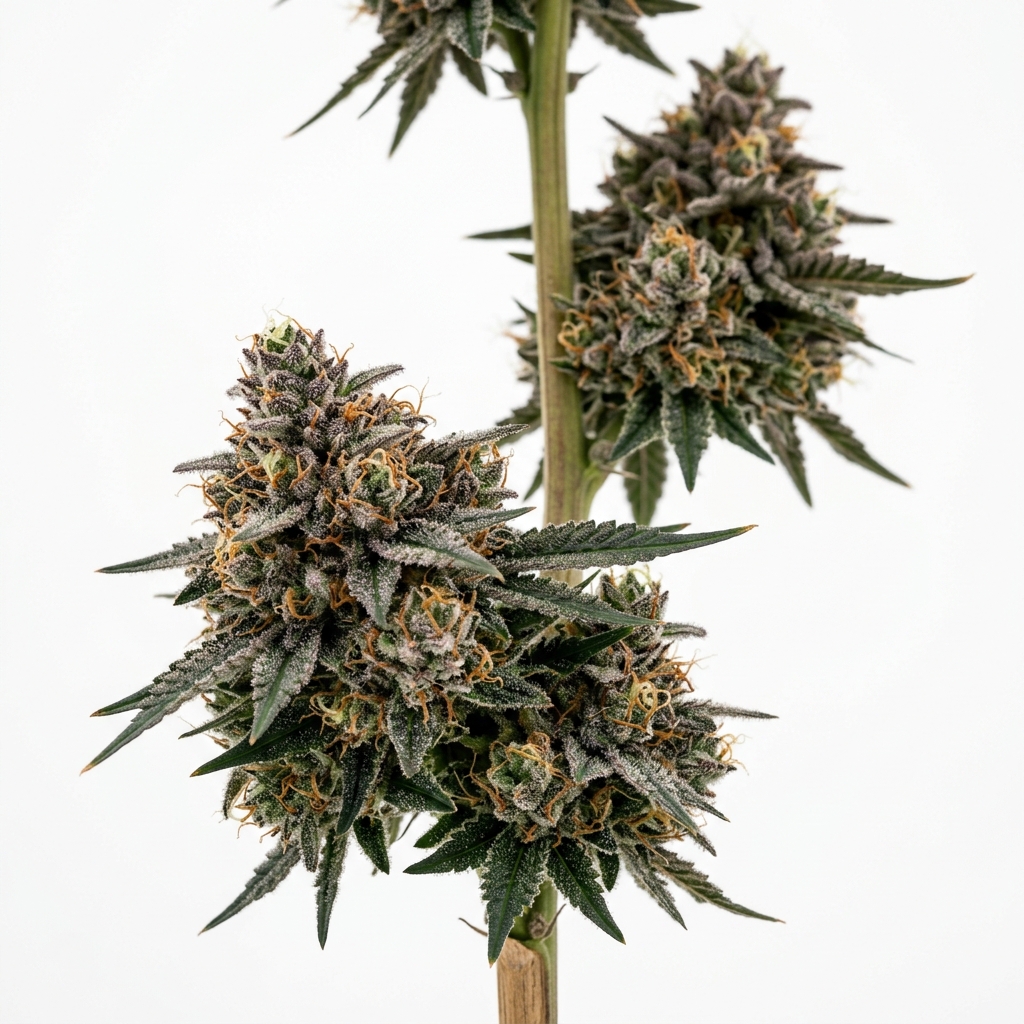
Lunar Lemon develops medium-tall plants with vigorous apical growth and flexible lateral branching. During bloom, bracts swell into tight, tapered clusters coated in wet, bulbous trichomes that retain high concentrations of volatile monoterpenes.
Internodal spacing remains moderate during vegetative growth, stretching roughly 1.5× to 2× following the transition to a 12/12 photoperiod. Fan leaves show hybrid traits with slender-to-medium leaflets that allow steady light penetration into the mid-canopy when lightly pruned.
The resin glands feel greasy to the touch and hold their aromatic integrity well through a cool, slow cure. Mature flowers show bright lime and golden-green hues contrasted by vivid tangerine pistils and a thick frost layer.
Effects & Use-Cases (Reported)
Commonly reported effects: Reported experiences typically emphasize an energetic, cerebrally clear onset followed by smooth muscle easing. The mental profile leans bright and focused, rarely inducing immediate lethargy or heavy physical sedation at moderate intake levels.
Use-case context: Consumers often choose Lunar Lemon for daytime creative work, social gatherings, or afternoon outdoor activities where mental engagement and light physical comfort are preferred together.
Note: Individual responses vary according to personal tolerance, dosage, consumption method, and specific batch terpene profiles.
Aroma & Flavors
Aroma: Opening a jar releases a sharp rush of freshly grated lemon zest, sour gas, and crushed pine needles. Breaking the dense buds introduces deeper notes of floral sweetness, tart cleaner, and faint peppery earth.
Flavor: The palate follows the nose closely, delivering crisp candied citrus and tart lemon on the inhale, rounded out by a smooth herbal and fuel-tinged finish on the exhale.
Terpene associations: The cultivar’s aromatic signature is predominantly driven by limonene, supported by beta-caryophyllene, myrcene, and trace amounts of linalool and pinene.
Tested Cannabinoid & Terpene Ranges
| Compound | Reported Range |
|---|---|
| Δ9-THC | 20.0% – 26.0% |
| CBD | < 1.0% (typically 0.05% – 0.2%) |
| CBG | 0.5% – 1.2% |
| CBC | < 0.5% |
| Total Terpenes | 1.5% – 3.2% |
| Dominant Terpenes | Limonene, beta-Caryophyllene, Myrcene |
Range note: Cannabinoid and terpene expressions vary widely across phenotypes, individual seed lots, cultivation environments, lighting setups, and curing techniques.
Cultivation Notes
- Humidity management: Maintain relative humidity between 55% and 65% in vegetative growth, tapering down to 40% to 45% during late bloom to protect dense spear colas from botrytis.
- Nutrient requirements: The cultivar feeds moderately, responding well to balanced nitrogen levels in veg and increased potassium and phosphorus during weeks 4 through 7 of bloom.
- Canopy training: Low-stress training (LST) and early topping at the fourth or fifth node encourage an even canopy of multiple primary tops, maximizing indoor light distribution.
- Defoliation: Perform a thorough lower leaf clean-up around day 21 of flowering, followed by a lighter touch-up around day 42 to keep airflow moving through interior bud sites.
- Harvest window: Inspect trichomes between days 56 and 63; flowers are typically ready when glands turn mostly milky with 5% to 10% amber heads for optimal terpene clarity and uplifting effects.
Grower Notes (Week-by-Week Snapshot)
- Weeks 1–3 (Vegetative & Early Bloom): Steady root development and vigorous vertical growth; apply gentle topping and screen training before the flip to control stretch.
- Weeks 4–6 (Mid Bloom): Rapid floral development with pistils multiplying quickly; lemon-fuel aromas become noticeable as resin heads coat surrounding sugar leaves.
- Weeks 7–9 (Late Bloom & Ripening): Calyxes swell and trichomes turn cloudy; lower night temperatures slightly to enhance bud density and preserve volatile citrus terpenes.
- Post-Harvest (Dry & Cure): Dry whole branches at 60°F (15.5°C) and 60% relative humidity for 10 to 14 days, followed by a minimum two-week glass jar cure to preserve delicate limonene fractions.
Genetic Lineage
Lunar Lemon builds upon the sharp, acidic profile of Lemon Tree, a celebrated cross of Lemon Skunk and Sour Diesel. Lemon Tree passed down its intense citrus-terpene output, vigorous growth rate, and distinctive lemon cleaner top notes.
The pollen donor—frequently tied to Moonbow (ZKittlez × Do-Si-Dos) or an OG-dominant lineage—contributes improved resin density, tighter calyx structure, and a subtle sweet gas undertone that balances the piercing sourness of the maternal line.
Research Insights
Scientific investigations into cannabis terpenes consistently highlight limonene and beta-caryophyllene as prominent aromatic compounds. Studies suggest limonene may influence mood and perceived stress via olfactory pathways, while beta-caryophyllene interacts directly with peripheral CB2 cannabinoid receptors.
While these pharmacological studies provide useful context for individual chemical components, they do not constitute clinical proof of Lunar Lemon’s specific physiological effects. The overall user experience is shaped by the complex synergy of cannabinoids, minor terpenes, individual human physiology, and consumption dosage.
Frequently Asked Questions
Who is the breeder of Lunar Lemon?
The original breeder is not consistently documented across public commercial records, though the lineage is widely recognized as a cross between Lemon Tree and Moonbow or related exotic hybrid stock.
Is Lunar Lemon an indica or sativa?
Lunar Lemon is a balanced to sativa-leaning hybrid (roughly 60% Sativa / 40% Indica) that offers cerebral clarity alongside mild physical ease.
What does Lunar Lemon smell and taste like?
It smells of tart lemon peel, sour gas, and fresh pine needles, translating into a crisp candied citrus smoke with a light diesel finish.
How long does Lunar Lemon take to flower?
Indoor flowering typically takes 8 to 9 weeks (56 to 63 days) for trichomes to reach peak maturity.
Educational Disclaimer
This content is for educational and informational purposes only. Cannabis laws and regulations vary by jurisdiction. Always consult with a qualified professional before beginning any cultivation project or consuming cannabis products.
Rate and review this strain
Ratings and reviews are accepted only from signed-in Google accounts.
Sign in with Google to leave a rating and written review.
Latest Reviews
0 reviewsNo reviews yet. Be the first Google user to rate and review this strain.
Follow New Cultivar Records
Get newly documented genetics, breeder history, research highlights, and important Strainpedia discoveries by email.