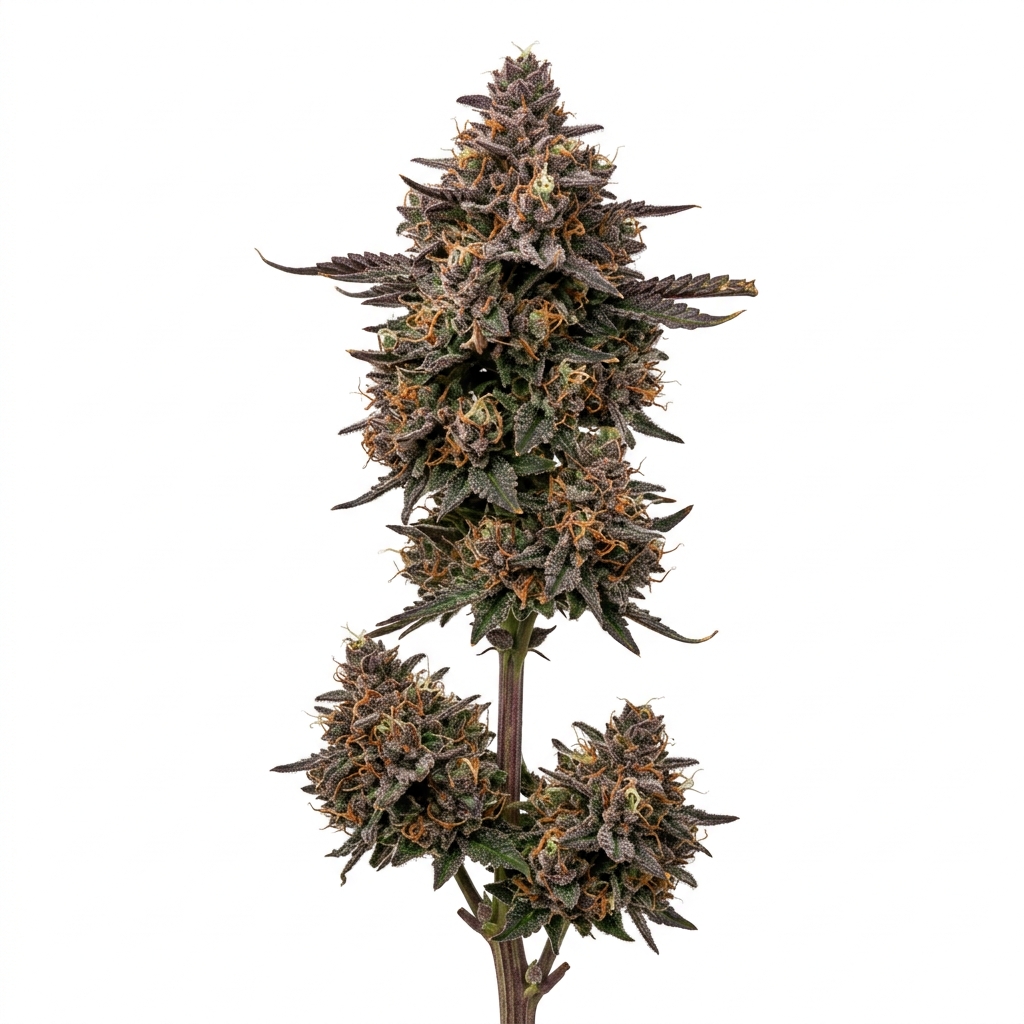
Dopamine (Cannabis Strain)
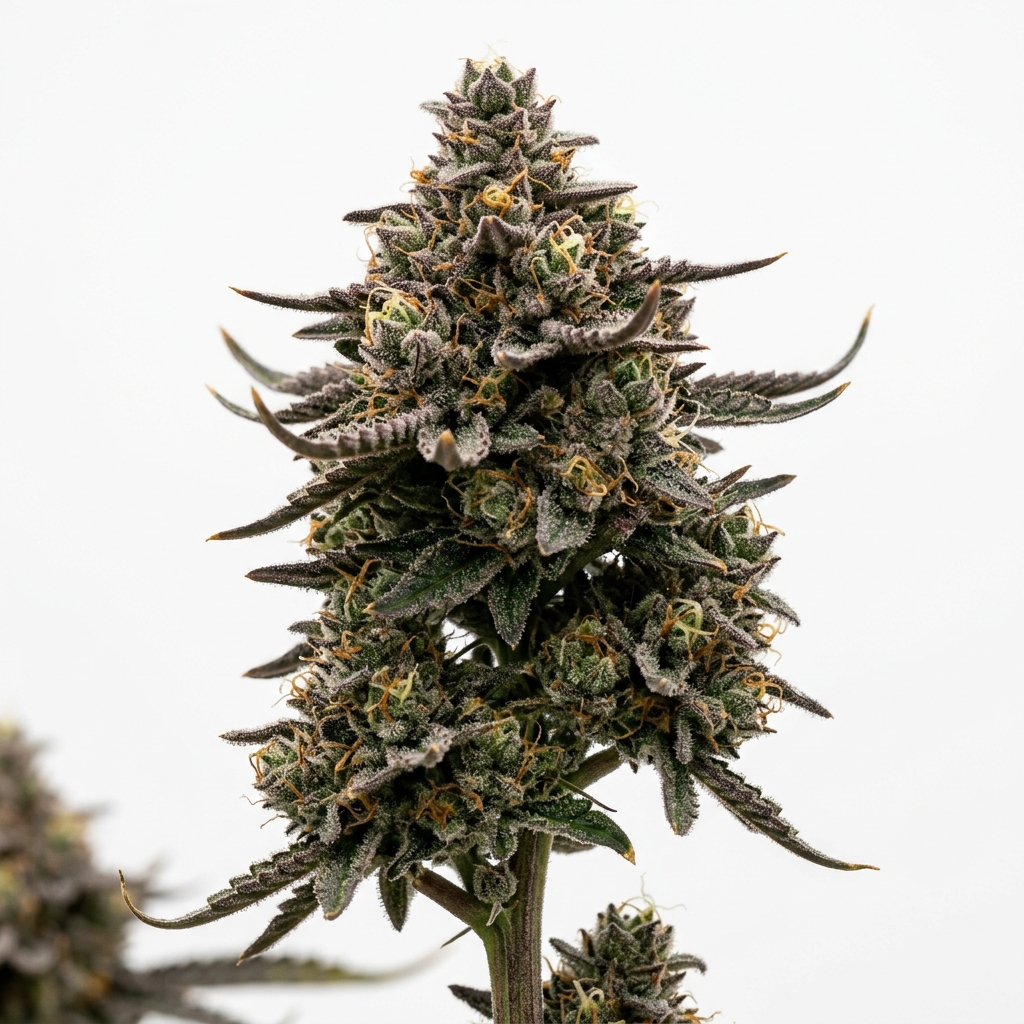
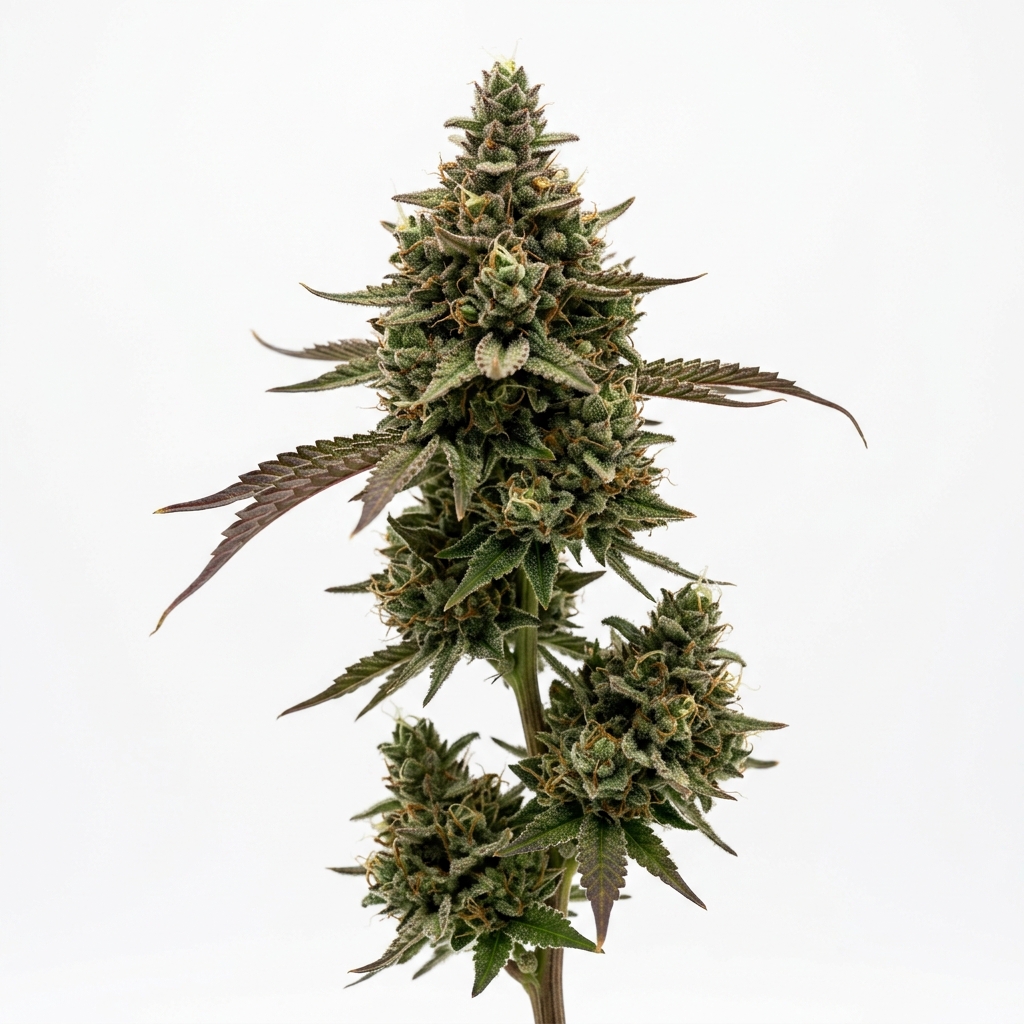
Dopamine is an exotic, resin-dense hybrid cultivar testing between 22% and THC not consistently reported, bred primarily through contemporary Pacific Northwest breeding programs led by Archive Seed Bank by crossing Planet Purple with Gelato 41. The cultivar presents a layered sensory profile built on dark berry syrup, pungent kerosene, and sweet vanilla dough, producing chunky spear colas blanketed in heavy, wet glandular trichomes. Recognized across boutique craft circuits for its high resin production and balanced bag appeal, Dopamine delivers a versatile combination of cerebral euphoria and heavy physical calm suited for evening wind-down or slow afternoon sessions.
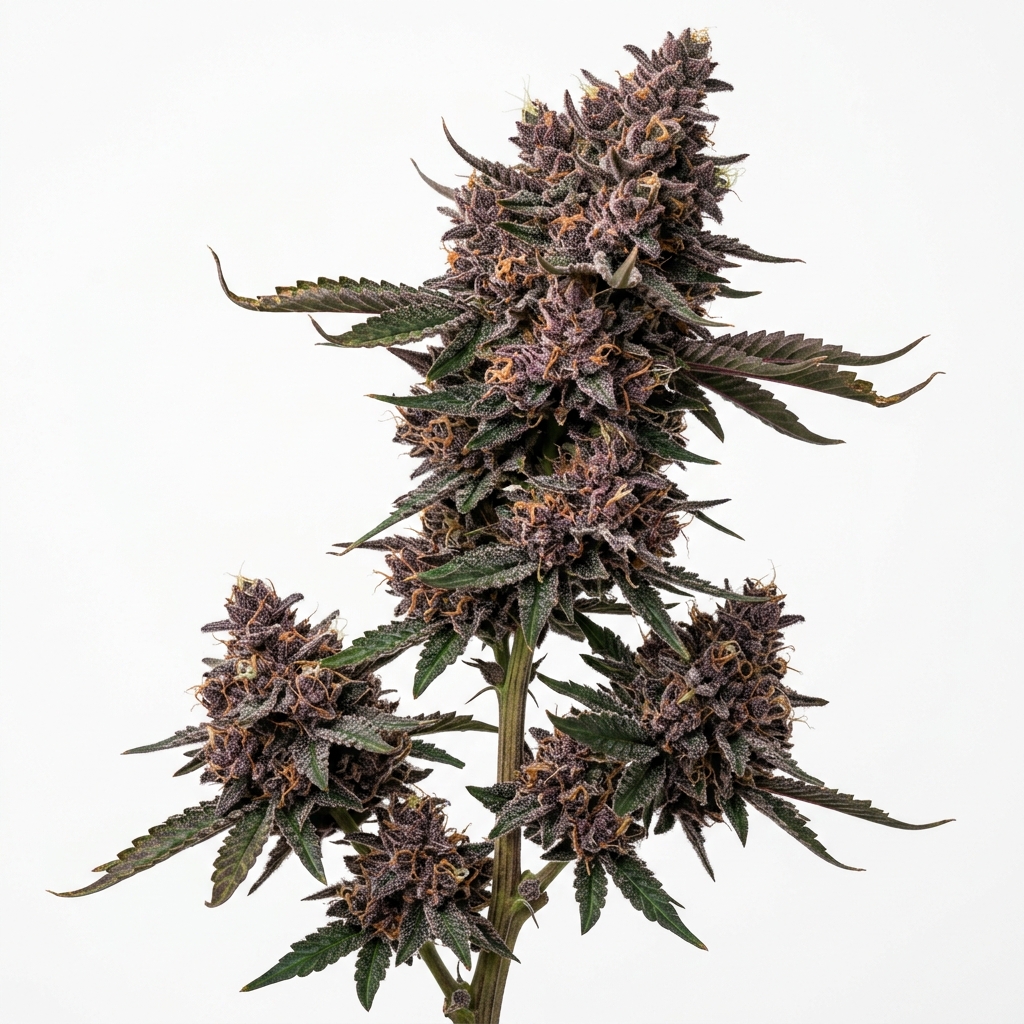
The plant draws noticeable structural strength and dessert-like undertones from its Gelato lineage while inheriting deep purple pigmentation, vibrant orange pistils, and floral fuel from Planet Purple. In the garden, Dopamine maintains a moderate, manageable stretch during transition and packs on significant flower density across the upper canopy. Reported effects typically begin with an immediate mood lift and sensory ease that gradually settles into full-body relaxation, making it a reliable choice for seasoned consumers seeking depth of flavor alongside dependable potency.
Quick Facts
| Field | Detail |
|---|---|
| Breeder | Archive Seed Bank |
| Genetics | Planet Purple × Gelato 41 |
| Variety | Hybrid (approx. 55% Indica / 45% Sativa) |
| THC Range | 22% – 28% |
| Flowering Time | 8 – 9 weeks (56 – 63 days) |
| Yield Potential | Moderate to High (approx. 450 – 550 g/m²) |
| Plant Height | Medium (controlled internodal stretch) |
| Climate Preference | Temperate to warm Mediterranean; prefers low late-flower humidity |
| Difficulty | Intermediate |
Scientific & Botanical Overview
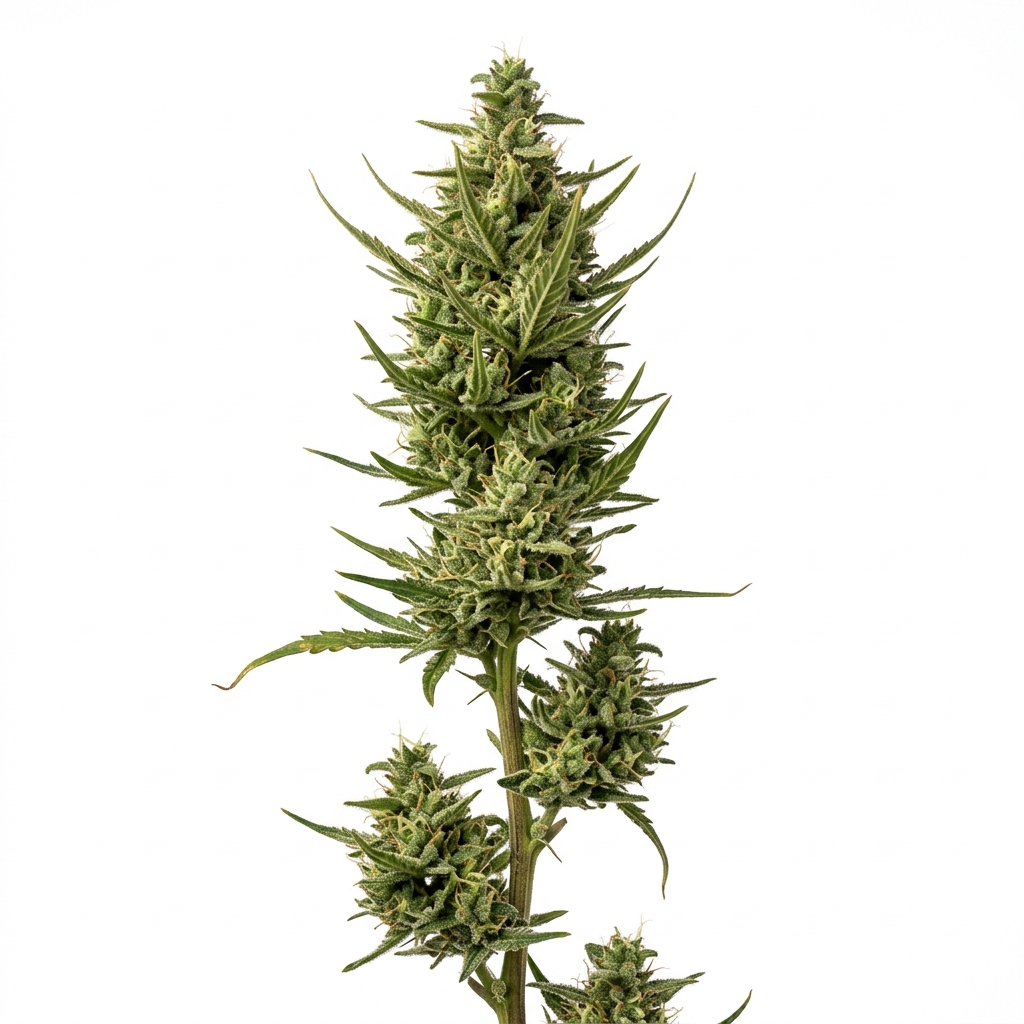
Dopamine forms stout, resilient stems that support dense terminal clusters with minimal staking when trained early. The vegetative foliage displays broad, dark forest-green fan leaves that begin showing anthocyanin accumulation along the petioles as the plant matures. Internodal spacing remains tight to moderate, allowing secondary branches to develop into thick, upright colas under adequate light penetration.
During the generative phase, bracts swell rapidly into tightly stacked, rounded calyxes with an exceptional calyx-to-leaf ratio. Trichome coverage is extensive, characterized by large bulbous glandular heads sitting atop short, sturdy stalks that remain tacky long before the flush. Cooler nighttime temperatures in late bloom unlock striking coloration ranging from deep plum to mottled violet throughout the sugar leaves.
The cured flowers dry to a firm, glassy consistency with heavy tactile tackiness and minimal leaf trim required. The dense bract clusters retain substantial volatile compounds when cured in airtight environments, releasing a sharp surge of sweet floral fuel when cracked. Stalk integrity holds up well during mechanical or hand handling, preserving outer trichome heads intact.
Effects & Use-Cases (Reported)
Commonly reported effects: Dopamine initiates with an upbeat, lucid head change that softens mental tension and elevates mood within minutes. As the session progresses, a soothing warmth spreads outward to the extremities, relaxing muscle groups without creating sudden, overwhelming sedation. High-tolerance consumers report sustained focus and creative euphoria during early hours, followed by a gentle transition into restful physical ease.
Use-case context: The cultivar is frequently chosen for late afternoon creative work, low-key social gatherings, or quiet evening leisure. Its balance of mental uplift and bodily grounding makes it suitable for unwinding after physical exertion or clearing mental chatter before sleep.
Note: Individual responses to cannabis flower vary widely based on tolerance, dose, phenotype selection, and personal biochemistry.
Aroma & Flavors
Aroma: The cured jar opens with an immediate hit of crushed blueberries, sweet lavender, and confectioners’ sugar underpinned by a sharp, pungent gas note. Breaking the buds releases deeper layers of damp earth, skunky rubber, and peppery pine that linger in the room.
Flavor: The smoke is thick and creamy on the inhale, leading with ripe dark berries, sweet dough, and sherbet. On the exhale, the flavor pivots to a clean, tart diesel bite accompanied by subtle accents of cracked black pepper and floral spice.
Terpene associations: Analytical profiles for this genetic pairing are typically led by beta-caryophyllene, limonene, and linalool, with supporting concentrations of myrcene and humulene providing herbal depth and rounded sweetness.
Tested Cannabinoid & Terpene Ranges
| Compound | Typical Tested Range |
|---|---|
| Δ9-THC | 22% – 28% |
| CBD | < 0.2% (Trace) |
| CBG | 0.5% – 1.2% |
| Total Terpenes | 1.8% – 3.2% |
| Primary Terpenes | Beta-Caryophyllene, Limonene, Linalool, Myrcene |
Range note: Cannabinoid and terpene metrics reflect representative dried-flower lab analyses across commercial and craft harvests. Actual potency and secondary metabolite expressions vary based on environmental control, lighting spectrum, feed chemistry, and post-harvest drying protocols.
Cultivation Notes
- Humidity management: Maintain 60% – 65% relative humidity in early vegetative stages, dropping steadily to 45% – 50% during mid-flower and 40% – 42% in late bloom to safeguard the dense colas from botrytis.
- Nutrient requirements: Dopamine tolerates moderate to heavy fertility programs in vegetative and mid-bloom cycles, responding well to consistent calcium and magnesium supplementation under high-intensity lighting.
- Canopy training: Topping once or twice during early growth followed by light low-stress training (LST) or a single Scrog layer creates an even canopy and maximizes the yield of primary top colas.
- Defoliation: Conduct a thorough cleanup of lower fan leaves and shaded suckers around day 21 of flower, followed by a targeted leaf strip around day 42 to improve airflow and light exposure.
- Harvest window: Most phenotypes reach optimal resin maturity between days 56 and 63, when glandular heads shift from cloudy to approximately 10% – 15% amber.
Grower Notes (Week-by-Week Snapshot)
- Weeks 1–3: Moderate vertical stretch of roughly 1.5× with rapid root zone establishment and tight node development; ideal window for final canopy training.
- Weeks 4–6: Rapid flower set with early glandular frost appearing across calyx margins; nitrogen levels should be gently tapered in favor of phosphorus and potassium.
- Weeks 7–9: Colas swell significantly into rock-hard spears with violet foliage shifts when night temperatures drop 5°C – 7°C; ensure strong continuous airflow throughout the canopy.
- Post-Harvest / Cure: Dry whole plants at 15°C – 16°C and 58% – 60% RH for 12 to 14 days, followed by a minimum 3-week burped jar cure to preserve delicate volatile monoterpenes.
Genetic Lineage
Dopamine combines two influential modern exotic lines: Planet Purple and Gelato 41 (Sunset Sherbet × Thin Mint GSC). Planet Purple (typically bred from Sunset Sherbet crossed with Dosidos and Moonbow genetics) contributes deep grape notes, heavy floral gas, rich purple pigmentation, and vigorous glandular resin production.
Gelato 41 brings rigid branch architecture, creamy dessert complexity, high calyx density, and balanced hybrid vigor to the cross. The union produces a cultivar with heightened bag appeal, improved stem rigidity over traditional purple lines, and a distinctive flavor profile balancing fruity gas with pastry dough.
Research Insights
Scientific literature on dominant cannabis terpenes identifies beta-caryophyllene as a dietary cannabinoid capable of directly binding to peripheral CB2 receptors, where it is studied for its anti-inflammatory properties. Limonene and linalool are widely researched in preclinical models for their potential modulation of neurotransmitter pathways associated with stress reduction, elevated mood, and neuromuscular relaxation.
While broad pharmacological studies illustrate how volatile terpenes and phytocannabinoids interact across mammalian systems, specific clinical research on individual branded cultivars such as Dopamine remains limited. Reported experiential qualities reflect consumer documentation and horticultural chemistry rather than evaluated therapeutic outcomes.
Frequently Asked Questions
Who is the original breeder of Dopamine?
Dopamine is primarily attributed to Archive Seed Bank, celebrated for developing exotic purple-gas profiles by pairing Planet Purple with elite clone-only selections like Gelato 41.
Is Dopamine an indica or sativa?
Dopamine is a balanced hybrid, generally presenting around 55% indica and 45% sativa lineage, offering an initial cerebral lift paired with steady physical relaxation.
What does the Dopamine strain smell and taste like?
It smells of tart dark berries, sweet lavender, and sharp diesel fuel, delivering a flavor that combines creamy sherbet and dough with a pungent, peppery gas exhale.
What is the flowering time for Dopamine?
Under standard indoor light cycles, Dopamine flowers in 8 to 9 weeks (56 to 63 days) to reach peak glandular trichome maturity.
Educational Disclaimer
This content is for educational and informational purposes only. Cannabis laws and regulations vary by jurisdiction. Always consult with a qualified professional before beginning any cultivation project or consuming cannabis products.
Rate and review this strain
Ratings and reviews are accepted only from signed-in Google accounts.
Sign in with Google to leave a rating and written review.
Latest Reviews
0 reviewsNo reviews yet. Be the first Google user to rate and review this strain.
Follow New Cultivar Records
Get newly documented genetics, breeder history, research highlights, and important Strainpedia discoveries by email.