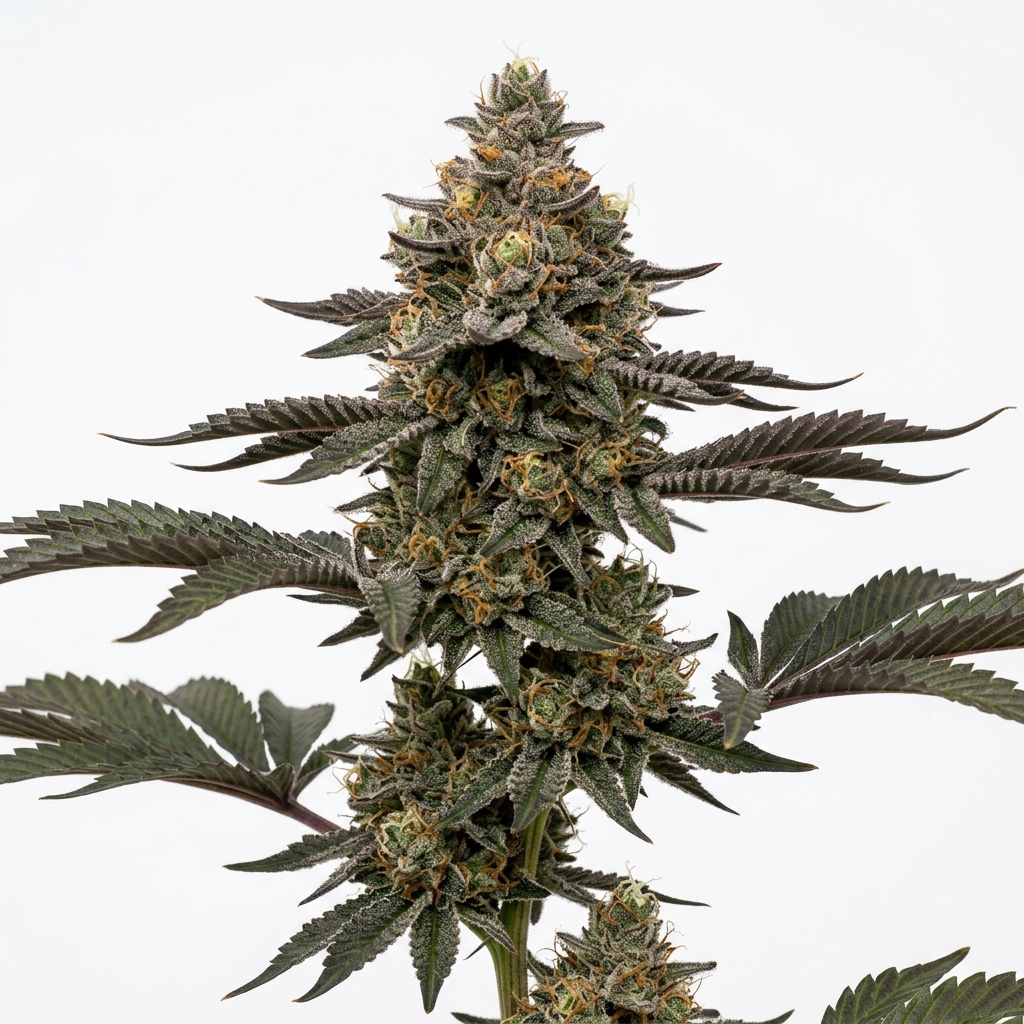
Trash Panda (Cannabis Strain)
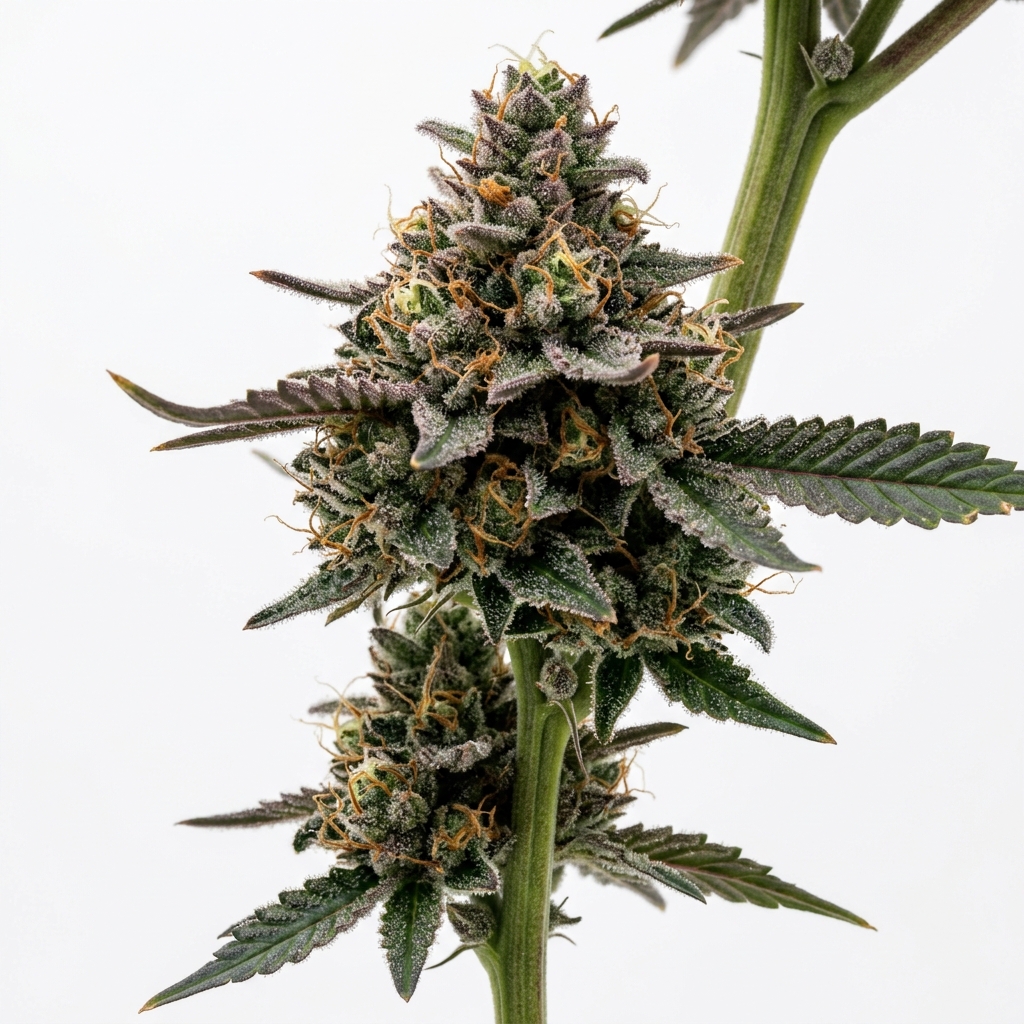
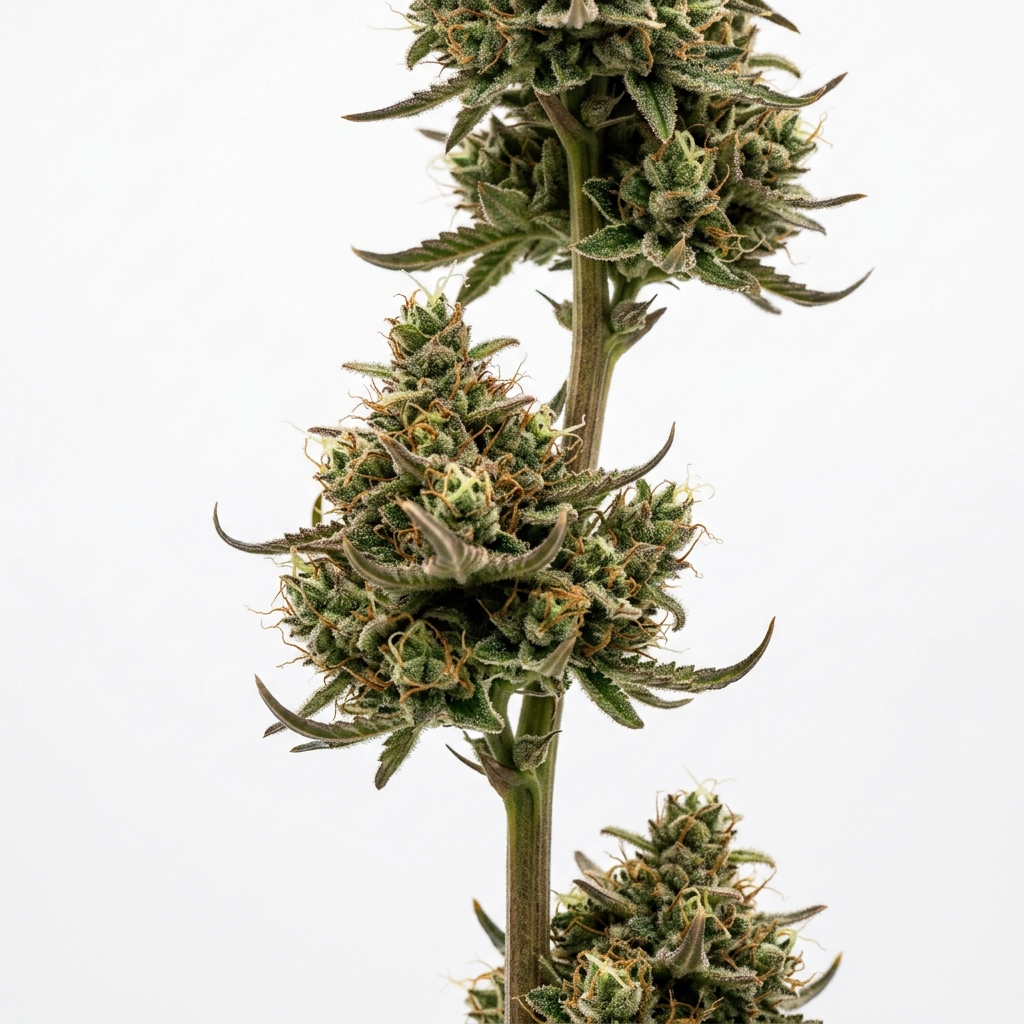
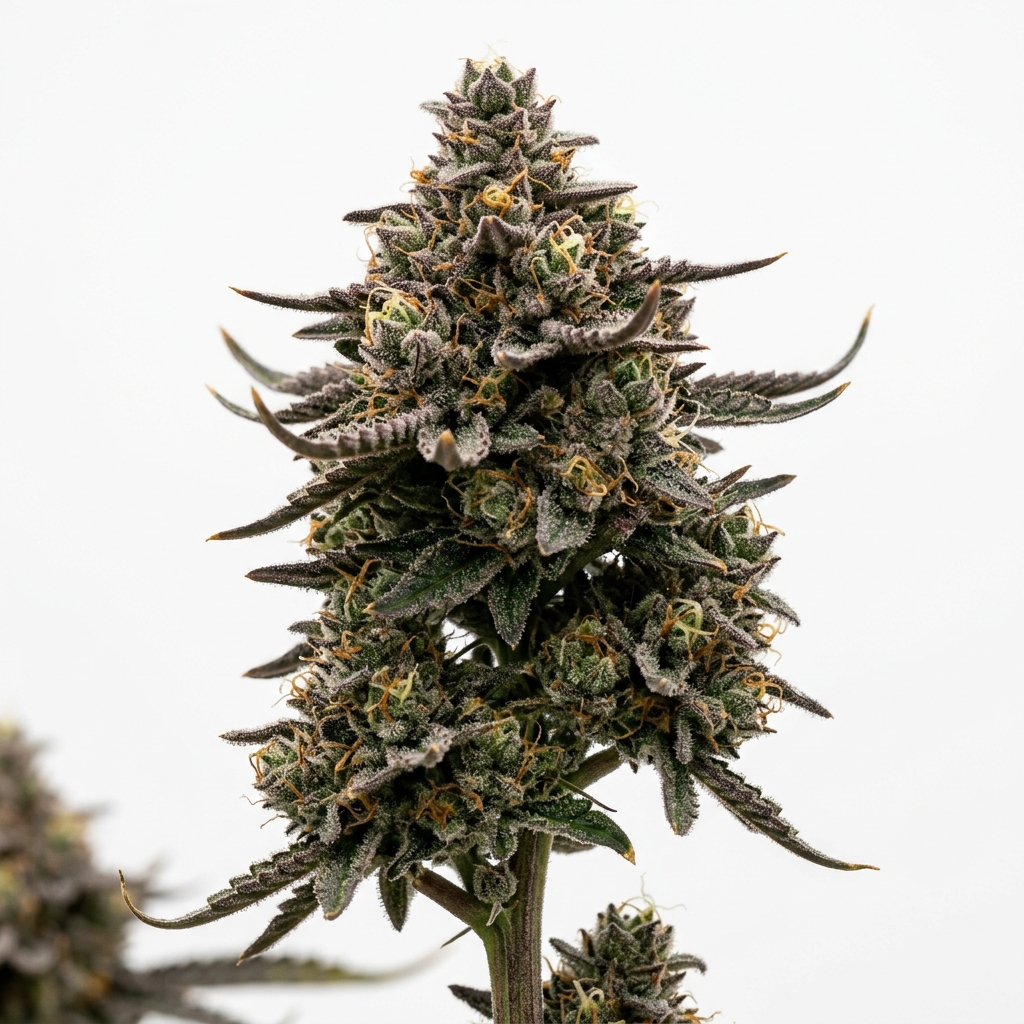
Trash Panda is an indica-dominant hybrid testing between 22% and 28% THC, commonly bred from a cross of GMO and Oreoz. The cultivar carries an unapologetic savory funk driven by sharp diesel, roasted garlic, damp earth, and a faint sweet dough finish. Known for producing greasy resin coverage and tight, spear-shaped colas, Trash Panda has earned a strong reputation among solventless extractors and growers who prioritize pungent, terpene-heavy flower.
Breeder attribution across commercial markets most frequently points toward contemporary West Coast seedmakers crossing sulfur-heavy Chem lines with resinous dessert hybrids. The plant develops rigid lateral branching, dark olive leaves, and swollen calyxes that stack heavily in late bloom. In consumer reports, Trash Panda is characterized by a slow, heavy body melt paired with calm mental decompression suited for late-evening downtime.
Quick Facts
| Field | Details |
|---|---|
| Breeder | Not consistently documented (commonly attributed to West Coast breeders) |
| Genetics | GMO × Oreoz (phenotype-dependent variants reported) |
| Variety | Indica-dominant hybrid (approx. 70% indica / 30% sativa) |
| THC Range | 22% – 28% |
| Flowering Time | 9 – 10 weeks (63 – 70 days) |
| Yield Potential | Moderate to high (450 – 550 g/m² indoors) |
| Plant Height | Medium to tall (moderate stretch) |
| Climate Preference | Temperate to Mediterranean with low late-flower humidity |
| Difficulty | Moderate |
Scientific & Botanical Overview
Trash Panda displays classic modern polyhybrid morphology with strong Chem and Cookies influence. The plants exhibit sturdy main stalks, medium-spaced internodes, and heavy glandular trichome development on both floral bracts and upper sugar leaves. Fan leaves lean broad during vegetative development before thinning slightly during transition.
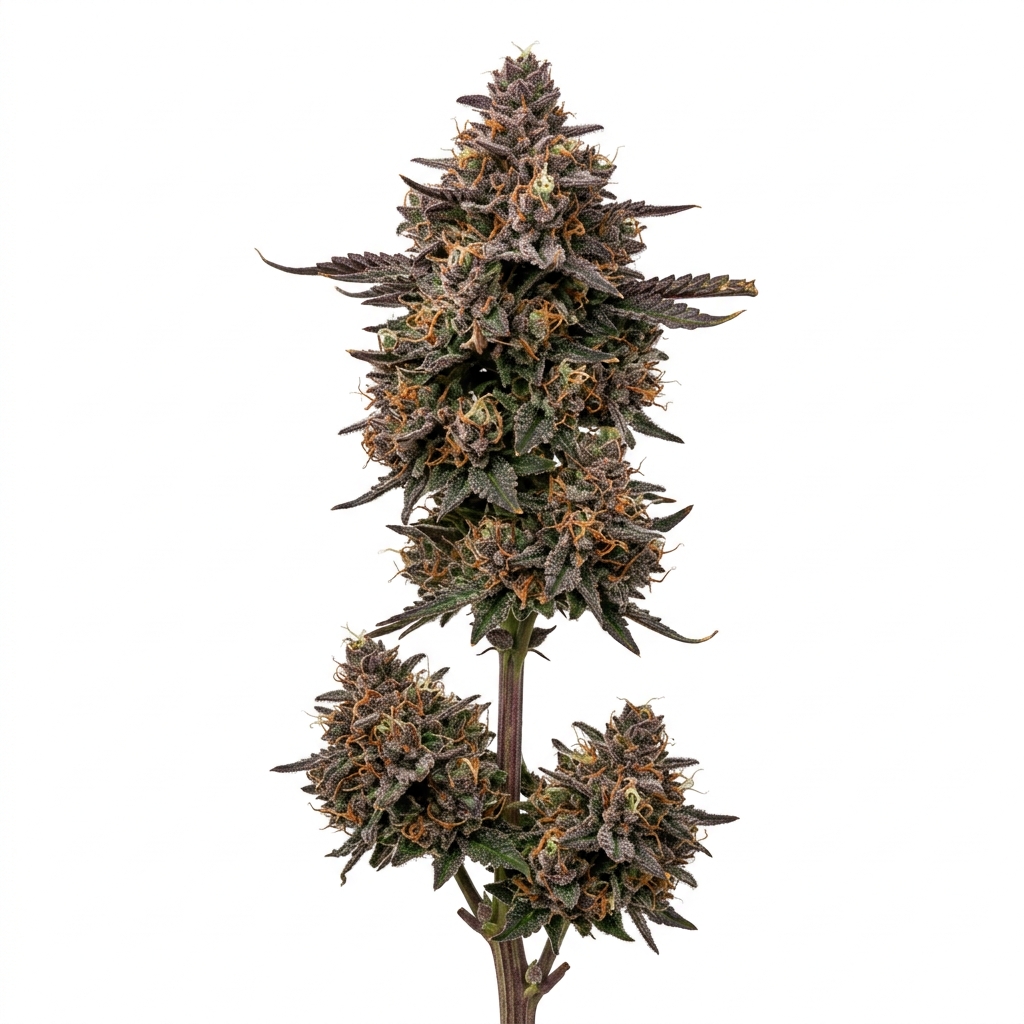
The glandular resin heads are bulbous and fragile, making the dried flower noticeably sticky and well-suited to mechanical agitation. Pigmentation remains primarily deep forest green and silver from heavy trichome density, though cooler night temperatures near harvest often pull out dark purple and charcoal hues along the bract margins.
The secondary metabolite profile is heavily weighted toward sulfurous volatile compounds and hydrocarbon-rich monoterpenes. Myrcene, caryophyllene, and limonene dominate the head space, creating the signature sour, garlicky fuel signature that gives the cultivar its name.
Effects & Use-Cases (Reported)
Commonly reported effects: Consumers typically report a rapid settling sensation behind the eyes followed by deep physical relaxation across the limbs. The mental state is generally described as quiet and slow-paced without immediate couchlock, though higher doses tend to induce drowsiness.
Use-case context: The strain is primarily selected for evening hours, post-workout recovery routines, or quiet solitary relaxation. The heavy physical grounding makes it less practical for high-focus daytime tasks or active social settings.
Note: Cannabinoid responses vary depending on personal tolerance, setting, consumption format, and batch chemistry.
Aroma & Flavors
Aroma: Pungent and aggressively savory. Cracking a cured flower releases heavy waves of garlic, onion funk, and burnt rubber, supported by an earthy damp-soil background and sharp chemical gas.
Flavor: The inhale is thick and diesel-forward, coating the palate with roasted garlic, peppery spice, and hashish. The exhale introduces subtle sweet cookie dough and dark chocolate notes inherited from the Oreoz parentage.
Terpene associations: High levels of beta-caryophyllene provide the peppery bite, myrcene anchors the earthy musk, and limonene contributes a sour edge that cuts through the heavier skunk notes.
Tested Cannabinoid & Terpene Ranges
| Compound | Type | Observed Range |
|---|---|---|
| Δ9-THC (Total THC) | Cannabinoid | 22.0% – 28.0% |
| CBD (Total CBD) | Cannabinoid | < 0.5% |
| CBG | Cannabinoid | 0.4% – 1.2% |
| Total Terpenes | Terpene Content | 1.8% – 3.2% |
| Beta-Caryophyllene | Terpene | 0.6% – 1.1% |
| Myrcene | Terpene | 0.4% – 0.9% |
| Limonene | Terpene | 0.3% – 0.7% |
| Humulene | Terpene | 0.1% – 0.3% |
Range note: Flower testing figures are informed by lab analyses of commercial uninfused dry flower. Exact cannabinoid percentages and terpene totals depend on agricultural inputs, cultivation medium, harvest timing, and post-harvest curing conditions.
Cultivation Notes
- Humidity management: Maintain 55% to 60% relative humidity during early vegetative growth. Drop relative humidity to 40% – 45% during the final three weeks of flowering to protect the dense, resin-loaded bract clusters from botrytis.
- Nutrient requirements: Plants handle moderate to heavy feeding schedules well. Moderate nitrogen is sufficient in veg, but the strain demands consistent calcium, magnesium, and phosphorus inputs once bract stacking begins in week 4.
- Canopy training: Responds cleanly to early topping at the fifth node followed by low-stress training. A dual-tier trellis system helps manage the 1.5x to 2x stretch and supports heavy outer branches during late flower.
- Defoliation: Perform a thorough strip of lower fan leaves and non-productive growth at day 21 of flower. A lighter cleanup at day 42 opens light pathways to secondary sites without stunting bract swelling.
- Harvest window: Phenotypes typically mature between day 63 and day 70. Look for swollen calyxes and an amber trichome ratio of 10% to 20% on the inner bract surface before cutting.
Grower Notes (Week-by-Week Snapshot)
- Weeks 1–3 (Transition & Stretch): Vigorous vertical growth with internodes extending moderately. Set the primary trellis net early and spread tops evenly across the canopy footprint.
- Weeks 4–6 (Bud Formation & Resin Production): Calyxes begin stacking into dense clusters along main terminals. Trichome production accelerates rapidly, and the pungent garlic-gas aroma becomes noticeable in the room.
- Weeks 7–9 (Ripening & Senescence): Buds swell significantly and harden. Reduce ambient night temperatures by 5°F to 8°F to encourage anthocyanin expression and preserve volatile monoterpenes.
- Post-Harvest (Dry & Cure): Hang whole plants at 60°F and 60% relative humidity for 12 to 14 days. A slow dry is essential to retain the complex savory sulfur aromatics before a four-week jar cure.
Genetic Lineage
Trash Panda draws its genetic backbone from GMO (Chemdawg × Girl Scout Cookies) and Oreoz (Cookies & Cream × Secret Weapon). The GMO parent passes down its legendary sulfurous garlic pungency, heavy trichome stalk length, and longer flowering timeline. This heritage gives the cultivar its distinctively rank aromatics and deep physical weight.
The Oreoz lineage brings shorter internodal spacing, increased flower density, and heavy surface trichome coverage. The combination rounds off the raw Chem harshness with subtle bakery sweetness while maintaining an intimidating, fuel-forward terpene footprint.
Research Insights
General scientific literature indicates that high concentrations of beta-caryophyllene interact directly with peripheral CB2 receptors, acting as a functional dietary cannabinoid. Myrcene has been studied for its potential influence on cell membrane permeability, which researchers hypothesize may affect the uptake of lipophilic compounds like THC across biological barriers.
Cultivar-specific volatile analysis reveals that the pungent, savory notes characteristic of Chem and GMO crosses often stem from volatile sulfur compounds (VSCs) alongside dominant monoterpenes. While full chemical profiling of Trash Panda continues to evolve with commercial testing, its consumer-reported traits align closely with high-caryophyllene, high-THC polyhybrid profiles.
Frequently Asked Questions
Who is the original breeder of Trash Panda?
The original breeder is not consistently documented across public commercial records. Several West Coast breeders and craft cultivators have developed and circulated selections using GMO and Oreoz or Cookies-leaning stock under the Trash Panda name.
Is Trash Panda an indica or sativa?
Trash Panda is an indica-dominant hybrid, generally showing an approximate 70% indica to 30% sativa structural and experiential balance.
What does Trash Panda smell and taste like?
Trash Panda has a distinctively pungent aroma dominated by garlic, diesel fuel, damp earth, and burnt rubber. The flavor follows suit with peppery gas on the inhale and faint sweet cookie dough on the finish.
What is the flowering time for Trash Panda?
Indoor flowering typically takes between 9 and 10 weeks (63 to 70 days) for optimal trichome maturity and aromatic depth.
Educational Disclaimer
This content is for educational and informational purposes only. Cannabis laws and regulations vary by jurisdiction. Always consult with a qualified professional before beginning any cultivation project or consuming cannabis products.
Rate and review this strain
Ratings and reviews are accepted only from signed-in Google accounts.
Sign in with Google to leave a rating and written review.
Latest Reviews
0 reviewsNo reviews yet. Be the first Google user to rate and review this strain.
Follow New Cultivar Records
Get newly documented genetics, breeder history, research highlights, and important Strainpedia discoveries by email.