GMO (Cannabis Strain) — Strainpedia
GMO stands apart from the sweeter, fruit-forward cultivars that dominate many modern menus. Its signature is unmistakably savory: garlic, diesel, onion, and deep earthy spice layered over a dense indica-leaning structure that often finishes with a heavily resinous sheen.
Most references connect GMO to Chem D and GSC, though the exact naming around the line can vary between cuts and breeders. In the garden, it usually shows compact flowering sites, pronounced odor intensity, and a finishing profile that leans into fuel, coffee, and funk rather than candy or citrus.
Quick Facts
| Genetics | Chem D x GSC (forum cut lineage is often cited) |
|---|---|
| Original Breeder | Fresh Coast Seed Co. |
| Variety | Indica-dominant Hybrid |
| Flowering Time | Approximately 9–10 weeks indoors |
| Yield Potential | Moderate to high under dialed-in indoor conditions |
| Plant Height | Medium height with moderate post-flip stretch |
| Climate Preference | Stable indoor or warm, dry outdoor conditions |
| Difficulty | Moderate |
Strain Classification
| Type | Indica-dominant Hybrid |
|---|---|
| Genetic Family | Chem lineage × GSC-derived hybrid family, with strong fuel-and-funk expression |
| Primary Terpenes | β-Caryophyllene, Myrcene, Limonene* |
| Original Breeder | Fresh Coast Seed Co. |
| Breeding Lineage | Commonly reported as Chem D x GSC, with some cut-based documentation varying by source |
*Exact terpene dominance may vary by phenotype and cultivation method.
Scientific & Botanical Overview
Botanically, GMO is valued for the way it compresses a loud aromatic profile into a relatively tight, resin-heavy flower structure. The cultivar tends to produce thick calyx clusters and a robust trichome layer, which supports the heavy terpene impression this strain is known for in dried flower and concentrate form.
From a breeding perspective, GMO is a useful example of how Chem-derived sharpness can be paired with GSC density to create a cultivar that is both pungent and visually saturated. It is often selected by growers and extractors who want a profile that leans savory, earthy, and fuel-driven rather than sweet or floral.
Appearance
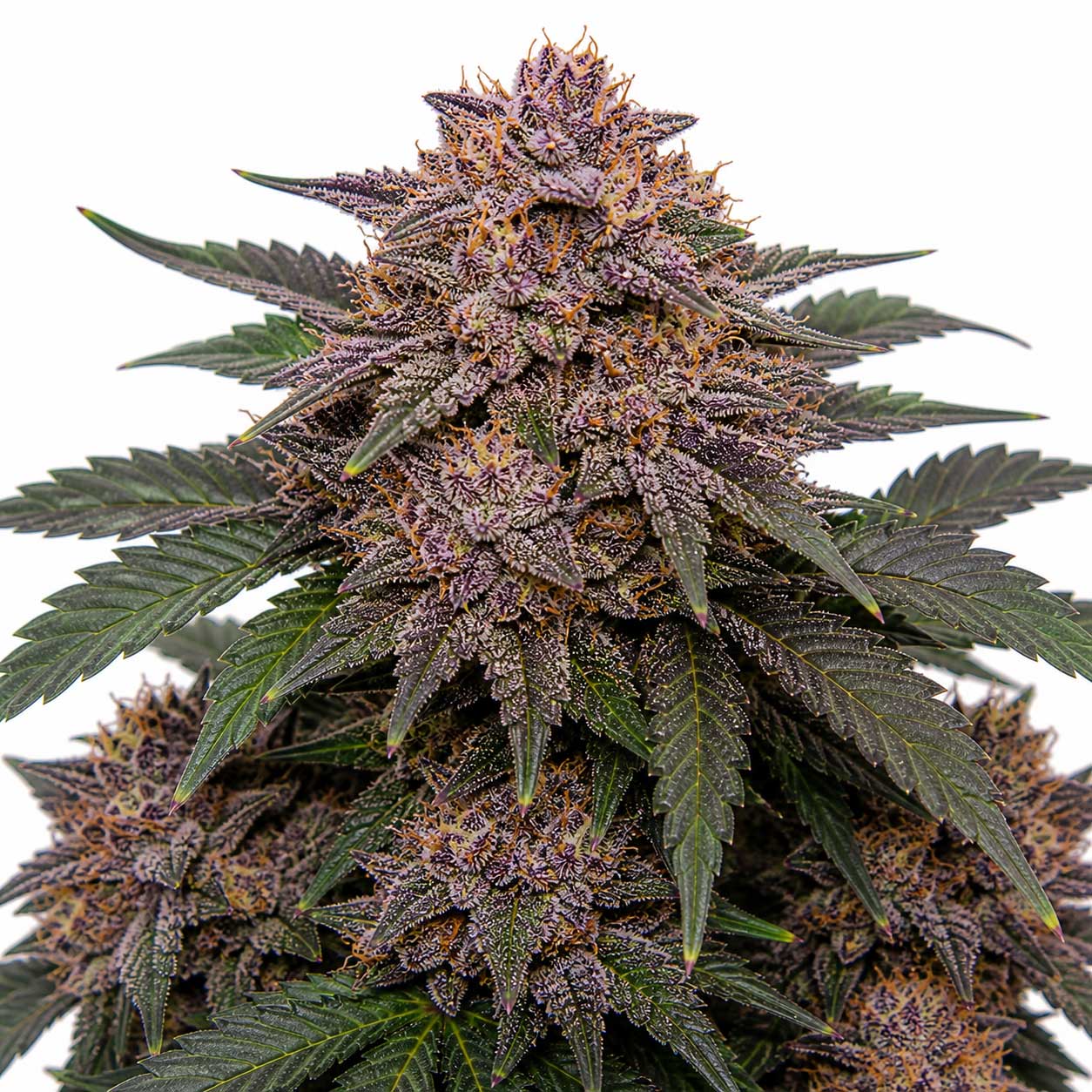
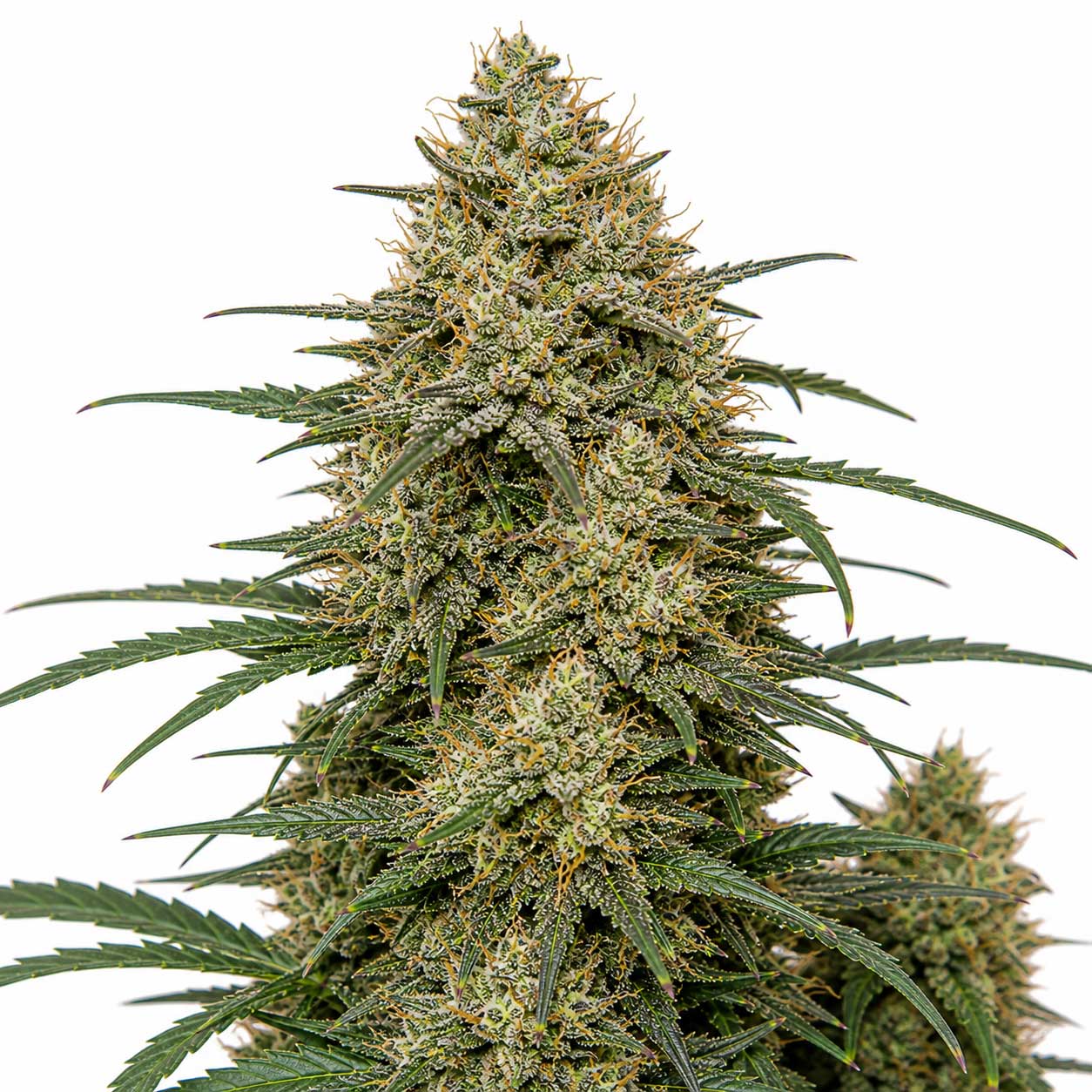
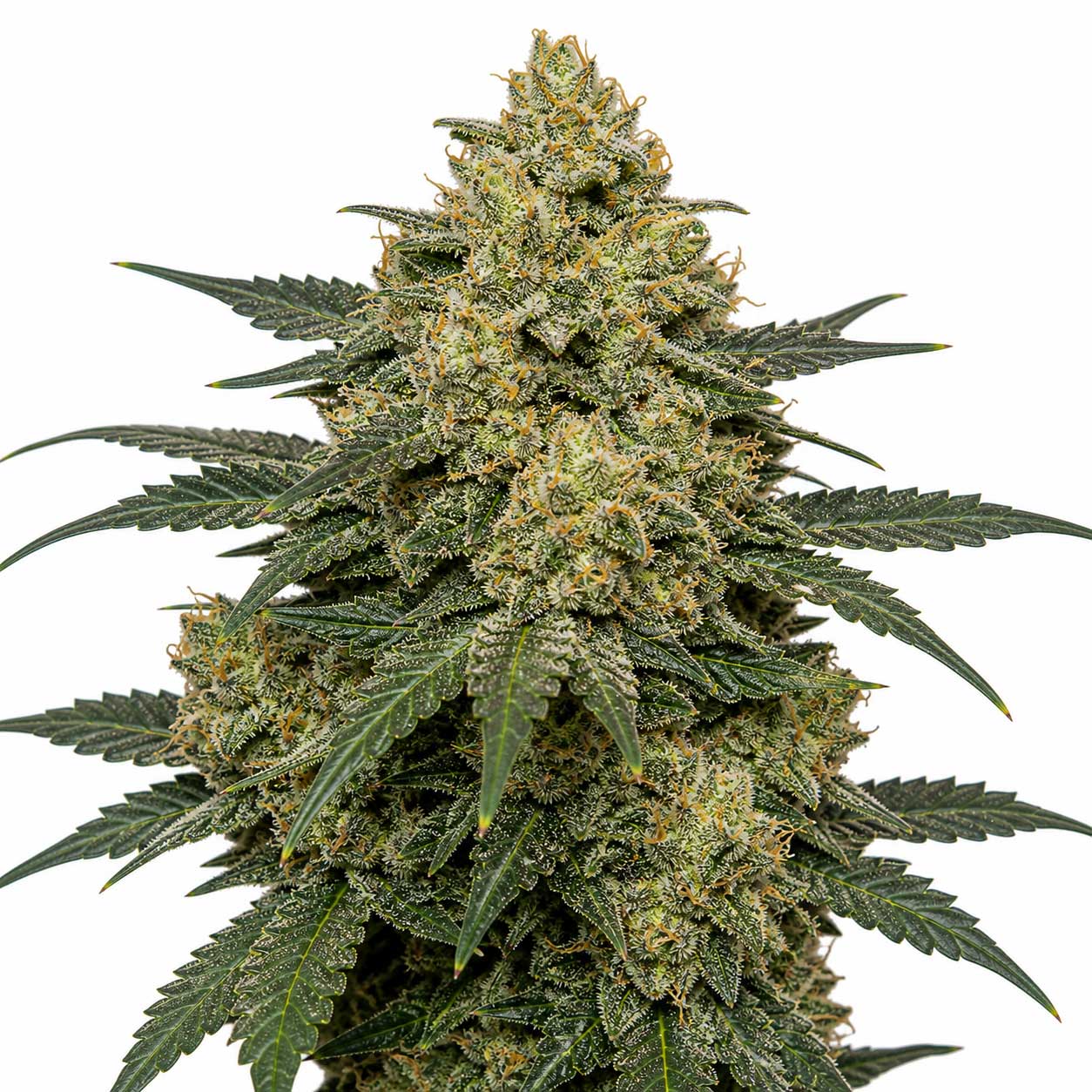
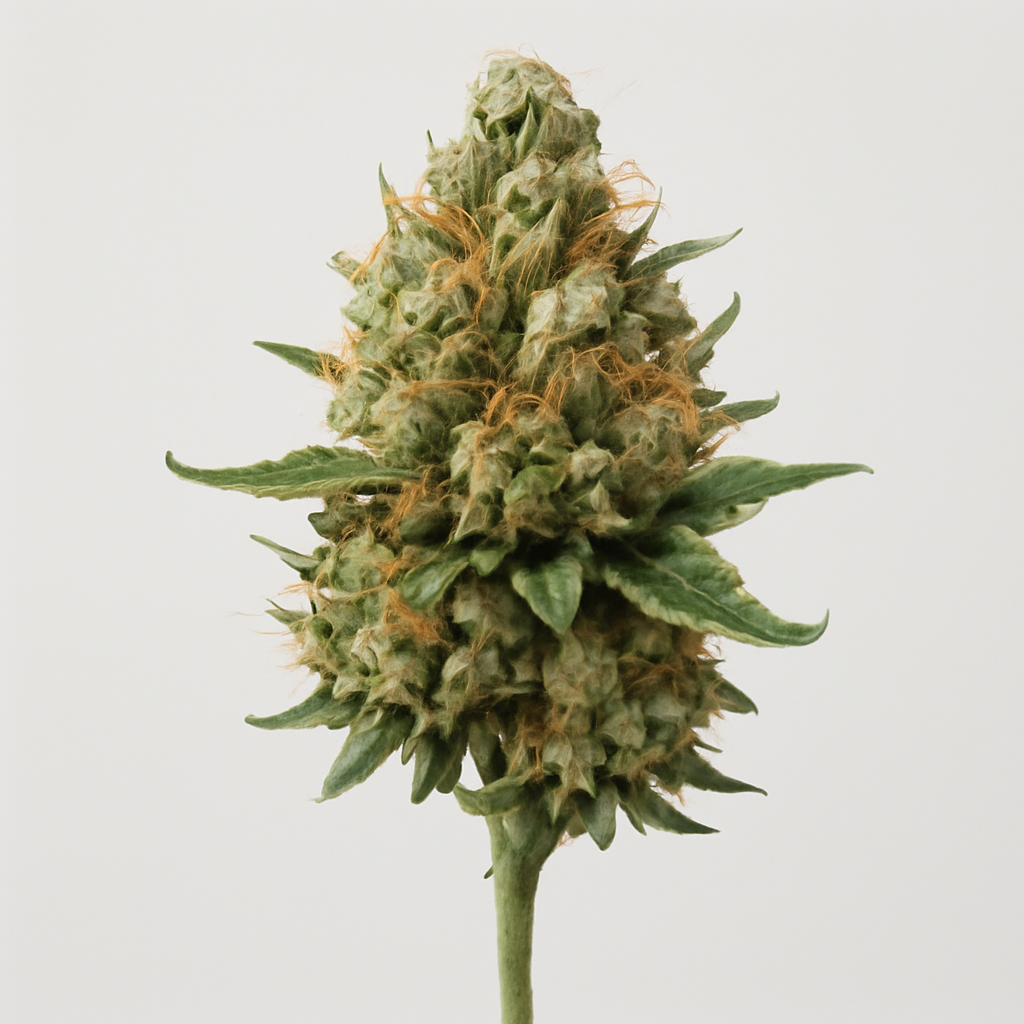
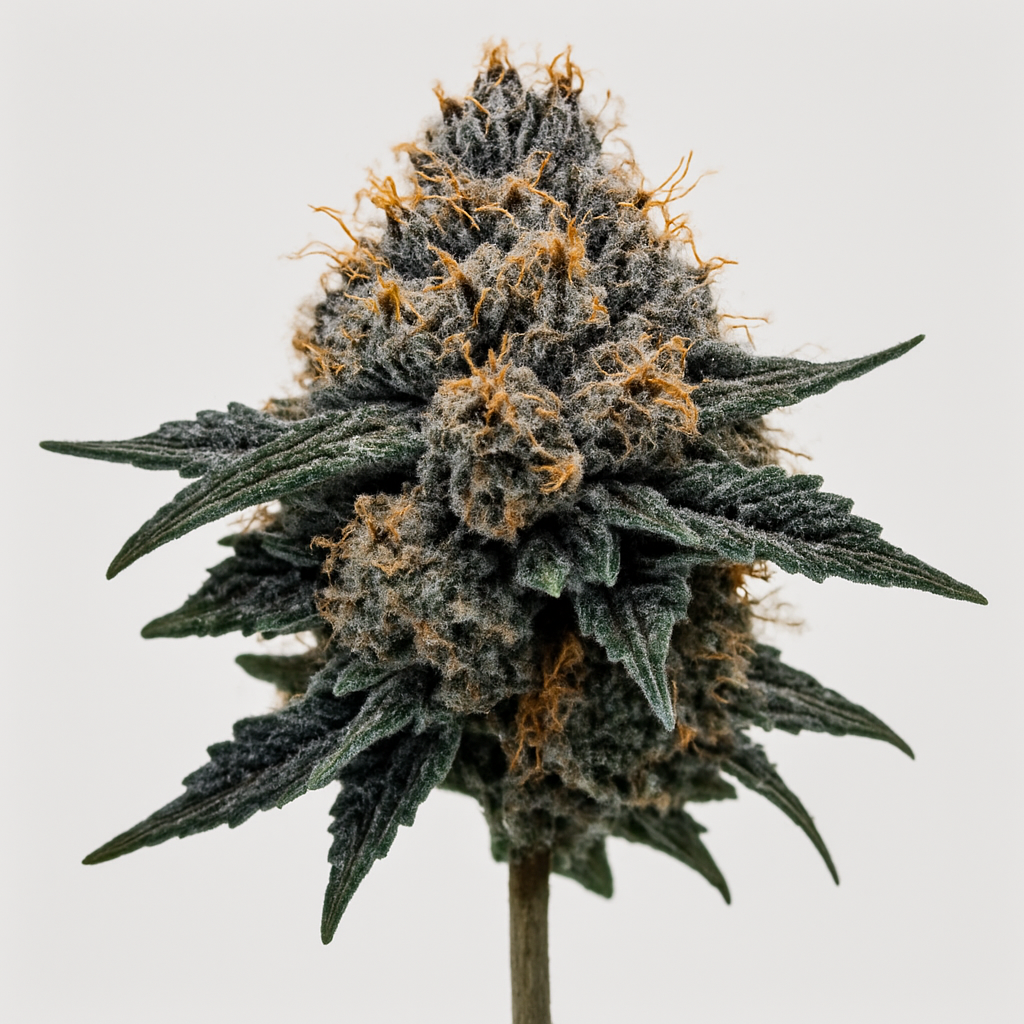
GMO buds are typically compact and densely built, with a weighty look that reflects their indica-leaning heritage. The surface often carries a heavy trichome blanket that gives mature flowers a frosty, almost sticky finish.
Color expression usually ranges from medium green to darker, shadowed tones, sometimes with purple hints appearing in cooler grows or certain phenotypes. Bright orange pistils thread through the flowers, while the calyxes stack tightly enough to give the buds a solid, premium-grade presentation.
Effects & Use-Cases (Reported)
- Commonly reported effects: deep relaxation, euphoric onset, calming body heaviness, and a more sedating finish as the experience develops.
- Use-case context: often chosen for evening sessions, slower-paced social settings, or after a long day when a strong unwind is preferred.
- Body character: usually described as full-bodied and grounding, with the later phase often feeling notably heavy.
- Note: These observations are anecdotal and do not constitute medical claims.
Observational Note: GMO tends to come on with a heady lift before settling into a slower, more anchored profile. The transition from initial euphoria to physical heaviness is one reason it remains memorable among connoisseurs who favor potent, late-day flower.
Potency Note: With THC frequently testing at elevated levels, GMO is generally treated as a strong cultivar rather than a casual daytime option. Lower-tolerance consumers often approach it carefully because the intensity can build steadily rather than peak all at once.
Aroma & Flavor Profile
- Aroma: pungent garlic, onion funk, diesel, damp earth, pepper, and a faint coffee-like edge.
- Flavor: savory garlic, fuel, herbal earth, black pepper, and roasted, savory depth on the exhale.
- Aftertaste: lingering fuel with earthy spice and a distinctly savory, mouth-coating finish.
- Terpene associations: commonly aligned with β-Caryophyllene, Myrcene, and Limonene.
For shoppers searching for garlic weed, diesel cannabis, or a funk-forward indica-dominant hybrid, GMO is one of the clearest reference points. Its scent profile is not subtle, and that is part of its identity: sharp, savory, and persistently aromatic from jar to grind.
Tested Cannabinoid & Terpene Ranges
| Compound | Typical Range* | Notes |
|---|---|---|
| Δ⁹-THC | ~24–30% | Often tested at high potency in premium indoor flower. |
| CBD | <0.5% | Typically minimal and not a defining part of the profile. |
| β-Caryophyllene | 0.3–0.9% | Frequently associated with the strain’s peppery, savory edge. |
| Myrcene | 0.2–0.7% | May contribute to the earthy depth and heavier finish. |
| Limonene | 0.1–0.5% | Can add a subtle bright lift behind the funk. |
*Ranges are estimates and may vary by phenotype, harvest timing, and testing methods.
Cultivation Notes
- Light Cycle: 18/6 in veg, then 12/12 for flowering
- Humidity: Moderate in veg; lower humidity in late flower to protect dense buds
- Stretch: Moderate stretch after the flip, usually manageable indoors
- Training: Responds well to topping, trellising, and canopy evenness work
- Odor Control: Strong filtration recommended, especially from mid-flower onward
- Harvest Window: Approximately 9–10 weeks indoors
GMO rewards growers who maintain stable conditions and avoid excess moisture around the tightly packed flowers. The cultivar’s density and aroma output make clean airflow, careful defoliation, and late-stage environmental control especially important.
Grower Notes (Week-by-Week Snapshot)
- Weeks 1–3: Establishes vigorous branching and settles into a medium-stretch flowering pattern.
- Weeks 4–5: Bud sites stack quickly, and the aroma begins shifting toward fuel, earth, and savory funk.
- Weeks 6–8: Flower density increases, trichomes become more obvious, and odor intensity rises sharply.
- Weeks 9–10: Final swelling and resin production continue, with the canopy often showing its heaviest scent and frost.
Genetic Lineage
GMO is most commonly described as Chem D crossed with GSC, a combination that helps explain both its sharp aromatic impact and its dense flower expression. Chem D is typically linked to fuel, solvent-like pungency, and an unmistakably loud nose, while GSC often contributes tighter bud formation and a more refined resin profile. In practical terms, GMO inherits the aggressive aroma of the Chem side and the compact structure often associated with GSC-descended hybrids.
Research Insights
GMO matters in the modern market because it helped make savory, funk-driven cannabis more commercially legible at a time when many breeding programs were leaning toward dessert notes and fruit candy profiles. It remains a reference strain for extractors, menu writers, and consumers who want a clear example of garlic-fuel terpene expression. In search terms, it also captures a strong niche: people looking for pungent cannabis, diesel flower, or garlic weed are often looking for GMO or a close relative.
Frequently Asked Questions
What does GMO cannabis smell like?
GMO is usually described as garlic-forward with diesel, onion, earthy spice, and coffee-like notes underneath. The aroma is intense and tends to linger.
Is GMO indica or sativa?
GMO is generally classified as an indica-dominant hybrid. Its reported effects and flower structure both lean toward the heavier side.
How long does GMO take to flower?
Most indoor runs finish in about 9 to 10 weeks, though phenotype and environment can shift that range slightly.
What is GMO crossed with?
GMO is commonly reported as Chem D x GSC, though the exact cut history is not always documented identically across sources.
What kind of grower is GMO best suited for?
It is usually better suited to growers comfortable managing odor, canopy structure, and humidity in dense late-flower buds.
Educational Disclaimer: This page is provided strictly for scientific and horticultural reference. Cannabis cultivation, possession, and use are regulated by local laws. This content does not promote illegal activity or constitute medical advice. Always comply with applicable regulations in your jurisdiction.
Rate and review this strain
Ratings and reviews are accepted only from signed-in Google accounts.
Sign in with Google to leave a rating and written review.
Latest Reviews
0 reviewsNo reviews yet. Be the first Google user to rate and review this strain.