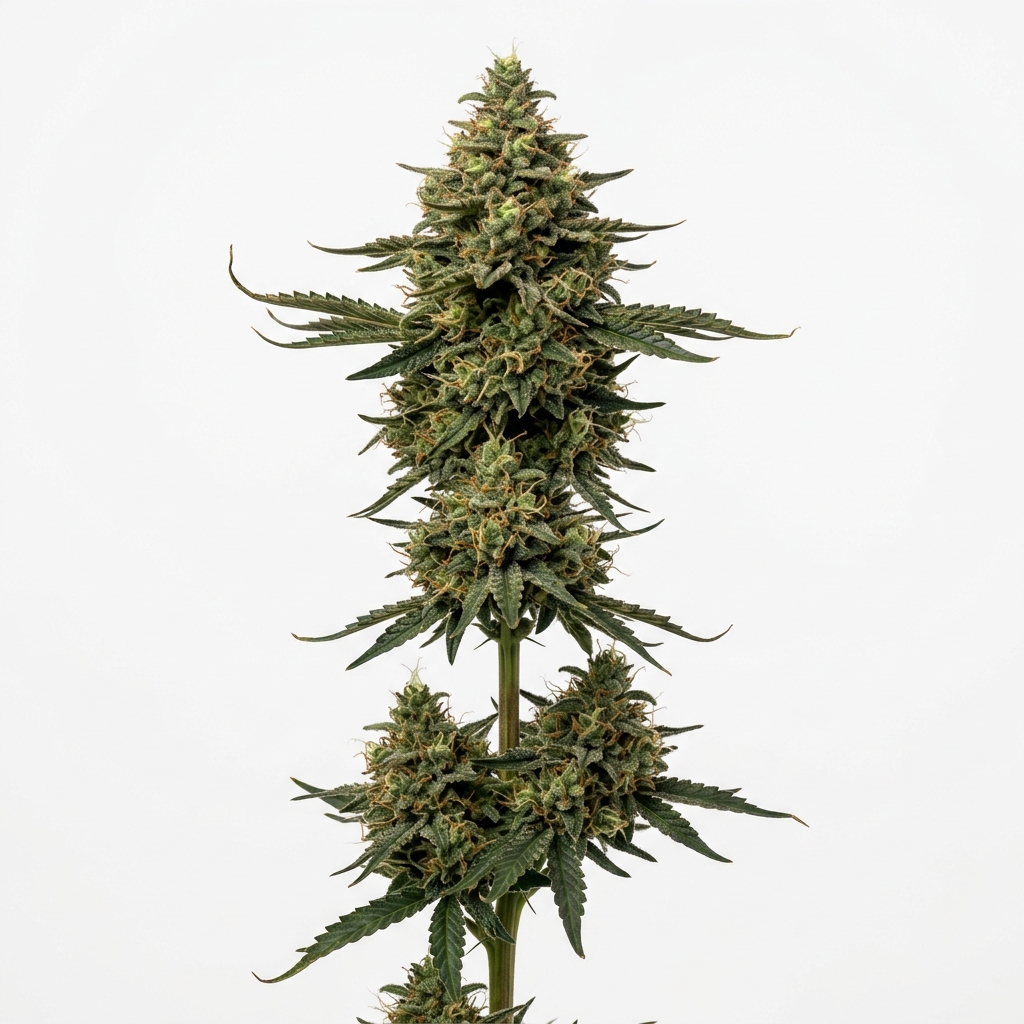
Chem Squeezy (Cannabis Strain)
Chem Squeezy is a hybrid cultivar typically testing between 20% and 26% THC, developed by crossing foundational Chemdawg stock with a tart, terpene-dense citrus selection. The variety is defined by its pungent clash of acrid kerosene, industrial chemical funk, and sharp, freshly squeezed lemon. Known for generous resin production and dense, spear-shaped colas, Chem Squeezy has gained traction among craft cultivators and extractors who favor authentic fuel profiles with a bright citrus edge.
The original breeder is not consistently documented across commercial registries, as several boutique craft breeders have worked similar Chem D and citrus-forward pairings under the name. In the garden, the plant shows vigorous lateral branching and moderate vertical stretch during early flower. Consumers typically report a fast-acting cerebral lift paired with a balanced, functional body relaxation that avoids heavy couchlock when harvested at peak ripeness.
Quick Facts
| Attribute | Details |
|---|---|
| Breeder | Not consistently documented |
| Genetics | Chemdawg × Lemon/Citrus lineage |
| Variety | Hybrid |
| THC Range | 20.0% – 26.0% |
| Flowering Time | 9 – 10 weeks (63 – 70 days) |
| Yield Potential | Moderate to High |
| Plant Height | Medium to Tall |
| Climate Preference | Temperate, Mediterranean, or controlled indoor |
| Difficulty | Moderate |
Scientific & Botanical Overview
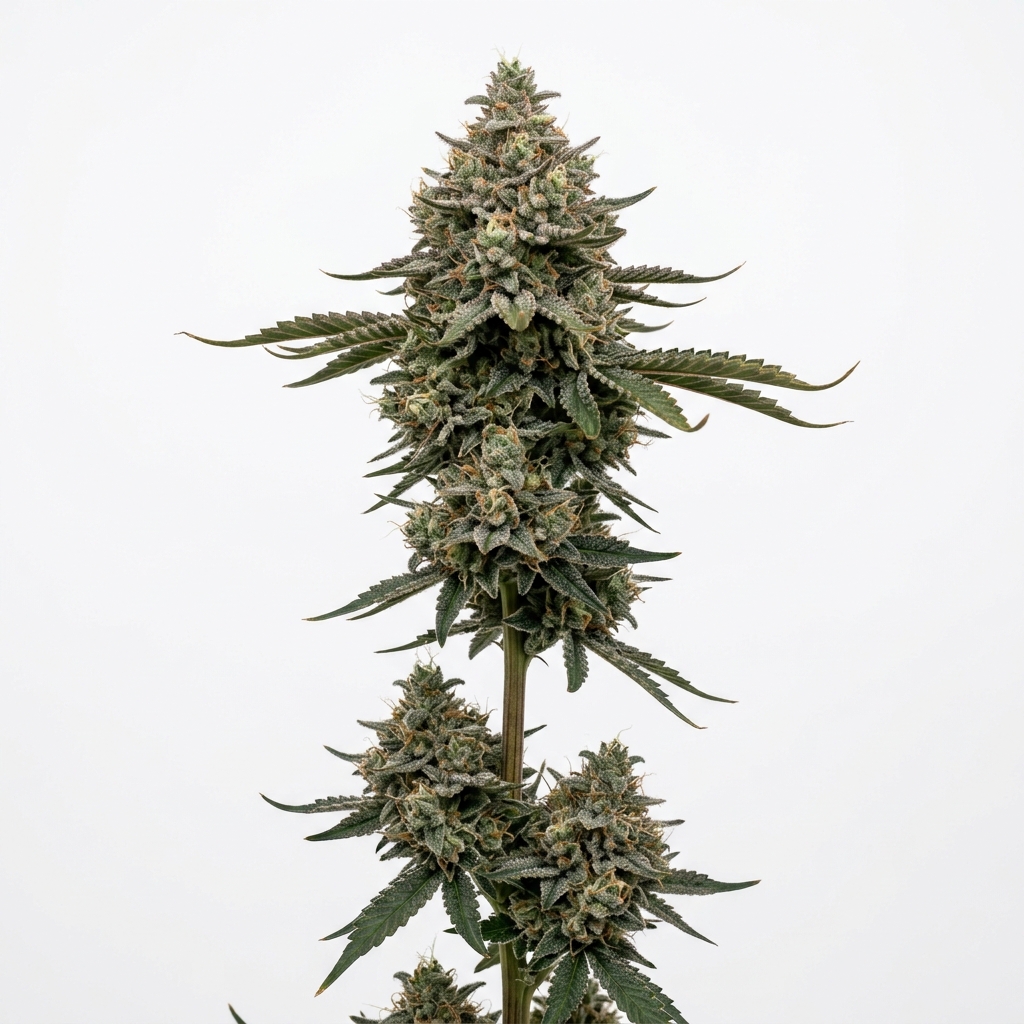
Chem Squeezy displays balanced hybrid morphology characterized by sturdy primary stalks, strong lateral branches, and broad, dark-green fan leaves that narrow slightly as flowering progresses. Internodal spacing is moderate, allowing good light penetration through the mid-canopy when early vegetative training is applied.
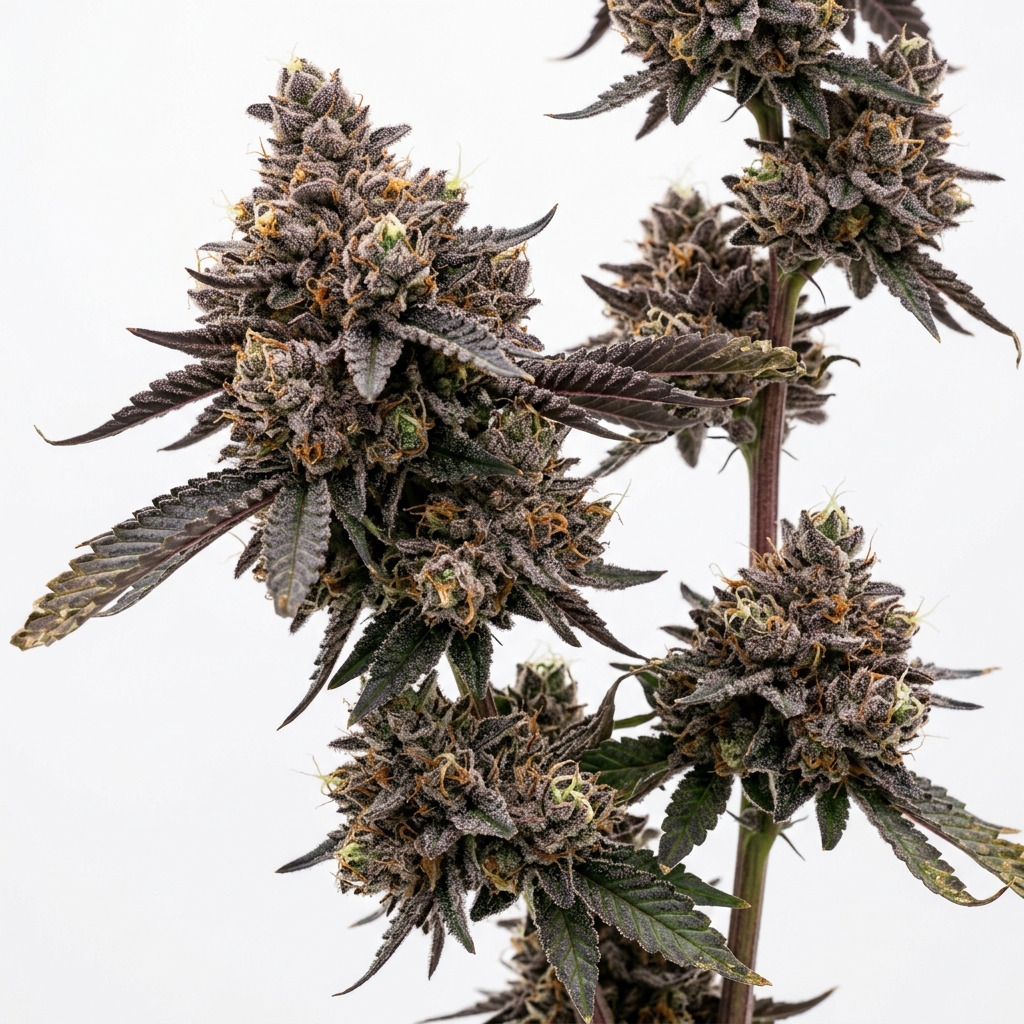
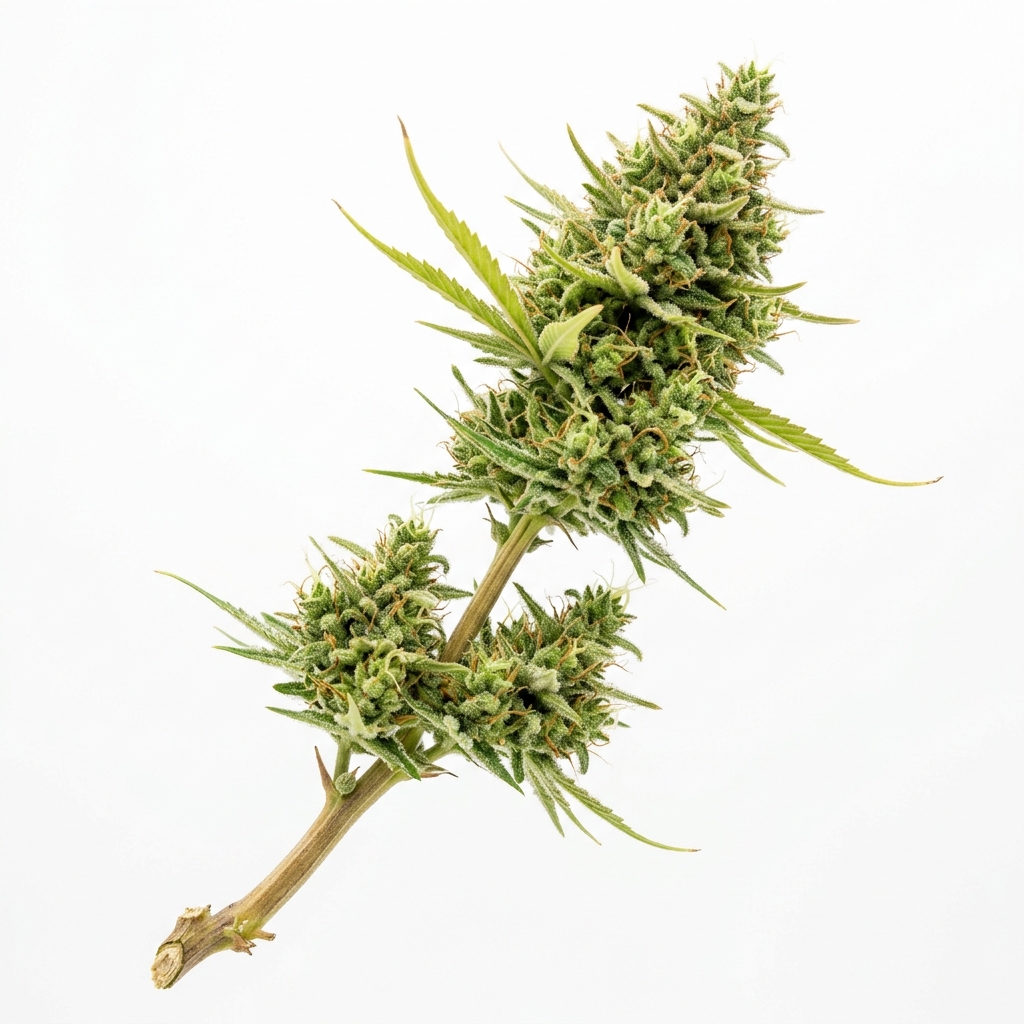
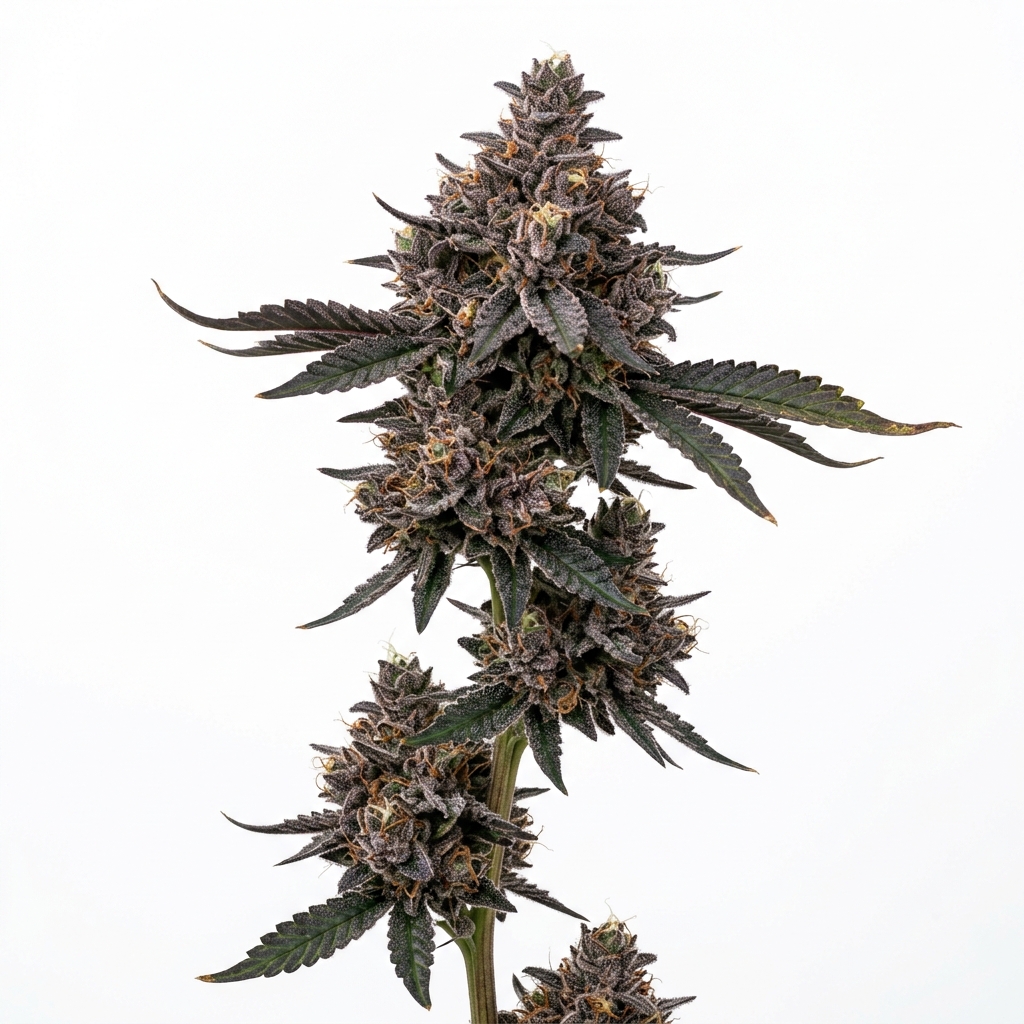
During the floral phase, the cultivar forms conical, spear-shaped colas with tightly packed bracts and prominent calyx swelling. Trichome heads are predominantly capitate-stalked and densely populate both the floral bracts and adjacent sugar leaves, creating a greasy exterior layer that is noticeable by the sixth week of bloom.
The finished flowers typically maintain a deep olive-green color accented by bright brassy-orange pistils. When grown in environments with cooler night cycles during the final two weeks of flowering, some phenotypes express subtle slate-gray or faint purple hues across the upper foliage.
Effects & Use-Cases (Reported)
Commonly reported effects: Consumers frequently describe an immediate onset of mental alertness, creative focus, and sensory clarity driven by its diesel-citrus terpene profile. As the initial cerebral stimulation levels off, a warming physical relaxation spreads through the shoulders and back, reducing muscular tension while leaving the mind functional.
Use-case context: The cultivar is commonly selected for afternoon or early evening sessions, social settings, creative projects, and low-key outdoor activities. Its balanced profile allows users to unwind without inducing heavy lethargy when consumed in moderation.
Note: Individual experiences can vary significantly based on dosage, personal tolerance, consumption method, and specific batch chemistry.
Aroma & Flavors
Aroma: Pungent and penetrating, leading with sour lemon peel, acrid kerosene, and industrial cleaning solvent. Breaking open a cured flower releases heavier undertones of damp earth, crushed pine needles, and sharp skunk.
Flavor: The inhale carries tart citrus zest balanced by a heavy diesel base. On the exhale, the profile leaves a lingering finish of sour chemical gas, cracked black pepper, and subtle herbal earthiness.
Terpene associations: The dominant aromatic footprint is commonly driven by beta-caryophyllene, limonene, and myrcene, with supporting concentrations of humulene and pinene contributing to its sharp, earthy complexity.
Tested Cannabinoid & Terpene Ranges
| Compound | Typical Range (% dried flower) |
|---|---|
| Δ9-THC | 20.0% – 26.0% |
| CBD | < 0.2% |
| CBG | 0.4% – 1.2% |
| Total Terpenes | 1.8% – 3.2% |
| Beta-Caryophyllene | 0.5% – 1.1% |
| Limonene | 0.4% – 0.9% |
| Myrcene | 0.3% – 0.7% |
| Humulene | 0.1% – 0.4% |
Range note: Cannabinoid and terpene values reflect dried flower laboratory data across multiple legal markets. Environmental variables, nutrient inputs, light intensity, and post-harvest drying protocols will cause individual harvests to vary.
Cultivation Notes
- Humidity management: Maintain relative humidity between 55% and 60% in early flower, gradually tapering to 40% to 45% during late bloom to prevent mold inside the dense, resinous colas.
- Nutrient requirements: Chem Squeezy thrives on moderate to heavy feeding schedules during peak vegetative and mid-bloom cycles, responding well to consistent calcium and magnesium supplementation under high-intensity lighting.
- Canopy training: Low-stress training and early topping encourage multiple dominant tops, creating an even canopy that maximizes light exposure across lower bud sites.
- Defoliation: Perform selective leaf pruning at the end of vegetative growth and around day 21 of flower to optimize air movement and reduce microclimates within the inner canopy.
- Harvest window: Optimal cannabinoid and terpene expression is typically reached between day 63 and day 70, when glandular trichome heads show mostly milky opacity with roughly 10% to 15% amber.
Grower Notes (Week-by-Week Snapshot)
- Weeks 1–3 (Transition & Stretch): Plants demonstrate a moderate vertical stretch, roughly doubling in height. Install trellis netting early to support vigorous side branching and spread the canopy evenly.
- Weeks 4–6 (Bud Set & Resin Initiation): Calyx clusters consolidate along the stems as trichome coverage accelerates rapidly. A distinct sour-fuel and chemical citrus aroma becomes prominent in the grow space.
- Weeks 7–9+ (Swelling & Ripening): Inflorescences swell significantly and firm up into dense spear formations. Lower ambient room temperatures slightly and monitor humidity closely as trichomes transition from clear to fully cloudy.
- Post-Harvest Cure: Dry whole plants at approximately 60°F (15.5°C) and 60% relative humidity for 12 to 14 days to preserve volatile limonene and caryophyllene fractions before a minimum three-week jar cure.
Genetic Lineage
Chem Squeezy draws its foundation from the renowned Chemdawg family, celebrated for its raw petroleum aroma, sharp skunk profile, and potent resin production. Chemdawg genetics have served as foundational building blocks for numerous modern classics, lending heavy branch development, high resin density, and long-lasting potency to this cross.
The pairing with a high-terpene lemon or citrus hybrid introduces bright, sour volatile aromatics that slice through the heavier fuel baseline. This cross combines the pungent, industrial edge of classic diesel lines with the vibrant, zesty appeal of modern citrus profiles, resulting in a vigorous and versatile hybrid cultivar.
Research Insights
Scientific literature on cannabis phytochemistry highlights that cultivars containing high concentrations of beta-caryophyllene, limonene, and myrcene often display pronounced aromatic intensity. Beta-caryophyllene has been studied for its unique ability to interact directly with peripheral CB2 cannabinoid receptors, while limonene is frequently examined in preclinical models for its potential influence on mood elevation and alertness.
While general botanical research provides valuable context regarding individual terpene and cannabinoid pathways, specific physiological outcomes for Chem Squeezy depend on the complete entourage of minor cannabinoids, volatile sulfur compounds, and individual human biology. Controlled chemical profiling remains essential for evaluating specific phenotype variations.
Frequently Asked Questions
Who bred Chem Squeezy?
The original breeder is not consistently documented in commercial seed databases, as the name has been used by various boutique craft cultivators working with Chemdawg and lemon hybrid selections.
Is Chem Squeezy an indica or sativa?
Chem Squeezy is a balanced hybrid that expresses structural and sensory characteristics from both sides of its genetic background, offering daytime functionality alongside body relaxation.
What does Chem Squeezy smell and taste like?
The cultivar smells strongly of acrid kerosene, sharp lemon zest, and pungent chemical cleaning agents, delivering a matching flavor of sour diesel and tart citrus on the exhale.
How long does Chem Squeezy take to flower?
When grown in indoor setups or controlled greenhouse environments, Chem Squeezy generally finishes its flowering cycle in 9 to 10 weeks (63 to 70 days).
Educational Disclaimer
This content is for educational and informational purposes only. Cannabis laws and regulations vary by jurisdiction. Always consult with a qualified professional before beginning any cultivation project or consuming cannabis products.
Rate and review this strain
Ratings and reviews are accepted only from signed-in Google accounts.
Sign in with Google to leave a rating and written review.
Latest Reviews
0 reviewsNo reviews yet. Be the first Google user to rate and review this strain.
Follow New Cultivar Records
Get newly documented genetics, breeder history, research highlights, and important Strainpedia discoveries by email.