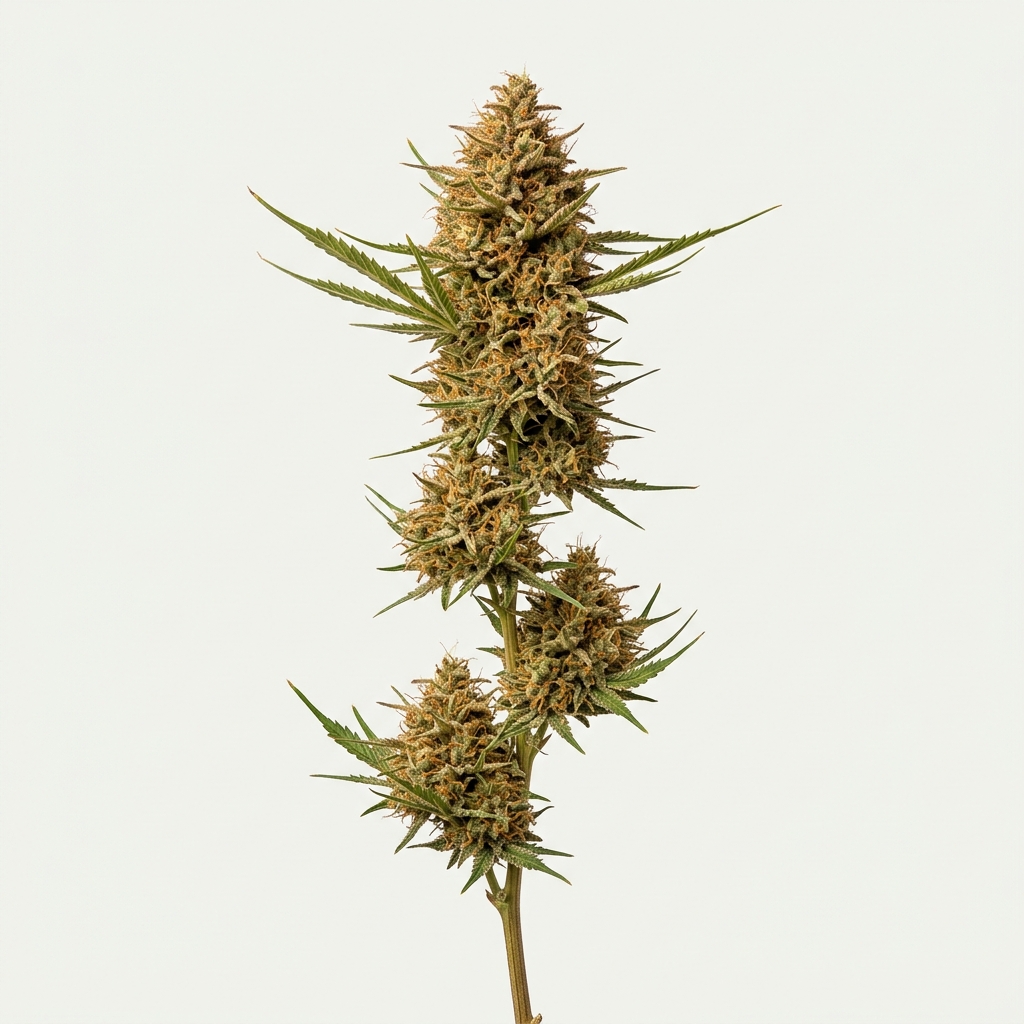
Malawi (Cannabis Strain)
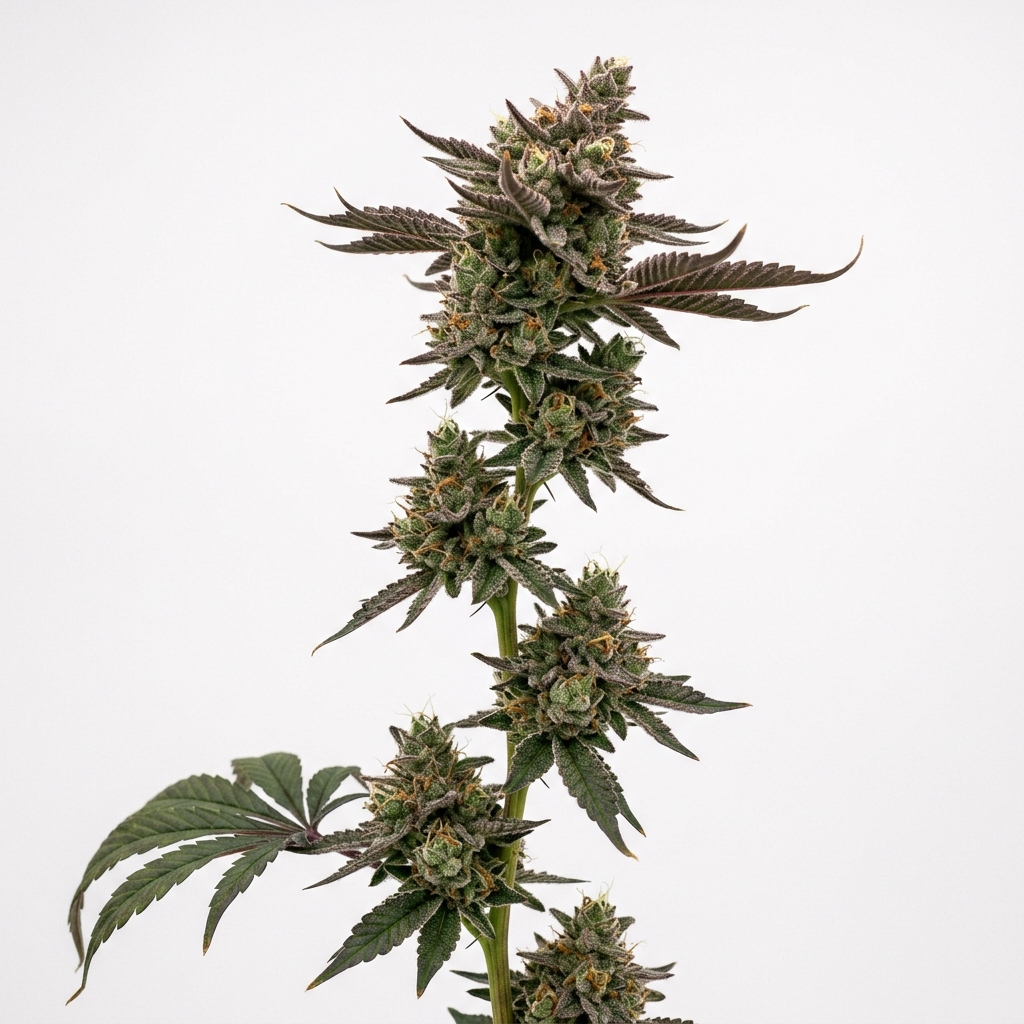
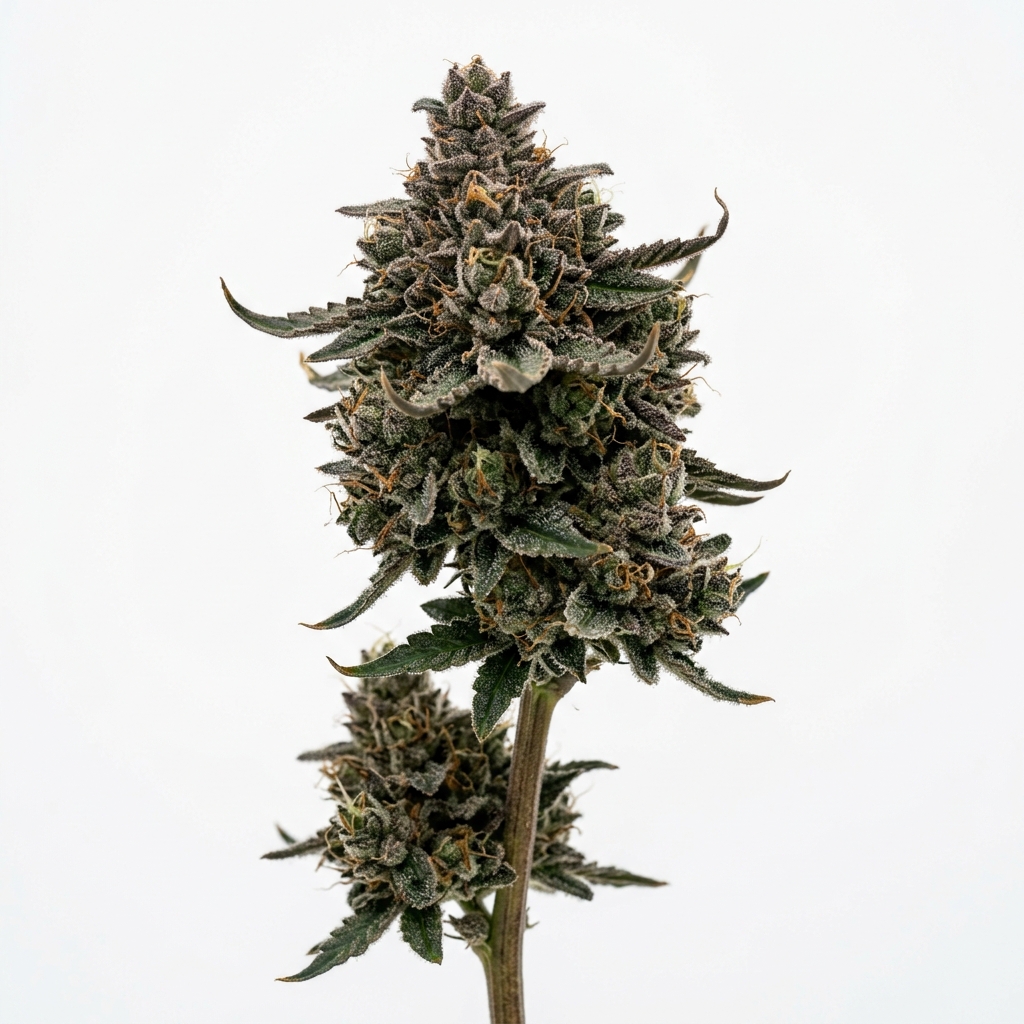
Malawi is a legendary, pure landrace Sativa originating from the lake regions of Southeast Africa, widely recognized for its potency and soaring, energetic effects. Typically testing between 20% and 24% THC, this heirloom cultivar produces long, resin-coated spear colas that cure to a distinct golden-brown hue. Its aromatic profile is defined by a deep mix of oily wood, dark spices, and a sharp lemon-peel finish. Cultivators should prepare for an extended flowering cycle and significant equatorial stretch, making it a demanding but rewarding project for experienced growers.
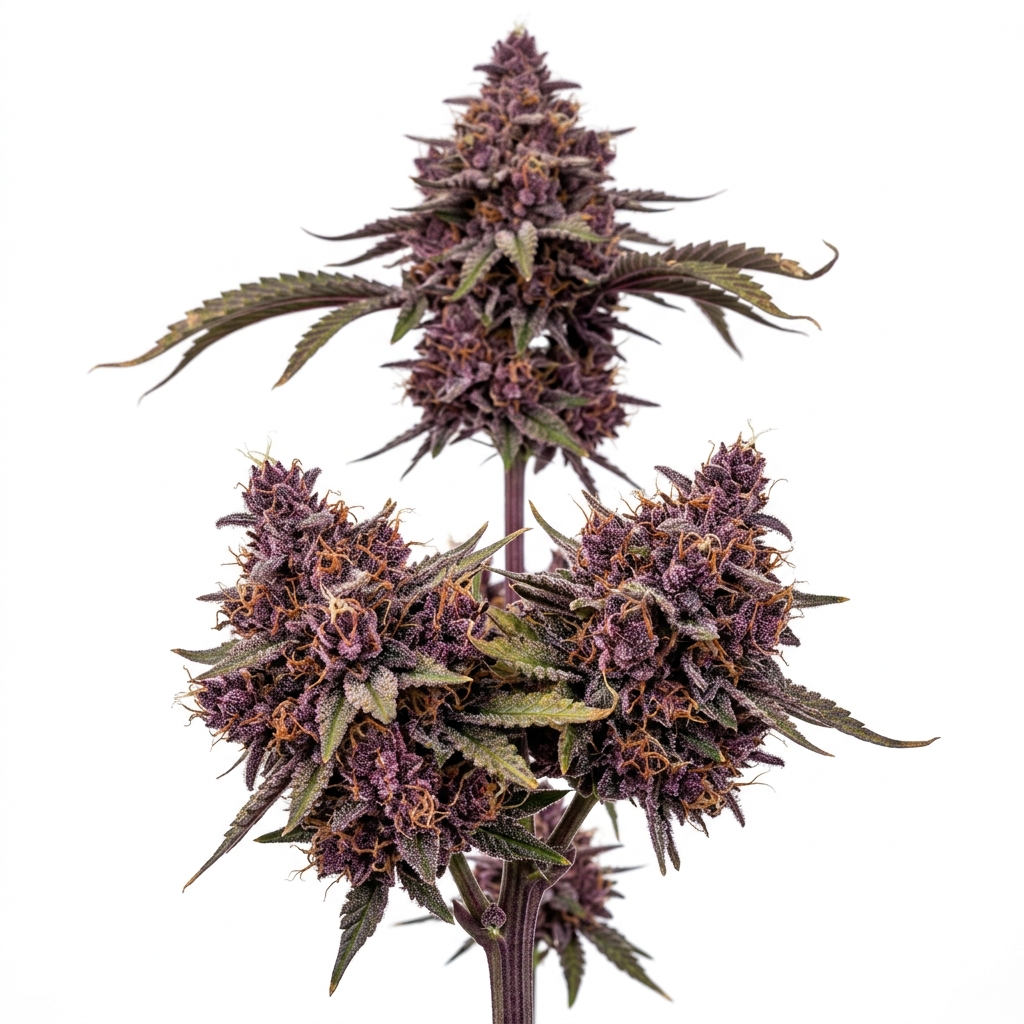
Unlike modern polyhybrids, this landrace retains its wild, untamed growth structure and intense cerebral focus. The flowers develop dense, resin-rich bracts that offer a stark contrast to the plant’s thin, delicate foliage. It remains a cornerstone of Sativa breeding, prized for injecting raw vigor and electric energy into modern genetics.
Quick Facts
| Specification | Details |
|---|---|
| Genetics | Pure Landrace Sativa (Malawi region) |
| Variety | Sativa |
| THC Range | 20% – 24% |
| Flowering Time | 11 – 14 Weeks |
| Yield Potential | Moderate to High |
| Plant Height | Tall (significant stretch) |
| Climate Preference | Warm, semi-humid to dry equatorial |
| Difficulty | Experienced |
Scientific & Botanical Overview
Botanically, Malawi represents a classic equatorial phenotype, exhibiting long internodal spacing and thin, serrated fan leaves designed to maximize light capture in dense canopies. The plant relies on a strong root system to support its rapid vegetative growth and extensive lateral branching. Under optimal conditions, the stems remain highly flexible, allowing the plant to sway without snapping under the weight of its long, airy colas.
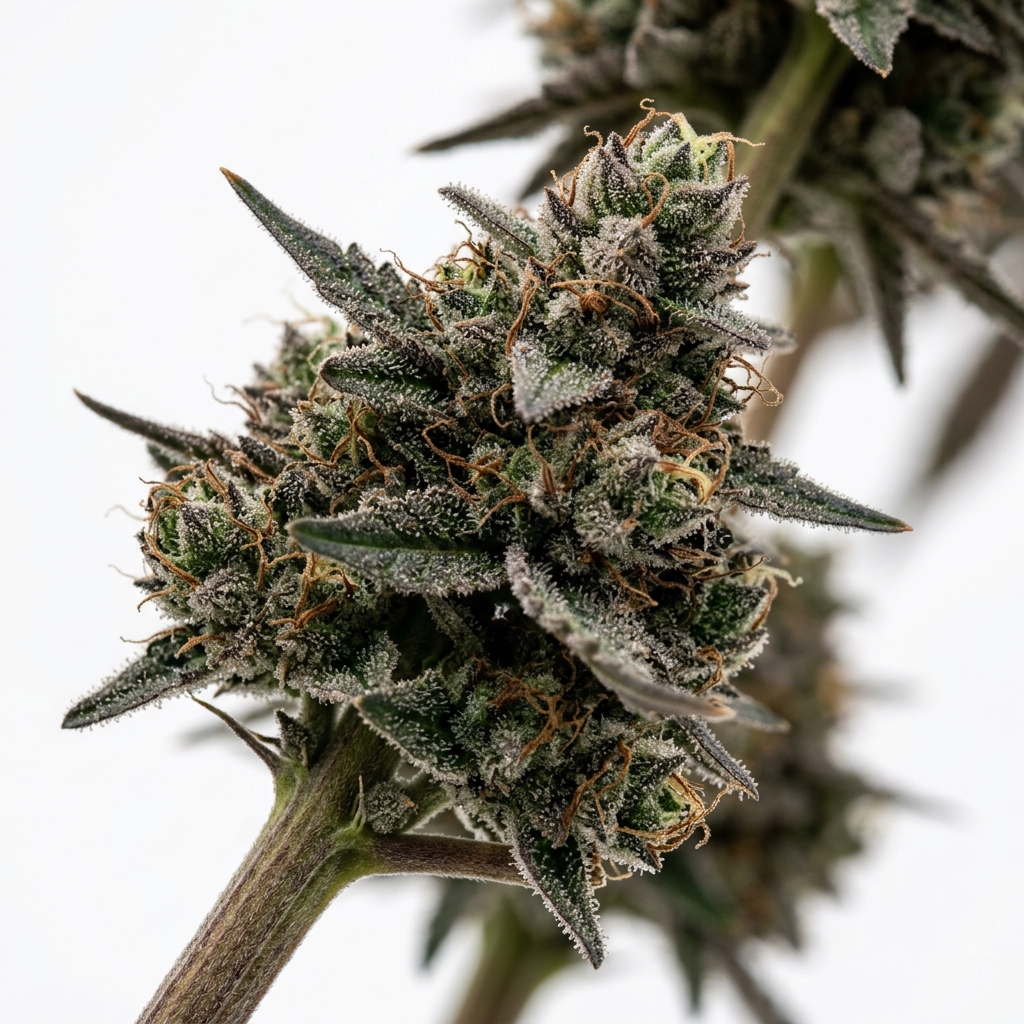
The floral development of this cultivar is characterized by a slow, steady stacking of calyxes rather than the rapid, dense swelling typical of indica-dominant varieties. Trichome production is remarkably high for a wild landrace, with stalked capitate resin glands covering both the bracts and the surrounding sugar leaves. The resin itself is oily and highly viscous, rich in heavy monoterpenes that protect the flowers from intense equatorial sunlight.
Late in the flowering cycle, the pistils shift from a bright white to a deep, burnt orange, while the underlying plant tissue begins to take on a pale, golden-green coloration. This natural degradation of chlorophyll, combined with dense resin coverage, gives the cured buds their famous golden sheen. Maintaining low humidity during these final weeks is critical to preventing moisture retention within the elongated floral clusters.
Effects & Use-Cases (Reported)
Commonly reported effects: Users frequently describe a rapid, soaring cerebral rush that delivers intense mental clarity and physical energy. The experience is highly stimulating, often accompanied by enhanced sensory perception and a sharp focus that lends itself to creative or active tasks. Due to its pure Sativa lineage, it lacks any heavy physical sedation, keeping the body light and active.
Use-case context: This cultivar is best suited for daytime activities, outdoor excursions, or creative projects requiring sustained mental endurance. It is commonly chosen by experienced consumers seeking a clean, jitter-free energy boost without the eventual physical crash associated with hybrid strains.
Note: Because of its high potency and rapid onset, this strain may induce mild anxiety or racing thoughts in individuals sensitive to strong cerebral stimulants. Novice consumers should approach this landrace with caution, starting with low amounts to gauge their personal tolerance.
Aroma & Flavors
Aroma: The initial nose is heavily dominated by a deep, oily woodiness reminiscent of cedar and fresh earth, backed by a warm, black pepper spice. Breaking the buds releases a sharp, solvent-like citrus lift that cuts through the heavier, musky base notes.
Flavor: On the palate, the smoke is thick and herbal, carrying a distinct flavor of dried tea leaves and spicy sandalwood. The finish is remarkably clean, leaving a lingering tart lemon peel and mint undertone on the exhale.
Terpene associations: Laboratory analyses of the essential oils typically reveal high concentrations of terpinolene, myrcene, and caryophyllene, which drive the strain’s complex spicy-citrus profile.
Tested Cannabinoid & Terpene Ranges
| Compound | Typical Range |
|---|---|
| Δ9-THC | 20.0% – 24.0% |
| CBD | < 0.2% |
| CBG | 0.5% – 1.2% |
| Terpinolene | 0.4% – 0.9% |
| Myrcene | 0.3% – 0.7% |
| Caryophyllene | 0.2% – 0.5% |
Note: Cannabinoid and terpene levels are highly variable and depend heavily on environmental factors, cultivation methods, and specific phenotypes.
Cultivation Notes
- Humidity management: Keep relative humidity (RH) around 55% during early vegetative growth, gradually tapering down to 40% or lower during the final weeks of flowering to protect the long, airy colas from internal mold.
- Nutrient requirements: This landrace is highly sensitive to nutrient burn; start with a light organic regimen and avoid heavy nitrogen feeding, especially during the transition to flower.
- Training techniques: use Low Stress Training (LST) or a Screen of Green (ScrOG) setup early to manage the extreme vertical stretch and encourage even canopy distribution.
- Pruning and airflow: Regularly strip the lower third of the plant to improve upward airflow and direct energy to the primary spear colas.
- Phenotype selection: Watch for variations in flowering time; some phenotypes may require up to 14 full weeks to reach peak resin maturity, while others finish closer to 11 weeks.
Grower Notes (Week-by-Week Snapshot)
- Weeks 1–3 (Vegetative & Early Transition): Plants show aggressive vertical growth and rapid root development. Keep light intensity moderate and implement early topping or training to control the upcoming stretch.
- Weeks 4–7 (Early to Mid-Flowering): The stretch intensifies, often tripling the plant’s height. Ensure adequate vertical clearance and begin supporting the flexible branches with stakes or netting as the first pistils emerge.
- Weeks 8–11 (Late Flowering & Stacking): Calyxes begin to stack along the elongated stems, forming loose, resinous spear colas. Reduce nitrogen inputs and transition to a phosphorus-potassium-focused feeding schedule.
- Weeks 12–14 (Ripening & Harvest): Watch for the pistils to turn completely amber and the fan leaves to yellow naturally. Harvest when the trichomes show a mix of milky and amber heads, and cure slowly to preserve the delicate, woody terpenes.
Genetic Lineage
Malawi is a pure, unhybridized landrace Sativa that has adapted over generations to the hot, humid conditions of the Malawi plateau in Southeast Africa. Historically preserved by local growers, this heirloom strain developed natural resistances to heat and mold, allowing it to thrive in challenging equatorial environments. It represents one of the few remaining stable, non-hybridized genetic baselines left in the modern cannabis landscape.
Breeders have long utilized these genetics to introduce vigor, high potency, and unique terpene profiles into modern breeding lines. Its genetic footprint can be found in numerous high-profile Sativa hybrids, where it consistently passes down its signature energetic drive and resin production.
Research Insights
Agricultural researchers often study Malawi for its natural resistance to common pests and environmental stressors. Understanding the genetic pathways that allow this cultivar to thrive under intense UV radiation and fluctuating humidity levels could provide key insights for developing more resilient commercial cultivars.
Additionally, the strain is notable for its unusually high THC concentration for a wild landrace, which often rivals or exceeds that of highly bred modern cultivars. Researchers study its unique terpene synthesis, particularly the high levels of terpinolene combined with secondary sesquiterpenes, which may contribute to its distinct, energetic cognitive effects.
Frequently Asked Questions
Is Malawi a pure Sativa?
Yes, Malawi is a 100% pure landrace Sativa originating from Southeast Africa, completely free of indica hybridization.
How long does Malawi take to flower?
This cultivar has a long flowering period, typically requiring between 11 and 14 weeks to reach full maturity.
What does Malawi smell like?
It features a complex, rustic aroma of deep wood, dark spices, and earth, highlighted by a sharp, solvent-like lemon finish.
Is Malawi suitable for indoor growing?
While it can be grown indoors, its extreme height and significant stretch require advanced training techniques like ScrOG and careful canopy management.
Educational Disclaimer
This article is for educational and informational purposes only. Cultivation and consumption of cannabis are subject to local laws and regulations. Always consult with a professional before starting any cultivation project.
Rate and review this strain
Ratings and reviews are accepted only from signed-in Google accounts.
Sign in with Google to leave a rating and written review.
Latest Reviews
0 reviewsNo reviews yet. Be the first Google user to rate and review this strain.
Follow New Cultivar Records
Get newly documented genetics, breeder history, research highlights, and important Strainpedia discoveries by email.