Atomic Cherry (Cannabis Strain)
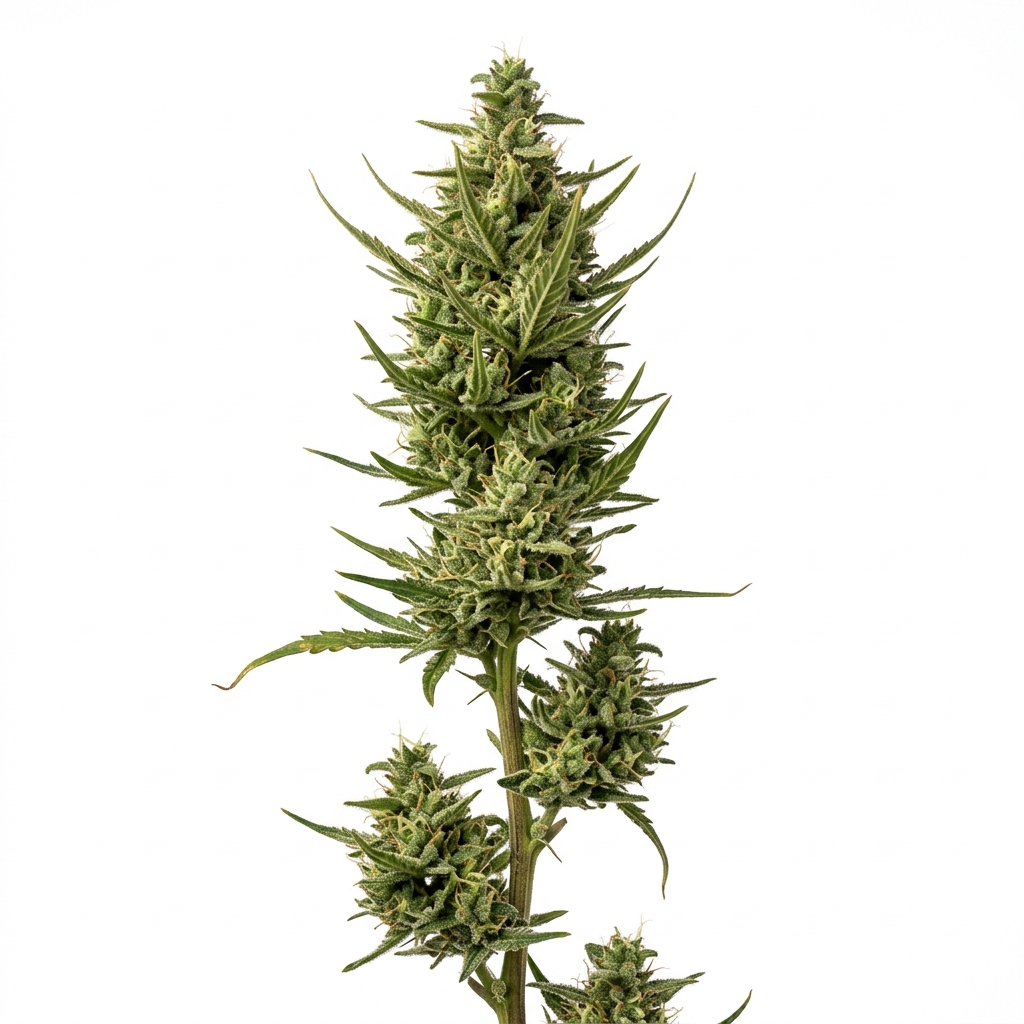
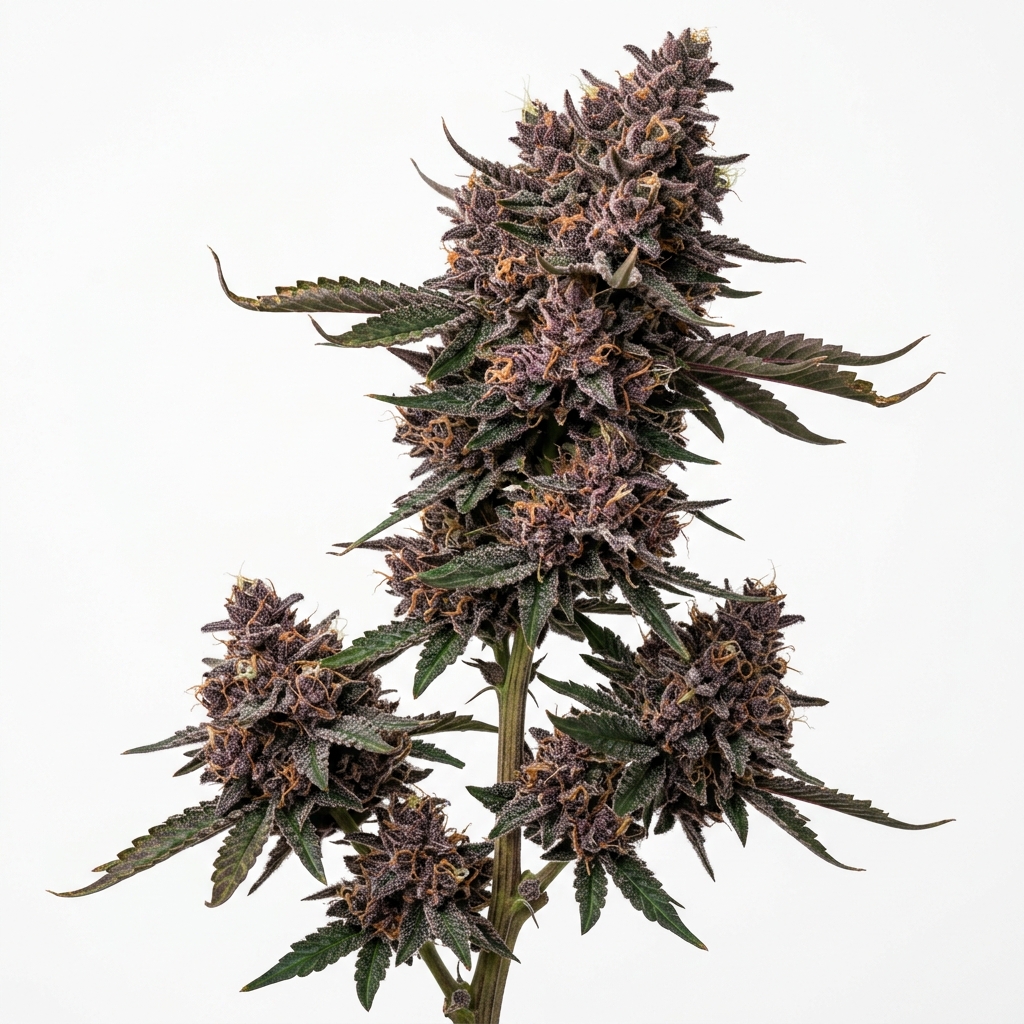
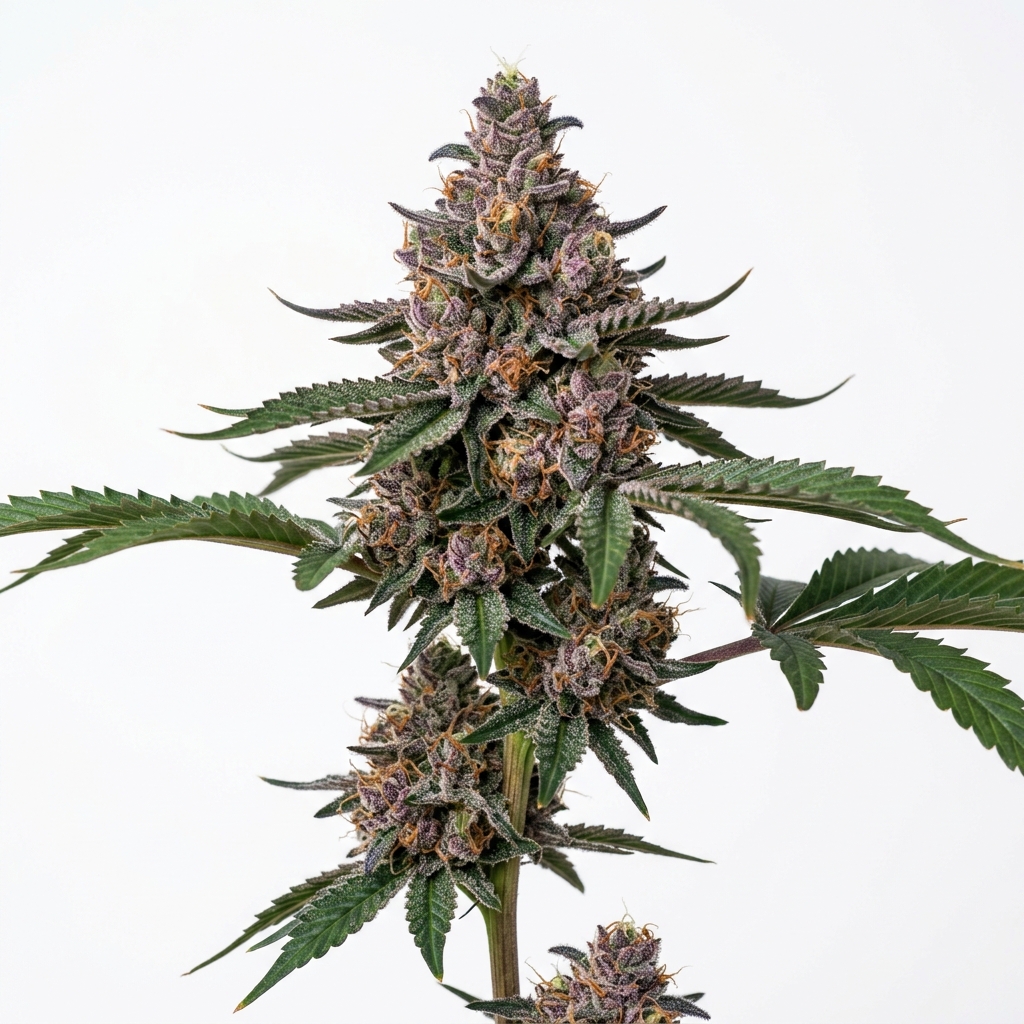
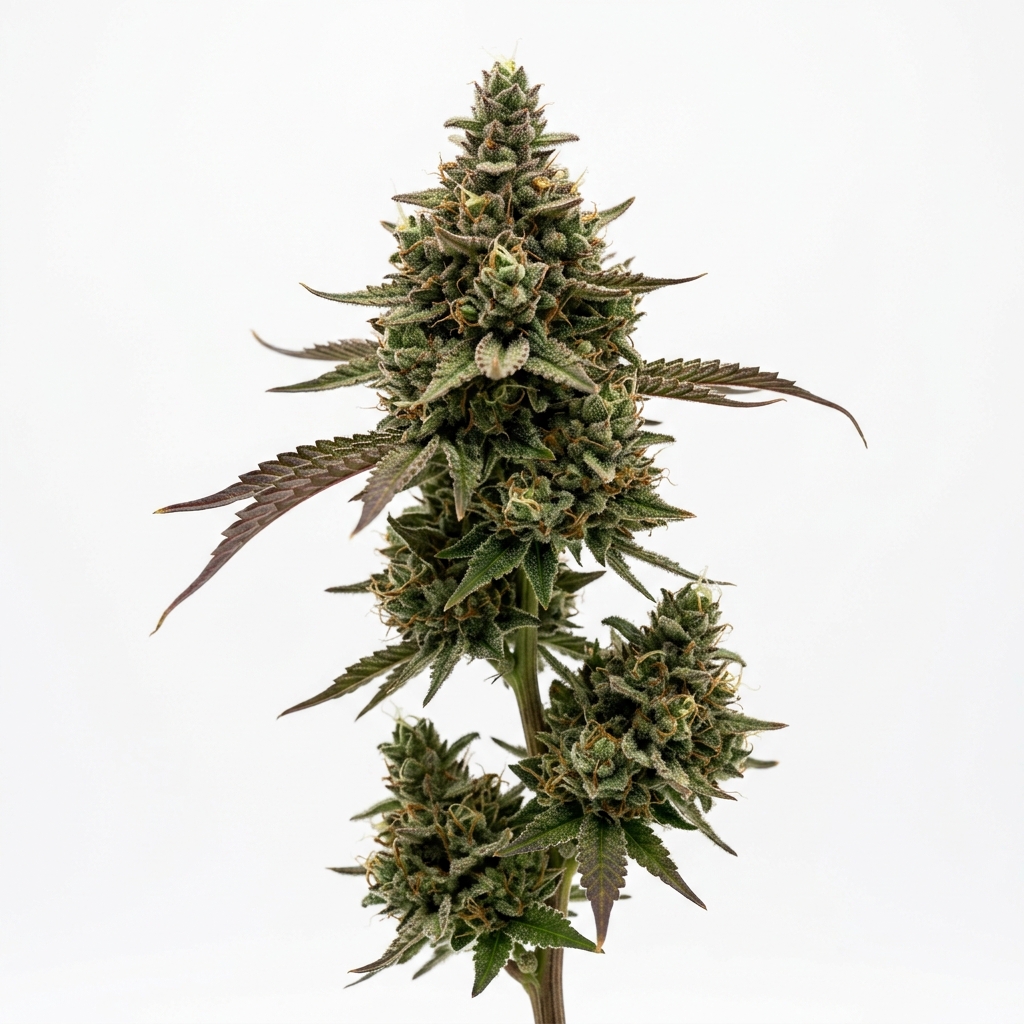
Atomic Cherry is a resin-dense hybrid cultivar pairing fuel-forward gas with tart, candied stone fruit, testing between 20% and THC not consistently reported in uninfused dried flower. The original breeder is not consistently documented in public records, though standard industry consensus traces verified cuts to crosses between Atomic OG lineage and Cherry Pie stock. The cultivar develops dense spear colas wrapped in wet frost, delivering an unmistakable profile of tart maraschino cherries, pungent fuel, and damp earth.
In the grow room, the plant shows a manageable stretch with stout lateral branching and heavy calyx swell through the final flush. Consumers commonly report a brisk, focusing onset that settles into a heavy, body-relaxing finish, making it well-suited for late afternoon transition into evening rest.
Quick Facts
| Field | Detail |
|---|---|
| Breeder | Not consistently documented |
| Genetics | Atomic OG × Cherry Pie (commonly reported) |
| Variety | Hybrid (approx. 60% Indica / 40% Sativa) |
| THC Range | 20% – 26% |
| Flowering Time | 8 – 9 weeks (56 – 63 days) |
| Yield Potential | Moderate to High (450 – 550 g/m²) |
| Plant Height | Medium (100 – 150 cm) |
| Climate Preference | Temperate to Mediterranean; sensitive to late-season damp |
| Difficulty | Moderate |
Scientific & Botanical Overview
Atomic Cherry shows hybrid vigor with structured vegetative development, producing medium-length internodes and broad, deep-green fan leaves. During early generative stages, the canopy fills out quickly, requiring proactive training to allow uniform photon penetration to lower branch sites.
The inflorescences form dense, conical clusters with tightly stacked bracts that swell significantly during the final two weeks of flowering. Pistils show a rich copper-orange hue, contrasting against olive-green and occasional burgundy foliage induced by cooler night temperatures. Glandular trichome coverage is abundant, featuring large capitate-stalked heads that remain sticky and oily through harvest.
The primary aromatic expression is governed by high concentrations of beta-caryophyllene, myrcene, and limonene, with trace amounts of humulene and linalool. This chemical profile drives the volatile transition from sharp industrial solvent notes to heavy, spiced cherry compote during curing.
Effects & Use-Cases (Reported)
Commonly reported effects: Consumers typically describe an initial wave of clear-headed euphoria and sensory alertness that arrives within minutes of consumption. As the experience matures, the energetic onset levels off into a calm physical ease, easing muscle tension without causing sudden sedation when used in moderation.
Use-case context: The cultivar is frequently selected for relaxed social evenings, music appreciation, or quiet creative projects. Its balance of mental stimulation and bodily relaxation makes it versatile for consumers seeking stress relief without immediate couchlock.
Individual response to cannabis varies widely based on personal tolerance, setting, dosage, and unique endocannabinoid tone. Cautious titration is always recommended with higher-potency flower.
Aroma & Flavors
Aroma: The cured flowers emit a sharp blend of tart cherry preserves, crushed pine needles, and pungent diesel fuel. Breaking the dense buds releases a deeper layer of sour earth, black pepper, and faint skunky musk.
Flavor: On the inhale, the smoke delivers rich maraschino sweetness cut by sour fruit acidity. The exhale turns noticeably fuel-heavy, leaving an earthy spice, subtle mint finish, and lingering cherry skin aftertaste on the palate.
Terpene associations: The scent and taste are shaped primarily by the spicy warmth of beta-caryophyllene, the herbal depth of myrcene, and the bright citrus snap of limonene.
Tested Cannabinoid & Terpene Ranges
| Compound | Typical Range |
|---|---|
| Δ9-THC | 20.0% – 26.0% |
| CBD | < 0.5% |
| CBG | 0.4% – 1.2% |
| CBC | < 0.3% |
| β-Caryophyllene | 0.4% – 0.9% |
| Myrcene | 0.3% – 0.8% |
| Limonene | 0.2% – 0.6% |
| Humulene | 0.1% – 0.3% |
Range note: Cannabinoid and terpene concentrations reflect composite data from mature, indoor-grown dried flower tests. Values vary significantly across phenotypes, cultivation environment, nutrient management, and post-harvest curing conditions.
Cultivation Notes
- Humidity management: Maintain relative humidity around 55% to 60% during early bloom, reducing to 40% to 45% in late flower to prevent microclimate moisture pockets inside the dense bracts.
- Nutrient requirements: Atomic Cherry feeds moderately in vegetative growth and tolerates higher potassium and phosphorus inputs during mid-bloom swell without excessive tip burn.
- Canopy training: Topping once or twice followed by low-stress training (LST) or a single SCROG net encourages an even horizontal canopy and maximizes primary cola production.
- Defoliation: Perform a targeted defoliation around day 21 and day 42 of flowering to strip interior shade leaves and ensure sufficient airflow through the lower branches.
- Harvest window: Target harvest when trichome heads show a milky white distribution with approximately 10% to 15% amber for balanced potency and flavor expression.
Grower Notes (Week-by-Week Snapshot)
- Weeks 1–3 (Transition & Stretch): Plants exhibit a moderate 1.5× stretch. Internodes remain relatively compact; secure branches early to set up a level screen before vertical growth ceases.
- Weeks 4–6 (Bud Formation & Frost): Calyx sites multiply rapidly and begin showing resin frost on sugar leaves. The room starts filling with sharp, tart fruit aromas and raw chemical diesel.
- Weeks 7–9 (Ripening & Calyx Swell): Flowers bulk noticeably and pistils oxidize from pale yellow to rusty copper. Keep late-flower humidity dialed down and watch trichome maturity closely past day 56.
- Post-Harvest (Dry & Cure): Hang whole branches at 60°F (15.5°C) and 60% RH for 12 to 14 days. A slow dry followed by a minimum three-week jar cure preserves the delicate cherry esters alongside the sharp fuel notes.
Genetic Lineage
Atomic Cherry combines the structural power and pungent hydrocarbon aroma of Atomic OG with the sweet, baked-pastry character of Cherry Pie (Granddaddy Purple × F1 Durb). This heritage creates a complementary pairing, fusing the classic California gas backbone with rich stone-fruit genetics.
The resulting offspring retain the thick trichome density and compact flower geometry typical of the Cherry Pie lineage, while the Atomic parent reinforces stem rigidity, yield potential, and fuel-heavy terpene depth.
Research Insights
Cannabis research indicates that cultivars dominated by the terpene trio of caryophyllene, myrcene, and limonene often exhibit distinct sensory and physiological profiles. Beta-caryophyllene interacts directly with peripheral CB2 receptors, while myrcene is widely documented for its influence on membrane permeability and overall physical relaxation.
While peer-reviewed pharmacological studies focus on isolated cannabinoids and terpenes rather than specific branded cultivars, the combination of high THC concentrations with these volatile aromatic compounds helps explain why consumers report a balanced mix of mental clarity and muscular ease from this genetic family.
Frequently Asked Questions
Who bred Atomic Cherry?
The original breeder of Atomic Cherry is not consistently documented in verified public records, though it stems from West Coast breeding work crossing Atomic OG lines with Cherry Pie stock.
Is Atomic Cherry an indica or sativa?
Atomic Cherry is a hybrid cultivar, typically leaning slightly indica (around 60% indica / 40% sativa) in growth structure and physical effects.
What does Atomic Cherry smell and taste like?
The strain features an aroma of tart cherry preserves, sour fruit, and heavy fuel, delivering a flavor of candied cherry, pine needles, and sharp diesel on the exhale.
How long does Atomic Cherry take to flower?
When grown indoors, Atomic Cherry typically finishes flowering in 8 to 9 weeks (56 to 63 days) depending on the specific phenotype and environmental conditions.
Educational Disclaimer
This content is for educational and informational purposes only. Cannabis laws and regulations vary by jurisdiction. Always consult with a qualified professional before beginning any cultivation project or consuming cannabis products.
Rate and review this strain
Ratings and reviews are accepted only from signed-in Google accounts.
Sign in with Google to leave a rating and written review.
Latest Reviews
0 reviewsNo reviews yet. Be the first Google user to rate and review this strain.
Follow New Cultivar Records
Get newly documented genetics, breeder history, research highlights, and important Strainpedia discoveries by email.