Durban Chem (Cannabis Strain)
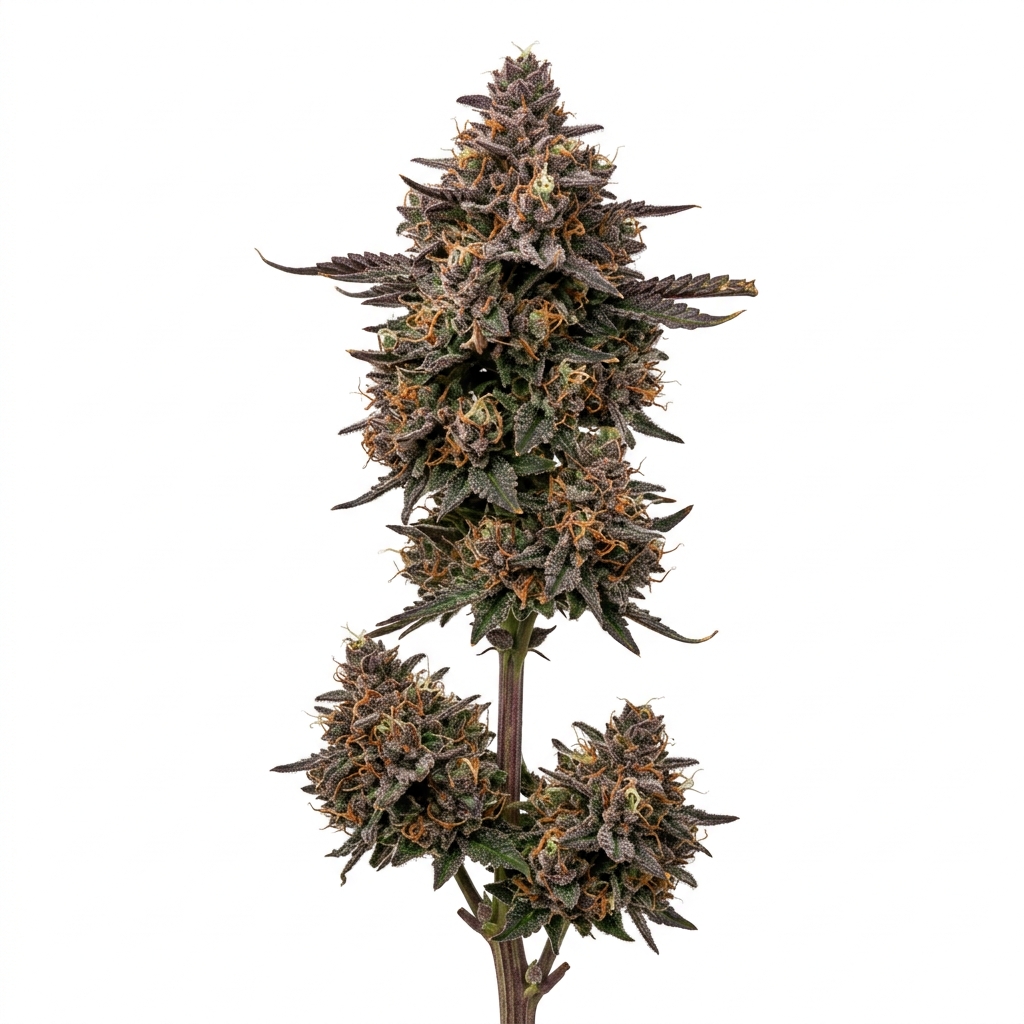
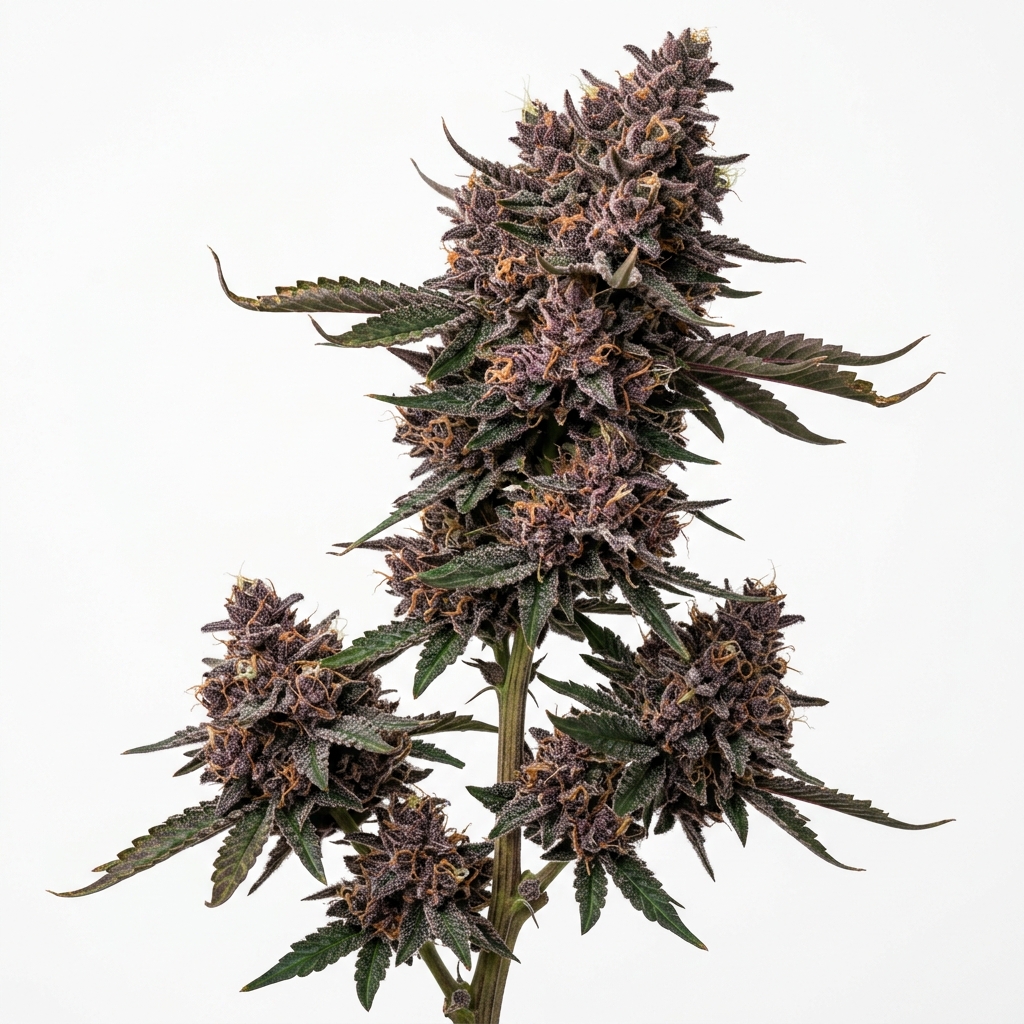
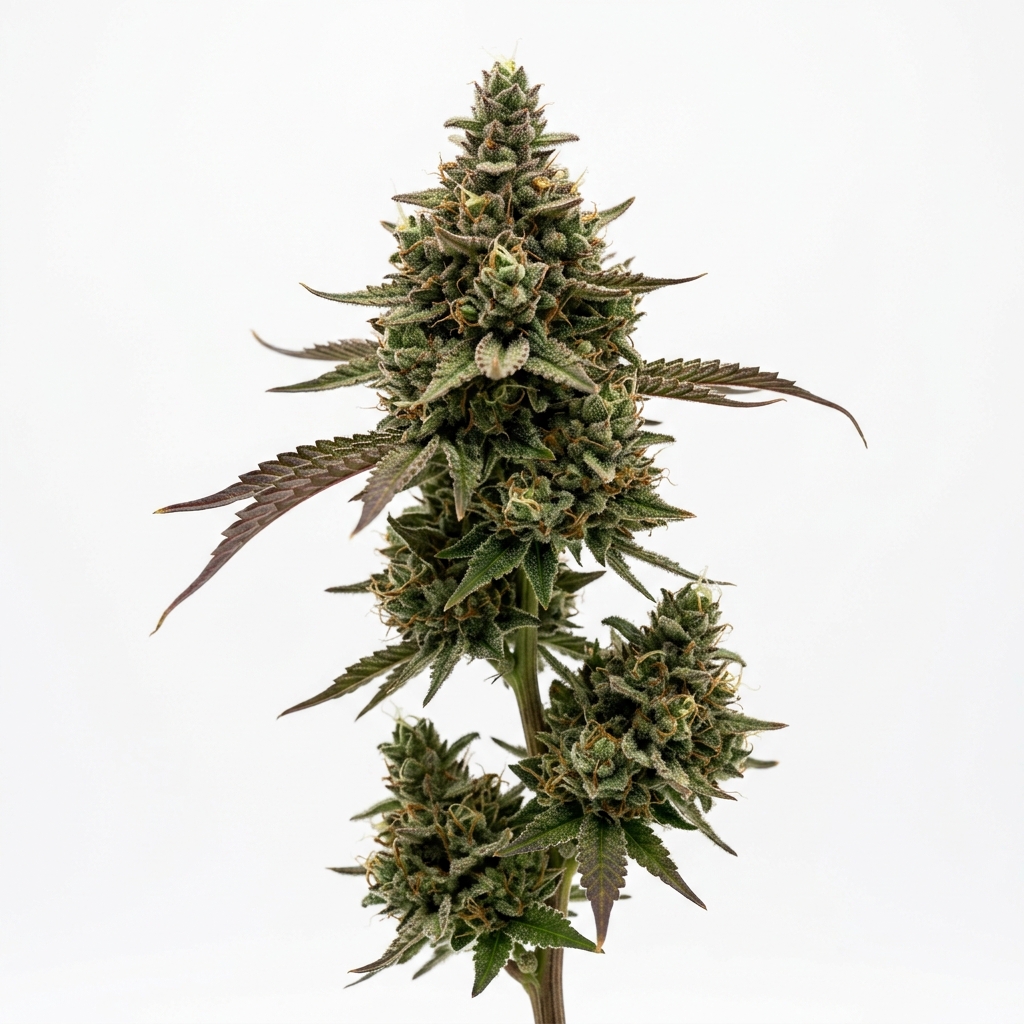
Durban Chem is a sativa-dominant hybrid cultivar typically testing between 20% and THC not consistently reported in dried uninfused flower, originally developed by selections tracing back to breeders such as CSI Humboldt through a cross of Durban Poison and Chemdog (often Chem 91 or Chem D). The profile delivers an assertive collision of acrid industrial fuel, tart citrus solvent, and dry herbal licorice over tall, vigorously stretching spear colas. Dense resin coverage and prominent calyx stacking make it a popular selection among hash makers seeking greasy trichome heads with sharp terpene clarity.
The genetic pairing tempers the prolonged flowering duration and lanky structure of the South African landrace parent with the structural density, heavy resin coverage, and raw skunky punch of the Chem lineage. Plants develop strong vertical apical leads that fill out with resin-coated bracts during late bloom. Consumers commonly report an immediate head-clearing sensory lift that settles into an alert, functional state without heavy physical sedation.
Quick Facts
| Field | Detail |
|---|---|
| Breeder | CSI Humboldt (commonly documented) |
| Genetics | Durban Poison × Chemdog |
| Variety | Sativa-dominant hybrid |
| THC Range | 20% – 26% |
| Flowering Time | 9 – 10 weeks (63 – 70 days) |
| Yield Potential | Moderate to High |
| Plant Height | Medium-Tall |
| Climate Preference | Temperate to Warm, well-ventilated |
| Difficulty | Moderate |
Scientific & Botanical Overview
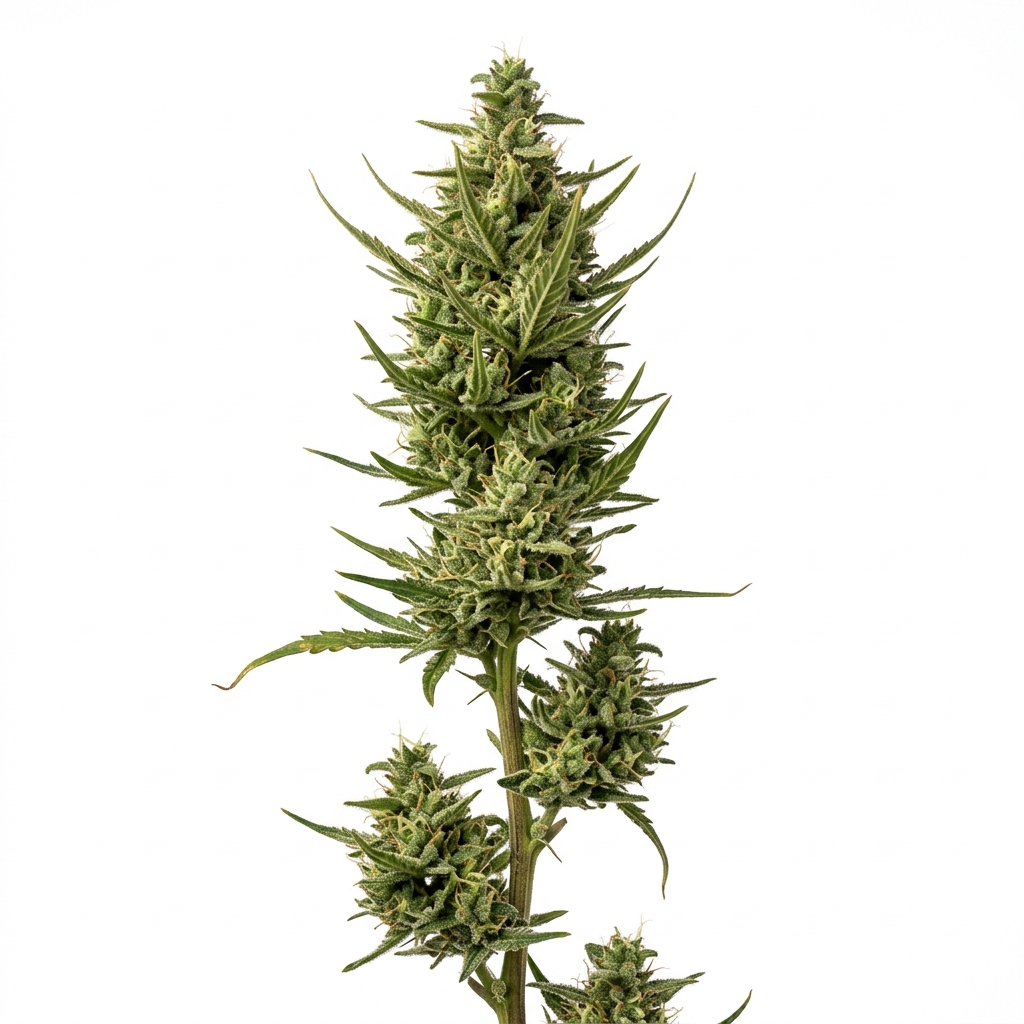
Durban Chem shows strong vegetative vigor characterized by extended internodal spacing, slender fan leaves, and assertive upward branching. During early floral transition, plants typically stretch between 100% and 150% of their vegetative height, requiring structured trellising to prevent canopy crowding. The floral bracts stack in elongated spear formations rather than dense rounded clusters, reflecting the structural legacy of its landrace heritage.
The glandular trichomes are dense, featuring long stalks and bulbous heads that coat both the bract surfaces and inner sugar leaves. Calyx-to-leaf ratios remain favorable, allowing for straightforward post-harvest processing. As flowering progresses toward maturity, the bracts swell significantly, taking on deep olive and forest green hues with occasional pale amber pistils tightly tucked into the flower surface.
Secondary metabolite production centers heavily on monoterpene and sesquiterpene accumulation, with high concentrations of terpinolene, beta-caryophyllene, and myrcene. The stalked capitate trichomes preserve their volatile fractions well under cool room curing conditions. This resin density makes the cultivar responsive to hydrocarbon and solventless extraction techniques.
Effects & Use-Cases (Reported)
Commonly reported effects: Consumers typically describe a fast-acting cerebral rush that sharpens sensory awareness and encourages focus. The initial onset is marked by a clear, buzzing head pressure that transitions into an energetic and motivated mood without triggering immediate physical lethargy.
Use-case context: The cultivar is frequently chosen for daytime tasks, active outdoor projects, and creative work where mental clarity is preferred over sedation. Its lack of heavy couch-lock makes it suitable for morning and afternoon use.
Note: Individual responses vary based on dosage, tolerance, and specific phenotype profile. High doses may feel overly stimulating for users sensitive to terpinolene-dominant cultivars.
Aroma & Flavors
Aroma: Pungent kerosene and sharp chemical cleaner dominate the initial profile, followed by crushed anise seeds, lemon zest, and damp forest floor. Breaking a cured bud releases a sharper blast of sulfurous skunk and bitter pine.
Flavor: Inhalation delivers acrid fuel, sour citrus, and spicy herbal undertones. The exhale leaves a distinct finish of sweet black licorice, raw gas, and earthy pepper on the palate.
Terpene associations: Analytical testing frequently shows dominant levels of terpinolene, backed by beta-caryophyllene, myrcene, and limonene, with trace contributions of ocimene.
Tested Cannabinoid & Terpene Ranges
| Compound | Reported Range |
|---|---|
| Δ9-THC | 20% – 26% |
| CBD | < 1% |
| CBG | 0.5% – 1.5% |
| Total Cannabinoids | 22% – 29% |
| Total Terpenes | 1.8% – 3.2% |
| Dominant Terpenes | Terpinolene, Beta-Caryophyllene, Myrcene, Limonene |
Range note: Cannabinoid and terpene metrics represent ranges compiled from uninfused dried flower laboratory testing. Exact chemistry depends on the specific phenotype, cultivation environment, illumination intensity, and post-harvest curing process.
Cultivation Notes
- Humidity management: Maintain vegetative relative humidity near 65%, reducing to 45% – 50% in late bloom to protect the elongated, resinous colas from fungal pathogens.
- Nutrient requirements: Plants handle moderate feeding in veg but benefit from a restrained nitrogen profile in early flower to prevent excessive vertical stretch.
- Canopy training: Topping early combined with dual-tier trellis netting helps control height and spreads the vigorous apical growth into an even canopy.
- Defoliation: Perform selective leaf stripping around day 21 and day 42 of flowering to improve light penetration to lower nodes and maintain cross-canopy airflow.
- Harvest window: Optimal resin ripeness is typically reached between day 63 and day 70, when trichome heads turn predominantly milky with roughly 5% to 10% amber.
Grower Notes (Week-by-Week Snapshot)
- Weeks 1–3 (Transition & Stretch): Expect aggressive vertical growth as branches double in length; establish the lower trellis layer and secure primary stems early.
- Weeks 4–6 (Floral Building): Early calyx clusters form along elongated spears with rapid trichome emergence and a sharp lemon-fuel aroma developing in the room.
- Weeks 7–9 (Bulking & Ripening): Bracts swell substantially while fan leaves begin natural senescence; monitor late-flower humidity and support heavy top colas.
- Post-Harvest: Hang whole branches to dry at 60°F (15.5°C) and 60% relative humidity for 12 to 14 days to preserve volatile monoterpenes before a slow glass jar cure.
Genetic Lineage
The lineage of Durban Chem unites two historic pillars of cannabis breeding. On one side is Durban Poison, a pure South African landrace sativa celebrated for its fast vegetative growth, sweet anise profile, and clear, energetic headspace. On the other side sits Chemdog, an influential lineage responsible for introducing intense industrial petroleum, skunk, and dense resin production to modern breeding pools.
Crossing these two distinct genetic lines produces progeny with hybrid vigor, pronounced terpene volume, and improved bud structure. Durban Chem retains the soaring daytime characteristics of its African ancestor while inheriting the pungent gassy bite and heavy calyx development of the Chem parent.
Research Insights
Academic investigations into cannabis secondary metabolites demonstrate that cultivars rich in terpinolene, caryophyllene, and myrcene display distinct aromatic profiles that correlate with specific consumer-reported experiences. Research indicates that terpinolene is less common as a dominant monoterpene across commercial cultivars, yet its presence often aligns with uplifting, daytime sensory characteristics.
While broader scientific literature continues to examine how specific terpene-cannabinoid ratios influence subjective outcomes, these generalized findings serve as botanical context rather than direct clinical proof of any strain’s individual efficacy. Ongoing horticultural research continues to explore how environmental variables like light spectrum and harvest timing impact the retention of volatile monoterpenes in Chem-derived hybrids.
Frequently Asked Questions
Who is the original breeder of Durban Chem?
Durban Chem is most widely attributed to CSI Humboldt, who paired authentic Durban Poison selections with Chemdog stock to create a stable, fuel-forward hybrid seed line.
Is Durban Chem an indica or sativa?
Durban Chem is a sativa-dominant hybrid, showing rapid vegetative growth, notable stretch during flower transition, and an uplifting, daytime-oriented effect profile.
What does Durban Chem smell and taste like?
The cultivar features an aroma of raw diesel, sharp chemical cleaner, and spicy anise, with a flavor profile dominated by sour fuel, lemon zest, black licorice, and earth.
How long does Durban Chem take to flower?
Indoor flowering typically completes in 9 to 10 weeks (63 to 70 days), allowing the calyxes to fully swell and the greasy trichome heads to reach full cloudiness.
Educational Disclaimer
This content is for educational and informational purposes only. Cannabis laws and regulations vary by jurisdiction. Always consult with a qualified professional before beginning any cultivation project or consuming cannabis products.
Rate and review this strain
Ratings and reviews are accepted only from signed-in Google accounts.
Sign in with Google to leave a rating and written review.
Latest Reviews
0 reviewsNo reviews yet. Be the first Google user to rate and review this strain.
Follow New Cultivar Records
Get newly documented genetics, breeder history, research highlights, and important Strainpedia discoveries by email.