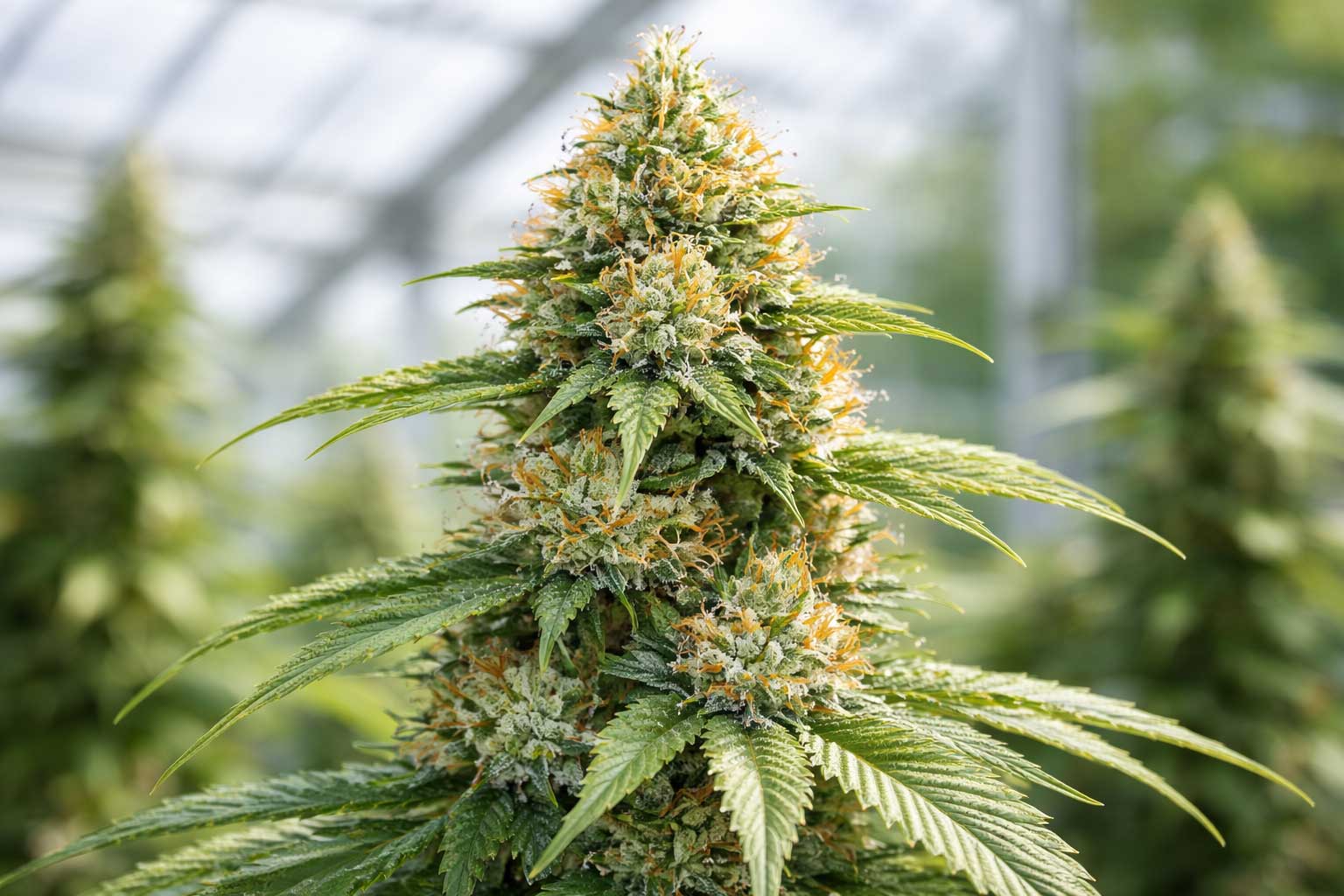
Sour Diesel (Cannabis Strain)
Sour Diesel (commonly known as Sour D) is a legendary sativa-dominant hybrid with a reported THC range of 20% to 26%, bred from a lineage traditionally associated with Chemdog 91, Super Skunk, and Northern Lights. Known for its greasy resin, aggressive vertical stretch, and highly pungent chemical-fuel aroma, this cultivar produces elongated, lime-green spear colas that have made it a staple of the global cannabis market since the early 1990s. Its growth behavior demands attentive canopy management, while its cured flowers deliver a sharp citrus lift and a classic industrial-kerosene finish.
Despite decades of market evolution and the rise of modern dessert hybrids, this cultivar maintains a dedicated following among growers and consumers who prioritize raw sensory intensity over sweet profiles. The strain remains a benchmark for old-school gas, offering a highly stimulating mental experience paired with a smooth, functional physical presence.
Quick Facts
| Feature | Details |
|---|---|
| Genetics | Chemdog 91 × Super Skunk × Northern Lights (lineage debated) |
| Variety | Sativa-dominant hybrid |
| THC Range | 20%–26% |
| Flowering Time | 10–11 weeks (70–77 days) |
| Yield Potential | 450–550 g/m² (High) |
| Plant Height | 150–200 cm (Aggressive vertical stretch) |
| Climate Preference | Dry, warm, Mediterranean climates |
| Difficulty | Advanced |
Scientific & Botanical Overview
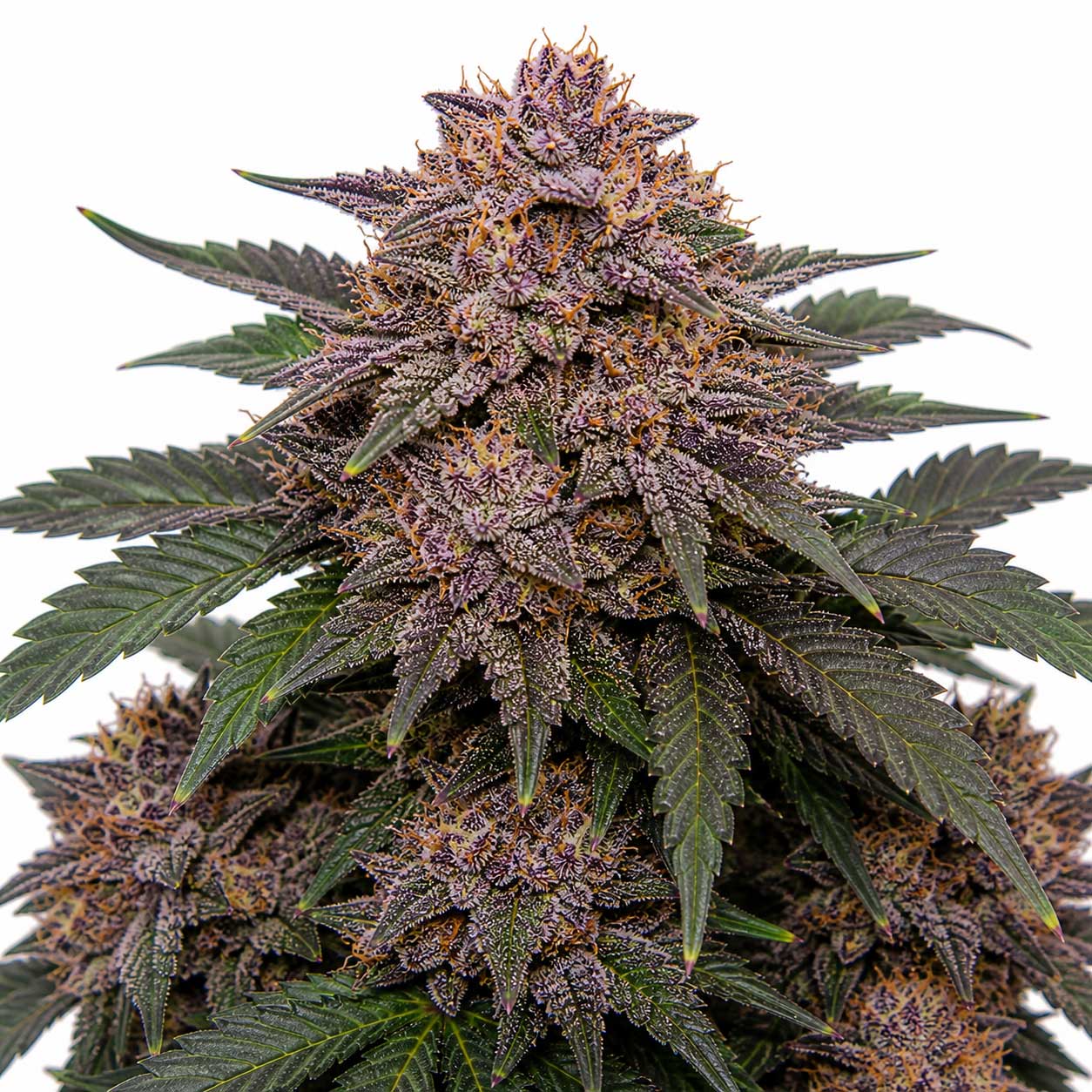
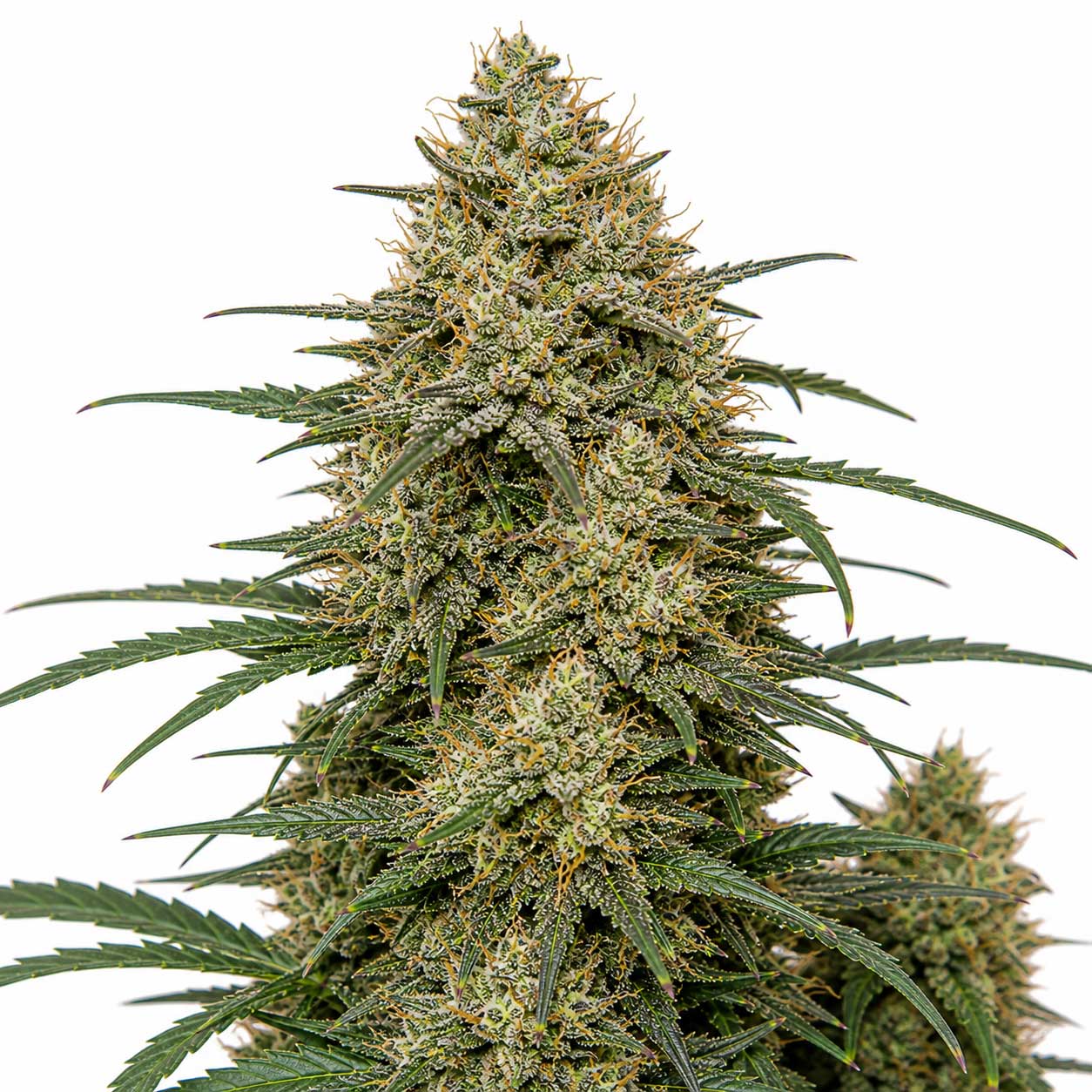
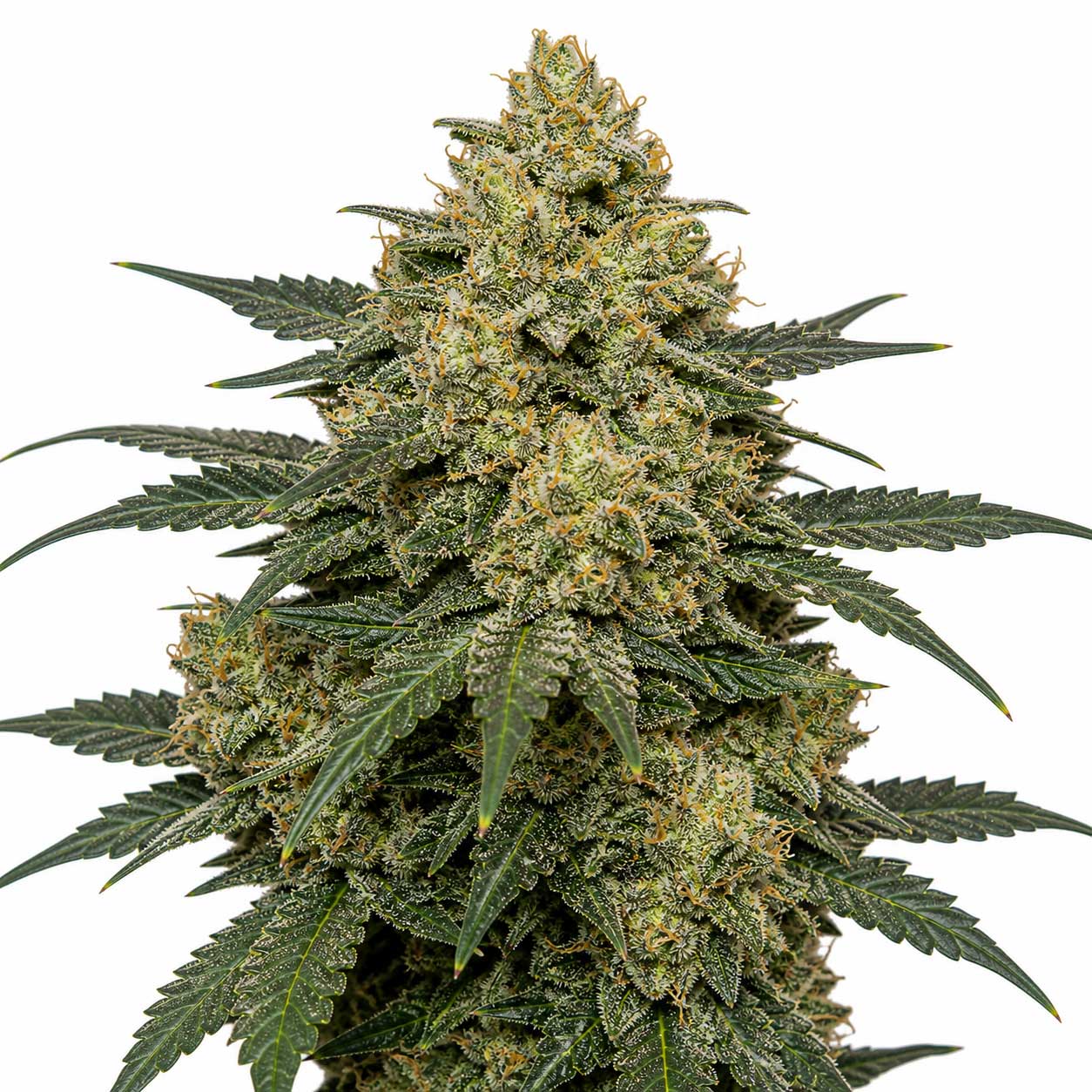
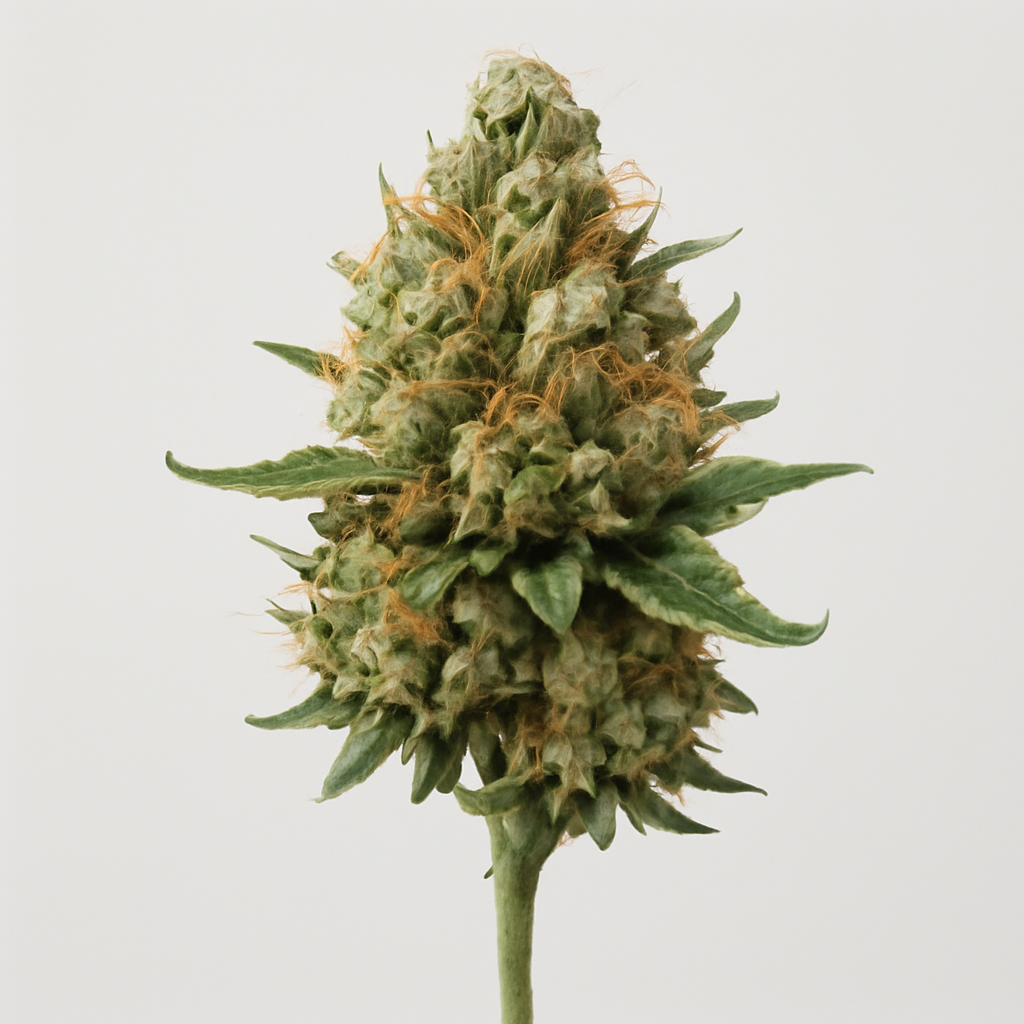
Sour Diesel exhibits a classic sativa morphology, characterized by a tall, lanky frame with wide internodal spacing and thin, elongated fan leaves. The flowers develop into tapered, spear-like structures that frequently display prominent foxtailing under intense lighting or late-stage heat. These lime-green buds are adorned with sparse, dark orange pistils and a dense coating of sticky, silver-capped trichomes.
The cultivar is chemically distinguished by its high concentration of limonene and caryophyllene, which drive its caustic, solvent-like aromatic profile. Unlike modern polyhybrids that lean heavily toward sweet, myrcene-dominant profiles, Sour Diesel retains a sharp, sour, and volatile terpene structure that feels distinctly industrial.
Its botanical vigor is highly pronounced, requiring a robust root zone and high light intensity to fully realize its yield potential. The open branching pattern naturally encourages excellent airflow, though the sheer size of the mature colas necessitates structural support to prevent branches from bowing under their own weight.
Effects & Use-Cases (Reported)
Commonly reported effects: A rapid, electric cerebral onset that enhances sensory perception, promotes mental clarity, and transitions into a smooth, non-sedating physical tingle.
Use-case context: Well-suited for daytime productivity, creative projects, and social settings where sustained mental energy and presence are desired without physical heaviness.
Note: These observations are based on historical and anecdotal reports and should not be interpreted as medical advice or clinical claims.
Aroma & Flavors
Aroma: A highly pungent, penetrating bouquet of raw diesel fuel, chemical gas, sour lemon peel, and damp earth.
Flavor: The inhale delivers a sharp, tart citrus bite layered with kerosene, while the exhale reveals a complex mix of peppery spice, doughy undertones, and a lingering herbal finish.
Terpene associations: Limonene, Caryophyllene, Myrcene, and Pinene.
Tested Cannabinoid & Terpene Ranges
| Compound | Typical Range* | Notes |
|---|---|---|
| Δ9-THC | 20.0%–26.0% | Delivers a consistent, highly stimulating cerebral effect |
| CBG | 1.0%–2.0% | A notable minor cannabinoid frequently linked to focused mental clarity |
| Limonene | 0.9%–1.5% | Responsible for the sharp, sour citrus lift and bright onset |
| Caryophyllene | 0.7%–1.2% | Adds a spicy, fuel-like depth and supports physical comfort |
| Myrcene | 0.3%–0.6% | Provides a grounding, earthy undertone to the energetic profile |
| Pinene | 0.2%–0.5% | Contributes a fresh, piney sharpness and supports mental alertness |
*Ranges are literature-informed references for high-quality harvests and may vary depending on phenotype, cultivation environment, and testing methodology.
Cultivation Notes
- Humidity control: Maintain relative humidity between 40% and 45% during the final three weeks of flowering to protect the dense, foxtailing colas from moisture retention.
- Nutrient requirements: A heavy feeder that requires consistent nitrogen during its rapid vegetative stretch, transitioning to potassium-heavy formulations in mid-to-late bloom.
- Canopy training: Early topping, low-stress training (LST), and double-tier trellising are essential to manage the aggressive vertical stretch and support the heavy spear colas.
- Airflow management: Ensure high air exchange and localized fan movement through the lower canopy to prevent microclimates that encourage bud rot.
- Harvest window: Outdoors, the cultivar is ready for harvest by late October or early November in the Northern Hemisphere; indoors, look for amber trichome transitions around day 70 to 77.
Grower Notes (Week-by-Week Snapshot)
- Weeks 1–3 (The Stretch): Plants will easily double or triple in height after the flip to 12/12. Early training, lollipops, and tucking branches beneath the trellis are critical during this phase.
- Weeks 4–6 (Flower Development): Small, resinous clusters begin to stack along the elongated branches. The characteristic sour-fuel aroma begins to intensify, requiring robust carbon filtration.
- Weeks 7–10+ (The Swell & Cure): Colas swell into distinct foxtailed spears as trichome coverage turns milky. Reduce humidity, maintain moderate temperatures, and prepare for a slow, 14-day dry to preserve the volatile terpene profile.
Genetic Lineage
The exact origins of Sour Diesel remain one of the most famous mysteries in cannabis folklore, though it is widely accepted to have emerged in the early 1990s on the East Coast of the United States. The prevailing consensus points to an accidental pollination involving Chemdog 91 and a Super Skunk phenotype, with some lineages also incorporating genetics from Northern Lights. This genetic cocktail blended the chemical, fuel-forward intensity of the Chemdog line with the structural vigor and reliable yields of classic Skunk and Afghani lines.
Over the decades, various cuts and selections have circulated under the Sour Diesel name, including the famous “East Coast Sour Diesel” (ECSD). Despite minor variations in growth habits and finish times among different cuts, the core genetic identity remains anchored in its signature chemical-fuel profile and soaring sativa effects.
Research Insights
From a phytochemically focused perspective, Sour Diesel is highly regarded for its robust terpene expression, which routinely exceeds typical hybrid averages in total volatile oil content. The co-dominance of limonene and caryophyllene creates a distinct sensory signature that acts as a natural marker for the cultivar’s authenticity. This specific chemical synergy is believed to modulate the high-potency THC delivery, resulting in a clear, highly alert cerebral experience rather than the heavy physical sedation common in myrcene-rich cultivars.
Additionally, the consistent presence of minor cannabinoids like cannabigerol (CBG) in tested samples suggests a complex cannabinoid profile that may contribute to the strain’s reported focus-enhancing qualities. Breeders continue to utilize Sour Diesel genetics as a foundational block for introducing sharp, fuel-forward notes and structural vigor into modern, often overly homogenized dessert crosses.
Frequently Asked Questions
How much does Sour Diesel stretch during flowering?
Sour Diesel is known for an aggressive vertical stretch, often doubling or tripling in height during the first three weeks of the flowering cycle. Indoor growers must implement early topping and trellising to manage the canopy height.
What is the typical flowering time for Sour Diesel?
This cultivar requires a longer flowering period than standard hybrids, typically taking 10 to 11 weeks (70 to 77 days) indoors to reach full maturity and peak resin production.
Is Sour Diesel suitable for beginner growers?
Due to its aggressive height, specific humidity requirements in late flower, and sensitivity to overwatering, Sour Diesel is generally recommended for growers with moderate to advanced experience.
What does Sour Diesel smell like?
The strain has an incredibly pungent, sharp aroma dominated by industrial diesel fuel, chemical gas, and sour citrus, with underlying notes of earthy skunk and black pepper.
Educational Disclaimer
This profile is intended strictly for educational, scientific, and botanical reference. Cultivation of cannabis is subject to varying legal regulations globally, and readers should consult their local laws before germinating or growing any cannabis genetics.
Rate and review this strain
Ratings and reviews are accepted only from signed-in Google accounts.
Sign in with Google to leave a rating and written review.
Latest Reviews
0 reviewsNo reviews yet. Be the first Google user to rate and review this strain.