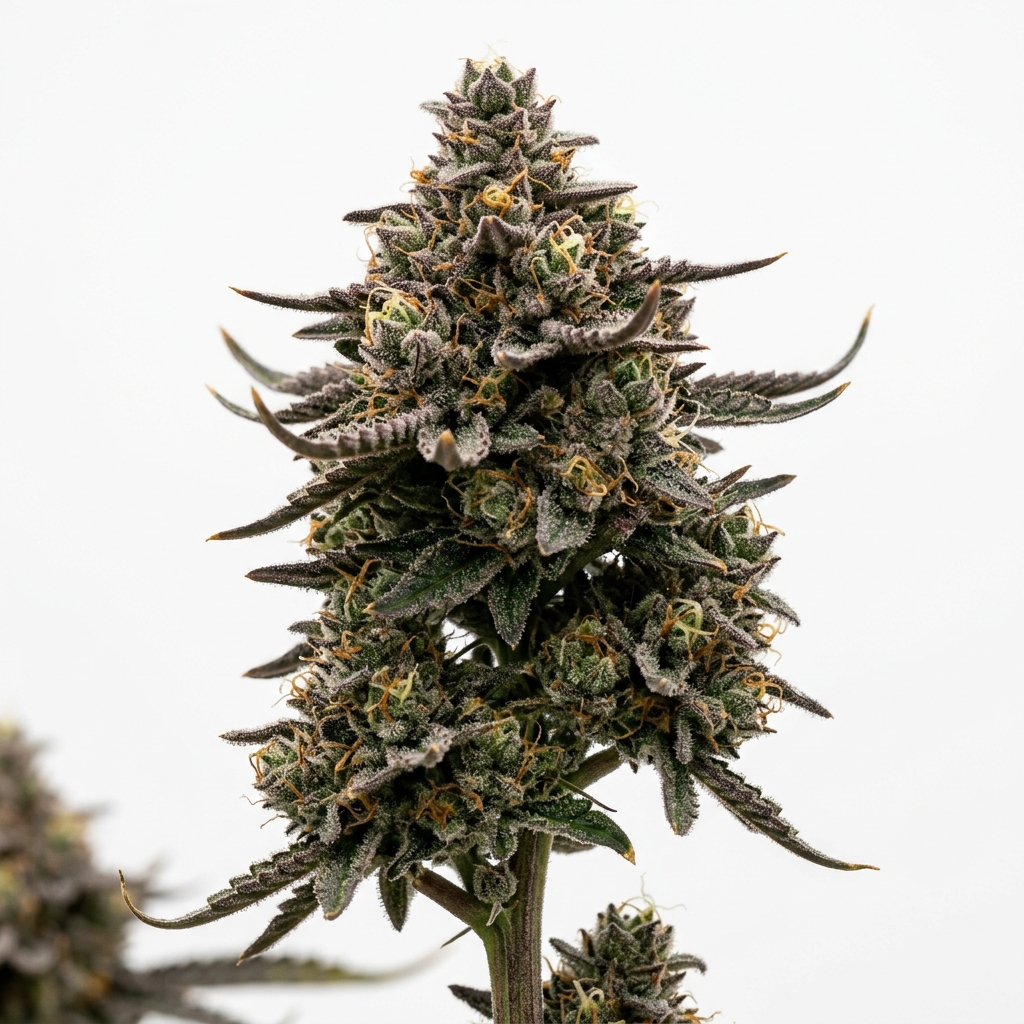
Roxy (Cannabis Strain)
Roxy is an indica-leaning hybrid cultivated from a cross of Red Pop and Runtz, typically testing between 22% and 28% THC in mature, dried flower. Originally developed by breeder Exotic Genetix as part of their Red Pop collection, the cultivar is recognized for its saturated strawberry soda sweetness, creamy candy undertones, and sharp chemical fuel finish. The plants produce dense, resin-drenched bracts with heavy trichome coverage and moderate vertical stretch, making the cultivar popular among both flower connoisseurs and solventless extractors.
The genetic pairing brings together the fizzy, dark red fruit profile of Red Pop with the polished sugary dough and heavy resin production of Runtz. In the garden, Roxy develops sturdy lateral branches capable of holding heavy terminal colas when supported early. Consumers commonly report a fast-acting cerebral lift that transitions into a calm, heavy body relaxation without immediately inducing deep sedation.
Quick Facts
| Field | Details |
|---|---|
| Breeder | Exotic Genetix |
| Genetics | Red Pop × Runtz |
| Variety | Indica-dominant hybrid (approx. 60/40) |
| THC Range | 22% – 28% |
| Flowering Time | 8 – 9 weeks (56 – 63 days) |
| Yield Potential | Medium to High (approx. 450 – 550 g/m² indoor) |
| Plant Height | Medium (controlled 1.5× stretch) |
| Climate Preference | Temperate to warm indoor/greenhouse environments |
| Difficulty | Moderate |
Scientific & Botanical Overview
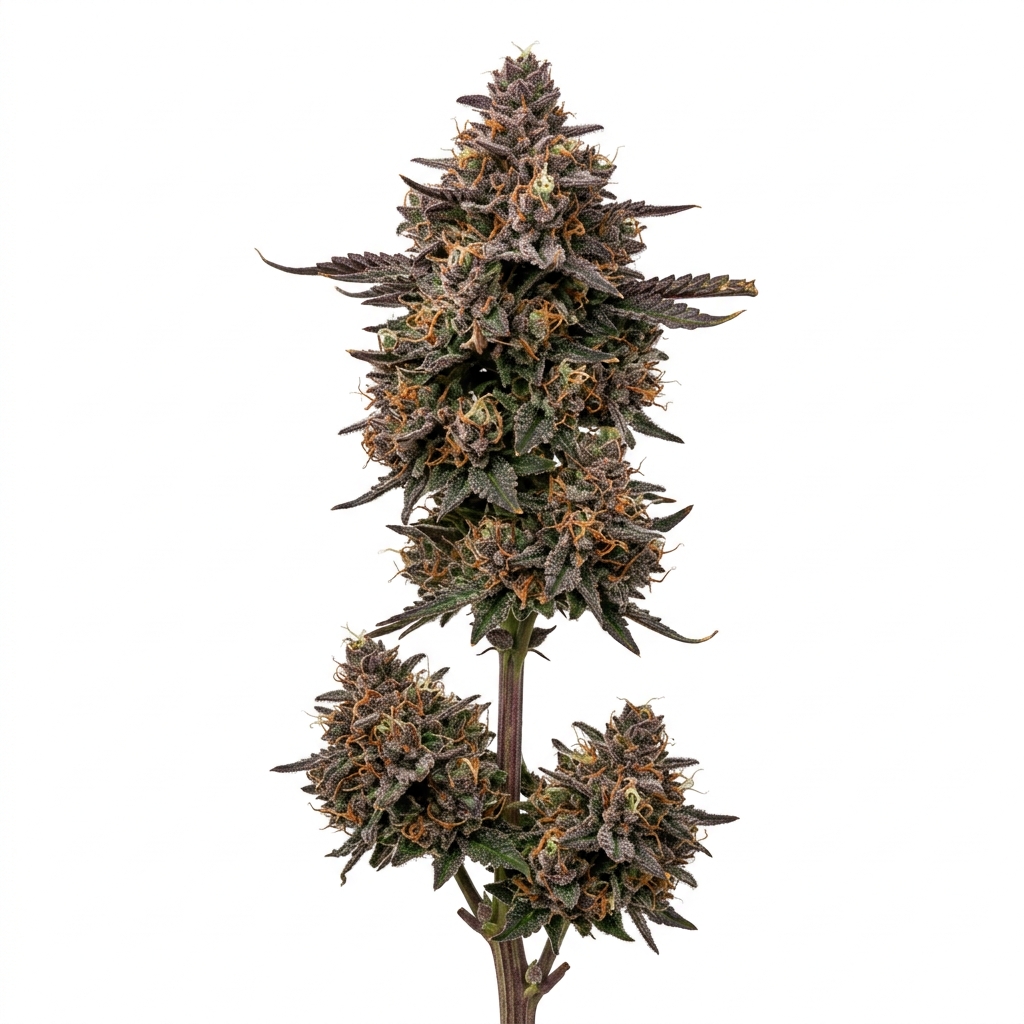
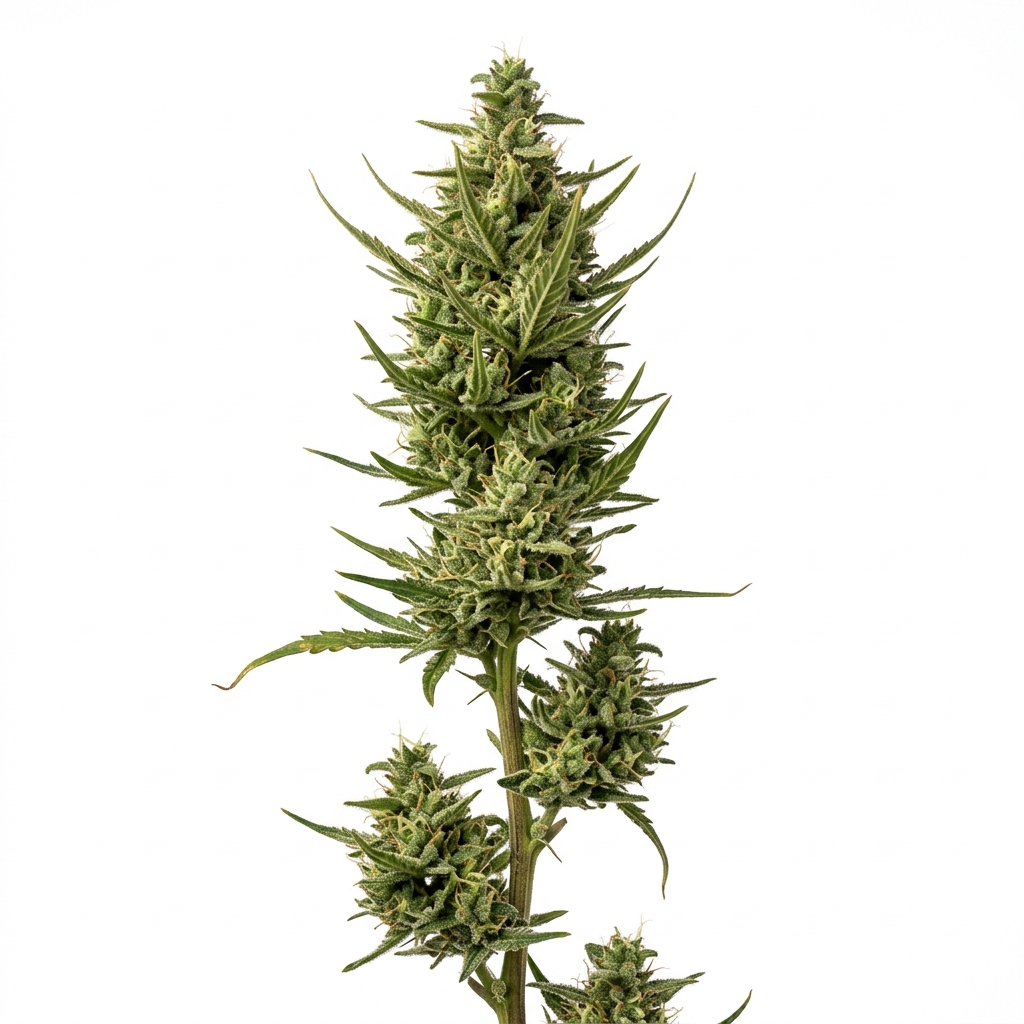
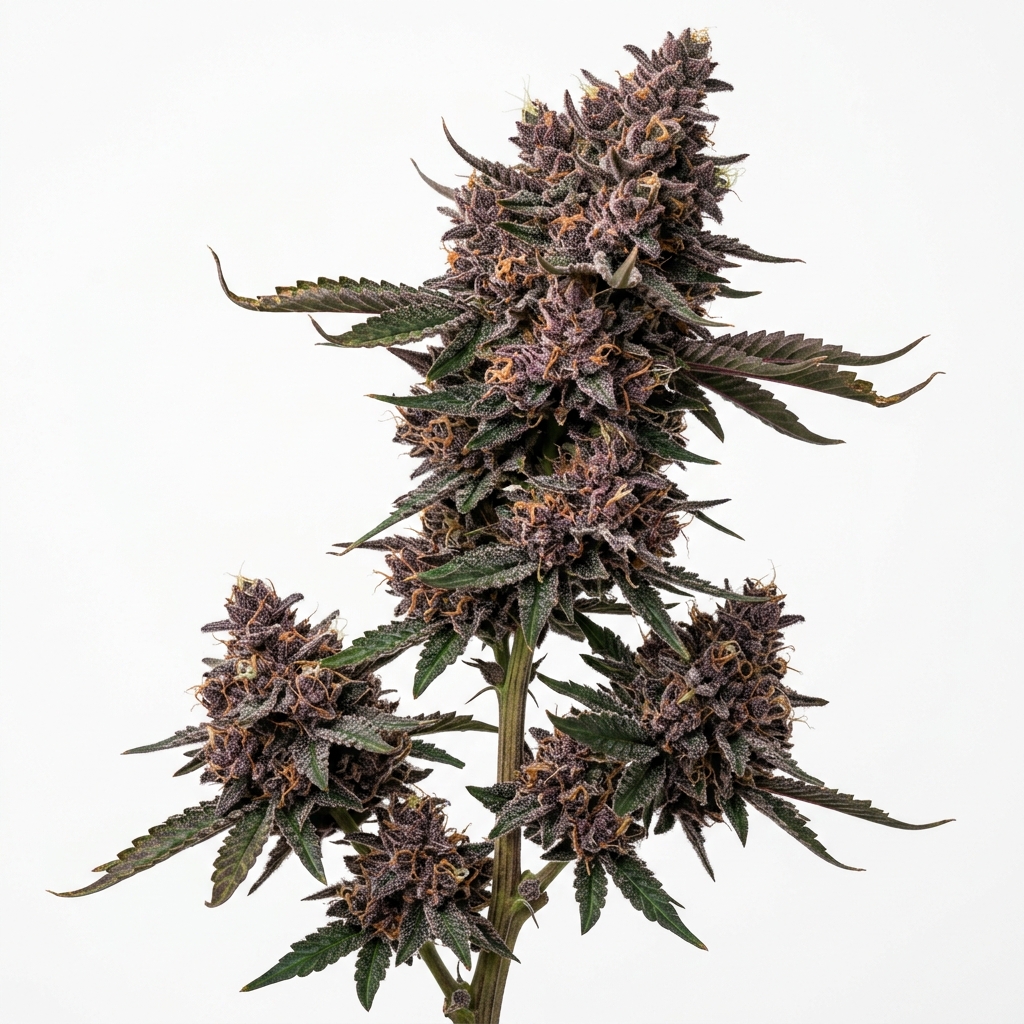
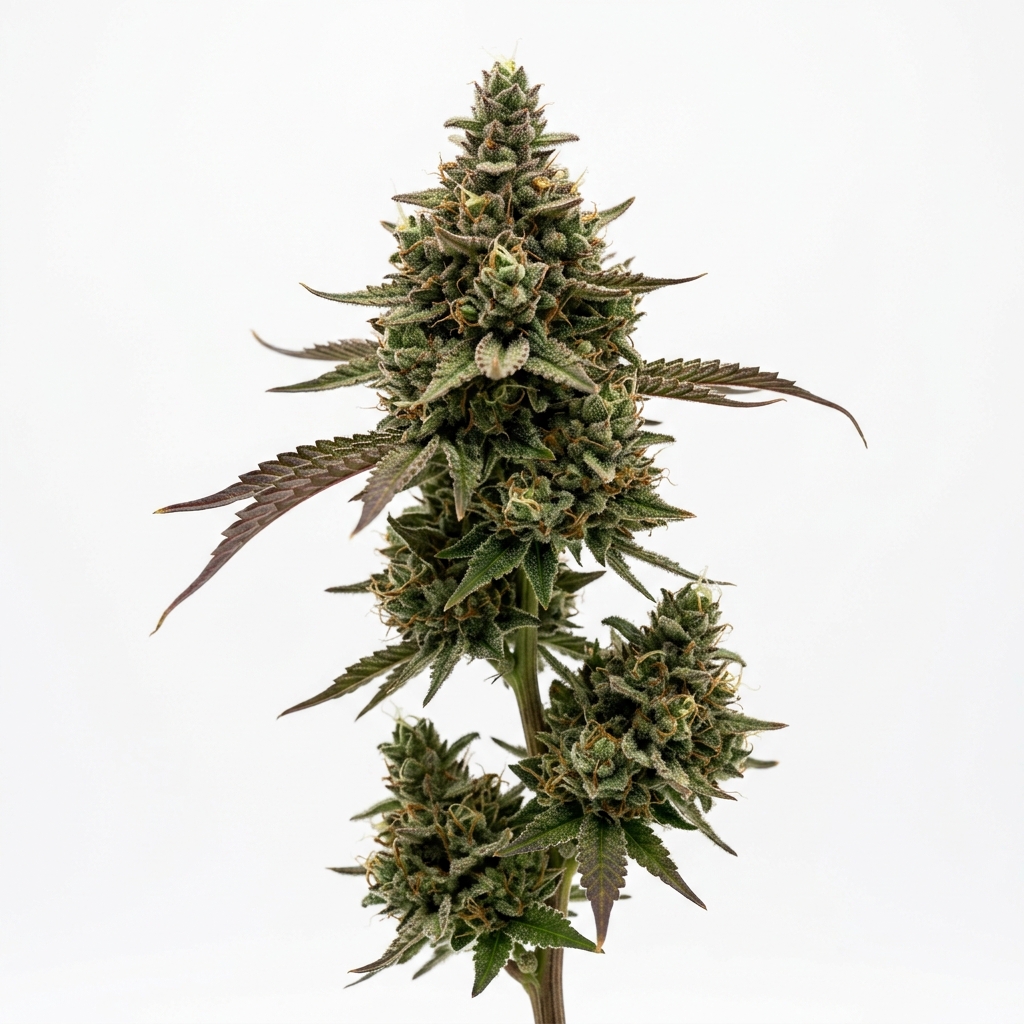
Roxy develops a medium-height, bush-like architecture with strong branching and tight internodal spacing. The foliage consists of broad, dark green fan leaves that frequently develop purple and deep plum margins during late flower when nighttime temperatures drop. The buds form compact, golf-ball-sized clusters that merge into dense spear colas along the primary branches.
The glandular trichomes on Roxy are notably dense, featuring bulbous heads and short stalks that coat the swollen calyxes in a layer of wet, sticky frost. This thick resin blanket provides high tactile stickiness and preserves volatile aromatic compounds well through harvest and drying. Anthocyanin accumulation is phenotype-dependent but commonly reveals itself across the bract tips and sugar leaves by week seven of bloom.
Under controlled indoor conditions, Roxy shows steady vegetative growth and transitions into flowering without excessive vertical elongation. Its canopy responds well to light manipulation, forming an even horizontal plane when trained early. Proper environmental control remains essential during late bloom, as the density of the floral clusters makes air movement a critical management factor.
Effects & Use-Cases (Reported)
Commonly reported effects: The onset typically begins with a bright cerebral euphoria and light sensory awareness, followed by a steady, soothing body melt. Users frequently describe a feeling of relaxed ease in the shoulders and jaw without immediate cognitive fogginess. As the experience progresses, physical heaviness becomes more pronounced, settling into a calm, tranquil state.
Use-case context: Roxy is commonly selected for late afternoon or evening use when unwinding without total sedation is desired. The balance between sweet terpene expression and smooth physical ease makes it well suited for social conversation, listening to music, or quiet creative projects before winding down for sleep.
Note: Individual responses to cannabis cultivars vary based on tolerance, dosage, consumption method, and personal physiology. High-THC cultivars should be approached with measured dosing.
Aroma & Flavors
Aroma: Breaking apart cured Roxy buds releases a wave of candied strawberry, sweet cherry syrup, and fizzy soda notes. Beneath the bright fruit sits a creamy vanilla-dough sweetness balanced by a sharp, pungent kick of sour gas and earthy spice.
Flavor: The smoke is thick and sweet on the draw, delivering flavors of artificial red berry candy, citrus rind, and sugary dough. The exhale reveals a more complex profile, leaving lingering notes of fuel, light earth, and a subtle tart fruit finish on the palate.
Terpene associations: The aroma and flavor profile is typically driven by high concentrations of beta-caryophyllene, limonene, and myrcene, with supporting amounts of linalool and humulene providing floral and earthy depth.
Tested Cannabinoid & Terpene Ranges
| Compound | Typical Tested Range |
|---|---|
| Δ9-THC | 22.0% – 28.0% |
| CBD | < 0.2% (trace) |
| CBG | 0.5% – 1.2% |
| Total Terpenes | 1.8% – 3.2% |
| Primary Terpenes | β-Caryophyllene, Limonene, Myrcene, Linalool |
Range note: Cannabinoid and terpene percentages reflect lab-tested ranges from uninfused dried flower. Actual chemical expression varies based on growing medium, light intensity, harvest timing, and post-harvest drying practices.
Cultivation Notes
- Humidity management: Maintain 60%–65% relative humidity in early vegetative growth, tapering down to 45%–50% during mid-bloom. In weeks seven through nine, lower relative humidity to 40%–45% to protect the dense colas from botrytis.
- Nutrient requirements: Roxy responds well to moderate base feeding with steady calcium and magnesium supplementation during the stretch. Avoid excessive nitrogen in early flower to keep internodes compact and allow flowers to stack evenly.
- Canopy training: Apply topping once or twice during vegetative growth and use low-stress training (LST) or a trellis net. Opening the canopy ensures even light penetration to the lower bud sites.
- Defoliation: Conduct a thorough defoliation around day 21 and a lighter touch-up around day 42 of bloom. Stripping large inward-facing fan leaves improves airflow through the lower canopy.
- Harvest window: Optimal resin maturity typically occurs between day 56 and day 63 of flowering. Look for mostly milky trichome heads with approximately 10% to 15% turning amber for a balanced effect.
Grower Notes (Week-by-Week Snapshot)
- Weeks 1–3 (Stretch & Transition): Plants experience a manageable 1.5× stretch with sturdy stem development. Establish the trellis net early and spread the main tops across the grid to build a flat canopy.
- Weeks 4–6 (Bud Set & Resin Onset): Calyxes swell quickly and link into solid floral runs along the stems. Trichome production accelerates rapidly, accompanied by a noticeable sweet candy and fuel scent in the grow space.
- Weeks 7–9 (Ripening & Color Expression): Calyxes bulk and harden substantially while pistils turn deep orange. Dropping night temperatures by 5°F–8°F will bring out deep purple and violet hues across the bracts.
- Post-Harvest / Cure: Dry whole plants at 60°F (15.5°C) and 60% relative humidity for 10 to 14 days in darkness. A slow cure in airtight glass containers for 3 to 4 weeks preserves the delicate strawberry soda and gas terpenes.
Genetic Lineage
Roxy inherits its distinctive characteristics from two modern dessert cultivars: Red Pop and Runtz. Red Pop (Cookies & Cream × an unidentified red soda-leaning phenotype) is celebrated for its intense red fruit aroma, dense flower structure, and heavy resin output. This mother line contributes the distinct fizzy strawberry-soda aromatic signature that defines Roxy’s initial nose.
The pollen donor, Runtz (Zkittlez × Gelato #33), provides the sugary confection terpene layer, deep color potential, and thick resin coverage. The resulting hybrid brings together the vigor and structural density of Gelato with the distinct candy profiles of Zkittlez and Red Pop, establishing a reliable profile favored by modern growers.
Research Insights
Scientific literature on cannabis phytochemistry highlights how dominant terpenes like beta-caryophyllene and limonene interact with minor terpenes and cannabinoids to shape perceived aroma and user experience. Caryophyllene is unique as a dietary terpene that binds selectively to CB2 receptors, while limonene is frequently studied for its uplifting, sensory-modulating properties in aromatherapy contexts.
While broad botanical research provides insight into general terpene and cannabinoid behavior, controlled clinical studies on specific commercial cultivars like Roxy remain limited. The practical effects and therapeutic potential reported by consumers reflect personal observations rather than verified medical outcomes.
Frequently Asked Questions
Who is the original breeder of Roxy?
Roxy was developed by Exotic Genetix as part of their well-known Red Pop breeding project, crossing Red Pop with a selected Runtz cut.
Is Roxy an indica or sativa cultivar?
Roxy is an indica-leaning hybrid (roughly 60% indica / 40% sativa), delivering an initial cerebral lift followed by a steady, soothing physical relaxation.
What does Roxy smell and taste like?
The cultivar features an aroma of fizzy strawberry candy, sweet cherry soda, and creamy dough, underpinned by a sharp chemical gas and subtle earthy spice on the exhale.
How long does Roxy take to flower?
Roxy typically finishes flowering indoors in 8 to 9 weeks (56 to 63 days), producing dense, trichome-coated colas with deep purple accents when finished under cooler night temperatures.
Educational Disclaimer
This content is for educational and informational purposes only. Cannabis laws and regulations vary by jurisdiction. Always consult with a qualified professional before beginning any cultivation project or consuming cannabis products.
Rate and review this strain
Ratings and reviews are accepted only from signed-in Google accounts.
Sign in with Google to leave a rating and written review.
Latest Reviews
0 reviewsNo reviews yet. Be the first Google user to rate and review this strain.
Follow New Cultivar Records
Get newly documented genetics, breeder history, research highlights, and important Strainpedia discoveries by email.