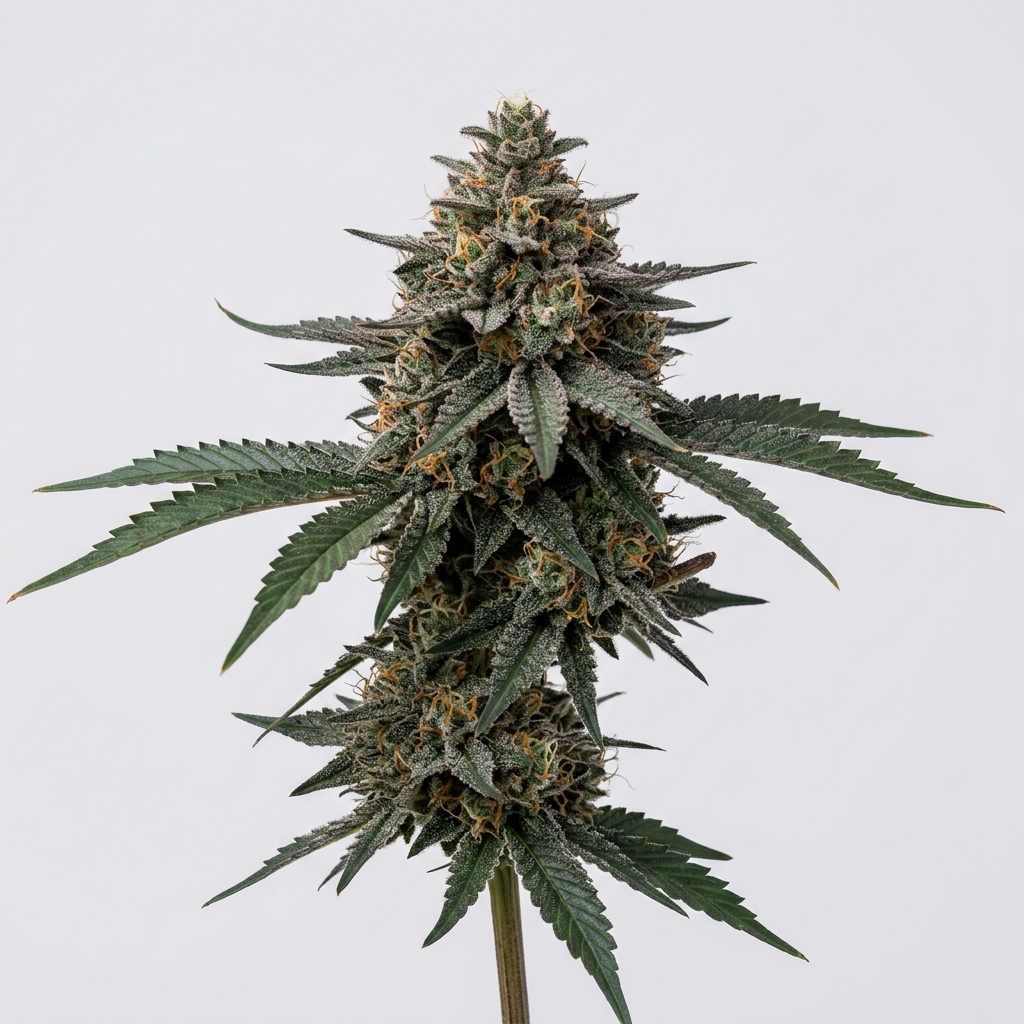
LSD (Cannabis Strain)
Developed by Barney’s Farm, LSD is a powerful, indica-dominant hybrid typically testing between 20% and 24% THC. Created by crossing the legendary landrace Mazar-I-Sharif with Skunk #1, this cultivar is celebrated for its dense, glassy trichomes and a pungent aroma profile defined by earthy musk, sweet chestnut, and a sharp skunk finish. The plant shows a resilient, bushy growth habit with high pest resistance, delivering a deeply sedative physical weight paired with an intense, trippy mental clarity that makes it an iconic heavy evening hybrid.
Cultivators prize this variety for its reliability in the grow room, where it produces heavy, spade-shaped colas that require minimal maintenance. Its old-school genetic foundation ensures a stable growth cycle and a highly resinous harvest that appeals to both traditional flower enthusiasts and modern extraction artists.
Quick Facts
| Attribute | Details |
|---|---|
| Genetics | Mazar-I-Sharif × Skunk #1 |
| Variety | Indica-dominant hybrid (approx. 70/30) |
| THC Range | 20% – 24% |
| Flowering Time | 60 – 65 days (8 – 9 weeks) |
| Yield Potential | High (up to 600g/m² indoors) |
| Plant Height | Medium (90 – 100 cm indoors) |
| Climate Preference | Temperate to warm, dry late-flower |
| Difficulty | Easy to Moderate |
Scientific & Botanical Overview
LSD displays a classic indica-dominant morphology, characterized by broad fan leaves, thick woody stems, and tight internodal spacing. The vegetative stage is robust, with the plant naturally developing a stocky, lateral structure that supports heavy bud sites without requiring extensive support. This physical structure makes it highly efficient in indoor setups utilizing sea of green techniques.
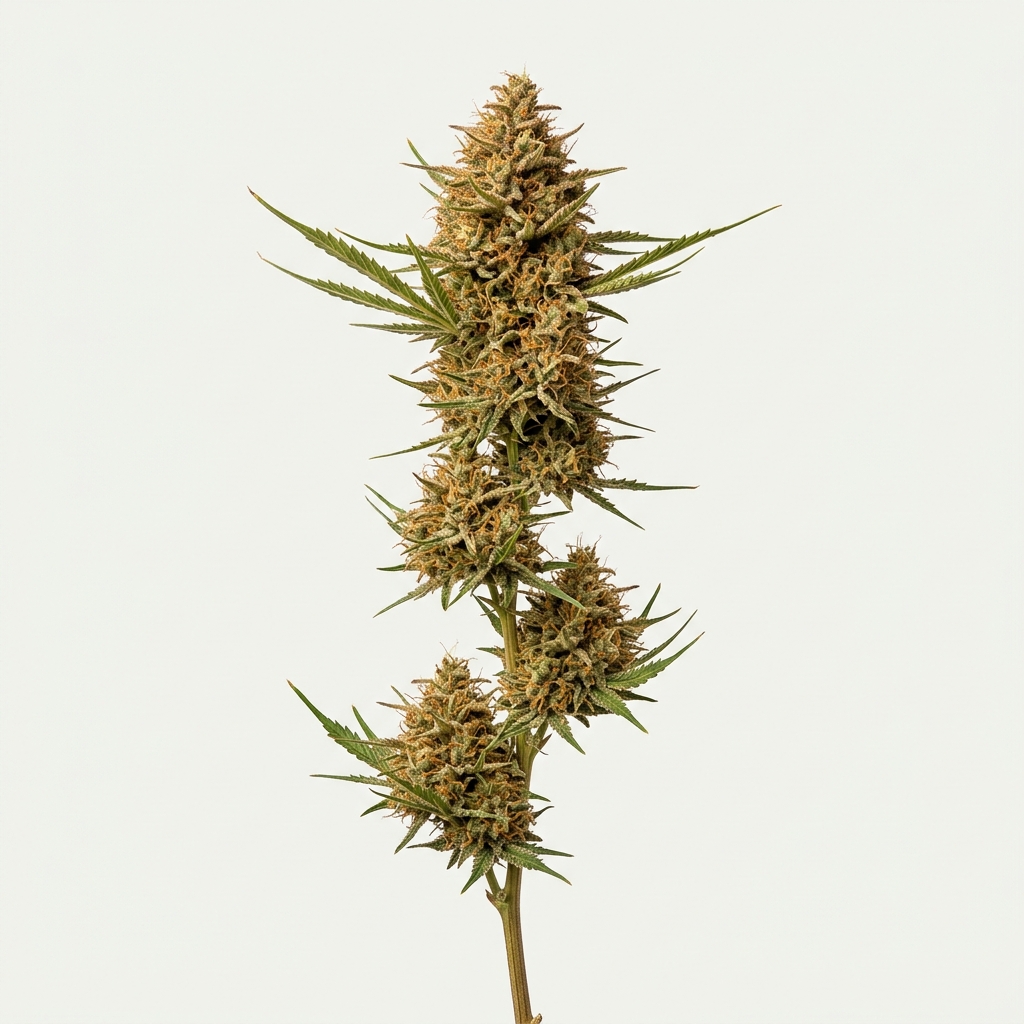
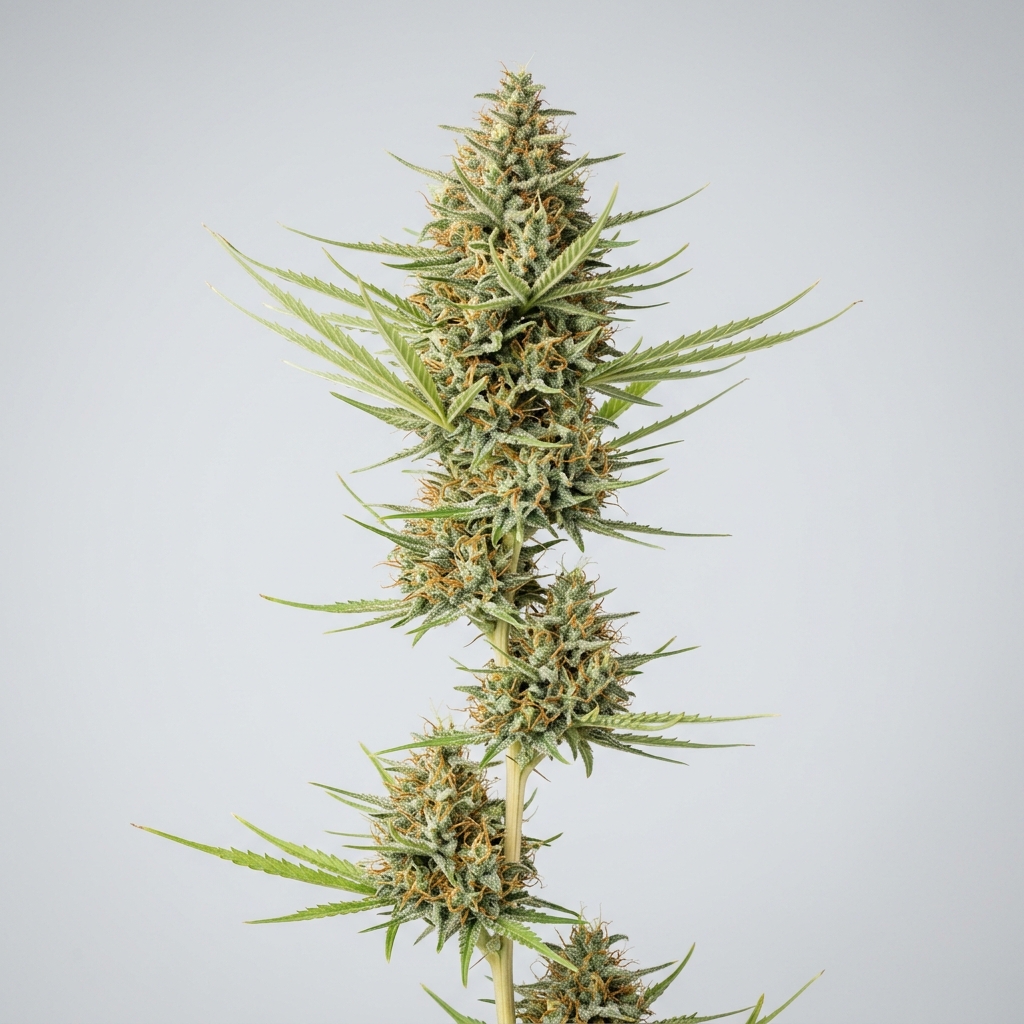
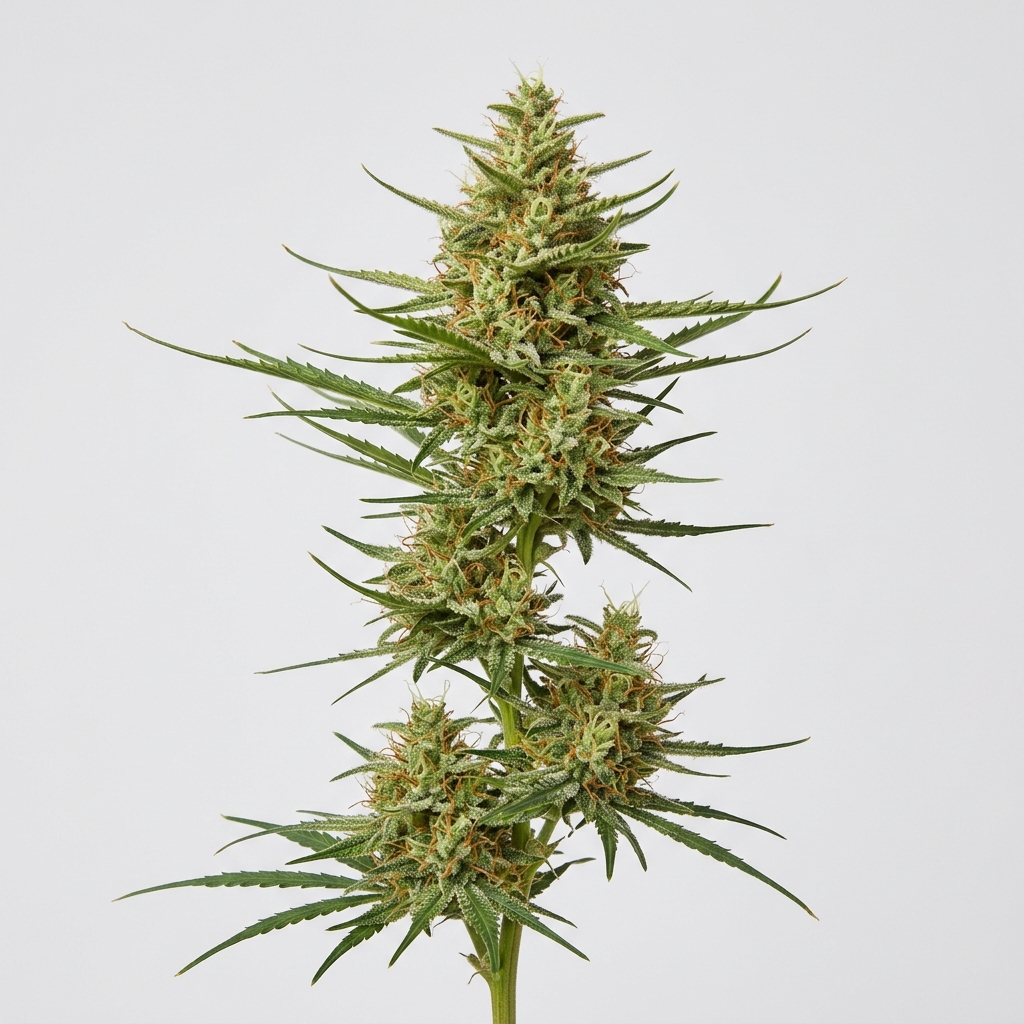
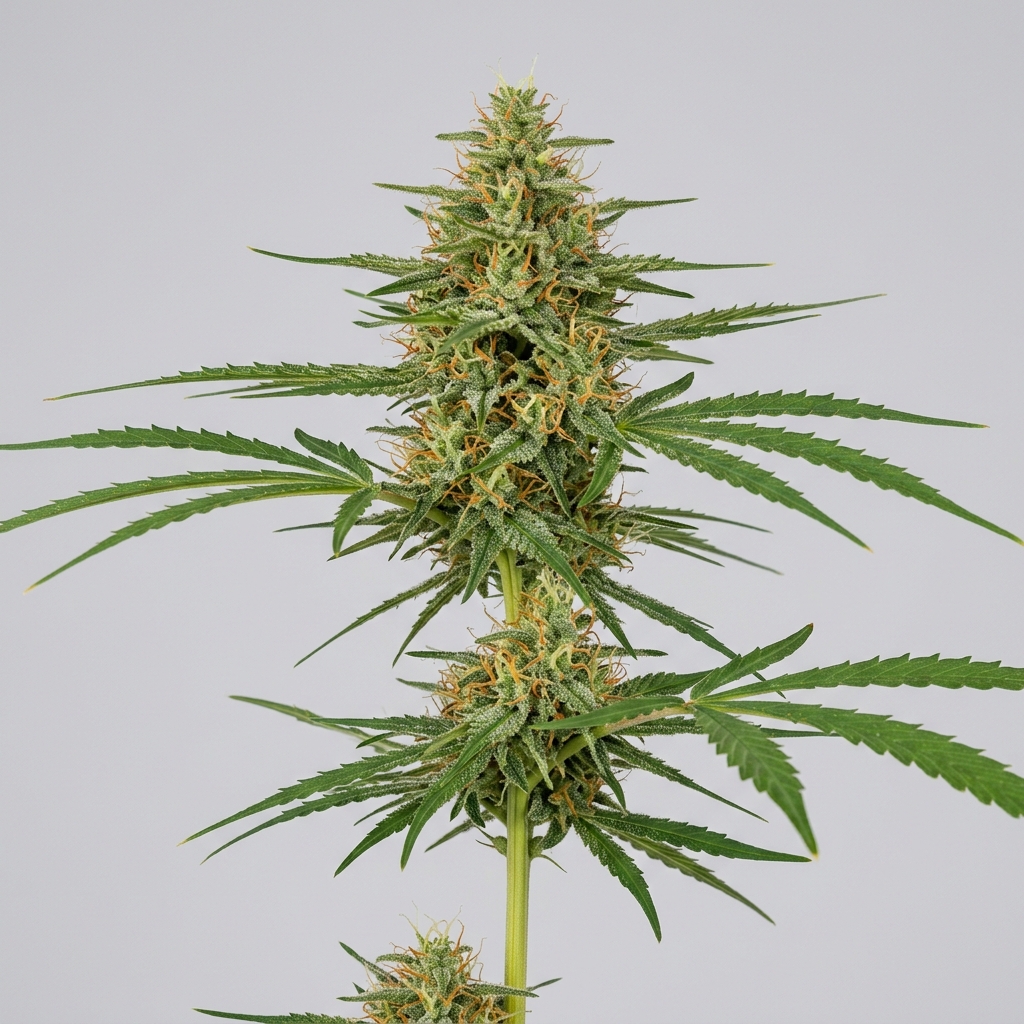
During the flowering stage, the nodal clusters condense into dense, spade-shaped colas coated in a thick layer of greasy resin. The bracts are tightly packed, showing deep forest green hues with occasional purple undertones when exposed to cooler night temperatures during late-flower. The trichome coverage is dense and glassy, extending well onto the surrounding sugar leaves.
This cultivar inherited exceptional hardiness from its Mazar-I-Sharif parentage, showing high resistance to powdery mildew, spider mites, and fluctuating humidity. Its rugged nature makes it an excellent choice for growers looking for a forgiving plant that still delivers high-yielding, premium-grade flowers. Under optimal conditions, its root zone remains highly efficient at nutrient uptake throughout its cycle.
Effects & Use-Cases (Reported)
Commonly reported effects: Users frequently describe an immediate, cerebral rush that brings a vivid, near-psychedelic visual intensity, which gradually settles into a heavy, warm physical relaxation. The initial mental stimulation is active and euphoric, but the physical weight eventually dominates, making it best suited for late evening use.
Use-case context: Due to its potent physical sedation and intense mental focus, this strain is often selected for quiet creative sessions, deep listening, or winding down at the end of a demanding day. Its long-lasting physical grounding is highly regarded by those seeking deep muscle relaxation and relief from physical tension.
Note: The intense cerebral onset of this cultivar can be overwhelming for inexperienced users or those sensitive to high-THC varieties; careful, low-dose introduction is recommended.
Aroma & Flavors
Aroma: The initial nose is dominated by an earthy kush base and damp forest floor, accented by a sharp, sour skunk funk that intensifies when the buds are broken apart.
Flavor: On the palate, it delivers a rich, savory smoke featuring notes of sweet roasted chestnut, herbal spice, and a distinct diesel-musk finish.
Terpene associations: The complex profile is driven by a high concentration of myrcene, caryophyllene, and pinene, which together establish its deeply herbal and earthy character.
Tested Cannabinoid & Terpene Ranges
| Compound | Typical Range |
|---|---|
| Δ9-THC | 20.0% – 24.0% |
| CBD | < 1.0% |
| Myrcene | 0.5% – 0.9% |
| Caryophyllene | 0.3% – 0.6% |
| Pinene | 0.1% – 0.3% |
Note: Cannabinoid and terpene levels are highly variable and depend on specific phenotypes, cultivation methods, and curing environments.
Cultivation Notes
- Humidity Management: Maintain vegetative relative humidity (RH) around 55-60%, reducing it systematically to 40-45% during the final weeks of flower to protect the dense colas from moisture retention.
- Nutrition: This strain is a moderate feeder; it thrives on a steady nitrogen regimen during veg, transitioning to high phosphorus and potassium during mid-to-late flower.
- Training: Responds exceptionally well to Low Stress Training (LST) and topping, which encourages a multi-topped, even canopy and maximizes light penetration.
- Harvest Window: Watch for trichomes to turn mostly milky-white with about 10-15% amber to capture the optimal balance of cerebral and physical potency.
- Phenotype Management: Look out for the Mazar-dominant phenotype, which stays shorter and finishes faster, versus the Skunk-dominant pheno that stretches slightly more during transition.
Grower Notes (Week-by-Week Snapshot)
- Weeks 1–3 (Vegetative & Transition): The plant establishes a deep root system quickly, showing rapid vegetative growth with broad, dark green leaves. Upon flipping to a 12/12 light cycle, expect a moderate and manageable stretch of about 50-80% of its vegetative height.
- Weeks 4–6 (Mid-Flower): Nodal sites stack closely as white pistils form dense clusters. The first signs of greasy resin appear on the sugar leaves, and a distinct, musky skunk aroma begins to fill the grow space.
- Weeks 7–9 (Late-Flower & Flush): Buds swell significantly, forming hard, resin-covered spear colas. Reduce nutrients and initiate a two-week flush with plain, pH-balanced water to clear salt buildup and preserve the complex terpene profile.
- Post-Harvest (Dry & Cure): Hang-dry the whole plant at 60°F (15°C) and 60% relative humidity for 10 to 14 days. Transfer the trimmed buds to airtight glass jars, burping daily for the first two weeks to achieve a smooth, sweet chestnut cure.
Genetic Lineage
The genetic lineage of LSD is a masterful pairing of two legendary old-school pillars. Its maternal parent, Mazar-I-Sharif, is an iconic pure indica landrace hailing from northern Afghanistan, known for its extreme resin production, physical potency, and exceptional resistance to harsh environmental conditions.
To introduce structural vigor and a more complex, pungent aroma, breeders crossed this landrace with Skunk #1. This classic hybrid infusion added sweet, sharp diesel undertones and enhanced the cultivar’s overall yield potential, resulting in a stable, easy-to-grow plant that preserves the near-narcotic power of its Afghan heritage.
Research Insights
Analytical testing of LSD highlights a dense concentration of monoterpenes, particularly myrcene, which facilitates a rapid crossing of the blood-brain barrier. This chemical interaction is believed to modulate the uptake of THC, explaining the rapid, highly intense physical and mental onset commonly reported by consumers.
Furthermore, the presence of caryophyllene provides significant interaction with peripheral CB2 receptors, contributing to the strain’s profound physical soothing properties. The balance of these compounds makes this cultivar a subject of interest for researchers studying the synergistic effects of landrace-derived genetics in modern hybrid breeding programs.
Frequently Asked Questions
Is LSD hard to grow?
No, this strain is highly recommended for beginners due to its robust genetics. It is naturally resistant to mold, pests, and mild temperature fluctuations, making it very forgiving in various setups.
What does the LSD strain smell like?
It has a pungent, old-school aroma characterized by deep earthy musk, damp soil, and sour skunk, with a distinct sweet chestnut and herbal flavor on the exhale.
Is this strain an indica or a sativa?
It is an indica-dominant hybrid (approximately 70% indica and 30% sativa), though its initial effects present a surprisingly intense, trippy cerebral rush before settling into a heavy physical stone.
How long does it take to flower?
Indoors, this cultivar typically finishes flowering in 60 to 65 days (8 to 9 weeks), while outdoor harvests generally occur in mid-to-late October.
Educational Disclaimer
This article is intended solely for educational and informational purposes. Cannabis laws and regulations vary by jurisdiction; always check local laws before cultivating or consuming cannabis.
Rate and review this strain
Ratings and reviews are accepted only from signed-in Google accounts.
Sign in with Google to leave a rating and written review.
Latest Reviews
0 reviewsNo reviews yet. Be the first Google user to rate and review this strain.