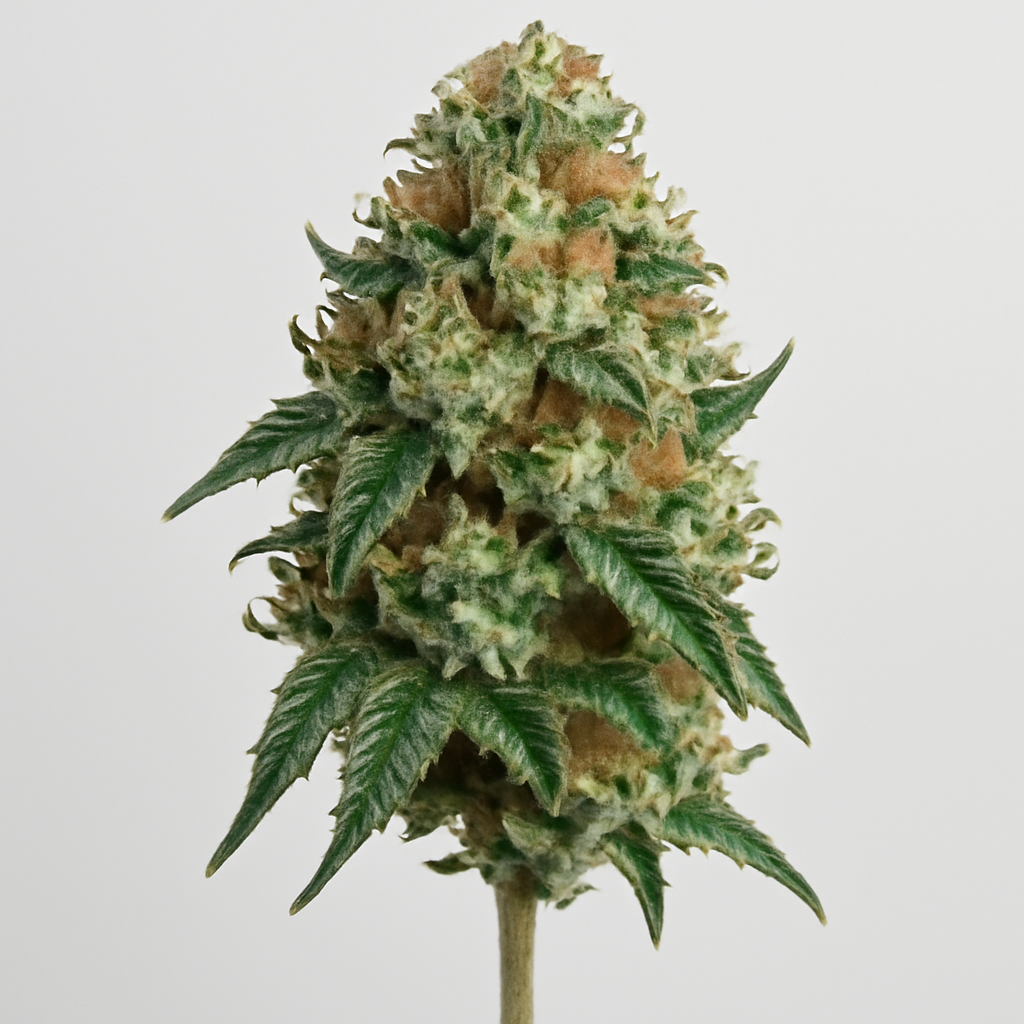
Mojito (Cannabis Strain)
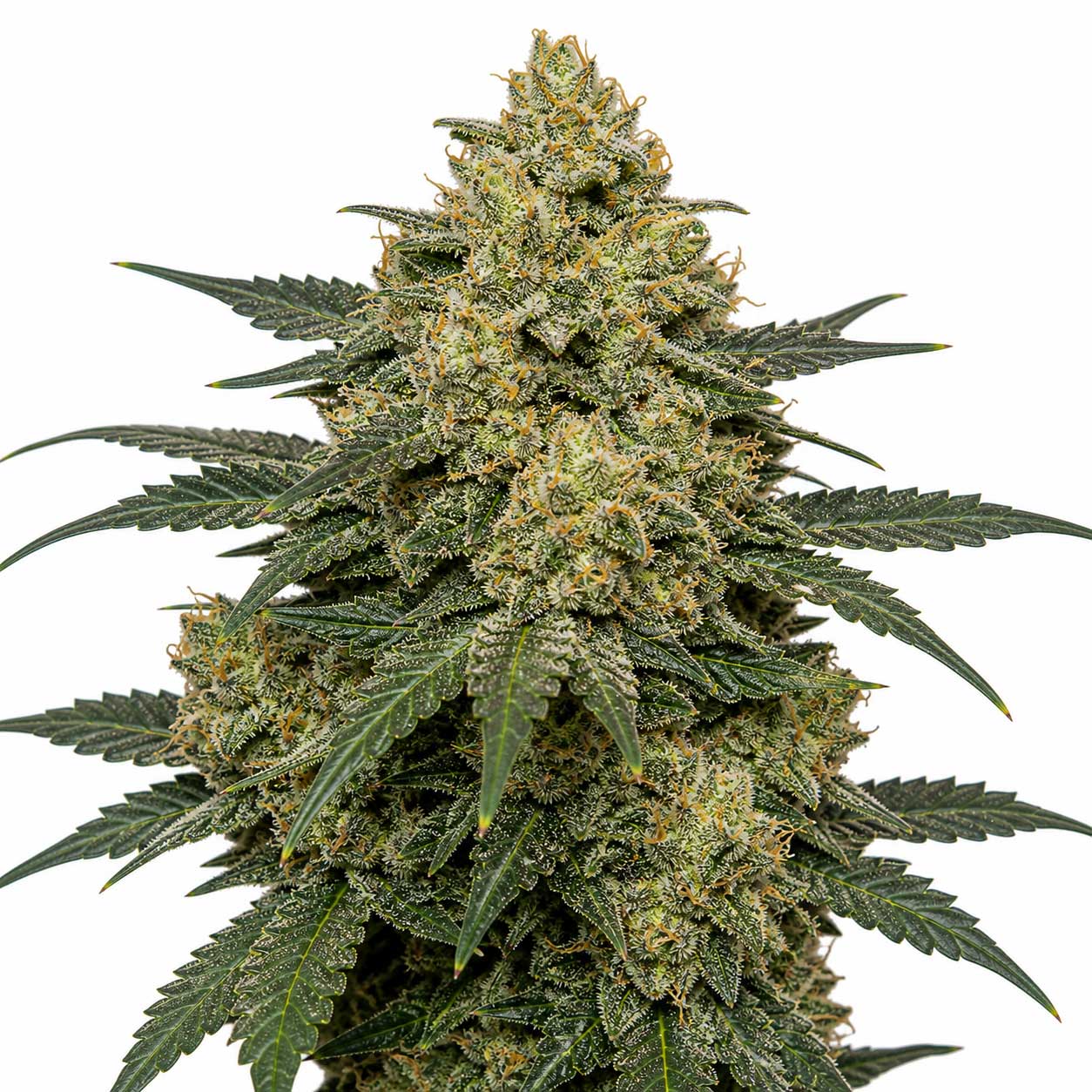
Mojito is a premium, sativa-leaning hybrid crossing the terpene-rich Limegerian with Orange Blossom Trail. Typically testing between 22% and 28% THC, this Compound Genetics creation is celebrated for its sharp lime-sherbet aroma, sweet orange accents, and a cool mint finish. The cultivar produces glassy, sugar-coated buds on tall, vigorous spear colas that stack densely during a moderate flowering cycle, making it a favorite for extraction and daytime sensory focus.
Unlike heavier, gas-dominant dessert strains, Mojito distinguishes itself with pure terpene clarity and refreshing, beverage-inspired profiles. It appeals directly to growers and consumers who prioritize bright, high-impact citrus notes and a clean, uplifting head-space over physical sedation.
Quick Facts
| Field | Details |
|---|---|
| Genetics | Limegerian × Orange Blossom Trail |
| Variety | Sativa-leaning Hybrid |
| THC Range | 22% – 28% |
| Flowering Time | 8 – 9 weeks |
| Yield Potential | Moderate to High |
| Plant Height | Medium to Tall |
| Climate Preference | Warm, Mediterranean-style |
| Difficulty | Moderate |
Scientific & Botanical Overview
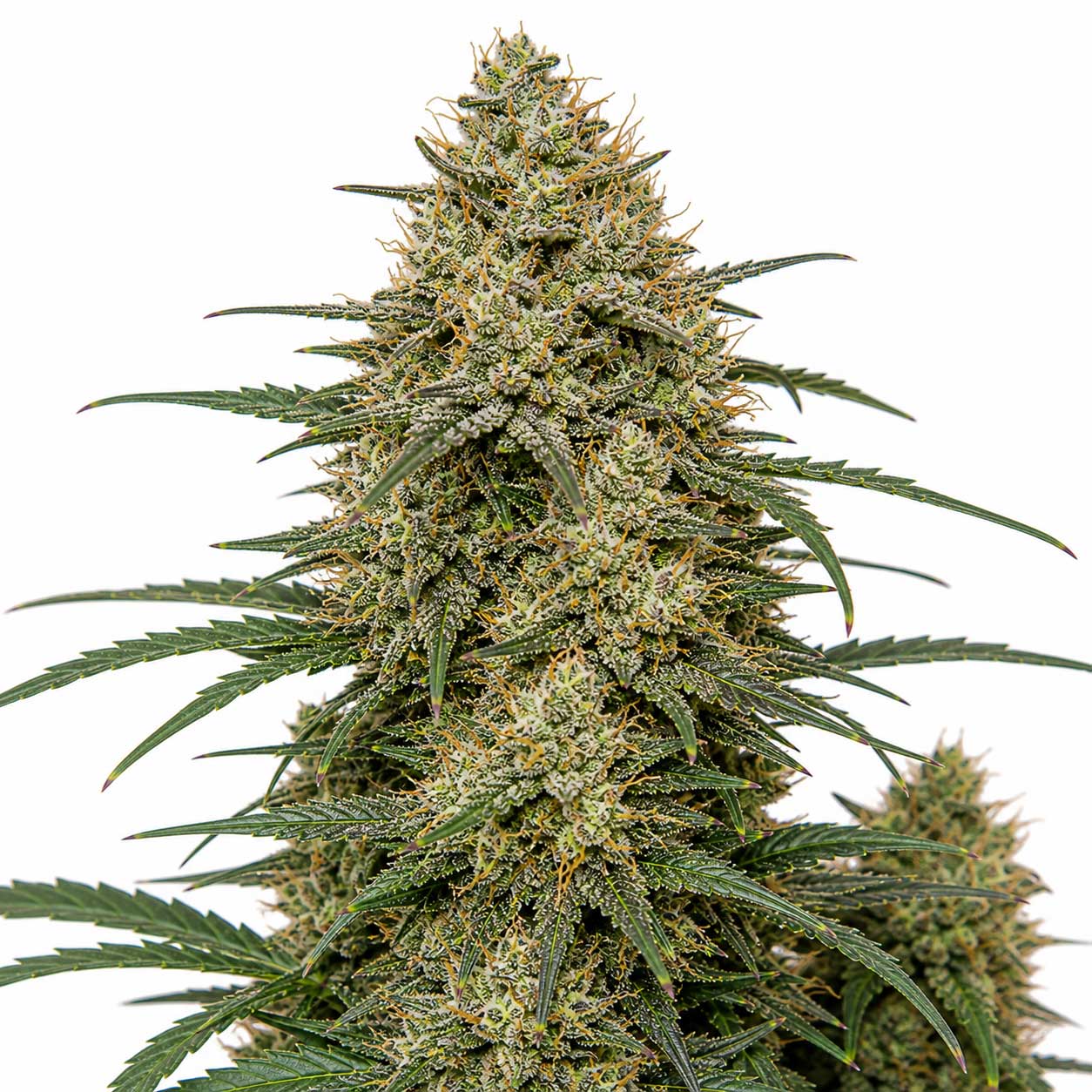
Botanically, Mojito exhibits strong apical dominance and a notable vertical stretch during the first three weeks of bloom. The plants develop long, elegant spear colas with moderate internodal spacing that allows for excellent airflow through the canopy. Its calyx-to-leaf ratio is highly favorable, producing neat, structured clusters that resist moisture buildup.
The strain’s resin glands are characterized by long, slender stalks and clear, terpene-rich heads that develop early in the flowering cycle. This high-terpene output is driven by a robust secondary metabolite production, prioritizing volatile monoterpenes over heavier sesquiterpenes. The result is a highly aromatic flower that retains its sharp citrus profile even after a long, slow cure.
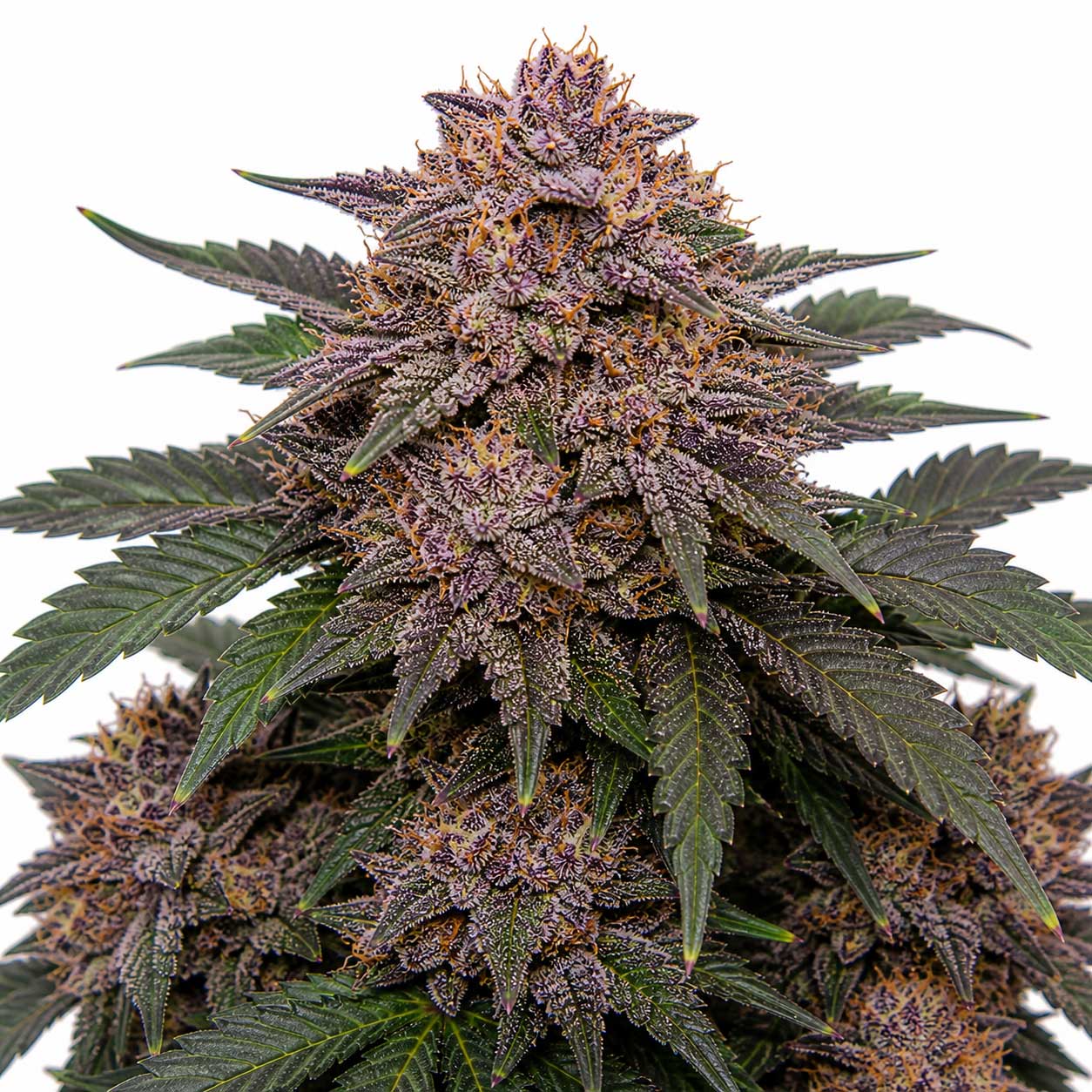
Phenotypic variations generally express along a spectrum of citrus dominance, with some selections leaning toward a sharp, sour lime peel while others showcase a sweeter, orange-soda profile. Cooler night temperatures in the final two weeks of flower can coax out subtle lavender hues in the bracts. Regardless of the pheno, the cool, herbal undertone remains a consistent genetic signature.
Effects & Use-Cases (Reported)
Commonly reported effects: Consumers frequently report an upbeat, mentally clear, and highly creative state that pairs well with social engagement and active daytime tasks.
Use-case context: Mojito is typically selected for morning or afternoon sessions, creative projects, or outdoor activities where functional alertness is preferred over heavy physical sedation.
Note: These observations are anecdotal and do not constitute medical claims.
Aroma & Flavors
Aroma: A dominant wave of fresh lime peel and sweet orange zest is complemented by a clean, herbaceous mint undertone and a faint, sweet solvent edge.
Flavor: The palate is treated to a bright splash of lime sherbet and sweet citrus, followed by a cool, refreshing spearmint finish on the exhale.
Terpene associations: The primary terpene profile is typically led by limonene, supported by myrcene and caryophyllene.
Tested Cannabinoid & Terpene Ranges
| Compound | Typical Range | Notes |
|---|---|---|
| Δ&sup9;-THC | 22% – 28% | Delivers strong potency with a functional, clear-headed ceiling. |
| CBD | < 0.5% | Commonly present only in trace quantities. |
| Limonene | 0.4% – 1.2% | Responsible for the bright, sweet citrus and lime peel notes. |
| Myrcene | 0.2% – 0.8% | Adds a soft, sweet herbal depth beneath the sharper citrus. |
| Caryophyllene | 0.15% – 0.6% | Introduces a subtle, peppery spice on the finish. |
Note: Cannabinoid and terpene levels are highly variable and depend on specific phenotype, cultivation environment, and curing methods.
Cultivation Notes
- Humidity Management: Keep relative humidity (RH) around 45-50% during the final weeks of flower to protect the dense, resin-heavy colas from moisture retention.
- Nutrient Regimen: Mojito responds well to moderate nitrogen levels during vegetative growth, but demands a steady supply of potassium and phosphorus as the calyxes begin to stack in mid-bloom.
- Canopy Training: Utilizing a trellis net or topping early is highly recommended to manage the vigorous vertical stretch and ensure even light penetration.
- Harvest Timing: Look for trichomes to transition from clear to mostly milky with about 10% amber to capture the peak of its uplifting, high-terpene profile.
- Phenotype Selection: Prioritize mother plants that exhibit tight internodal spacing and the sharpest lime-peel aroma during early vegetative stem rubs.
Grower Notes (Week-by-Week Snapshot)
- Weeks 1–3 (The Stretch): Expect a significant vertical surge. Ensure training nets are in place early to tuck and spread the branches, creating a flat, even canopy.
- Weeks 4–6 (Flower Development): Small, glassy bud sites form rapidly. Defoliate the lower third of the plant to improve airflow and direct energy to the upper spear colas.
- Weeks 7–9 (Resin & Ripening): Calyxes swell and trichome coverage becomes dense and sugary. Drop night temperatures by 5–10°F to encourage potential lavender color expressions and preserve volatile terpenes.
- Post-Harvest (Dry & Cure): Dry slowly at 60°F and 60% RH for 10 to 14 days. A patient, cold cure is essential to fully lock in the delicate lime-sherbet and mint flavors.
Genetic Lineage
The genetic foundation of Mojito is a masterful pairing of two highly aromatic cultivars: Limegerian and Orange Blossom Trail. Limegerian, a rare sativa-dominant selection known for its sharp, electric lime terpene profile, contributes the unmistakable citrus-rind punch and energetic growth habits. This was crossed with Orange Blossom Trail, a Florida-born hybrid prized for its sweet, floral orange notes and smooth, creamy undertones.
Bred by the renowned team at Compound Genetics, this lineage represents a deliberate departure from the heavy, cake-and-gas profiles that dominate the modern market. By combining these two distinct citrus lines, Mojito achieves a complex, multi-layered fruit profile that balances tart acidity with a cool, refreshing herbal finish, cementing its place as a modern classic for flavor-focused growers.
Research Insights
Analytical testing of Mojito highlights a fascinating synergy between its dominant monoterpenes and cannabinoid concentration. The high concentration of limonene works in tandem with moderate levels of caryophyllene to create an uplifting, clear-headed effect that consumers describe as energetic rather than racy. This terpene architecture appears to modulate the rapid uptake of THC, smoothing out the physical transition and preventing the sudden crash often associated with potent daytime hybrids.
From a breeding and market perspective, Mojito holds significant value due to its unique terpene and volatile profile. Extraction technicians find the strain highly desirable for live resin and solventless extraction, as the monoterpene-heavy profile translates remarkably well into concentrates. The resulting extracts retain the bright, natural lime and mint flavors that are frequently lost in heavier, hydrocarbon-dominant cultivars.
Frequently Asked Questions
Is Mojito a sativa or indica?
Mojito is a sativa-leaning hybrid. While it displays some physical relaxation, its growth habits, sharp citrus terpene profile, and uplifting, clear-headed effects are characteristic of sativa-dominant genetics.
What does Mojito smell like?
The strain has a highly refreshing aroma dominated by sharp lime peel and sweet orange zest, rounded out by a cool, herbal mint finish and a subtle hint of sweet floral candy.
How long does Mojito take to flower?
When grown indoors, Mojito typically finishes its flowering cycle in 8 to 9 weeks. Outdoor growers in warm, Mediterranean-style climates can expect to harvest in early to mid-October.
Is Mojito difficult to grow?
Mojito is rated as moderate difficulty. Its vigorous vertical stretch during early flower requires active canopy management, such as topping or using a trellis net, to keep the plant height under control and maximize yields.
Educational Disclaimer
The information provided on this page is for educational and informational purposes only. Cannabinoid and terpene profiles vary naturally by phenotype, cultivation environment, and curing process. Always consult with a qualified healthcare professional before using cannabis for therapeutic purposes.
Rate and review this strain
Ratings and reviews are accepted only from signed-in Google accounts.
Sign in with Google to leave a rating and written review.
Latest Reviews
0 reviewsNo reviews yet. Be the first Google user to rate and review this strain.