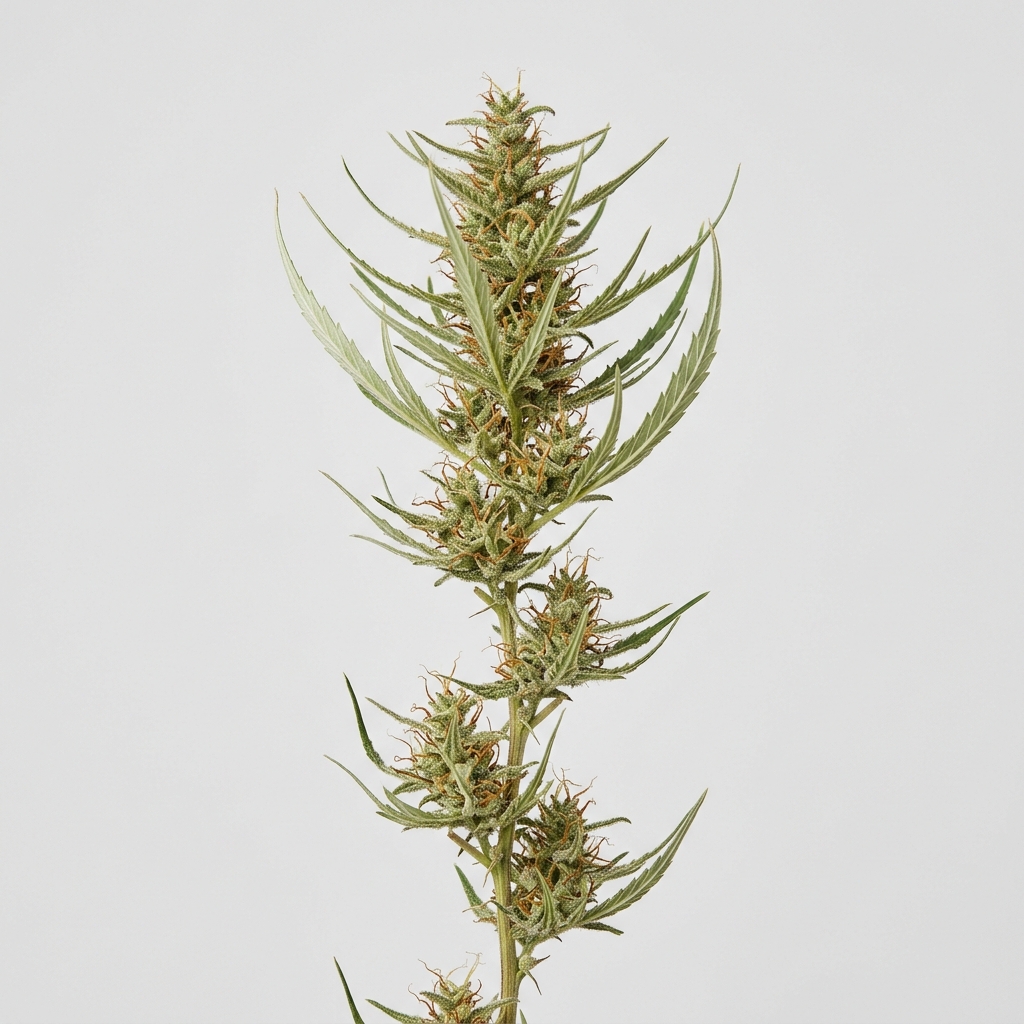
Guatemala (Cannabis Strain)
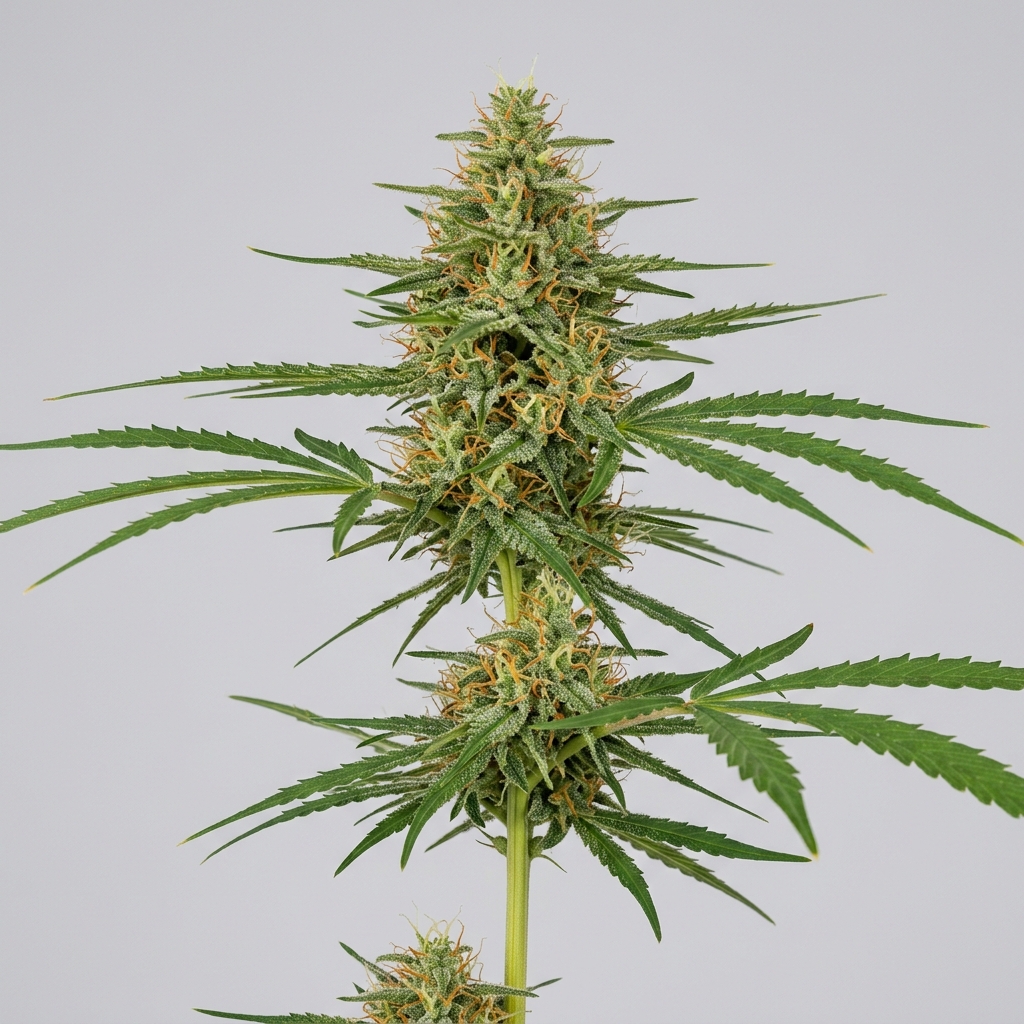
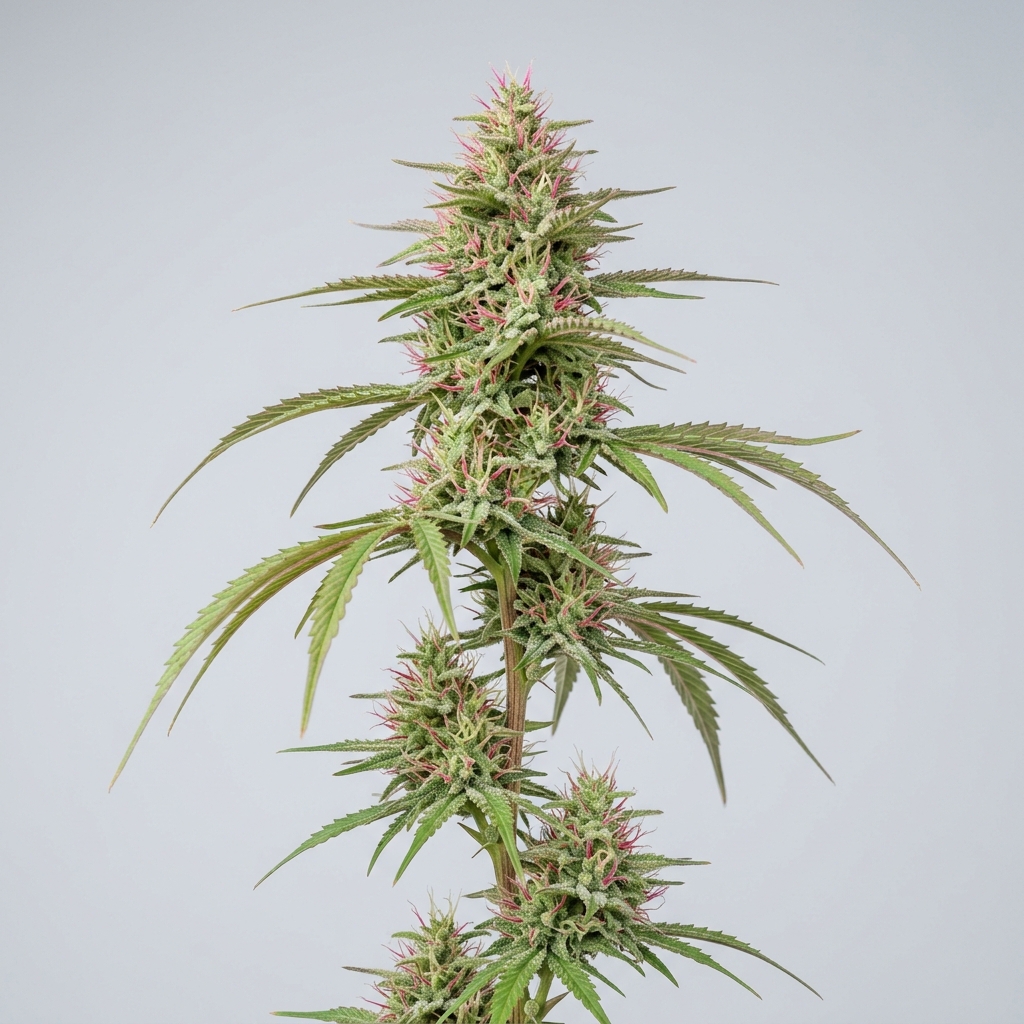
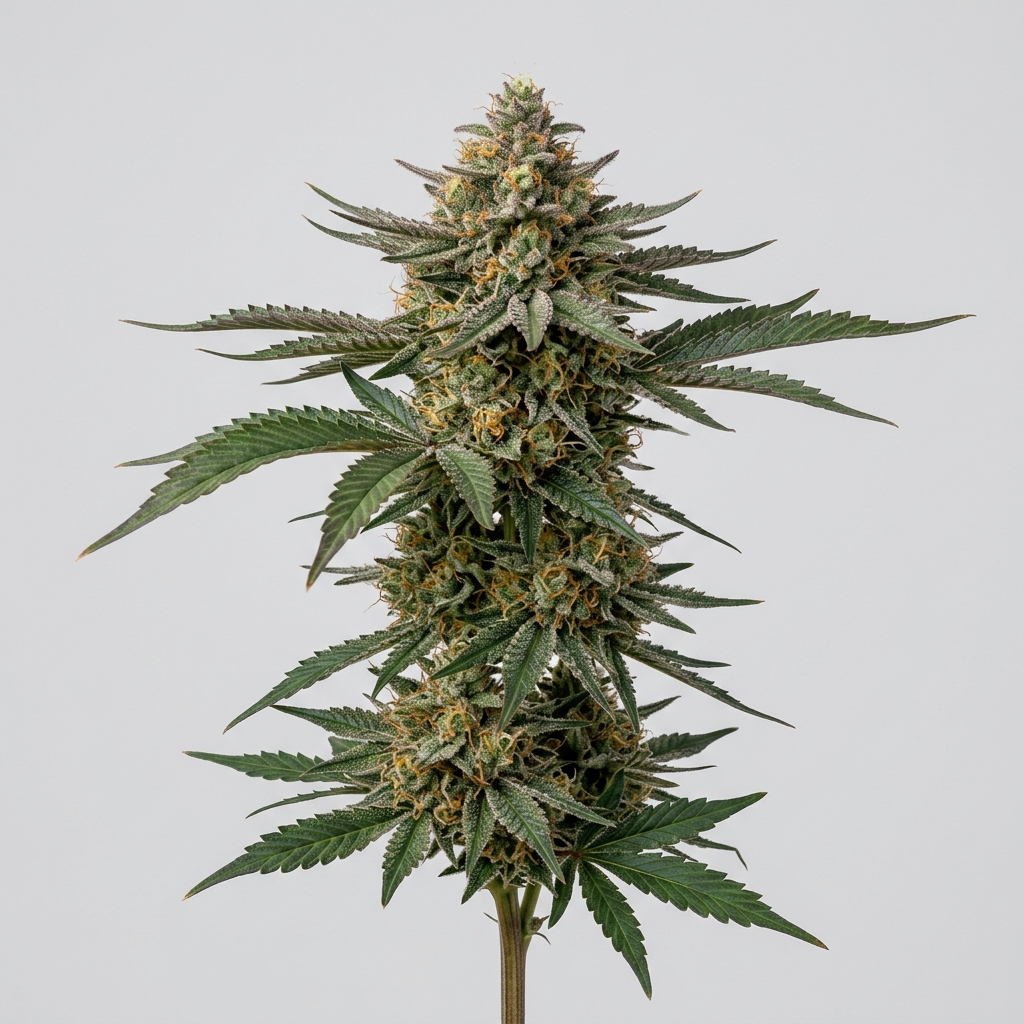
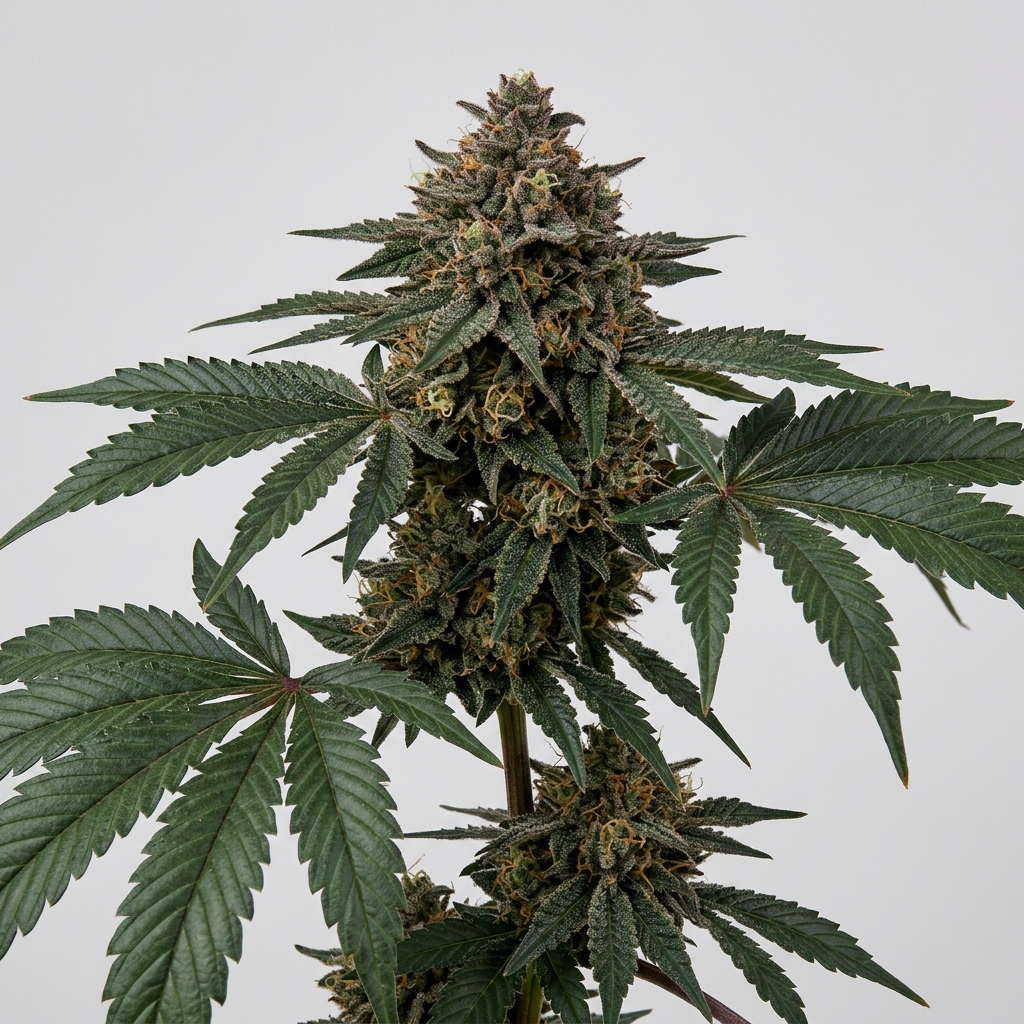
Guatemala is a rare, pure landrace Sativa sourced from the highlands of Central America, offering a moderate THC range of 12% to 18% and a distinct profile of woody incense, sour citrus, and sweet floral undertones. Preserved largely by specialized breeders like Ace Seeds, this heirloom cultivar showcases classic wild-type growth with tall, flexible branches, thin fan leaves, and elongated, airy spear colas. Its resin is delicate but highly functional, producing a clear, uplifting, and functional daytime experience that avoids the heavy physical drag of modern hybrids.
Unlike heavily hybridized contemporary strains, this landrace retains its original genetic purity and exceptional resistance to high humidity and pathogens. Growers value it for its resilience and authentic old-school character, making it a foundational building block for breeding projects seeking pure sativa energy and mold resistance.
Quick Facts
| Key Metric | Details |
|---|---|
| Genetics | Pure Guatemalan Landrace |
| Variety | Sativa (100%) |
| THC Range | 12% – 18% |
| Flowering Time | 11 – 13 Weeks |
| Yield Potential | Moderate |
| Plant Height | Tall / High Stretch |
| Climate Preference | Warm, Temperate, High Humidity |
| Difficulty | Moderate to High (Requires space and patience) |
Scientific & Botanical Overview
Botanically, Guatemala represents a classic highland Central American phenotype adapted to high UV exposure and variable moisture levels. The plants develop a tall, slender silhouette with pronounced internodal spacing and thin, pale green fan leaves that allow maximum light penetration. This open structure is an evolutionary defense mechanism, preventing moisture retention and protecting the plant against botrytis in wet environments.
The budding pattern of this landrace favors elongated, airy spear colas rather than dense, compact clusters. The calyxes are small and highly segmented, presenting a high surface area that facilitates rapid transpiration and air circulation. The trichome distribution is sparse but chemically rich, concentrating monoterpenes over heavier sesquiterpenes.
This cultivar thrives under strong, full-spectrum light sources, particularly those high in UV-B wavelengths, which mimic its native high-altitude habitat. Its root system is naturally expansive, requiring deep containers or open ground to support its vigorous vegetative stretch.
Effects & Use-Cases (Reported)
Commonly reported effects: Users frequently describe a clean, cerebral lift that promotes mental clarity, focus, and a gentle physical energy. The onset is gradual and lacks the jarring, racy anxiety sometimes associated with equatorial sativas.
Use-case context: This daytime-centric profile is well-suited for creative projects, outdoor activities, and social settings where functional focus is required. It leaves the physical body feeling light and unencumbered, making it a preferred choice for morning or early afternoon use.
Note: Due to its pure sativa lineage, sensitive individuals should monitor dosage to avoid mild over-stimulation, though its moderate THC potential generally ensures a manageable experience.
Aroma & Flavors
Aroma: The initial nose is dominated by dry wood, cedar, and cured leather, followed closely by a sharp, sour citrus lift resembling fermented lime.
Flavor: On the exhale, the smoke delivers a clean, herbal flavor profile marked by sweet floral notes, green tea, and a lingering spice finish.
Terpene associations: Lab analyses of preserved phenotypes typically indicate a dominance of terpinolene, myrcene, and caryophyllene, contributing to its woody, spicy, and citrus-forward character.
Tested Cannabinoid & Terpene Ranges
| Compound | Tested Range |
|---|---|
| Δ9-THC | 12.0% – 18.0% |
| CBD | <0.1% |
| Terpinolene | 0.3% – 0.7% |
| Myrcene | 0.2% – 0.5% |
| Caryophyllene | 0.1% – 0.4% |
Range Note: Cannabinoid and terpene content can vary significantly based on cultivation methods, UV exposure, and specific phenotype selections.
Cultivation Notes
- Humidity: Highly tolerant of high relative humidity (RH) during both vegetative and flowering phases, making it an excellent choice for wet climates.
- Nutrition: Prefers a light, low-nitrogen feeding regimen; heavy nutrients can easily cause leaf burn or clawing.
- Training: Responds exceptionally well to low-stress training (LST) and topping to manage its aggressive height and vertical stretch.
- Harvest: Patience is required as the plant typically needs a full 11 to 13 weeks of flowering to reach peak resin maturity.
- Phenotype management: Expect significant phenotypical variation in stretch and flowering time; select mother plants that show manageable internodal spacing.
Grower Notes (Week-by-Week Snapshot)
- Weeks 1–3 (Vegetative & Early Transition): Establish a strong root system and initiate early training. The plant will begin to stretch almost immediately upon switching to a 12/12 light cycle, often doubling or tripling in size.
- Weeks 4–7 (Mid-Flowering): Spear-like colas begin to form along the branches. Ensure adequate vertical space and apply support stakes or trellis netting to prevent the flexible branches from bending under their own weight.
- Weeks 8–11+ (Late-Flowering & Ripening): Calyxes swell slowly and pistils turn a deep amber. Reduce nitrogen completely and maintain moderate phosphorus and potassium levels while watching for the subtle ambering of the trichome heads.
Genetic Lineage
Guatemala is a stable, pure landrace Sativa preserved directly from the highland regions of Guatemala. Unlike modern commercial cultivars, it has not been crossed with indica or ruderalis genetics, maintaining its authentic Central American heritage.
Breeders have utilized this stable landrace to introduce mold resistance, vigor, and uplifting sativa traits into modern polyhybrids. Notably, it serves as a parent in several well-regarded sativa-dominant crosses engineered for outdoor cultivation in challenging climates.
Research Insights
Horticultural research into Central American landraces highlights their unique adaptation to high-altitude environments. The natural resistance of Guatemala to powdery mildew and botrytis is attributed to its open calyx structure and high concentration of defensive monoterpenes.
The absence of CBD combined with moderate THC and a terpinolene-heavy terpene profile suggests a synergistic pathway that promotes clean mental stimulation without physical sedation. This makes the cultivar a subject of interest for researchers mapping the genetic diversity of pre-hybridized cannabis.
Frequently Asked Questions
Is Guatemala hard to grow indoors?
Yes, its significant height stretch and long flowering period can make indoor cultivation challenging without proper height management and training techniques.
What does Guatemala smell like?
It features a distinct aroma of dry wood, cedar, and sour citrus, with subtle sweet floral and spicy herbal undertones.
How long does Guatemala take to flower?
This pure landrace typically requires between 11 and 13 weeks of flowering to reach full maturity.
What are the main effects of Guatemala?
It delivers a clean, uplifting, and functional cerebral high that enhances focus and creativity without causing physical heaviness.
Educational Disclaimer
This article is for educational and informational purposes only. Cultivation and consumption of cannabis are subject to local laws and regulations. Consult with professional growers and local guidelines before undertaking any cultivation activities.
Rate and review this strain
Ratings and reviews are accepted only from signed-in Google accounts.
Sign in with Google to leave a rating and written review.
Latest Reviews
0 reviewsNo reviews yet. Be the first Google user to rate and review this strain.