Chocolate Haze (Cannabis Strain)
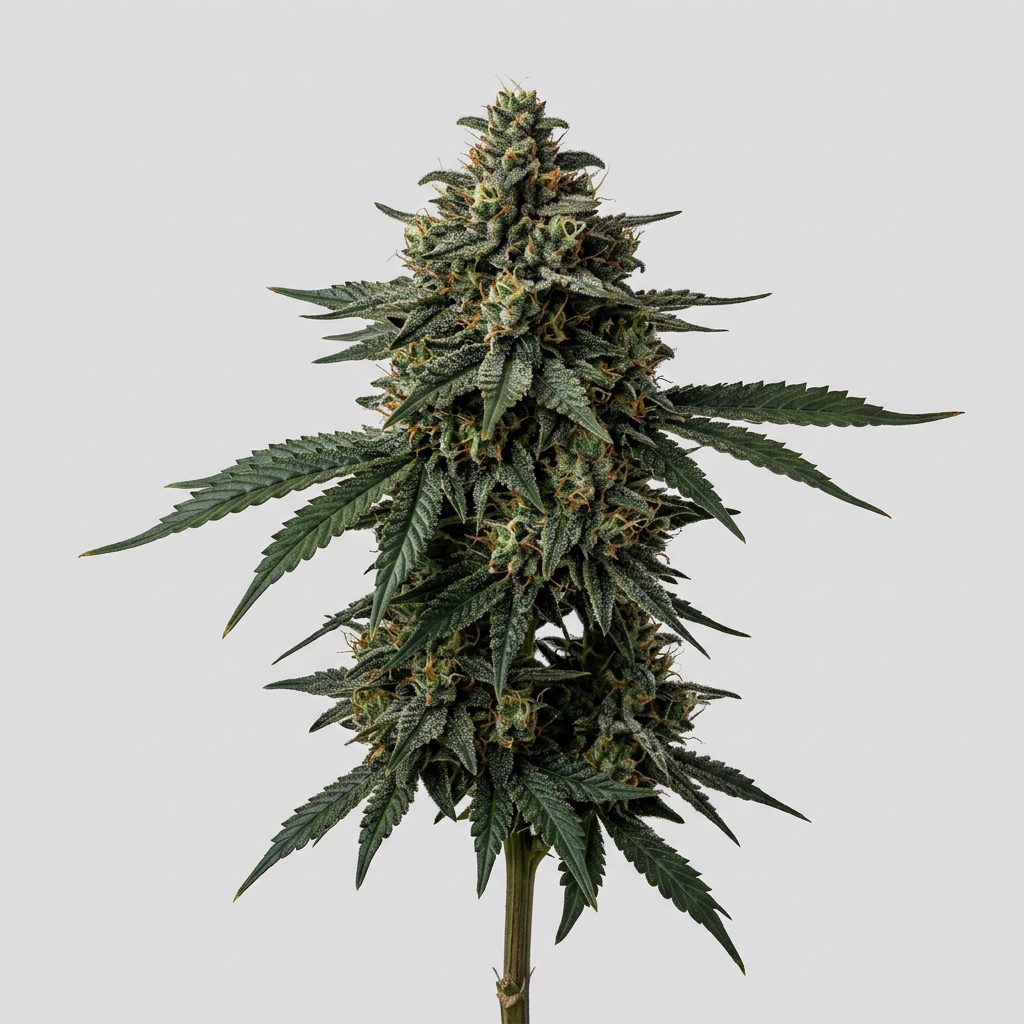
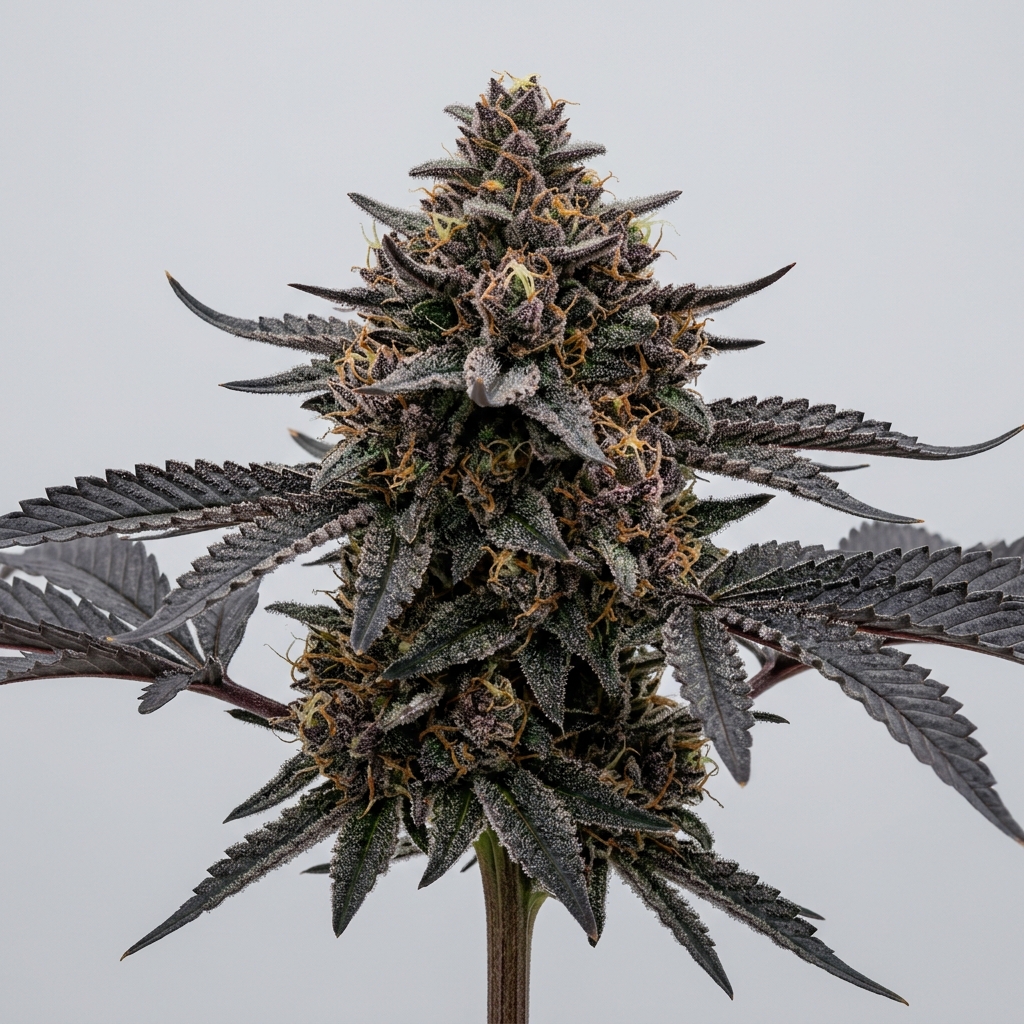
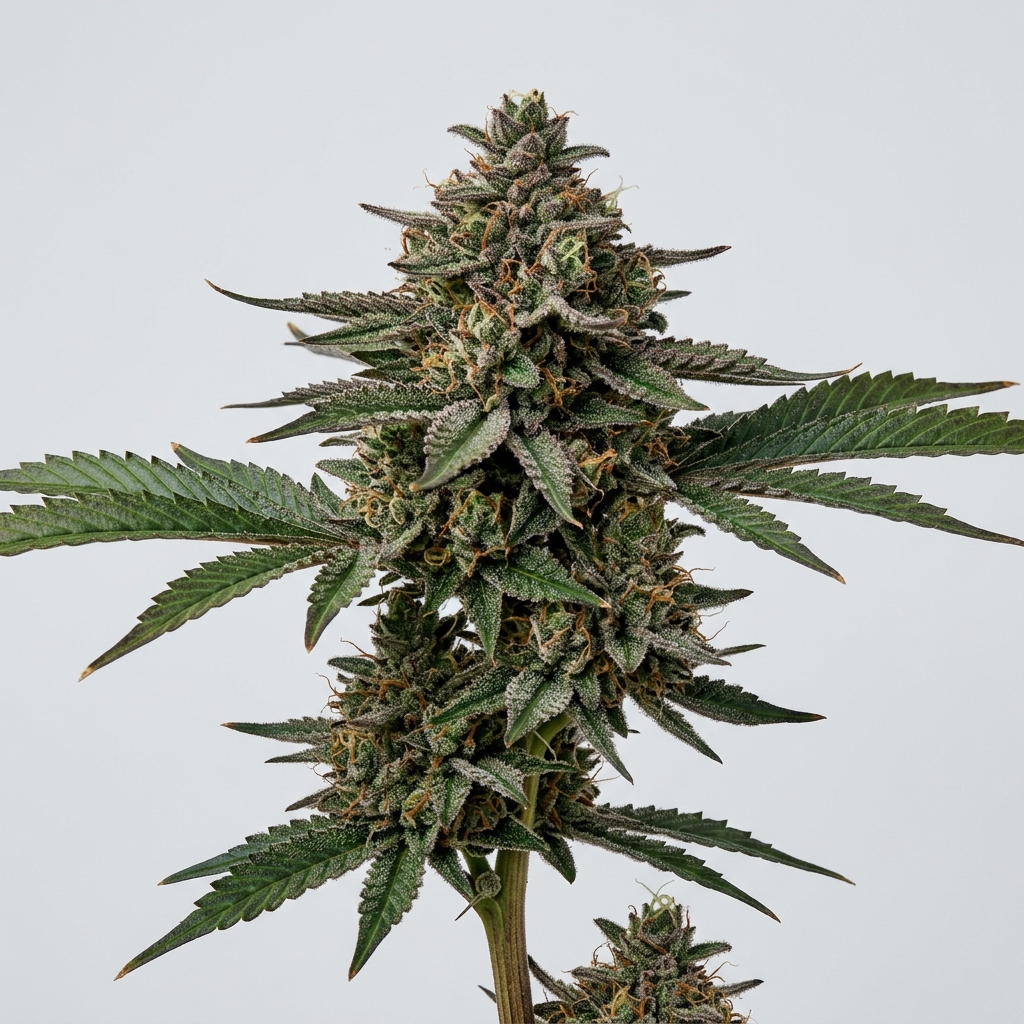
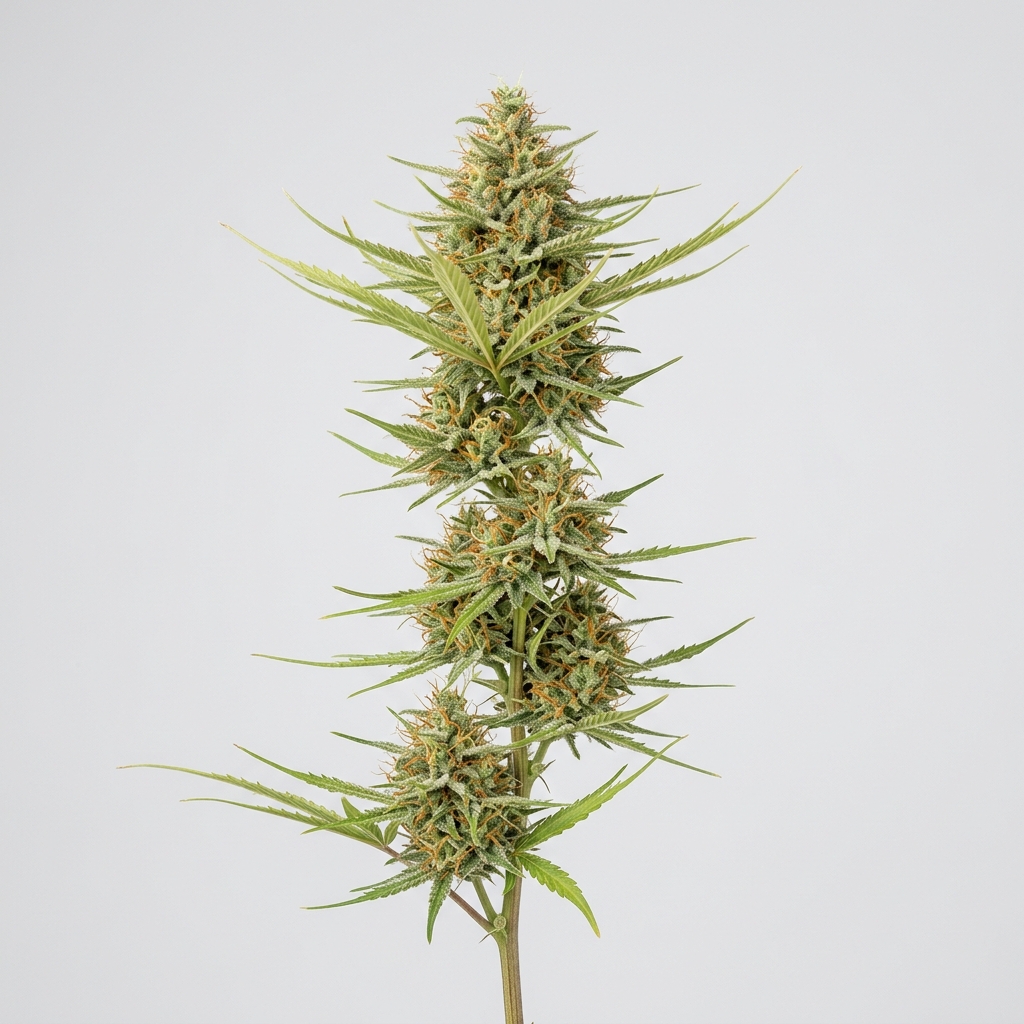
Chocolate Haze is a sativa-dominant cultivar renowned for its sweet cocoa aroma and uplifting, clear-headed energy. Typically testing between 17% and 22% THC, this strain is a classic cross of Chocolate Thai and Cannalope Haze, delivering a profile that balances rich chocolate undertones with a sharp citrus lift. The plants exhibit a classic Haze-style growth pattern, characterized by a significant vertical stretch, thin fan leaves, and elongated spear colas that produce a fine dusting of glassy trichomes. Highly valued by cultivators seeking a daytime sensory hybrid, it demands careful canopy management but rewards patience with resin-rich flowers and terpene clarity.
Unlike modern, heavy-hitting dessert strains that lean heavily on sweet dough and fuel, this cultivar preserves the herbal complexity of old-school landrace genetics. Its structure is elegant and airy, allowing for excellent airflow through the dense bracts during late-stage flower. Growers appreciate its resistance to common pests, though its long flowering cycle requires a disciplined approach to environmental controls.
Quick Facts
| Field | Details |
|---|---|
| Genetics | Chocolate Thai × Cannalope Haze |
| Variety | Sativa-dominant Hybrid |
| THC Range | 17% – 22% |
| Flowering Time | 9 – 11 Weeks |
| Yield Potential | Moderate to High |
| Plant Height | Tall (Significant stretch) |
| Climate Preference | Warm, semi-humid to dry |
| Difficulty | Moderate |
Scientific & Botanical Overview
Botanically, this cultivar displays classic sativa morphology, originating from equatorial landrace ancestry. The plants develop long, slender branches with wide internodal spacing, requiring early structural support to manage the weight of the developing colas. The fan leaves are notably thin and pale green, optimizing light penetration to the lower canopy.
During the generative phase, the flowers organize into elongated, airy spear colas rather than dense, rounded golf balls. This open structure is a natural defense mechanism, facilitating natural airflow and reducing the microclimatic humidity within the bud sites. The calyx-to-leaf ratio is high, making the final manicuring process relatively straightforward.
Resin production is characterized by small, stalked capitate-glandular trichomes that cover the bracts in a wet frost. Rather than producing a greasy, oil-slick surface, the resin cures to a dry, glassy texture that preserves volatile monoterpenes. This physical trait makes it highly suitable for traditional dry-sift extraction methods.
Effects & Use-Cases (Reported)
Commonly reported effects: Users frequently describe a rapid, cerebral onset that promotes focus, creative energy, and a light physical buoyancy. The experience is largely devoid of heavy physical sedation, making it a preferred option for morning or mid-day use.
Use-case context: This daytime sensory hybrid is often selected for creative projects, outdoor activities, or social settings where mental clarity is desired. It provides a steady stream of functional energy without the jarring physical edge sometimes associated with high-THC sativas.
Note: Individual experiences may vary depending on dosage, personal tolerance, and the specific phenotype’s cannabinoid concentration.
Aroma & Flavors
Aroma: The initial jar opening releases a deep, earthy cocoa aroma, closely followed by notes of toasted coffee beans and a subtle, piney undertone.
Flavor: On the palate, the smoke is remarkably smooth, tasting of dark chocolate and sweet spice, with a distinct herbal and sweet citrus finish.
Terpene associations: The profile is dominated by myrcene, which provides the earthy base, alongside limonene for the citrus lift, and caryophyllene, adding a mild, peppery warmth to the finish.
Tested Cannabinoid & Terpene Ranges
| Compound | Typical Range |
|---|---|
| Δ9-THC | 17.0% – 22.0% |
| CBD | < 0.5% |
| CBG | 0.5% – 1.2% |
| Myrcene | 0.4% – 0.8% |
| Limonene | 0.2% – 0.5% |
| Caryophyllene | 0.1% – 0.4% |
Note: Cannabinoid and terpene levels are highly variable and depend on cultivation practices, lighting spectrums, and post-harvest curing techniques.
Cultivation Notes
- Canopy Control: Due to the significant stretch during the transition to flower, early training techniques like topping, FIMing, or using a ScROG (Screen of Green) setup are highly recommended.
- Humidity Levels: Maintain relative humidity (RH) around 55% during vegetative growth, tapering down to 40-45% in late-flower humidity to protect the long colas from moisture retention.
- Nutrient Regimen: This cultivar prefers a moderate nutrient feed; avoid excessive nitrogen during the early flowering stretch to prevent weak, spindly stems.
- Harvest Window: Look for the trichomes to transition from clear to mostly milky white with about 10% amber to capture the peak cerebral profile.
- Drying and Curing: A slow 10-to-14-day dry at 60°F (15°C) and 60% RH is critical to lock in the delicate chocolate and coffee terpenes.
Grower Notes (Week-by-Week Snapshot)
- Weeks 1–3 (Vegetative & Transition): Rapid vertical growth begins immediately. Implement low-stress training (LST) early to establish a flat, even canopy before flipping to a 12/12 light cycle.
- Weeks 4–6 (Early to Mid-Flower): The stretch will peak, sometimes doubling or tripling the plant’s height. Ensure trellis netting is in place to support the long, slender branches as the first pistils form.
- Weeks 7–9 (Late Flower): Calyxes swell and the distinct cocoa aroma intensifies. Keep close watch on environmental stability, ensuring daytime temperatures do not exceed 80°F (27°C) to preserve volatile terpenes.
- Weeks 10–11 (Ripening & Flush): The pistils turn deep orange/red, and the fan leaves begin to fade naturally. Execute a clean two-week water flush to clear residual nutrients and enhance the final flavor.
Genetic Lineage
The heritage of this cultivar traces back to the legendary landrace genetics of Southeast Asia and Central America. By pairing the slow-flowering, uplifting Chocolate Thai with the faster-finishing, sweet-scented Cannalope Haze, breeders successfully retained the exotic flavor profile of the Thai parent while reducing the overall flowering time to a manageable window.
This genetic combination anchors the strain firmly in the old-school sativa tradition. The Cannalope Haze parent contributes crucial structural stability and flower density, tempering the wild, wispy growth habits native to equatorial Thai landraces without diluting the energetic cerebral effects.
Research Insights
Scientific interest in this genetic line focuses on the interaction between its moderate THC levels and its unique terpene profile. The combination of myrcene and limonene in a sativa-dominant framework suggests a modulating effect that may temper the anxiety-inducing potential often associated with purer haze varieties.
Furthermore, the presence of minor cannabinoids like CBG in this lineage suggests potential for specialized breeding projects. Breeders frequently look to these genetics to introduce complex, non-fruity flavor profiles into modern polyhybrids that have otherwise become saturated with sweet, gas-heavy dessert characteristics.
Frequently Asked Questions
Is Chocolate Haze difficult to grow?
It is considered moderately difficult to grow due to its significant vertical stretch and long flowering cycle of 9 to 11 weeks. It requires active canopy management and environmental monitoring, making it best suited for growers with some indoor experience.
What does Chocolate Haze smell like?
This strain features a distinctive aroma of deep, earthy cocoa and toasted coffee beans, balanced by a subtle, piney undertone and a sharp citrus lift on the finish.
What are the primary reported effects of this strain?
Users commonly report a clear-headed, energetic, and creative cerebral high. It provides a functional, uplifting experience that is well-suited for daytime activities and creative tasks.
How does this strain handle humidity?
Its airy, elongated spear colas allow for excellent internal airflow, making it more resistant to bud rot than denser indica varieties. However, late-flower humidity should still be kept below 45% for optimal results.
Educational Disclaimer
This strain profile is intended strictly for educational and informational purposes. Cultivation and consumption of cannabis are subject to local laws and regulations. Consult with a qualified professional before making any horticultural or personal decisions.
Rate and review this strain
Ratings and reviews are accepted only from signed-in Google accounts.
Sign in with Google to leave a rating and written review.
Latest Reviews
0 reviewsNo reviews yet. Be the first Google user to rate and review this strain.