Shining Silver Haze (Cannabis Strain)
Shining Silver Haze is a classic Sativa-dominant hybrid, crossing the legendary Haze with a robust Skunk and Northern Light backcross, delivering a tested THC range of 18% to 22%. Known for its glassy buds and sweet, sharp citrus lift, this cultivar produces long, resin-rich spear colas that require careful canopy management during its extended flowering cycle. It stands as a benchmark for growers seeking old-school haze complexity combined with the structural reliability of classic European genetics.
Unlike traditional long-flowering tropical Hazes, this selection tempers the wild sativa stretch with compact indica structural traits inherited from its Northern Light lineage. The resulting plants produce dense bracts covered in wet frost, carrying a distinct herbal spice and sweet lemon profile. It remains a staple in Dutch coffeeshops and international gardens due to its reliable vigor and clean, functional head.
Quick Facts
| Attribute | Details |
|---|---|
| Genetics | Haze × (Skunk × Northern Light) |
| Variety | Sativa-dominant hybrid (approx. 75/25) |
| THC Range | 18.0% – 22.0% |
| Flowering Time | 9 – 11 weeks |
| Yield Potential | High (up to 650g/m² indoors) |
| Plant Height | Medium to tall (up to 200cm outdoors) |
| Climate Preference | Warm, dry, Mediterranean climates |
| Cultivation Difficulty | Moderate |
Scientific & Botanical Overview
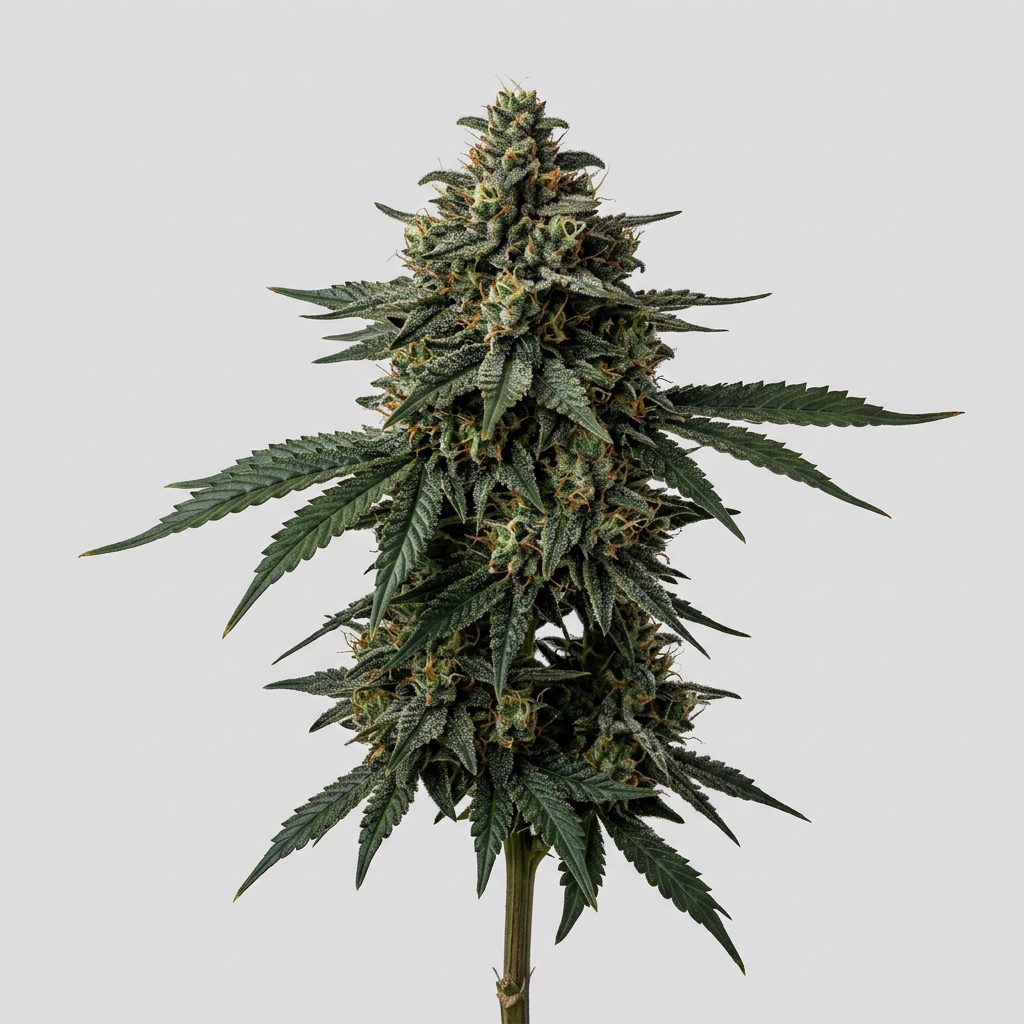
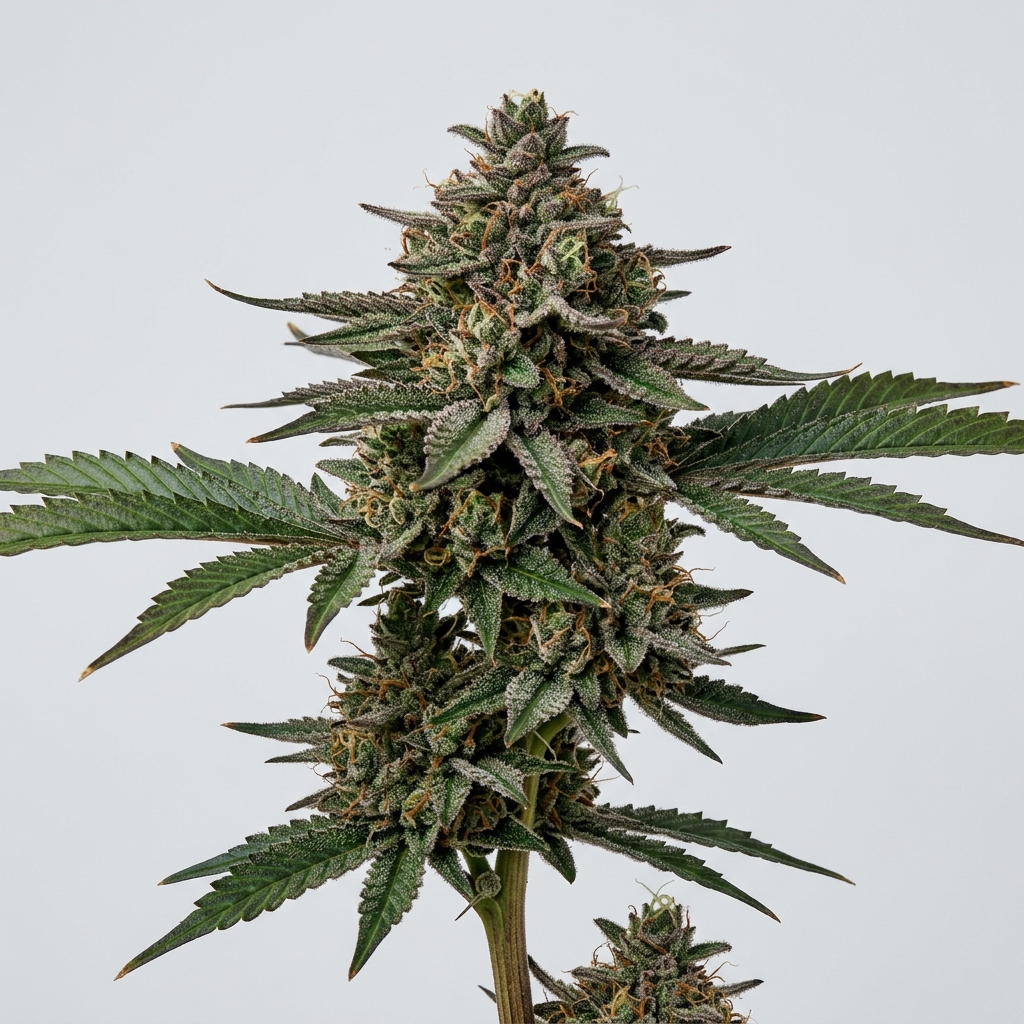
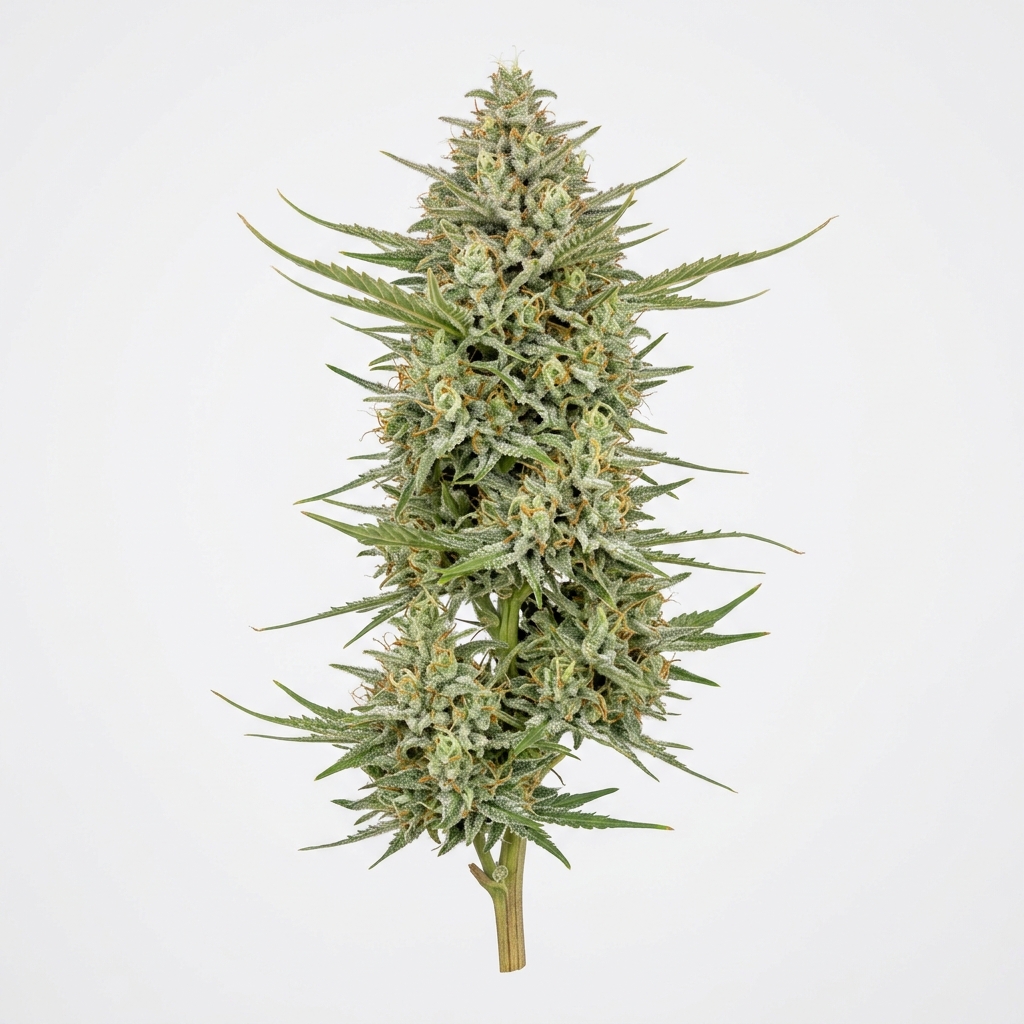
Botanically, Shining Silver Haze shows a classic Sativa-leaning morphology, characterized by thin-fingered fan leaves and a pronounced nodal stretch during early flower. The nodal spacing allows for excellent airflow through the canopy, reducing microclimate humidity risks in dense indoor rooms. Despite its Sativa dominance, the influence of Northern Light genetics manifests in slightly broader lower fan leaves and a sturdier main stem than pure landrace lines.
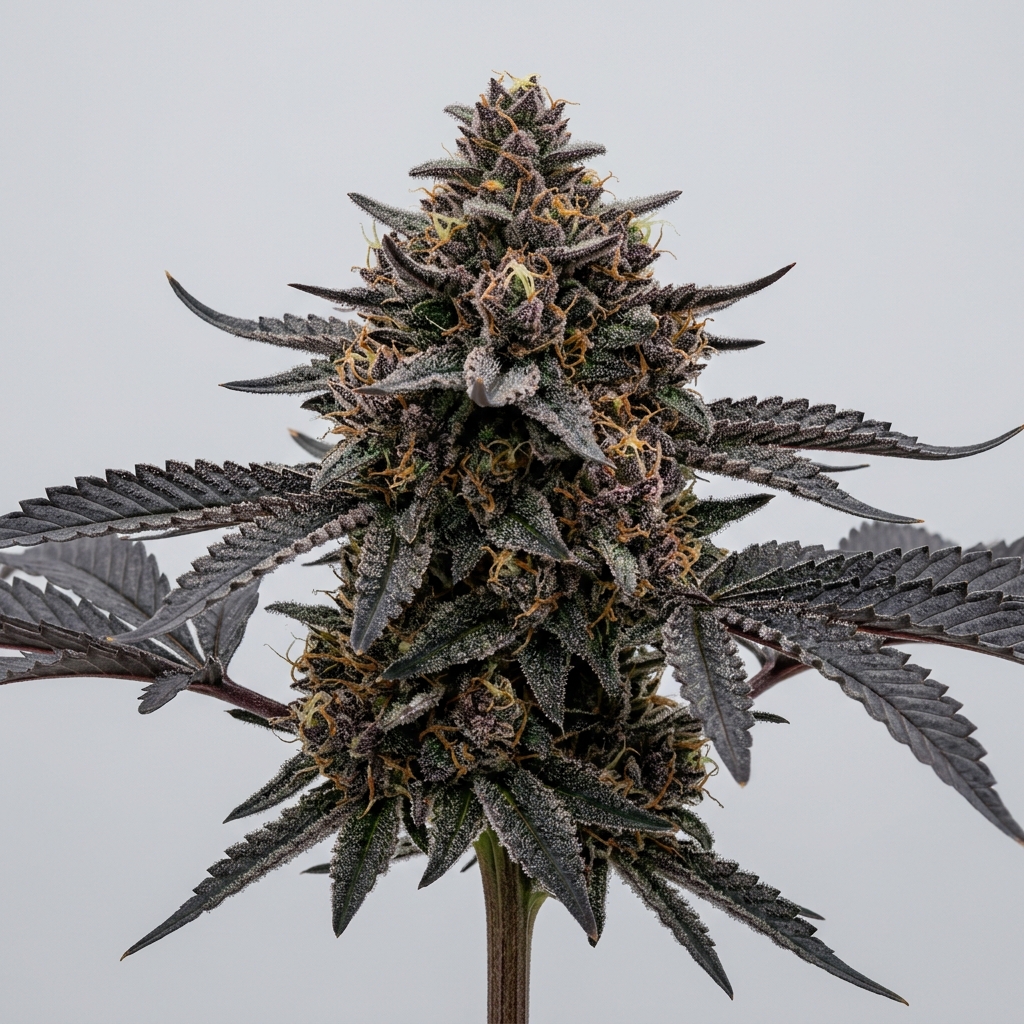
The inflorescence structure consists of elongated, spear-shaped colas composed of swollen calyxes that stack vertically. Trichome production is dense and uniform, with capitate-stalked resin glands covering both the bracts and the surrounding sugar leaves. This heavy resin coverage gives the mature flowers a reflective, silvery sheen that contrasts sharply with the pale green foliage.
The plant’s transpiration rate is high, requiring consistent air movement and a well-aerated root zone to support its rapid vegetative growth. Its nutrient uptake is moderate, showing sensitivity to nitrogen toxicity during the mid-to-late flowering phase. Maintaining a stable root-zone pH between 5.8 and 6.2 ensures optimal absorption of phosphorus and potassium as the colas swell.
Effects & Use-Cases (Reported)
Commonly reported effects: Users describe a rapid, cerebral-focused onset characterized by a sharp citrus lift and heightened sensory awareness. The physical sensation is generally light, leaving the limbs functional while promoting a clean, energetic mental state.
Use-case context: This profile is well-suited for daytime activities, creative projects, or social environments where clarity is preferred over heavy sedation. It is frequently selected by those seeking to maintain focus without the physical heaviness associated with indica-dominant hybrids.
Please note: Individual sensitivity to high-THC sativa cultivars varies; some individuals may experience mild physical tension or elevated alertness if consumed in high doses.
Aroma & Flavors
Aroma: A pungent blend of sweet lemon zest and sharp pine, underpinned by an earthy, herbal spice that intensifies upon grinding.
Flavor: The smoke is clean and expansive, offering a dominant tart gas and citrus peel flavor on the inhale, followed by a dry, woody mint finish.
Terpene associations: Lab reports typically show a dominance of terpinolene, supported by secondary levels of beta-caryophyllene, myrcene, and limonene.
Tested Cannabinoid & Terpene Ranges
| Compound | Typical Range |
|---|---|
| Δ9-THC | 18.0% – 22.0% |
| CBD | < 0.1% |
| CBG | 0.5% – 1.2% |
| Terpinolene | 0.4% – 0.8% |
| Beta-Caryophyllene | 0.2% – 0.5% |
| Myrcene | 0.1% – 0.4% |
| Limonene | 0.1% – 0.3% |
Note: Cannabinoid and terpene profiles are highly variable and depend heavily on cultivation methods, curing protocols, and specific phenotype selections.
Cultivation Notes
- Humidity: Maintain vegetative relative humidity at 55-60%, dropping to 45-50% during mid-flower, and further reducing to 40% in the final two weeks to protect the long colas from moisture retention.
- Nutrition: Keep nitrogen levels moderate during early flower to prevent excessive stretching; transition to a phosphorus-rich feeding schedule by week four.
- Training: Responds exceptionally well to Screen of Green (ScrOG) systems, topping, and low-stress training (LST) to manage height and maximize light penetration across the canopy.
- Harvest: Monitor trichome maturity closely; harvest when the resin heads transition from clear to mostly milky with about 10% amber for a balanced functional effect.
- Phenotype management: Expect some variation in stretch; select phenotypes that show tighter internodal spacing and early resin development for indoor cultivation.
Grower Notes (Week-by-Week Snapshot)
- Weeks 1–3: The transition to 12/12 triggers a significant stretch, often doubling or tripling the plant’s height. Apply light training or tucking under a trellis net to establish an even canopy.
- Weeks 4–6: Elongated flower clusters begin to form along the branches, developing a light dusting of glassy trichomes. Ensure lower fan leaves are selectively defoliated to maintain airflow through the lower third of the plant.
- Weeks 7–9: The colas fill out, stacking dense bracts that emit a sharp, sweet lemon and pine scent. Reduce nitrogen inputs and monitor the canopy distance to prevent light bleaching on the upper colas.
- Post-Harvest: Hang dry the whole plant at 60°F (15°C) and 60% relative humidity for 10 to 14 days. A slow, controlled dry preserves the delicate monoterpenes, followed by a minimum of three weeks in airtight glass jars to lock in the terpene clarity.
Genetic Lineage
The heritage of Shining Silver Haze traces back to the foundational breeding efforts of Northern European seed banks that sought to tame the long flowering times of equatorial sativa landraces. By crossing a select Haze female with a highly stable hybrid of Skunk #1 and Northern Light, breeders successfully anchored the sativa’s soaring qualities to a more manageable flowering frame. This genetic combination preserves the complex organoleptic qualities of the Haze parent while borrowing the structural density and resin potential of its indica-dominant ancestors.
This specific breeding lineage ensures that the offspring exhibit high hybrid vigor and a more predictable growth pattern than pure Haze cultivars. The Skunk integration contributes to the overall bud density and yield, while the Northern Light genetics introduce a heavy resin-producing trait that covers the long flower spears in a thick, protective coat of wet frost.
Research Insights
Analytical testing of Shining Silver Haze frequently highlights a high concentration of the monoterpene terpinolene, a compound often associated with active, clear-headed sativa profiles. When combined with secondary levels of beta-caryophyllene and limonene, this terpene profile interacts with Δ9-tetrahydrocannabinol to modulate the overall sensory experience, steering it away from physical lethargy. Research into these specific terpene ratios suggests they play a key role in maintaining the clean, functional focus reported by consumers.
Additionally, the presence of minor cannabinoids such as cannabigerol (CBG) in mature flowers has drawn interest from researchers studying the diversity of classic haze hybrids. The co-expression of CBG alongside a moderate-to-high THC concentration is typical of long-flowering cultivars that undergo prolonged trichome development. This slow maturation allows for a complex chemical synthesis within the secretory cavity of the trichome head, resulting in a highly stable and aromatic end product.
Frequently Asked Questions
How long does Shining Silver Haze take to flower?
Indoors, this cultivar typically requires 9 to 11 weeks of flowering to reach peak maturity. Harvesting too early can diminish both the yield and the complexity of the citrus-haze terpene profile.
Is this strain suitable for novice growers?
Due to its significant stretch and sensitivity to over-watering and high nitrogen, it is generally recommended for growers with some experience in canopy management and nutrient regulation.
What is the typical height of this plant?
Indoors, it can be kept between 80 to 120 centimeters with proper training. Outdoors in ground soil, it can easily reach heights of 180 to 220 centimeters, requiring support stakes for the heavy branches.
What are the dominant flavors of Shining Silver Haze?
The flavor profile is characterized by a sharp, tart citrus inhale with a sweet, woody pine undertone and a clean, herbal mint finish.
Educational Disclaimer
This content is provided for informational and educational purposes only. It is not intended to provide medical advice or encourage illegal cultivation. Always consult local laws and regulations regarding the cultivation and use of cannabis products in your jurisdiction.
Rate and review this strain
Ratings and reviews are accepted only from signed-in Google accounts.
Sign in with Google to leave a rating and written review.
Latest Reviews
0 reviewsNo reviews yet. Be the first Google user to rate and review this strain.