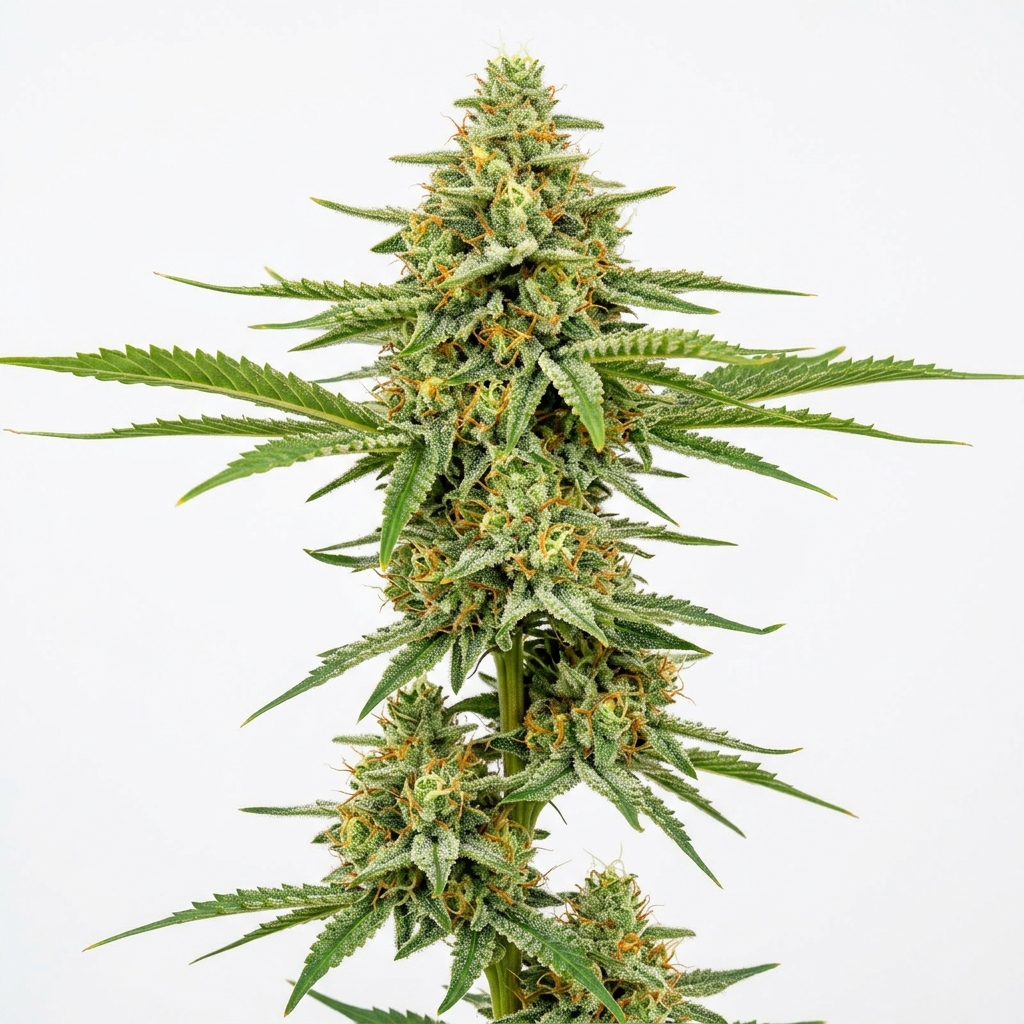
Strawberry Lemonade (Cannabis Strain)
Strawberry Lemonade is a premium sativa-dominant hybrid, typically testing between 18% and 24% THC, created by crossing the legendary Strawberry Cough with the potent Lemon OG. This cultivar is highly regarded for its distinctive strawberry-citrus aroma, wet frost resin production, and a moderately stretched growth habit that yields long, resin-rich spear colas. It functions as a bright, daytime sensory hybrid, offering clear-headed energy paired with a subtle, grounding physical relaxation that avoids heavy sedation.
Cultivators and extraction artists favor this strain for its terpene clarity and the unique way it balances sweet fruit notes with a sharper, gassy undertone. While it shows classic sativa structural traits, the influence of its OG parentage ensures the buds remain dense, heavy, and structurally sound. It has become a staple in modern gardens where flavor profile and washability are prioritized.
Quick Facts
| Attribute | Details |
|---|---|
| Genetics | Strawberry Cough × Lemon OG |
| Variety | Sativa-dominant Hybrid |
| THC Range | 18% – 24% |
| Flowering Time | 9 – 10 weeks |
| Yield Potential | Moderate to High |
| Plant Height | Medium to Tall |
| Climate Preference | Warm, temperate, low late-flower humidity |
| Difficulty | Moderate |
Scientific & Botanical Overview
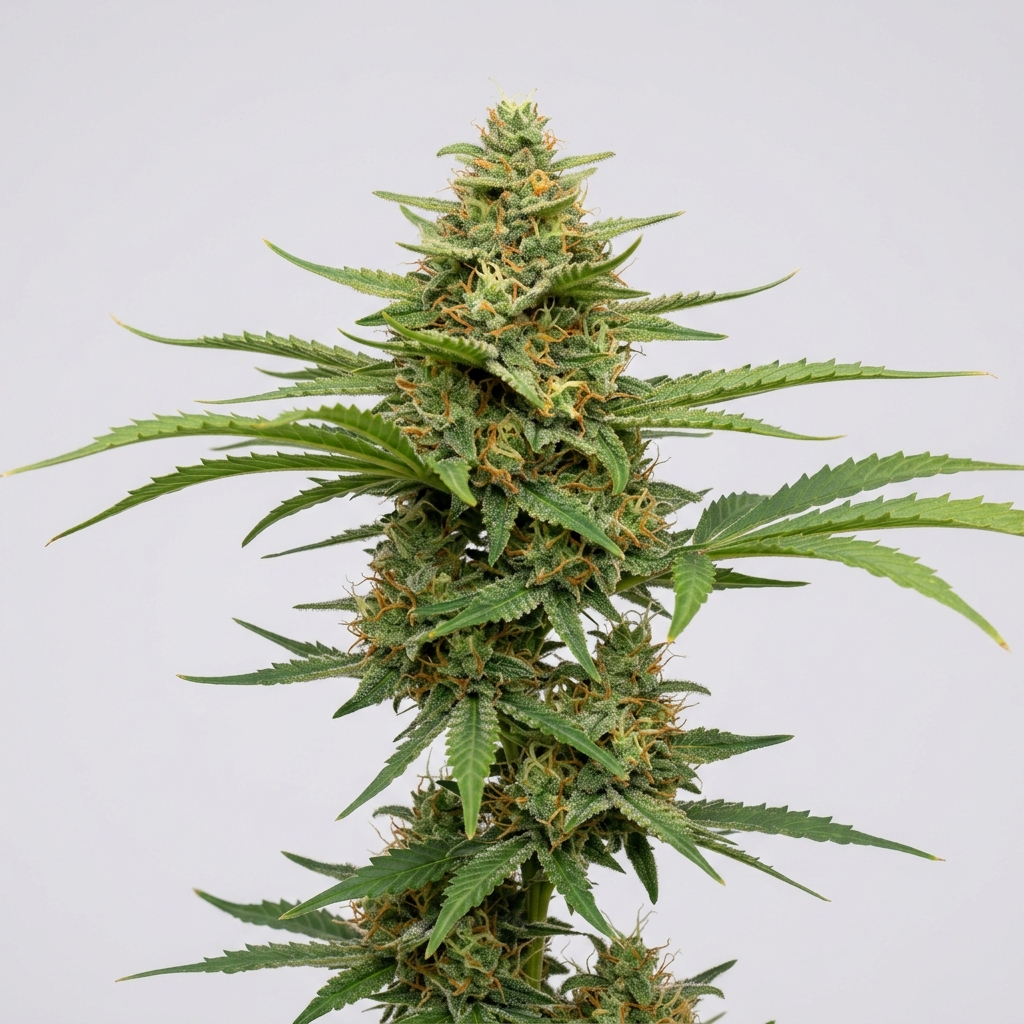
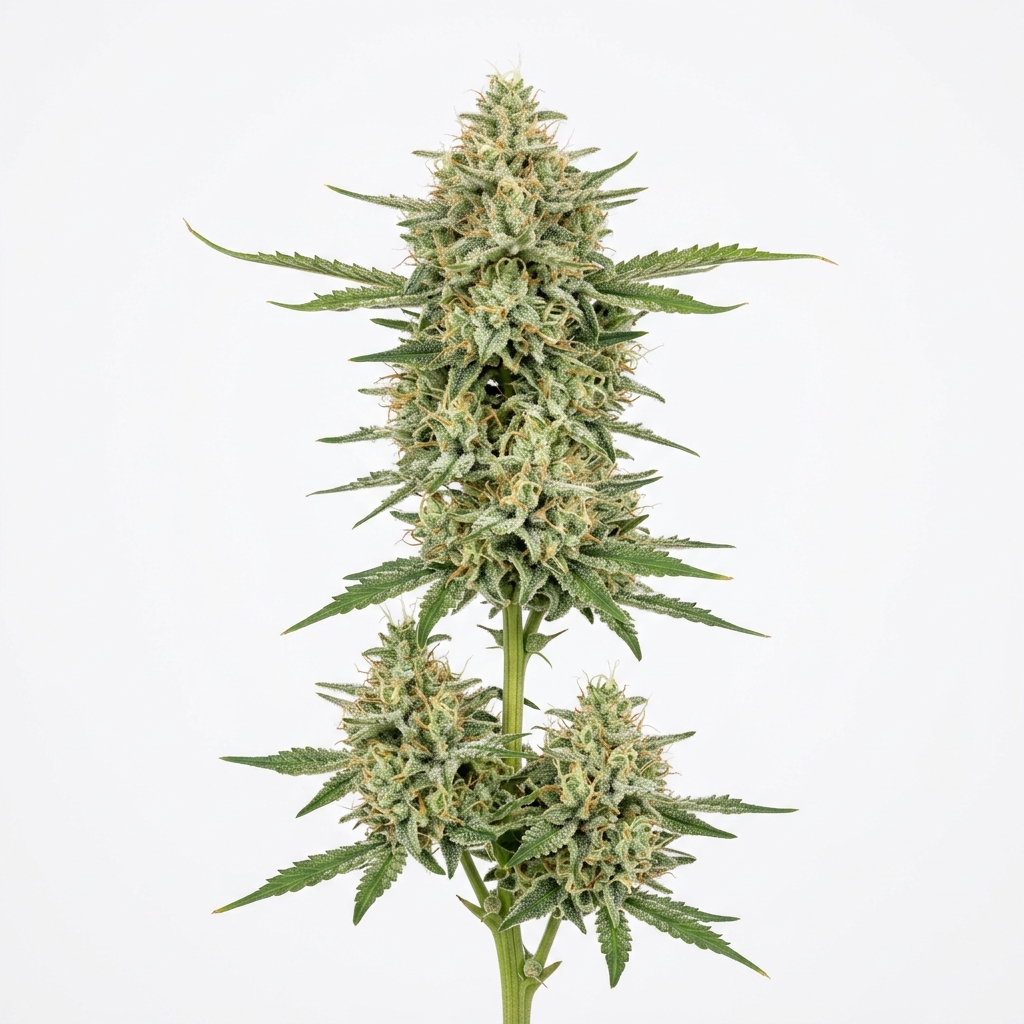
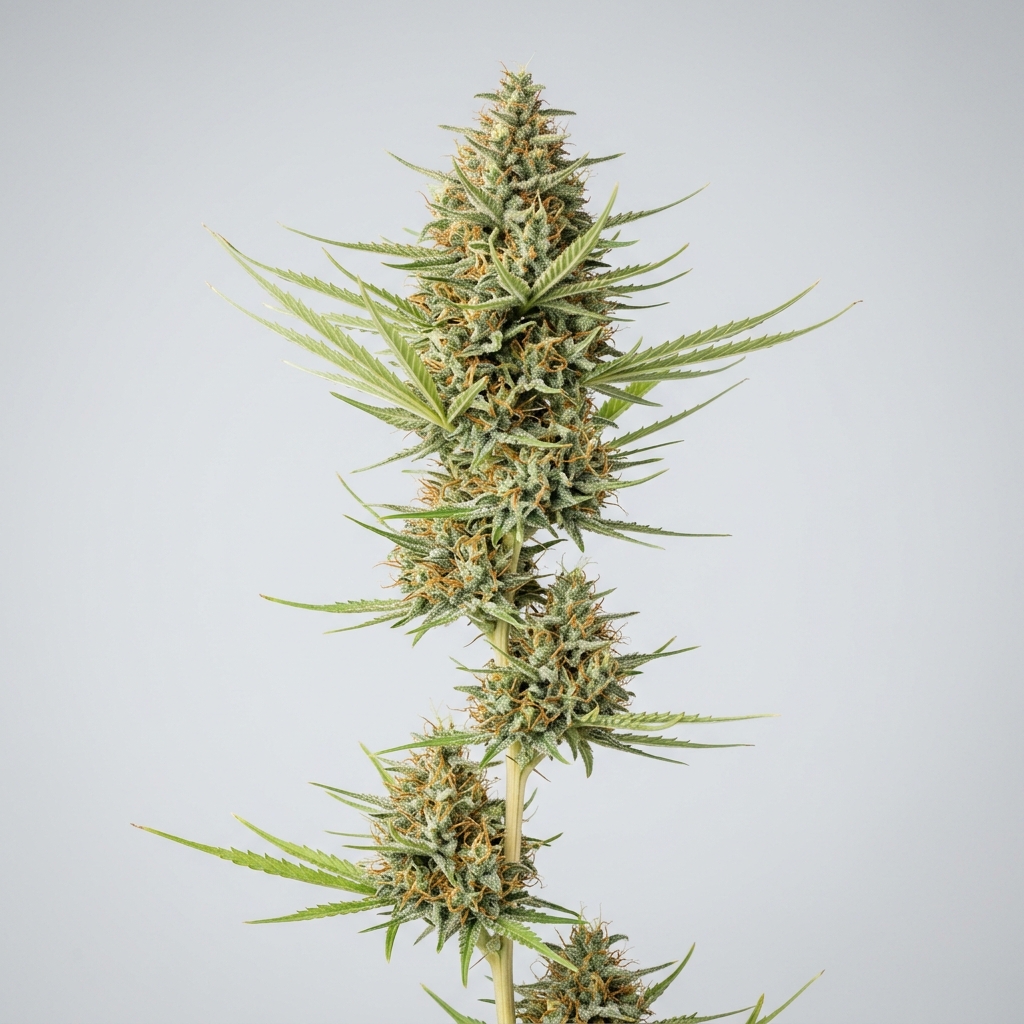
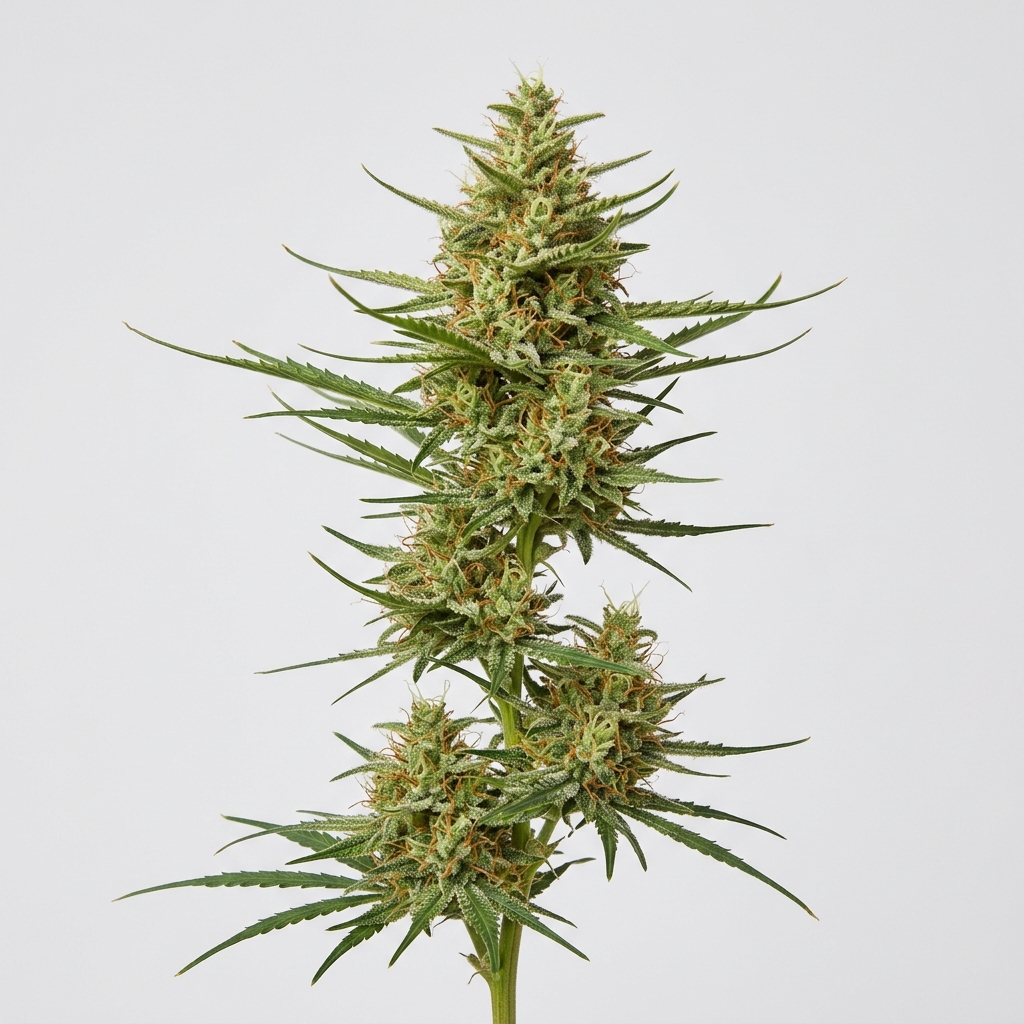
Botanically, Strawberry Lemonade expresses a classic hybrid morphology, leaning visual cues from its sativa heritage. The plants display broad fan leaves with thin, elongated leaflets, establishing a semi-open canopy that allows for decent light penetration. Despite the typical sativa stretch, the internodal spacing remains manageable, resulting in continuous, stacked flower clusters rather than isolated popcorn buds.
The buds themselves are composed of dense bracts and swollen calyxes that mature into glassy, resin-coated spears. Trichome development is highly concentrated, featuring prominent capitate-stalked glands that preserve volatile monoterpenes. As the plant approaches maturity, the pistils shift from a bright cream to a deep, burnt orange, set against a backdrop of lime-green foliage.
Environmental adaptation is a key strength of this cultivar, though it demands attention during the final stages of flower. The density of the upper colas makes them sensitive to moisture retention, requiring strict environmental parameters. Maintaining a dry, warm microclimate prevents common late-stage botanical issues and ensures optimal terpene development.
Effects & Use-Cases (Reported)
Commonly reported effects: Users frequently report a rapid, clear-headed mental lift accompanied by an increase in sensory awareness and focus. This initial cerebral stimulation gradually softens into a relaxed physical state, allowing for physical mobility without heavy sedation or muscle lock.
Use-case context: This profile makes the strain highly suitable for daytime creative projects, outdoor activities, or social settings where mental clarity is required. It is often chosen by those looking to maintain a functional routine while enjoying a noticeable shift in mood and focus.
Note: Individual physiological responses can vary significantly. Higher dosages may shift the experience toward a more pronounced physical heaviness, depending on personal tolerance and the specific phenotype grown.
Aroma & Flavors
Aroma: The initial nose is dominated by fresh, sweet strawberry notes, quickly followed by a sharp, zesty lemon punch. A deeper sniff reveals a subtle, earthy kush base with a hint of spicy pine, adding complexity to the dominant fruit profile.
Flavor: On the inhale, the palate experiences a sugary strawberry candy flavor. The exhale is significantly sharper, leaving a clean, tart citrus zest and a mild, gassy finish that lingers on the tongue.
Terpene associations: Analytical testing shows a high concentration of terpinolene, supported by secondary levels of myrcene and caryophyllene, which drive the sweet-and-sour aromatic contrast.
Tested Cannabinoid & Terpene Ranges
| Compound | Typical Range |
|---|---|
| Δ9-THC | 18.0% – 24.0% |
| CBG | 0.4% – 1.1% |
| Terpinolene | 0.5% – 0.9% |
| Myrcene | 0.3% – 0.7% |
| Caryophyllene | 0.2% – 0.5% |
Note: Cannabinoid and terpene levels are highly variable and depend heavily on the specific phenotype, cultivation environment, nutrient regimen, and post-harvest curing process.
Cultivation Notes
- Humidity control: Keep relative humidity (RH) below 45% during the final three weeks of flower to protect the dense spear colas from internal moisture buildup.
- Nutrition: Responds well to a moderate, steady nutrient feed. Avoid over-feeding nitrogen during early flower to prevent excessive stretching and loose bud structure.
- Training: Implementing low-stress training (LST) or topping early in the vegetative cycle helps manage the height and encourages a more uniform, flat canopy.
- Harvest timing: Look for amber trichome development on the calyxes rather than the sugar leaves, typically occurring around day 65 of flowering.
- Phenotype management: Select for phenotypes that display strong lateral branching and a pronounced strawberry-gas aroma during early vegetative stem rubs.
Grower Notes (Week-by-Week Snapshot)
- Weeks 1–3 (Transition & Stretch): Plants exhibit a noticeable vertical stretch, often doubling in height. Ensure trellis netting is in place early to support the incoming lateral branches and manage canopy height.
- Weeks 4–6 (Bud Formation & Resin): Elongated spear-shaped colas begin to form, and the first signs of wet frost appear on the calyxes. The aroma transitions from a generic green plant smell to a sweet, tart citrus.
- Weeks 7–9 (Ripening & Flush): Bud density increases significantly. Reduce nitrogen input and begin a gradual flush in the final week to preserve the clean, delicate terpene profile.
- Post-Harvest (Dry & Cure): A slow dry at 60°F (15°C) and 60% relative humidity for 10 to 14 days is critical to locking in the delicate strawberry and lemon monoterpenes.
Genetic Lineage
Strawberry Lemonade is bred by crossing the legendary Strawberry Cough with the heavy-hitting Lemon OG. This pairing brings together the sweet, uplifting sativa qualities of the Cough with the fuel-forward structure and resin production of the OG Kush family. The resulting hybrid retains the distinct berry sweetness of its maternal line while gaining a sharper, more complex citrus profile and improved bud density from the paternal side.
This genetic combination has proven highly stable, with most phenotypes expressing the desired balance of sweet fruit and tart gas. The lineage also contributes to a more manageable growth habit than pure sativas, making it accessible to growers who operate in height-restricted indoor spaces but still want a classic sativa-dominant harvest.
Research Insights
Analytical testing of Strawberry Lemonade frequently reveals a high concentration of terpinolene, a relatively rare dominant terpene in modern commercial hybrids. This compound, when combined with moderate levels of myrcene, contributes to the strain’s characteristically bright, clear-headed sensory profile without inducing heavy lethargy. The presence of these specific monoterpenes suggests a unique interaction with the endocannabinoid system, enhancing the overall functional utility of the strain.
Additionally, some phenotypes express notable levels of minor cannabinoids like CBG. Researchers and breeders continue to study this specific terpene-cannabinoid synergy to understand its role in daytime focus, mood elevation, and physical relaxation. The stability of these chemical profiles makes Strawberry Lemonade an excellent subject for ongoing cannabinoid research.
Frequently Asked Questions
Is Strawberry Lemonade a sativa or indica?
Strawberry Lemonade is a sativa-dominant hybrid, typically exhibiting a 70/30 sativa-to-indica ratio. It combines the uplifting mental effects of Strawberry Cough with the denser bud structure of Lemon OG.
How long does Strawberry Lemonade take to flower?
This cultivar typically requires a flowering period of 9 to 10 weeks (63 to 70 days) when grown indoors, depending on the specific phenotype and environmental conditions.
What does Strawberry Lemonade smell like?
The strain has a highly pronounced aroma of fresh strawberries and sharp lemon zest, backed by a subtle, earthy, and slightly gassy kush undertone.
Is Strawberry Lemonade difficult to grow?
It is considered a moderate-difficulty strain to cultivate. While it stretches significantly during early flower, its height can be managed easily with basic training techniques like topping and trellising.
Educational Disclaimer
This article is for educational and informational purposes only. Cannabis laws and regulations vary by jurisdiction. Always consult with a qualified professional before undertaking any cultivation or consumption practices.
Rate and review this strain
Ratings and reviews are accepted only from signed-in Google accounts.
Sign in with Google to leave a rating and written review.
Latest Reviews
0 reviewsNo reviews yet. Be the first Google user to rate and review this strain.