Brazil Amazonia (Cannabis Strain)
Brazil Amazonia is a classic pure landrace sativa originating from the dense canopy of the Amazon basin. Typically testing between 15% and 20% THC, this cultivar is highly regarded for its sweet, tropical fruit aroma, woody undertones, and vigorous vegetative growth. Unlike modern polyhybrids, it retains the wild, resilient growth characteristics of its native habitat, producing elongated, airy colas coated in a fine layer of greasy resin.
Historically preserved by indigenous populations and later selected by preservationist breeders, this strain is celebrated for its clean, energetic, and cerebral effects. Its evolutionary adaptation to high-humidity environments makes it a valuable asset for breeders seeking to introduce natural mold and pest resistance into contemporary genetic lines.
Quick Facts
| Attribute | Details |
|---|---|
| Genetics | Pure South American Landrace (Amazon Basin) |
| Variety | Sativa (100%) |
| THC Range | 15% – 20% |
| Flowering Time | 10 – 12 Weeks (70 – 85 Days) |
| Yield Potential | Moderate to High (Phenotype Dependent) |
| Plant Height | Tall (Significant Stretch) |
| Climate Preference | Warm, Humid, Tropical |
| Difficulty | Moderate to Experienced (Height Control) |
Scientific & Botanical Overview
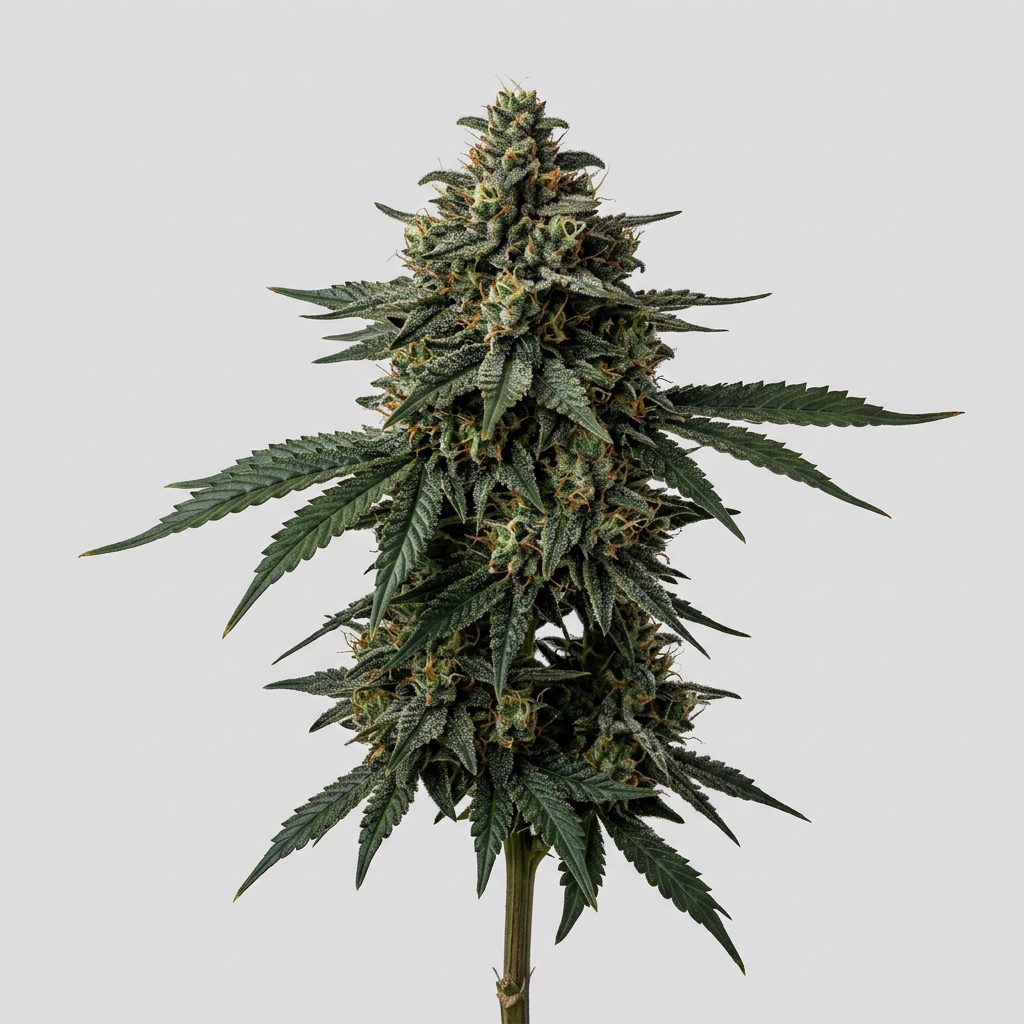
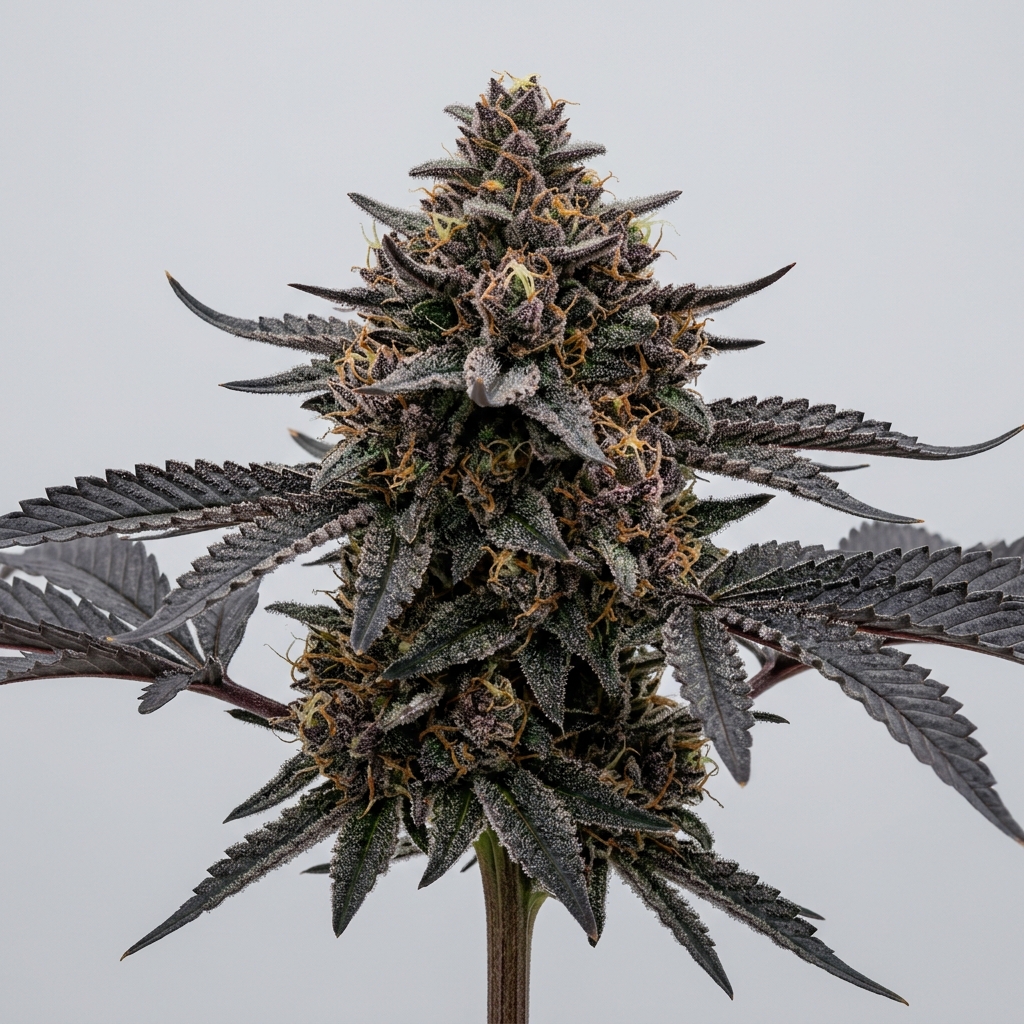
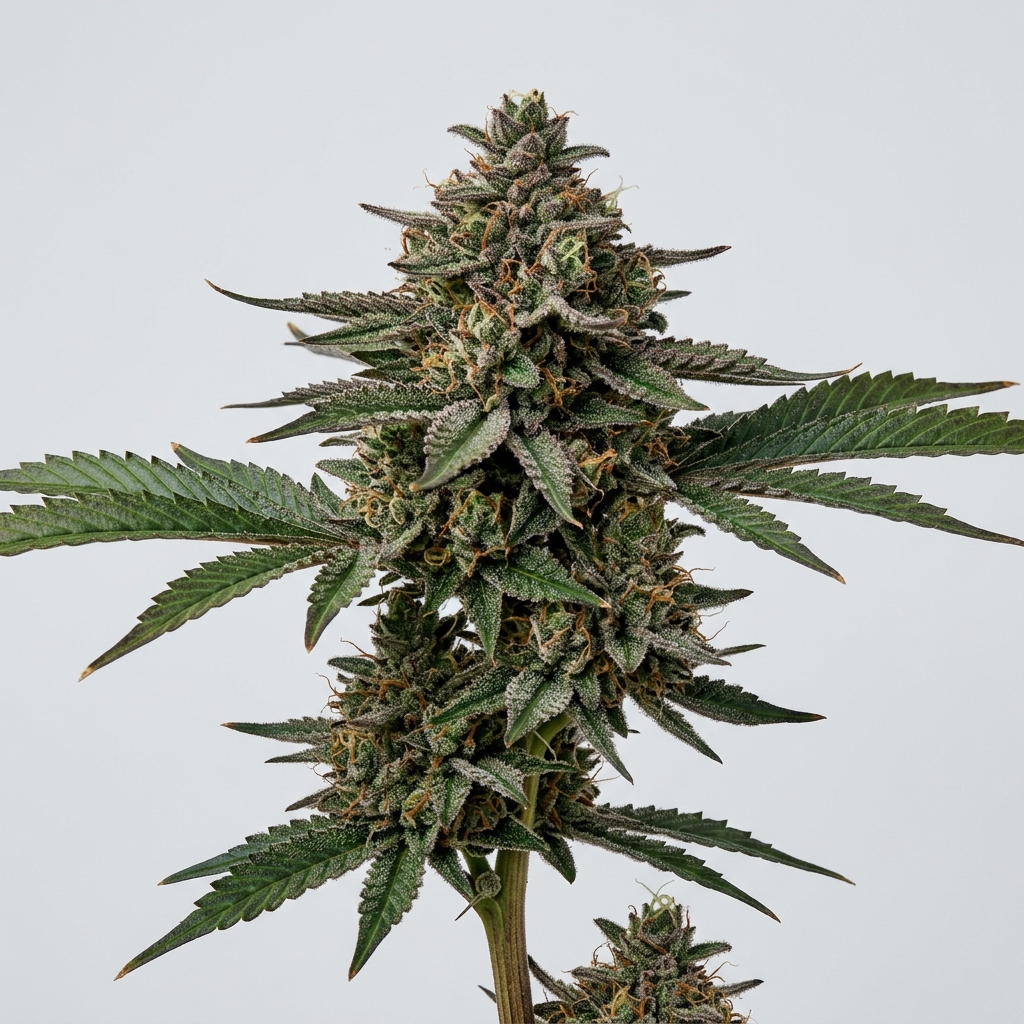
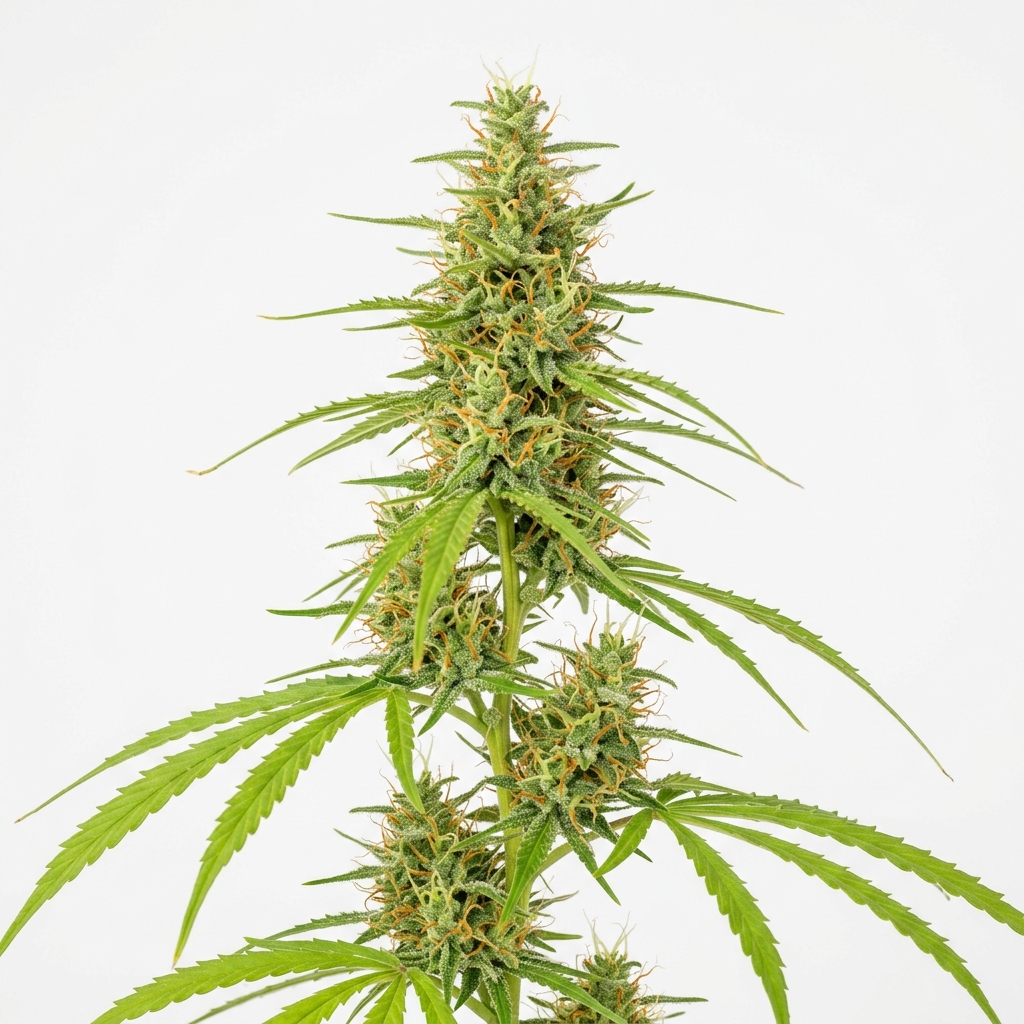
Morphologically, this cultivar displays classic tropical sativa traits. It features wide internodal spacing, thin-fingered fan leaves, and a flexible, slender branch structure designed to sway in heavy jungle winds without snapping. The plant stretches aggressively once flipped to a flowering light cycle, often doubling or tripling in size.
The floral structure consists of loose, elongated spear colas rather than dense, rounded clusters. This open, airy bud architecture is an evolutionary adaptation that prevents moisture retention, allowing air to circulate freely through the bracts. The trichomes are small but densely packed, producing a slick, thin resin layer rather than the thick, sticky paste found in indica-dominant cultivars.
Horticultural observations indicate a high tolerance for elevated temperatures and humidity. While modern indoor setups must manage its height, the plant thrives when given root space to expand, exhibiting a robust root system that efficiently processes organic nutrients.
Effects & Use-Cases (Reported)
Commonly reported effects: Uplifting, energetic, cerebral, and highly creative. Users frequently describe a clear-headed, soaring sensation that lacks the heavy physical sedation associated with modern hybrids.
Use-case context: Ideal for daytime activities, social settings, artistic endeavors, or outdoor physical recreation. The lack of physical heaviness makes it a favorite for morning or afternoon consumption.
Please note: Pure sativa landraces containing active concentrations of specific terpenes can occasionally induce mild physical stimulation or restlessness in individuals sensitive to energetic cultivars.
Aroma & Flavors
Aroma: Sweet tropical fruit, damp forest floor, and a sharp, spicy cedar undertone that intensifies when the buds are broken apart.
Flavor: Bright citrus and sweet berry on the inhale, transitioning to a dry, woody, and slightly bitter herbal finish on the exhale.
Terpene associations:
Myrcene provides the earthy, herbal foundation, while caryophyllene adds a subtle spice, and pinene contributes the sharp, fresh forest finish.
Tested Cannabinoid & Terpene Ranges
| Compound | Typical Range |
|---|---|
| Δ9-THC | 15.0% – 20.0% |
| CBD | < 0.2% |
| Myrcene | 0.4% – 0.8% |
| Caryophyllene | 0.2% – 0.5% |
| Pinene | 0.15% – 0.4% |
Note: Cannabinoid and terpene percentages are highly variable and depend heavily on environmental factors, cultivation techniques, and specific phenotype selections.
Cultivation Notes
- Humidity Management: Highly tolerant of high humidity during early growth, but late-flower humidity should be kept under 50% indoors to protect the elongated colas during the final swelling phase.
- Nutrient Requirements: Sensitive to heavy nitrogen feeding. Keep nutrient levels light to moderate, as landraces are prone to nutrient burn under aggressive commercial feeding schedules.
- Training Techniques: Low-stress training (LST) and Screen of Green (ScrOG) methods are highly recommended to control the significant vertical stretch when grown indoors.
- Pruning: Regular defoliation of lower fan leaves improves airflow through the dense vegetative canopy, maximizing light penetration to lower bud sites.
- Harvest Window: Sativa landraces require patience; harvesting too early will diminish the characteristic cerebral potency. Wait for the trichome heads to turn fully milky with minimal amber.
Grower Notes (Week-by-Week Snapshot)
- Weeks 1 – 3 (Vegetative Phase): Rapid root development and explosive vertical growth. Implement early topping or training to establish a flat, manageable canopy.
- Weeks 4 – 6 (Early Flowering): The stretch phase begins in earnest. Internodes will widen significantly. Secure branches to stakes or trellis netting to prepare for the weight of the developing colas.
- Weeks 7 – 9 (Mid-Flowering): Pistils will emerge in long, white clusters. Bud structures remain loose and airy. Keep nitrogen levels low and increase phosphorus and potassium slightly.
- Weeks 10 – 12 (Late Flowering & Cure): Trichome production peaks, coating the calyxes in a greasy, wet frost. Pistils will darken to a deep orange-red. Execute a thorough two-week flush, followed by a slow, 14-day dry at 60°F and 60% relative humidity.
Genetic Lineage
This cultivar is a direct descendant of the native Brazilian landrace sativas found in the Amazonian basin. These wild populations adapted over centuries to thrive in humid, tropical rainforest conditions, developing a natural resistance to mold and pests that modern indoor hybrids often lack.
Preserved by local growers and later selected by European breeders, it represents an unhybridized genetic pool. It is frequently utilized in breeding projects to introduce vigor, mold resistance, and clean, uplifting sativa traits back into highly inbred modern gene pools.
Research Insights
Scientific interest in landrace genetics focuses on the preservation of original terpene and cannabinoid ratios. The natural dominance of myrcene combined with pinene in this cultivar provides a distinct, clear-headed cognitive experience that differs from the heavier, more sedative profiles of modern high-THC hybrids.
Furthermore, agricultural researchers value the plant’s physical adaptations. Its natural resistance to environmental pathogens like botrytis (bud rot) offers valuable genetic markers for developing disease-resistant commercial cultivars for high-humidity climates.
Frequently Asked Questions
What is the flowering time of Brazil Amazonia?
This pure sativa has a relatively long flowering cycle, typically requiring between 10 and 12 weeks (70 to 85 days) to reach full maturity when grown indoors.
Is Brazil Amazonia suitable for indoor cultivation?
Yes, but it requires active height management. Because of its native landrace genetics, it stretches aggressively during the early flowering phase, making training techniques like ScrOG or LST essential.
What does the aroma profile of this strain smell like?
It features a complex, tropical aroma characterized by sweet fruit notes, damp forest earth, and a sharp, spicy cedar finish on the exhale.
Is this a pure landrace strain?
Yes, it is a selection of a pure South American landrace sativa originating from the Amazon basin, preserved without hybridization with indica or ruderalis genetics.
Educational Disclaimer
This profile is intended solely for educational, historical, and botanical reference purposes. Local laws regarding the cultivation, possession, and use of cannabis vary widely; always consult your local regulations before embarking on any cultivation project.
Rate and review this strain
Ratings and reviews are accepted only from signed-in Google accounts.
Sign in with Google to leave a rating and written review.
Latest Reviews
0 reviewsNo reviews yet. Be the first Google user to rate and review this strain.