Kilimanjaro (Cannabis Strain)
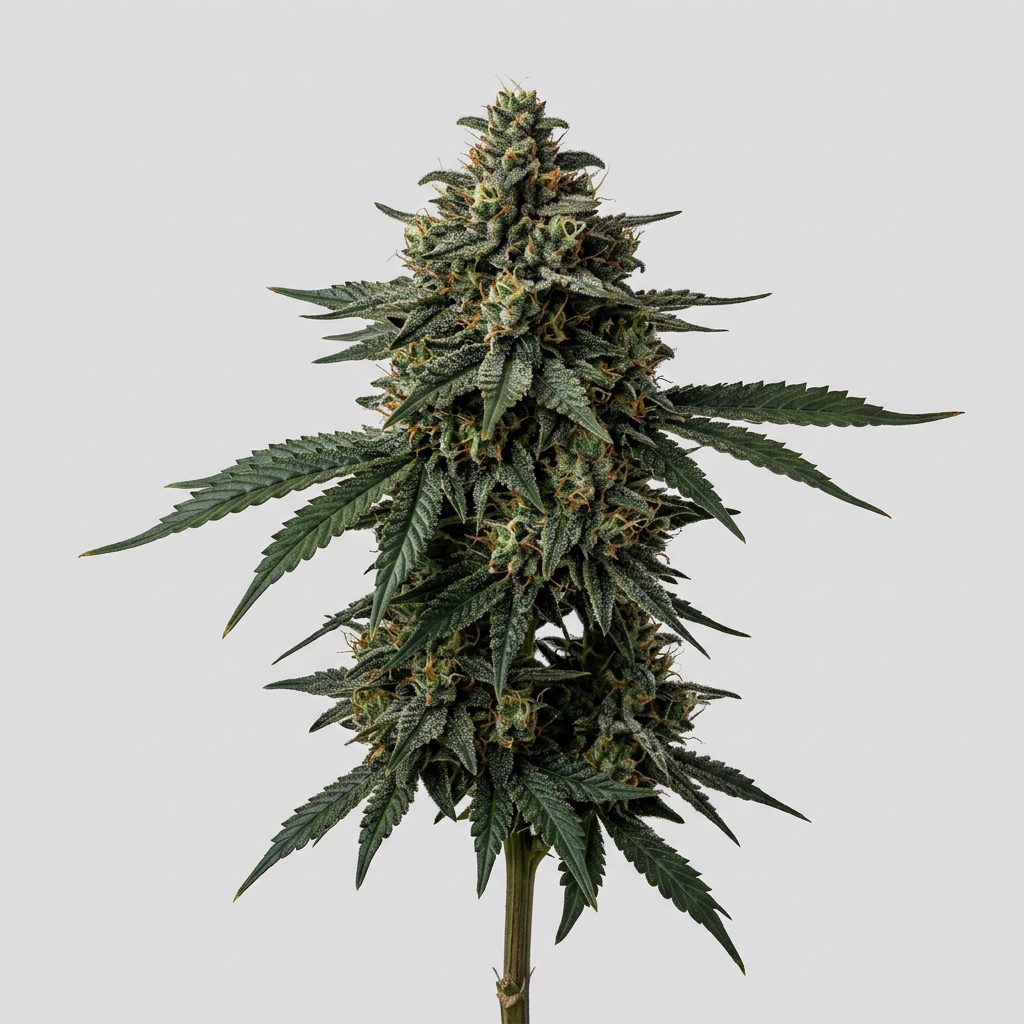
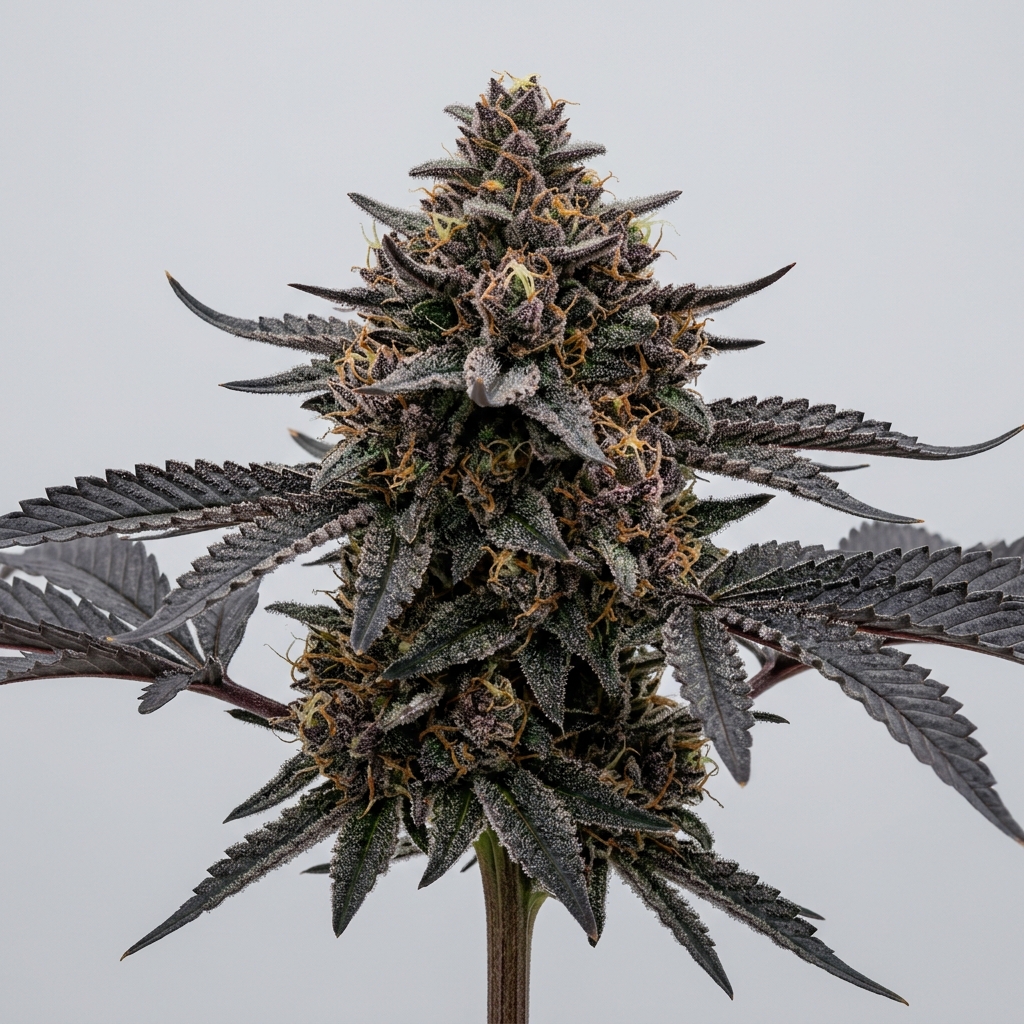
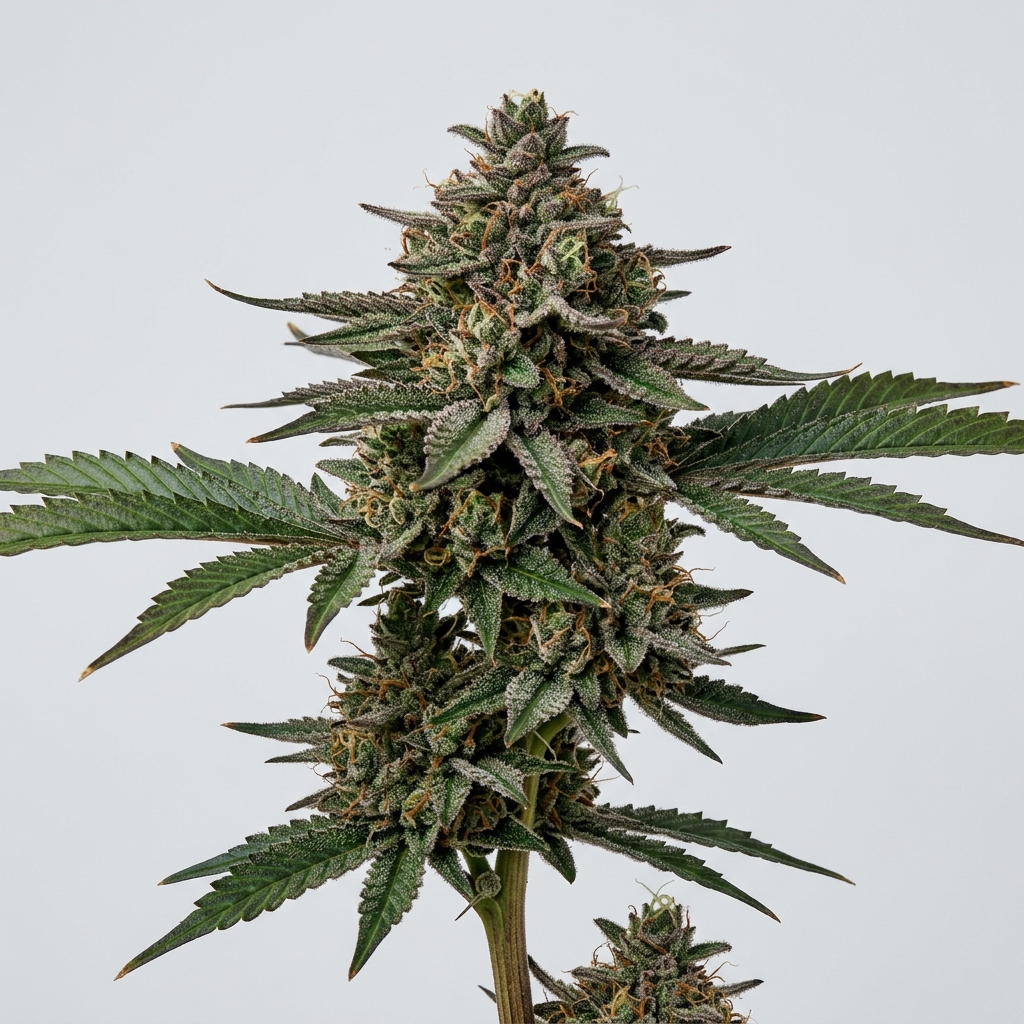
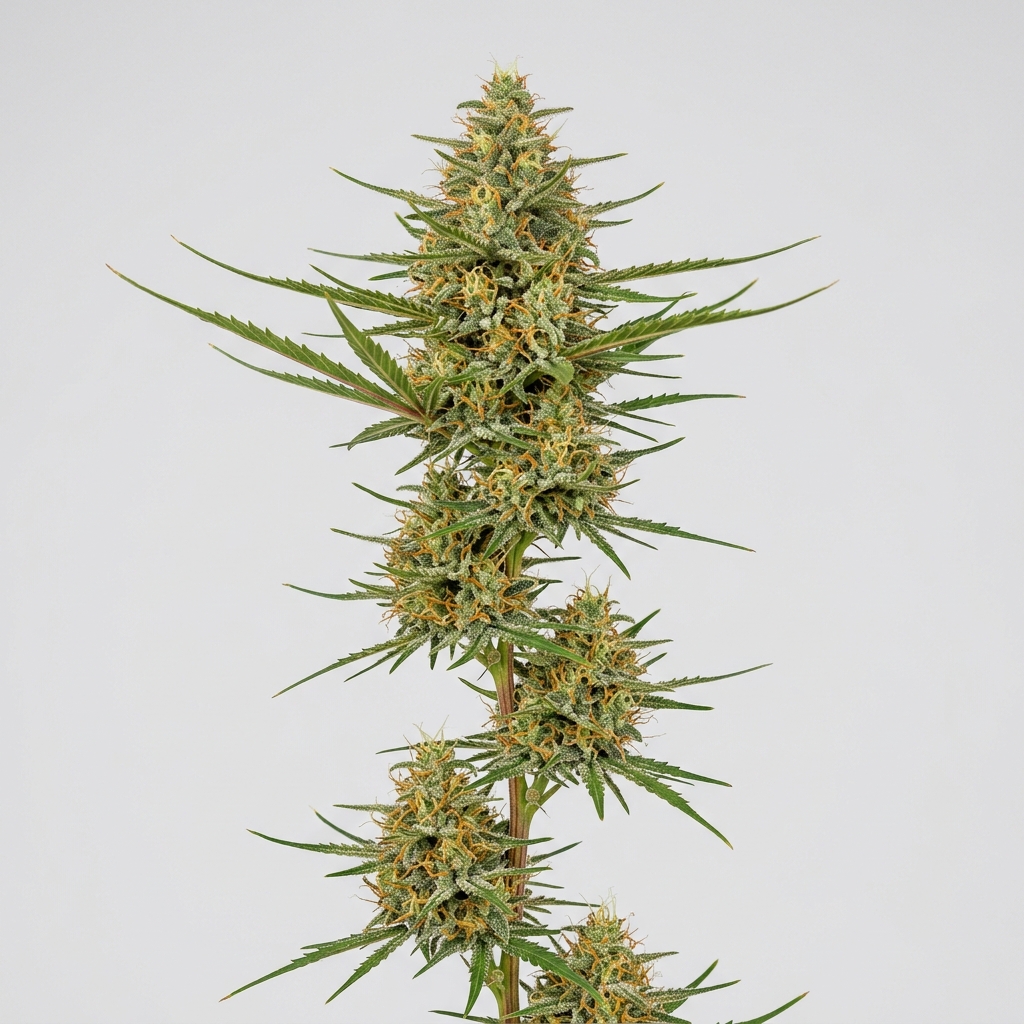
Kilimanjaro is a legendary pure landrace sativa originating from the eastern slopes of Mount Kilimanjaro, typically producing a THC range of 15% to 20% along with notable trace levels of THCV. Known for its electric, clear-headed stimulation and sharp citrus-herbal profile, this cultivar produces long, resin-rich spear colas with highly active, glassy trichomes. Growers should expect a classic wild sativa growth pattern characterized by a massive vertical stretch, thin fan leaves, and a demanding flowering window that rewards patience with a pure, unhybridized sensory profile.
Often referred to locally as “elephant flattener” due to its surprisingly heavy potency in its native regions, the strain has been preserved by breeders looking to capture landrace genetics. It stands out in contemporary gardens as a functional, daytime-oriented option that completely avoids the heavy physical sedation common in modern polyhybrids.
Quick Facts
| Metric | Details |
|---|---|
| Genetics | Pure Sativa Landrace (Kenya) |
| Variety | 100% Sativa |
| THC Range | 15% – 20% |
| Flowering Time | 10 – 12 Weeks |
| Yield Potential | Moderate to High |
| Plant Height | Very Tall (Significant Stretch) |
| Climate Preference | Warm, semi-arid, high-intensity light |
| Difficulty | Moderate to Experienced |
Scientific & Botanical Overview
Structurally, Kilimanjaro displays classic landrace morphology with extreme internodal spacing and thin, narrow-fingered fan leaves designed to maximize airflow in humid mountain regions. The plant produces long, airy spear colas rather than dense, rounded golf-ball buds, which naturally protects the flowers from late-season mold and moisture retention.
Its cellular structure is adapted to high-altitude UV exposure, leading to a high concentration of protective resin glands. The calyx-to-leaf ratio is relatively high, though the overall flower structure remains loose and open, allowing light to penetrate deep into the lower branches.
The resin produced by this cultivar is notably slick and glassy, rather than greasy or sticky, reflecting its high monoterpene and volatile terpene content. Under optimal conditions, the stems remain flexible but require structural support as the heavy, elongated colas begin to lean during the late flowering phase.
Effects & Use-Cases (Reported)
Commonly reported effects: Users frequently describe a rapid, clear-headed rush of mental energy, elevated focus, and a clean physical buzz without any heavy physical drag.
Use-case context: This cultivar is highly favored for early morning or daytime activities, creative tasks, and outdoor physical endeavors where mental clarity is essential.
Note: Because of its rapid onset and highly stimulating nature, individuals sensitive to fast-acting sativas should approach this landrace with caution to avoid over-stimulation.
Aroma & Flavors
Aroma: A sharp citrus lift dominates the initial jar opening, supported by notes of fresh pine needles, wet soil, and a dry woody undertone.
Flavor: The smoke delivers a crisp herbal taste on the inhale, transitioning to a spicy, peppery finish with a distinct lemon-rind tartness.
Terpene associations:
Terpinolene, Myrcene, and Pinene drive the aromatic profile, giving the strain its signature forest-like and incense-heavy qualities.
Tested Cannabinoid & Terpene Ranges
| Compound | Typical Range |
|---|---|
| Δ9-THC | 15.0% – 20.0% |
| THCV | 0.5% – 1.5% |
| Terpinolene | 0.4% – 0.8% |
| Myrcene | 0.3% – 0.6% |
| Pinene (Alpha/Beta) | 0.2% – 0.5% |
| Caryophyllene | 0.1% – 0.3% |
Note: Cannabinoid and terpene profiles are highly variable and depend heavily on environmental conditions, cultivation methods, and specific phenotype selections.
Cultivation Notes
- Humidity Management: Maintain lower relative humidity (40-45%) during the final four weeks of flowering to protect the elongated colas, even though the loose bud structure naturally resists bud rot.
- Nutrient Regimen: This landrace is highly sensitive to nitrogen toxicity; feed lightly throughout the vegetative stage and transition to a phosphorus-heavy mix early in the flowering cycle.
- Training Techniques: use low-stress training (LST) or a Screen of Green (ScrOG) setup early to manage the intense vertical stretch, which can easily triple the plant’s height after flipping to flower.
- Harvest Timing: Harvest when the trichomes are mostly milky with a small percentage of amber to preserve the uplifting, clear-headed sensory profile.
- Phenotype Variation: Expect significant height variations among seeds; select phenotypes that show slightly tighter internodes and earlier resin production for indoor setups.
Grower Notes (Week-by-Week Snapshot)
- Weeks 1-3 (Vegetative & Transition): The plant shows rapid vegetative growth with long, thin stems. Upon flipping the light cycle to 12/12, expect an immediate and aggressive stretch; pinch or top the main shoots early to encourage lateral branching.
- Weeks 4-6 (Early to Mid Flower): Long, white pistils begin to form along the elongated branches, creating wispy, spear-like structures. Resin production begins early on the small sugar leaves, giving off a faint herbal-citrus aroma.
- Weeks 7-10 (Late Flower & Ripening): The calyxes swell slowly, filling out the gaps along the stems to form continuous colas. Monitor the height closely and adjust light fixtures to prevent light burn on the tall canopy.
- Post-Harvest (Slow Dry & Cure): Perform a slow dry at 60°F (15°C) and 60% humidity for 11 to 14 days to preserve the volatile monoterpenes. A minimum four-week cure is recommended to smooth out the spicy, herbal smoke.
Genetic Lineage
Kilimanjaro is a pure, unhybridized sativa landrace that has adapted over generations to the unique equatorial climate of the Kenyan highlands. Unlike modern commercial cultivars that have been heavily backcrossed and hybridized for density, this strain retains its original wild genetics, offering a direct window into ancestral cannabis botany.
Preservationists and landrace collectors have worked to maintain these seeds ex-situ, selecting for stability while preserving the high-altitude resilience and elevated THCV potential that defines the original African highland populations.
Research Insights
Researchers studying African landraces often focus on its unique cannabinoid ratio, particularly the presence of THCV alongside moderate levels of THC. This compound is known for its potential to modulate the psychoactive effects of THC, contributing to the exceptionally clear, non-sedating mental state reported by consumers.
Additionally, the terpene profile of this landrace—heavily dominated by terpinolene and pinene—shows how natural evolutionary pressures in equatorial regions favor compounds that act as natural insect repellents and UV shields, shaping the distinct aromatic signature of highland sativas.
Frequently Asked Questions
Is Kilimanjaro suitable for indoor cultivation?
Yes, but it requires active height management. Because of its massive landrace stretch, indoor growers must use training techniques like ScrOG and limit the vegetative phase to keep plants within vertical limits.
What does Kilimanjaro smell like?
The strain features a sharp citrus and herbal aroma, accented by earthy undertones, fresh pine, and a distinct spicy incense finish when the dry buds are broken apart.
Does Kilimanjaro contain THCV?
Yes, lab tests of authentic Kilimanjaro phenotypes frequently show measurable levels of THCV, which helps produce its signature energetic and clear-headed effects.
How long does Kilimanjaro take to flower?
As a pure landrace sativa, Kilimanjaro has a longer flowering period than typical hybrids, usually requiring 10 to 12 weeks to fully mature.
Educational Disclaimer
This content is for educational and informational purposes only. Cannabis laws vary by jurisdiction, and the cultivation or consumption of cannabis should only be undertaken in compliance with local regulations. Consult a healthcare professional before using cannabis products for therapeutic purposes.
Rate and review this strain
Ratings and reviews are accepted only from signed-in Google accounts.
Sign in with Google to leave a rating and written review.
Latest Reviews
0 reviewsNo reviews yet. Be the first Google user to rate and review this strain.