Peyote Purple (Cannabis Strain)
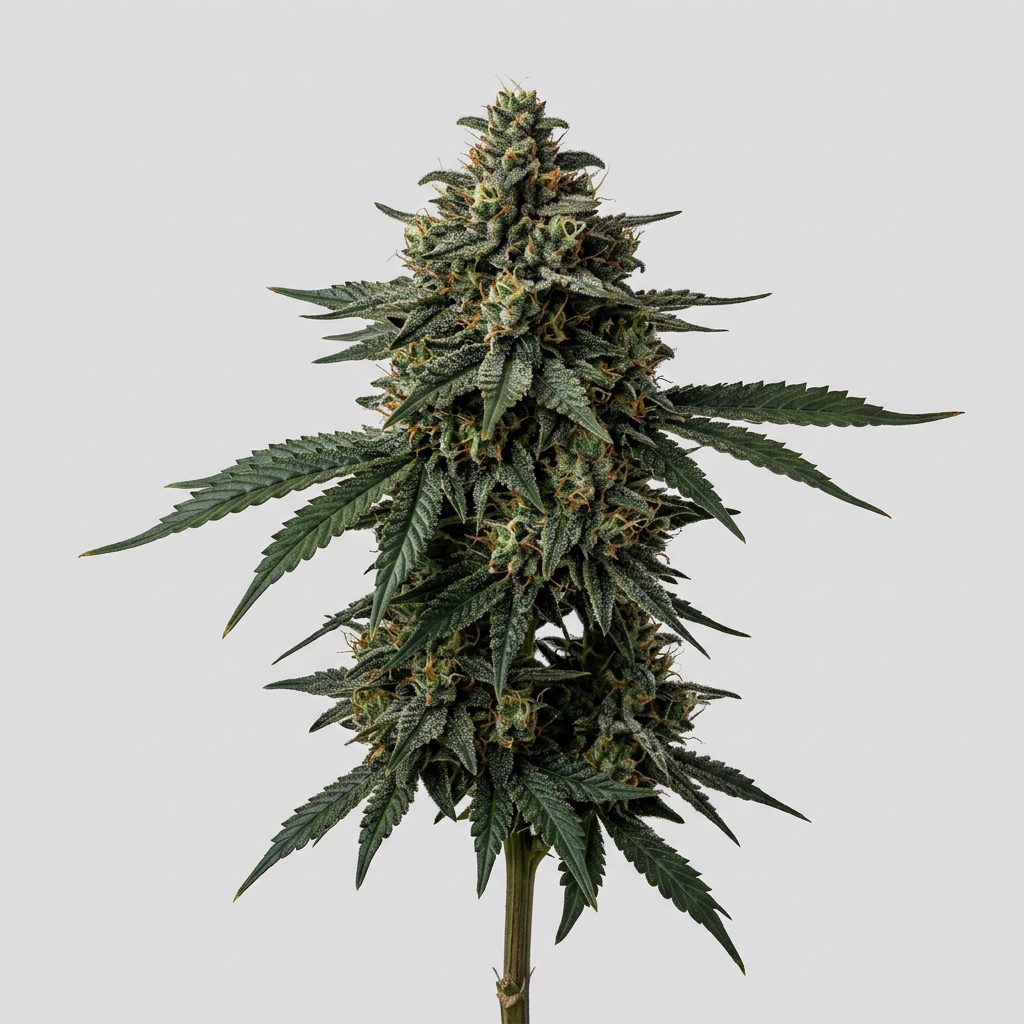
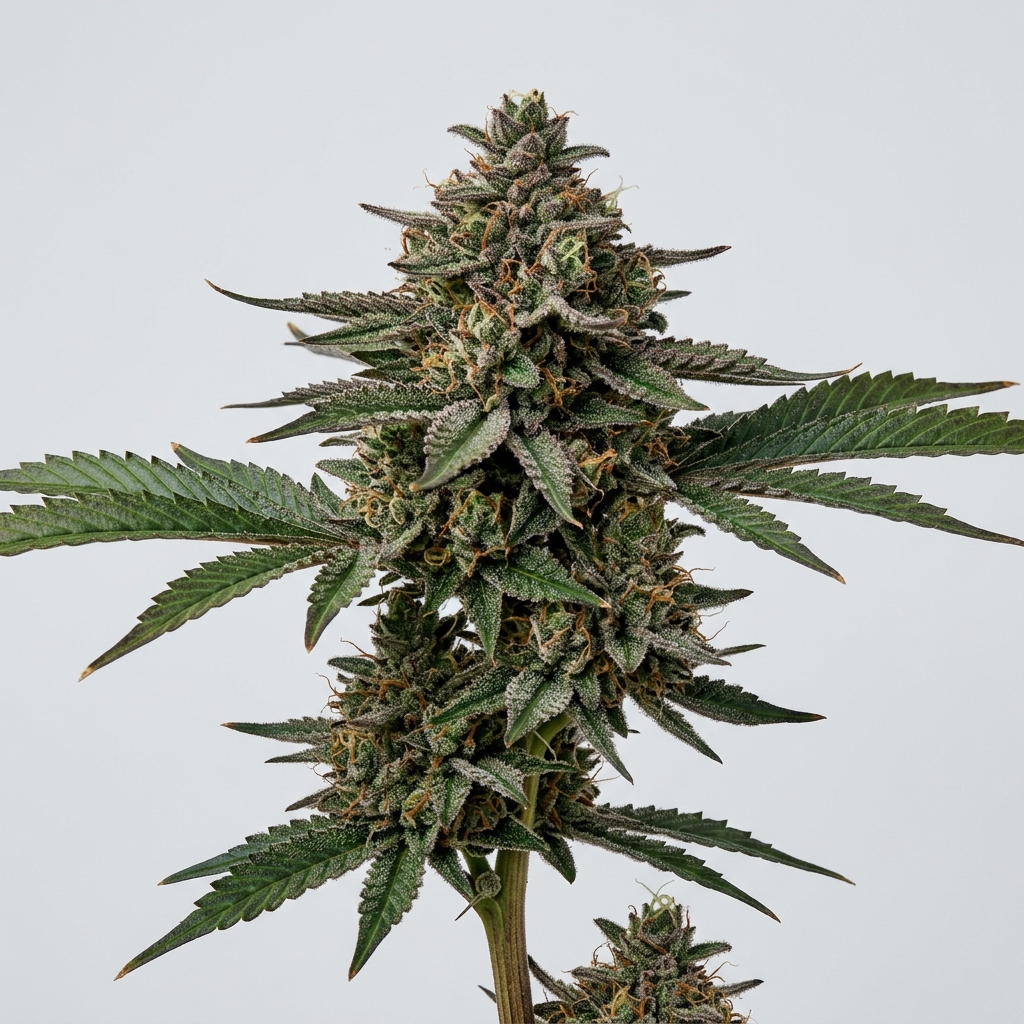
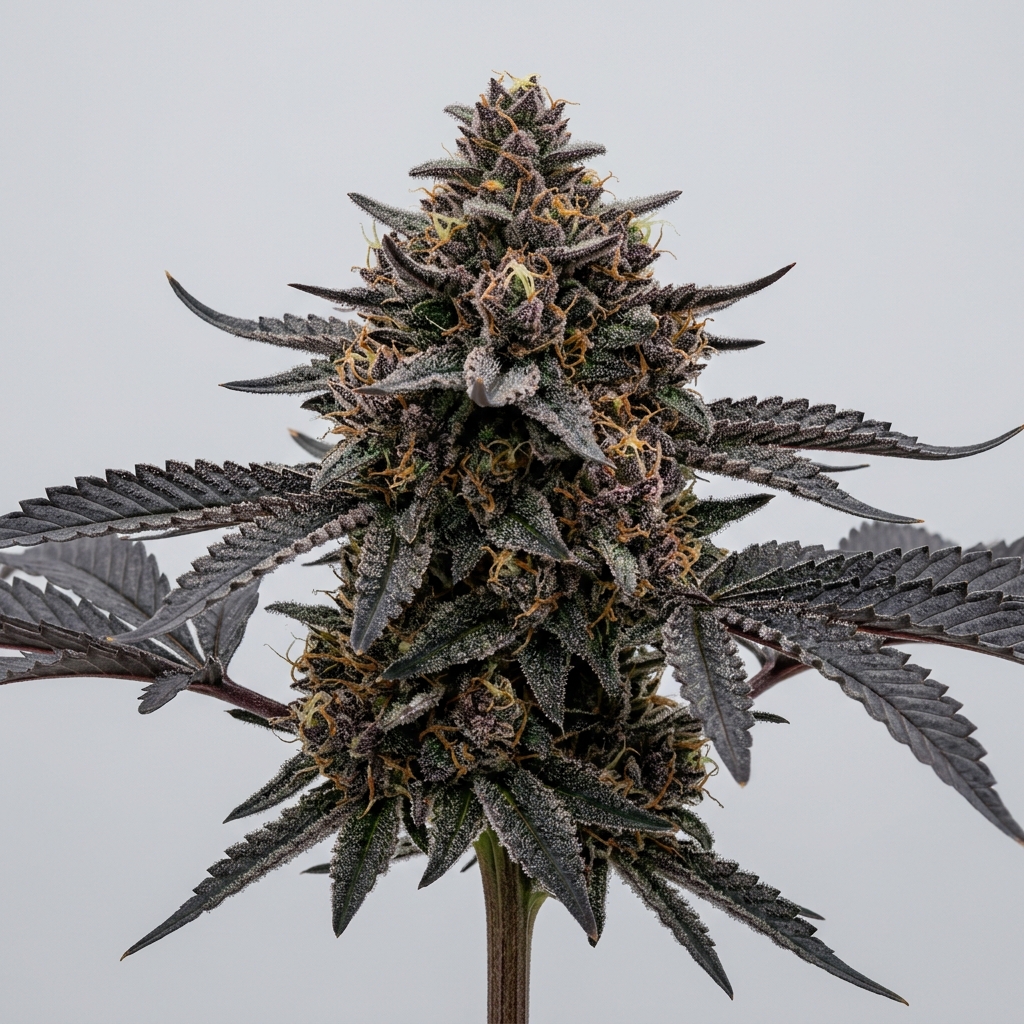
Peyote Purple is an indica-dominant cannabis cultivar selected from a purple phenotype of Bubba Kush (S1 generation), known for its striking near-black foliage, dense trichome coverage, and moderate to high THC levels ranging between 18% and 22%. This strain stands out for its heavy, greasy resin production and compact growth structure, delivering a complex aroma of dark berry, earthy incense, and sweet coffee. It is highly valued by extraction artists and growers seeking deep purple phenotypes with exceptional bag appeal and structural stability.
Bred by Cannabiogen, this cultivar showcases the classic traits of its pre-98 ancestry while emphasizing an intense anthocyanin expression. The plants develop broad fan leaves and dense, resin-rich flowers that require minimal cold stimulation to turn purple, making it a favorite for clean, solventless concentrates.
Quick Facts
| Field | Details |
|---|---|
| Genetics | Bubba Kush S1 Selection |
| Variety | Indica-dominant Hybrid |
| THC Range | 18% – 22% |
| Flowering Time | 8 – 9 Weeks |
| Yield Potential | Moderate |
| Plant Height | Short to Medium |
| Climate Preference | Temperate to Warm, Dry |
| Difficulty | Moderate |
Scientific & Botanical Overview
Botanically, Peyote Purple is characterized by its broad, dark green fan leaves that rapidly transition to deep violet and charcoal tones during early flowering. The plant shows tight internodes and a sturdy, stocky frame that easily supports its heavy, round buds without requiring extensive trellising. This structural rigidity is inherited directly from its Kush heritage, presenting a compact canopy ideal for indoor growers with limited vertical space.
The cultivar is particularly notable for its high density of capitate-stalked trichomes, which cover both the bracts and the surrounding sugar leaves in a thick layer of wet frost. Unlike many purple strains that lose resin coverage in favor of color, this selection maintains a greasy resin texture throughout its maturation cycle. Anthocyanin accumulation is genetically driven rather than temperature-dependent, meaning the deep purple hues develop reliably even in standard indoor temperatures.
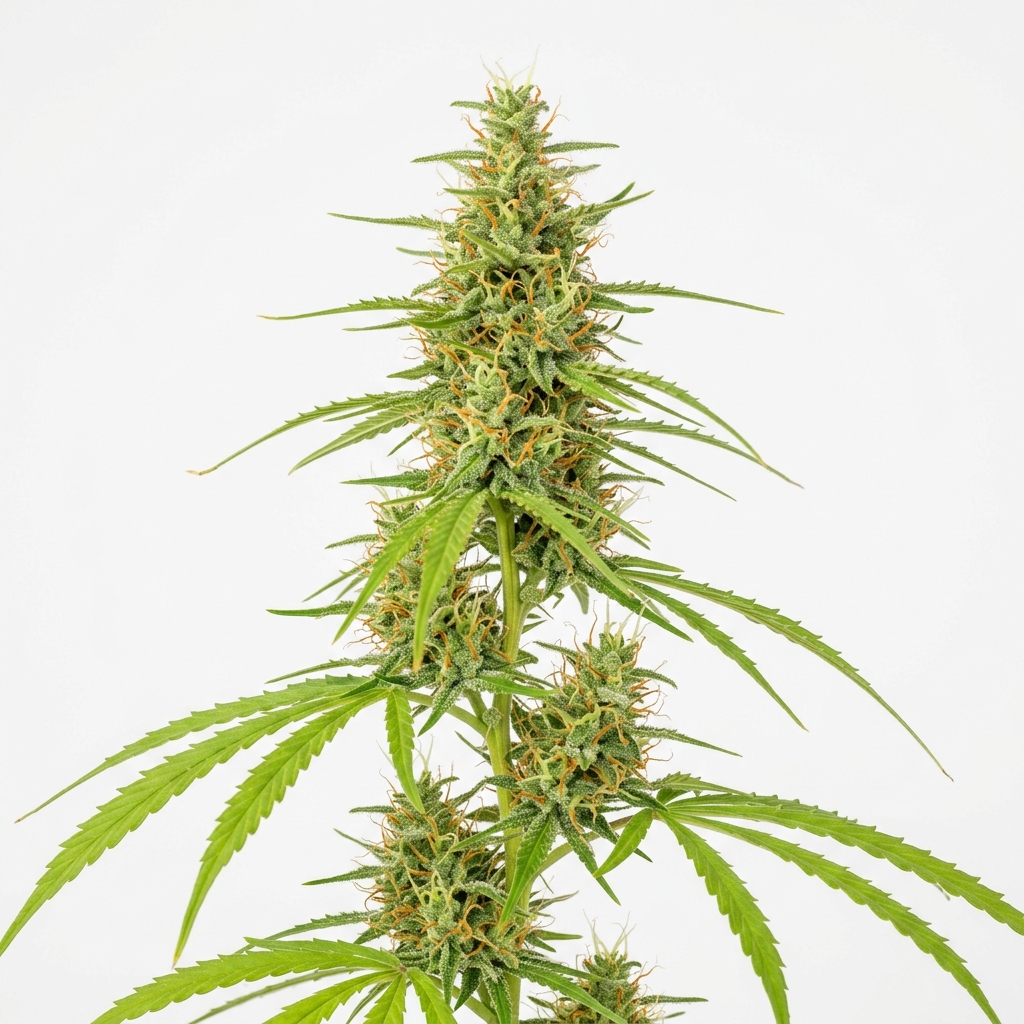
Its floral anatomy consists of swollen calyxes and tightly packed bracts that form spear-shaped colas. The heavy resin coat acts as a natural barrier, though the sheer density of the buds makes late-flower humidity control critical to preventing moisture retention. Stomatal distribution and leaf thickness indicate a strong adaptation to drier, temperate environments.
Effects & Use-Cases (Reported)
Commonly reported effects: Users frequently describe a deeply relaxing, physical sensation that settles heavily in the limbs, accompanied by a calm, meditative mental state. The onset is typically slow and creeping, easing physical tension without the immediate, sharp cerebral rush common in sativa-dominant hybrids. Over time, the physical relaxation deepens into a tranquil, soothing state well-suited for late evening use.
Use-case context: Given its heavy physical profile, this cultivar is highly suited for evening wind-down routines, quiet reflection, or preparing for sleep. It is often selected by those looking to quiet a busy mind or soothe sore muscles after physical exertion. Because it tends to induce a heavy-lidded, sedentary state, it is rarely recommended for daytime productivity or active social settings.
Note: Individual experiences may vary based on tolerance, dosage, and specific phenotype chemistry. Cautious dosing is recommended for those sensitive to strong physical sedation.
Aroma & Flavors
Aroma: The initial scent profile is dominated by a heavy, earthy kush base mixed with sweet, dark berry notes and a subtle hint of roasted coffee. Breaking the sticky buds apart releases a sharper, spicy incense undertone with a faint, sweet vanilla edge.
Flavor: On the palate, the smoke is thick and smooth, leaving a distinct taste of sweet plums, dark fruit, and a lingering earthy, herbal finish. Some phenotypes present a more pronounced fuel and coffee-like back-note, balancing the sweet berry elements.
Terpene associations: Lab analyses of this lineage typically show a dominance of caryophyllene, myrcene, and limonene, which contribute to its spicy, earthy, and citrus-tinged fruit profile.
Tested Cannabinoid & Terpene Ranges
| Compound | Typical Range |
|---|---|
| Δ9-THC | 18.0% – 22.0% |
| CBD | < 1.0% |
| β-Caryophyllene | 0.4% – 0.8% |
| β-Myrcene | 0.3% – 0.7% |
| d-Limonene | 0.2% – 0.5% |
| Linalool | 0.1% – 0.3% |
Note: Cannabinoid and terpene levels are highly variable and depend heavily on environmental factors, cultivation techniques, and specific phenotype selections.
Cultivation Notes
- Humidity: Maintain strict humidity control, keeping relative humidity (RH) below 45% during the final three weeks of flowering to protect the dense, resin-rich flowers from moisture issues.
- Nutrition: This cultivar is a moderate feeder; avoid heavy nitrogen applications during early flower to prevent leaf curling and maintain clean terpene clarity.
- Training: Responds well to light topping and low-stress training (LST) to open up the canopy and promote even light distribution across the lower bud sites.
- Harvest: Time the harvest based on trichome maturity; look for a mix of milky and amber heads, usually achieved around day 56 to 63 of flowering.
- Phenotype Management: Watch for occasional male flowers (hermaphroditism) in early bloom, a common trait in S1 selections of Bubba Kush; inspect plants carefully during the first three weeks of transition.
Grower Notes (Week-by-Week Snapshot)
- Weeks 1–3 (Transition & Early Bloom): Plants show minimal stretch, usually growing only 50-80% of their vegetative height. Early purple coloration begins to show on the stems and leaf undersides as the first pistils emerge.
- Weeks 4–6 (Mid-Bloom & Resin Onset): Bud sites swell rapidly, forming tight, round clusters. Trichome production accelerates, coating the surrounding sugar leaves in a glassy, wet frost while the fan leaves turn a deep, dark violet.
- Weeks 7–9+ (Late Bloom & Ripening): Flowers become incredibly dense and take on a near-black appearance. Odor intensity peaks with strong notes of sweet earth and dark berry; ensure high airflow and low humidity to finish clean.
- Post-Harvest & Cure: A slow dry at 60°F (15°C) and 60% RH for 10 to 14 days is essential to preserve the delicate berry and incense terpenes before transferring to jars for a minimum four-week cure.
Genetic Lineage
Peyote Purple is a direct selection from an S1 (selfed first generation) population of Bubba Kush, specifically sourced from a unique purple-leaning phenotype found in the United States. Cannabiogen selected and stabilized this line to preserve the heavy resin production and deep, earthy aroma of the parent clone while isolating the striking purple coloration.
This lineage ties the strain directly to classic Afghani and Pakistani landrace genetics, which explain its stocky growth habit, broad leaves, and resilience. The resulting selection behaves as a highly stable, uniform representation of the purple Bubba Kush phenotype, prized by breeders looking to introduce deep color and heavy resin to new crosses.
Research Insights
Scientific interest in cultivars like Peyote Purple often centers on the genetic expression of anthocyanins, the water-soluble pigments responsible for the deep purple and black coloration. These pigments are synthesized via the flavonoid pathway and are often associated with plant defense mechanisms against UV radiation and cold stress, though this specific line expresses them consistently under standard growing conditions.
Additionally, the high concentration of sesquiterpenes like caryophyllene in combination with monoterpenes like myrcene suggests a chemical profile optimized for physical relaxation. The resin-to-plant-matter ratio is exceptionally high, making it a valuable subject for studies focusing on glandular trichome density and extraction efficiency.
Frequently Asked Questions
Is Peyote Purple easy to grow?
It is moderately easy to grow due to its stocky, manageable height and strong branches. However, because its buds are exceptionally dense and resinous, growers must maintain low humidity in late flower to prevent mold, making it slightly more challenging for beginners.
What does Peyote Purple smell like?
This cultivar offers a rich blend of earthy kush, dark berries, and sweet incense, with subtle back-notes of roasted coffee and vanilla when the buds are broken apart.
Does this strain require cold temperatures to turn purple?
No, the deep purple and charcoal coloration is genetically driven and occurs naturally under standard growing temperatures, though cooler night temperatures can sometimes intensify the dark hues.
Is Peyote Purple suitable for making concentrates?
Yes, it is highly sought after by extraction artists due to its greasy resin texture and high trichome density, yielding exceptional solventless extracts like bubble hash and live rosin.
Educational Disclaimer
This content is provided solely for educational and informational purposes. Local laws regarding cannabis cultivation and consumption vary widely, and readers should always consult their local regulations before engaging in any cultivation activities.
Rate and review this strain
Ratings and reviews are accepted only from signed-in Google accounts.
Sign in with Google to leave a rating and written review.
Latest Reviews
0 reviewsNo reviews yet. Be the first Google user to rate and review this strain.