Wild Thailand (Cannabis Strain)
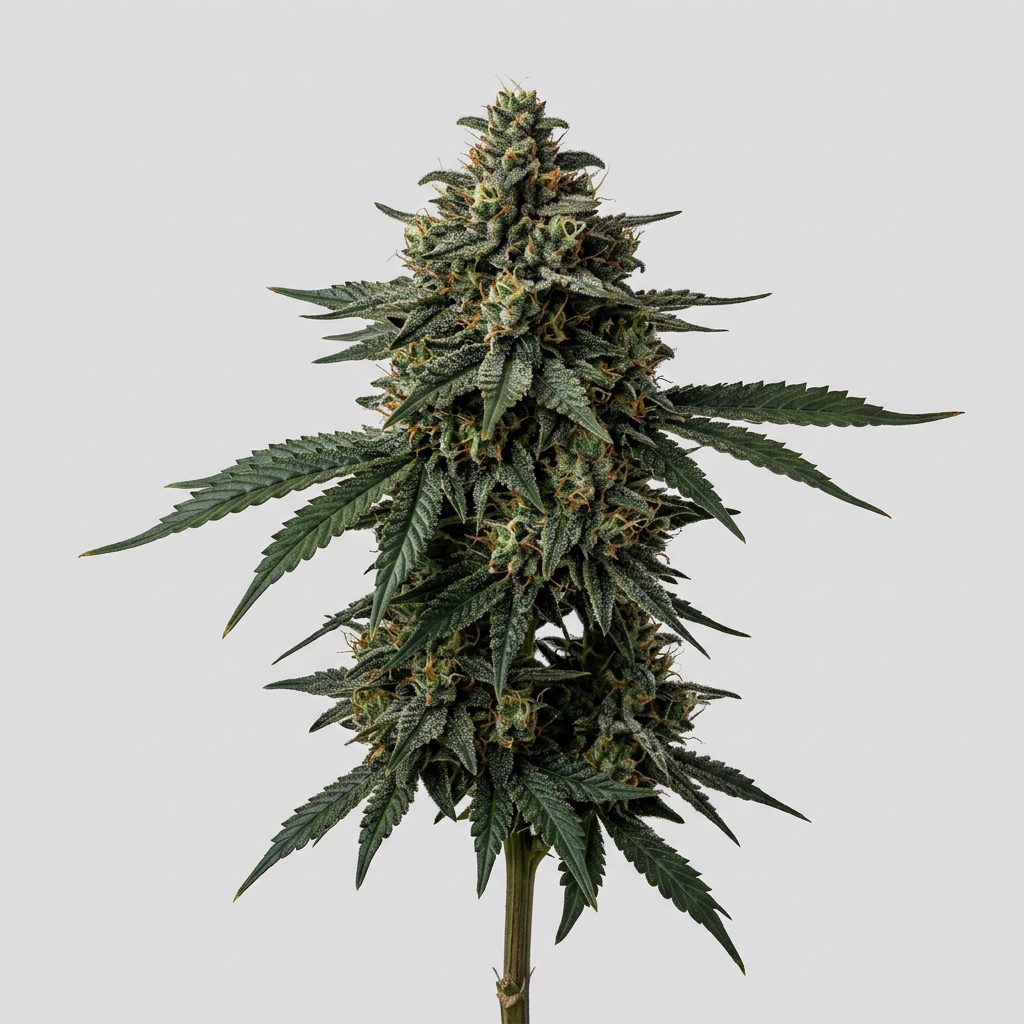
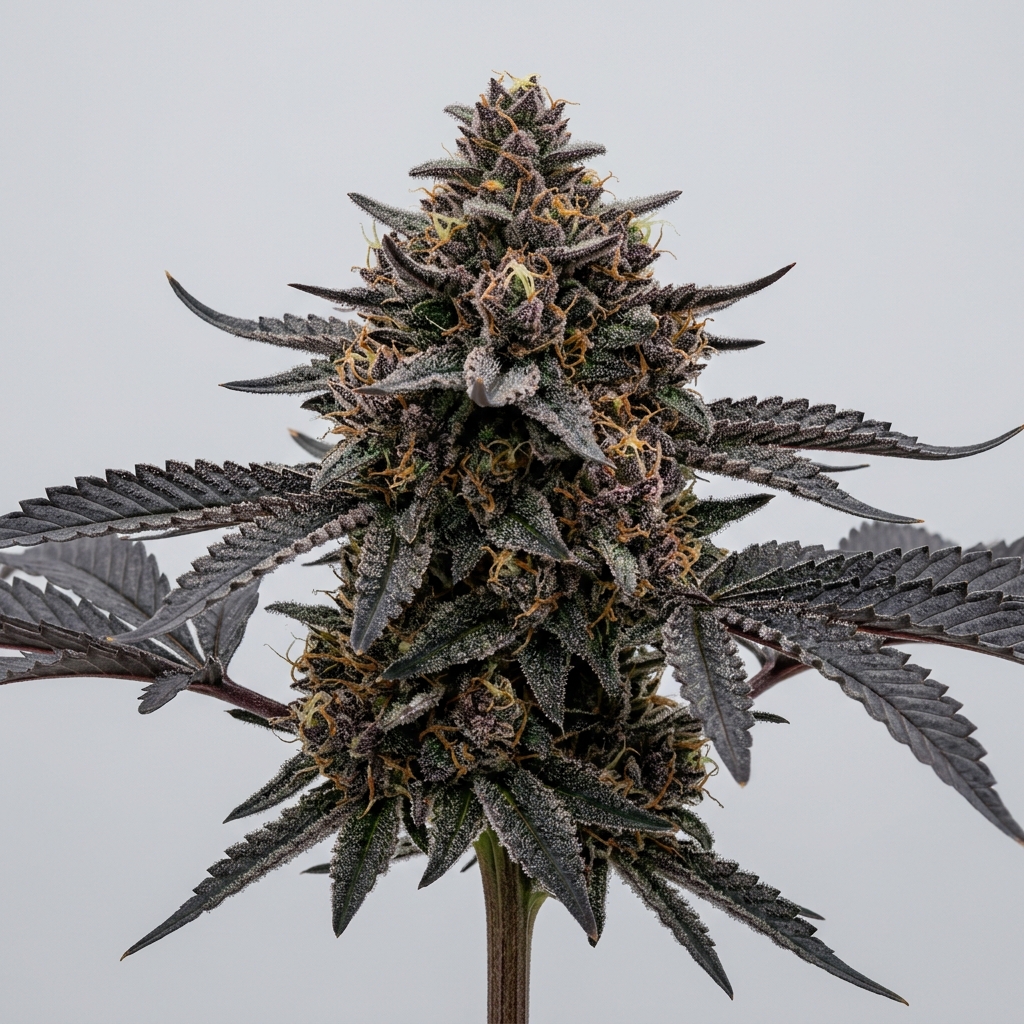
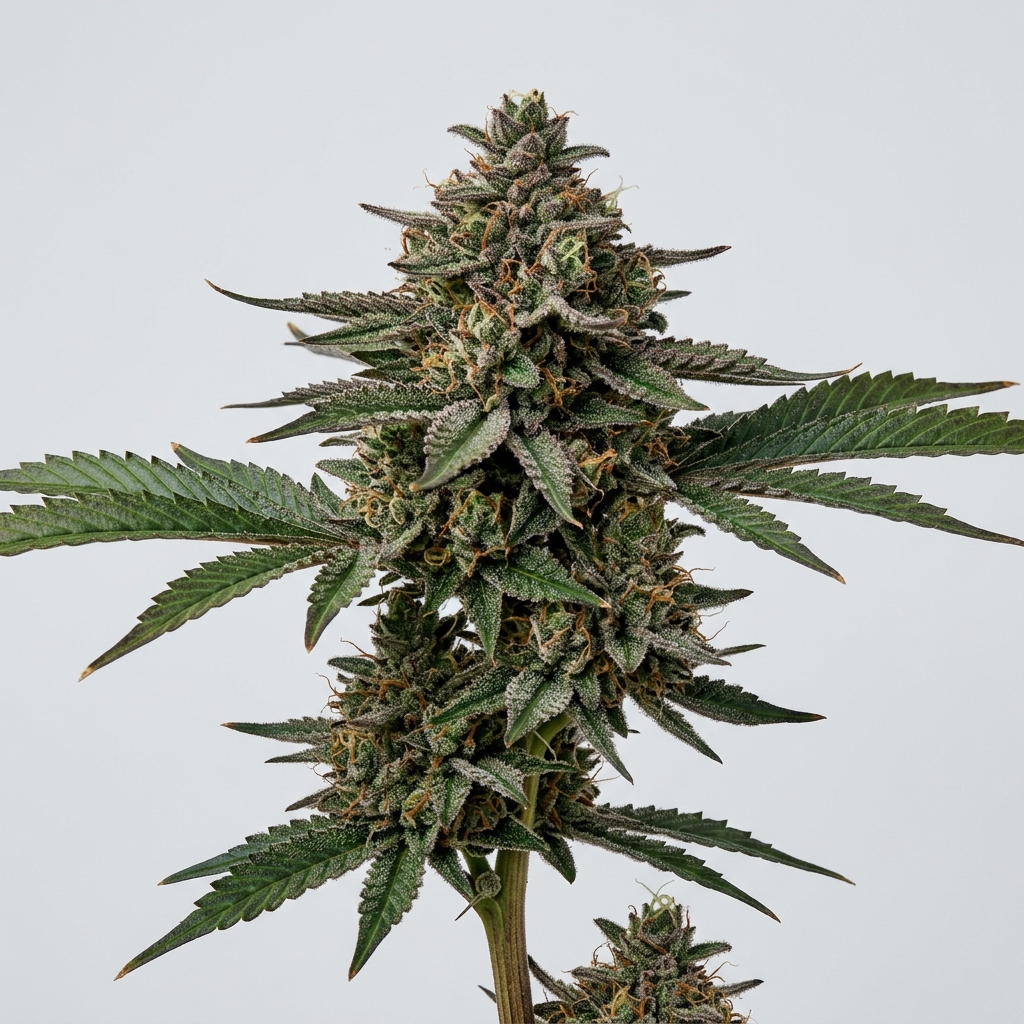
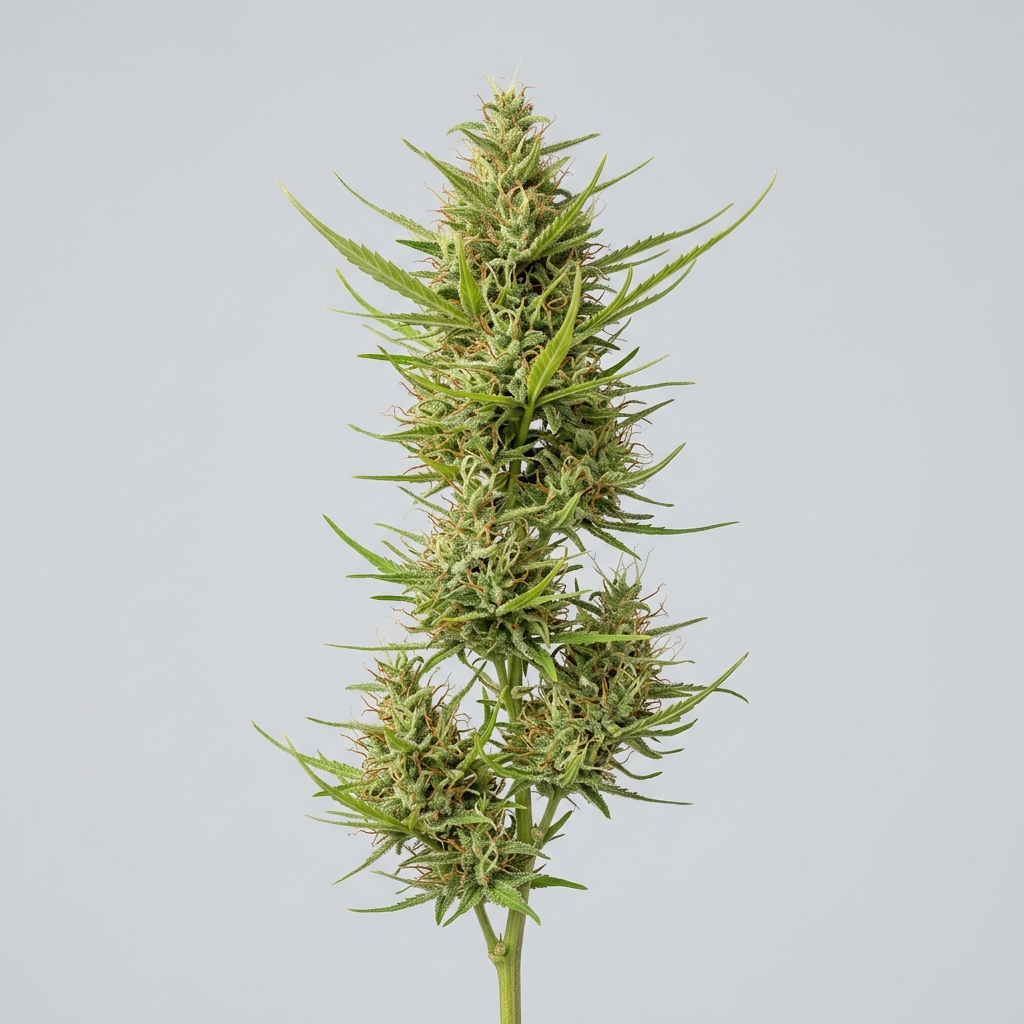
Wild Thailand is a rare, pure landrace sativa cultivar sourced from the Ko Chang archipelago, testing between 16% and 23% THC. This heirloom variety delivers a sharp citrus lift paired with deep herbal tea and woody undertones, producing airy, resin-rich spear colas covered in sticky, glassy trichomes. Highly valued for its energetic, soaring head high, it displays classic wild sativa growth behaviors, including extreme stretch and a long flowering cycle that requires experienced environmental management.
Unlike modern hybridized sativas, this variety retains its untamed, equatorial growth characteristics. Cultivators prize it for its pure genetic lineage, offering a historical window into the unhybridized landraces of Southeast Asia.
Quick Facts
| Key Metric | Details |
|---|---|
| Genetics | Pure Sativa Landrace (Ko Chang selection) |
| Variety | 100% Sativa |
| THC Range | 16.0% – 23.0% |
| Flowering Time | 11 – 14 Weeks |
| Yield Potential | Moderate |
| Plant Height | Tall (Extreme Stretch) |
| Climate Preference | Hot, humid, tropical |
| Difficulty | Experienced |
Scientific & Botanical Overview
Botanically classified as a pure Cannabis sativa L. landrace, Wild Thailand shows classic equatorial morphology. The plants develop thin-fingered, light-green fan leaves with extremely wide internodal spacing to maximize airflow in humid climates. The stems are fibrous and highly flexible, allowing the plant to bend under heavy tropical winds without snapping.
The floral structure consists of elongated, fluffy spear colas rather than dense, compact clusters. This airy configuration is an evolutionary adaptation that prevents moisture retention, reducing the risk of bud rot in high-humidity environments. The calyxes are elongated and loose, creating a wispy but highly resinous bud structure that dries down to a light, crispy texture.
Resin production is concentrated on thin, delicate stalks with small, highly aromatic trichome heads. Unlike modern hybrids bred for massive resin glands, this landrace relies on a steady, uniform coating of glassy trichomes across its narrow bracts. This resin contains a high concentration of volatile monoterpenes that protect the plant from tropical pests and intense solar radiation.
Effects & Use-Cases (Reported)
Commonly reported effects: Users describe a rapid, soaring cerebral stimulation accompanied by a sharp sense of physical energy and mental clarity. The experience is highly active, lacking the heavy physical sedation common in modern polyhybrids. It is frequently noted for promoting an expansive, creative mindset and an elevated mood.
Use-case context: This cultivar is traditionally selected for daytime activities, creative projects, or outdoor pursuits. Its uplifting nature makes it a popular choice for morning or afternoon consumption when focus and physical mobility are desired. It integrates well with social settings and physical exercise due to its lack of a heavy physical comedown.
Note: Due to its high-energy cerebral profile, novice consumers or those sensitive to strong sativas should approach this variety with caution to avoid overstimulation.
Aroma & Flavors
Aroma: A pungent blend of sweet lemon, fresh lemongrass, and damp earth, accented by a distinct woody spice.
Flavor: The smoke is light and herbal, leaving a clean, tart citrus lift on the palate with a lingering green tea finish.
Terpene associations: High concentrations of myrcene, caryophyllene, and pinene drive its bright, herbal, and woody aromatic profile.
Tested Cannabinoid & Terpene Ranges
| Compound | Typical Range |
|---|---|
| Delta-9-THC | 16.0% – 23.0% |
| CBD | <0.1% |
| Myrcene | 0.4% – 0.9% |
| Caryophyllene | 0.2% – 0.5% |
| Pinene | 0.1% – 0.4% |
Note: Cannabinoid and terpene levels are highly variable and depend heavily on environmental conditions, cultivation methods, and the specific phenotype selected.
Cultivation Notes
- Humidity: Thrives in high relative humidity (55-65%) during vegetative growth, but requires excellent airflow and lower humidity (40-45%) during late flower to protect the elongated colas.
- Nutrition: Prefers a light nutrient regimen; excess nitrogen can easily trigger nutrient burn and leaf curling in this sensitive landrace.
- Training: High-stress training is rarely recommended, but early topping, low-stress training (LST), and trellising are essential to manage the extreme vertical stretch.
- Harvest: Patience is required as trichome maturation is slow, often taking up to 14 weeks to reach optimal cloudy and amber ratios.
- Phenotype management: Expect significant height variations; select phenotypes that show slightly tighter internodal spacing while retaining the classic Thai aroma.
Grower Notes (Week-by-Week Snapshot)
- Weeks 1–3 (Vegetative & Transition): The plant grows rapidly with thin stems. Introduce trellis netting early to establish a wide canopy and prepare for the massive stretch that begins immediately upon switching to a 12/12 light cycle.
- Weeks 4–8 (Early to Mid-Flower): Vertical growth continues aggressively, often doubling or tripling in height. Keep light intensity moderate and ensure the canopy is well-spaced to prevent lower branch starvation.
- Weeks 9–14 (Late Flower & Ripening): Elongated spear colas begin to fill out with airy, resinous bracts. Keep nutrient levels low, flush gently in the final two weeks, and monitor trichome clarity daily as the harvest window approaches.
Genetic Lineage
Wild Thailand is a direct selection of a pure Thai landrace conserved from the Ko Chang island group. Unlike modern commercial varieties, this line has not been hybridized with indica or ruderalis genetics, preserving its pure sativa lineage.
Breeders have worked to stabilize this specific phenotype to improve indoor viability while maintaining the original landrace characteristics. It remains one of the few unadulterated Southeast Asian sativas available to contemporary collectors.
Research Insights
Scientific interest in this landrace focuses on its unique terpene profile, which features a high ratio of myrcene paired with pinene. This specific combination is thought to contribute to its clear, energetic cerebral profile by modulating the uptake of cannabinoids without inducing physical lethargy.
As a pure landrace, Wild Thailand serves as an invaluable genetic reservoir for breeding programs. Its natural pest resistance and adaptation to humid climates offer critical traits for developing robust modern hybrids.
Frequently Asked Questions
Is Wild Thailand a pure sativa?
Yes, Wild Thailand is a 100% pure sativa landrace variety sourced directly from the Ko Chang archipelago in Thailand.
How long does Wild Thailand take to flower?
This variety has a long flowering cycle, typically requiring between 11 and 14 weeks of 12/12 photoperiod to reach full maturity.
Can Wild Thailand be grown indoors?
Yes, but it requires significant space and active height management techniques like trellising and topping due to its extreme vertical stretch.
What does Wild Thailand smell like?
It features a bright, pungent aroma of sweet citrus, lemongrass, and earthy wood, with a clean, herbal tea finish when consumed.
Educational Disclaimer
This article is for educational and informational purposes only. Local laws regarding cannabis cultivation and consumption vary widely, and readers must comply with their respective regional regulations.
Rate and review this strain
Ratings and reviews are accepted only from signed-in Google accounts.
Sign in with Google to leave a rating and written review.
Latest Reviews
0 reviewsNo reviews yet. Be the first Google user to rate and review this strain.