Sandstorm (Cannabis Strain)
Sandstorm is a pure indica cultivar developed by Cannabiogen, combining a selected Pakistani Chitral Kush clone with a robust Moroccan landrace. Known for its moderate to high potency, typically ranging between 15% and 22% THC, this strain delivers a deeply earthy, sweet hash aroma with subtle dark berry undertones. It develops into a stout, heavily branched plant characterized by dense, resin-rich flowers and exceptional resistance to environmental stressors. As a classic extraction-grade cultivar, its thick coat of glassy trichomes makes it a favored choice among traditional hash makers and collectors of pure indica genetics.
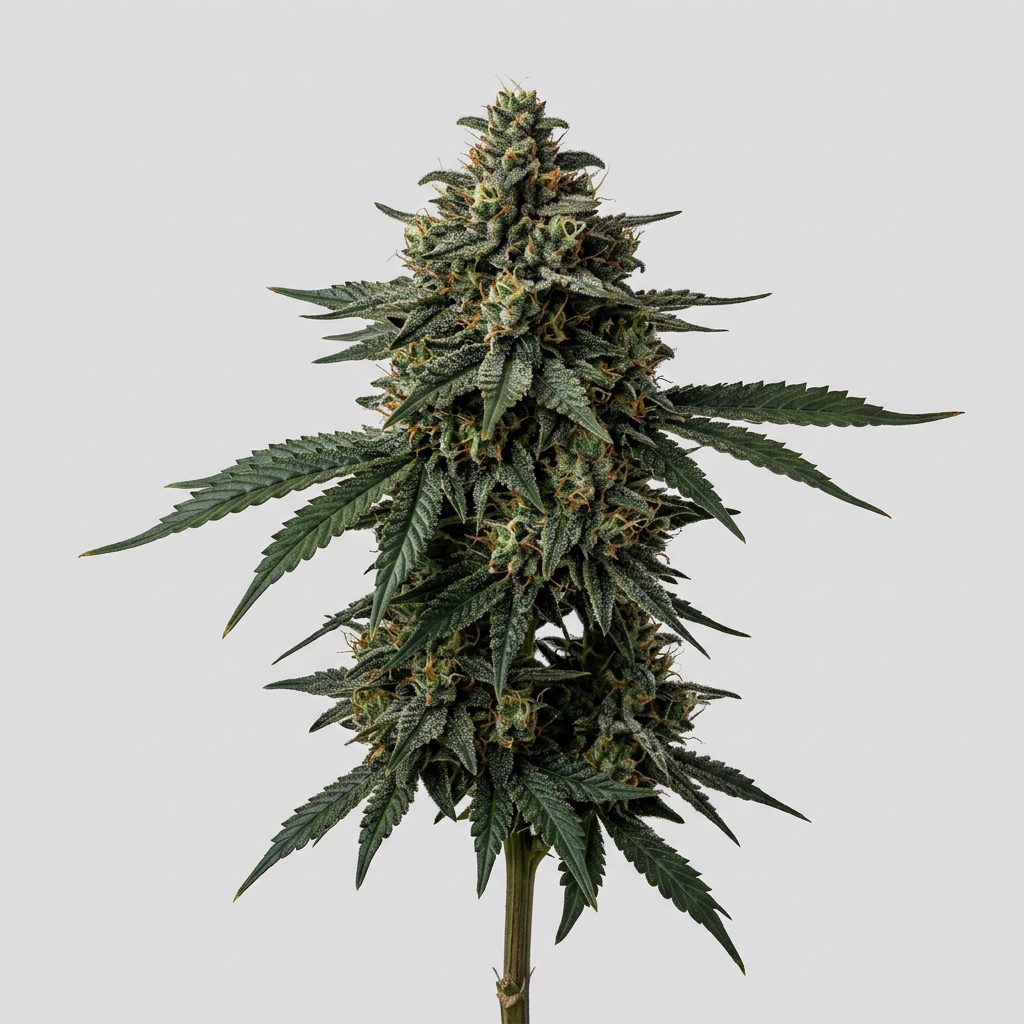
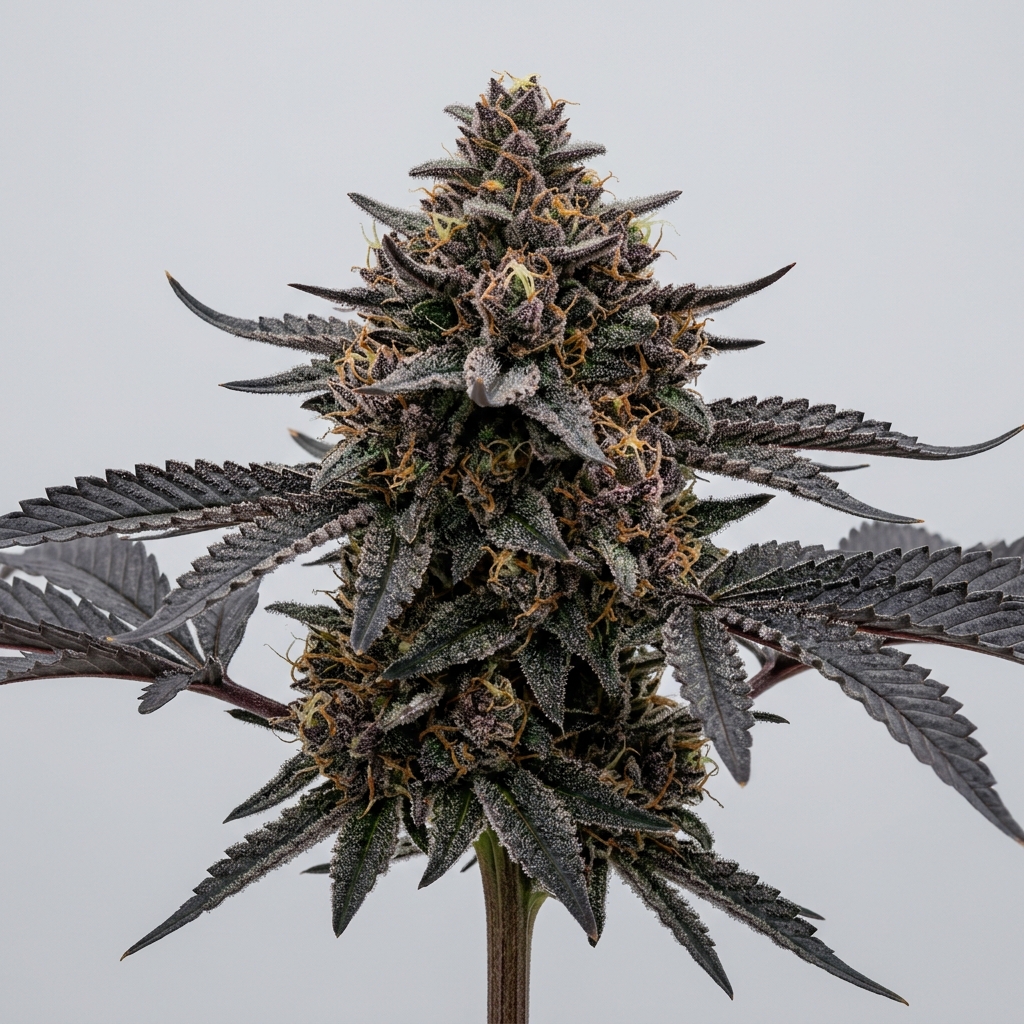
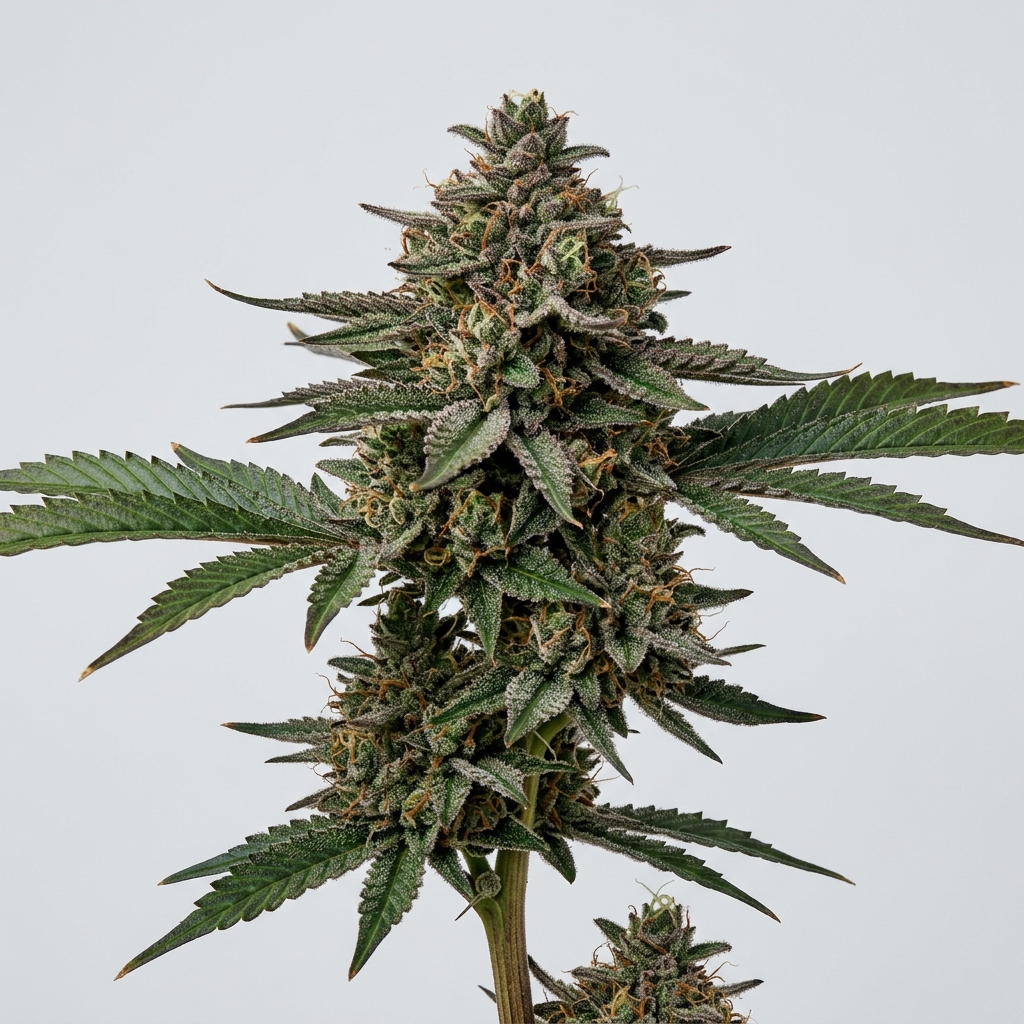
Cultivators prize Sandstorm for its predictable growth pattern and reliable performance in both indoor setups and dry outdoor climates. The flowers cure to a deep forest green, often showing purple hues in the calyxes when exposed to cooler night temperatures. It offers a classic, physical relaxation that reflects its pure landrace ancestry, standing out in a market dominated by modern sweet hybrids.
Quick Facts
| Feature | Details |
|---|---|
| Genetics | Pakistani Chitral Kush × Moroccan Landrace |
| Variety | 100% Indica |
| THC Range | 15% – 22% |
| Flowering Time | 8 – 9 Weeks (55 – 65 Days) |
| Yield Potential | Moderate to High |
| Plant Height | Short to Medium |
| Climate Preference | Warm, dry, Mediterranean-style climates |
| Difficulty | Easy to Moderate |
Scientific & Botanical Overview
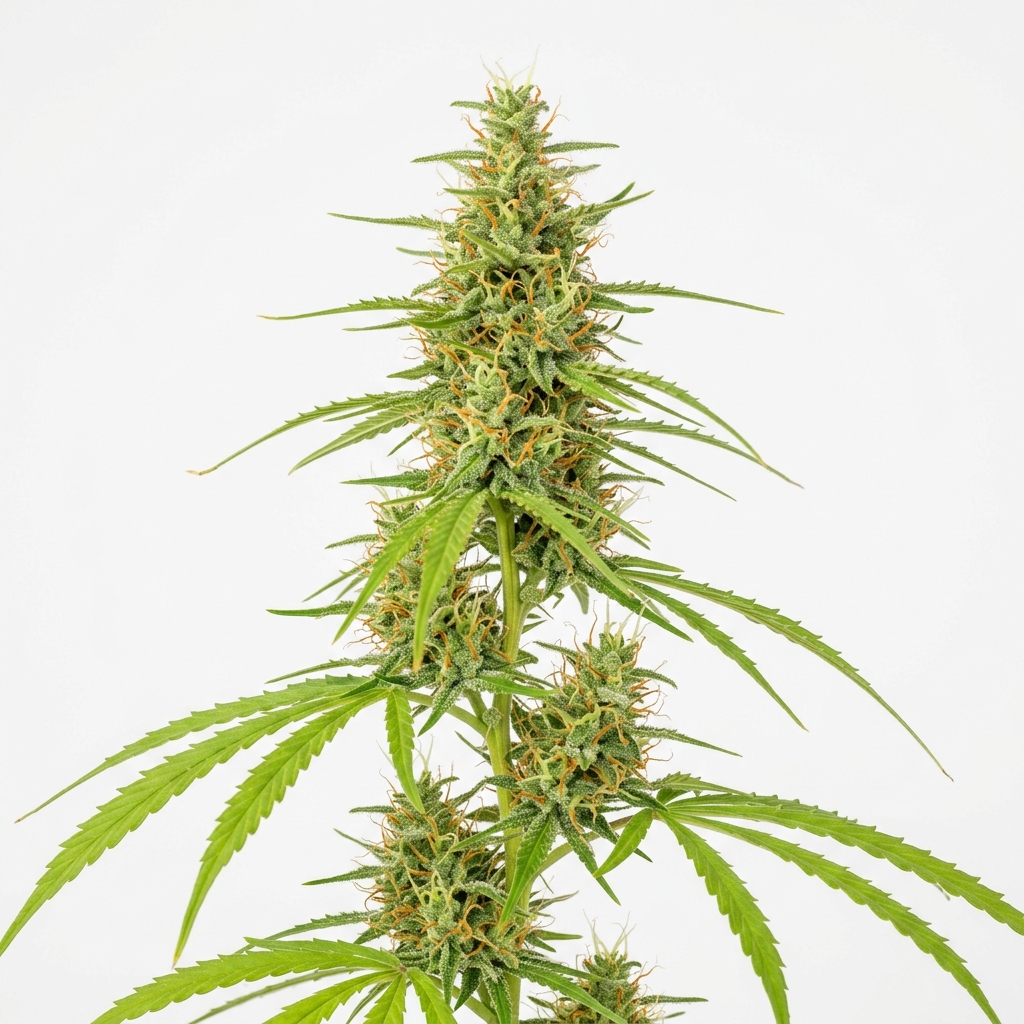
Sandstorm shows classic indica morphology, characterized by broad fan leaves, tight internodes, and a squat, bushy frame. The structural integrity of its stems allows it to support heavy, dense bracts without requiring extensive external support. Its heritage from rugged mountainous regions gives it a thick cuticle layer, helping the plant manage transpiration efficiently.
The resin production of this cultivar is exceptionally high, with glandular trichomes covering the flowers and extending far onto the sugar leaves. During late bloom, the calyxes swell significantly, forming compact, spear-shaped colas that emit a pungent, resinous odor. Under cooler conditions, anthocyanin accumulation often turns the foliage and buds deep shades of purple and red.
Unlike many modern polyhybrids, Sandstorm maintains a highly stable growth profile with minimal phenotypic variation. Its root system is vigorous, adapting well to organic soil mixes where it can fully express its complex terpene profile. The strain’s high resin-to-leaf ratio simplifies the trimming process, preserving the integrity of the glassy buds.
Effects & Use-Cases (Reported)
Commonly reported effects: Users describe a heavy, grounding physical relaxation accompanied by a calm, meditative mental state. The onset is gradual, settling into the limbs and promoting deep physical ease without immediate, overwhelming sedation.
Use-case context: Well-suited for late evening use, wind-down routines, or quiet, reflective activities. Its heavy resin profile and physical properties make it a staple for those seeking traditional, old-school indica effects.
Note: Individual sensitivity to cannabinoids varies, and high-dose consumption may lead to prolonged drowsiness or dry mouth.
Aroma & Flavors
Aroma: Dominated by an earthy kush base, sweet musk, and spiced Moroccan hash, with subtle notes of damp forest floor and a dark berry edge.
Flavor: The smoke is thick and expansive, leaving a rich taste of sweet cedar, herbal tea, and a subtle pine finish on the exhale.
Terpene associations: High concentrations of myrcene, caryophyllene, and pinene drive its classic, spicy-sweet profile.
Tested Cannabinoid & Terpene Ranges
| Compound | Typical Range |
|---|---|
| Δ9-THC | 15.0% – 22.0% |
| CBD | < 1.0% |
| CBG | 0.5% – 1.2% |
| Myrcene | 0.4% – 0.9% |
| Caryophyllene | 0.3% – 0.7% |
| Pinene | 0.1% – 0.4% |
Disclaimer: Cannabinoid and terpene levels are highly variable and depend on specific cultivation conditions, curing methods, and testing laboratories.
Cultivation Notes
- Humidity Control: Keep relative humidity (RH) below 40% during the final three weeks of flowering to protect the dense colas from moisture retention.
- Nutrient Management: Sandstorm is a moderate feeder; avoid heavy nitrogen applications during late vegetative growth to prevent leaf curl.
- Pruning and Training: use light lollipop pruning on the lower third of the canopy to improve airflow and direct energy to the upper spear colas.
- Temperature Shifts: Drop night temperatures by 5°C to 8°C in late flower to stimulate the expression of deep purple hues from its Pakistani lineage.
- Phenotype Selection: Look for mother plants that exhibit tight internodes and a strong, woody stem structure early in the vegetative cycle.
Grower Notes (Week-by-Week Snapshot)
- Weeks 1–3 (Vegetative & Early Bloom): The plant displays a controlled stretch, usually doubling in height. Focus on building a strong root zone and ensuring even light penetration across the broad fan leaves.
- Weeks 4–6 (Mid-Flower): Flower clusters merge into dense, sticky spears. Glandular trichomes begin to coat the sugar leaves, and a sweet, musky hash aroma becomes prominent in the grow space.
- Weeks 7–9 (Late Flower & Flush): Calyxes swell and pistils turn amber. Reduce watering slightly and execute a clean, two-week flush with plain water to clear built-up salts and enhance terpene clarity.
- Post-Harvest (Dry & Cure): Hang the whole plant for a slow dry at 15°C and 60% RH for 10 to 14 days. A minimum four-week cure in airtight jars is recommended to mature the deep, spicy hash flavors.
Genetic Lineage
Sandstorm is a direct cross of a selected Pakistani Chitral Kush mother and a wild Moroccan landrace male. The Pakistani Chitral Kush parent contributes its famous resin-producing capabilities, purple coloration, and sweet, berry-infused terpene profile. This parental line is legendary in the breeding community for its stability and resistance to mold and damp environments.
The Moroccan landrace father adds physical hardiness, drought tolerance, and a dry, spicy, traditional hashish aroma. This combination preserves the raw vigor of wild landrace genetics while refining the flower structure and resin density for indoor and outdoor cultivation. The resulting hybrid represents a pure, unhybridized indica gene pool that remains highly stable across generations.
Research Insights
The terpene profile of Sandstorm is characterized by a high concentration of myrcene and caryophyllene, which work alongside its moderate THC content to produce a deeply calming physical response. Research into landrace-derived cultivars indicates that these primary terpenes, when paired with minor cannabinoids like CBG, support a steady, prolonged release of physical tension. The absence of modern sativa hybridization ensures a low-anxiety profile, making it a valuable subject for studies on classic indica genetics.
From a breeding perspective, Sandstorm is highly regarded for its genetic stability and dominant resin-producing traits. Breeders frequently use this cultivar to introduce mold resistance, sturdy branching, and high trichome density into more delicate, modern polyhybrids. Its clean, non-diluted lineage provides a predictable baseline for genetic mapping and backcrossing projects.
Frequently Asked Questions
What is the genetic origin of Sandstorm?
Sandstorm is a pure indica hybrid created by crossing a selected Pakistani Chitral Kush clone with a wild Moroccan landrace male. This combination blends the deep resin and berry tones of Pakistani genetics with the hardiness and spicy profile of Moroccan landraces.
How long does Sandstorm take to flower?
This cultivar typically completes its flowering cycle in 8 to 9 weeks (55 to 65 days) when grown indoors. Outdoors, it is usually ready for harvest by late September or early October, depending on the latitude.
Does Sandstorm turn purple during cultivation?
Yes, Sandstorm frequently displays vibrant purple and reddish hues in its calyxes and leaves. This trait is inherited from its Pakistani Chitral Kush lineage and is most pronounced when night temperatures drop during late flower.
Is Sandstorm suitable for making concentrates?
Sandstorm is highly favored for extractions. Its dense bracts are covered in a heavy layer of large, easily detached glandular trichomes, making it an excellent choice for ice water hash, dry sift, and rosin production.
Educational Disclaimer
This article is for educational and informational purposes only. Cannabis laws vary by jurisdiction, and the cultivation or consumption of cannabis should always comply with local regulations. Consult a healthcare professional before using cannabis products for therapeutic purposes.
Rate and review this strain
Ratings and reviews are accepted only from signed-in Google accounts.
Sign in with Google to leave a rating and written review.
Latest Reviews
0 reviewsNo reviews yet. Be the first Google user to rate and review this strain.