South African Kwazulu (Cannabis Strain)
South African Kwazulu is a pure, unhybridized Sativa landrace originating from the high-altitude ridges of the Drakensberg mountain range. This wild cultivar typically tests between 15% and 20% THC, delivering a bright, energetic profile defined by its distinctive sweet anise and spicy herbal aroma. Unlike many equatorial Sativas, this mountain-born strain has adapted to shorter seasons, offering growers a surprisingly fast flowering cycle combined with natural environmental resilience.
Historically cultivated by the Zulu people for its stimulating and focused qualities, this strain has been preserved in its pure form by dedicated breeders. It is highly regarded by purists who seek an authentic, old-school Sativa experience that is completely free of the heavy physical sedation common in modern polyhybrids.
Quick Facts
| Attribute | Detail |
|---|---|
| Genetics | South African landrace (KwaZulu-Natal province) |
| Variety | 100% Sativa |
| THC Range | 15% – 20% |
| Flowering Time | 55 – 65 days (8 – 9 weeks) |
| Yield Potential | Medium to High |
| Plant Height | Tall (significant stretch) |
| Climate Preference | Warm, temperate, high tolerance for humidity |
| Difficulty | Moderate (requires height control) |
Scientific & Botanical Overview
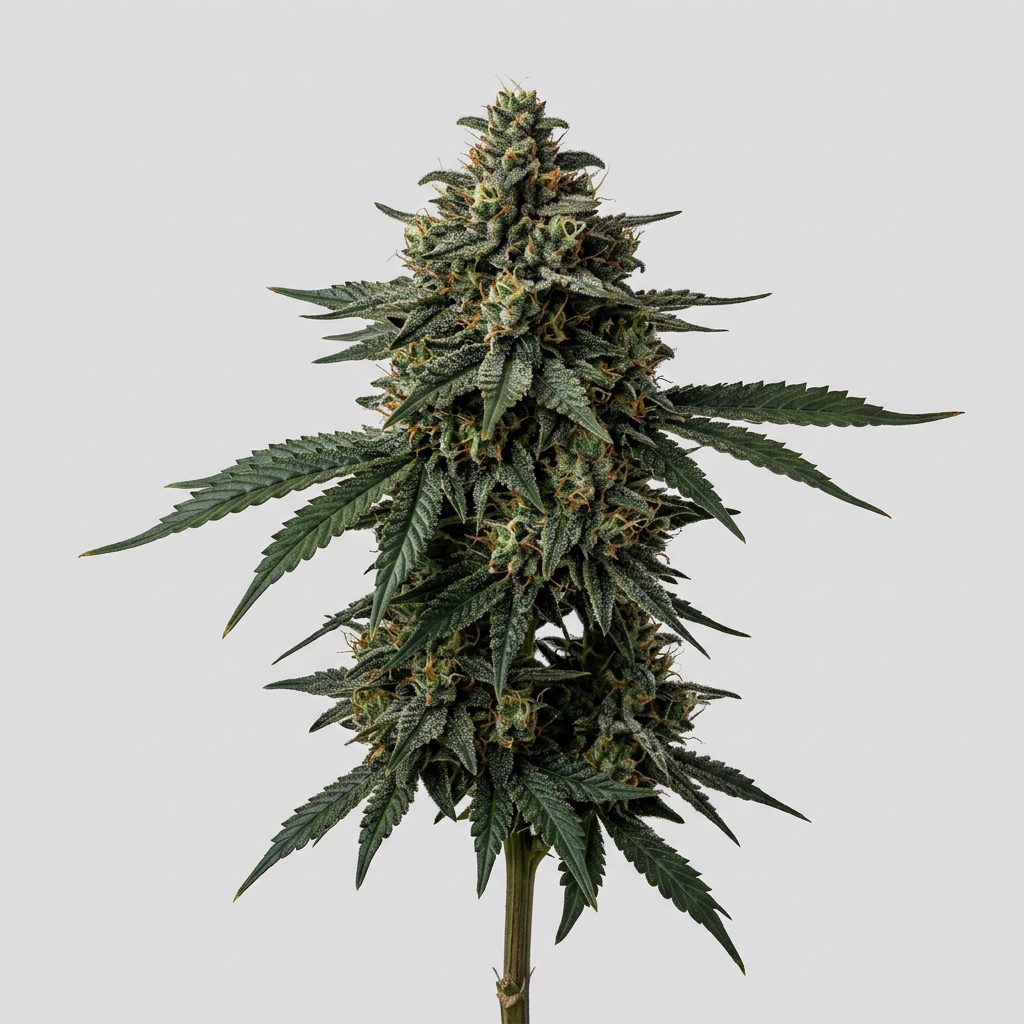
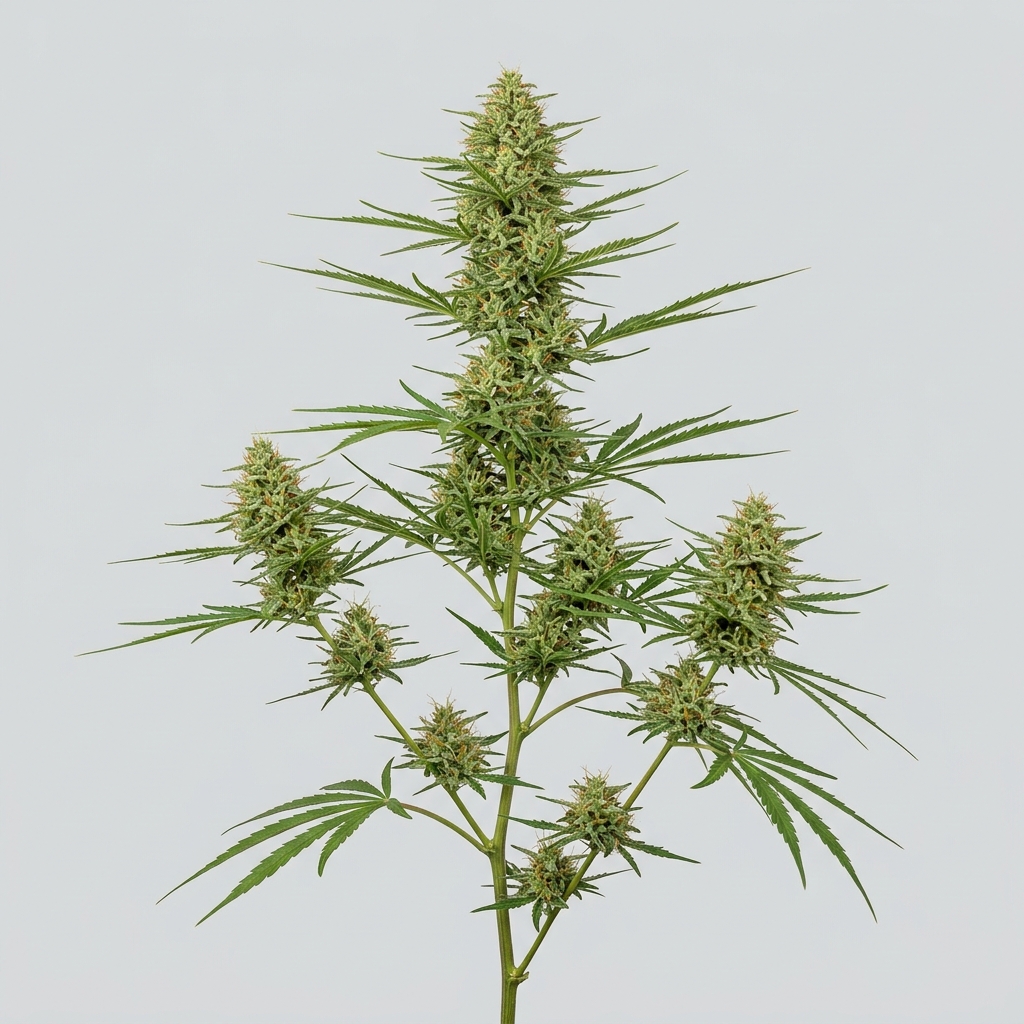
South African Kwazulu shows classic Sativa morphology, characterized by thin stems, long petioles, and slender, narrow-fingered fan leaves. Its high-altitude origin in the Drakensberg mountains has adapted it to handle intense sunlight and rapid temperature drops. Unlike equatorial Sativas that stretch indefinitely, this cultivar maintains a more predictable, albeit tall, growth habit.
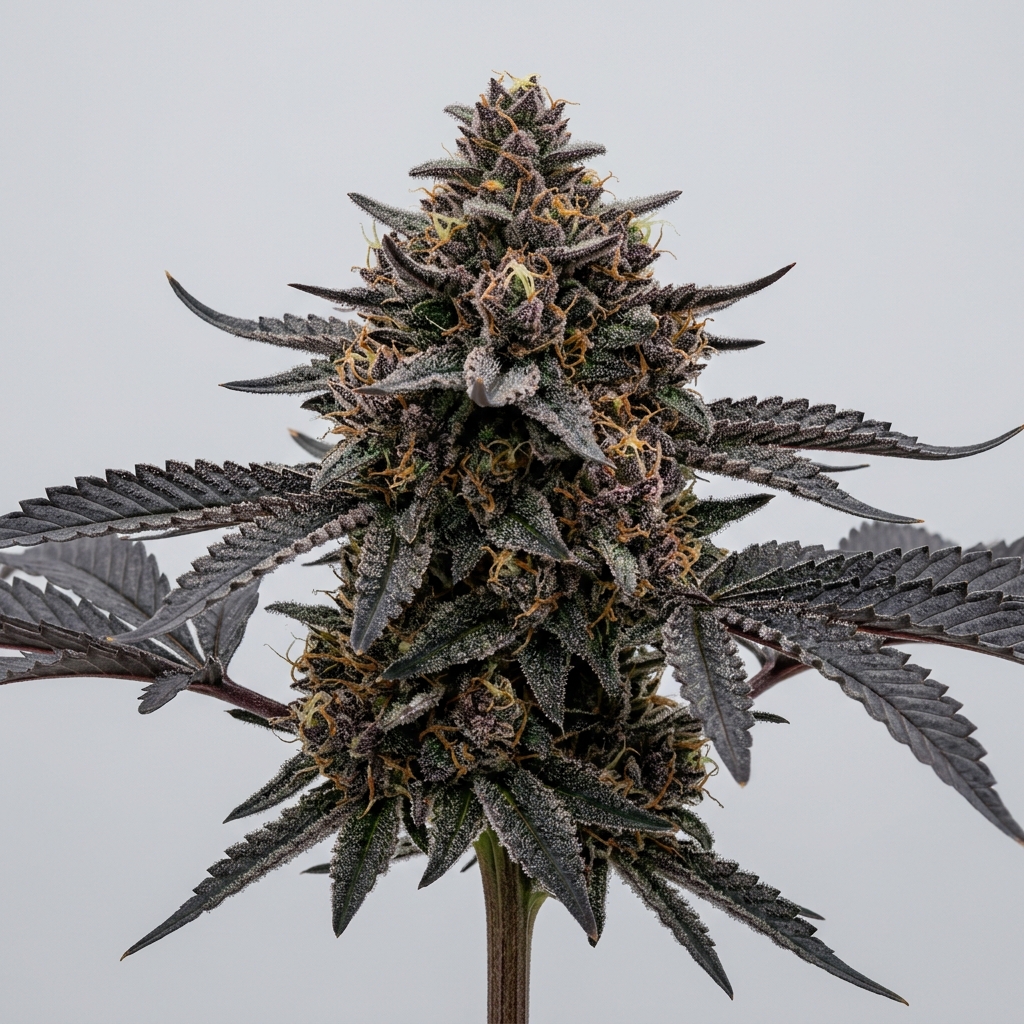
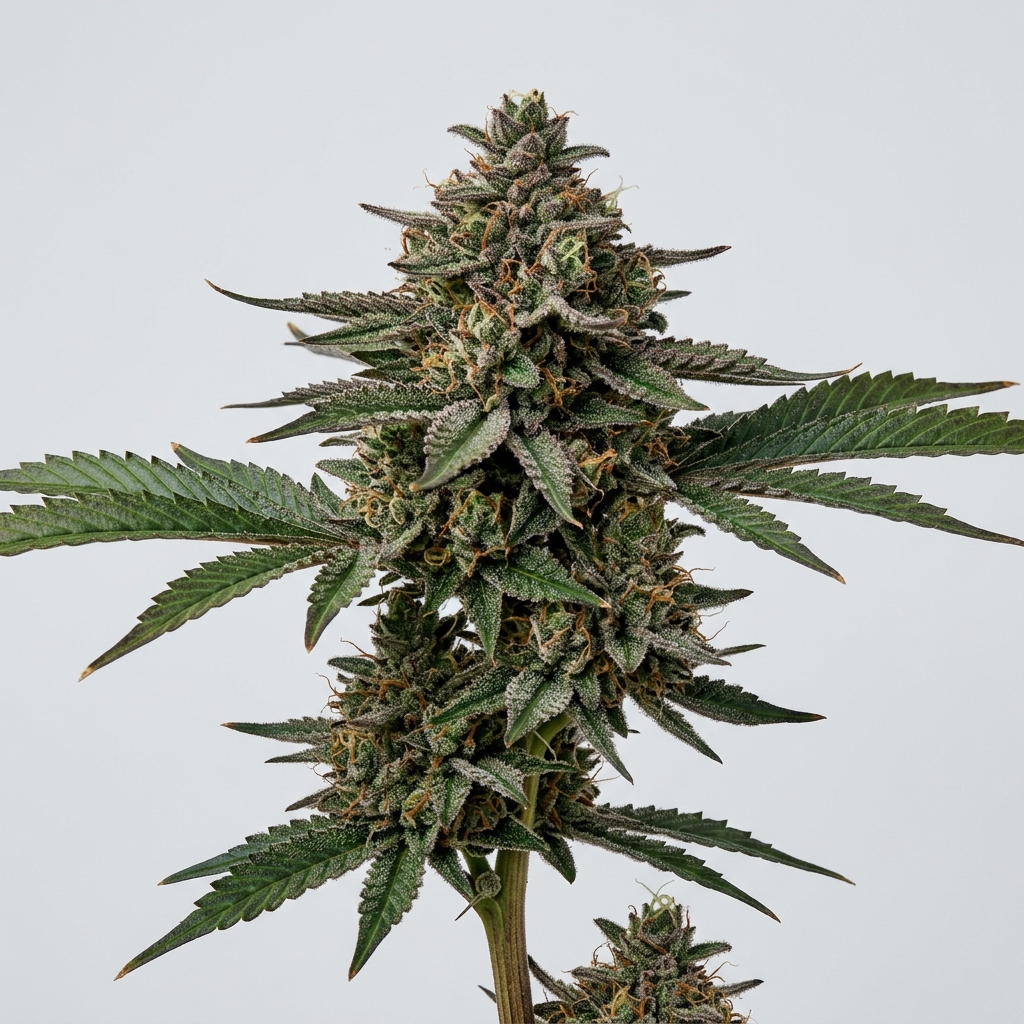
The flowers develop into long, airy spear colas with swollen calyxes and high resin production. This loose, open bud structure allows for excellent airflow through the canopy, naturally protecting the plant against mold and bud rot in humid conditions. The resin glands are small but highly concentrated, giving the mature flowers a glassy, wet-frost appearance.
Because it evolved in a wild, rugged environment, the plant is highly resistant to common pests and mildews. It thrives in high-UV environments and can tolerate sudden humidity fluctuations that would stress more delicate indoor hybrids. This makes it an incredibly hardy option for outdoor cultivation in temperate and warm climates.
Effects & Use-Cases (Reported)
Commonly reported effects: Energetic, clear-headed, uplifting, and highly motivating. Users often describe a clean, soaring mental stimulation that promotes focus and creativity without physical lethargy.
Use-case context: Ideal for active daytime use, outdoor activities, creative projects, or morning routines. It provides a natural lift that pairs well with physical exertion or focused mental tasks.
Note: Due to its pure Sativa lineage and highly stimulating properties, this strain may cause mild anxiety or restlessness in individuals sensitive to high-energy cultivars.
Aroma & Flavors
Aroma: Sweet anise, spicy licorice, and fresh, damp earth with a subtle herbal undertone.
Flavor: A sharp citrus lift on the inhale, followed by a sweet, woody spice and a clean mint finish.
Terpene associations: Terpinolene, myrcene, and pinene.
Tested Cannabinoid & Terpene Ranges
| Compound | Tested Range |
|---|---|
| Δ9-THC | 15.0% – 20.0% |
| CBD | < 0.1% |
| Terpinolene | 0.4% – 0.9% |
| Myrcene | 0.2% – 0.5% |
| Pinene | 0.1% – 0.3% |
Note: Cannabinoid and terpene levels are highly variable and depend heavily on environmental conditions, cultivation methods, and specific phenotypes.
Cultivation Notes
- Humidity: Keep relative humidity moderate during early flower, but the open bud structure handles late-flower humidity better than dense indica hybrids.
- Training: use low-stress training (LST) or a Screen of Green (SCROG) setup early in vegetative growth to manage the significant vertical stretch.
- Nutrition: This landrace prefers a light to moderate nutrient feeding schedule; heavy nitrogen can burn its delicate roots.
- Harvest: Monitor trichome clarity closely; harvest when the majority are milky white with minimal amber to preserve the bright, energetic high.
- Phenotype management: Expect some variation in stretch; select phenotypes that show tighter internodal spacing if growing in height-restricted indoor spaces.
Grower Notes (Week-by-Week Snapshot)
- Weeks 1–3 (Vegetative & Early Flower): The plant undergoes a rapid vegetative phase and a dramatic stretch once the light cycle is flipped. Begin early topping or training to establish a flat, even canopy.
- Weeks 4–6 (Mid-Flower): Elongated spear colas begin to form along the branches. Ensure support stakes or trellis netting are in place, as the thin stems may lean under the weight of the developing buds.
- Weeks 7–9 (Late-Flower & Harvest): Resin production peaks, coating the loose bracts in glassy trichomes. The sweet anise and spicy licorice aroma will intensify; flush with pure water during the final week and harvest when trichomes are fully milky.
Genetic Lineage
The genetic lineage of this cultivar traces back entirely to wild Sativa landraces native to the KwaZulu-Natal province of South Africa. Historically preserved by local populations, these plants adapted over centuries to the specific microclimates of the region, developing a unique chemical profile and growth rhythm.
Modern selections of this strain, such as those stabilized by World of Seeds, have been carefully bred to preserve the original landrace characteristics while selecting for a more uniform flowering time. This ensures that growers can experience an authentic, unhybridized Sativa without the unpredictable flowering windows of wild equatorial varieties.
Research Insights
Research into South African landraces indicates a high concentration of the monoterpene terpinolene, which is frequently associated with the uplifting and clear-headed effects of classic Sativas. When combined with moderate levels of pinene, this profile supports mental clarity and focus, contrasting sharply with the sedating, myrcene-heavy profiles of modern indica-dominant hybrids.
Furthermore, the lack of significant CBD or secondary sedating cannabinoids ensures that the physical effects remain light and unencumbered. This clean chemical fingerprint makes the cultivar a valuable subject for breeders looking to introduce vigor, pest resistance, and unique terpene clarity back into highly inbred modern gene pools.
Frequently Asked Questions
Is South African Kwazulu a pure Sativa?
Yes, it is a 100% pure, unhybridized Sativa landrace native to the Drakensberg mountains of South Africa.
How long does South African Kwazulu take to flower?
Surprisingly fast for a pure Sativa, it typically finishes flowering in 55 to 65 days (8 to 9 weeks) when grown indoors.
What does South African Kwazulu smell and taste like?
It features a distinct sweet anise and spicy licorice aroma, with a flavor profile that blends herbal sweetness, sharp citrus, and a clean wood finish.
Can this strain be grown indoors?
Yes, but it requires active height management, such as topping, training, or using a SCROG setup, due to its significant Sativa stretch.
Educational Disclaimer
This article is for educational and informational purposes only. Cannabis laws vary by jurisdiction, and cultivation should only be undertaken where legally permitted. Always consult local regulations before germinating seeds or consuming cannabis products.
Rate and review this strain
Ratings and reviews are accepted only from signed-in Google accounts.
Sign in with Google to leave a rating and written review.
Latest Reviews
0 reviewsNo reviews yet. Be the first Google user to rate and review this strain.