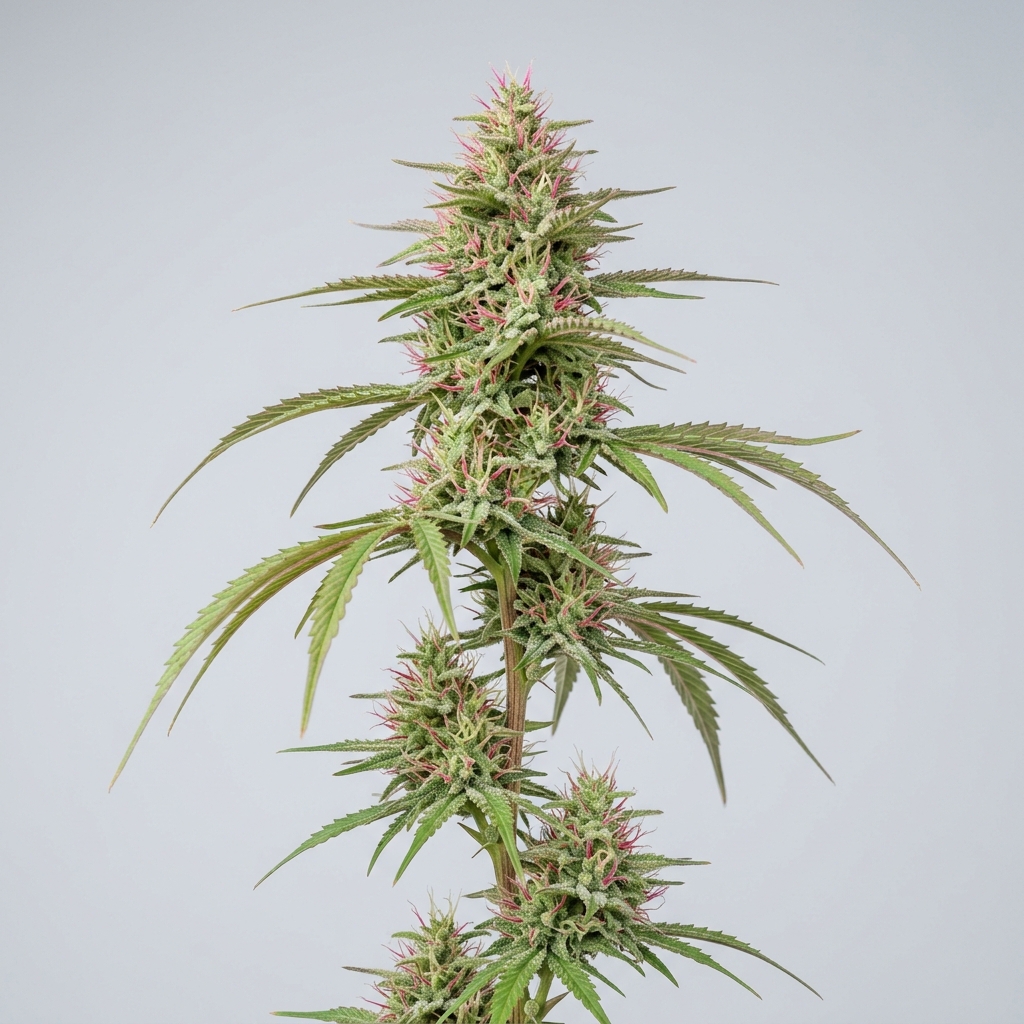
Panama (Cannabis Strain)
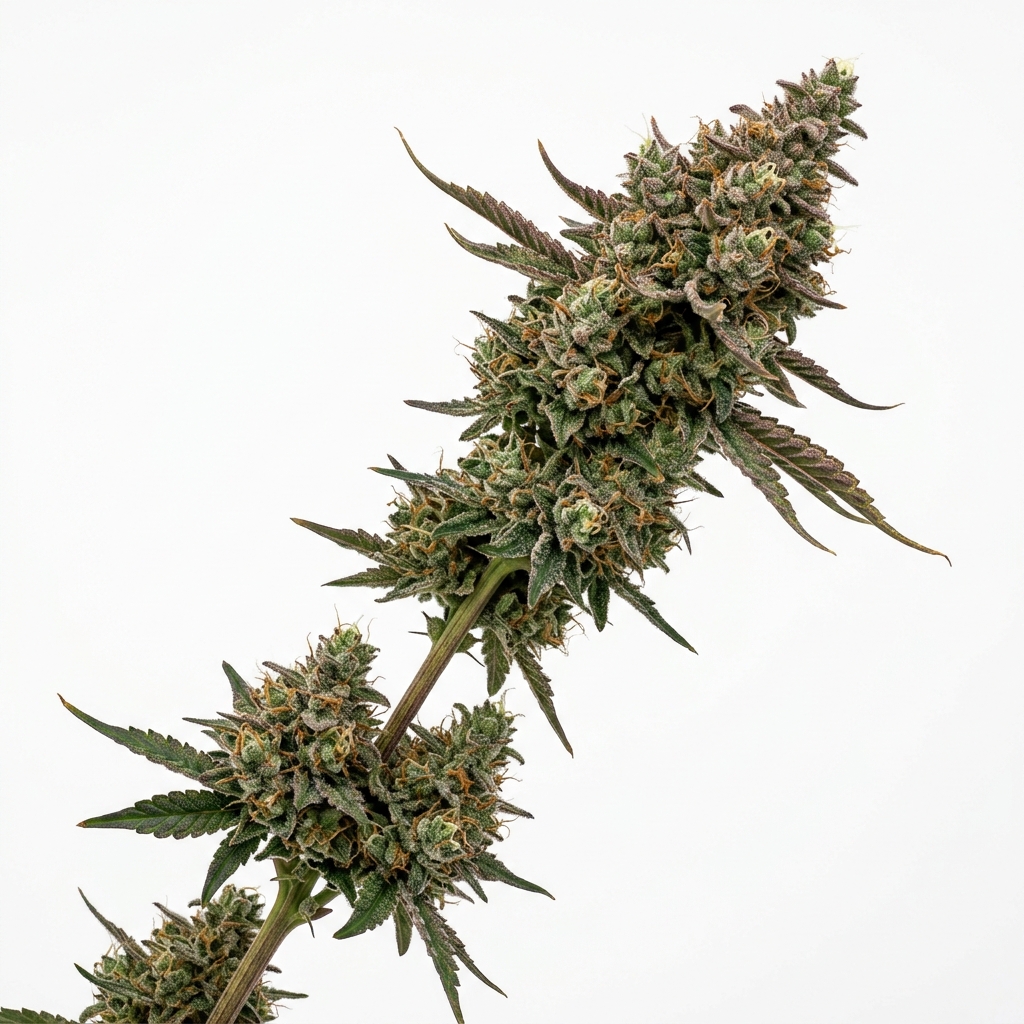
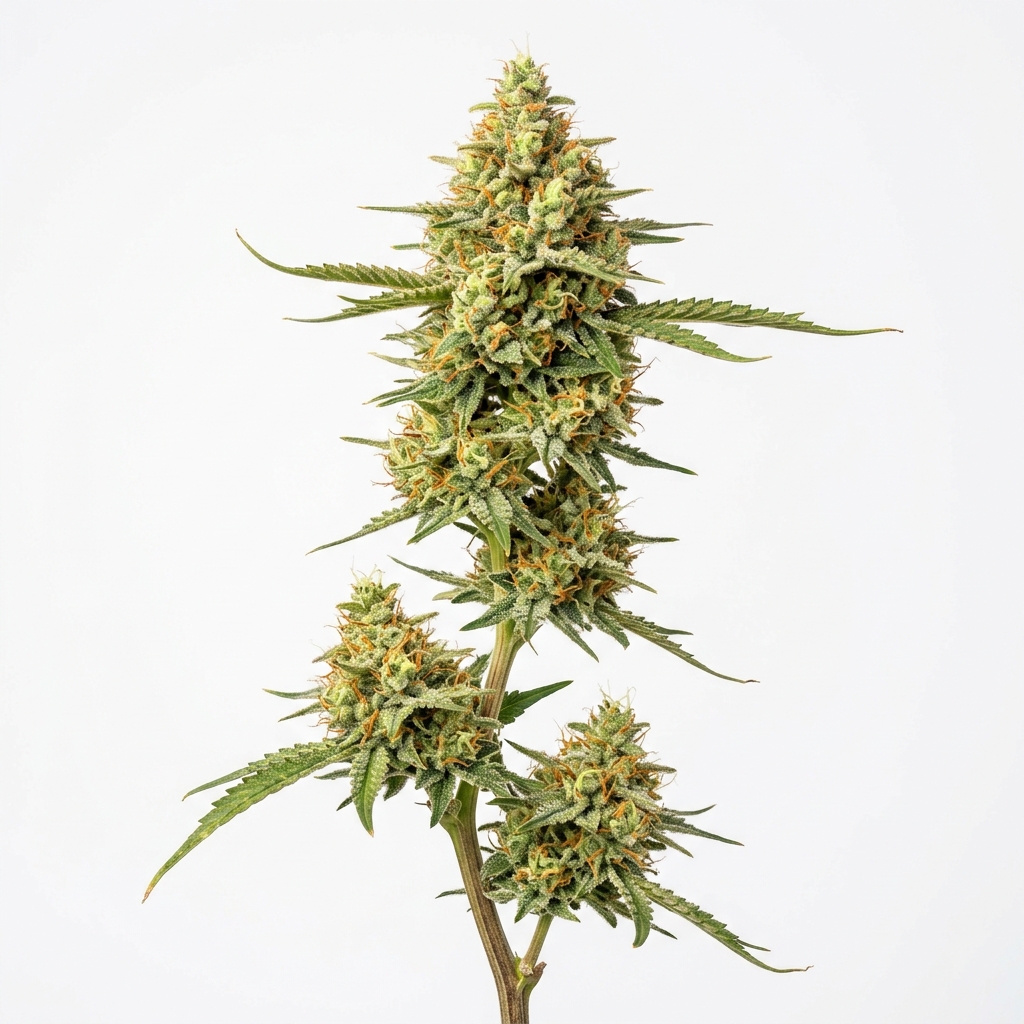
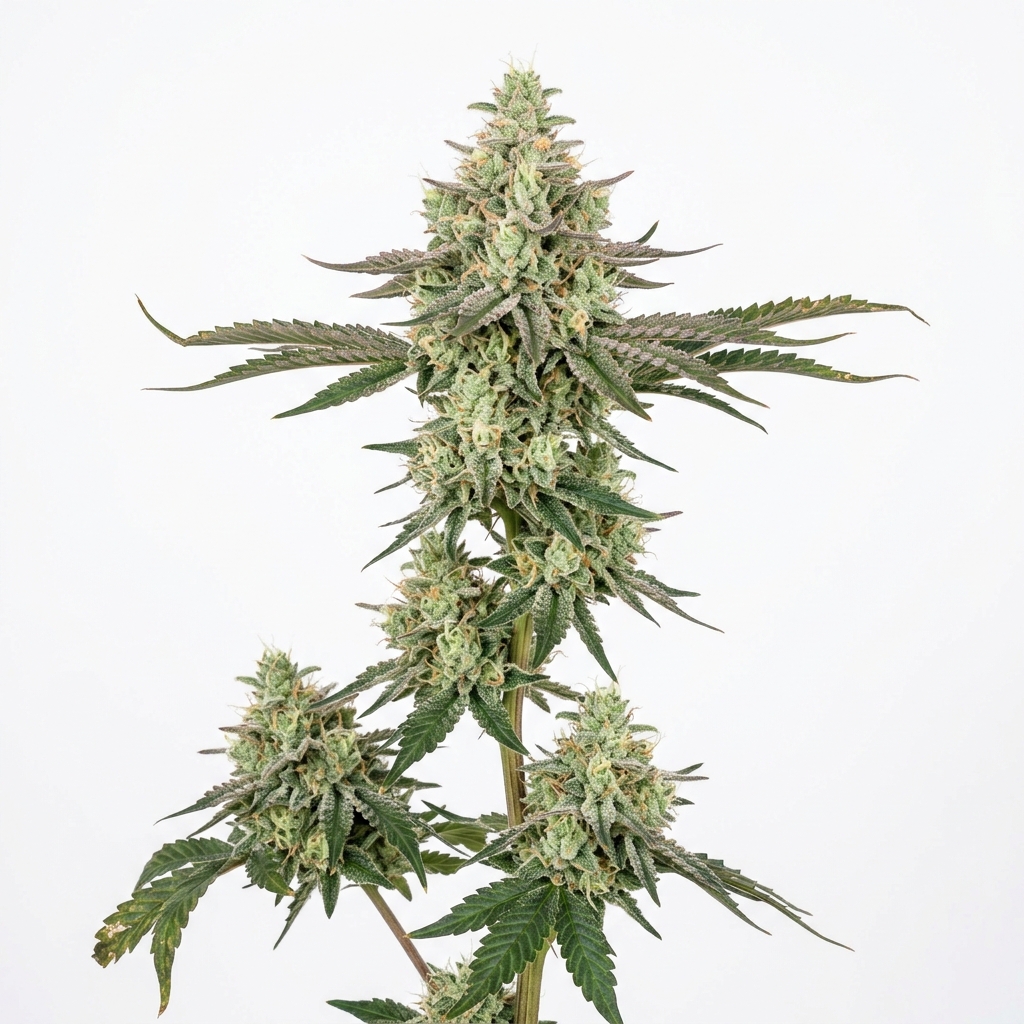
Panama is a legendary 100% sativa landrace hybrid, typically testing between 15% and 21% THC, that preserves the classic spirit of Central American sativas from the 1970s. Bred primarily by stabilizing three distinct Panamanian lines—Panama ’74, Green Panama, and Red Panama—this cultivar is celebrated for its towering spear colas, vibrant pink-to-red pistils, and a refined aroma of tart lemon, incense, and subtle vanilla. Unlike modern fast-flowering hybrids, it shows a classic, slow-stretching growth pattern and produces airy, resin-rich flowers highly prized by sativa purists and breeders alike.
The strain serves as a benchmark for pure sativa genetics, offering a clean and soaring sensory profile without the heavy physical weight of indica-dominant varieties. Its structural elegance and natural resilience to heat make it a classic choice for patient cultivators willing to accommodate its extended flowering cycle.
Quick Facts
| Fact | Details |
|---|---|
| Genetics | Panama ’74 × Green Panama × Red Panama |
| Variety | 100% Sativa |
| THC Range | 15% – 21% |
| Flowering Time | 9 – 12 weeks |
| Yield Potential | Moderate to High |
| Plant Height | Tall (significant stretch) |
| Climate Preference | Warm, semi-humid, Mediterranean or tropical |
| Difficulty | Moderate to High |
Scientific & Botanical Overview
Botanically, Panama represents a highly stabilized multi-lineage landrace backcross, exhibiting classic tropical sativa traits. The plants develop thin, serrated fan leaves with wide internodal spacing, allowing excellent light penetration and airflow through the lower canopy. Its vegetative stage is characterized by rapid, slender growth that requires early height management when cultivated indoors.
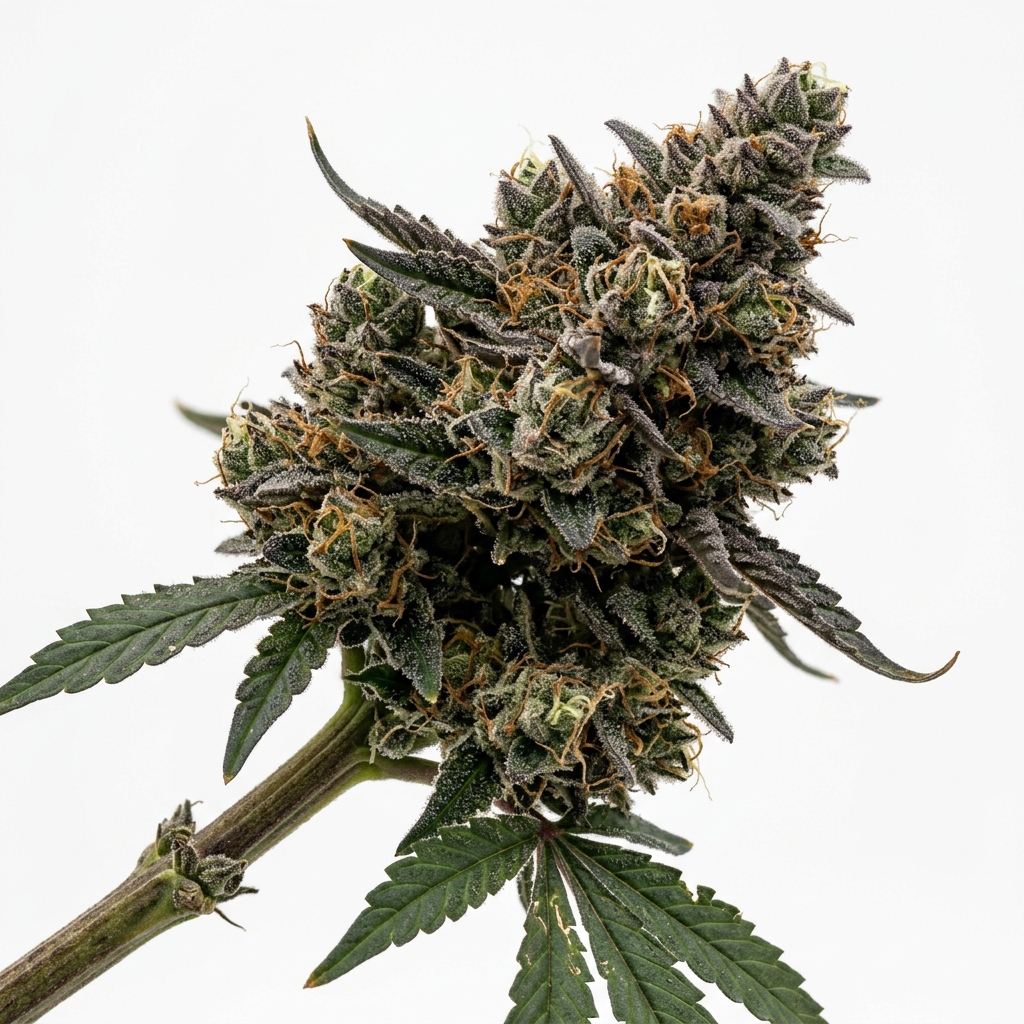
During the generative phase, the strain produces long, spear-like colas composed of swollen calyxes and relatively few leaves. Certain phenotypes, particularly those influenced by the Red Panama line, display striking reddish and pinkish hues in the pistils and calyx walls during late flower. The resin glands are small but densely packed, secreting a glassy, non-sticky resin that is highly fragrant.
The cultivar shows remarkable adaptation to warm, humid environments, possessing a natural resistance to botrytis and powdery mildew due to its open bud structure. Its nutritional requirements are relatively light compared to modern polyhybrids, often showing sensitivity to high nitrogen levels during both vegetative and flowering cycles.
Effects & Use-Cases (Reported)
Commonly reported effects include a soaring mental clarity, sustained physical energy, and a bright, euphoric sensory lift. Unlike heavy modern hybrids, it rarely produces physical lethargy or a heavy comedown, making it a classic choice for daytime activity.
Use-case context typically centers on creative tasks, outdoor activities, or social engagements where focus and motivation are desired. Many collectors seek this cultivar specifically for its vintage, clean sativa stimulation.
Note: Pure sativa cultivars can occasionally induce mild anxiety or restlessness in sensitive individuals, particularly when consumed in high doses or unfamiliar environments.
Aroma & Flavors
Aroma: A dominant profile of tart lemon and fermented citrus, layered over a deep base of exotic incense, cedar wood, and a soft, sweet vanilla undertone.
Flavor: The smoke is crisp and herbal, delivering a sharp citrus lift on the inhale followed by a dry, spicy woodiness and clean incense finish on the exhale.
Terpene associations:
Terpinolene dominates the profile, supported by significant levels of myrcene, limonene, and caryophyllene.
Tested Cannabinoid & Terpene Ranges
| Compound | Estimated Range |
|---|---|
| Δ9-THC | 15.0% – 21.0% |
| CBG | 0.5% – 1.5% |
| Terpinolene | 0.4% – 0.8% |
| Myrcene | 0.2% – 0.5% |
| Limonene | 0.1% – 0.3% |
| Caryophyllene | 0.1% – 0.3% |
Note: Cannabinoid and terpene profiles are highly variable and depend heavily on phenotypical expression, cultivation techniques, and curing conditions.
Cultivation Notes
- Keep relative humidity (RH) around 55-60% in early flower, tapering down to 45% in the final weeks to protect the long colas, though its airy structure naturally resists moisture buildup.
- Maintain a light nutrient regimen, especially with nitrogen; excess nitrogen can easily trigger clawing or delay the onset of flowering.
- Employ Low-Stress Training (LST) or screen of green (ScrOG) methods early to manage the substantial stretch, which can easily triple the plant’s height in flower.
- Monitor trichome maturity closely, looking for a shift from clear to milky white with minimal amber to preserve the soaring, energetic character of the high.
- Watch for the “red” phenotype, which displays pinkish pistils and reddish stems, as it often carries the most complex incense and vanilla aroma profiles.
Grower Notes (Week-by-Week Snapshot)
- Weeks 1–3 (Transition & Stretch): The plant undergoes a dramatic stretch immediately after the light cycle flip. Ensure training nets are in place and prune lower, non-productive shoots to direct energy to the primary spears.
- Weeks 4–6 (Spear Formation): Long, airy flower clusters begin to form along the branches. Internodal spaces fill out with thin-leafed calyx clusters, and resin production begins to coat the young bracts.
- Weeks 7–9 (Resin & Color Development): Pistils may begin turning pink or red in cooler night temperatures. Odors shift from fresh grass to sharp citrus and incense; ensure air filtration is fully functional.
- Weeks 10–12+ (Ripening & Harvest): The colas swell and mature slowly. Reduce watering slightly and allow the medium to dry out between cycles to encourage final resin secretion before harvest.
- Post-Harvest (Slow Dry & Cure): Execute a slow, 14-day dry at 60°F (15°C) and 60% humidity to preserve the delicate terpinolene-rich terpene profile, followed by a minimum four-week cure.
Genetic Lineage
The genetic foundation of Panama is a meticulous reconstruction of classic Central American landraces, combining three distinct lines sourced from the region. The primary backbone is the Panama ’74, a highly sought-after green sativa phenotype known for its clean, energetic high and heavy resin production. This was carefully outcrossed and stabilized with Green Panama and Red Panama lines, the latter of which introduces the iconic pinkish-red pistils and a smoother, vanilla-scented undertone.
This stabilization effort, largely credited to preservation-focused breeders, successfully consolidated the best traits of these landraces into a uniform, reliable seed line. By avoiding hybridization with modern indica or ruderalis genetics, the lineage remains a pure representation of 1970s Panamanian cannabis, offering a vital genetic reservoir for contemporary breeding projects.
Research Insights
Scientific interest in Panama focuses primarily on its high concentration of terpinolene, a relatively rare dominant terpene in modern commercial polyhybrids. Research suggests that terpinolene, when combined with limonene and moderate levels of myrcene, plays a critical role in modulating the energetic and uplifting effects of THC, bypassing the sedative properties typically associated with high-myrcene cultivars.
Additionally, the presence of minor cannabinoids like CBG in stable landrace sativas is of significant interest to researchers exploring the synergistic dynamics of the entourage effect. The preservation of these pure landrace traits provides a valuable baseline for studying how ancestral cannabis profiles differed from modern, highly hybridized commercial strains.
Frequently Asked Questions
Is Panama a pure sativa?
Yes, Panama is a 100% pure sativa landrace hybrid, stabilized over several generations from three distinct Panamanian sativa lines without any indica introduction.
How long does Panama take to flower?
This strain typically requires a flowering period of 9 to 12 weeks, depending on the specific phenotype and environmental conditions.
Does Panama show red colors?
Yes, some phenotypes (often referred to as the Red Panama phenotype) display beautiful pink, red, and purple hues in the pistils and calyxes, especially when exposed to cooler night temperatures late in flower.
Is Panama difficult to grow indoors?
It is moderately difficult due to its significant height stretch and long flowering time. However, its light feeding requirements and high resistance to mold make it manageable with proper training.
Educational Disclaimer
This content is provided solely for educational and informational purposes. It does not constitute medical advice, nor is it intended to promote, encourage, or facilitate the illegal cultivation, distribution, or consumption of cannabis.
Rate and review this strain
Ratings and reviews are accepted only from signed-in Google accounts.
Sign in with Google to leave a rating and written review.
Latest Reviews
0 reviewsNo reviews yet. Be the first Google user to rate and review this strain.
Follow New Cultivar Records
Get newly documented genetics, breeder history, research highlights, and important Strainpedia discoveries by email.