
Gelato Candy (Cannabis Strain)
Gelato Candy is an indica-dominant hybrid cultivar typically testing between 20% and 26% THC, bred through the pairing of Gelato and Candy Kush. Breeder attribution is not universally standardized, though several craft breeders and boutique seed banks offer distinct cuts that lean heavily into sugary confectionery aromatics backed by tart diesel undertones. The finished flowers develop heavy, wet frost over compact bracts, making the cultivar an attractive choice for both flower enthusiasts and solventless resin extractors.
Combining the dessert-dough characteristics of the Cookies family with the grounded sweetness of classic candy genetics, this cultivar displays controlled vegetative stretch and substantial purple pigmentation late in bloom. Reported experiences consistently emphasize a quick-setting cerebral ease that settles into heavy physical relaxation without immediate sedation. Its broad terpene profile and resin gland density reflect its modern dessert pedigree.
Quick Facts
| Field | Details |
|---|---|
| Breeder | Not consistently documented (various craft selections) |
| Genetics | Gelato × Candy Kush |
| Variety | Indica-dominant hybrid (approx. 60% Indica / 40% Sativa) |
| THC Range | 20% – 26% |
| Flowering Time | 8 – 9 weeks (56 – 63 days) |
| Yield Potential | Moderate to High (450 – 550 g/m² indoor) |
| Plant Height | Medium (90 – 140 cm) |
| Climate Preference | Temperate to warm Mediterranean climates with low late-flower humidity |
| Difficulty | Moderate |
Scientific & Botanical Overview
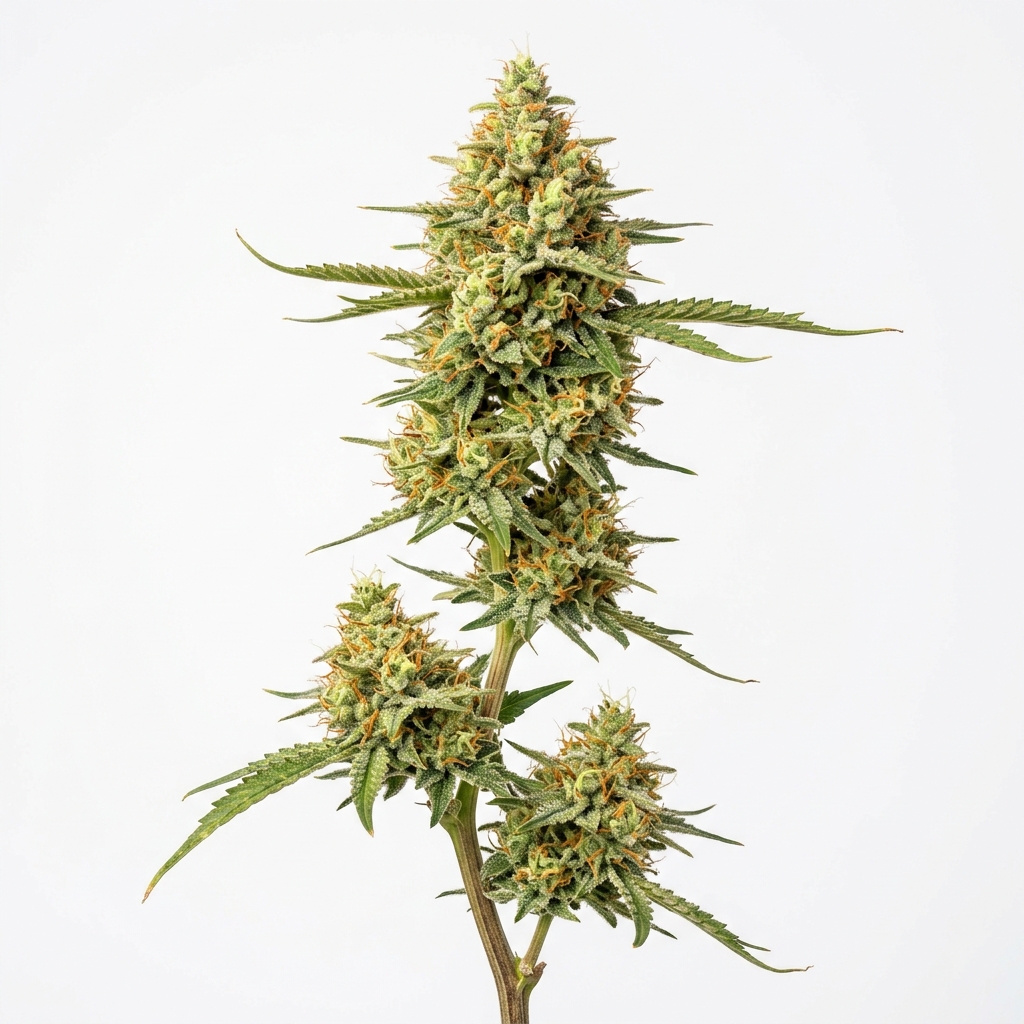
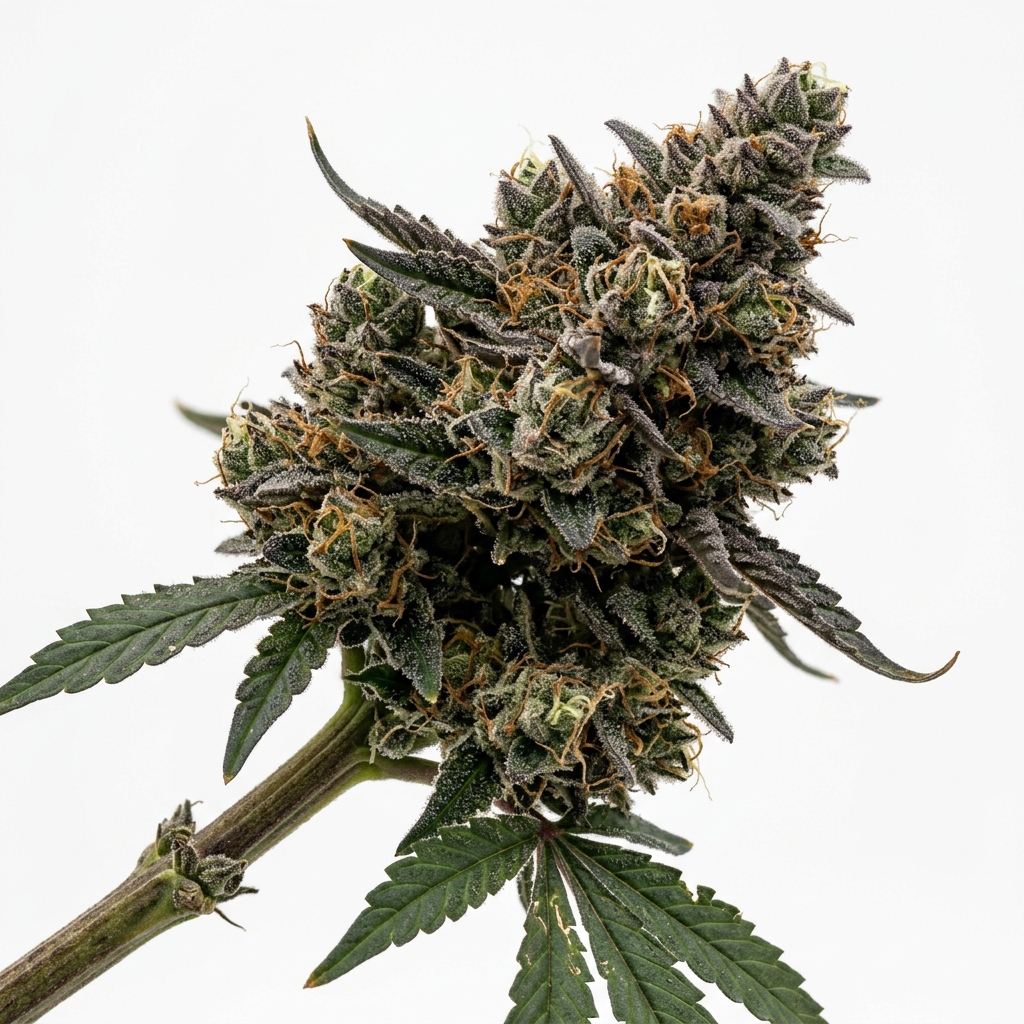
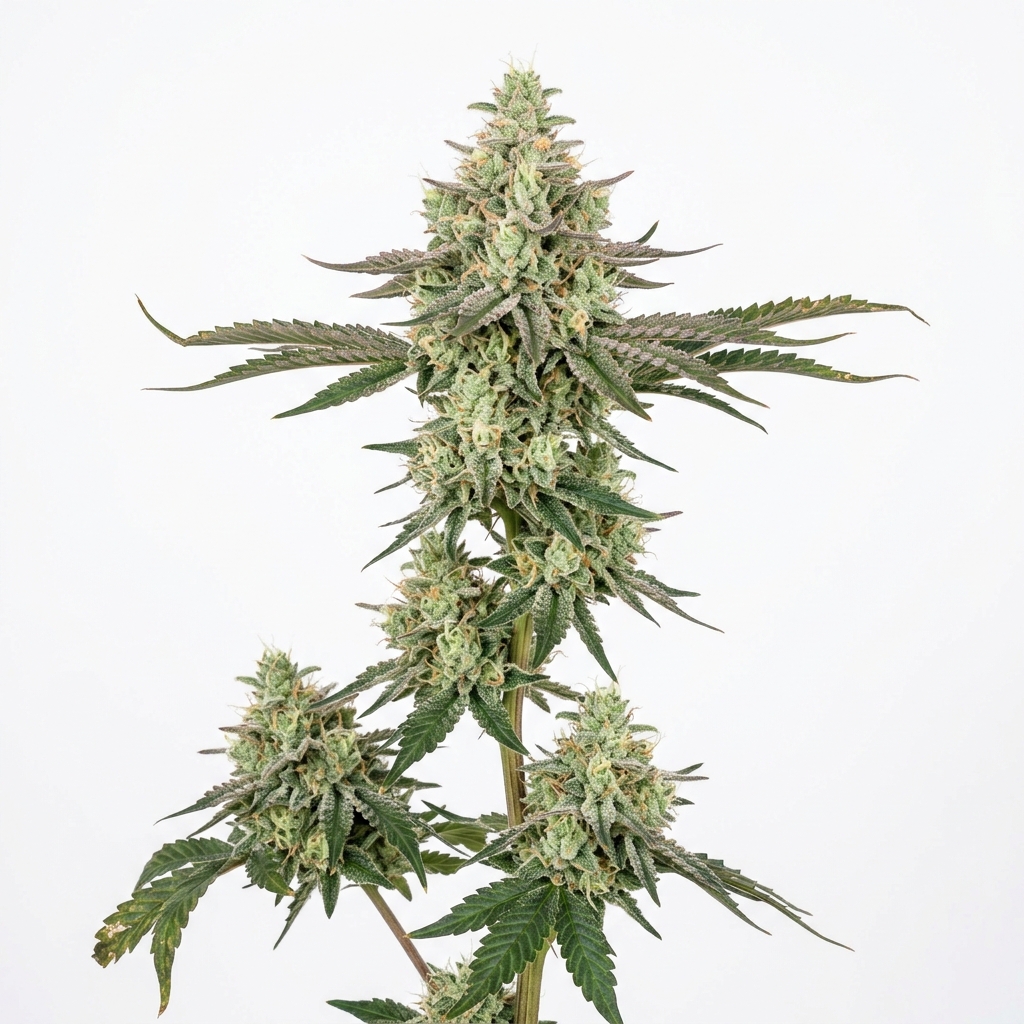
Gelato Candy shows classic hybrid vigor paired with the compact growth pattern of its Afghan and Cookie heritage. Plants typically develop strong lateral branches, tight internodal spacing, and broad fan leaves that display dark olive coloring during vegetative growth. As flowering progresses, anthocyanin accumulation often turns the upper leaves and flower bracts deep violet and indigo, especially when night temperatures drop below 18°C.
The inflorescences form dense, rounded clusters with swollen calyxes that stack into solid spear colas. Trichome coverage is extensive, featuring large capitate-stalked glandular heads that produce a greasy resin coat rather than a brittle dry crust. This sticky outer mantle preserves volatile terpenes throughout late maturation, contributing to the cultivar’s persistent post-cure pungency.
Horticulturally, the plant maintains a moderate vertical stretch of approximately 1.5× after the light cycle flip. The primary canopy requires adequate support as colas gain mass rapidly between weeks five and eight. Proper airflow around the dense inner bud sites is critical to prevent moisture retention inside the tight floral structure.
Effects & Use-Cases (Reported)
Commonly reported effects: Consumers typically describe an initial wave of mild cerebral euphoria that elevates mood without racing thoughts. As the session progresses, this mental clarity shifts into a deep, full-body warmth and limb relaxation. The cultivar tends to quiet physical tension and mental clutter, leading toward a calm, grounded baseline that rarely induces abrupt couchlock at moderate intakes.
Use-case context: Due to its relaxing physical nature and low mental agitation, Gelato Candy is commonly chosen for late afternoon unwinding, social evenings, creative decompression, or pre-bedtime routines. Its rich flavor and smooth smoke make it well-suited for mindful dry-herb vaporization and quiet end-of-day sessions.
Note: Individual experiences vary based on dosage, flower freshness, personal tolerance, and endocannabinoid system differences. High doses may tilt the experience toward heavy sedation.
Aroma & Flavors
Aroma: The bouquet is dominated by sweet berry dough, spun sugar, and ripe fruit, anchored by a faint earthy fuel base. Grinding the flowers breaks open deeper notes of creamy vanilla, tart citrus rind, and a light peppery spice that lingers in the room.
Flavor: The palate follows the nose closely, delivering an initial inhale of sweet confectionery and tart berries over a smooth, creamy smoke. The exhale leaves a distinct finish of mild fuel, lavender florals, and subtle herbal earth.
Terpene associations: The primary aromatic drivers commonly identified in lab tests include beta-caryophyllene, limonene, linalool, and myrcene, with trace amounts of humulene contributing to its warm herbal undertone.
Tested Cannabinoid & Terpene Ranges
| Compound | Type | Typical Range |
|---|---|---|
| Δ9-THC | Cannabinoid | 20.0% – 26.0% |
| CBD | Cannabinoid | < 1.0% |
| CBG | Cannabinoid | 0.5% – 1.5% |
| Total Terpenes | Terpene Content | 1.8% – 3.2% |
| β-Caryophyllene | Terpene | 0.4% – 1.0% |
| D-Limonene | Terpene | 0.3% – 0.8% |
| Linalool | Terpene | 0.2% – 0.5% |
| Myrcene | Terpene | 0.2% – 0.6% |
Range note: The values above represent typical ranges compiled from published third-party laboratory analyses of dried flower. Actual cannabinoid and terpene concentrations vary significantly depending on phenotype selection, cultivation environment, nutrient inputs, harvest timing, and post-harvest drying and curing conditions.
Cultivation Notes
- Humidity management: Maintain relative humidity between 55% and 60% during early bloom, lowering gradually to 40%–45% during the final three weeks to protect the dense, resinous colas from mold and botrytis.
- Nutrient requirements: Plants handle moderate feeding schedules well but can be sensitive to excess nitrogen after week three of bloom; focus on balanced potassium and phosphorus supplementation during peak bud swelling.
- Canopy training: Responds well to low-stress training (LST) and a single early top above the fourth or fifth node; a trellis net helps spread lateral branches and maximize light penetration to lower nodes.
- Defoliation: Perform a moderate strip of large inward-facing fan leaves around day 21 and day 42 of flowering to improve air circulation through the central canopy.
- Harvest window: Prime harvest maturity generally occurs between day 56 and day 63, signaled when trichomes turn mostly milky with 10% to 15% showing amber heads.
Grower Notes (Week-by-Week Snapshot)
- Weeks 1–3 (Transition & Stretch): Plants exhibit a manageable stretch of 120%–150%. Lateral shoots develop rapidly; install support netting early and keep vegetative feeding steady until vertical stretch tapers off.
- Weeks 4–6 (Bud Formation & Resin Swell): Dense floral clusters form along every node. Trichome production accelerates significantly, producing a wet frost layer and an intensifying sweet dessert aroma. Keep daytime temperatures around 24°C–26°C.
- Weeks 7–9 (Ripening & Color Expression): Calyxes swell and pistils turn vibrant copper. Introducing slightly cooler night temperatures (18°C–20°C) encourages deep purple and maroon pigmentation across bracts. Reduce humidity to 40% to preserve terpene clarity.
- Post-Harvest (Dry & Cure): Whole-plant hang at 15°C–18°C and 58%–62% relative humidity for 10 to 14 days. A slow cure in airtight glass containers for 3 to 4 weeks smooths the smoke and brings forward the nuanced berry-vanilla profile.
Genetic Lineage
Gelato Candy draws its genetic foundation from two widely appreciated modern families. The Gelato parent (typically Gelato #33 or #41, bred from Sunset Sherbet × Thin Mint GSC) provides heavy resin output, compact flower structure, and distinctive dessert terpenes characterized by creamy fruit and gas. This parental line contributes strong color potential and dense calyx stacking.
The Candy Kush parent (frequently derived from OG Kush crossed with Trainwreck or classic candy-leaning Afghani hybrids) introduces pronounced sweet confectionery flavors and a sturdier branch architecture. The resulting cross combines the exotic dessert complexity of the Cookies line with the vigorous growth and balanced physical relaxation of heritage hybrid stock.
Research Insights
Scientific literature on cannabis phytochemistry highlights the significant influence of dominant terpene profiles on aroma character and consumer experience. Compounds such as beta-caryophyllene are well-documented as unique dietary cannabinoids capable of selectively binding to peripheral CB2 receptors in laboratory assays, while limonene and linalool have been studied for their calming and mood-modulating properties in preclinical aromatic evaluations.
While general cannabis research continues to explore the interactions between cannabinoids and volatile terpenes, specific peer-reviewed clinical studies on individual named cultivars like Gelato Candy remain limited. Cultivar-specific attributes are currently understood through third-party laboratory chemical profiling, commercial cultivation data, and documented user observations rather than controlled human clinical trials.
Frequently Asked Questions
Who bred Gelato Candy?
Breeder attribution is not universally standardized to a single creator. Several craft breeders and European seed houses offer stabilized selections of the cross between Gelato and Candy Kush, each emphasizing slightly different dessert or gas-leaning phenotypes.
Is Gelato Candy an indica or sativa?
Gelato Candy is an indica-dominant hybrid, generally showing an approximate 60% indica to 40% sativa balance in both its physical growth habits and its calming, full-body reported effects.
What does Gelato Candy smell and taste like?
The aroma features sweet berry dough, spun sugar, and subtle vanilla with an earthy diesel undertone. The flavor delivers creamy fruit and confectionery sweetness on the inhale, finishing with light fuel, lavender, and mild peppery spice on the exhale.
How long does Gelato Candy take to flower?
Indoor flowering typically takes 8 to 9 weeks (56 to 63 days) from the onset of a 12/12 light schedule. Outdoor crops generally reach maturity between late September and early October in the Northern Hemisphere.
Educational Disclaimer
This content is for educational and informational purposes only. Cannabis laws and regulations vary by jurisdiction. Always consult with a qualified professional before beginning any cultivation project or consuming cannabis products.
Rate and review this strain
Ratings and reviews are accepted only from signed-in Google accounts.
Sign in with Google to leave a rating and written review.
Latest Reviews
0 reviewsNo reviews yet. Be the first Google user to rate and review this strain.
Follow New Cultivar Records
Get newly documented genetics, breeder history, research highlights, and important Strainpedia discoveries by email.