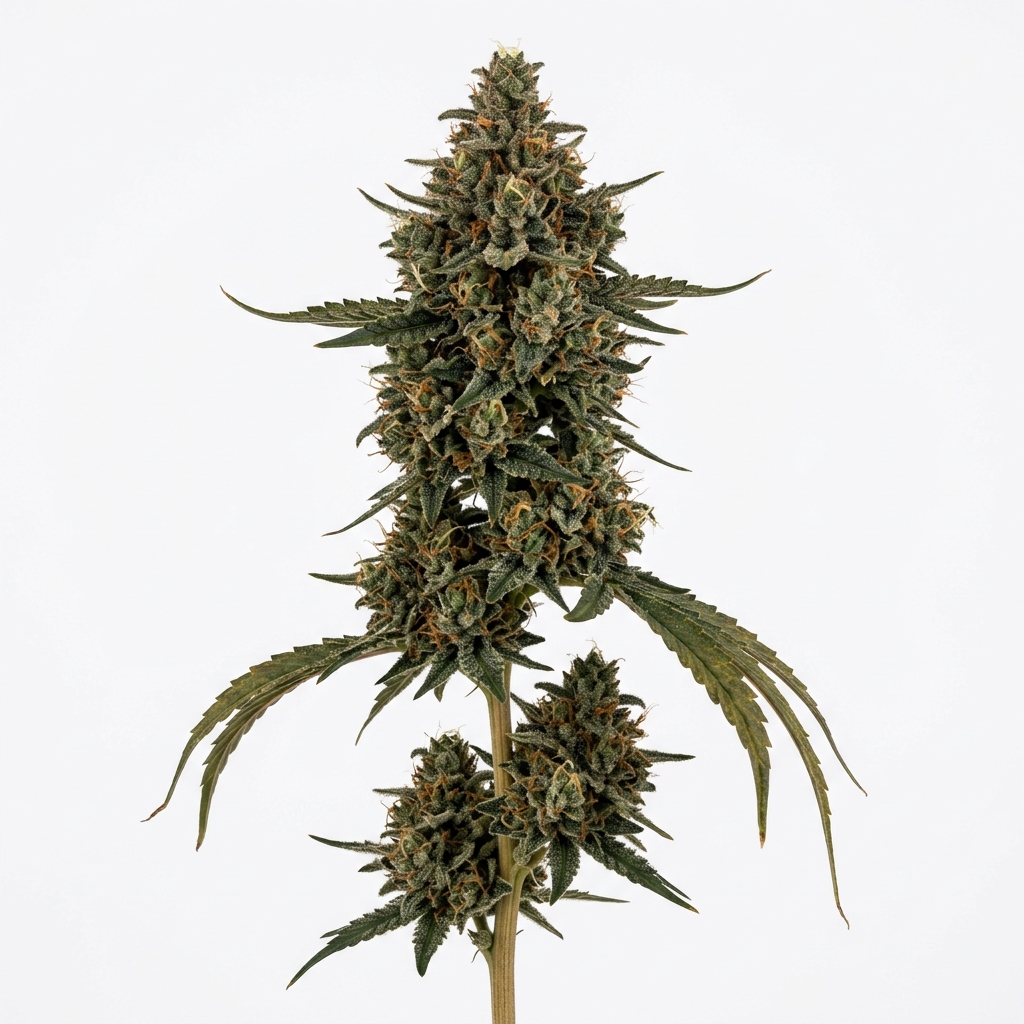
Dtla OG (Cannabis Strain)
Dtla OG (also known as Downtown LA OG) is an indica-dominant hybrid cultivar delivering uninfused flower potency typically testing between 20% and THC not consistently reported. Rooted in the classic lineage of OG Kush selections from the Southern California underground scene, the original breeder is not consistently documented in reliable public sources. The cultivar is known for greasy resin production, medium-dense spear colas, and a classic aroma dominated by pungent kerosene, sharp pine, and damp earth with a citrus bite.
Inheriting the lanky branching and nodal spacing characteristic of classic fuel-forward cuts, this selection requires careful support and climate management in the grow room. Consumers typically report a potent, heavy body weight paired with a calm mental state, making it a staple evening profile tailored for post-work relaxation and quiet unwinding.
Quick Facts
| Field | Details |
|---|---|
| Breeder | Not consistently documented |
| Genetics | OG Kush selection |
| Variety | Indica-dominant hybrid |
| THC Range | 20% – 25% (uninfused flower) |
| Flowering Time | 8 – 9 weeks (56 – 63 days) |
| Yield Potential | Moderate |
| Plant Height | Medium to tall |
| Climate Preference | Temperate to warm, low-humidity late flower |
| Difficulty | Moderate to experienced |
Scientific & Botanical Overview
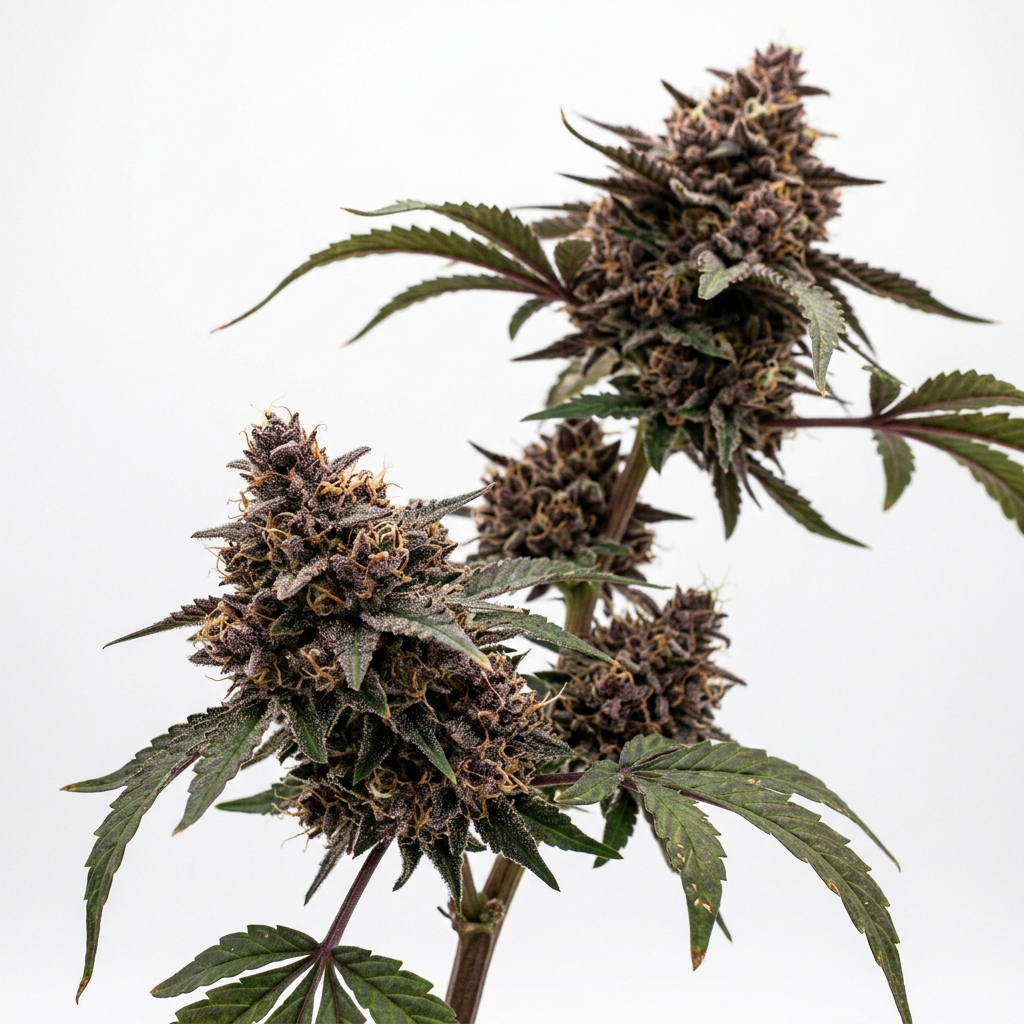
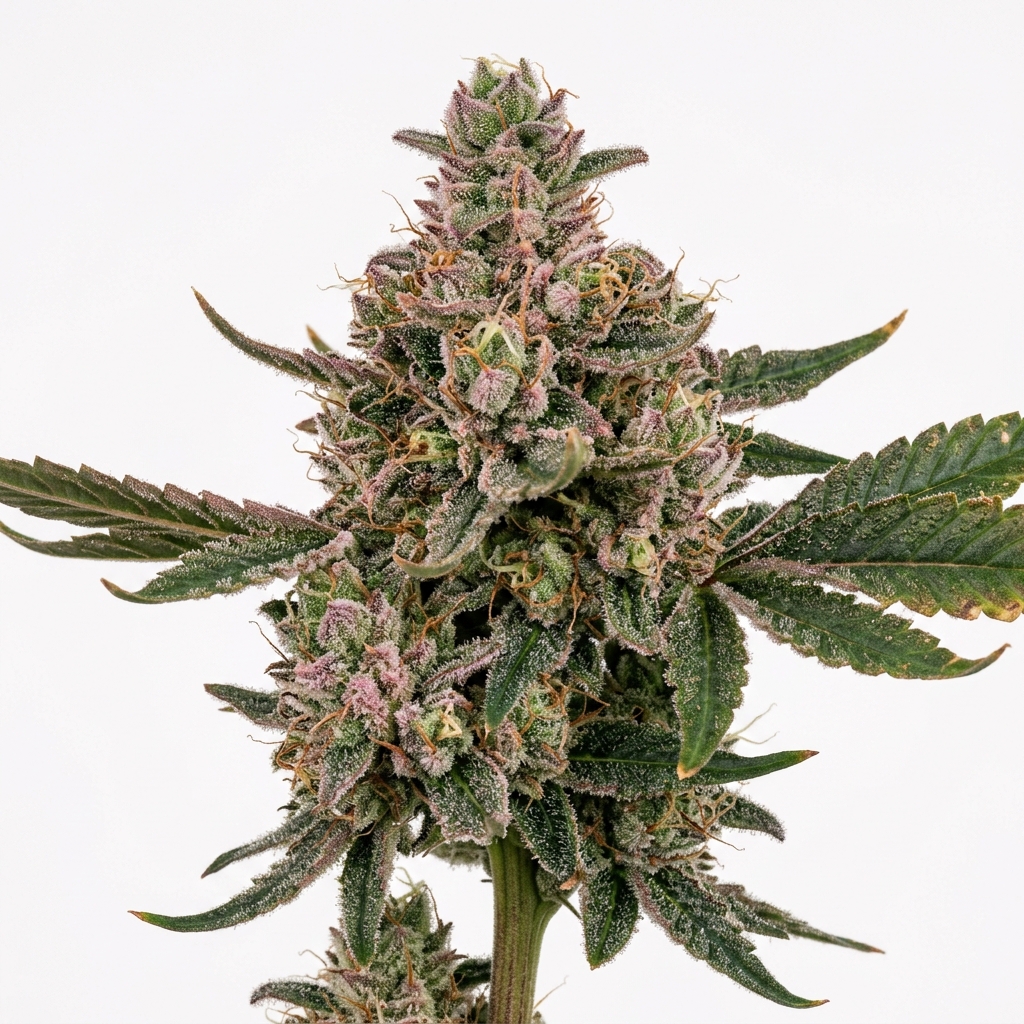
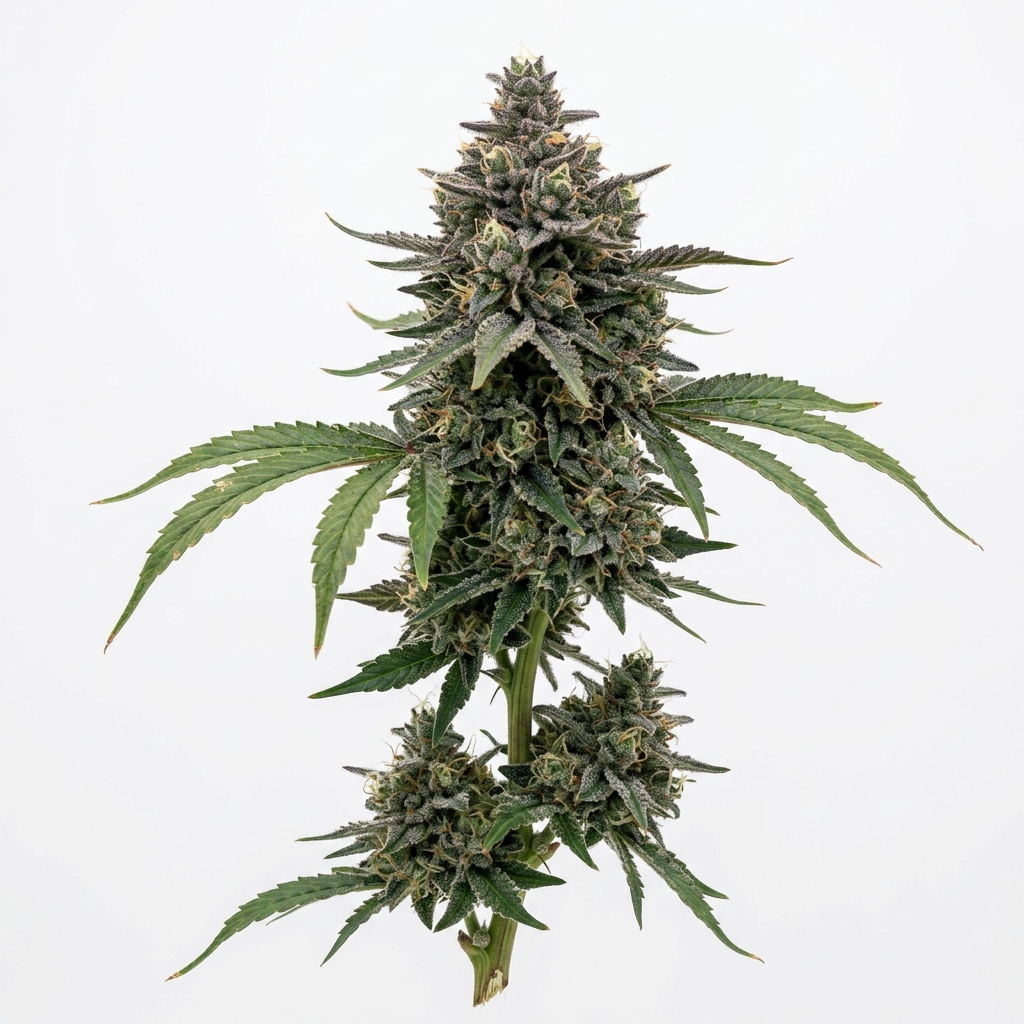
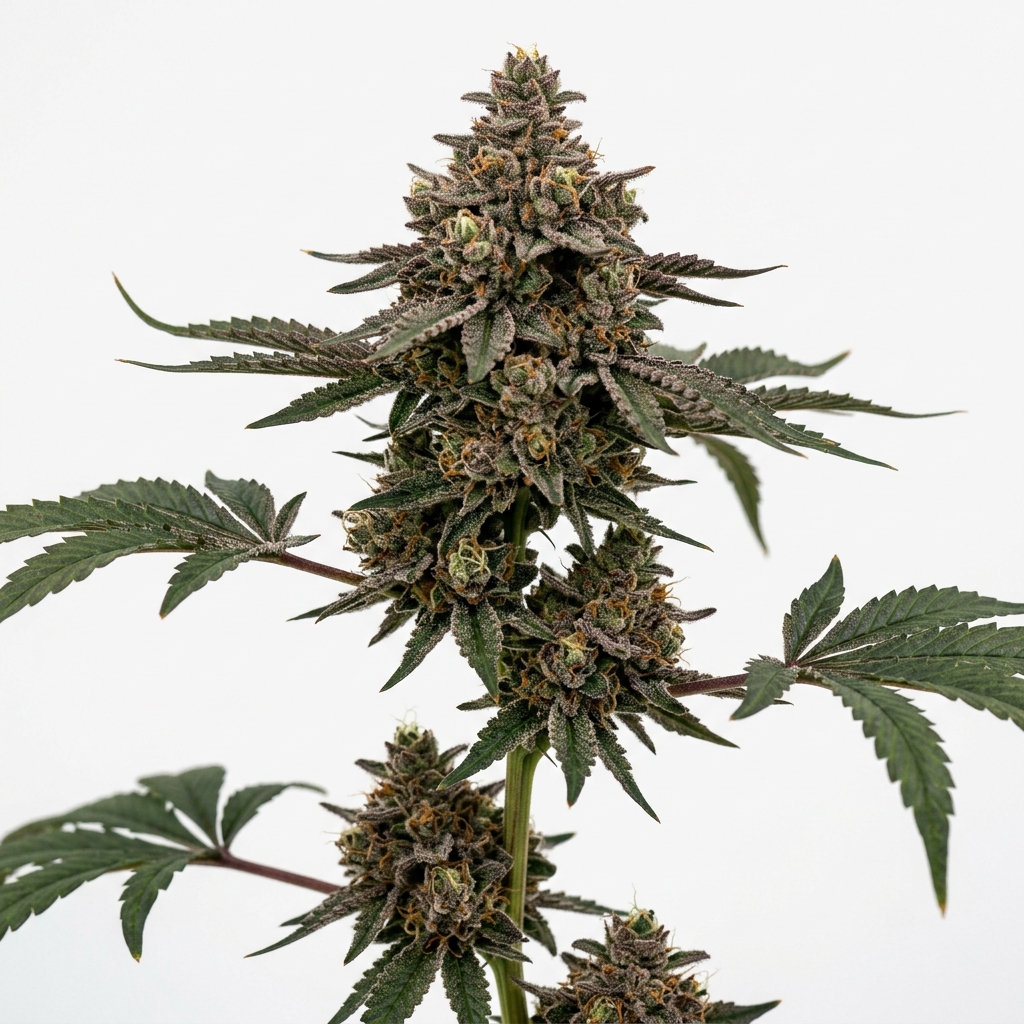
Dtla OG displays typical morphology linked to the broader Chemdawg and Lemon Thai heritage within the Southern California gene pool. Plants exhibit slender main stems and vine-like lateral branches that require staking once flower mass accumulates. Foliage consists of medium-width serrated leaves that lean dark olive green, often lightening around swollen bract clusters as calyxes mature.
The glandular trichome heads are dense and stalk-heavy, forming a greasy outer layer over forest-green calyxes. Bracts swell substantially during the final two weeks of maturation, while bright copper pistils recede into the flower body. Resin heads maintain a classic spherical shape with high terpene retention, making the cured flower notably sticky upon handling.
Internodal spacing is wider than modern dense-branching dessert crosses, requiring deliberate canopy management to maximize light capture. When grown in dialed environments, the floral structure yields golf-ball-shaped secondary buds beneath extended, resin-coated spear colas along the primary tops.
Effects & Use-Cases (Reported)
Commonly reported effects: Deep physical heaviness, calm mental pacing, soothing muscle relaxation, and mild couch-lock in higher amounts.
Use-case context: Well-suited for late-night sessions, movie watching, and quiet decompression after physical exertion or stressful days.
Individual response varies based on personal tolerance, setting, and consumption method. Beginners should start with measured amounts due to the heavy physical nature typical of traditional fuel-leaning cultivars.
Aroma & Flavors
Aroma: Sharp diesel fumes, pungent pine needles, crushed lemon rind, and a rich, damp soil undertone that intensifies upon breaking the bud.
Flavor: Heavy petroleum on the inhale with a crisp lemon-pine transition and an earthy, spicy wood finish on the palate.
Terpene associations: Driven predominantly by myrcene, beta-caryophyllene, and limonene, with supporting levels of humulene and pinene adding herbal sharpness.
Tested Cannabinoid & Terpene Ranges
| Compound | Type | Typical Range (Flower) |
|---|---|---|
| Δ9-THC | Cannabinoid | 20% – 25% |
| CBD | Cannabinoid | < 1% |
| CBG | Cannabinoid | 0.5% – 1.2% |
| Myrcene | Terpene | 0.5% – 1.1% |
| Beta-Caryophyllene | Terpene | 0.3% – 0.8% |
| Limonene | Terpene | 0.2% – 0.6% |
Range note: Chemical expression in raw flower varies according to environmental factors, root zone health, light intensity, and post-harvest drying practices. The figures above reflect literature-informed ranges from verified laboratory profiles of uninfused cured flower.
Cultivation Notes
- Humidity management: Maintain relative humidity between 55% and 60% in early flower, tapering down to 40%–45% during the final three weeks to protect dense calyxes from moisture entrapment.
- Nutrient requirements: Plants appreciate moderate to heavy calcium and magnesium inputs throughout vegetative and transitional growth, with careful nitrogen tapering after week four of flowering.
- Canopy training: Responds best to early topping and trellis support; vertical branches are naturally flexible and require structural netting as colas gain density.
- Defoliation: Perform selective leaf stripping around day 21 and day 42 of bloom to improve airflow across internal bud sites without over-stripping upper fan leaves.
- Harvest window: Phenotypes are generally ready between 56 and 63 days, with optimal cannabinoid and terpene clarity showing when trichome heads transition from milky white to roughly 10%–15% amber.
Grower Notes (Week-by-Week Snapshot)
- Weeks 1–3: Significant vertical stretch typically doubles plant height. Install trellis early, space shoots evenly, and avoid excessive nitrogen spikes to prevent overly long internodes.
- Weeks 4–6: Calyx clustering begins and resin production accelerates rapidly. A sharp gas and pine aroma becomes pronounced; maintain constant air circulation across the mid-canopy.
- Weeks 7–9: Bracts swell, pistils darken to deep copper, and resin becomes greasy to the touch. Lower canopy humidity to 40%–45% and monitor trichome maturity closely before harvest.
- Drying & Curing: A 12-to-14-day slow dry at 60°F (15°C) and 60% relative humidity preserves the volatile fuel and citrus monoterpenes before glass-jar or bin curing.
Genetic Lineage
Dtla OG stems from the sprawling family tree of Southern California OG Kush cuts. While some regional accounts suggest it is a localized clone-only phenotype named for the downtown Los Angeles medical and cultivation circuit, others describe it as an OG Kush line stabilized against select fuel-forward backcrosses. The exact provenance remains undocumented in formal registries, though its chemical and morphological profile aligns directly with classic West Coast cuts.
The resulting plants maintain the hallmark features that established the OG reputation: a sharp kerosene-citrus nose, vigorous stretching tendencies, and pronounced resin development on loose, spear-shaped flower structures. Its heritage ensures reliable expression of the myrcene-caryophyllene-limonene terpene triad.
Research Insights
Cannabis research has investigated the biological synergy among predominant monoterpenes and major phytocannabinoids. Scientific literature indicates that beta-caryophyllene can selectively bind to peripheral CB2 cannabinoid receptors, while myrcene has been studied for its potential influence on cellular membrane permeability. These general pharmacological studies provide valuable context on how individual molecules behave in isolation or broad matrices.
However, specific clinical research focusing on Dtla OG as an isolated whole-plant matrix has not been formally conducted. Observed sensory characteristics and subjective user reports remain primarily grounded in consumer surveys, botanical observations, and standard laboratory testing of cured flower material.
Frequently Asked Questions
Who bred Dtla OG?
The original breeder of Dtla OG is not consistently documented in public records. It emerged from the Southern California medical and underground collective scene as a localized cut of OG Kush.
Is Dtla OG an indica or sativa?
Dtla OG is an indica-dominant hybrid cultivar, showing classic growth habits like strong lower-canopy relaxation traits alongside typical OG plant stretch during flower.
What does Dtla OG smell and taste like?
The strain features a prominent aroma of heavy fuel, sour pine, and damp earth. On the palate, it delivers a sharp petroleum inhale followed by citrus peel, spice, and woody pine.
How long does Dtla OG take to flower?
Dtla OG typically completes flowering in 8 to 9 weeks (56 to 63 days) when cultivated under standard indoor lighting and environmental conditions.
Educational Disclaimer
This content is for educational and informational purposes only. Cannabis laws and regulations vary by jurisdiction. Always consult with a qualified professional before beginning any cultivation project or consuming cannabis products.
Rate and review this strain
Ratings and reviews are accepted only from signed-in Google accounts.
Sign in with Google to leave a rating and written review.
Latest Reviews
0 reviewsNo reviews yet. Be the first Google user to rate and review this strain.
Follow New Cultivar Records
Get newly documented genetics, breeder history, research highlights, and important Strainpedia discoveries by email.