
Somango (Cannabis Strain)
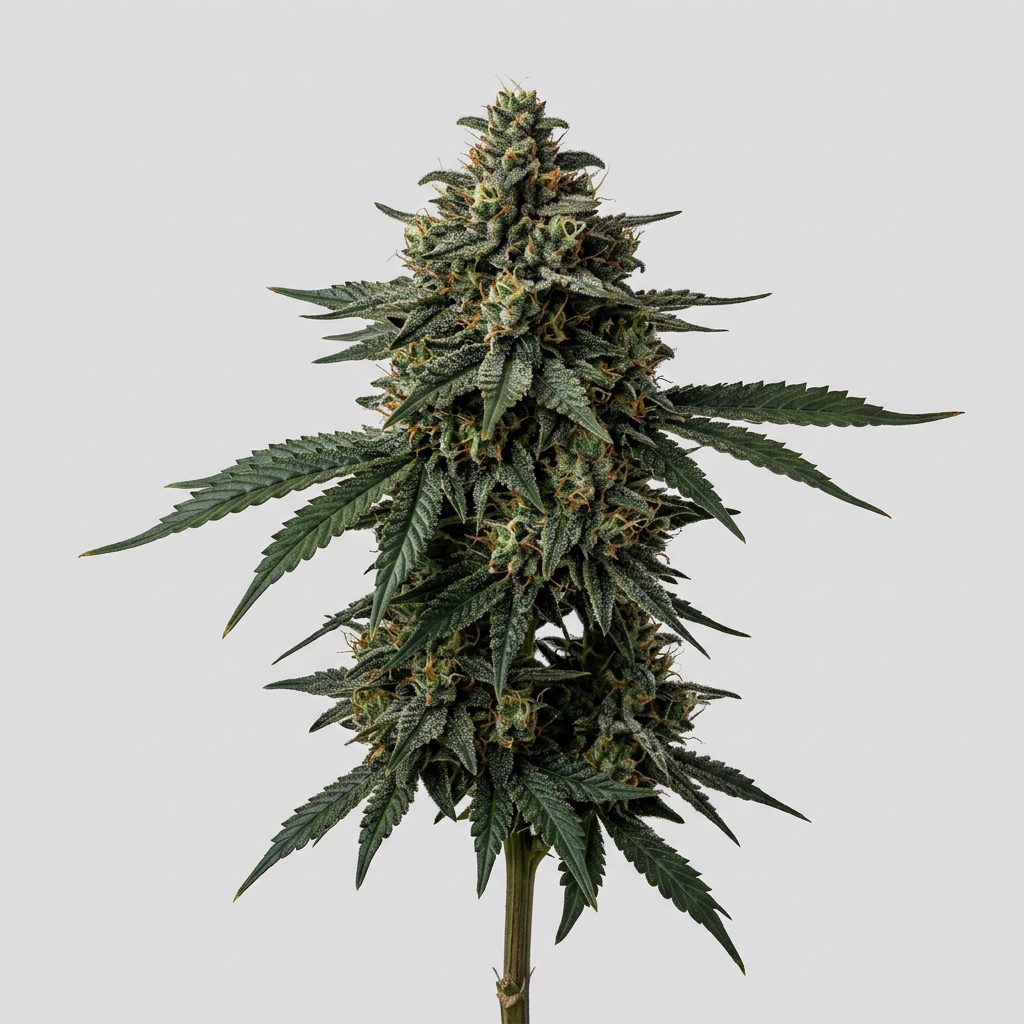
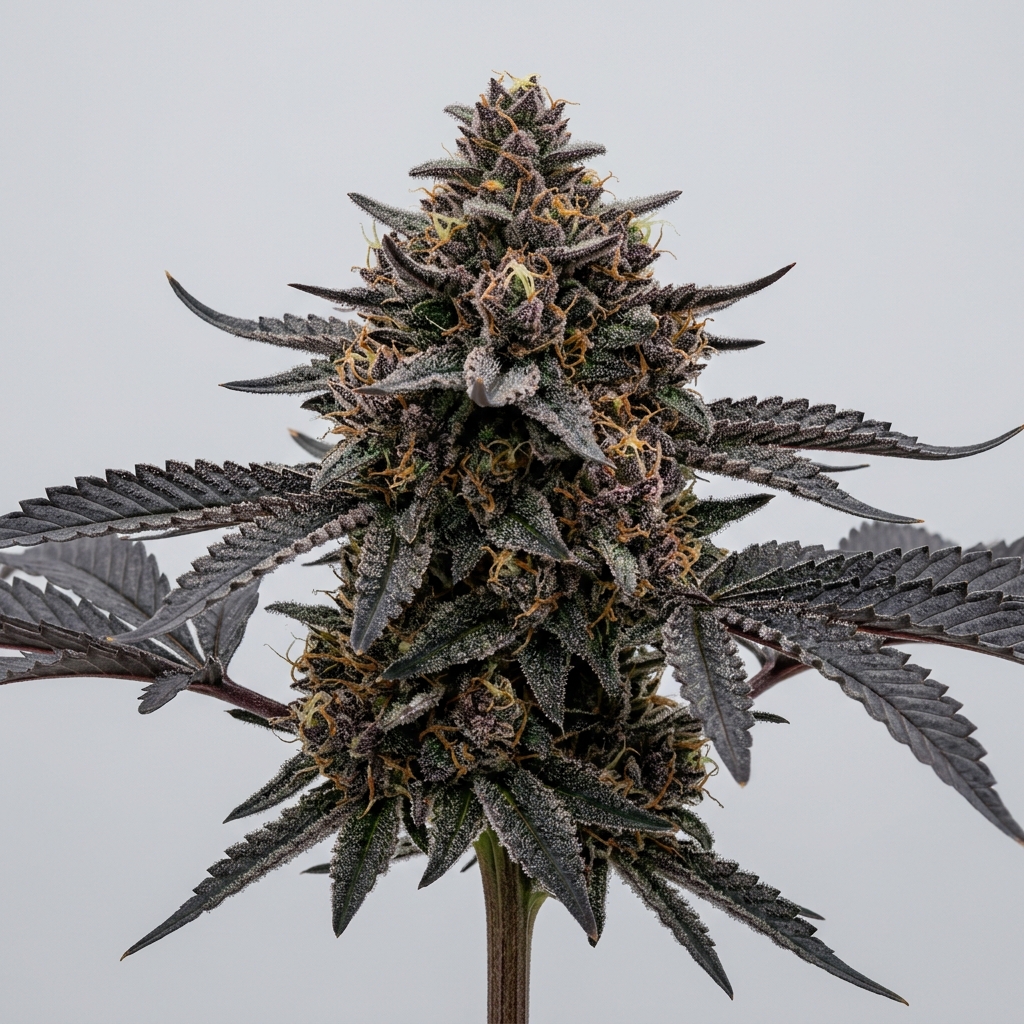
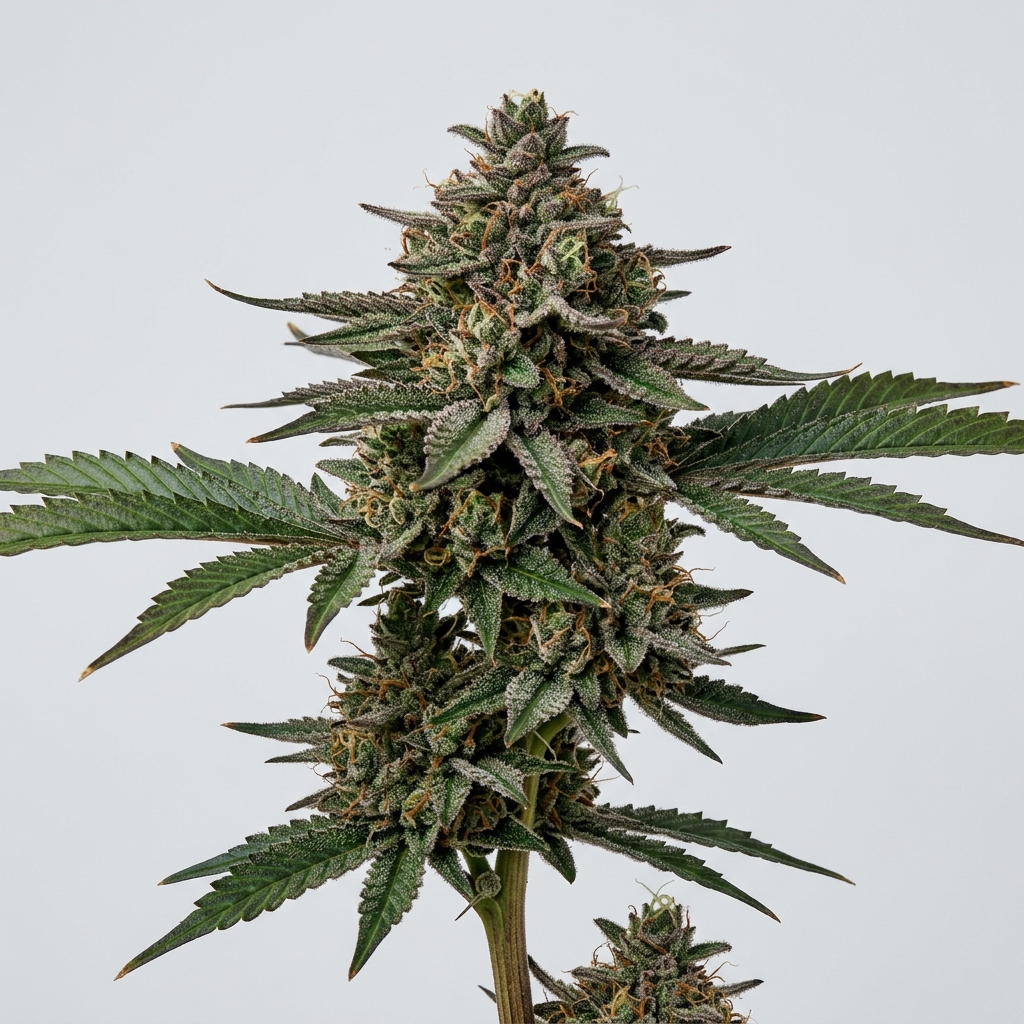
Somango is an indica-dominant hybrid, typically testing between 15% and 20% THC, bred by crossing Jack Herer, Super Skunk, and Big Skunk Korean. Known for its distinct tropical mango aroma and sweet fruit profile, this cultivar produces dense, resin-rich flowers with tight internodes and deep purple hues when exposed to cooler night temperatures. It behaves reliably in the grow room, offering a controlled stretch and producing thick, sticky spear colas that appeal to growers seeking terpene clarity and reliable extraction-grade resin.
Originally developed by Soma Seeds under the name Soma #5, this cultivar has earned a reputation for its functional, uplifting effects that transition into a calm, physical relaxation. Its moderate potency makes it a versatile choice for daytime use, balancing sativa-derived mental clarity with a classic skunk-infused physical ease.
Quick Facts
| Field | Details |
|---|---|
| Genetics | Jack Herer × Super Skunk × Big Skunk Korean |
| Variety | Indica-dominant Hybrid (75% Indica / 25% Sativa) |
| THC Range | 15% – 20% |
| Flowering Time | 9 – 10 Weeks |
| Yield Potential | Moderate to High |
| Plant Height | Medium (controlled stretch) |
| Climate Preference | Warm, temperate, low late-flower humidity |
| Difficulty | Moderate |
Scientific & Botanical Overview
Botanically, Somango displays classic indica morphology with broad fan leaves, stocky lateral branches, and tight internodes. The vegetative phase requires deliberate canopy management to ensure light penetrates the lower bud sites. Its sturdy frame supports the weight of its heavy flowers without requiring excessive trellis support, though proactive training is recommended.
During the transition to flower, the cultivar stretches moderately but remains manageable in height, making it well-suited for Sea of Green (SOG) setups. The buds develop as dense, resinous spear colas characterized by swollen calyxes and a heavy coating of greasy resin. This structural density requires consistent airflow to mitigate moisture buildup within the interior flower cluster.
Anthocyanin expression is common in late flower, especially when night temperatures drop below 65°F (18°C). This environmental trigger coaxes out deep violet and purple shades across the sugar leaves and bracts, contrasting sharply with the bright orange pistils. The resulting flowers display excellent bag appeal, marked by dark foliage and wet frost.
Effects & Use-Cases (Reported)
Commonly reported effects: Users frequently describe a clear-headed, uplifting onset that stimulates creativity and focus, followed by a gentle, warm physical relaxation. Unlike heavier indica varieties, it rarely induces couch-lock, keeping the physical sensation functional and smooth.
Use-case context: This balanced profile makes it highly suitable for afternoon use, creative projects, or social gatherings where physical comfort is desired without excessive sedation. It transitions smoothly from a daytime sensory hybrid into a relaxing evening companion.
Note: Individual tolerance and dosage play a significant role in the overall experience; higher consumption may lead to more pronounced physical heaviness.
Aroma & Flavors
Aroma: A dominant wave of ripe mango and tropical fruit, backed by an earthy skunk undertone and a faint hint of spicy black pepper.
Flavor: Sweet, smooth, and fruit-forward on the inhale, leaving a distinct tart citrus and classic kush finish on the palate.
Terpene associations: Rich in myrcene, which drives the ripe mango notes, supported by caryophyllene and limonene for spicy and bright citrus complexity.
Tested Cannabinoid & Terpene Ranges
| Compound | Typical Range |
|---|---|
| Δ9-THC | 15% – 20% |
| CBD | <1.0% |
| Myrcene | 0.5% – 1.2% |
| Caryophyllene | 0.2% – 0.6% |
| Limonene | 0.1% – 0.4% |
Note: Cannabinoid and terpene levels are highly variable and depend on specific phenotypes, cultivation environments, and curing methods.
Cultivation Notes
- Humidity management: Keep late-flower relative humidity (RH) below 45% to protect the dense, compact colas from moisture retention and mold.
- Nutrient requirements: Responds well to moderate feeding, showing a preference for balanced nitrogen in veg and increased phosphorus and potassium during peak flower.
- Training techniques: Highly responsive to topping and low-stress training (LST) to maximize light distribution across the lateral branches.
- Pruning: Regular defoliation of the lower third of the canopy improves airflow and directs energy to the upper spear colas.
- Harvest window: Look for milky white trichomes with roughly 10% to 15% amber heads to achieve the optimal balance of uplifting and relaxing properties.
Grower Notes (Week-by-Week Snapshot)
- Weeks 1–3 (Vegetative & Transition): Establish a strong root zone. Plants show broad fan leaves and minimal initial stretch; clean up lower fan leaves just before flipping to a 12/12 light cycle.
- Weeks 4–6 (Early to Mid-Flower): Bud sites begin to cluster into distinct spear shapes. Resin production starts early, giving the young flowers a greasy texture and releasing a faint tropical aroma.
- Weeks 7–9 (Late Flower & Ripening): Calyxes swell significantly. Introduce cooler night temperatures to encourage purple coloration, and monitor trichome maturity closely as the mango aroma intensifies.
- Post-Harvest (Dry & Cure): Execute a slow dry at 60°F (15°C) and 60% RH for 10 to 14 days to preserve the delicate monoterpenes, followed by a minimum three-week jar cure.
Genetic Lineage
Somango’s heritage is rooted in three classic cultivars that shaped early modern Dutch breeding. The foundational parent, Jack Herer, contributes an uplifting, pinene-rich sativa influence, while Super Skunk adds structural density and a robust growth habit. This pairing ensures reliable vigor and consistent resin production throughout the flowering cycle.
The third component, Big Skunk Korean, introduces the signature sweet, tropical fruit profile and contributes to the plant’s characteristic broad-leaf morphology. This complex genetic blend stabilizes into an indica-dominant hybrid that retains the aromatic complexity of its ancestors while offering a highly manageable growth pattern in indoor environments.
Research Insights
Phytochemical analyses of Somango consistently highlight a high concentration of the monoterpene myrcene. This compound, working alongside moderate levels of limonene and caryophyllene, is believed to influence the overall reported onset, shifting the heavy physical properties of its skunk lineage into a more functional, balanced experience. The presence of these terpenes also contributes to the cultivar’s distinct, long-lasting flavor profile.
The cultivar’s moderate THC ceiling offers a practical reference point for breeders aiming to develop flavorful, terpene-rich profiles without pushing extreme potency. This balance makes it a valuable genetic resource for modern breeding programs focused on flavor preservation and extraction-grade resin, demonstrating that terpene clarity can coexist with commercial viability.
Frequently Asked Questions
Is Somango an indica or a sativa?
Somango is an indica-dominant hybrid, typically composed of roughly 75% indica and 25% sativa genetics. It combines the dense structure of an indica with the uplifting mental clarity of its sativa ancestors.
What does Somango smell like?
The cultivar is famous for its intense tropical aroma, dominated by ripe mango and sweet fruit notes, which are balanced by an earthy, skunk-like base and a touch of spice.
How long does Somango take to flower?
When grown indoors, Somango typically requires a flowering period of 9 to 10 weeks to reach full maturity and peak resin production.
Is Somango difficult to grow?
It is considered a moderate-difficulty strain. While its controlled stretch and manageable height make it easy to train, its dense bud structure requires careful humidity management during late flower to prevent mold.
Educational Disclaimer
This strain profile is intended for educational and informational purposes only. Cultivation and consumption laws vary by jurisdiction, and users should always adhere to local regulations and consult with qualified professionals regarding any health-related inquiries.
Rate and review this strain
Ratings and reviews are accepted only from signed-in Google accounts.
Sign in with Google to leave a rating and written review.
Latest Reviews
0 reviewsNo reviews yet. Be the first Google user to rate and review this strain.