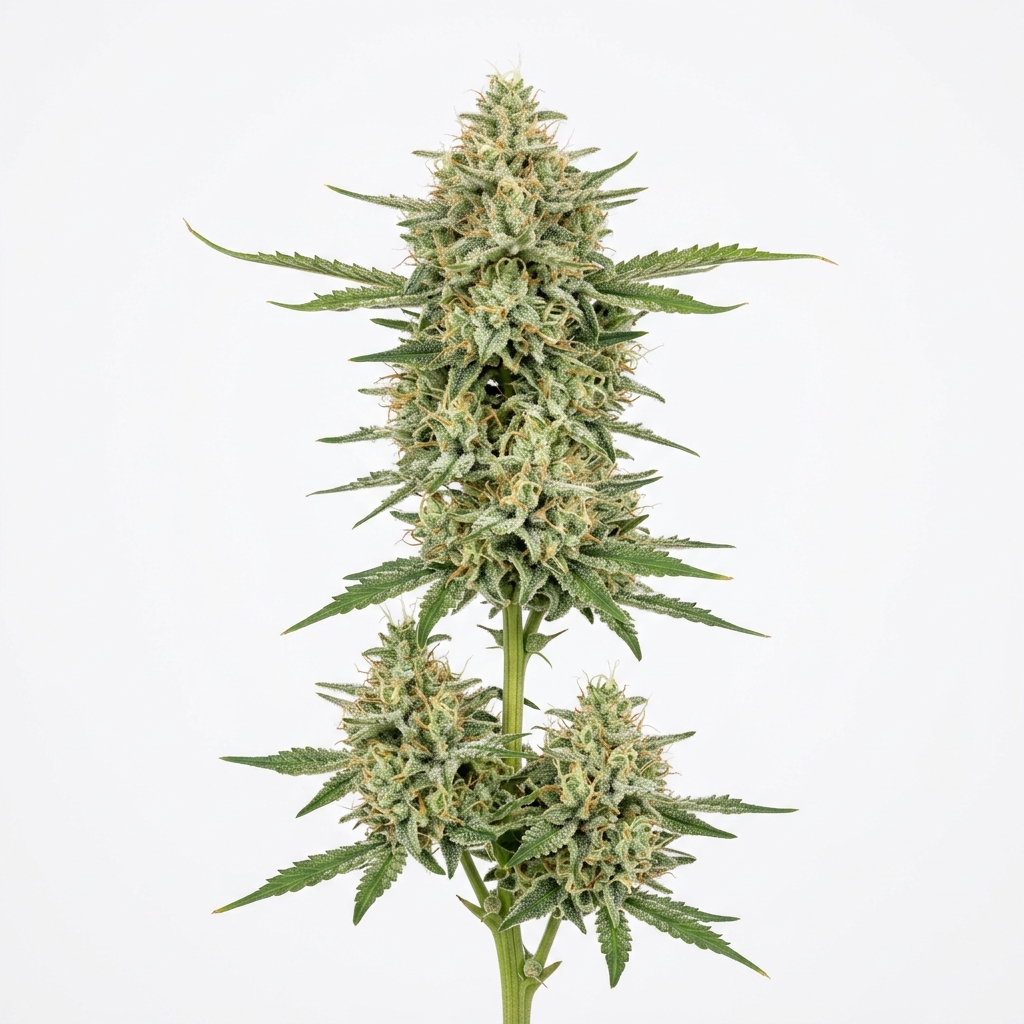
Snow Bud (Cannabis Strain)
Snow Bud is a resilient, sativa-dominant hybrid featuring a moderate THC range of 8% to 14%, bred specifically to thrive in cold, high-altitude climates. Originating from a cross between select Afghani and South African
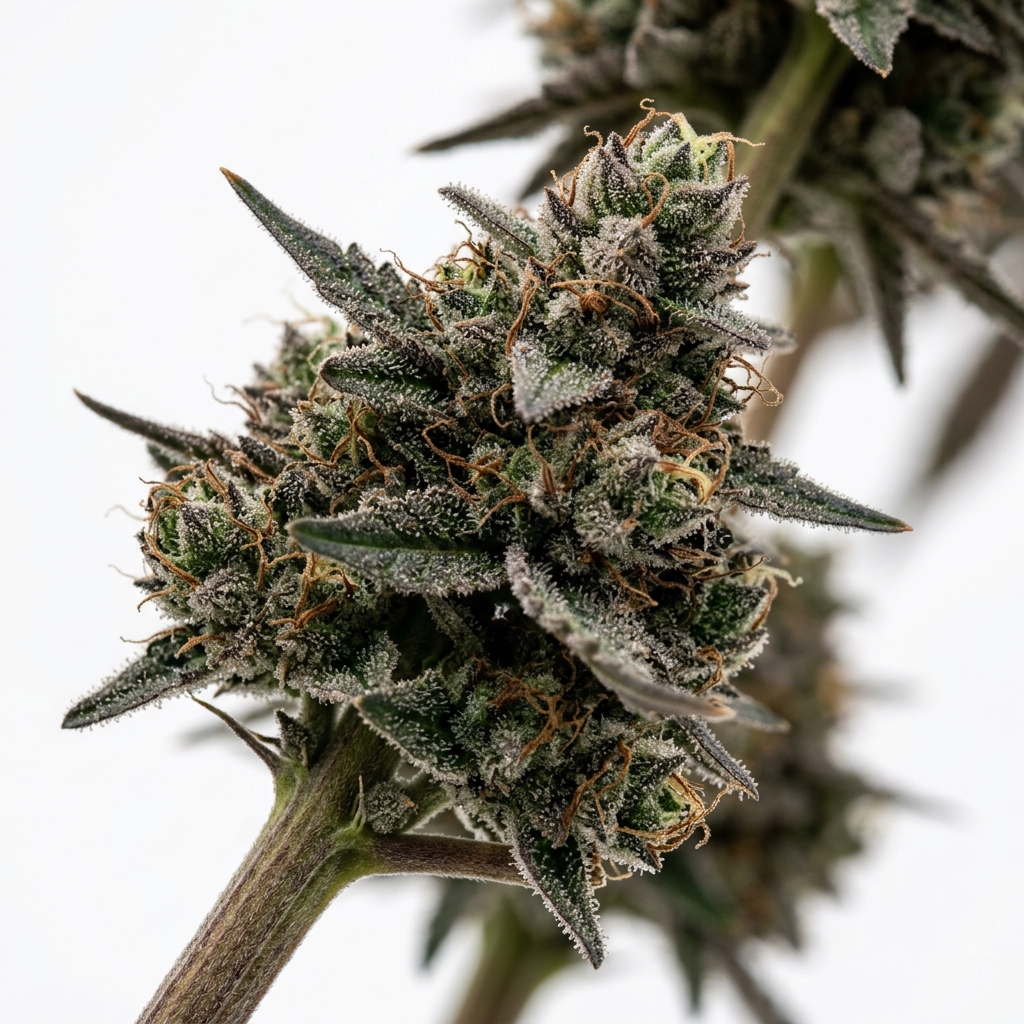
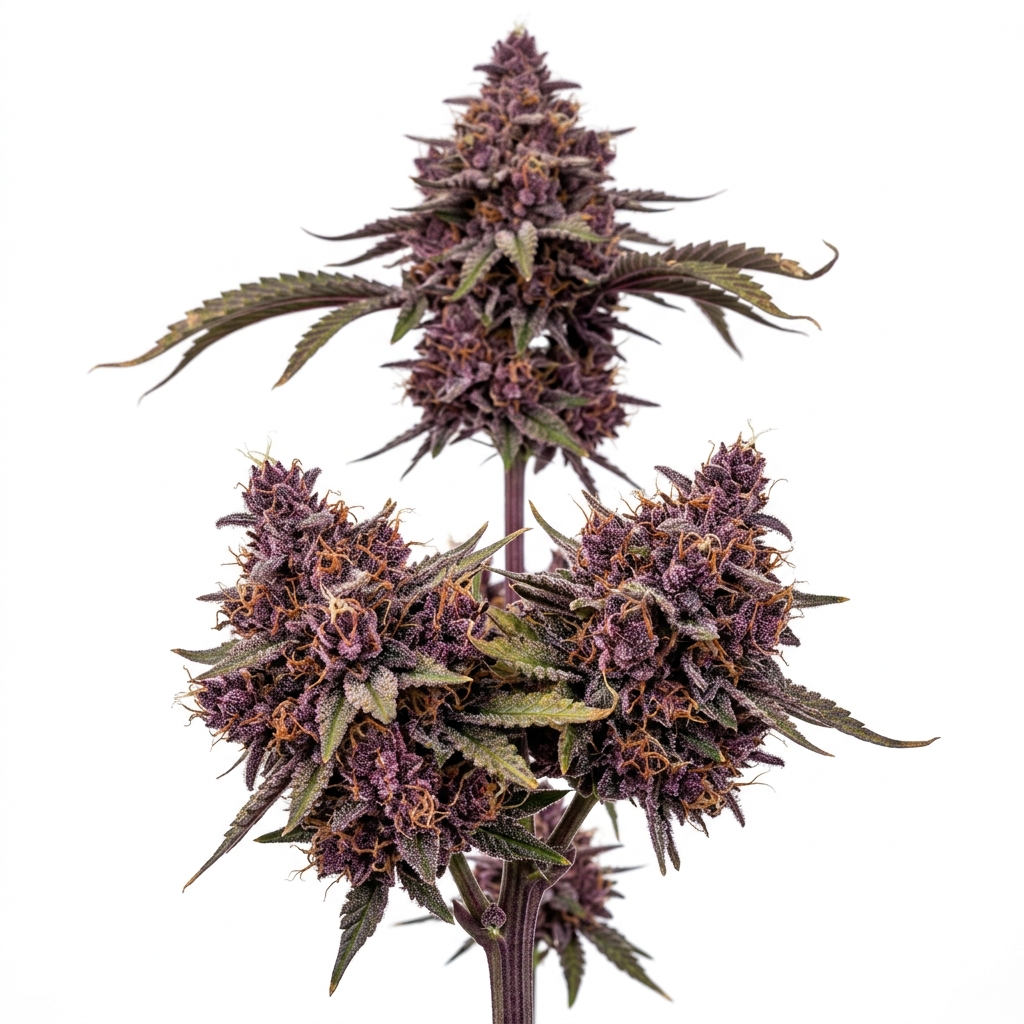
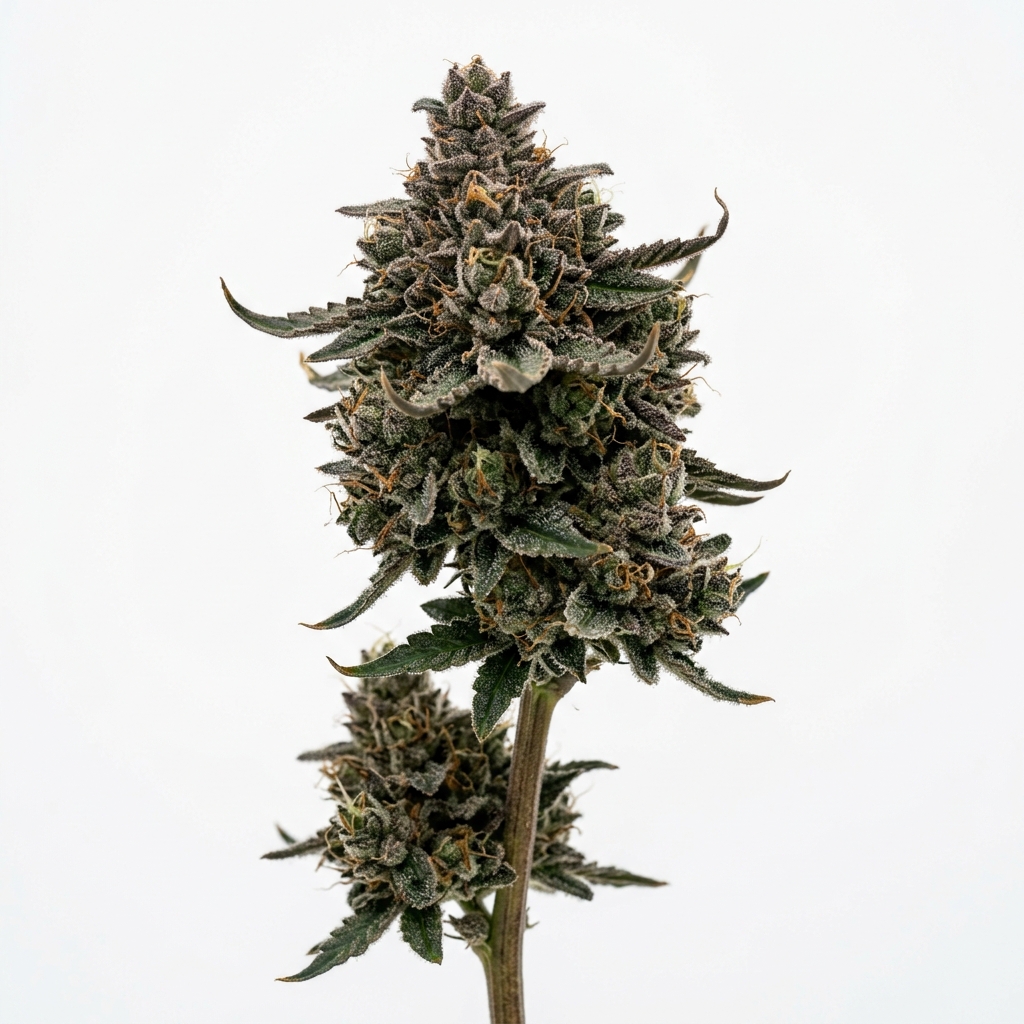
genetics, this cultivar is highly regarded for its crisp, pine-forward aroma, herbal undertones, and functional, clear-headed effects. The plants develop long, spear-like colas coated in a thick layer of frosty white trichomes, making it a reliable choice for outdoor growers in challenging climates.
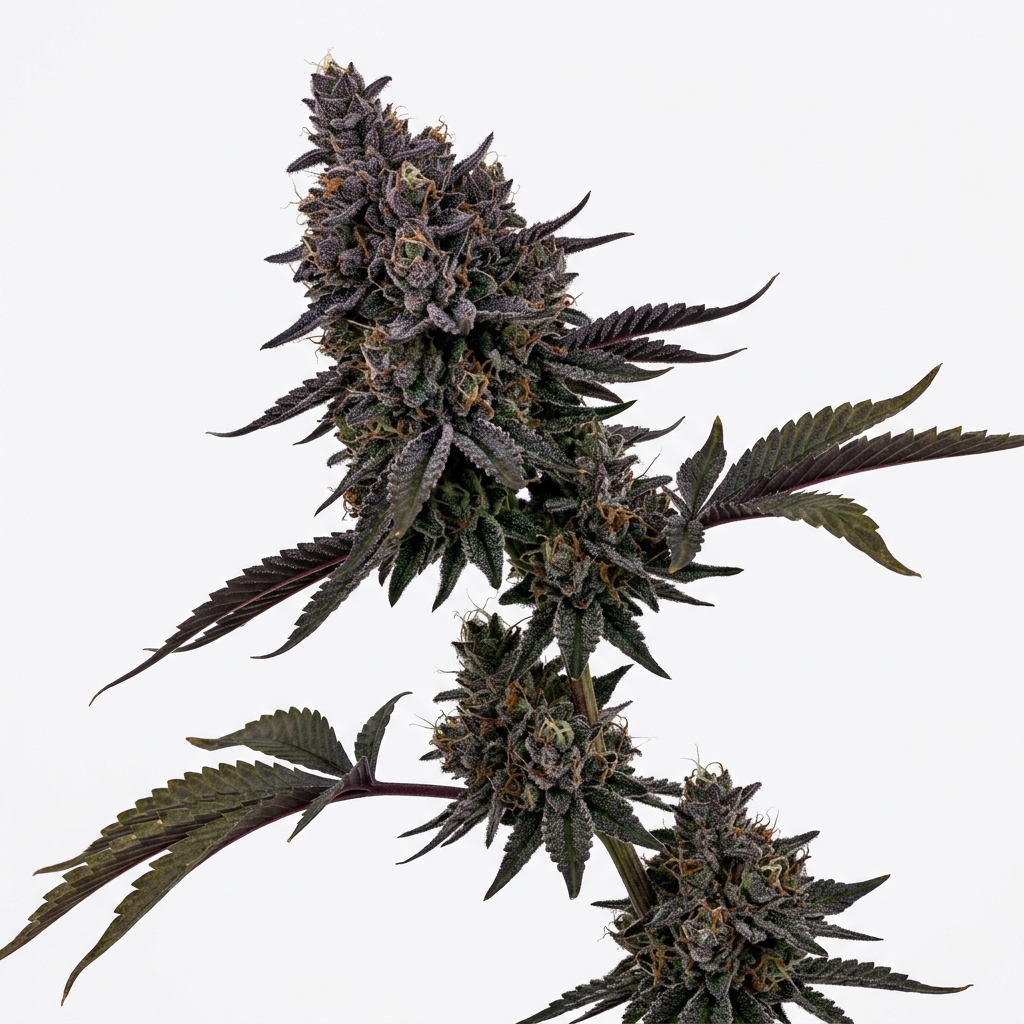
Developed for alpine conditions, the strain shows exceptional natural resistance to mold and mildew. Its physical structure reflects its hybrid heritage, combining the robust, wind-resistant branching of its indica ancestors with the elongated floral development of its sativa lineage.
Quick Facts
| Field | Details |
|---|---|
| Genetics | Afghani × South African selection |
| Variety | Sativa-dominant Hybrid (60% Sativa / 40% Indica) |
| THC Range | 8% – 14% |
| Flowering Time | 7 – 8 Weeks (approx. 50 – 56 days) |
| Yield Potential | Moderate to High |
| Plant Height | Medium to Tall (1.5m – 2.2m outdoors) |
| Climate Preference | Cool, temperate, high-altitude alpine climates |
| Difficulty | Easy to Moderate |
Scientific & Botanical Overview
Botanically, Snow Bud displays a vigorous growth pattern characterized by a controlled stretch and strong lateral branching. The plant’s nodal spacing is moderately wide, allowing for excellent airflow through the canopy, which is a critical evolutionary adaptation for high-humidity and low-temperature environments.
During the generative phase, the flowers organize into dense, elongated clusters along the main stems. The calyx-to-leaf ratio is remarkably high, meaning the buds are exceptionally easy to manicuring post-harvest. The resin glands are predominantly capitate-stalked trichomes that develop early in flower, giving the colas a wet, frosty appearance.
The cultivar’s resilience is linked to its thick epidermal cell wall layers, which protect the plant from sudden temperature drops and damp morning dew. This structural defense prevents botrytis and powdery mildew from taking hold, even when late-season humidity spikes.
Effects & Use-Cases (Reported)
Commonly reported effects: Users frequently report a clean, uplifting buzz that sharpens focus without inducing physical heaviness or racing thoughts. The moderate cannabinoid profile delivers a gentle, functional energy that integrates smoothly into daytime activities.
Use-case context: This hybrid is well-suited for outdoor activities, creative projects, or social gatherings where mental clarity is preferred over sedation. It provides a subtle sensory lift that keeps the mind active while easing minor physical tension.
Note: Individual experiences may vary based on personal tolerance, consumption method, and the specific terpene profile of the batch.
Aroma & Flavors
Aroma: A clean, nose-clearing blend of fresh pine, damp earth, and mountain air, accented by sharp herbal undertones.
Flavor: The smoke carries a distinct woody and spicy character on the inhale, leaving a crisp, menthol-like finish on the palate.
Terpene associations:
Pinene, Myrcene, and Caryophyllene dominate the essential oil profile, creating its signature alpine forest signature.
Tested Cannabinoid & Terpene Ranges
| Compound | Typical Range |
|---|---|
| Delta-9-THC | 8.0% – 14.0% |
| CBD | < 0.2% |
| CBG | 0.1% – 0.5% |
| Alpha-Pinene | 0.2% – 0.5% |
| Myrcene | 0.1% – 0.3% |
| Beta-Caryophyllene | 0.05% – 0.2% |
Cannabinoid and terpene levels are highly dependent on cultivation environments, curing methods, and specific phenotypes.
Cultivation Notes
- Climate Resilience: Thrives in cooler climates and high altitudes where other sativa-dominant hybrids struggle with early frosts.
- Nutrient Intake: Prefers a light to moderate feeding schedule; avoid over-fertilizing with nitrogen during early vegetative growth to prevent excessive stretch.
- Training Techniques: Responds well to low-stress training (LST) and topping to encourage multiple main colas and maximize light penetration.
- Humidity Control: While highly mold-resistant, maintaining late-flower humidity below 50% in indoor setups ensures optimal resin density and terpene clarity.
- Harvest Timing: Outdoor growers can reliably harvest by early October in the Northern Hemisphere, avoiding the harshest late-autumn weather.
Grower Notes (Week-by-Week Snapshot)
- Weeks 1–3 (Vegetative & Early Stretch): The plant establishes a deep root system quickly. Expect a moderate stretch during the transition to flower; early training should be applied now to shape the canopy.
- Weeks 4–6 (Mid-Flower): White pistils develop rapidly along the elongated bud sites. The first visible layer of resin begins to coat the calyxes, releasing a subtle pine and herbal scent.
- Weeks 7–8 (Late Flower & Flush): Colas swell and the frosty trichome coverage intensifies. Flush with pure water during the final 10 days to clean the medium and preserve the clean, mountain-air terpene profile.
Genetic Lineage
The genetic foundation of Snow Bud lies in a deliberate pairing of landrace and heirloom genetics selected for high-altitude performance. The paternal side features a robust Afghani indica, which contributes the plant’s sturdy physical structure, fast flowering time, and dense, resin-producing floral clusters.
This was crossed with a clean, uplifting South African sativa selection. This maternal influence infuses the hybrid with its mold resistance, functional high, and sharp, pine-heavy terpene profile, resulting in a balanced highland cultivar that performs exceptionally well under challenging environmental conditions.
Research Insights
Horticultural interest in Snow Bud often focuses on its cold tolerance and natural resistance to common fungal pathogens. The combination of high-altitude South African genetics with mountain-grown Afghani has created a plant with a highly adaptive immune response, making it a valuable subject for studying environmental resilience in cannabis.
Additionally, the cultivar’s moderate THC concentration and pinene-dominant terpene profile offer a compelling case study in functional cannabis chemistry. The presence of alpha- and beta-pinene is believed to modulate the psychoactive effects of THC, helping to maintain cognitive clarity and alertness during consumption.
Frequently Asked Questions
Is Snow Bud suitable for indoor growing?
Yes, while bred specifically for outdoor alpine environments, Snow Bud performs exceptionally well indoors under standard LED or HPS setups. Its quick 7-to-8-week flowering time makes it highly efficient for indoor growers looking for a fast-turning sativa hybrid.
What does Snow Bud smell like?
It features a very fresh, clean aroma dominated by pine, earth, and herbal spices, reminiscent of a crisp mountain forest. The flavor is similarly woody with a subtle, cool finish.
How mold-resistant is this strain?
Snow Bud is highly resistant to mold, mildew, and bud rot. It was specifically bred to withstand the damp, cold autumn conditions of high-altitude regions, making it one of the most reliable outdoor strains available.
What are the typical effects of Snow Bud?
It provides a moderate, clear-headed, and functional high. Because its THC levels usually range between 8% and 14%, it offers an uplifting boost without causing heavy sedation or intense anxiety.
Educational Disclaimer
This content is for educational and informational purposes only. Cannabis laws and regulations vary by jurisdiction. Consult local guidelines before engaging in cultivation or consumption.
Rate and review this strain
Ratings and reviews are accepted only from signed-in Google accounts.
Sign in with Google to leave a rating and written review.
Latest Reviews
0 reviewsNo reviews yet. Be the first Google user to rate and review this strain.
Follow New Cultivar Records
Get newly documented genetics, breeder history, research highlights, and important Strainpedia discoveries by email.