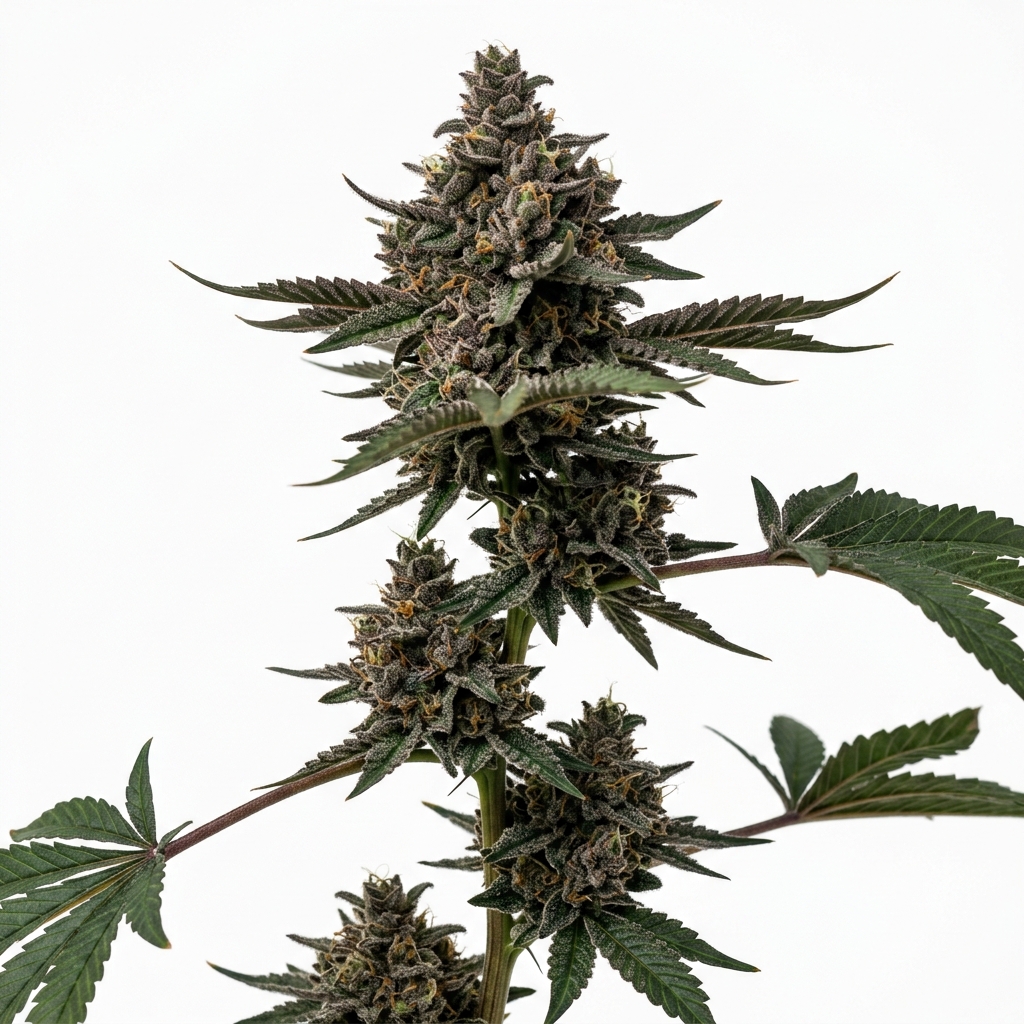
Hypnotoad (Cannabis Strain)
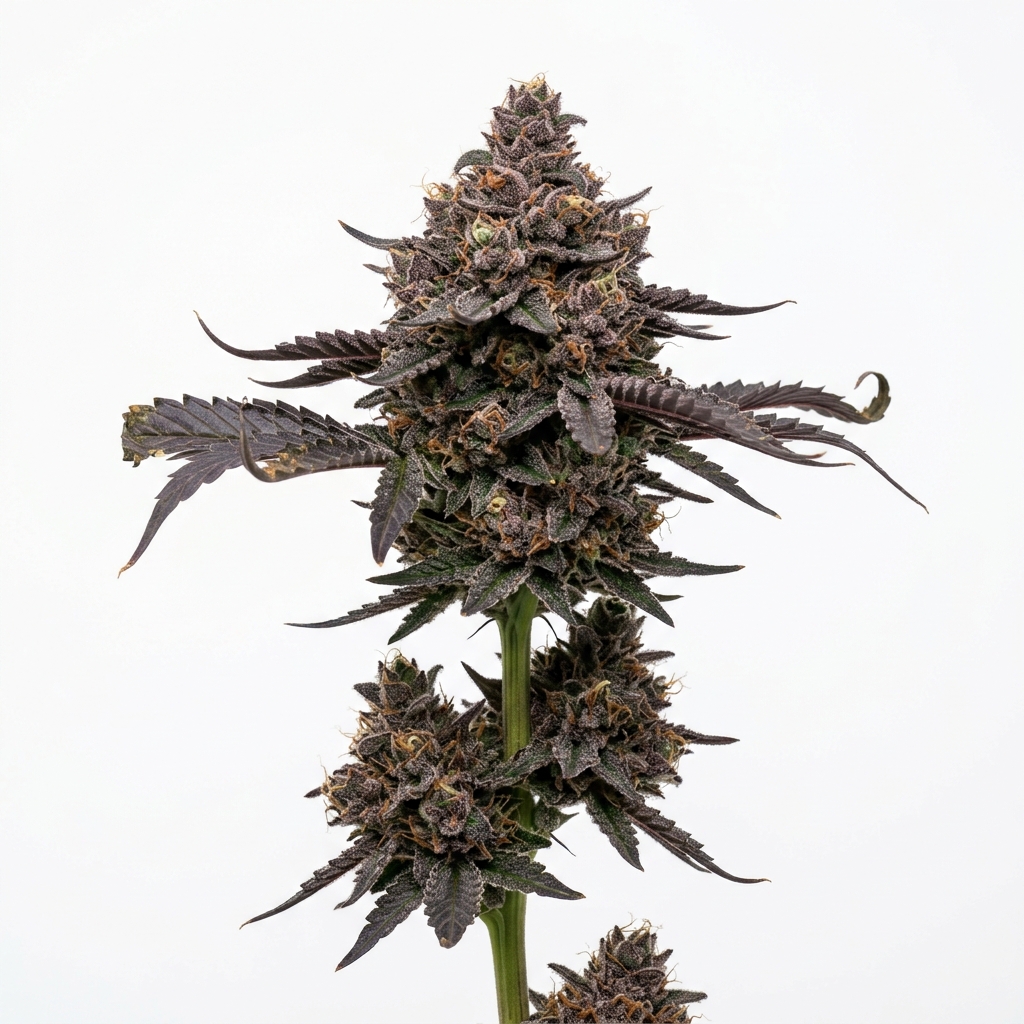
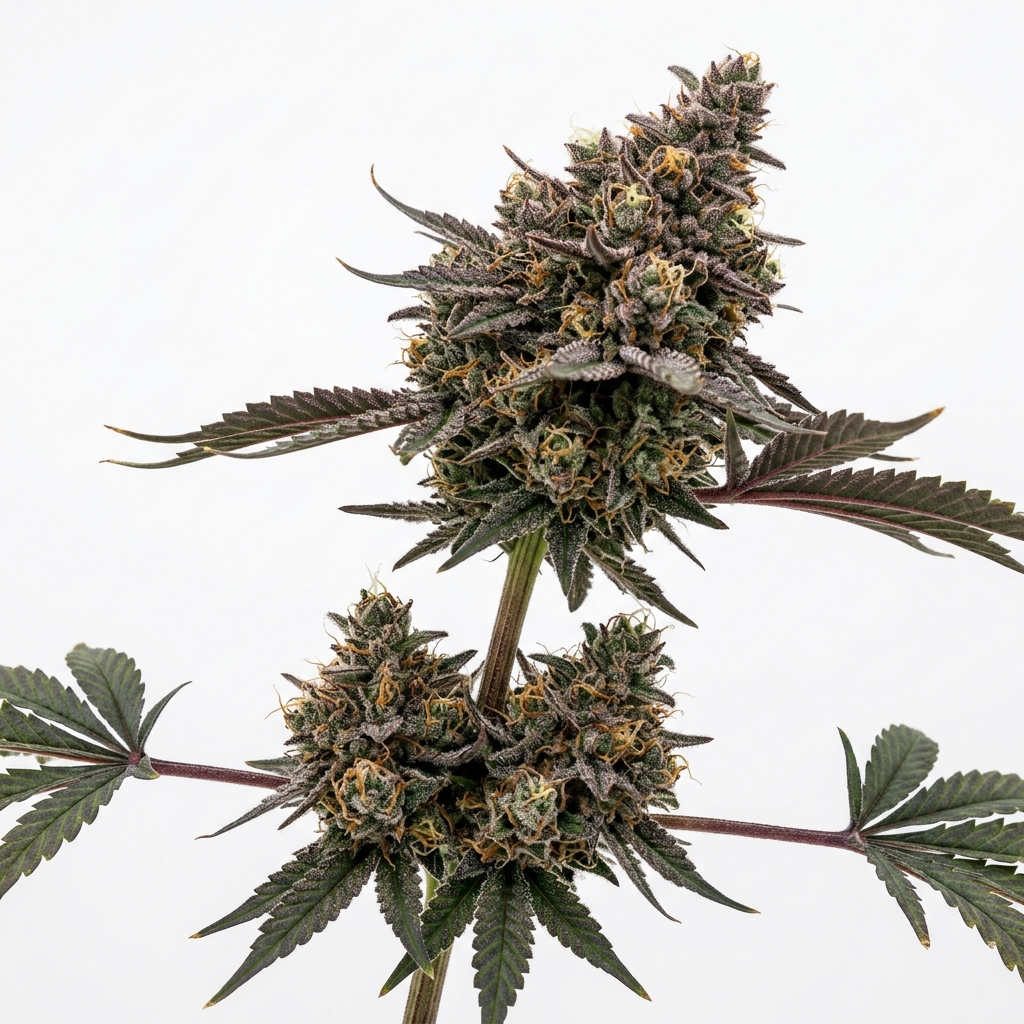
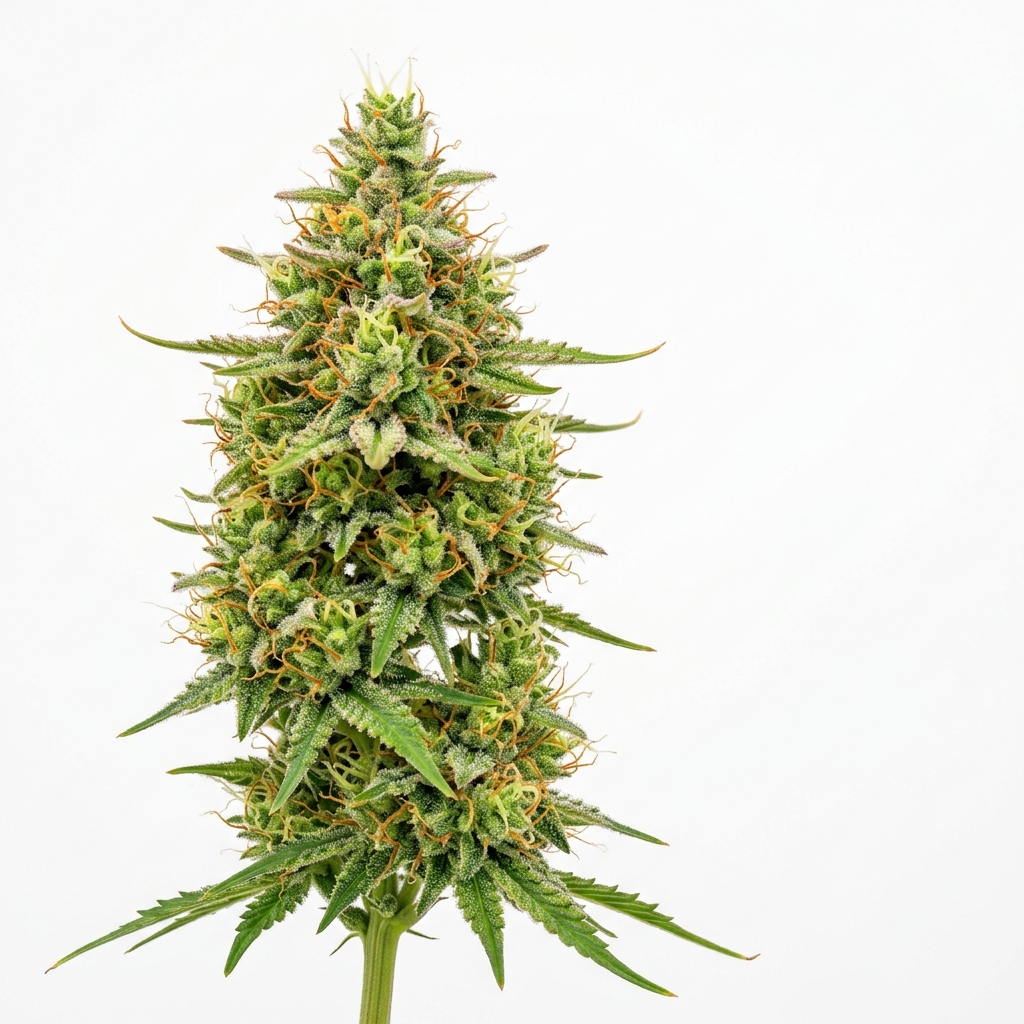
Hypnotoad is an indica-dominant hybrid testing between 22% and 28% THC, developed from lineages closely tied to The Toad and legacy Chemdawg selections. The original breeder is not consistently documented in reliable public sources, though the cut emerged from West Coast boutique circles prioritizing intense gas profiles and heavy resin production. The cultivar delivers an assertive profile dominated by pungent diesel, damp forest floor, and sharp skunk, finishing with a thick, savory earthiness. Its dense, greasy flowers exhibit tight internodal spacing and significant calyx swell during the final weeks of bloom.
Drawing structural rigor and dense trichome coverage from its ancestral Chemdawg and Girl Scout Cookies roots, Hypnotoad develops stout lateral branching capable of supporting heavy terminal clusters. Growers value the cut for its uniform canopy response and high glandular head density, making it a reliable candidate for solventless ice water extraction. The reported experience centers on a fast-acting, deeply sedating body load paired with quiet cerebral decompression suited for evening use.
Quick Facts
| Field | Detail |
|---|---|
| Breeder | Not consistently documented |
| Genetics | The Toad lineage (Chemdawg × Girl Scout Cookies background) |
| Variety | Indica-dominant hybrid (approx. 70% Indica / 30% Sativa) |
| THC Range | 22% – 28% |
| Flowering Time | 8 – 9 weeks (56 – 63 days) |
| Yield Potential | Moderate to high (450 – 550 g/m² indoor) |
| Plant Height | Medium (controlled 1.5x stretch) |
| Climate Preference | Temperate to warm Mediterranean; controlled indoor optimal |
| Difficulty | Moderate |
Scientific & Botanical Overview
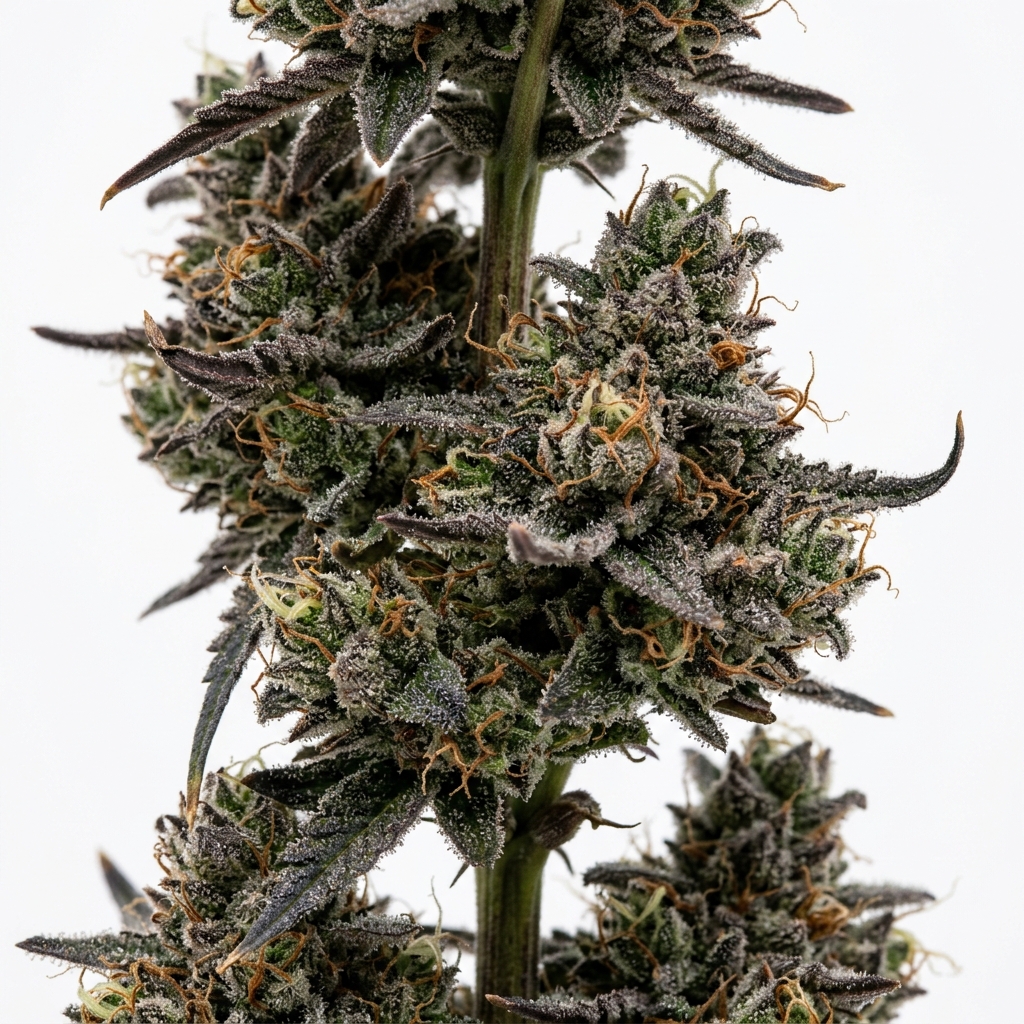
Hypnotoad displays standard broad-leaf morphotypes marked by dark forest-green foliage, thick petioles, and short internodal spacing during vegetative development. As the floral cycle progresses, bracts layer tightly along main stems to form compact, conical spear colas. Cold night cycles during late bloom frequently encourage deep plum and charcoal anthocyanin expression beneath a heavy blanket of glandular trichomes.
The glandular profile features large capitate-stalked trichomes with brittle, resin-dense heads that detach easily during mechanical agitation. These glands pack tightly over swollen calyxes and extend across surrounding sugar leaves. The cut produces thick cuticle wax that retains volatile monoterpenes when environmental temperatures stay below 75°F (24°C) during maturation.
Root vigor is strong in both soil and soilless media, supporting rapid nutrient uptake through mid-flower. The cultivar maintains a sturdy vascular structure, allowing it to hold dense bud clusters without extensive individual staking when trained under a horizontal trellis net.
Effects & Use-Cases (Reported)
Commonly reported effects: Consumers typically report a heavy, fast-setting body stone accompanied by notable facial relaxation and mental stillness. The initial onset slows racing thoughts without inducing sharp sensory overstimulation, gradually transitioning into physical immobility, muscle ease, and deep lethargy.
Use-case context: Given the heavy physical drag and sedative tone, Hypnotoad is best suited for nighttime consumption, quiet indoor evenings, or post-exertion recovery. It is unsuited for active tasks, intense focus sessions, or early daytime routines.
Note: Individual effects vary based on tolerance, dose, consumption method, and individual endocannabinoid system tone.
Aroma & Flavors
Aroma: Broken buds release an immediate blast of sour industrial diesel, damp potting soil, and skunk. Secondary notes reveal rotten fruit, cracked black pepper, and a subtle garlic-musk undertone that intensifies significantly after grinding.
Flavor: The smoke is heavy and thick, delivering tart gas, pine resin, and burnt rubber on the inhale. The exhale leaves a lasting coating of savory earth, hash spice, and faint citrus rind on the palate.
Terpene associations: The aromatic profile is driven primarily by myrcene, beta-caryophyllene, and limonene, with supporting contributions from humulene and linalool providing the spicy, herbal depth.
Tested Cannabinoid & Terpene Ranges
| Compound | Type | Typical Range |
|---|---|---|
| Δ9-THC | Cannabinoid | 0.4% – 1.2% |
| THCA | Cannabinoid | 24.0% – 30.0% |
| Total THC | Cannabinoid | 22.0% – 28.0% |
| CBG (Total) | Cannabinoid | 0.5% – 1.4% |
| CBD (Total) | Cannabinoid | < 0.2% |
| Total Terpenes | Terpene Content | 1.8% – 3.2% |
| β-Myrcene | Terpene | 0.6% – 1.2% |
| β-Caryophyllene | Terpene | 0.4% – 0.9% |
| d-Limonene | Terpene | 0.3% – 0.7% |
| α-Humulene | Terpene | 0.1% – 0.3% |
Range note: Cannabinoid and terpene metrics represent composite ranges from verified dried uninfused flower lab analyses. Phenotypic variation, nutrient intensity, lighting spectrum, and post-harvest drying conditions cause natural variations across individual harvests.
Cultivation Notes
- Humidity management: Maintain 60% – 65% RH in early vegetative growth, lowering to 45% – 50% by week 5 of flower. Drop relative humidity to 40% in late bloom to prevent botrytis inside the dense, swollen calyx clusters.
- Nutrient requirements: Hypnotoad is a moderate to heavy feeder that tolerates robust nitrogen during veg and demands elevated phosphorus and potassium from week 4 through week 7 of bloom. Calcium and magnesium supplementation is critical under high-intensity LED setups.
- Canopy training: Top early at the fourth or fifth node to break apical dominance. Apply low-stress training (LST) and a single-layer trellis net to spread the canopy evenly across the footprint.
- Defoliation: Strip broad fan leaves around day 21 and day 42 of flowering to improve light penetration to lower bud sites and increase horizontal airflow through the thick inner canopy.
- Harvest window: Optimal resin maturity occurs when glandular heads show roughly 85% to 90% milky opacity and 10% to 15% amber. Taking the cut past day 63 deepens the physical stone and darkens calyx pigmentation.
Grower Notes (Week-by-Week Snapshot)
- Weeks 1–3 (Vegetative & Transition): Moderate vertical stretch of 1.2x to 1.5x. Stems thicken rapidly; establish the scrog frame and prune lower undergrowth before vertical growth halts around day 21.
- Weeks 4–6 (Bud Formation & Early Resin): Calyxes begin stacking into tightly packed clusters. Pungent diesel and skunk odors develop rapidly; resin production becomes visible across upper fan leaves and bract margins.
- Weeks 7–9 (Ripening & Senescence): Flowers swell into dense spear shapes while water uptake slowly declines. Drop ambient room temperatures to 68°F – 70°F (20°C – 21°C) to lock in volatile monoterpenes and encourage deep violet color development.
- Post-Harvest: Hang whole plants for 12 to 14 days at 60°F (15.5°C) and 60% RH. A slow, steady cure in airtight containers preserves the sharp gassy nose and prevents terpene degradation.
Genetic Lineage
Hypnotoad traces its core genetic structure to selections related to The Toad, a potent cross of Chemdawg 09 and Girl Scout Cookies. The Chemdawg heritage supplies the cultivar’s aggressive industrial fuel aroma, heavy resin production, and sharp mental onset. The GSC influence contributes dense calyx architecture, deep purple pigmentation during late flower, and a savory, earthy sweetness that rounds out the pungent top notes.
While various regional cuts and seed variations circulate under similar naming conventions, stable phenotypes uniformly retain heavy indica growth patterns and high glandular trichome density. The resulting lineage provides growers with consistent flower structure and the distinct, fuel-forward chem profile favored in contemporary gas-dominant breeding programs.
Research Insights
General scientific literature indicates that high concentrations of beta-caryophyllene interact directly with peripheral CB2 receptors, functioning as a non-psychoactive dietary cannabinoid that modulates inflammatory signaling. Combined with myrcene, which has been studied for its sedative properties and potential to increase cell membrane permeability, cultivars with this chemical profile are frequently associated with pronounced physical relaxation.
While academic studies clarify the functional pharmacology of individual cannabinoids and terpenes, specific laboratory trials on the intact Hypnotoad cultivar remain limited. The overall consumer experience is influenced by whole-plant chemical ratios, curing standards, and personal endocannabinoid sensitivity rather than any single active molecule.
Frequently Asked Questions
Who is the breeder of Hypnotoad?
The original breeder of Hypnotoad is not consistently documented in commercial seed databases. The cut emerged from boutique selections linked to The Toad and legacy Chemdawg lineage.
Is Hypnotoad an indica or sativa?
Hypnotoad is an indica-dominant hybrid, displaying roughly 70% indica and 30% sativa morphology, characterized by compact bud structure, controlled stretch, and heavy physical effects.
What does Hypnotoad smell and taste like?
The profile is dominated by sharp industrial diesel, skunk, and damp earth, supported by secondary notes of cracked pepper, garlic musk, and tart citrus on the exhale.
How long does Hypnotoad take to flower?
Hypnotoad finishes flowering in 8 to 9 weeks (56 to 63 days) when grown indoors, with peak trichome maturity and calyx swelling occurring during the final week.
Educational Disclaimer
This content is for educational and informational purposes only. Cannabis laws and regulations vary by jurisdiction. Always consult with a qualified professional before beginning any cultivation project or consuming cannabis products.
Rate and review this strain
Ratings and reviews are accepted only from signed-in Google accounts.
Sign in with Google to leave a rating and written review.
Latest Reviews
0 reviewsNo reviews yet. Be the first Google user to rate and review this strain.
Follow New Cultivar Records
Get newly documented genetics, breeder history, research highlights, and important Strainpedia discoveries by email.