Return of the MAC (Cannabis Strain)
Return of the MAC is a potent, resin-heavy hybrid developed by Anesia Seeds, bred by crossing the renowned Miracle Alien Cookies (MAC) with Banana Punch. Typically testing between 23% and THC not consistently reported in uninfused dried flower, this cultivar is recognized for its dense, silver-frosted colas, tight internodal spacing, and a layered aroma bridging tart citrus, creamy pastry dough, and subtle tropical fruit. Its thick coverage of capitate-stalked trichomes makes it a standout choice for craft cultivators and solventless extraction processors seeking heavy resin returns.
Inheriting the sturdy lateral branching of its MAC parent alongside the faster floral maturation and fruity undertones of Banana Punch, the plant delivers an adaptable, uniform canopy during bloom. Consumers and cultivators commonly report an alert mental clarity paired with a grounding somatic calm that relaxes the body without inducing immediate couch-lock, making the strain versatile for late afternoon and evening sessions.
Quick Facts
| Field | Details |
|---|---|
| Breeder | Anesia Seeds (commonly reported) |
| Genetics | Miracle Alien Cookies (MAC) × Banana Punch |
| Variety | Hybrid (approx. 50% Indica / 50% Sativa) |
| THC Range | 23% – 28% |
| Flowering Time | 8 – 9 weeks (56 – 63 days) |
| Yield Potential | Moderate to High (450 – 550 g/m² indoor) |
| Plant Height | Medium (controlled 1.5× stretch) |
| Climate Preference | Temperate to warm; low late-flower humidity |
| Difficulty | Moderate |
Scientific & Botanical Overview
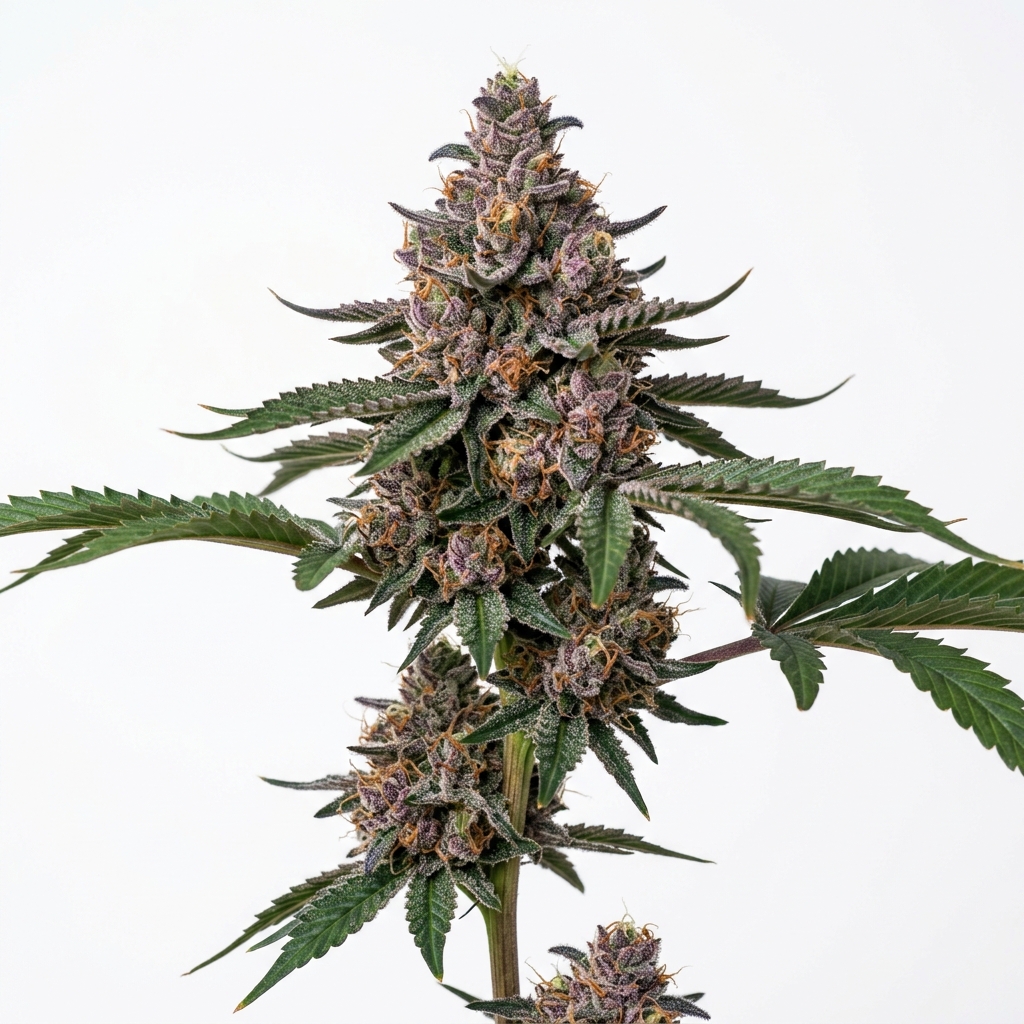
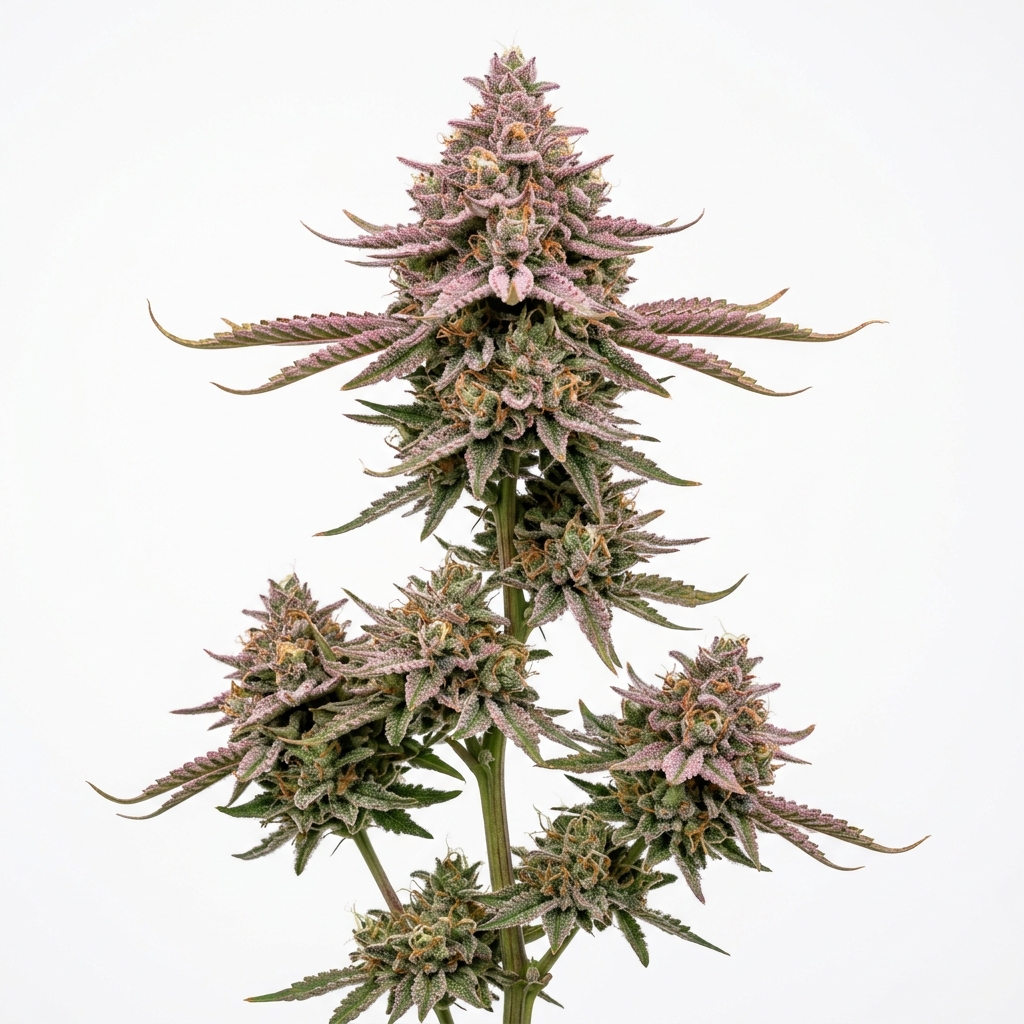
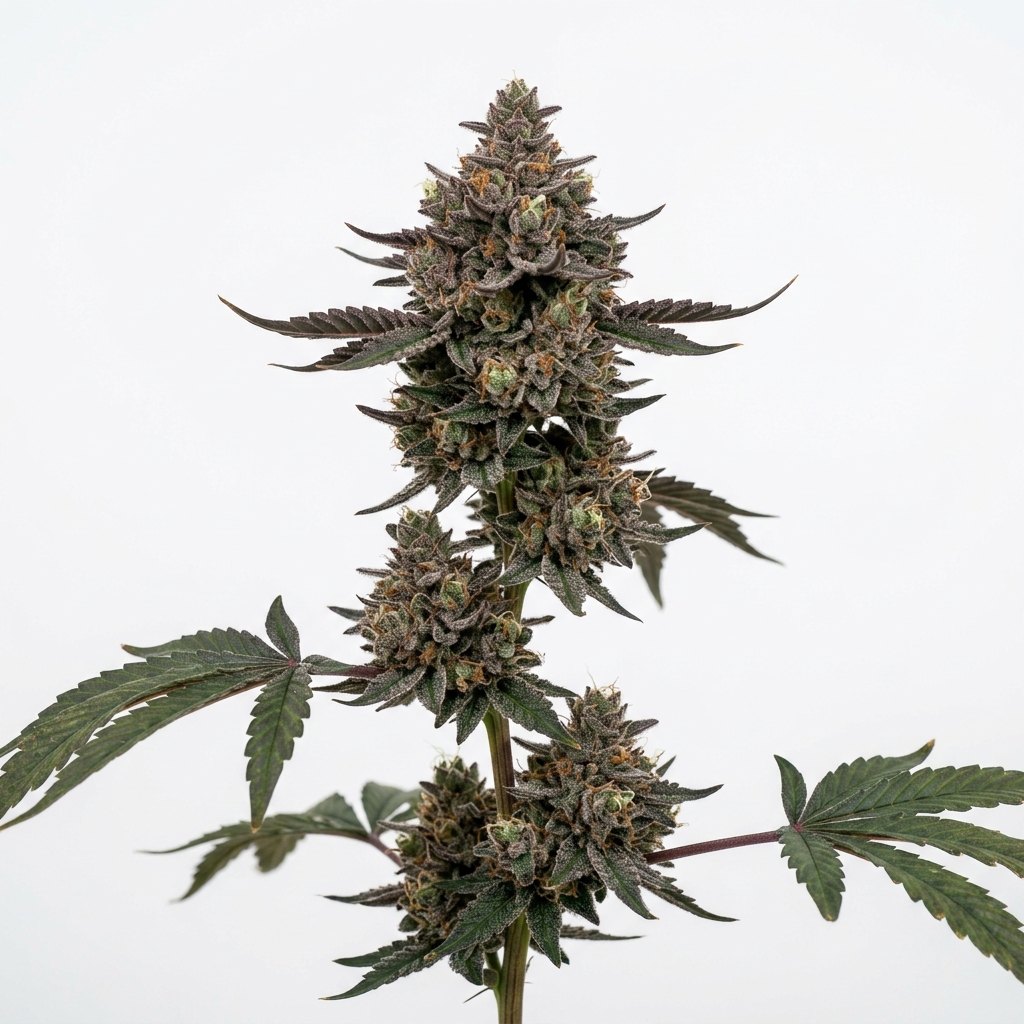
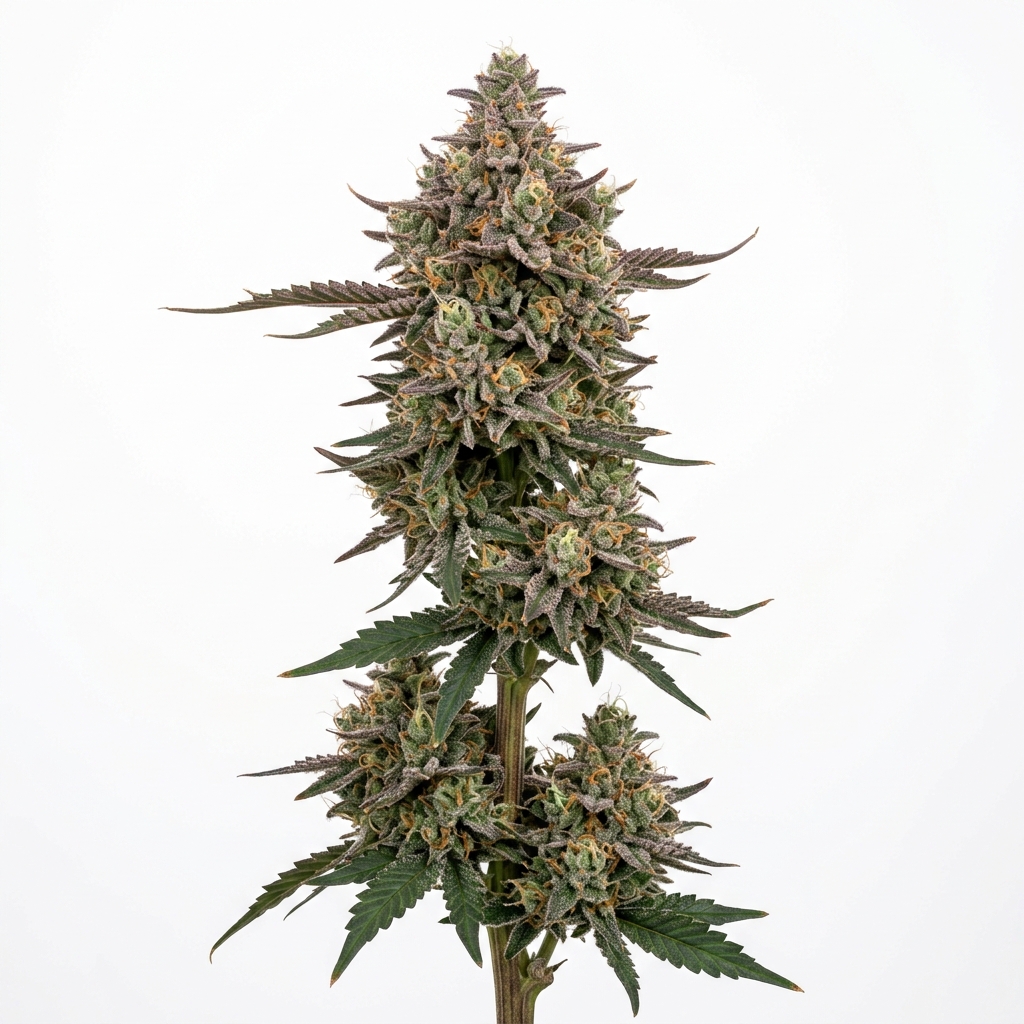
Return of the MAC shows medium-stature growth marked by thick main stems, compact internodal spacing, and broad, dark green foliage that thins slightly during bloom. The floral structure forms dense, rounded bract clusters that stack into solid spear-shaped colas. The high calyx-to-leaf ratio reduces trimming labor and facilitates light distribution across lower bud sites.
As the plant approaches full maturity, cooler night temperatures often coax out lavender and deep violet hues along the bract edges beneath a blanket of glandular trichomes. The flowers cure into firm, resin-packed buds with vibrant tangerine pistils threading through olive-green and purple calyxes. Bracts swell considerably in the final fortnight, necessitating careful environmental management.
Glandular trichome heads on this cultivar are predominantly large, capitate-stalked, and uniform in structure, detaching cleanly when agitated in ice water. This resin profile supports high retention of monoterpenes and sesquiterpenes throughout drying and curing, providing sharp olfactory definition in the finished jar.
Effects & Use-Cases (Reported)
Commonly reported effects: Consumers and cultivators note an initial uplifting head shift marked by focused mental clarity, followed by a steady physical ease that softens muscle tension without causing sudden fatigue.
Use-case context: The balanced nature of this cultivar makes it well suited for afternoon creative projects, low-stress social gatherings, or quiet evening wind-downs.
Note: Reported effects are literature-informed and subjective. Individual physiological responses vary according to tolerance, dosage, and consumption method.
Aroma & Flavors
Aroma: Pungent tart citrus, damp earth, sweet dough, and ripe tropical fruit layered over a subtle peppery gas undertone.
Flavor: Smooth vanilla dough and sweet banana on the inhale, turning toward sharp orange zest, herbal spice, and earthy fuel on the exhale.
Terpene associations: Dominated by limonene, supported by beta-caryophyllene, myrcene, and minor concentrations of linalool.
Tested Cannabinoid & Terpene Ranges
| Compound | Typical Range |
|---|---|
| Δ9-THC | 23.0% – 28.0% |
| CBD | < 0.2% |
| CBG | 0.5% – 1.2% |
| Total Terpenes | 1.8% – 3.2% |
| d-Limonene | 0.6% – 1.1% |
| β-Caryophyllene | 0.4% – 0.8% |
| β-Myrcene | 0.3% – 0.6% |
| Linalool | 0.1% – 0.3% |
Range note: Cannabinoid and terpene values reflect dried, uninfused flower testing. Analytical outcomes vary based on phenotype selection, lighting efficiency, nutrient balance, and curing protocols.
Cultivation Notes
- Humidity management: Maintain relative humidity near 55% to 60% during vegetative growth and early bloom, reducing to 40% to 45% by week 6 to protect dense colas from botrytis.
- Nutrient requirements: Thrives on moderate baseline feeding; taper nitrogen early in bloom to prevent excessive leaf growth within the tight bud sites.
- Canopy training: Topping once or twice followed by low-stress training (LST) or a single-layer scrog net helps spread the canopy and supports heavier terminal colas.
- Defoliation: Perform selective leaf thinning around day 21 and day 42 of flowering to improve air circulation and direct light into lower bud sites.
- Harvest window: Target harvest when trichomes show mostly milky heads with 10% to 15% amber, typically occurring between days 56 and 63 of 12/12 light.
Grower Notes (Week-by-Week Snapshot)
- Weeks 1–3 (Transition & Stretch): Moderate stretch of approximately 1.5× with rapid development of sturdy lateral branches and early pistil clusters.
- Weeks 4–6 (Floral Swell & Resin Production): Calyxes swell and trichome coverage spreads across sugar leaves as the citrus and pastry aroma intensifies.
- Weeks 7–9 (Ripening & Senescence): Buds firm up significantly, leaves display natural autumn fading, and terpene sharpness reaches peak pungency.
- Post-Harvest (Drying & Curing): A slow 12 to 14 day dry at 60°F (15.5°C) and 60% relative humidity preserves the delicate banana and dough volatile fractions.
Genetic Lineage
The maternal parent, Miracle Alien Cookies (MAC)—originally bred by Capulator by crossing Alien Cookies with a hybrid of Colombian and Starfighter—is famous for its heavy trichome density, creamy diesel fragrance, and sturdy bud structure. MAC provides this hybrid with its rigid lateral branches and thick resin coat.
The pollen donor, Banana Punch (Banana OG × Purple Punch), brings sweet tropical fruit aromas, deeper purple pigmentation, and a slightly faster flowering period. The resulting combination maintains the structural density of MAC while introducing sweeter, rounder fruit terpenes and excellent bag appeal.
Research Insights
Cannabinoid and terpene research suggests that secondary plant compounds like beta-caryophyllene and limonene interact with mammalian physiological pathways. Beta-caryophyllene functions as a selective CB2 receptor agonist in laboratory models, while limonene is frequently examined for its potential to modulate sensory perception and stress pathways in preclinical settings.
While these general pharmacological studies offer foundational insight into isolated compounds, whole-plant cannabis response depends on complex chemical profiles and individual metabolic rates. Further standardized clinical trials are necessary to fully map the specific effects of this cultivar’s unique terpene-cannabinoid profile.
Frequently Asked Questions
Who bred Return of the MAC?
Return of the MAC is commonly attributed to Anesia Seeds, who hybridized Miracle Alien Cookies (MAC) with Banana Punch.
Is Return of the MAC an indica or sativa?
It is a balanced hybrid (approximately 50% indica / 50% sativa) that combines the robust, grounding physical traits of an indica with an alert, clear-headed sativa lift.
What does Return of the MAC smell and taste like?
It features an aroma of tart citrus, sweet pastry dough, and ripe banana over an earthy diesel base, translating into a creamy, citrus-gas flavor on the palate.
How long does Return of the MAC take to flower?
Indoor flowering typically takes 8 to 9 weeks (56 to 63 days) under a standard 12/12 photoperiod.
Educational Disclaimer
This content is for educational and informational purposes only. Cannabis laws and regulations vary by jurisdiction. Always consult with a qualified professional before beginning any cultivation project or consuming cannabis products.
Rate and review this strain
Ratings and reviews are accepted only from signed-in Google accounts.
Sign in with Google to leave a rating and written review.
Latest Reviews
0 reviewsNo reviews yet. Be the first Google user to rate and review this strain.
Follow New Cultivar Records
Get newly documented genetics, breeder history, research highlights, and important Strainpedia discoveries by email.