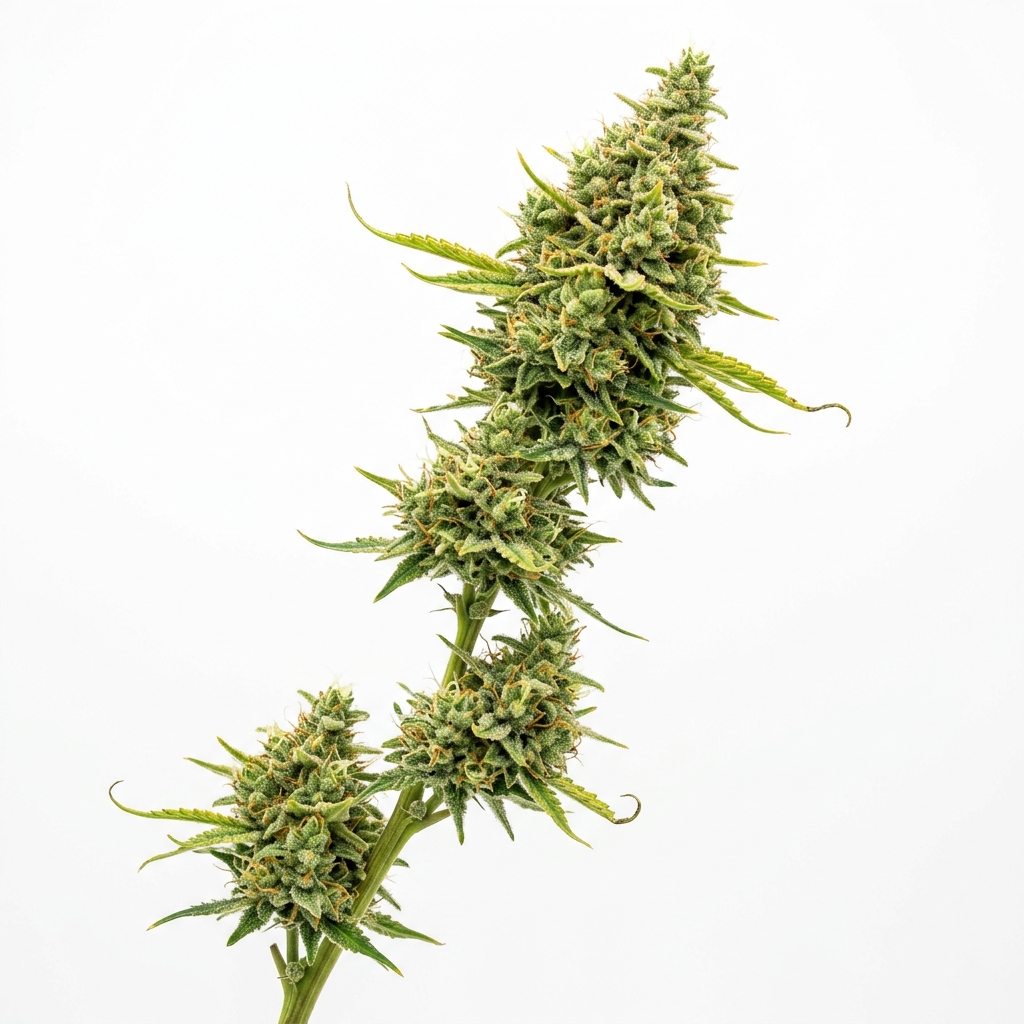
Lemon Loaf (Cannabis Strain)
Lemon Loaf is a sativa-dominant hybrid cultivar bred by Bloom Seed Co, created by crossing the award-winning Lemon Tree with the dessert-forward French Toast. Cultivated primarily for its vibrant citrus-pastry aroma and heavy glandular trichome development, the cultivar reliably produces uninfused dried flower potency between 20% and THC not consistently reported. Its growth habit features vigorous vertical reach, medium internodal spacing, and elongated spear colas rich in sweet limonene-heavy resin.
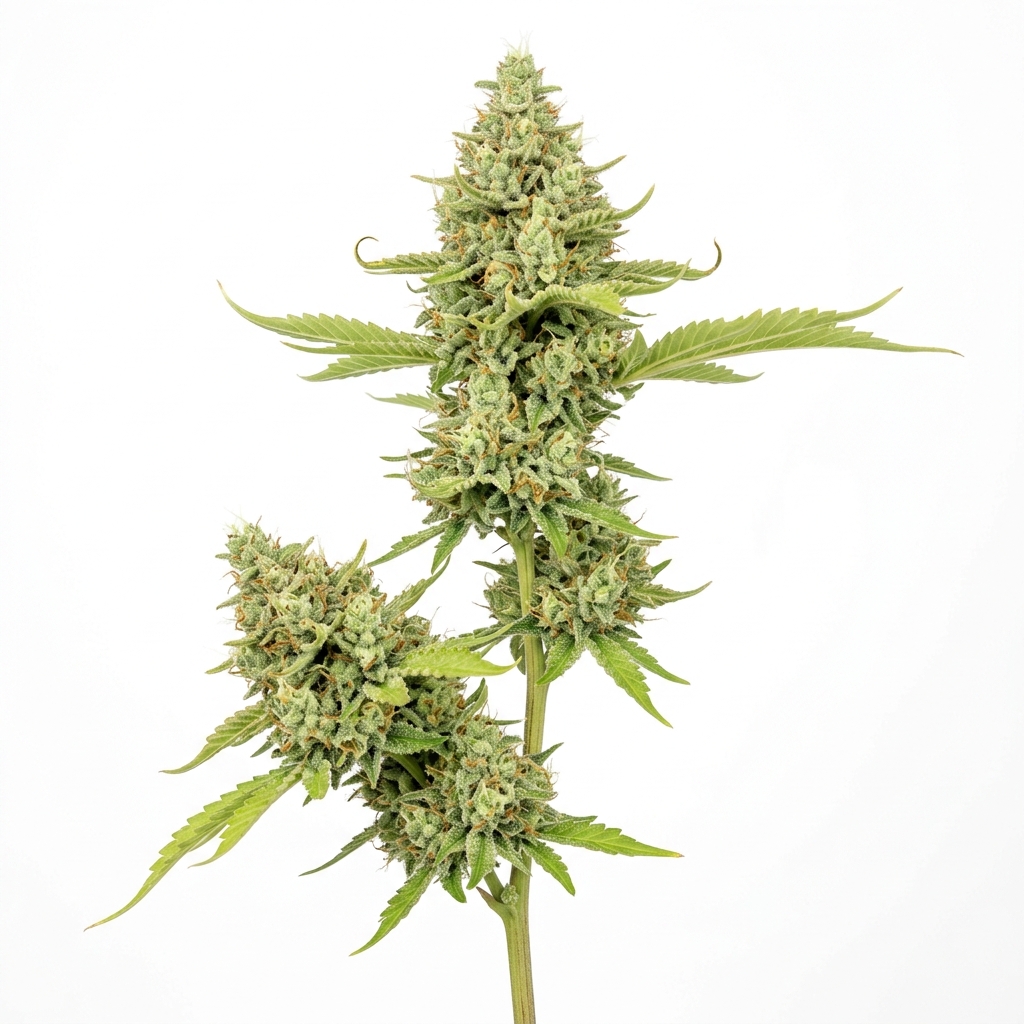
The cross merges the sharp, sour kerosene snap of Lemon Tree with the buttery, vanilla-dough undertones of French Toast. Plants develop bright, lime-green calyxes dusted in glassy resin heads that hold their terpene clarity through a careful dry. Growers and consumers typically highlight Lemon Loaf for its focused, daytime functional clarity paired with a gentle, non-sedating physical release.
Quick Facts
| Field | Detail |
|---|---|
| Breeder | Bloom Seed Co |
| Genetics | Lemon Tree × French Toast |
| Variety | Sativa-dominant hybrid |
| THC Range | 20% – 26% |
| Flowering Time | 9 – 10 weeks (63 – 70 days) |
| Yield Potential | Moderate to high |
| Plant Height | Medium to tall |
| Climate Preference | Warm, dry, controlled indoor environments |
| Difficulty | Moderate |
Scientific & Botanical Overview
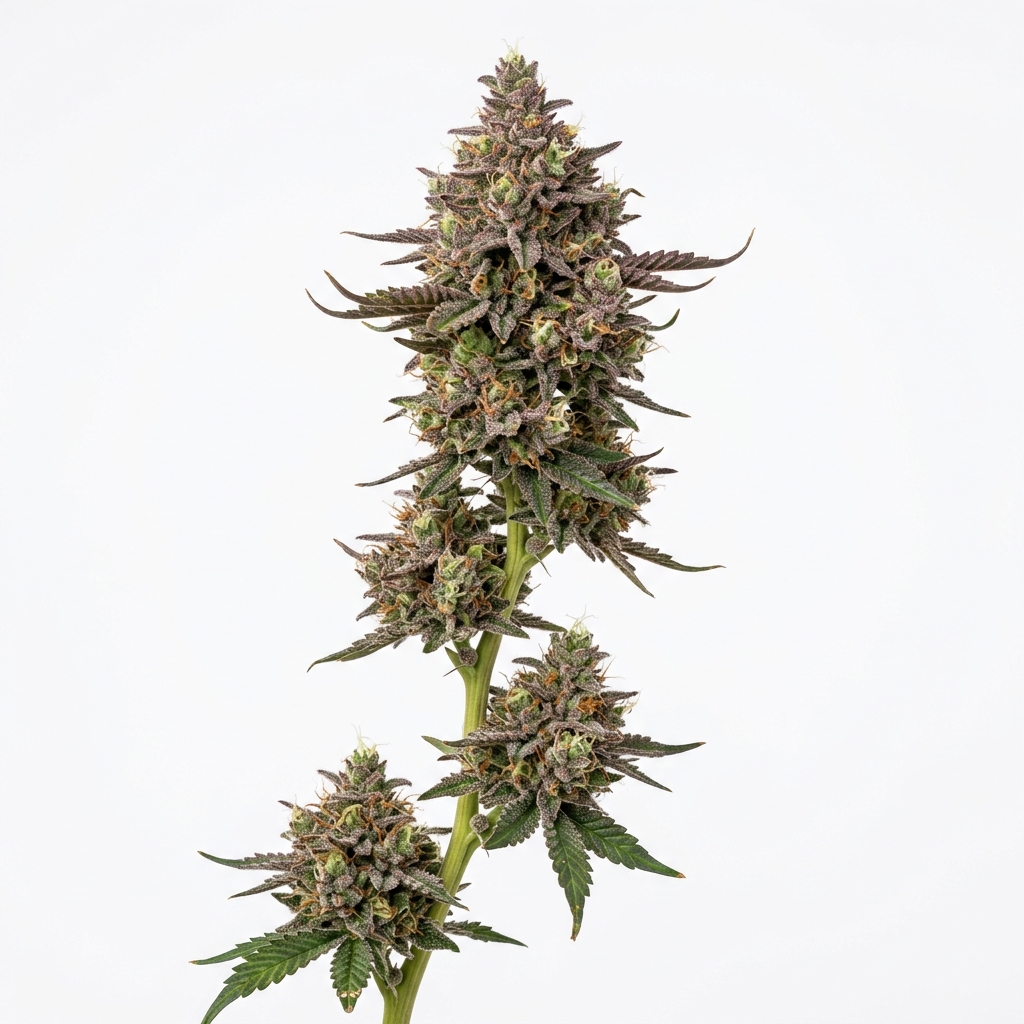
Lemon Loaf displays distinct sativa-leaning morphology inherited largely from its Lemon Tree ancestry. The plant establishes a sturdy central stalk with moderately spaced internodes, enabling substantial light penetration into lower canopy levels. Foliage leans toward narrower, elongated leaflets with serrated margins, shifting to pale chartreuse and lime-green tones as flowers mature under balanced lighting.
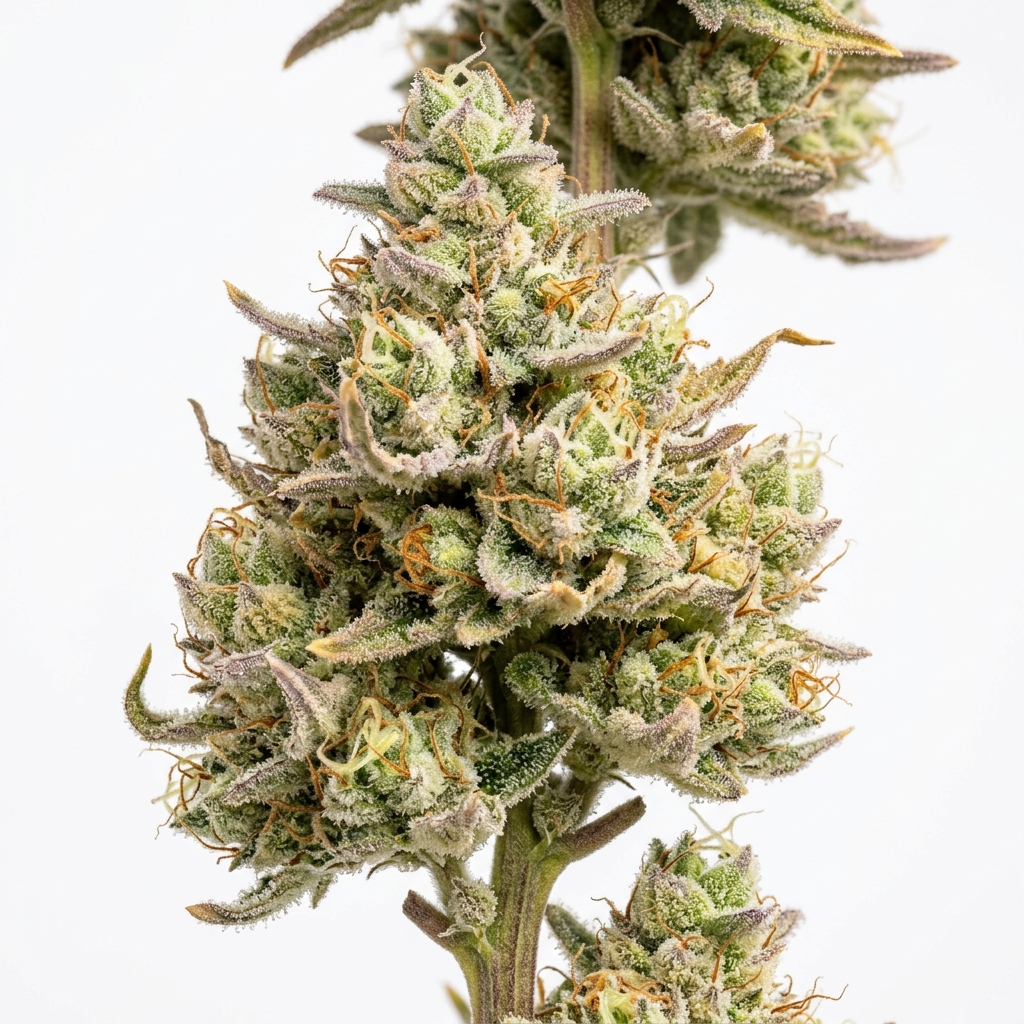
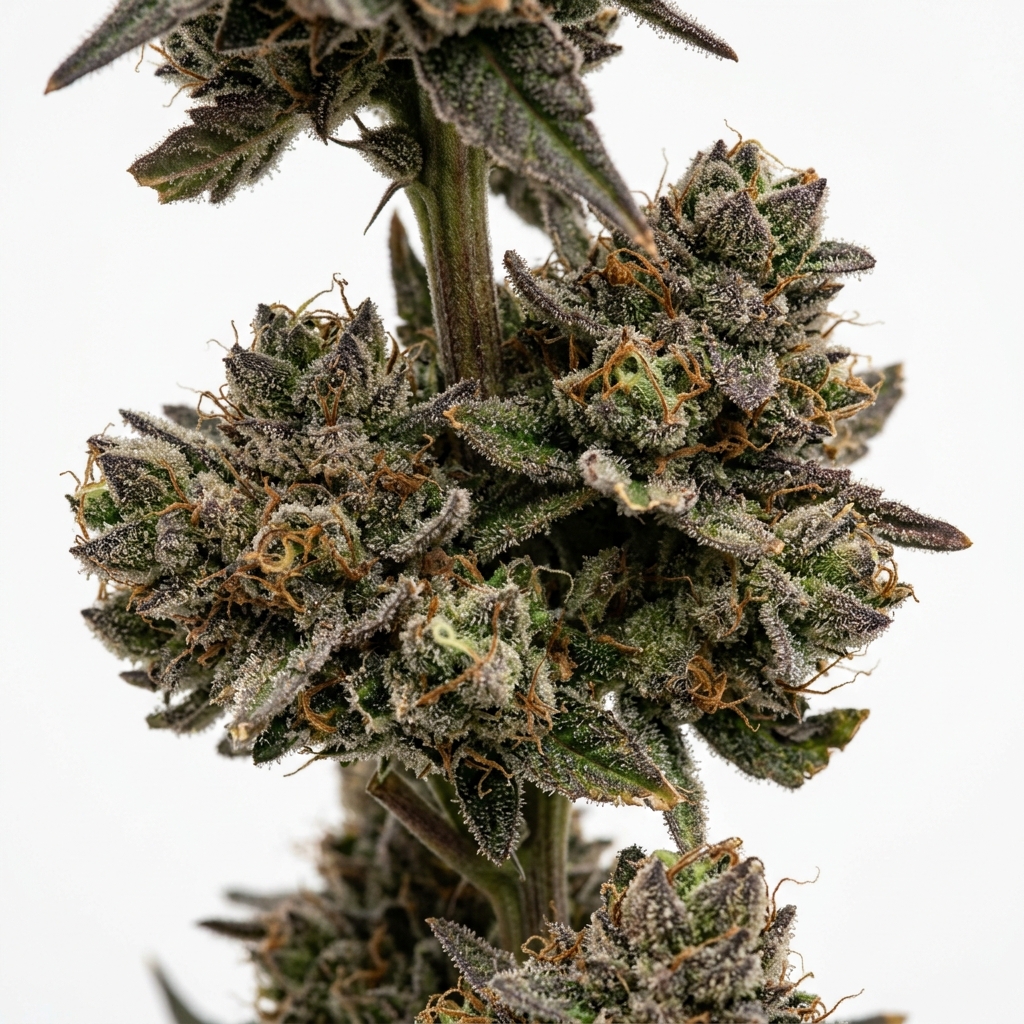
Flower structure consists of tapered spear colas made of clustered, swollen calyxes rather than ultra-compact rounded golf balls. Bracts are coated in a dense blanket of capitate-stalked glandular trichomes that possess thin necks and fragile resin heads. This resin density makes the cultivar notably receptive to mechanical trimming and solventless extraction when harvested at peak cloudiness.
The plant shows moderate stretching during the first three weeks of photoperiod transition, often doubling its vegetative height. Strong root vigor supports rapid nutrient uptake during early bloom, though the cultivar remains sensitive to excessive nitrogen feeding once floral clusters begin swelling in week five.
Effects & Use-Cases (Reported)
Commonly reported effects: Consumers typically describe an immediate, uplifting cerebral shift characterized by heightened focus, elevated mood, and clean sensory engagement. The initial head-centered onset is clean and vibrant, gradually easing into a light, functional physical relaxation that softens shoulder and neck tension without causing heavy lethargy.
Use-case context: Given its bright, alert profile, Lemon Loaf is frequently selected for morning or daytime consumption. It pairs well with creative workflows, outdoor daytime recreation, social gatherings, and general task management where mental clarity is preferred over sedation.
Note: Individual response varies based on personal tolerance, dose, terpene sensitivity, and setting.
Aroma & Flavors
Aroma: The cured flowers emit a loud burst of candied lemon peel, lemon curd, and sweet baked bread. Grinding the buds releases sharp secondary notes of tart gas, crushed pine needles, and a light buttery vanilla crust.
Flavor: On inhalation, the smoke carries a bright lemon glaze flavor accented by sweet dough and faint diesel. The exhale finishes smooth with lingering notes of warm pastry crust, tart citrus oil, and a delicate herbal spice.
Terpene associations: The aromatic profile is driven primarily by d-limonene, supported by beta-caryophyllene, beta-myrcene, and minor concentrations of linalool and alpha-pinene.
Tested Cannabinoid & Terpene Ranges
| Compound | Typical Flower Range |
|---|---|
| Δ9-THC | 20% – 26% |
| CBD | < 1.0% |
| CBG | 0.5% – 1.5% |
| Total Terpenes | 1.8% – 3.2% |
| Dominant Terpenes | Limonene, Caryophyllene, Myrcene |
Range note: Cannabinoid and terpene concentrations in dried flower vary significantly depending on phenotype selection, growing medium, light spectrum, environmental stability, and curing conditions.
Cultivation Notes
- Humidity management: Maintain 55% to 60% relative humidity through early bloom, stepping down to 40% to 45% during late flower to safeguard the resinous colas against botrytis.
- Nutrient requirements: Feed moderately during vegetative growth; reduce nitrogen intake by week four of flower while maintaining steady potassium, phosphorus, and calcium supplementation.
- Canopy training: Responds well to topping and low-stress training (LST) early in veg; a trellis net helps support long vertical branches during the final weeks of bud development.
- Defoliation: Perform selective leaf removal at day 21 and day 42 of flowering to improve airflow and direct photosynthetic energy to developing lower bud sites.
- Harvest window: Look for mostly milky trichome heads with roughly 10% to 15% amber between days 63 and 70 to capture the brightest citrus aroma and sharpest cerebral onset.
Grower Notes (Week-by-Week Snapshot)
- Weeks 1–3 (Transition & Stretch): Vigorous vertical growth occurs; expect a 1.5× to 2× stretch. Install primary trellis netting and prune lower interior shoots before the stretch finishes.
- Weeks 4–6 (Bud Set & Early Resin): Spear-shaped flower clusters establish rapidly along branch nodes. Fragrant citrus aromas begin emerging alongside early trichome frost on sugar leaves.
- Weeks 7–9 (Bulking & Maturation): Calyxes swell, pistils turn from pale cream to deep amber-orange, and the aroma shifts toward a distinct lemon-pastry sweetness. Lower room humidity and monitor cola density closely.
- Post-Harvest / Cure: Dry whole plants at 60°F (15.5°C) and 60% RH for 12 to 14 days. A slow cure in airtight containers preserved between 58% and 62% RH stabilizes volatile citrus terpenes.
Genetic Lineage
Lemon Loaf unites two renowned genetics from the modern boutique breeding era. Maternal parent Lemon Tree (Sour Diesel × Lemon Skunk) contributes a punchy citrus profile, aggressive vertical vigor, and high resin production with sharp sour-fuel undertones. It has long served as an elite citrus breeding standard across California and modern craft markets.
Pollen donor French Toast (Paris OG × Face Off OG BX1 or hybrid variants used by Bloom Seed Co) introduces dense calyx formation, sweet bakery dough notes, and calming body elements that temper the high-energy rush of Lemon Tree. The resulting progeny balances bright fruit aromatics with comforting baked-good undertones.
Research Insights
Academic research into cannabis phytochemicals highlights the dominant role of monoterpenes like limonene in shaping consumer experience. Preclinical pharmacology literature notes that limonene readily volatilizes at low temperatures and may interact with neurotransmitter pathways related to mood regulation, though formal clinical confirmation in isolated human trials remains ongoing.
Botanical studies also document that cultivars rich in beta-caryophyllene uniquely engage peripheral cannabinoid receptors (CB2), acting as a functional dietary cannabinoid. While general research provides valuable context regarding individual terpenes and cannabinoids, specific therapeutic outcomes cannot be claimed for Lemon Loaf without targeted clinical cultivar studies.
Frequently Asked Questions
Who is the original breeder of Lemon Loaf?
Lemon Loaf was originally bred by Bloom Seed Co, who developed the cross by combining Lemon Tree with their French Toast line.
Is Lemon Loaf an indica or sativa?
Lemon Loaf is a sativa-dominant hybrid, exhibiting upright vegetative stretch, spear-shaped colas, and an uplifting, clear-headed daytime effect profile.
What does Lemon Loaf smell and taste like?
The strain smells of sweet lemon glaze, fresh dough, and tart kerosene. The flavor delivers bright lemon pastry on the inhale with a smooth, herbal, vanilla-dough finish on the exhale.
How long does Lemon Loaf take to flower?
In indoor setups, Lemon Loaf typically completes its flowering cycle in 9 to 10 weeks (63 to 70 days), ripening into dense, trichome-rich colas.
Educational Disclaimer
This content is for educational and informational purposes only. Cannabis laws and regulations vary by jurisdiction. Always consult with a qualified professional before beginning any cultivation project or consuming cannabis products.
Rate and review this strain
Ratings and reviews are accepted only from signed-in Google accounts.
Sign in with Google to leave a rating and written review.
Latest Reviews
0 reviewsNo reviews yet. Be the first Google user to rate and review this strain.
Follow New Cultivar Records
Get newly documented genetics, breeder history, research highlights, and important Strainpedia discoveries by email.