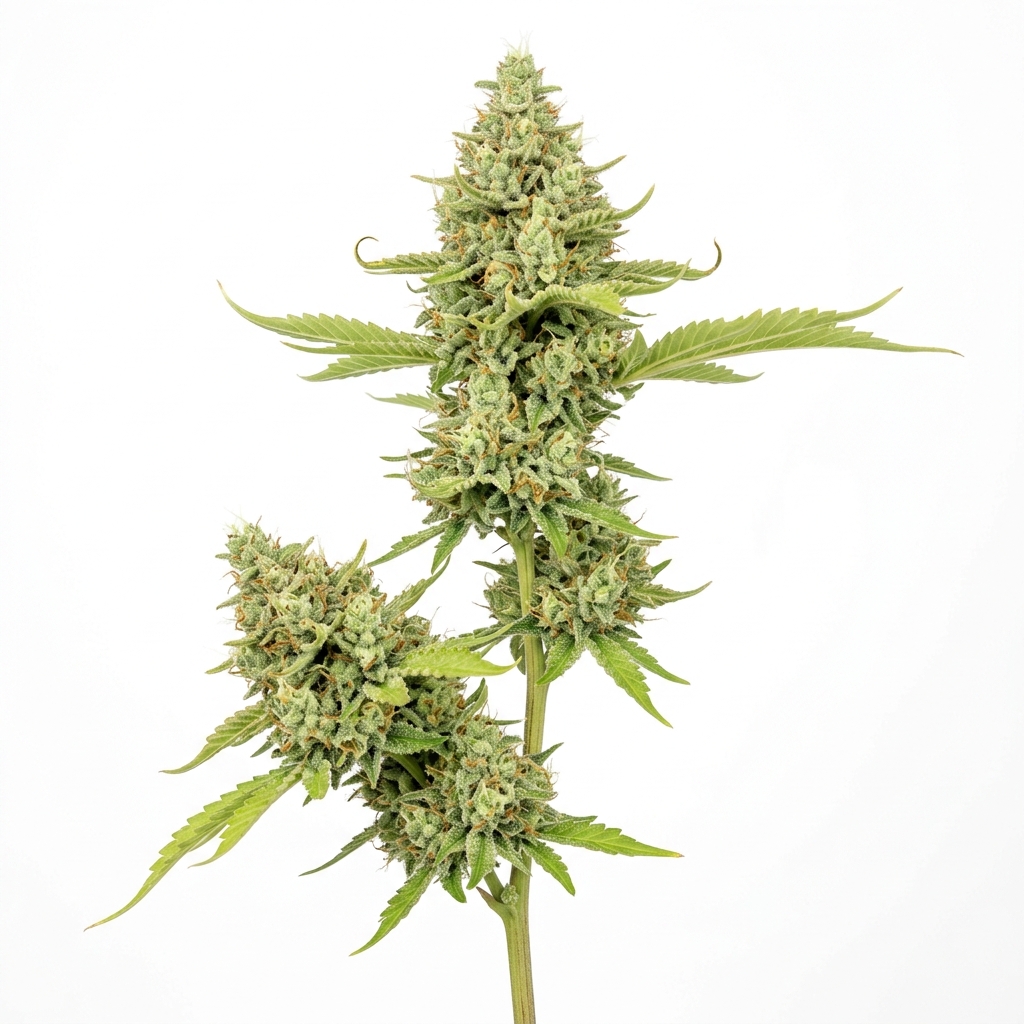
Wonder Bread (Cannabis Strain)
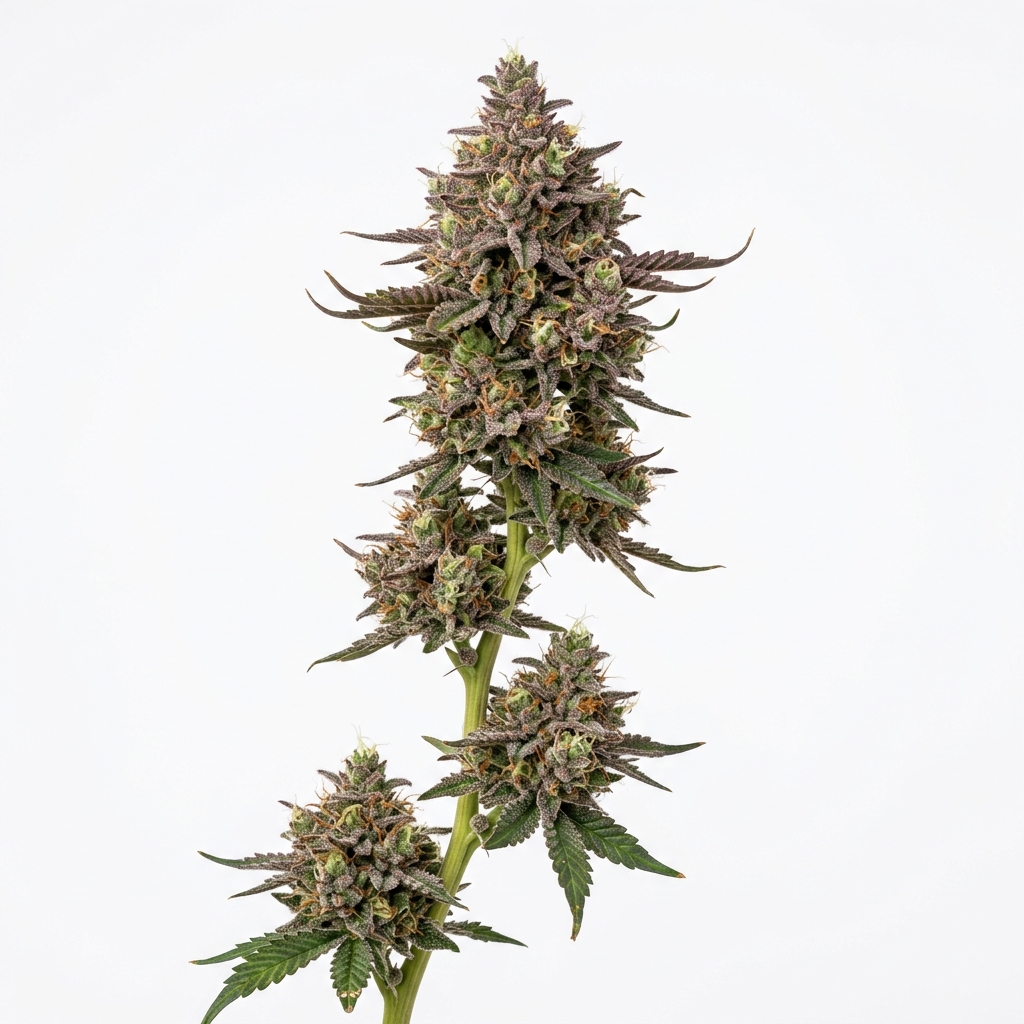
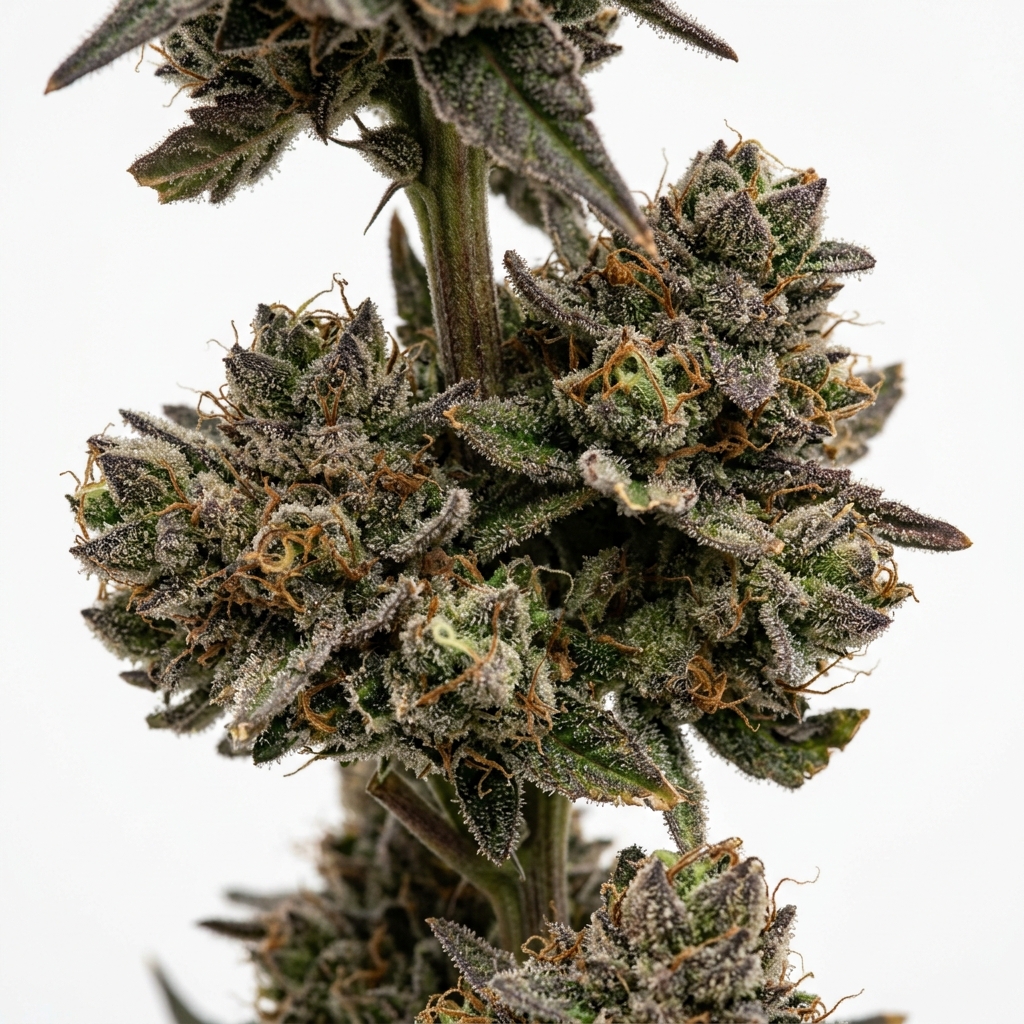
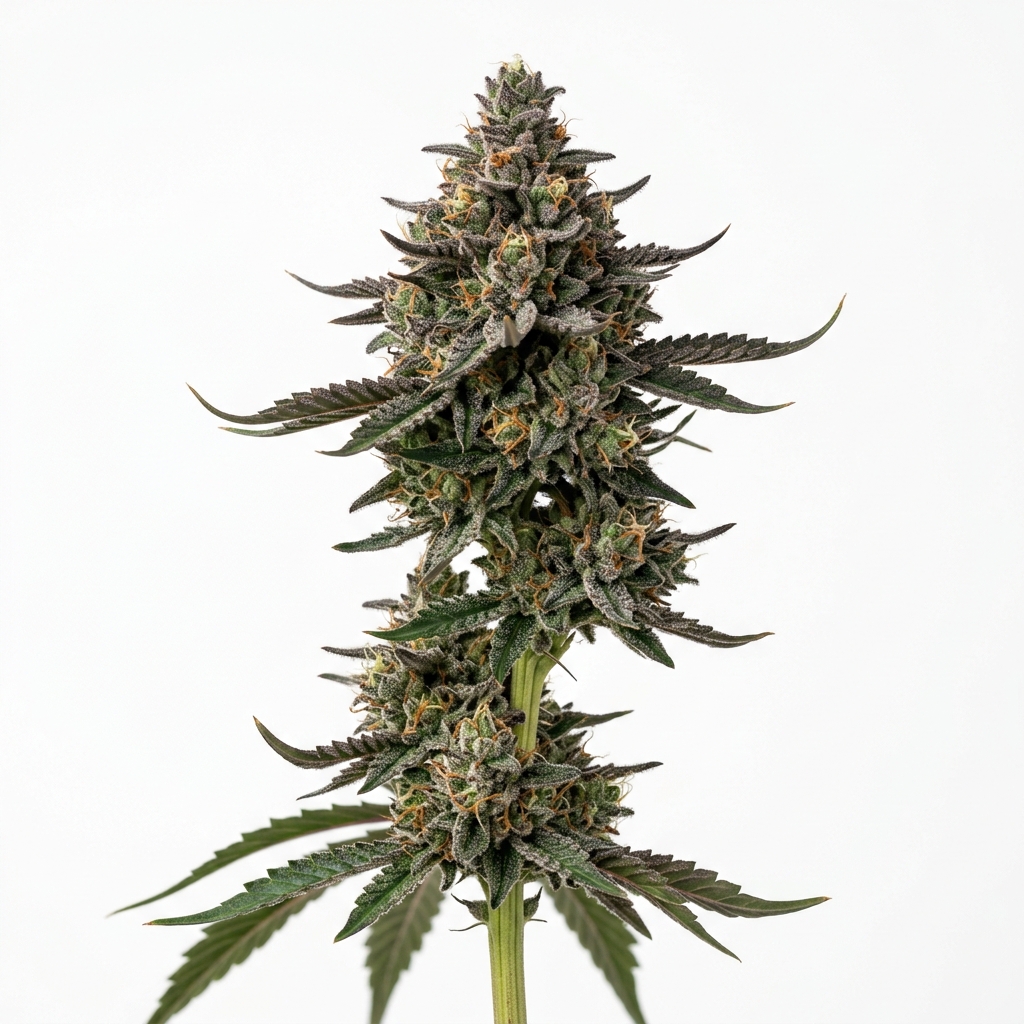
Wonder Bread is a hybrid cultivar testing between 20% – 26% THC in dried flower form, commonly traced to a lineage pairing Chemdawg with OG Kush. The original breeder is not consistently documented in reliable public records, though the cut emerged from legacy West Coast breeding circles focused on fuel-forward profiles. The cultivar develops dense, pale green spear colas coated in wet frost, carrying a distinct aromatic signature of fermented dough, sour diesel, and earthy pine.
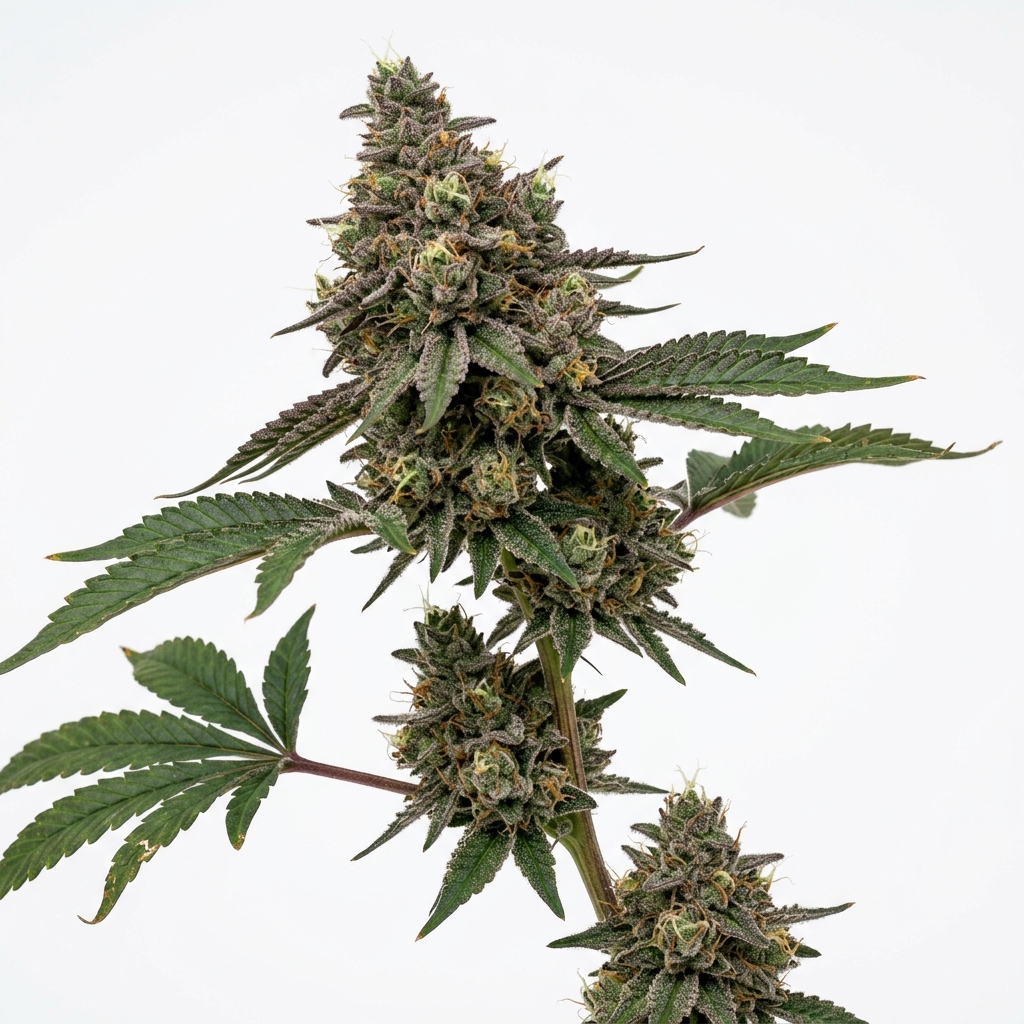
The genetic pairing balances the sharp chemical pungency of its Chemdawg heritage with the structural density and heavy resin coverage typical of classic OG lines. In cultivation, plants display sturdy lateral branches and broad fan leaves that transition to lime green during late bloom. Consumers typically report a grounding, full-body physical presence paired with clear mental focus, making it adaptable for late afternoon or evening sessions.
Quick Facts
| Field | Details |
|---|---|
| Breeder | Not consistently documented (Legacy West Coast provenance) |
| Genetics | Chemdawg × OG Kush |
| Variety | Hybrid (Indica-dominant leaning) |
| THC Range | 20% – 26% (Dried flower) |
| Flowering Time | 8 – 9 weeks (56 – 63 days) |
| Yield Potential | Moderate to heavy (450 – 550 g/m² indoor) |
| Plant Height | Medium (controlled stretch) |
| Climate Preference | Temperate to warm, low late-flower humidity |
| Difficulty | Moderate |
Scientific & Botanical Overview
Wonder Bread displays intermediate morphological traits between broadleaf indica cultivars and narrow-leaf gas lines. Plants develop thick central stalks with moderate internodal spacing, forming tight clusters of swollen calyxes along upper branch nodes. Foliage remains deep forest green throughout the vegetative phase before lightening as nutrients redirect to bud swell during maturation.
Capitate-stalked glandular trichomes coat the floral bracts and small sugar leaves in abundance. Resin heads develop medium-to-large diameters with milky opacity by mid-bloom, providing high mechanical separation value for non-solvent extraction. The calyx-to-leaf ratio remains favorable, simplifying hand-trimming and improving canopy airflow.
Secondary metabolite production is driven primarily by monoterpenes and sesquiterpenes associated with classic fuel genetics. High concentrations of beta-caryophyllene, myrcene, and limonene define the cultivar’s chemical profile. Total terpene content in properly cured whole flower commonly tests between 1.5% and 2.5%.
Effects & Use-Cases (Reported)
Commonly reported effects: Consumers describe an initial cerebral lift marked by clear focus and mild sensory elevation, followed steadily by physical easing across the neck and shoulders. The body sensation builds gradually into deep muscular relaxation without immediate heavy sedation, preserving functional lucidity at measured doses.
Use-case context: The cultivar is frequently chosen for post-work unwind routines, low-intensity creative tasks, and social settings where heavy couchlock is undesirable. In higher amounts, the physical weight intensifies, making it suitable for quiet evening rest.
Note: Individual experiences vary based on dosage, tolerance, and personal endocannabinoid sensitivity.
Aroma & Flavors
Aroma: The cured flowers release an earthy, sourdough yeast scent mixed with sharp diesel fumes. Breaking open a dense bud intensifies the sour citrus and pungent skunk notes inherited from the Chemdawg parentage.
Flavor: The smoke delivers an earthy dough base accompanied by tart gas and lingering pine on the exhale. A subtle peppery spice sits on the palate, rounded out by faint sweet herbal notes.
Terpene associations: The profile is dominated by beta-caryophyllene, myrcene, and limonene, with supporting levels of humulene and linalool providing herbal depth.
Tested Cannabinoid & Terpene Ranges
| Compound | Typical Range |
|---|---|
| Δ9-THC / THCA (Total THC) | 20.0% – 26.0% |
| CBD / CBDA (Total CBD) | < 0.5% |
| CBG / CBGA | 0.5% – 1.2% |
| Total Terpenes | 1.5% – 2.5% |
| Dominant Terpenes | Beta-Caryophyllene, Myrcene, Limonene, Humulene |
Range note: Cannabinoid and terpene metrics represent published laboratory averages for cured whole flower. Phenotype variation, cultivation variables, lighting intensity, and curing protocols influence final chemical composition.
Cultivation Notes
- Humidity management: Maintain 55% – 60% relative humidity during early bloom, reducing to 40% – 45% in late flowering to protect dense bracts from mold.
- Nutrient requirements: Plants handle moderate to heavy nitrogen in vegetative growth and respond well to elevated potassium and phosphorus during weeks four through seven of bloom.
- Canopy training: Topping early combined with low-stress training (LST) or a single-layer Trellis net creates an even canopy, maximizing light distribution to secondary colas.
- Defoliation: Perform selective leaf stripping at transition and around day 21 of flower to open inner bud sites to airflow and direct light.
- Harvest window: Optimal trichome development typically occurs between day 56 and day 63 when heads show mostly milky white with light amber transition.
Grower Notes (Week-by-Week Snapshot)
- Weeks 1–3 (Vegetative / Stretch): Plants undergo a manageable 1.5× stretch during early flower. Lateral branches establish quickly; secure branch placement under trellis netting early.
- Weeks 4–6 (Flower Development & Resin Production): Calyxes swell rapidly into spear-like structures. Wet frost blankets the bracts and fan leaf bases as fuel aromas begin to sharpen.
- Weeks 7–9 (Bud Swell & Ripening): Colas add noticeable bulk and density. Pistils turn from white to dark amber while sweet yeast and pungent diesel terpenes peak.
- Post-Harvest / Cure: Dry whole plants at 60°F (15.5°C) and 60% relative humidity for 10 to 14 days. A slow cure preserves the delicate bread dough aromatics alongside the heavy fuel notes.
Genetic Lineage
Wonder Bread derives its foundation from Chemdawg, an influential North American cultivar renowned for intense petroleum aromatics, pronounced resin production, and strong potency. Chemdawg contributes the signature sour fuel nose and sharp top-end cerebral activation that characterizes the strain’s opening profile.
The cross with OG Kush anchors the genetic structure, lending stout branch support, rounded golf-ball flower formation, and a dense layer of glandular trichomes. The combination stabilizes the yeasty, earthy finish that gives the cultivar its name while preserving the classic fuel characteristics favored by extraction specialists and flower connoisseurs alike.
Research Insights
Scientific investigations into cannabis secondary metabolites highlight beta-caryophyllene as a distinctive dietary sesquiterpene capable of directly binding to peripheral CB2 cannabinoid receptors. General pharmacology literature suggests this compound contributes to physical soothing properties observed in terpene-rich botanical preparations.
Concurrently, studies on monoterpenes like myrcene and limonene document potential modulating effects on sensory perception and perceived physical ease. While these broader chemical studies offer context for the major constituents found in cultivars of this profile, specific clinical data on Wonder Bread flower remains anecdotal.
Frequently Asked Questions
Who is the original breeder of Wonder Bread?
The original breeder is not consistently documented in verified public records, though the cut originated in legacy West Coast growing communities through the crossing of Chemdawg and OG Kush.
Is Wonder Bread an indica or sativa?
Wonder Bread is a balanced hybrid that leans slightly indica in its physical relaxation and dense bud formation, while maintaining clear mental awareness from its Chemdawg lineage.
What does Wonder Bread smell and taste like?
It carries an aroma of fermented dough, sour diesel, and damp earth. On the palate, it tastes of yeasty bread, tart fuel, and lingering pine spice.
What is the flowering time for Wonder Bread?
Indoor cultivation typically requires 8 to 9 weeks (56 to 63 days) of flowering to reach optimal resin maturity and peak terpene expression.
Educational Disclaimer
This content is for educational and informational purposes only. Cannabis laws and regulations vary by jurisdiction. Always consult with a qualified professional before beginning any cultivation project or consuming cannabis products.
Rate and review this strain
Ratings and reviews are accepted only from signed-in Google accounts.
Sign in with Google to leave a rating and written review.
Latest Reviews
0 reviewsNo reviews yet. Be the first Google user to rate and review this strain.
Follow New Cultivar Records
Get newly documented genetics, breeder history, research highlights, and important Strainpedia discoveries by email.