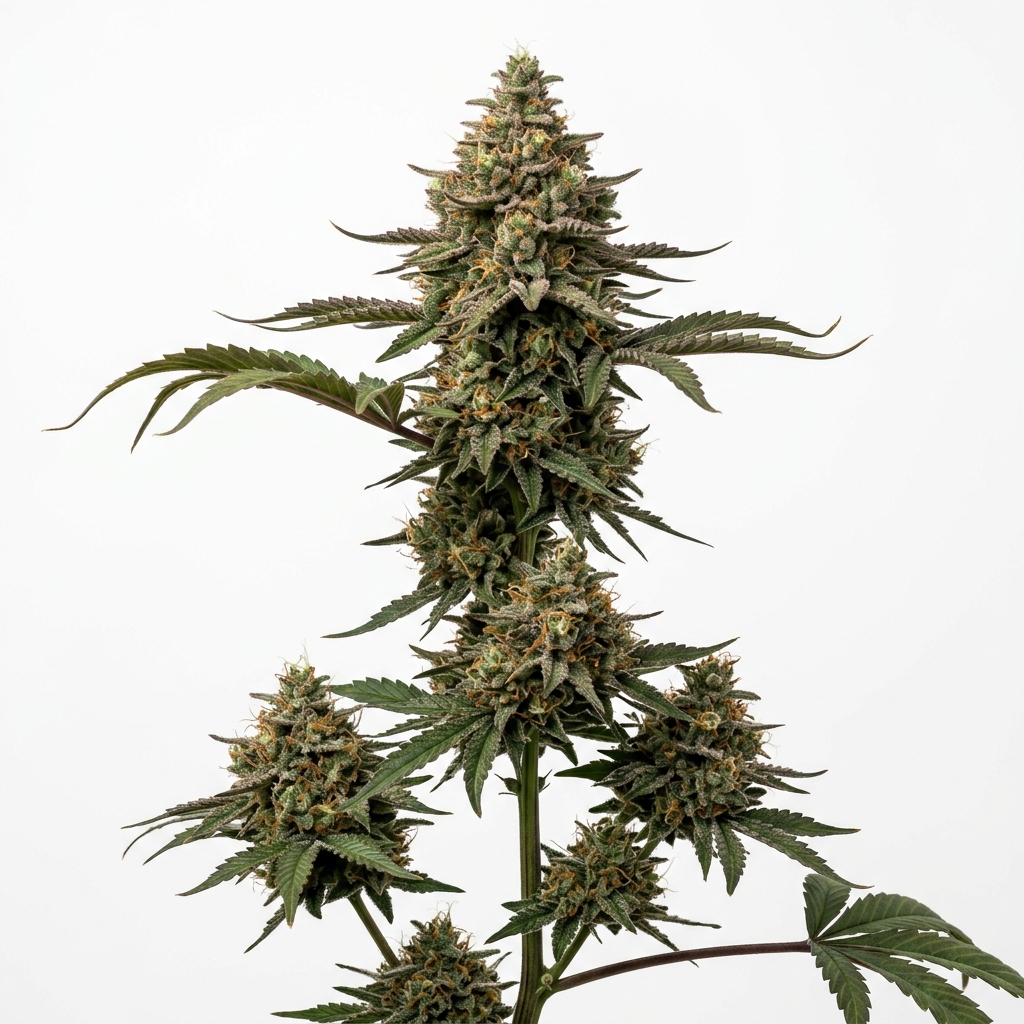
Tamarindo (Cannabis Strain)
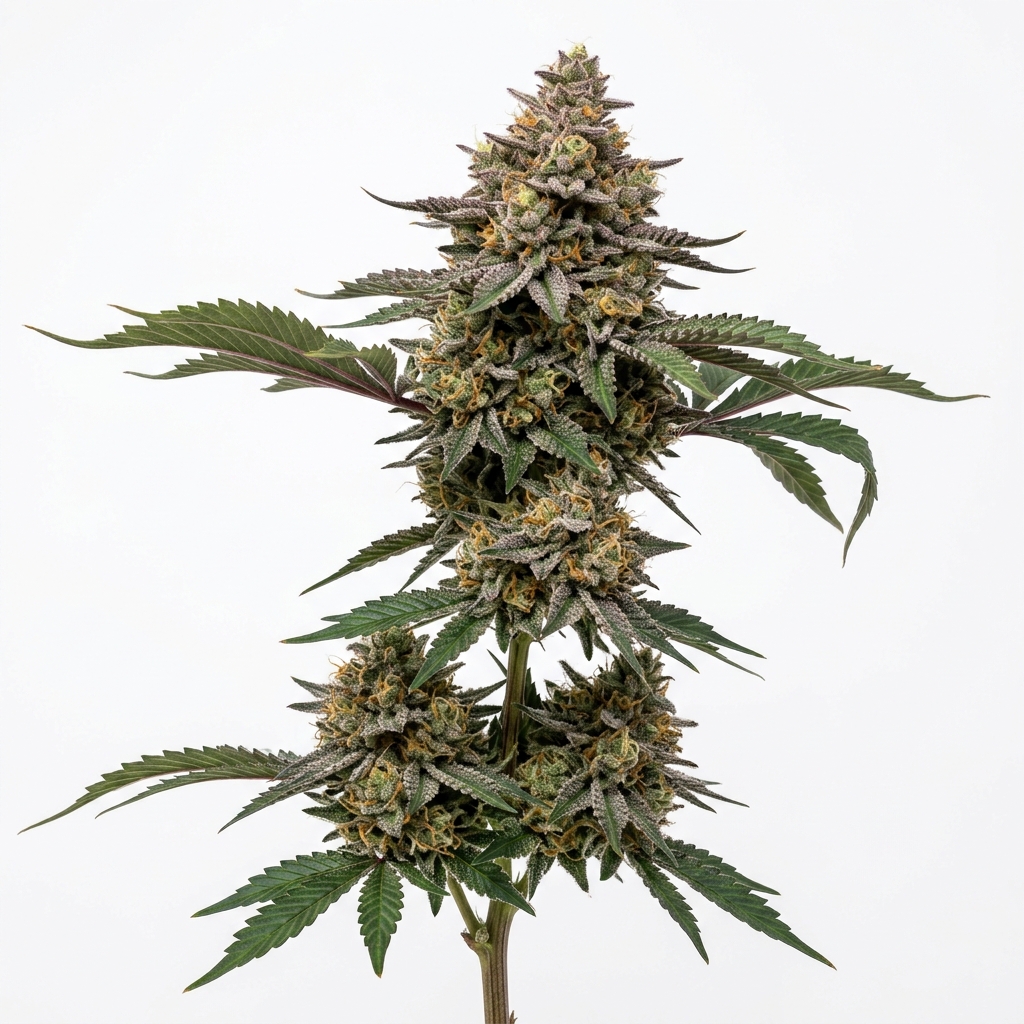
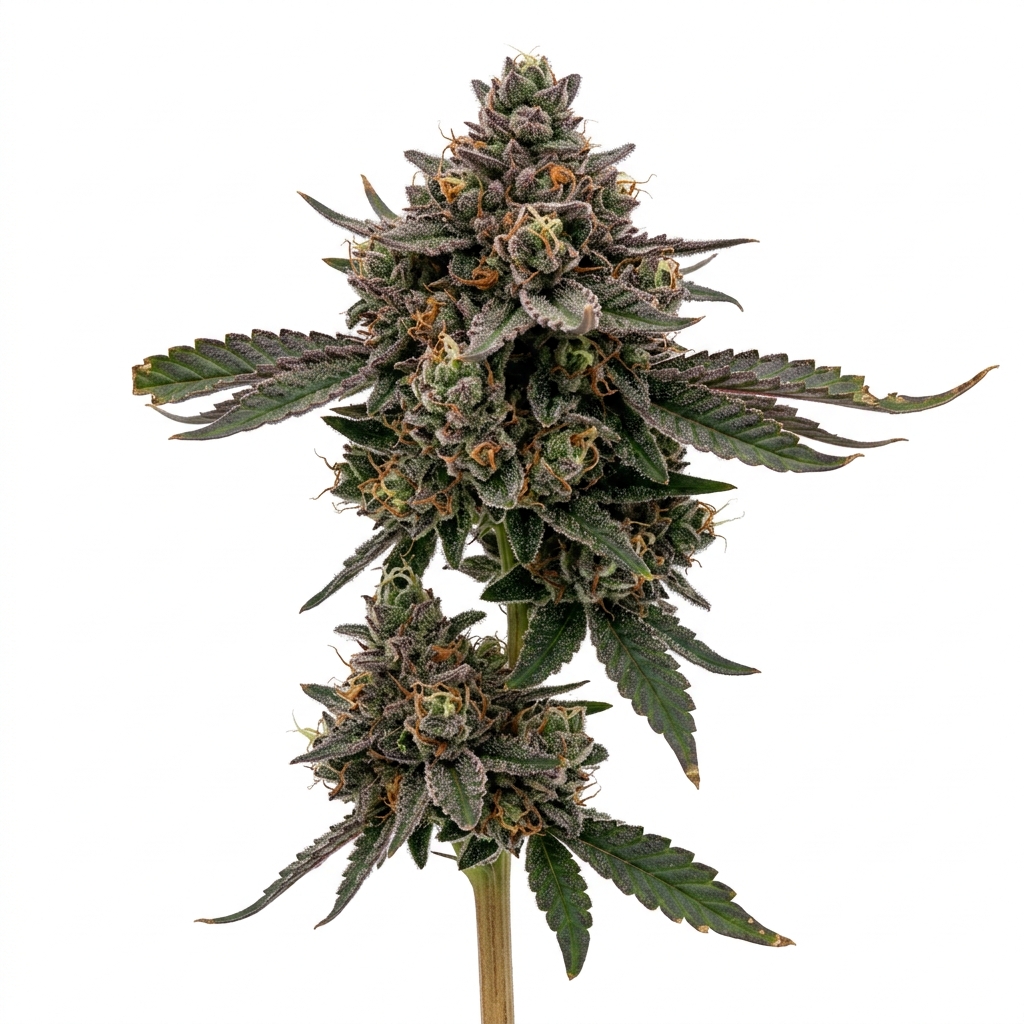
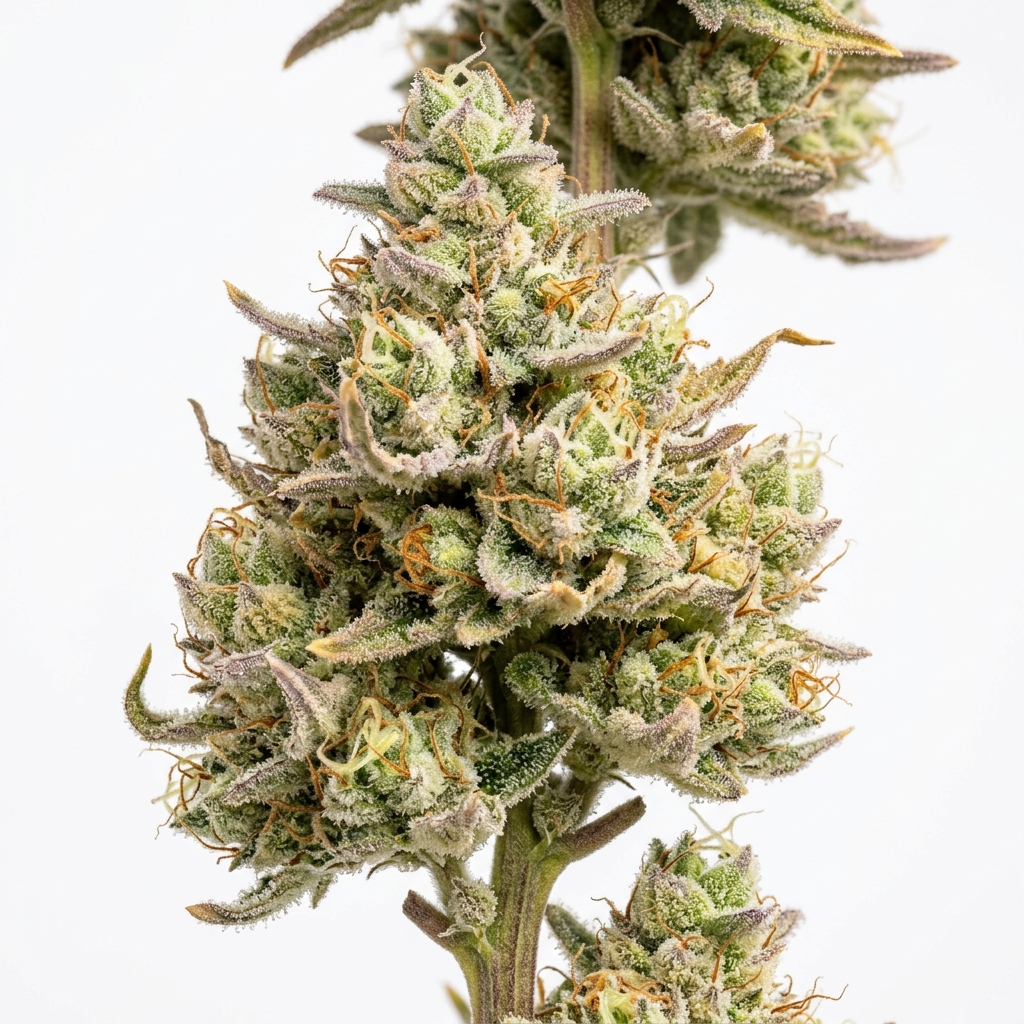
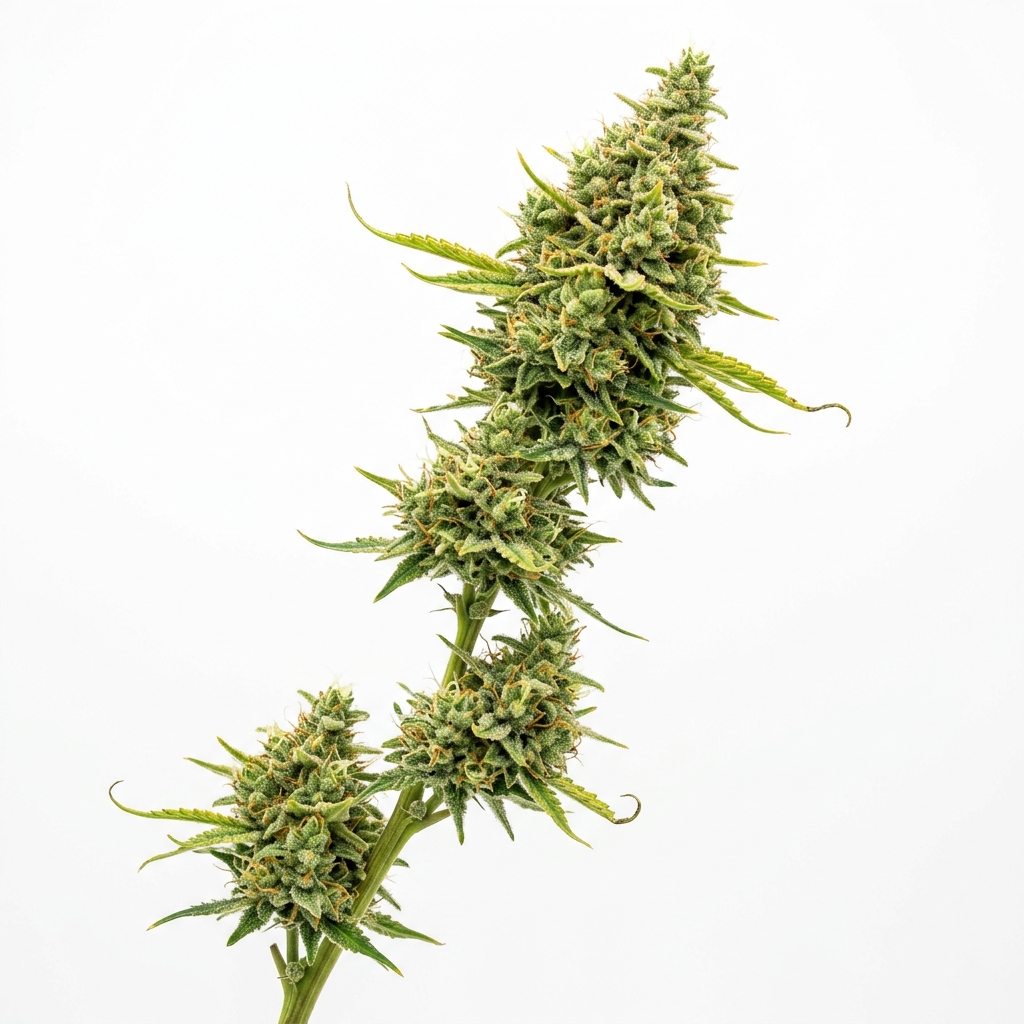
Tamarindo is a modern hybrid cultivar testing between 20% and THC not consistently reported, bred from lineages that emphasize tangy tropical fruit, sour pulp, and dense resin production. The original breeder is not consistently documented across all regional seed drops, though several prominent West Coast selections trace the cut to crosses pairing pungent tropical lines like Papaya with sweet, doughy stock like Sunset Sherbet. The cultivar produces golf-ball to spear-shaped flowers coated in sticky trichome heads, carrying a distinct aroma of tart tropical fruit, spiced citrus, and light earthy gas. Its balanced canopy behavior and moderate internodal spacing have earned it steady attention in both craft indoor gardens and boutique solventless extraction rooms.
In the grow room, the plant expresses balanced hybrid vigor, developing sturdy secondary branches that stack dense floral clusters with minimal lateral sprawl. Cautiously reported consumer experiences describe an immediate head-clearing sensation that shifts gradually into mellow, full-body comfort without immediate heavy lethargy. The cultivar’s thick resin layer and pronounced sour-fruit terpene profile make it a favored choice for late-afternoon relaxation and sensory clarity.
Quick Facts
| Field | Detail |
|---|---|
| Breeder | Not consistently documented (West Coast lineage variants) |
| Genetics | Papaya × Sunset Sherbet (commonly reported) |
| Variety | Hybrid |
| THC Range | 20% – 26% (dried flower) |
| Flowering Time | 8 – 9 weeks (56 – 63 days) |
| Yield Potential | Moderate to High (450 – 550 g/m² indoor) |
| Plant Height | Medium (controlled stretch of 1.5× to 2×) |
| Climate Preference | Temperate to warm Mediterranean; prefers lower late-flower humidity |
| Difficulty | Moderate |
Scientific & Botanical Overview
Tamarindo forms dense, medium-sized bract clusters characterized by swollen calyxes, deep olive-green sugar leaves, and burnt-orange pistils. Under cooler nighttime temperatures late in the flowering cycle, certain phenotypes display faint purple hues along the leaf margins and outer bract edges. The resin layer is visibly greasy, with broad trichome heads that retain volatile mono- and sesquiterpenes when cured under stable conditions.
Structurally, the plant leans into its hybrid heritage by building strong lateral branches capable of supporting upper cola mass with minimal staking. The internodal spacing remains moderate throughout vegetative growth, lengthening slightly during the first three weeks of photoperiod transition. The leaf morphology shows broad fan leaves early in development, narrowing slightly as floral formation accelerates.
The secondary metabolite profile is driven predominantly by high levels of myrcene, limonene, and caryophyllene, frequently supported by minor amounts of linalool and humulene. This chemical matrix produces a distinct sour-acidic top note reminiscent of tamarind fruit pulp layered over a creamy, musky base. The dense calyx structure necessitates careful environmental control during the final three weeks of bloom to safeguard the resinous colas.
Effects & Use-Cases (Reported)
Commonly reported effects: Consumers typically report a swift, mood-elevating onset paired with a warm, relaxing sensation behind the eyes. As the initial cerebral lift stabilizes, the experience transitions into a grounded body ease that loosens shoulder and neck tension without immediate sedation. The functional middle phase makes it approachable for social gatherings, creative hobbies, or unwinding after work.
Use-case context: The balanced profile suits late-afternoon or early-evening settings where physical comfort is desired alongside conversational clarity. Lower consumption amounts tend to preserve focus, while heavier sessions lean deeper into quiet physical rest and couch-friendly leisure.
Note: Individual response to cannabis varies based on personal tolerance, dosage, consumption method, and specific batch chemistry. These reported effects represent aggregated consumer observations rather than medical outcomes.
Aroma & Flavors
Aroma: The cured flowers release an unmistakable sour tropical aroma, blending sweet tamarind pulp, tart citrus peel, and fermented fruit. Breaking apart the dense buds introduces a secondary layer of damp earth, creamy pastry dough, and a subtle hint of fuel.
Flavor: On the inhale, the smoke or vapor delivers a tangy, sour-fruit bite balanced by sweet undertones. The exhale leaves a lasting impression of spiced citrus, earthy kush, and a light creamy finish on the palate.
Terpene associations: The pungent sour-tropical profile correlates with dominant fractions of myrcene and limonene, while caryophyllene adds a gentle peppery warmth to the finish.
Tested Cannabinoid & Terpene Ranges
| Compound | Typical Tested Range | Role / Character |
|---|---|---|
| Δ9-THC | 20% – 26% | Primary psychoactive cannabinoid |
| CBD | < 1.0% | Minor non-intoxicating constituent |
| CBG | 0.5% – 1.5% | Supporting minor cannabinoid |
| Myrcene | 0.6% – 1.2% | Earthy, ripe tropical fruit, musky base |
| Limonene | 0.4% – 0.9% | Sharp citrus lift, sour pulp nuance |
| β-Caryophyllene | 0.3% – 0.7% | Spiced wood, warm finish |
Range note: Cannabinoid and terpene concentrations vary depending on cultivation style, environmental inputs, harvest maturity, and the post-harvest curing process. The figures above reflect typical ranges observed in commercial dried-flower compliance testing.
Cultivation Notes
- Humidity management: Maintain vegetative relative humidity around 60–65%, tapering down to 45–50% during mid-flower and 40–45% in late bloom to protect dense spear colas from mold.
- Nutrient requirements: Plants handle moderate feeding throughout veg, responding well to steady calcium and magnesium supplementation before shifting to elevated potassium and phosphorus during weeks 4 through 7.
- Canopy training: Low-stress training (LST) and early topping create an even canopy of multiple primary colas, maximizing light interception across interior bud sites.
- Defoliation: Perform a targeted strip around day 21 and day 42 of flowering to improve airflow through dense fan-leaf clusters and allow lower flowers to develop solid density.
- Harvest window: Optimal resin maturity typically occurs between days 56 and 63, when trichome heads turn predominantly milky with roughly 5–10% showing amber heads for maximum flavor expression.
Grower Notes (Week-by-Week Snapshot)
- Weeks 1–3 (Stretch & Transition): Plants exhibit a manageable stretch of 1.5× to 2× their vegetative height. Pre-flowers form rapidly along upper nodes while internodal spaces begin to tighten.
- Weeks 4–6 (Bud Set & Early Resin): Calyxes swell visibly and trichome development surges across sugar leaves and bract surfaces. The sour tamarind and tropical citrus aroma becomes noticeable in the room.
- Weeks 7–9 (Ripening & Senescence): Pistils darken from vibrant white to burnt orange. Sugar leaves may take on subtle violet or burgundy edges as feeding is tapered and nighttime temperatures drop slightly.
- Post-Harvest (Drying & Curing): Dry whole plants at 60°F (15°C) and 60% relative humidity for 12 to 14 days. A slow cure in airtight vessels for at least three weeks preserves the sour-acidic terpene clarity.
Genetic Lineage
Tamarindo is most commonly reported as a cross between Papaya and Sunset Sherbet, though specific phenotype lines occasionally incorporate genetics from Sour Diesel or Tangie selections. The maternal Papaya lineage supplies the pungent, fermented tropical fruit notes and greasy trichome development that makes the cultivar attractive for wash rooms. Sunset Sherbet contributes structural density, broad foliage, and a sweet, creamy dough baseline that rounds out the sharper acidic notes.
This genetic combination yields uniform progeny with consistent flower structure and high resin concentration. While minor aromatic variations appear between seed runs, the core sensory profile reliably retains its distinctive sweet-and-sour tropical signature.
Research Insights
Scientific literature on secondary plant metabolites highlights the influence of myrcene, limonene, and caryophyllene on sensory and pharmacodynamic profiles in cannabis. Academic studies suggest that myrcene may enhance cellular permeability for other compounds, while limonene is frequently evaluated in pre-clinical settings for mood-modulating and alerting properties. Caryophyllene is unique as a dietary sesquiterpene capable of binding directly to peripheral CB2 receptors without triggering central psychoactivity.
While general pharmacological research explores these isolated terpene pathways, strain-specific outcomes are governed by individual batch chemistry, total cannabinoid ratios, and the consumer’s endocannabinoid tone. Cultivar-level effects represent practical observations rather than clinical certainties, underscoring the value of standardized laboratory testing for every harvest lot.
Frequently Asked Questions
Who is the original breeder of Tamarindo?
The original breeder is not consistently documented in public lineage records, as the name has been used by several West Coast craft cultivators working with tropical fruit and sherbet crosses.
Is Tamarindo an indica or sativa?
Tamarindo is a balanced hybrid cultivar that blends the relaxed physical attributes of indica heritage with the sensory alertness typical of tropical fruit hybrids.
What does Tamarindo smell and taste like?
The strain smells of sour tamarind pulp, tart citrus peel, and fermented tropical fruit with a sweet dough and light fuel background. The flavor follows closely, delivering tangy fruit on the inhale and spiced earth on the exhale.
How long does Tamarindo take to flower?
Indoor flowering typically finishes in 8 to 9 weeks (56 to 63 days) under a standard 12/12 photoperiod.
Educational Disclaimer
This content is for educational and informational purposes only. Cannabis laws and regulations vary by jurisdiction. Always consult with a qualified professional before beginning any cultivation project or consuming cannabis products.
Rate and review this strain
Ratings and reviews are accepted only from signed-in Google accounts.
Sign in with Google to leave a rating and written review.
Latest Reviews
0 reviewsNo reviews yet. Be the first Google user to rate and review this strain.
Follow New Cultivar Records
Get newly documented genetics, breeder history, research highlights, and important Strainpedia discoveries by email.