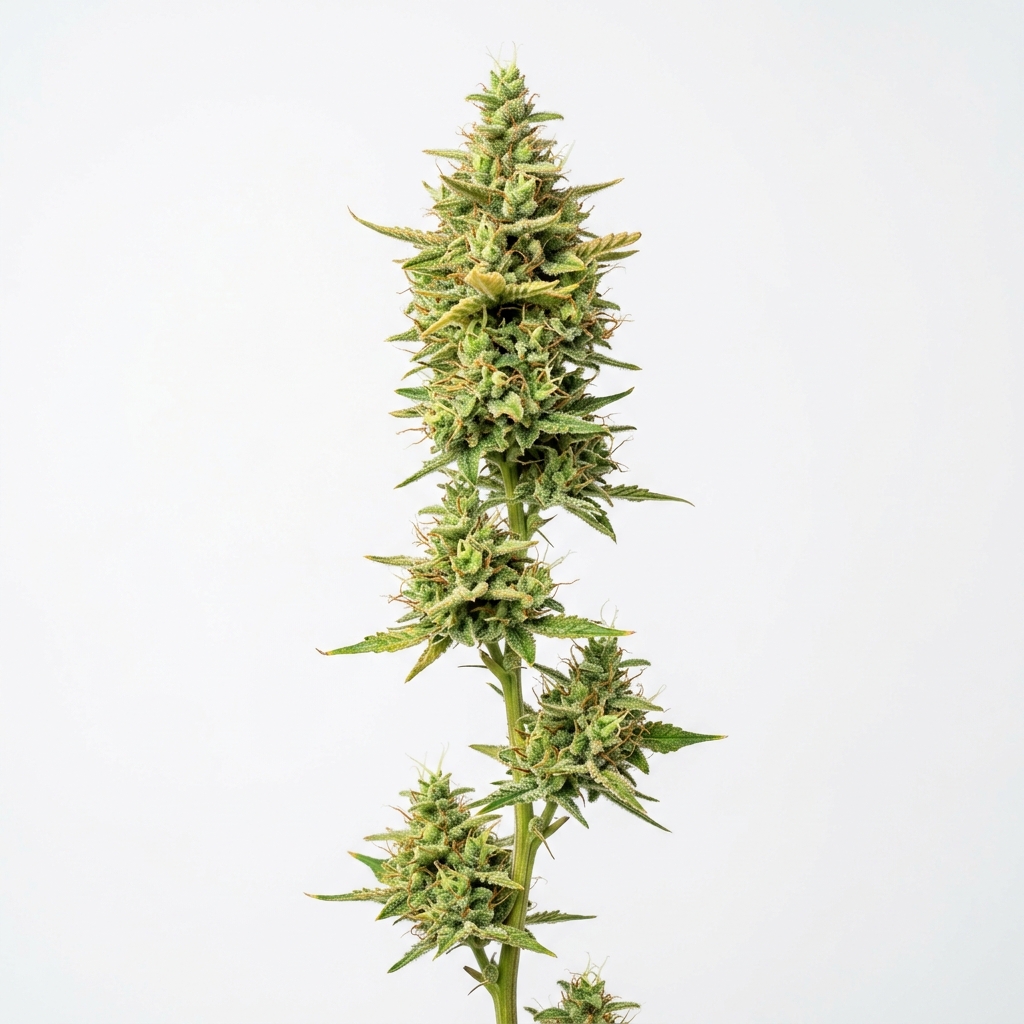
Lemon Guava (Cannabis Strain)
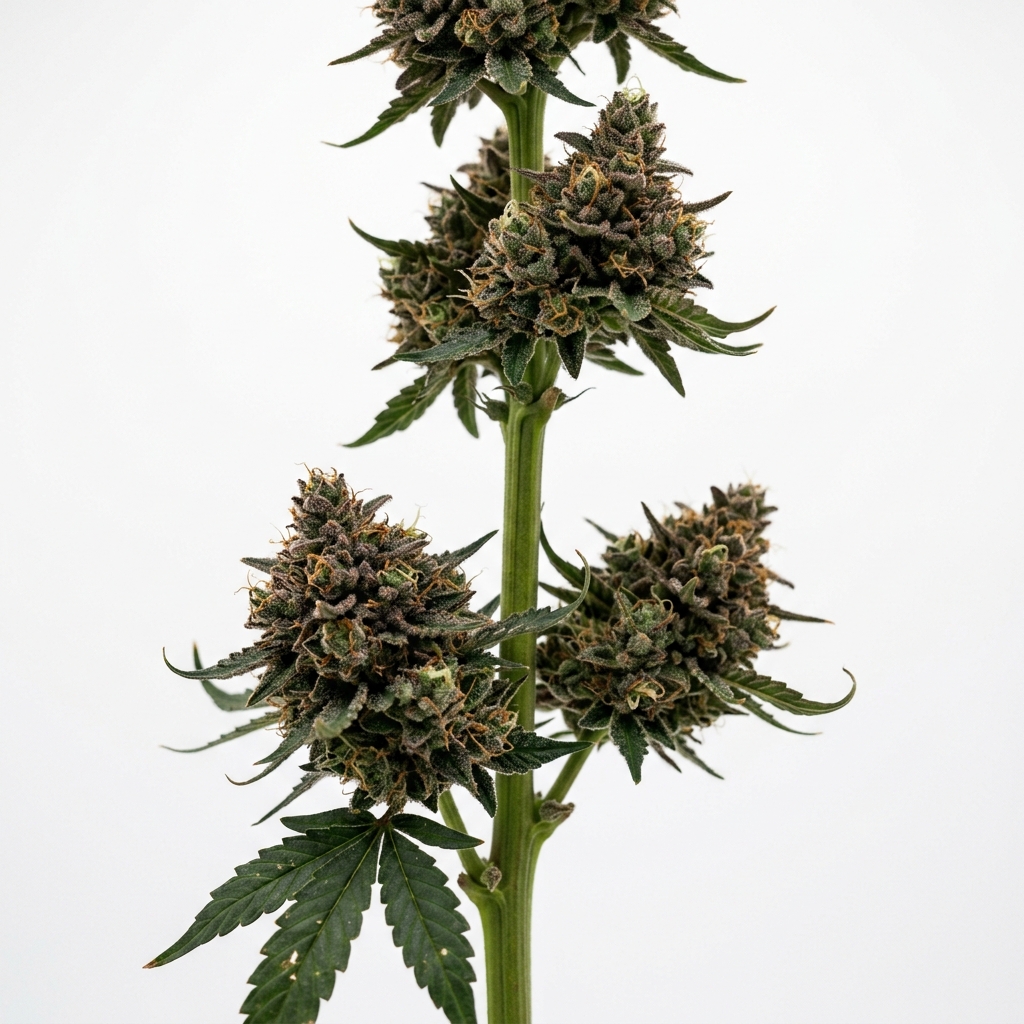
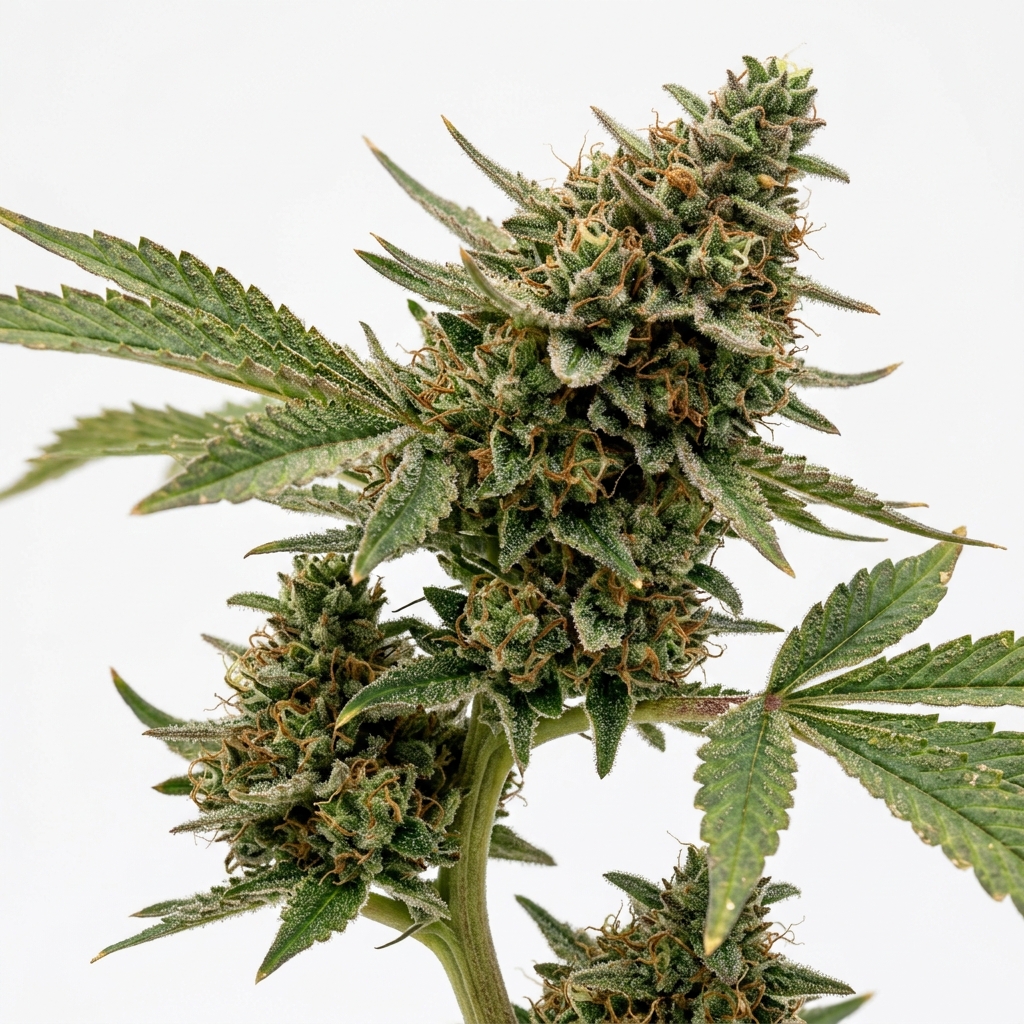
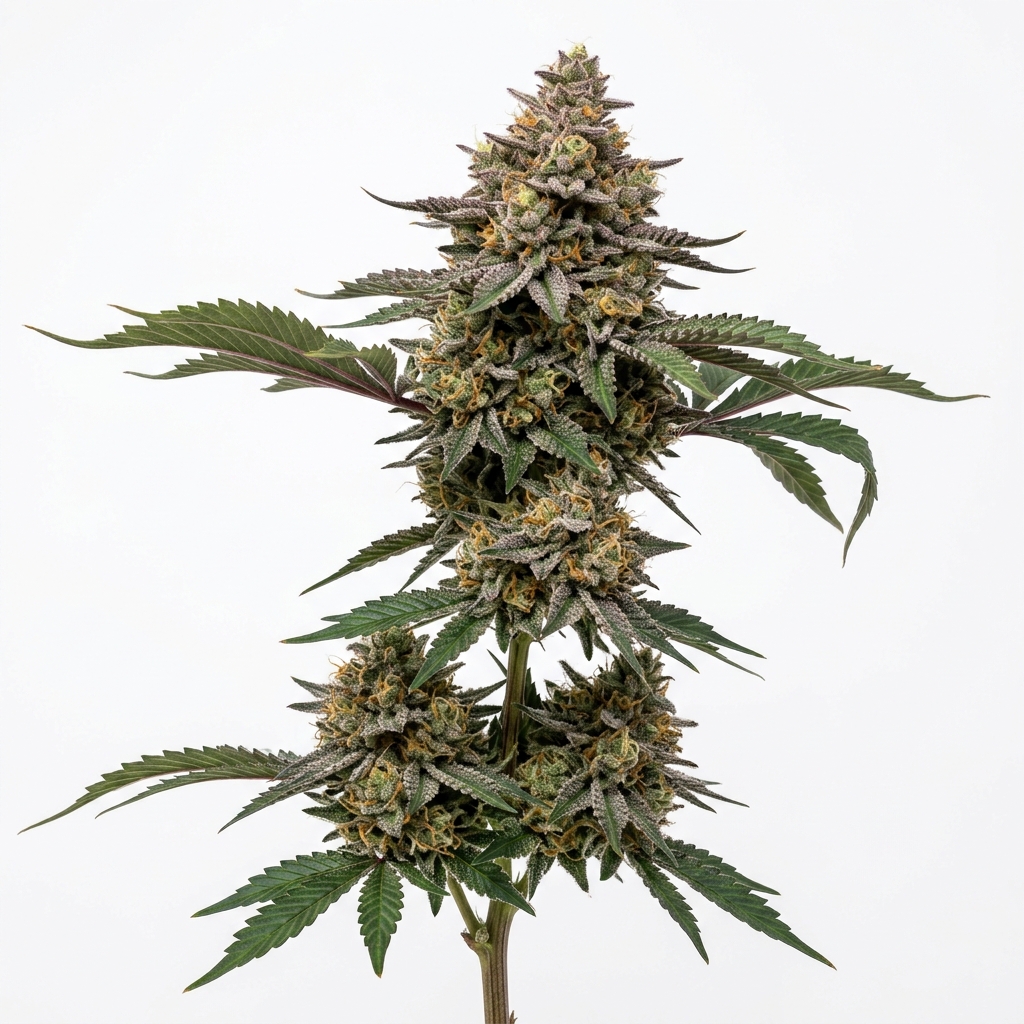
Lemon Guava is a sativa-dominant hybrid cultivar typically testing between 19% and 24% THC, developed through crossing Lemon Skunk with Guava. The original breeder is not consistently documented in reliable public records, though the cut gained steady traction across West Coast craft gardens for its sharp candied citrus and tropical fruit profile. It produces spear-shaped, light-green colas coated in wet frost, carrying a vigorous branching habit suited to daytime sensory appeal and fresh terpene extraction.
Inheriting the bright citrus drive of its Skunk lineage alongside the creamy, tropical depth of Guava, the cultivar provides a crisp balance between mental clarity and gentle physical ease. Plants show moderate vertical stretch during the early flower transition, requiring intentional canopy training to maximize light penetration down the central stems. Consumers frequently report an uplifting, focused head space coupled with a light body baseline that avoids heavy lethargy.
Quick Facts
| Field | Detail |
|---|---|
| Breeder | Not consistently documented |
| Genetics | Lemon Skunk × Guava |
| Variety | Sativa-dominant hybrid (approx. 60% Sativa / 40% Indica) |
| THC Range | 19% – 24% |
| Flowering Time | 8 – 9 weeks (56 – 63 days) |
| Yield Potential | Moderate to high (approx. 450 – 550 g/m²) |
| Plant Height | Medium to tall |
| Climate Preference | Temperate to warm, low-to-moderate humidity |
| Difficulty | Moderate |
Scientific & Botanical Overview
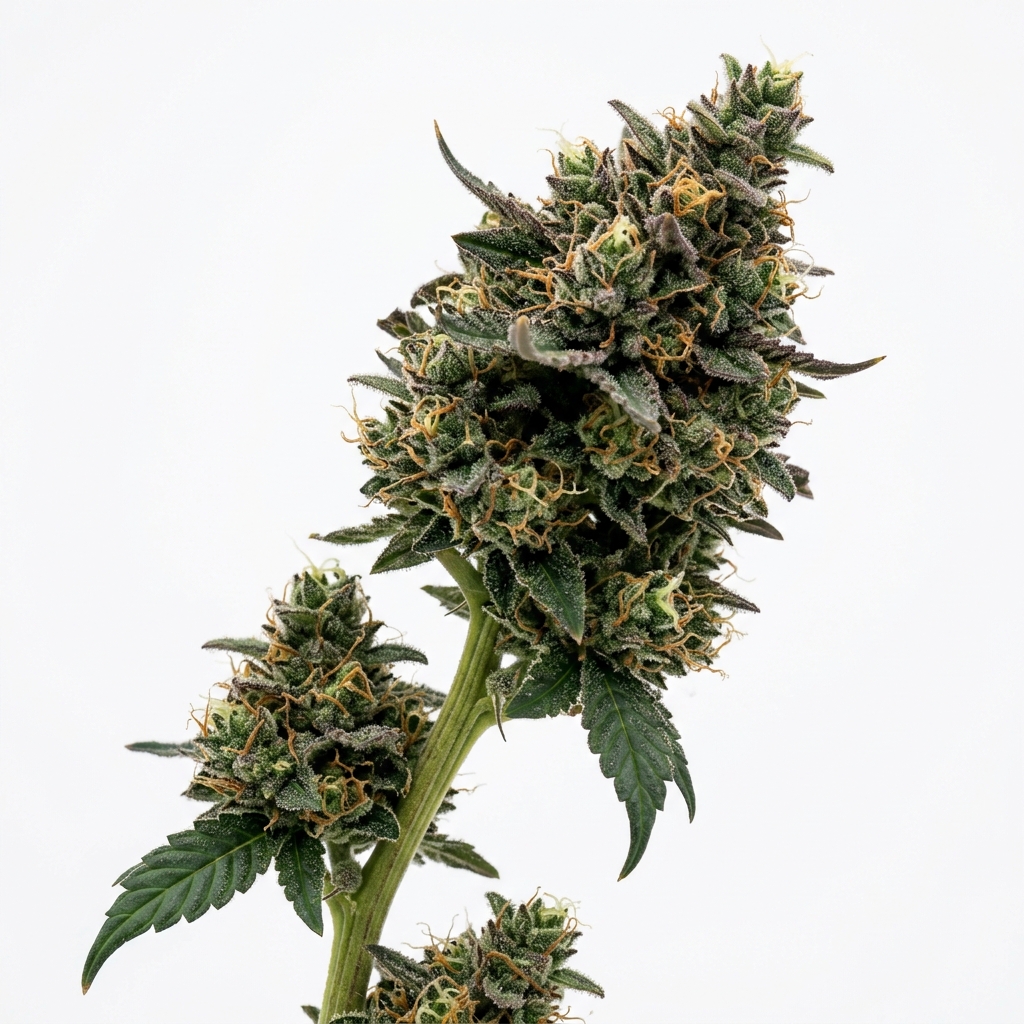
Botanically, Lemon Guava displays classic hybrid vigor with pronounced sativa morphology. The plant forms slender stalks, elongated internodal spacing, and thin, serrated fan leaves that allow decent ambient light penetration through the inner canopy. As bloom progresses, the flowers develop into conical, spear-like terminal colas anchored by swollen calyxes and thin, amber-orange pistils.
Glandular trichome production is dense across both bracts and small sugar leaves. The resin layer remains somewhat greasy to the touch, holding a high concentration of monoterpenes that volatility-test strongly even at mild ambient room temperatures. Under cooler night temperatures late in the cycle, certain phenotypes take on subtle pale gold or lime hues rather than deep anthocyanin purpling.
The secondary metabolite profile centers heavily around limonene, beta-caryophyllene, and myrcene, with minor contributions from terpinolene and linalool depending on the cut. This chemical arrangement yields a fast-evaporating top-note bouquet dominated by citrus peel and tropical fruit esters over a musky, herbal foundation.
Effects & Use-Cases (Reported)
Commonly reported effects: Consumers typically describe an energetic, bright cerebral lift that settles in shortly after inhalation. The head sensation is commonly characterized as clear, buoyant, and mentally focused, gradually accompanied by mild somatic comfort that loosens tension across the shoulders and neck without inducing heavy couch-lock.
Use-case context: Because of its sensory clarity and moderate potency ceiling, Lemon Guava is frequently selected for daytime consumption, outdoor activities, creative projects, and social gatherings. It provides functional stimulation that allows users to stay productive and engaged throughout the afternoon.
Note: Subjective effects vary significantly based on individual tolerance, dosage, consumption method, and specific batch chemistry.
Aroma & Flavors
Aroma: The cured flower opens with a sharp burst of fresh lemon zest and sweet guava flesh. Breaking apart the dense bracts releases underlying notes of sour diesel, skunky musk, and faint floral sweetness that linger in the room.
Flavor: The smoke or vapor delivers a tart citrus inhale reminiscent of candied lemon peel and tropical fruit juice. On the exhale, the profile rounds out with a clean herbal earthiness and a light peppery spice on the palate.
Terpene associations: The aroma profile is primarily driven by limonene for bright citrus sharpness, beta-caryophyllene for grounded peppery warmth, and myrcene for tropical sweetness and herbal depth.
Tested Cannabinoid & Terpene Ranges
| Compound | Typical Range (%) | Role / Character |
|---|---|---|
| Δ9-THC | 19.0 – 24.0% | Primary psychoactive cannabinoid |
| CBG (Total) | 0.4 – 1.2% | Minor non-intoxicating cannabinoid |
| CBD (Total) | < 0.2% | Trace cannabinoid |
| Limonene | 0.40 – 0.90% | Zesty lemon peel, citrus lift |
| Beta-Caryophyllene | 0.30 – 0.75% | Warm spice, woody undertone |
| Myrcene | 0.20 – 0.60% | Tropical fruit, ripe guava note |
Range note: Cannabinoid and terpene metrics reflect dried uninfused flower tested across multiple legal markets. Actual percentages vary based on phenotype selection, lighting, root zone management, and post-harvest drying and curing conditions.
Cultivation Notes
- Humidity management: Keep relative humidity near 55–60% during early bloom, tapering down to 40–45% during the final three weeks to protect the tapering colas from mold.
- Nutrient requirements: Plants handle moderate feeding well, responding best to balanced nitrogen in vegetative growth and steady potassium and phosphorus availability throughout flower.
- Canopy training: Responds exceptionally well to topping and low-stress training (LST) or screen of green (ScrOG) setups to manage vertical stretch and create an even canopy of top colas.
- Defoliation: Conduct a moderate leaf-strip around Day 21 of flower to clear out inner fan leaves and improve airflow through lower bud sites.
- Harvest window: Prime harvest typically falls between Day 56 and Day 63 when trichome heads shift from cloudy white to approximately 10–15% amber.
Grower Notes (Week-by-Week Snapshot)
- Weeks 1–3 (Transition & Stretch): Plants exhibit noticeable vertical growth, stretching up to 1.5× to 2× their vegetative height. Set trellising early and secure main branches as internodes space out.
- Weeks 4–6 (Bud Set & Resin Initiation): Calyxes swell rapidly along the nodes, forming distinct spear-shaped floral clusters. Citrus aromas emerge strongly as trichome coverage deepens across the bracts.
- Weeks 7–9 (Ripening & Flush Window): Pistils darken to amber, floral density solidifies, and sweet tropical fruit notes peak. Monitor trichomes closely; slow whole-plant drying at 60°F and 60% RH preserves the volatile citrus terpenes.
Genetic Lineage
Lemon Guava draws its foundational heritage from Lemon Skunk and Guava. Lemon Skunk contributes aggressive vegetative vigor, sharp citrus monoterpenes, and an energetic head profile honed over decades of Dutch and American breeding. The Guava parentage—frequently linked to the Gelato or Stardawg genetic families depending on the cut—adds tropical fruit sweetness, improved calyx density, and modern resin production.
The combination creates a dependable hybrid pairing old-school skunk vitality with contemporary boutique fruit flavors. While subtle phenotypic variations exist in node spacing and terpene concentration, the cross reliably retains its signature lemon-forward profile and daytime sensory appeal across cultivated clones and seed lines.
Research Insights
Cannabis pharmacological literature widely explores the biological properties of dominant monoterpenes like limonene and beta-caryophyllene. Peer-reviewed studies indicate that limonene readily crosses biological membranes and shows mood-elevating and anxiolytic properties in animal and preliminary clinical models, while beta-caryophyllene interacts uniquely as a dietary cannabinoid at human CB2 receptors.
These broad pharmacological findings provide helpful scientific context for the chemical mechanisms of cannabis constituents, but they do not constitute direct clinical validation of Lemon Guava as a therapeutic treatment. Whole-plant flower interactions depend on individual biochemistry, tolerance, and the diverse matrix of minor cannabinoids and terpenes present in each specific harvest.
Frequently Asked Questions
Who is the original breeder of Lemon Guava?
The original breeder is not consistently documented in verified public records. The cultivar emerged from California craft hybridizing circles that combined Lemon Skunk with tropical Guava genetics before circulating broadly among West Coast growers.
Is Lemon Guava an indica or sativa?
Lemon Guava is a sativa-dominant hybrid, generally showing an approximate 60% sativa to 40% indica genetic balance with clear, daytime-oriented effects and moderate vertical stretch.
What does Lemon Guava smell and taste like?
It carries a sharp profile of zesty lemon peel, ripe guava, and sweet tropical fruit, backed by subtle undertones of sour skunk, earthy musk, and light peppery spice on the exhale.
How long does Lemon Guava take to flower?
Indoor flowering typically takes between 8 and 9 weeks (56 to 63 days) under a 12/12 light cycle, with outdoor plants finishing around late September to early October in temperate climates.
Educational Disclaimer
This content is for educational and informational purposes only. Cannabis laws and regulations vary by jurisdiction. Always consult with a qualified professional before beginning any cultivation project or consuming cannabis products.
Rate and review this strain
Ratings and reviews are accepted only from signed-in Google accounts.
Sign in with Google to leave a rating and written review.
Latest Reviews
0 reviewsNo reviews yet. Be the first Google user to rate and review this strain.
Follow New Cultivar Records
Get newly documented genetics, breeder history, research highlights, and important Strainpedia discoveries by email.