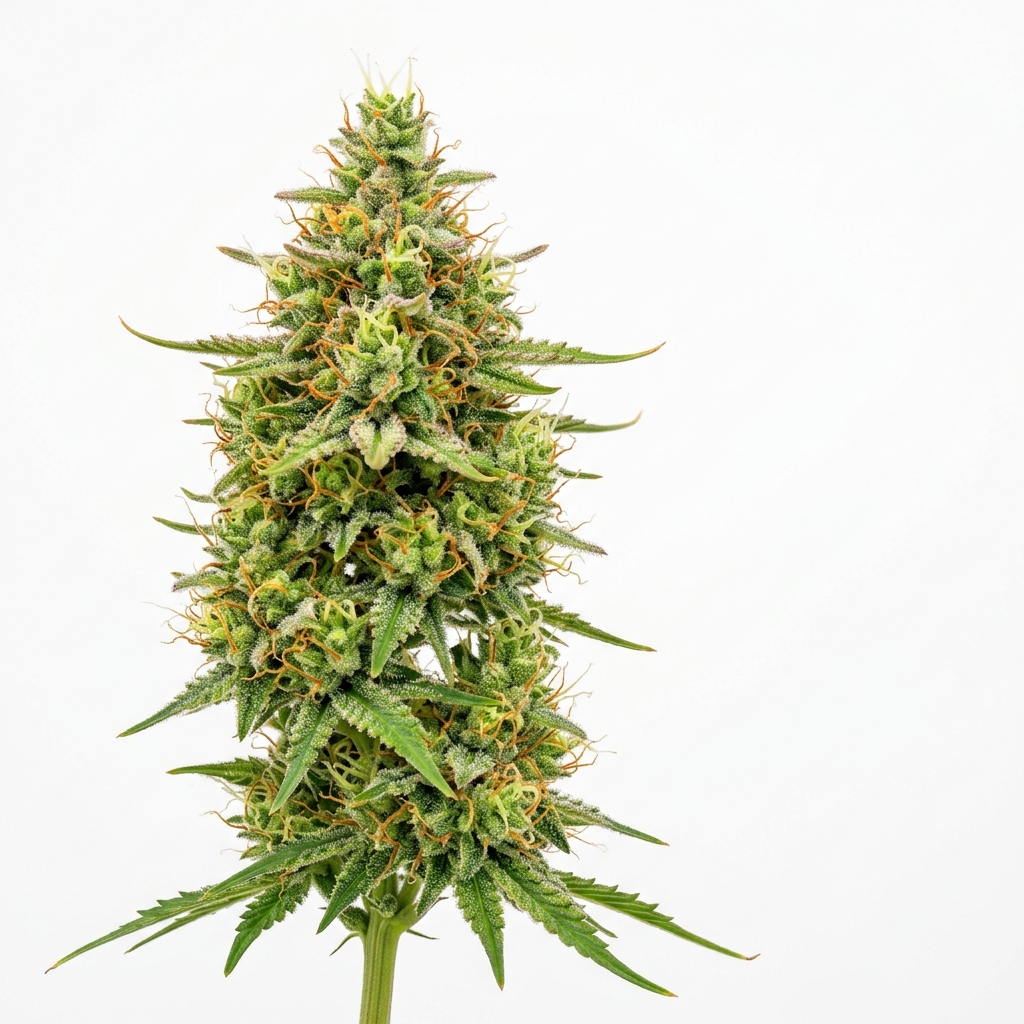
Tropical Lemonade (Cannabis Strain)
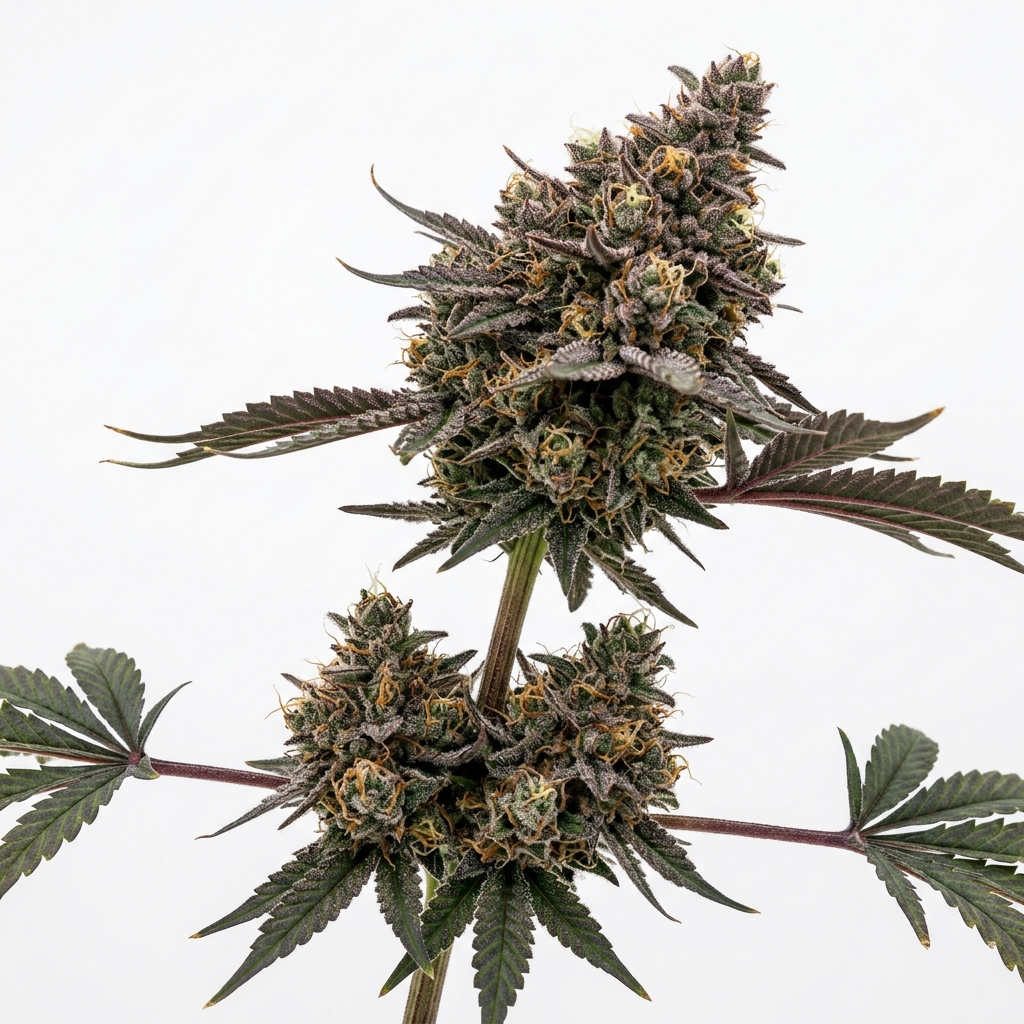
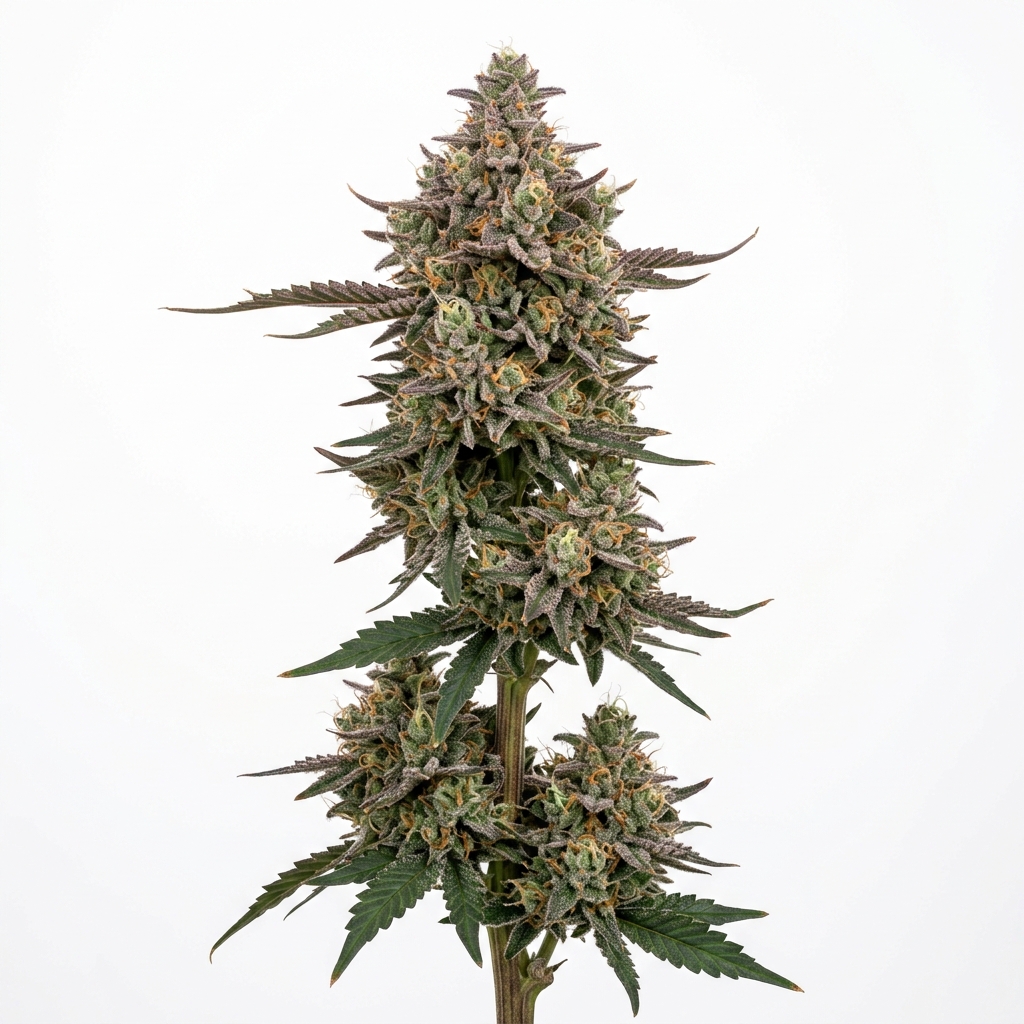
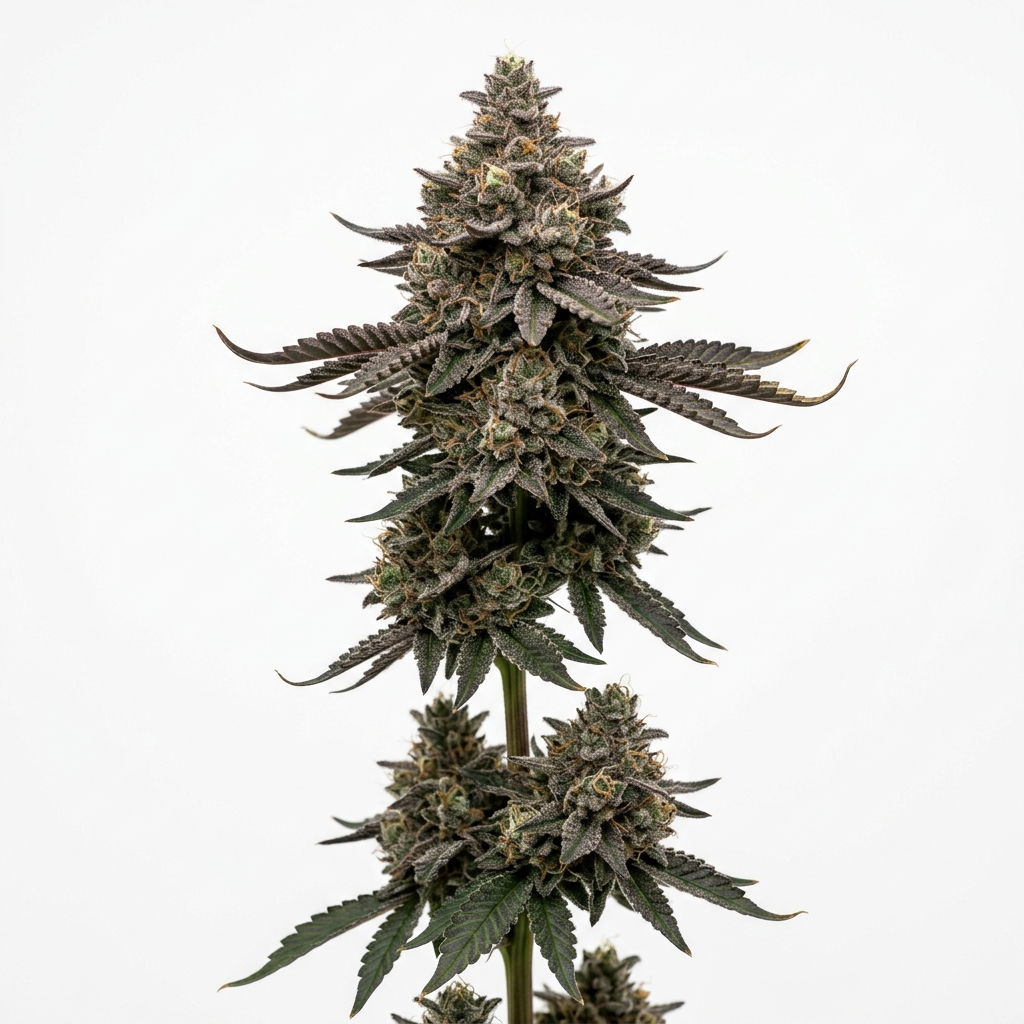
Tropical Lemonade is a sativa-dominant hybrid cultivated for its bright citrus aromatics, clean resin coverage, and functional daytime profile. Dried flower typically tests in the 18% to 24% THC range, delivering an alert, clear-headed lift without overwhelming physical heaviness. The original breeder is not consistently documented in reliable public sources, though the cultivar is widely recognized in boutique circles as a pairing of Tropicanna Cookies and Lemon Skunk. In the garden, it develops into moderately tall, open-structured plants that finish with spear-shaped colas and heavy glandular frost.
The genetic pairing brings together the sweet orange tang and purple accents of Tropicanna Cookies with the sharper, skunky zest of Lemon Skunk. Plants display steady lateral branching, manageable internodal spacing, and a responsive canopy under training. Consumers commonly report an immediate burst of sensory clarity paired with a gentle, non-sedating body ease, making it a staple for active daytime hours and creative tasks.
Quick Facts
| Field | Detail |
|---|---|
| Breeder | Not consistently documented |
| Genetics | Tropicanna Cookies × Lemon Skunk |
| Variety | Sativa-dominant hybrid (approx. 70/30) |
| THC Range | 18% – 24% |
| Flowering Time | 8 – 9 weeks (56 – 63 days) |
| Yield Potential | Moderate to high (450 – 550 g/m² indoors) |
| Plant Height | Medium to tall with moderate stretch |
| Climate Preference | Warm, temperate, controlled humidity |
| Difficulty | Moderate |
Scientific & Botanical Overview
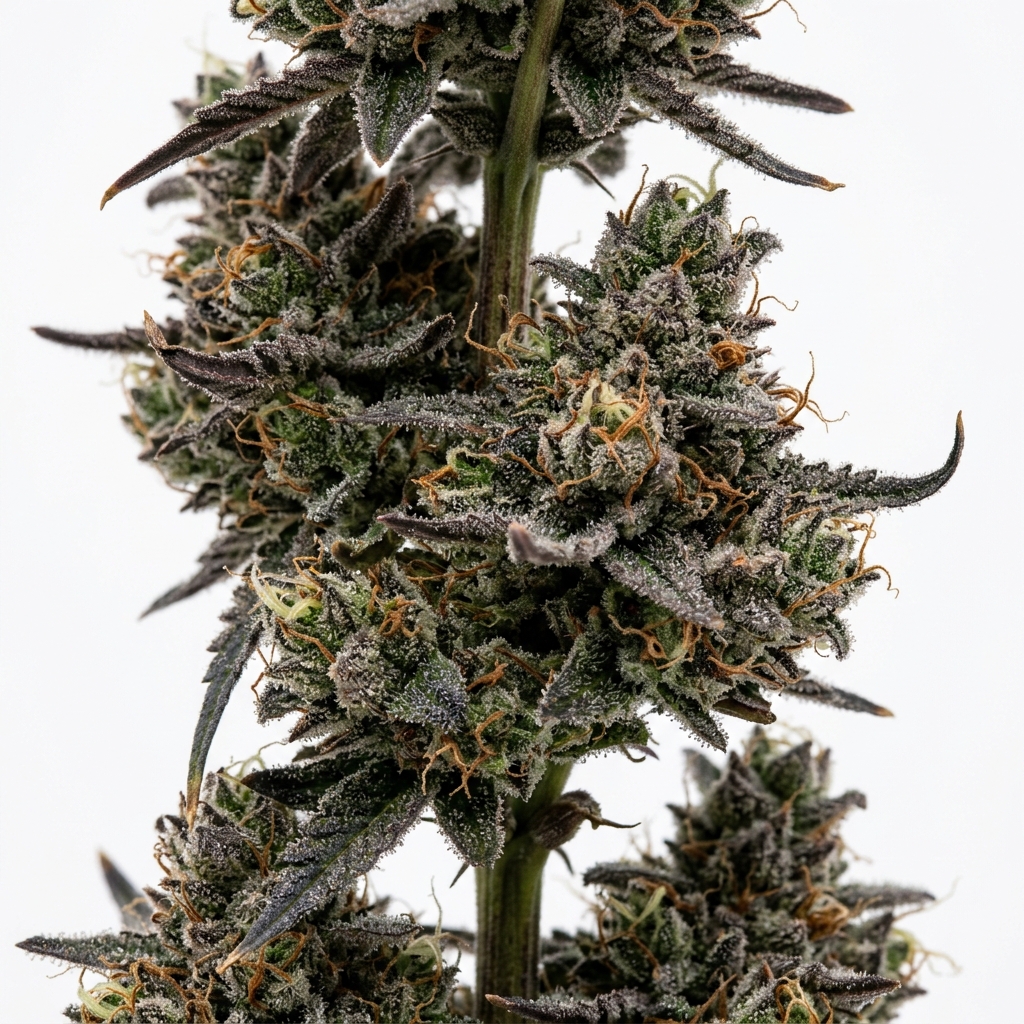
Botanically, Tropical Lemonade presents a narrow-to-medium leaf morphology during vegetative growth that transitions into elongated spear colas during flower. Internodal spacing is moderate, allowing good light penetration through the mid-canopy when trained early. Bracts are moderately dense and swell noticeably during the final three weeks of bloom, avoiding the hyper-compact rock-hard density that can invite botrytis in humid rooms.
The trichome head development leans heavily toward long-stalked capitate-glandular structures that wash cleanly when harvested at peak ripeness. Resin is greasy rather than dry, carrying high concentrations of volatile monoterpenes. Calyx pigmentation remains predominantly bright lime green, though cooler nighttime temperatures in late bloom can draw out faint lavender margins inherited from the Tropicanna parentage.
Nutrient uptake is steady, with plants tolerating standard nitrogen levels in vegetative stages but preferring lighter nitrogen and increased potassium and phosphorus once flowering sets in. Transpiration rates run relatively high under strong lighting, requiring consistent substrate moisture management and adequate airflow through the lower canopy.
Effects & Use-Cases (Reported)
Commonly reported effects: The onset is typically rapid and heady, characterized by a bright cognitive lift, enhanced sensory focus, and an elevated, upbeat mood. Physical sensations remain light and functional, avoiding heavy body couch-lock while softening minor muscle tension. As the session matures, the mental focus transitions into a calm, steady baseline that remains clear and motivated.
Use-case context: Because of its energizing aromatic profile and functional balance, Tropical Lemonade is commonly chosen for morning routines, outdoor recreation, collaborative work, and creative brainstorming sessions. It is less suited for late-evening unwinding or treating severe insomnia due to its stimulating cerebral character.
Note: Individual experiences with cannabis flower vary depending on dosage, personal tolerance, and distinct chemotype ratios.
Aroma & Flavors
Aroma: The jar note is dominated by a sharp blast of fresh-squeezed Meyer lemon and sweet tropical fruit, backed by an underlying edge of tart gas and faint herbal musk. Grinding the dried bracts amplifies the candied citrus tones, releasing a bright lemonade aroma with subtle earthy undertones.
Flavor: The smoke is crisp and clean, delivering an upfront palate of tangy citrus pulp, pink lemonade, and ripe passionfruit. On the exhale, the flavor leaves a lingering lemon zest finish paired with a mild, peppery spice that balances the upfront sweetness.
Terpene associations: Analytical testing across related cuts highlights limonene as the dominant compound, supported by beta-caryophyllene, myrcene, and minor contributions of terpinolene and linalool.
Tested Cannabinoid & Terpene Ranges
| Compound | Type | Typical Range |
|---|---|---|
| Δ9-THC | Cannabinoid | 18.0% – 24.0% |
| CBD | Cannabinoid | < 1.0% |
| CBG | Cannabinoid | 0.5% – 1.2% |
| Limonene | Terpene | 0.60% – 1.40% |
| beta-Caryophyllene | Terpene | 0.30% – 0.80% |
| Myrcene | Terpene | 0.20% – 0.60% |
| Terpinolene | Terpene | 0.05% – 0.35% |
Range note: Cannabinoid and terpene figures represent dried flower batch tests and literature-informed ranges. Exact concentrations fluctuate across individual phenotypes, environmental conditions, lighting types, and curing methods.
Cultivation Notes
- Humidity management: Keep relative humidity around 55% to 60% during early bloom, stepping down to 42% to 48% in the final three weeks to protect resin heads and dense spear tips.
- Nutrient requirements: Plants thrive on moderate baseline feeding; avoid heavy nitrogen after week three of bloom to prevent leafy bract formation and preserve terpene clarity.
- Canopy training: Responds exceptionally well to topping and early screen-of-green (ScrOG) methods to manage a 1.5x to 2x stretch and establish an even sea of top colas.
- Defoliation: Conduct a thorough selective defoliation around day 21 of flower to strip lower shade leaves and direct energy to dominant floral sites.
- Harvest window: Prime ripeness usually lands between days 56 and 63 when trichome heads transition from cloudy to roughly 10% amber.
Grower Notes (Week-by-Week Snapshot)
- Weeks 1–3: Rapid vertical growth and shoot elongation; train branches outward and apply support netting before bud sites consolidate.
- Weeks 4–6: Vertical stretch halts as floral clusters stack into continuous spears; early resin frost forms along sugar leaves, emitting a strong lemon candy scent.
- Weeks 7–9: Calyxes swell and pistils turn bright orange; lower room temperatures slightly during dark cycles to encourage terpene preservation and subtle purple coloration.
- Post-Harvest: Hang whole plants in a stable 60°F/60% RH environment for 12 to 14 days; a slow, steady cure maintains the delicate citrus monoterpenes.
Genetic Lineage
The genetic framework of Tropical Lemonade combines the celebrated breeding work of Tropicanna Cookies (Tangie × Girl Scout Cookies) with the classic, pungent profile of Lemon Skunk. Tropicanna Cookies contributes distinct sweet citrus notes, dark foliage traits, and heavy resin output. This lineage gives the flowers their appealing bag appeal and confection-like fruit aromatics.
Lemon Skunk contributes vigorous vegetative growth, reliable node spacing, and a sharp, biting lemon zest that keeps the flavor profile tart rather than cloying. Together, the two parent lines produce an energized, citrus-dominant chemotype that retains structural stability and robust agronomic performance across standard indoor configurations.
Research Insights
Cannabis research into citrus-heavy cultivars indicates that the synergistic presence of limonene and beta-caryophyllene often correlates with stimulating subjective effects and physical comfort. Limonene has been studied in botanical pharmacology for its mood-modulating properties, while beta-caryophyllene interacts directly with peripheral CB2 cannabinoid receptors. However, exact pharmacological outcomes depend heavily on total cannabinoid ratios and individual human biology.
Cultivar-specific lab testing frequently shows that monoterpenes such as limonene and terpinolene are highly sensitive to post-harvest heat and improper drying. Growers focused on maximizing flavor clarity benefit from strict climate control during curing, as thermal degradation rapidly alters the balance between tart citrus and heavier sesquiterpene base notes.
Frequently Asked Questions
Who is the original breeder of Tropical Lemonade?
The original breeder is not consistently documented in reliable public records, though the cut is widely circulated as a hybrid of Tropicanna Cookies and Lemon Skunk among boutique craft cultivators.
Is Tropical Lemonade an indica or sativa cultivar?
Tropical Lemonade is a sativa-dominant hybrid, generally showing an approximate 70/30 sativa-to-indica growth morphology and a clear, energetic daytime effect profile.
What does Tropical Lemonade smell and taste like?
The cultivar features an intense aroma of sweet Meyer lemon, pink lemonade, and tropical fruit, finishing with a sharp citrus zest, subtle skunk, and light peppery spice on the palate.
How long does Tropical Lemonade take to flower?
Indoor flowering typically completes in 8 to 9 weeks (56 to 63 days), depending on phenotype selection and environmental dialed-in parameters.
Educational Disclaimer
This content is for educational and informational purposes only. Cannabis laws and regulations vary by jurisdiction. Always consult with a qualified professional before beginning any cultivation project or consuming cannabis products.
Rate and review this strain
Ratings and reviews are accepted only from signed-in Google accounts.
Sign in with Google to leave a rating and written review.
Latest Reviews
0 reviewsNo reviews yet. Be the first Google user to rate and review this strain.
Follow New Cultivar Records
Get newly documented genetics, breeder history, research highlights, and important Strainpedia discoveries by email.