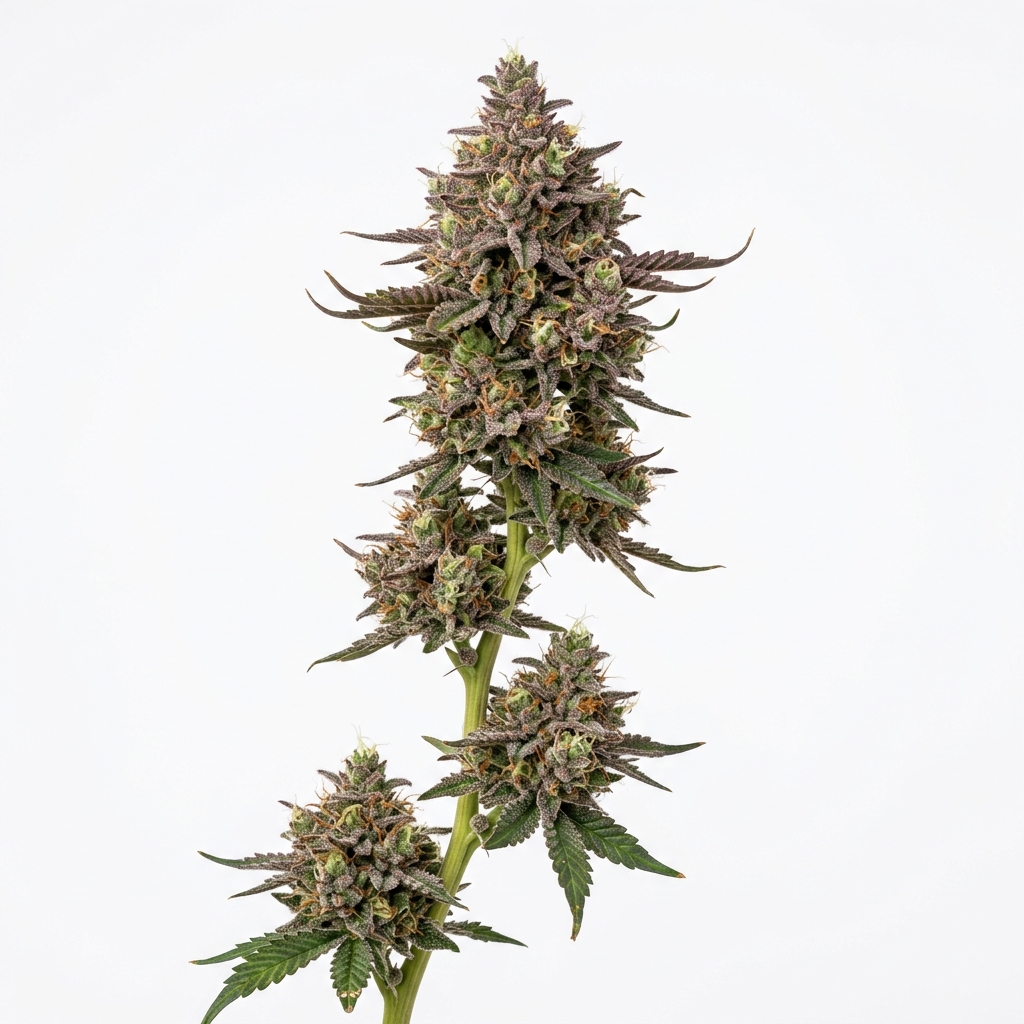
Apple Tart (Cannabis Strain)
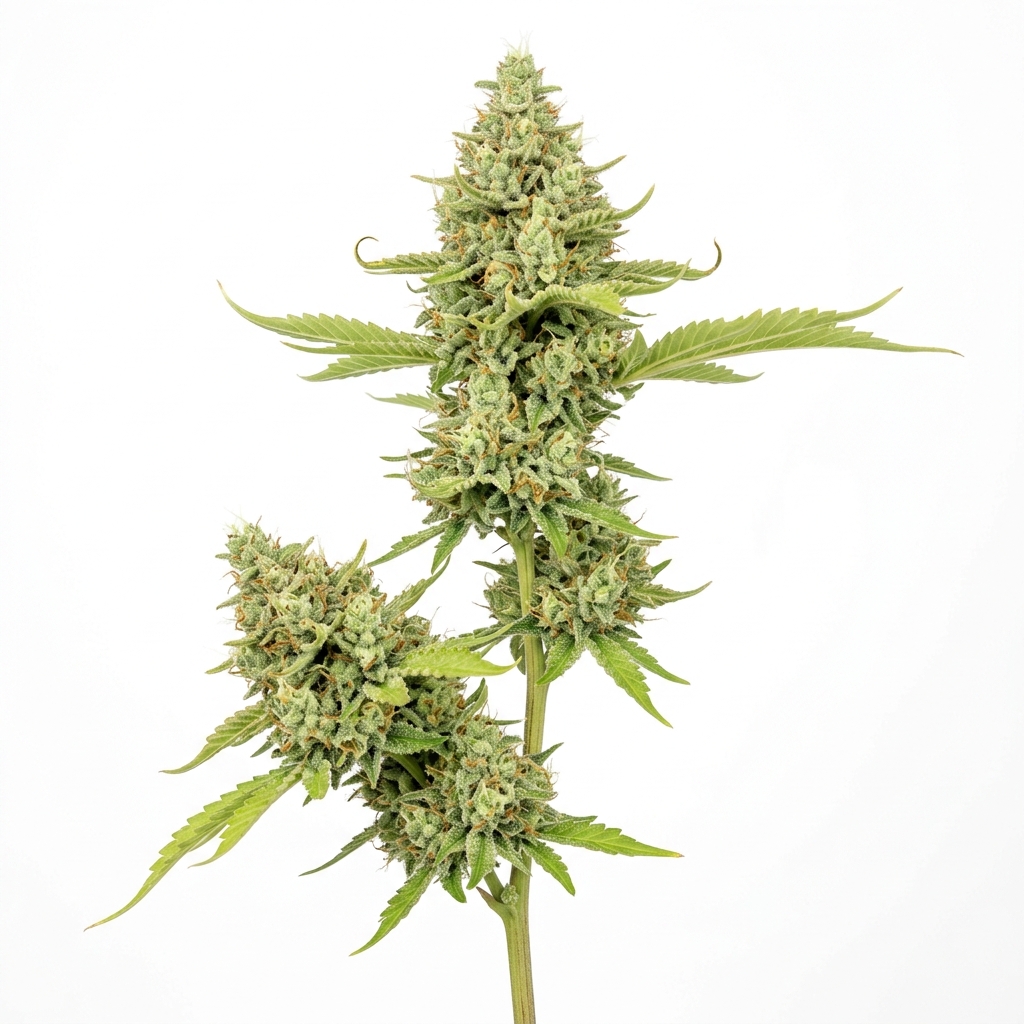
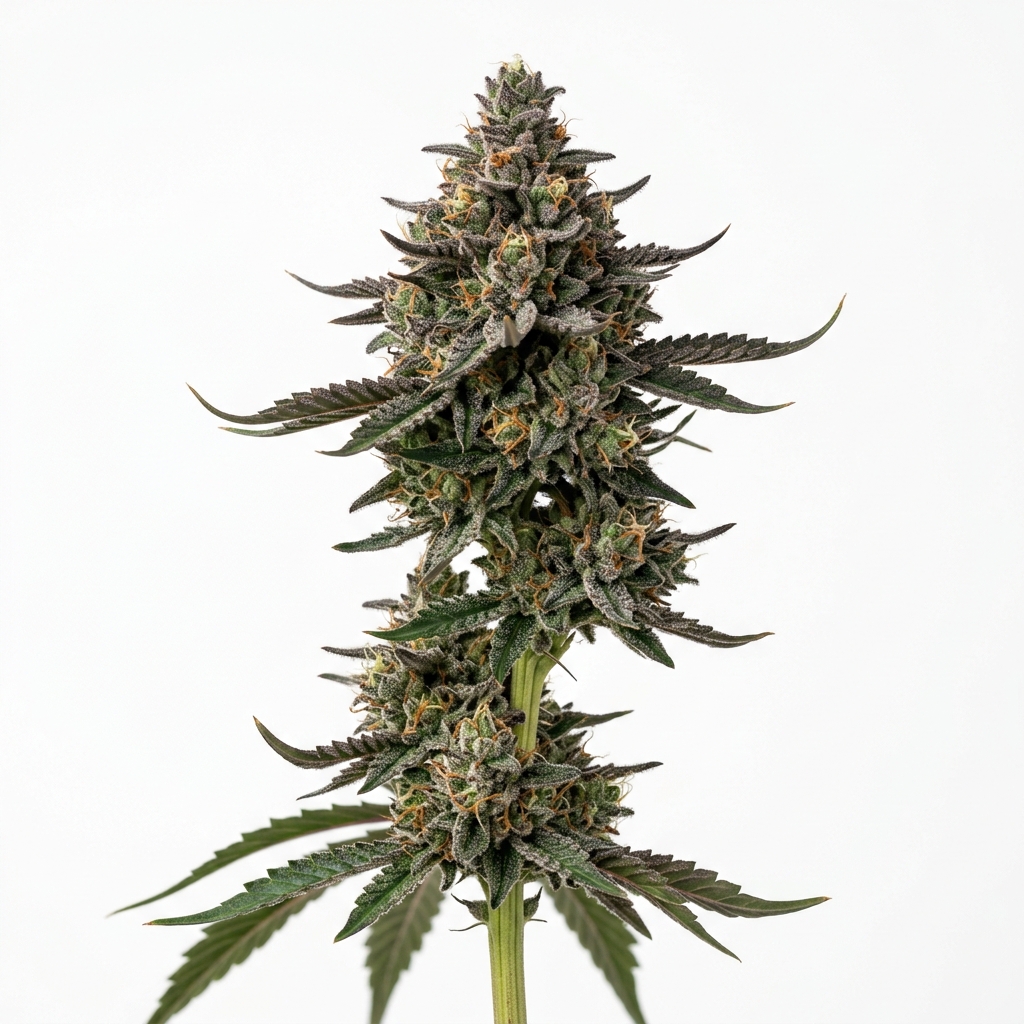
Apple Tart (also known as Apple Tarts) is a contemporary hybrid cultivar bred by Clearwater Genetics in collaboration with Tiki Madman, pairing Apple Fritter with Runtz. Cultivar testing commonly places dried flower potency in the 22% – 28% THC range. The profile leads with tart green apple, warm pastry dough, and sharp candy fuel. In the garden, it produces medium-height plants with firm, spear-shaped colas coated in wet frost, making it a staple for boutique flower and solventless extraction.
The cross inherits the dense floral density and doughy sweetness of Apple Fritter alongside the purple pigmentation, candy sweetness, and heavy resin coverage of Runtz. Plants develop balanced internodal spacing and moderate stretch during early bloom. Reported effects lean toward a clear, uplifting mental state followed by deep physical relaxation, suited for afternoon or evening settings.
Quick Facts
| Field | Detail |
|---|---|
| Breeder | Clearwater Genetics × Tiki Madman |
| Genetics | Apple Fritter × Runtz |
| Variety | Hybrid (approx. 50% Indica / 50% Sativa) |
| THC Range | 22% – 28% |
| Flowering Time | 8 – 9 weeks (56 – 63 days) |
| Yield Potential | Moderate to High (450 – 550 g/m² indoor) |
| Plant Height | Medium (100 – 150 cm) |
| Climate Preference | Temperate to warm Mediterranean; controlled indoor |
| Difficulty | Moderate |
Scientific & Botanical Overview
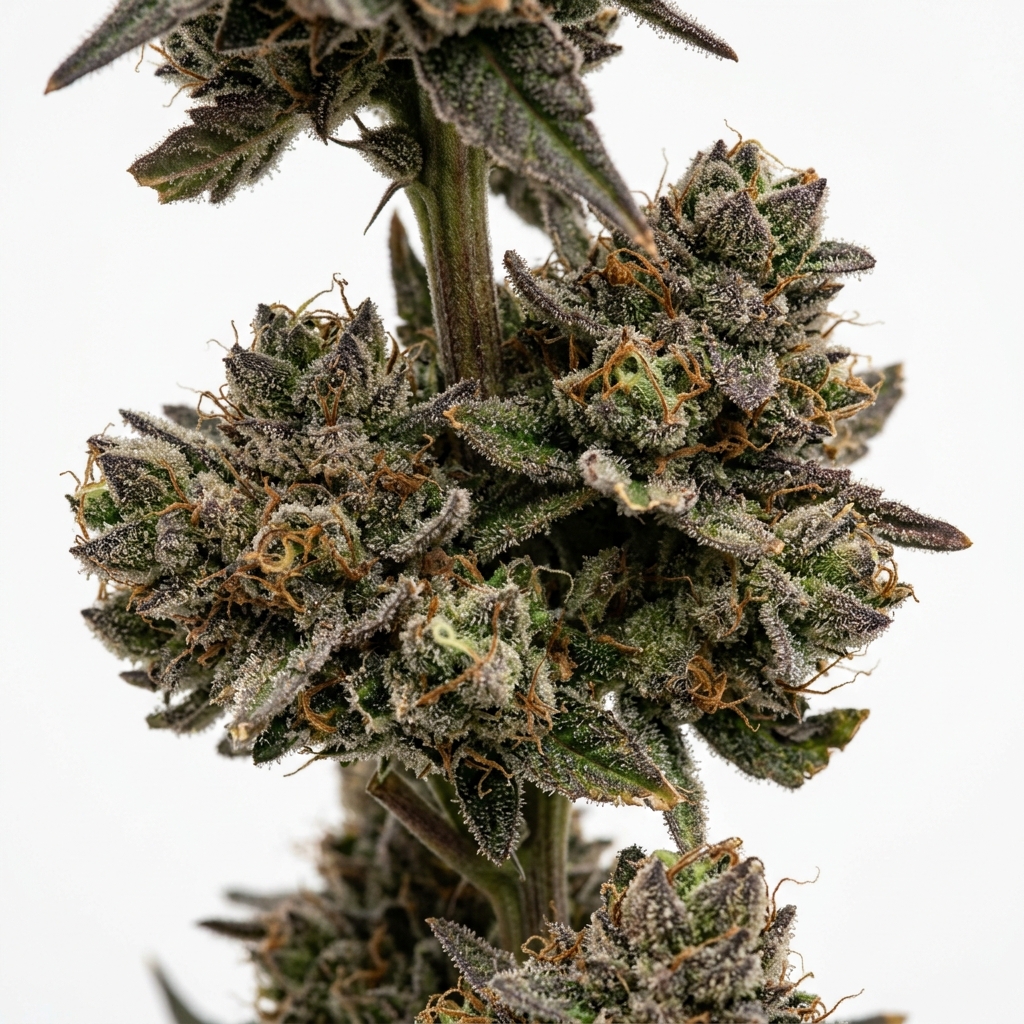
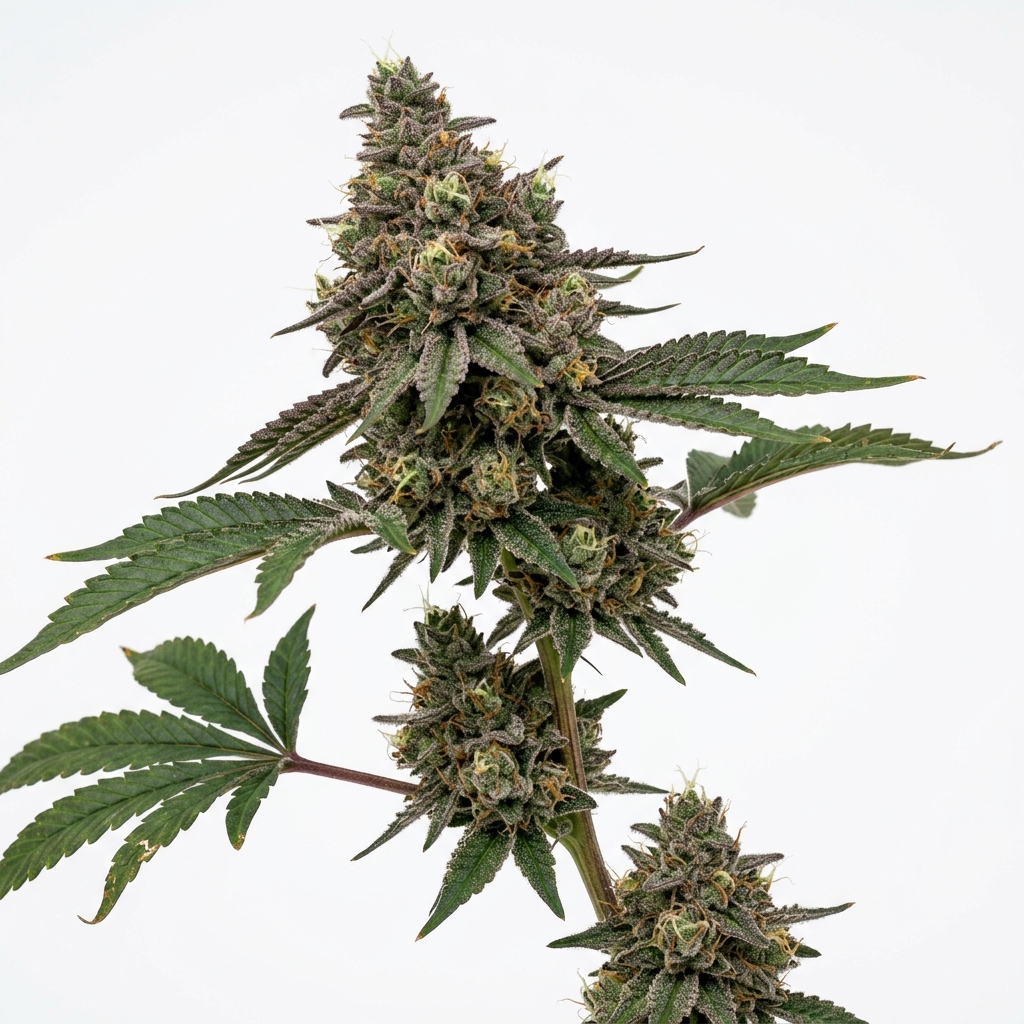
Botanically, Apple Tart forms medium-sized, highly compact plants characterized by strong lateral branching and short-to-medium internodal spacing. Foliage begins deep forest green, frequently showing anthracite and plum pigmentation across fan leaves and upper sugar bracts during the second half of flowering. Calyxes swell significantly in late bloom, producing dense, spear-shaped cluster formations rather than loose foxtails.
Trichome heads develop early in the third week of bloom, forming a thick glandular blanket across the entire flower bract and extending far onto outer sugar leaves. The resin glands tend to feature bulbous capitate-stalked heads that separate cleanly during ice water hash processing. The floral structure remains tight and resin-bound, requiring steady climate control to avoid microclimate moisture retention.
The chemistry is dominated by beta-caryophyllene, limonene, and linalool, with secondary levels of myrcene and humulene. This combination yields a complex volatile profile that marries sharp monoterpenes with sweet, heavy sesquiterpenes. When grown under dialed LED lighting with controlled root-zone EC, total terpene content routinely reaches 2.0% to 3.5% dry weight.
Effects & Use-Cases (Reported)
Commonly reported effects: Consumers typically describe an initial wave of euphoric mental clarity accompanied by a warm physical release across the shoulders and neck. As the experience progresses, the energetic edge settles into a steady, grounded body calm without immediate lethargy. Higher intake can lead to heavier sedation and prolonged muscle relaxation.
Use-case context: Apple Tart is frequently chosen for late afternoon unwinding, social creative sessions, or low-impact evening leisure. The balance between sweet mental elevation and physical comfort makes it versatile across both recreational and non-work settings.
Note: Individual physiological responses vary significantly based on individual tolerance, dose, method of consumption, and specific batch chemistry.
Aroma & Flavors
Aroma: Opening a jar releases a sharp rush of sour green apple, sweet confectionary dough, and pungent candy gas. As the buds break down, deeper notes of creamy vanilla, earth, and diesel fuel come forward, balancing the bright fruit profile.
Flavor: The inhale carries crisp tart fruit layered over sweet bakery notes. The exhale shifts into a darker candy gas with a faint herbal mint finish that lingers on the palate.
Terpene associations: Caryophyllene supplies the underlying peppery fuel and warmth, limonene provides the bright citrus and sour fruit lift, and linalool adds a soft floral sweetness that rounds out the pastry aroma.
Tested Cannabinoid & Terpene Ranges
| Compound | Reported Range (Dried Flower) |
|---|---|
| Δ9-THC / Total THC | 22.0% – 28.0% |
| CBD / Total CBD | < 0.5% (Typically trace) |
| CBG / CBGA | 0.5% – 1.5% |
| Beta-Caryophyllene | 0.6% – 1.2% |
| D-Limonene | 0.4% – 0.9% |
| Linalool | 0.2% – 0.5% |
| Myrcene | 0.1% – 0.4% |
| Total Terpenes | 1.8% – 3.5% |
Range note: Cannabinoid and terpene metrics reflect laboratory test results from verified dried flower samples. Actual values vary according to specific phenotype, lighting type, root environment, nutrient inputs, and harvest timing.
Cultivation Notes
- Humidity management: Maintain 60% – 65% relative humidity in early vegetative growth, stepping down to 45% – 50% in mid-bloom and 40% – 45% during late ripening to protect the dense calyx clusters from botrytis.
- Nutrient requirements: Apple Tart feeds moderately throughout vegetative growth and handles higher potassium and phosphorus inputs from week four to seven of flower. Keep calcium and magnesium steady to support thick cell walls under intense lighting.
- Canopy training: Responds well to early topping and light low-stress training (LST). Setting a single or double trellis net helps spread the canopy evenly to maximize light penetration into secondary branches.
- Defoliation: Conduct a thorough selective defoliation around day 21 and a light clean-up around day 42 of flowering to improve internal air movement through the dense leaf structure.
- Harvest window: Most phenotypes reach prime resin maturity between day 56 and day 63. Look for a dense cover of milky trichome heads with 10% – 15% amber for optimal terpene clarity and potency.
Grower Notes (Week-by-Week Snapshot)
- Weeks 1 – 3 (Transition & Stretch): Plants exhibit a manageable 1.5× to 2× stretch. Internodes remain relatively compact. Apply the first major defoliation at the end of week three to expose budding sites.
- Weeks 4 – 6 (Flower Set & Resin Initiation): Rapid flower cluster formation begins alongside heavy trichome development. The tart apple and pastry aroma becomes noticeable in the room. Maintain steady airflow and moderate nutrient EC.
- Weeks 7 – 9 (Bulk, Color Shift & Ripening): Calyxes swell and harden. Cooler night temperatures (18°C – 20°C / 64°F – 68°F) encourage deep purple hues across the flowers. Taper nitrogen and monitor trichome gland maturity for harvest timing.
- Post-Harvest (Dry & Cure): Dry at 15°C – 18°C (59°F – 64°F) and 58% – 62% RH for 12 to 16 days. A slow cure of 3 to 4 weeks locks in the delicate green apple esters and smooth pastry dough notes.
Genetic Lineage
The maternal parent, Apple Fritter (Sour Apple × Animal Cookies, bred by Lumpy’s Flowers), contributes exceptional flower density, heavy resin production, and a distinct baked-apple sweetness laced with earthy gas. It is widely recognized for its high potency and reliable structure in hybrid pairings.
The paternal contributor, Runtz (Zkittlez × Gelato #33), introduces tropical candy sweetness, dark purple coloration, and an elevated coat of capitate-stalked trichomes. The resulting cross combines the pastry depth of the Cookies lineage with the modern, candy-forward terpene profile that defines contemporary exotic breeding.
Research Insights
Scientific literature on dominant cannabis terpenes indicates that beta-caryophyllene acts as a functional dietary cannabinoid, selectively binding to peripheral CB2 receptors to modulate inflammatory signaling pathways without psychoactive effects. Limonene has been investigated in preclinical research for its potential anxiolytic and mood-elevating properties via central neurotransmitter modulation.
While these peer-reviewed pharmacological studies provide valuable baseline context regarding isolated phytochemicals, they do not constitute clinical proof of specific outcomes for Apple Tart flower. The overall consumer experience is influenced by the complex entourage of terpenes, cannabinoids, flavonoids, and individual endocannabinoid system tone.
Frequently Asked Questions
Who bred the Apple Tart strain?
Apple Tart (often cataloged as Apple Tarts) was bred by Clearwater Genetics in collaboration with Tiki Madman by crossing Apple Fritter with Runtz.
Is Apple Tart an indica or sativa?
Apple Tart is a balanced hybrid, generally presenting an even 50/50 split in morphology and reported effects, combining physical relaxation with clear mental euphoria.
What does Apple Tart smell and taste like?
The profile features crisp green apple, warm pastry dough, and sweet candy, balanced by an underlying kick of pungent diesel gas and peppery spice.
How long does Apple Tart take to flower?
Indoor flowering typically takes 8 to 9 weeks (56 to 63 days) to reach full resin maturity and maximum terpene accumulation.
Educational Disclaimer
This content is for educational and informational purposes only. Cannabis laws and regulations vary by jurisdiction. Always consult with a qualified professional before beginning any cultivation project or consuming cannabis products.
Rate and review this strain
Ratings and reviews are accepted only from signed-in Google accounts.
Sign in with Google to leave a rating and written review.
Latest Reviews
0 reviewsNo reviews yet. Be the first Google user to rate and review this strain.
Follow New Cultivar Records
Get newly documented genetics, breeder history, research highlights, and important Strainpedia discoveries by email.