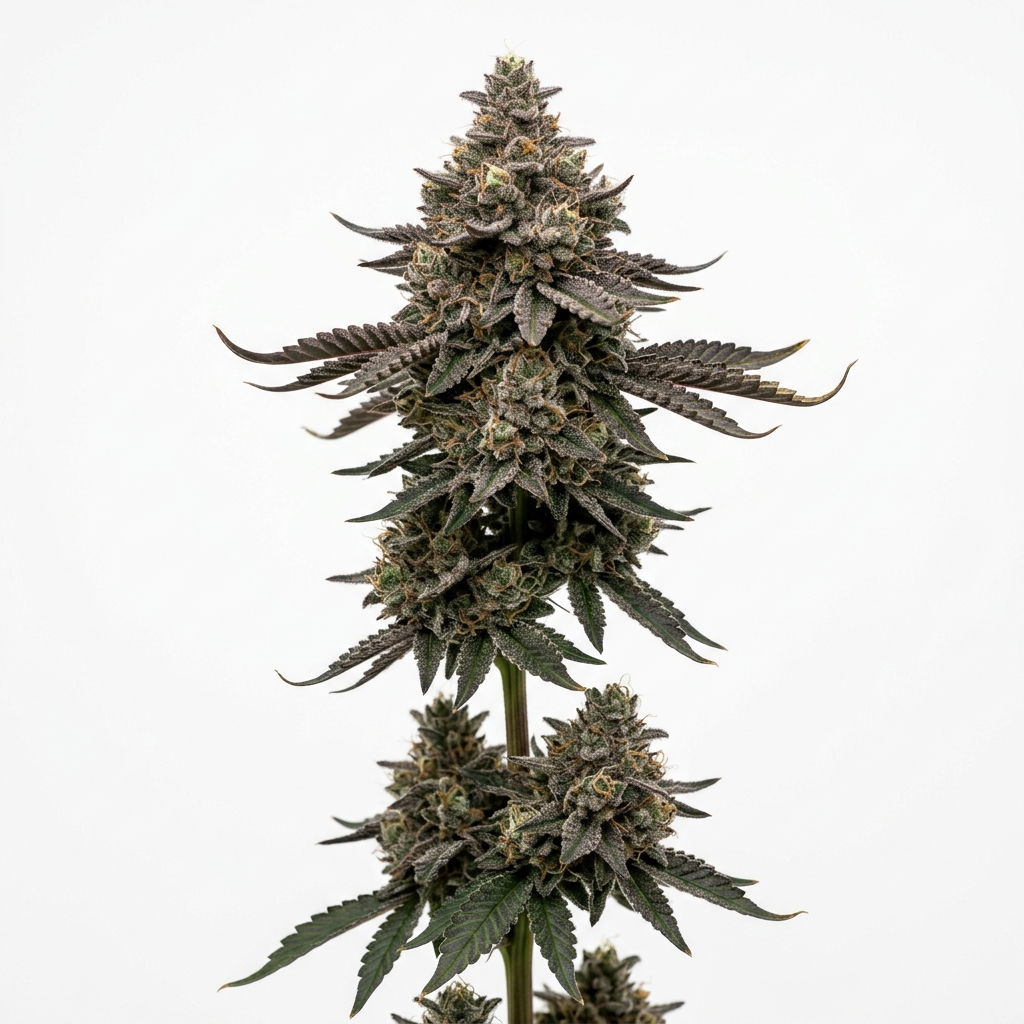
Hot Mints (Cannabis Strain)
Hot Mints is an indica-dominant hybrid recognized for dense, frost-laden flowers and an assertive terpene profile that bridges sharp menthol with peppery diesel and sweet dough. With dried flower potency typically testing between 22% and 28% THC, the cultivar is commonly attributed to modern West Coast breeding projects crossing Animal Mints with Hot Rod. The variety produces rigid, trichome-encrusted bracts with high resin gland density, making it a popular selection for both solventless extraction and top-tier cured flower.
The plant reflects its lineage through a compact, lateral branching habit and a pungent aroma combining cool wintergreen with tart fuel and earthy spice. In legal markets, consumers typically report a grounded, heavy-bodied relaxation paired with a calm, clear mental state. Its sturdy frame and moderate stretch make it manageable indoors, though its tight bud structure requires attentive environmental management during the final weeks of bloom.
Quick Facts
| Field | Details |
|---|---|
| Breeder | Breeder attribution varies (commonly associated with West Coast craft selections) |
| Genetics | Animal Mints × Hot Rod |
| Variety | Indica-dominant hybrid |
| THC Range | 22% – 28% |
| Flowering Time | 8 – 9 weeks (56 – 63 days) |
| Yield Potential | Medium to high (450 – 550 g/m²) |
| Plant Height | Medium (controlled stretch) |
| Climate Preference | Temperate to warm indoor / Mediterranean outdoor |
| Difficulty | Moderate |
Scientific & Botanical Overview
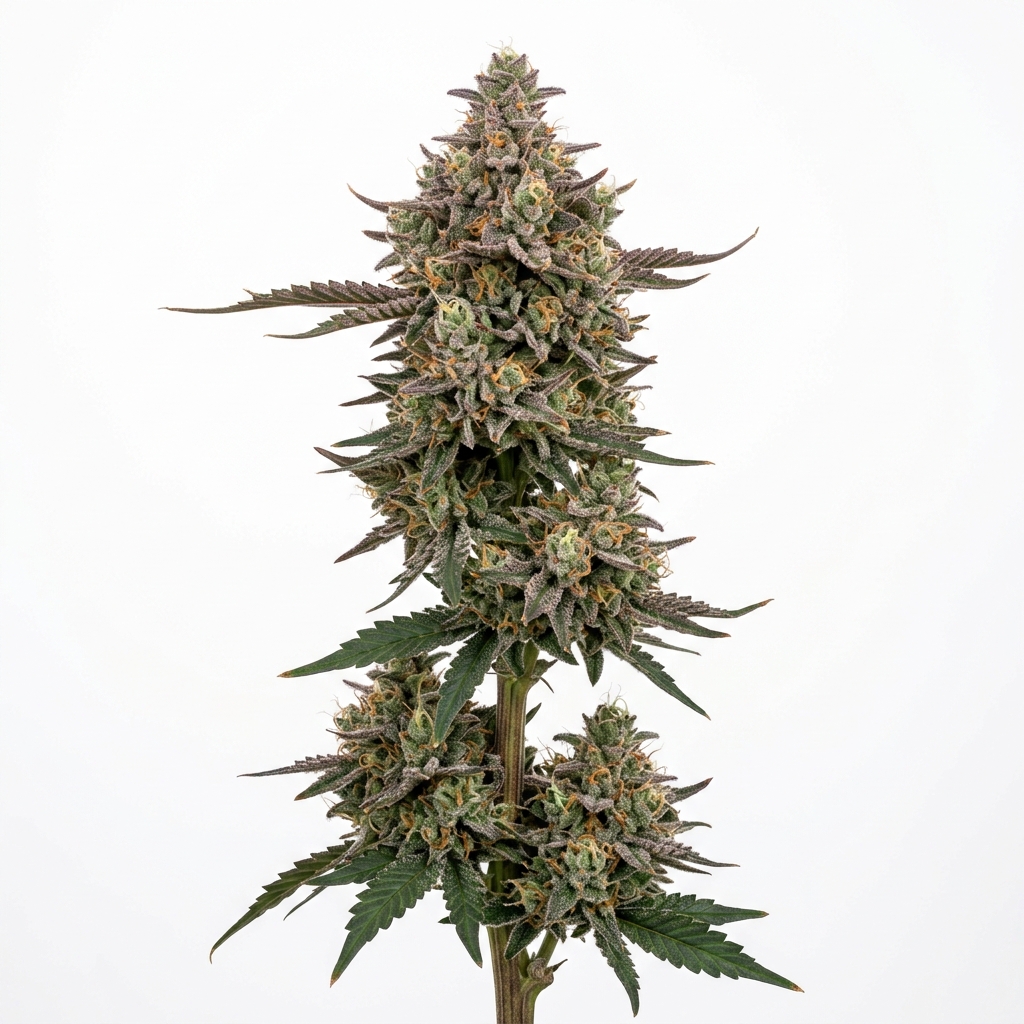
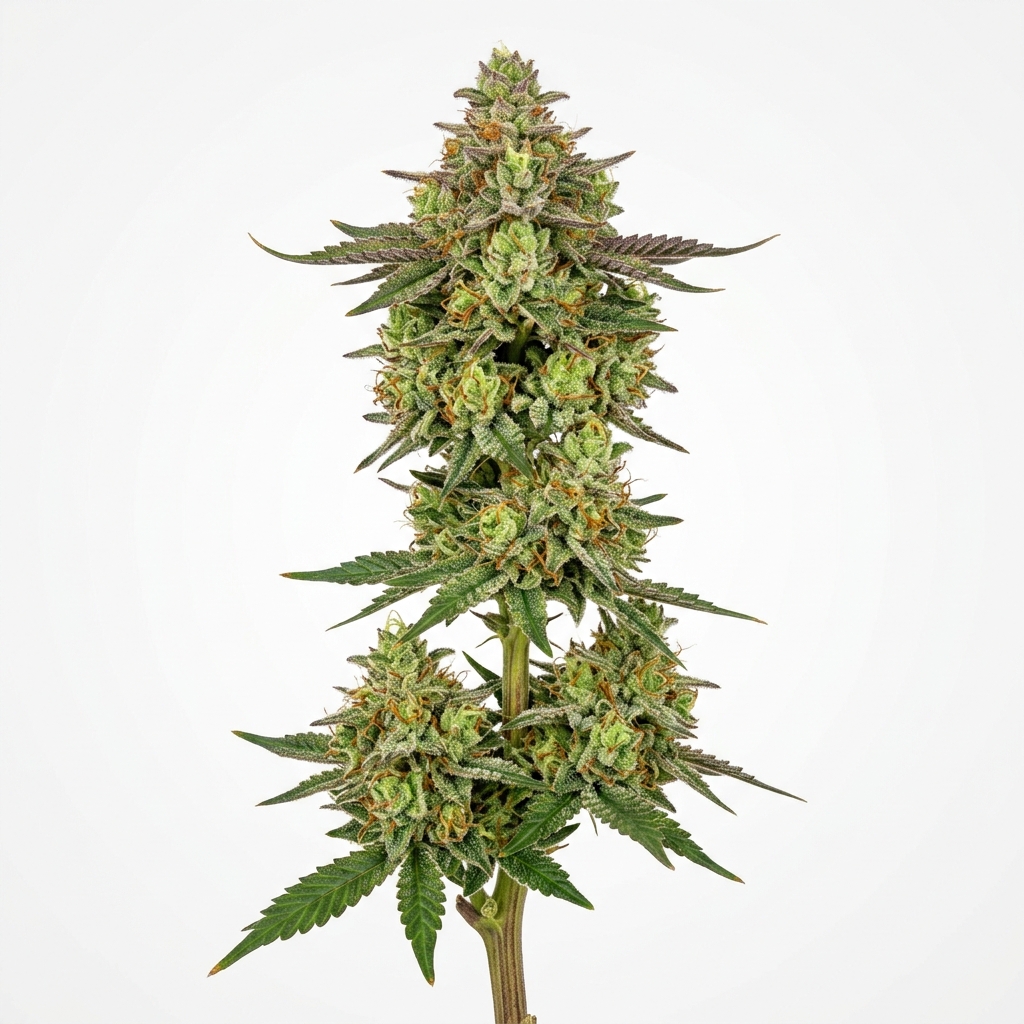
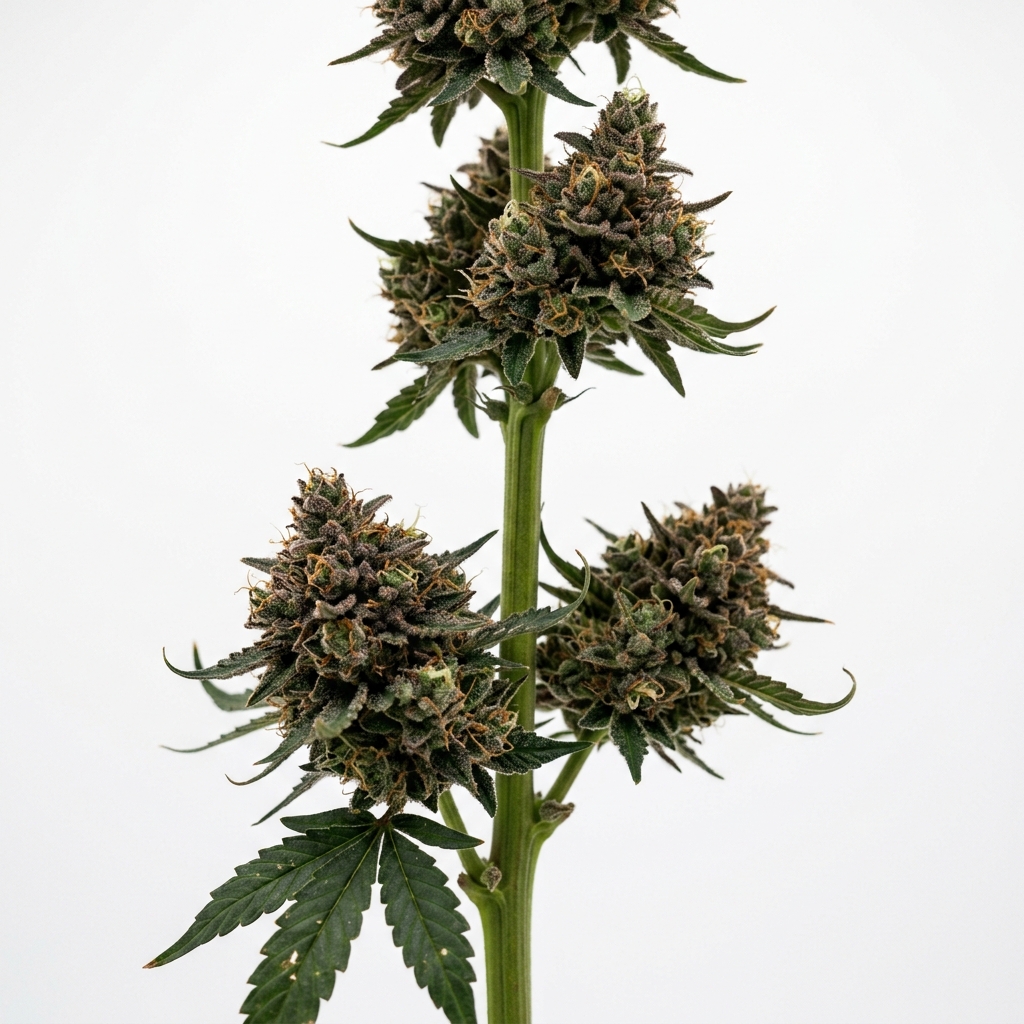
Hot Mints shows an indica-leaning plant architecture with thick, durable stalks and relatively tight internodal spacing. Foliage is broad and dark forest green during the vegetative phase, thinning slightly once flowering begins to expose lower bud sites. The cultivar produces stout lateral branches that handle heavy floral cluster development with minimal supplemental staking.
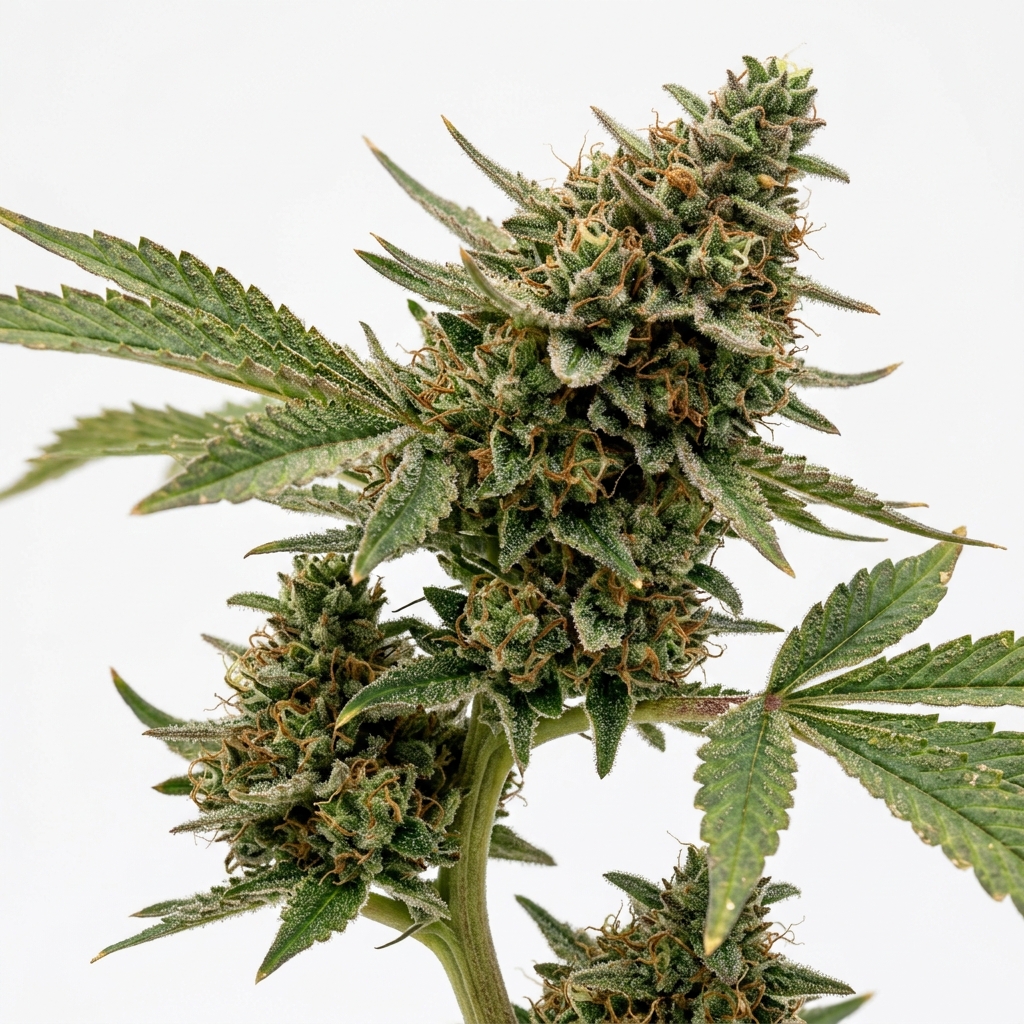
The inflorescences develop into rounded, golf-ball-style bracts that stack into dense spear colas. Under cooler late-stage temperatures, deep plum and charcoal pigments frequently emerge across the sugar leaves and outer bract surfaces. Glandular trichome coverage is intense, featuring well-developed bulbous heads that remain greasy to the touch throughout the final maturation window.
Because the buds form dense, moisture-retaining clusters, growers must ensure consistent canopy airflow. The plant processes water efficiently but shows sensitivity to root-zone saturation during mid-flower. Maintaining stable vapor pressure deficit (VPD) levels helps preserve volatile monoterpenes and minimizes microclimate moisture accumulation within the inner colas.
Effects & Use-Cases (Reported)
Commonly reported effects: Consumers frequently note a fast-acting cerebral calm that quickly settles into deep, soothing physical relaxation. The initial onset is clear and contemplative, followed by a heavy body sensation that softens physical tension without immediately causing couchlock at moderate doses.
Use-case context: Given its pronounced physical weight, Hot Mints is primarily chosen for evening or late-afternoon consumption. It suits quiet unwinding, listening to music, low-energy creative hobbies, or preparing for sleep after high-stress days.
Note: Individual responses vary widely based on tolerance, environment, and specific chemotype potency. Beginners should start with small doses to assess personal sensitivity.
Aroma & Flavors
Aroma: Broken flowers release an upfront blast of sharp peppermint, cracked black pepper, and pungent diesel fuel. As the flower airs out, a background of sweet cookie dough, damp soil, and pine resin becomes prominent.
Flavor: The smoke or vapor delivers a distinct cooling mint and herbal spice on the inhale, underpinned by an earthy kush foundation. The exhale transitions to a rich, doughy sweetness mixed with lingering chemical gas.
Terpene associations: The aromatic profile is driven primarily by β-caryophyllene, limonene, and β-myrcene, with secondary contributions from linalool and humulene providing floral and herbal complexity.
Tested Cannabinoid & Terpene Ranges
| Compound | Type | Typical Range (Dried Flower) |
|---|---|---|
| Δ9-THC | Cannabinoid | 0.4% – 1.2% |
| THCA | Cannabinoid | 23.0% – 29.5% |
| CBGA | Cannabinoid | 0.4% – 1.1% |
| Total Terpenes | Terpene Profile | 1.8% – 3.2% |
| β-Caryophyllene | Terpene | 0.5% – 1.1% |
| Limonene | Terpene | 0.3% – 0.8% |
| β-Myrcene | Terpene | 0.2% – 0.6% |
| Linalool | Terpene | 0.1% – 0.3% |
Range note: Chemical expression in raw cured flower depends heavily on the specific cut, cultivation lighting, substrate nutrition, and post-harvest drying conditions. Total THC represents converted THCA plus active delta-9 THC.
Cultivation Notes
- Humidity management: Keep relative humidity between 55% and 60% during early bloom, reducing to 40% – 45% during the final three weeks to protect the dense colas from internal moisture buildup.
- Nutrient requirements: Hot Mints responds well to a moderate-to-heavy feeding schedule in peak flowering, showing high demand for phosphorus, potassium, and magnesium around weeks 4 to 6.
- Canopy training: Topping once or twice during late veg creates a broad, even canopy; light low-stress training (LST) effectively spreads out lower bud sites for uniform light distribution.
- Defoliation: Perform a targeted leaf strip around day 21 of flower to open inner airflow channels, followed by selective clean-up of broad shade leaves around day 42.
- Harvest window: Inspect glandular trichome heads starting at day 56; peak cannabinoid and terpene maturity is generally reached between days 58 and 63 when trichomes turn uniformly milky with light amber spread.
Grower Notes (Week-by-Week Snapshot)
- Weeks 1–3 (Stretch & Transition): Expect a manageable vertical stretch of approximately 1.5×. Stems stiffen quickly, and initial white pistil clusters form tightly along the primary internodes by the end of week 3.
- Weeks 4–6 (Bud Swell & Resin Output): Calyxes swell rapidly into dense, rounded clusters while capitate-stalked resin glands blanket sugar leaves and bracts. Pungent mint and fuel aromas intensify significantly.
- Weeks 7–9 (Ripening & Senescence): Foliage often takes on deep violet and plum hues if night temperatures drop 5°C – 8°C below day temps. Calyxes firm up, pistils recede, and trichome heads become cloudy.
- Post-Harvest / Cure: Dry whole branches at 15°C – 18°C and 55% – 60% relative humidity for 10 to 14 days. A patient four-week glass jar cure brings forward the crisp mint notes and sweet dough finish.
Genetic Lineage
Hot Mints brings together two potent and terpene-dense genetic lines: Animal Mints and Hot Rod. Animal Mints contributes its signature heavy trichome coverage, robust branch architecture, and the distinctive sweet mint and dough aroma derived from its Cookies and Fire OG ancestry. This maternal backbone provides the physical density and heavy sedative foundation characteristic of top-shelf contemporary mint cuts.
The Hot Rod parent introduces an aggressive fuel and pepper profile along with increased vigor during the vegetative phase. This combination elevates the resin yield and sharpens the nose, balancing the creamy dessert notes of Animal Mints with acrid diesel and spicy earth. The resulting hybrid retains the compact flower structure of both lineages while delivering enhanced aromatic intensity.
Research Insights
Cannabis pharmacological literature shows that β-caryophyllene is unique among major plant terpenes for acting as a selective dietary agonist at the human CB2 cannabinoid receptor. While this mechanism is well-documented in preclinical research, whole-flower cannabis effects are shaped by complex interactions between cannabinoids and volatile aromatic compounds, rather than single isolated constituents.
Monoterpenes such as limonene and myrcene are highly volatile and susceptible to thermal degradation during drying and storage. Proper control of environmental parameters during late bloom and the cure phase helps preserve these lighter aromatics, directly influencing the final sensory character and terpene retention of the cured product.
Frequently Asked Questions
Who is the original breeder of Hot Mints?
Breeder attribution for Hot Mints is not attributed to a single verified source in public records, though it is widely associated with West Coast craft selections working with Animal Mints and Hot Rod genetics.
Is Hot Mints an indica or sativa?
Hot Mints is an indica-dominant hybrid, displaying dense flower morphology, broad vegetative leaves, and predominantly relaxing, body-centered reported effects.
What does Hot Mints smell and taste like?
The strain has a distinct profile of cool wintergreen, peppery fuel, and sweet cookie dough on the nose, translating into an earthy, minty inhale with a lingering gassy finish.
What is the flowering time for Hot Mints?
When grown indoors, Hot Mints typically finishes flowering in 8 to 9 weeks (56 to 63 days), depending on phenotype selection and desired trichome maturity.
Educational Disclaimer
This content is for educational and informational purposes only. Cannabis laws and regulations vary by jurisdiction. Always consult with a qualified professional before beginning any cultivation project or consuming cannabis products.
Rate and review this strain
Ratings and reviews are accepted only from signed-in Google accounts.
Sign in with Google to leave a rating and written review.
Latest Reviews
0 reviewsNo reviews yet. Be the first Google user to rate and review this strain.
Follow New Cultivar Records
Get newly documented genetics, breeder history, research highlights, and important Strainpedia discoveries by email.