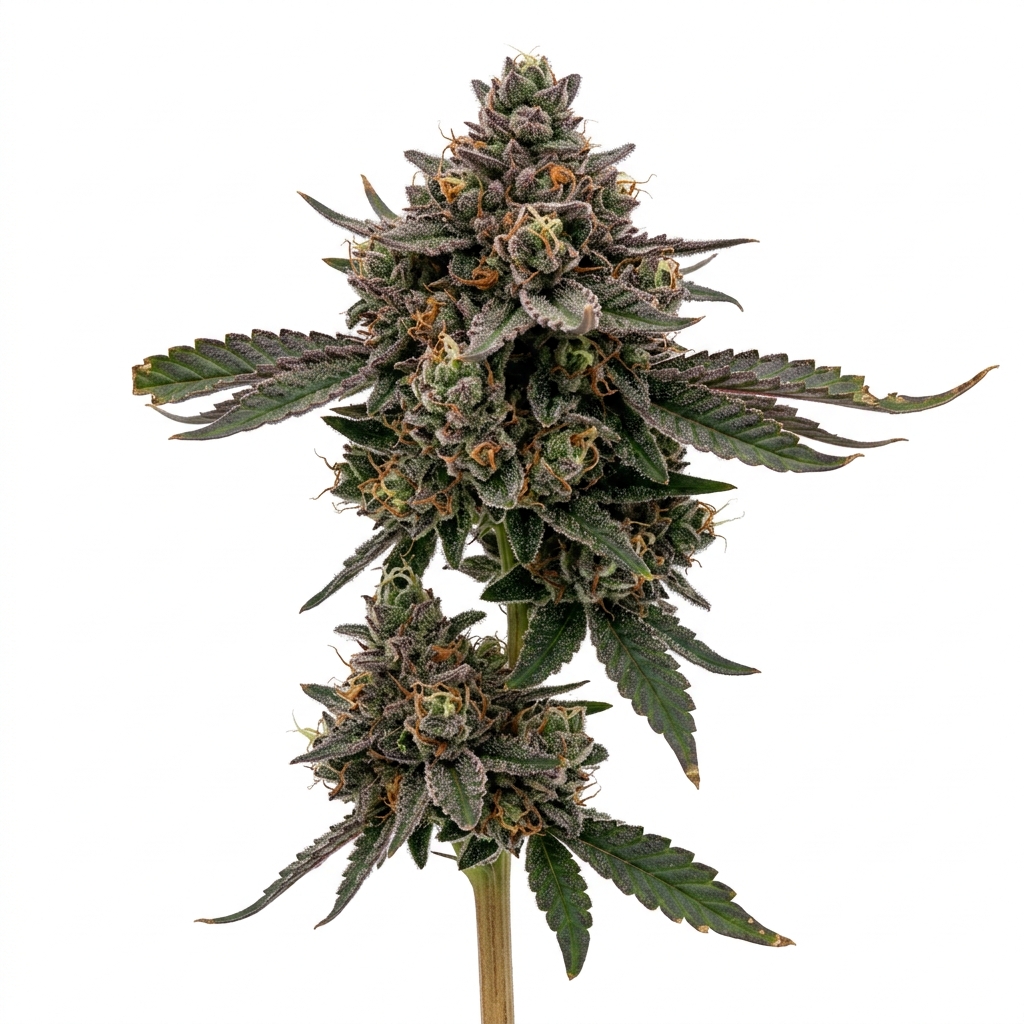
Bluntz (Cannabis Strain)
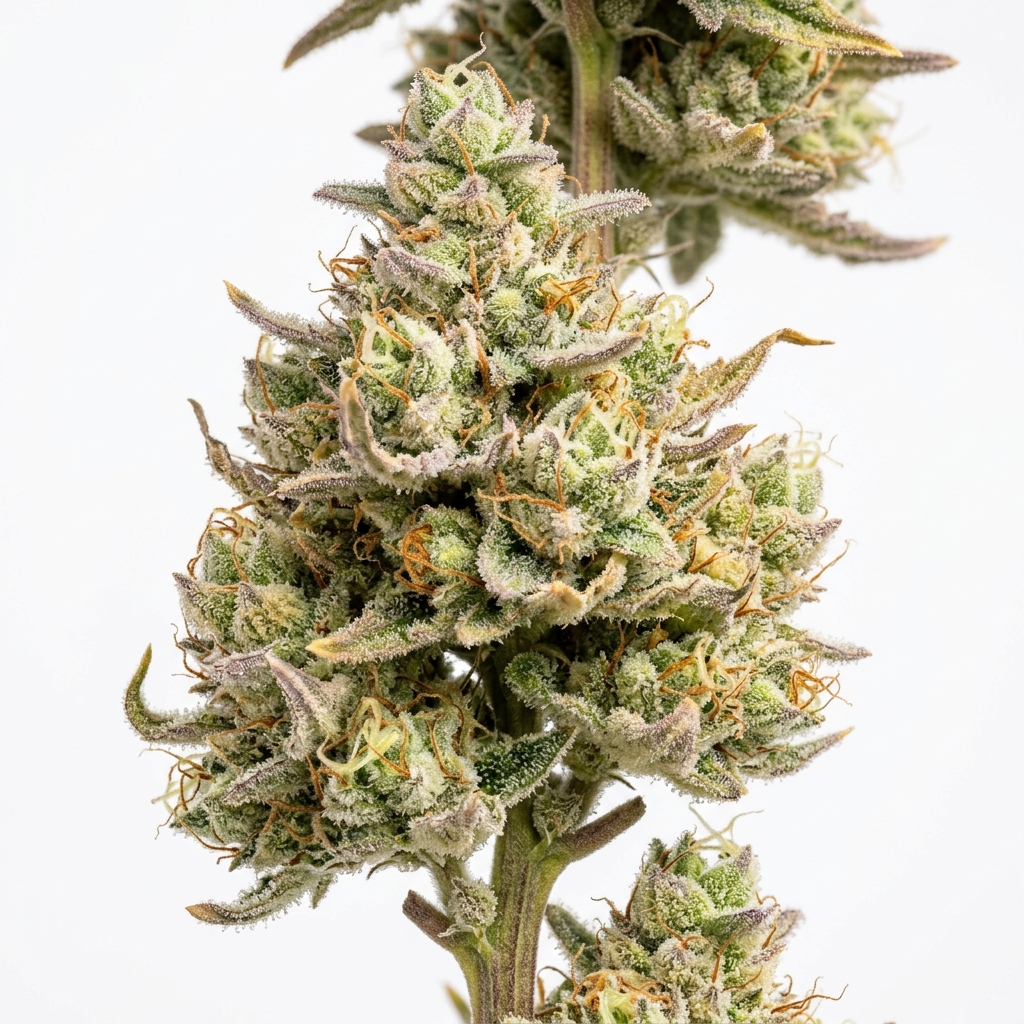
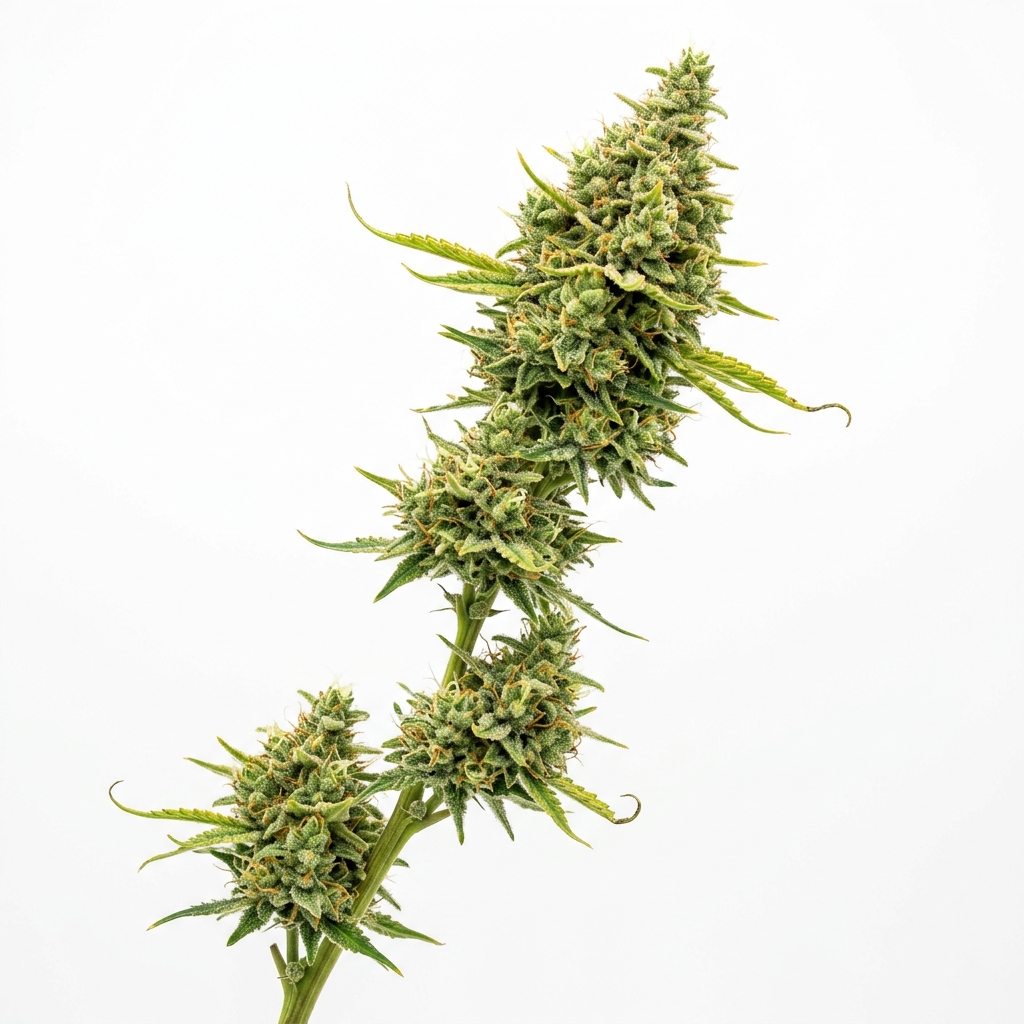
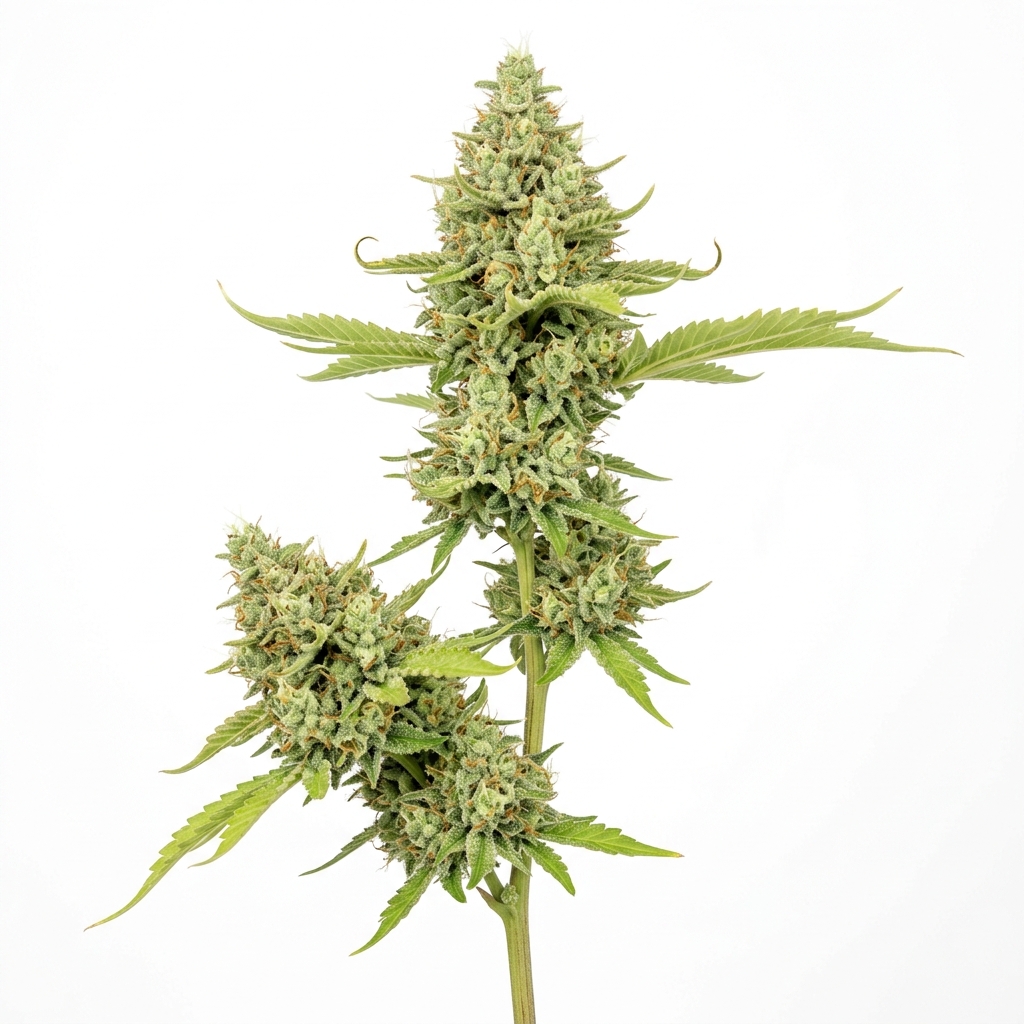
Bluntz is an indica-dominant hybrid testing between 22% and 28% THC, bred primarily through the pairing of Runtz and Jealousy. Widely attributed to modern West Coast breeding projects associated with Seed Junky Genetics and Tiki Madman selections, the cultivar merges sharp candy sweetness with a heavy fuel backbone. The plant develops compact, golf-ball-style bract clusters drenched in wet frost, carrying a stout canopy structure that yields firm, bag-appeal-driven flowers suited for both cured-flower presentation and hydrocarbon extraction.
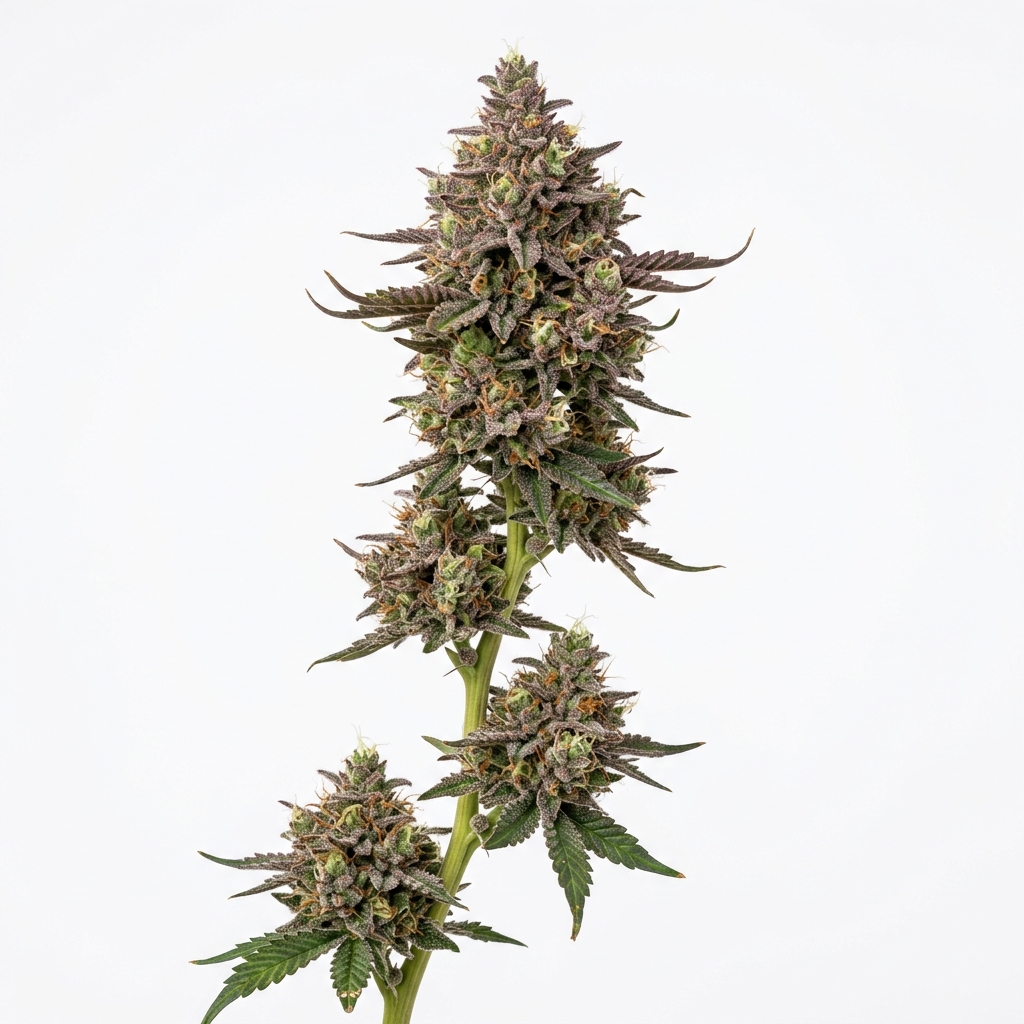
The genetic pairing combines the sugar-coated berry profile of Runtz with the dark, fuel-tinted structure of Jealousy. In the garden, it produces medium-height plants with dark green and violet foliage, tight internodes, and manageable vertical stretch. Consumers typically report a swift, heady euphoria that transitions into deep physical relaxation without immediate couch-lock when consumed in moderation.
Quick Facts
| Field | Details |
|---|---|
| Breeder | Seed Junky Genetics / Tiki Madman (commonly reported) |
| Genetics | Runtz × Jealousy |
| Variety | Indica-dominant hybrid (approx. 65% indica / 35% sativa) |
| THC Range | 22% – 28% |
| Flowering Time | 8 – 9 weeks (56 – 63 days) |
| Yield Potential | Moderate to High (450 – 550 g/m² indoor) |
| Plant Height | Medium (90 – 140 cm) |
| Climate Preference | Temperate to warm Mediterranean with controlled humidity |
| Difficulty | Intermediate |
Scientific & Botanical Overview
Bluntz shows the compact growth morphology typical of modern polyhybrids descended from Gelato and Cookies lines. Vegetative growth features thick stems, broad fan leaves, and strong lateral branching that responds well to training. Internodal spacing remains short to moderate, requiring intentional airflow management to avoid microclimates deep in the lower canopy.
During inflorescence, the cultivar produces dense, rounded calyx stacks that show strong anthocyanin pigmentation when exposed to cooler nighttime temperatures in late bloom. Capitate-stalked trichomes coat the bracts and sugar leaves early in flower, yielding a sticky, greasy texture that holds substantial volatile terpene fractions throughout post-harvest processing.
The chemical profile is dominated by beta-caryophyllene, limonene, and linalool, with secondary contributions of myrcene and humulene. This monoterpene and sesquiterpene ratio gives the dried flower its distinct balance of candy sweetness, citrus zest, and heavy gassy undertones.
Effects & Use-Cases (Reported)
Commonly reported effects: The onset typically delivers an initial cerebral lift accompanied by a warm head pressure and elevated mood. As the experience settles, the heavier indica characteristics emerge, leading to full-body physical ease, softened muscle tension, and a calm, quiet mental state that leans relaxing without becoming immediately sedating at moderate intake.
Use-case context: Well-suited for late afternoon or evening sessions, social gatherings around relaxed settings, and creative downtime. The physical heaviness makes it a popular post-work choice for winding down or pairing with music and film.
Note: Individual experiences can vary significantly based on tolerance, environment, dosage, and unique endocannabinoid system responses.
Aroma & Flavors
Aroma: Pungent sweet candy and ripe dark berries up front, backed by a sour chemical diesel and cracked black pepper kick when the buds are broken open.
Flavor: Inhales carry a rich blend of sugary fruit, creamy pastry, and citrus peel, shifting on the exhale to a sharper fuel, earth, and spicy herbal finish.
Terpene associations: Driven primarily by beta-caryophyllene for peppery spice, limonene for bright citrus sweetness, and linalool for soft floral undertones.
Tested Cannabinoid & Terpene Ranges
| Compound | Typical Flower Range | Profile Role |
|---|---|---|
| Δ9-THC | 22.0% – 28.0% | Primary psychoactive cannabinoid |
| CBD | < 1.0% | Minor trace cannabinoid |
| CBG | 0.5% – 1.5% | Supporting minor cannabinoid |
| Total Terpenes | 1.8% – 3.2% | Overall aromatic and flavor concentration |
| Beta-Caryophyllene | 0.5% – 1.1% | Spicy, peppery gas notes |
| Limonene | 0.4% – 0.9% | Bright citrus and candy sweetness |
| Linalool | 0.2% – 0.5% | Floral and lavender undertones |
Range note: Cannabinoid and terpene metrics represent standard laboratory ranges from dried, uninfused whole flower. Real-world batches vary significantly depending on phenotype selection, lighting intensity, feeding schedule, and post-harvest drying and curing conditions.
Cultivation Notes
- Humidity management: Maintain 60% – 65% RH in early vegetative growth, tapering down to 45% – 50% across mid-bloom. In late flowering (weeks 7–9), drop relative humidity to 40% – 42% to protect the exceptionally dense bract formations from botrytis.
- Nutrient requirements: Plants handle moderate to heavy feeding schedules well. Maintain a steady calcium-magnesium supplementation through early flower, reducing nitrogen input progressively after week 4 while supporting phosphorus and potassium uptake during peak bulking.
- Canopy training: Responds readily to topping at the 4th or 5th node followed by low-stress training (LST) or a single-layer Trellis Scrog. Opening the inner branches ensures lower flowering sites receive direct light penetration.
- Defoliation: Conduct a targeted defoliation around day 21 of flower to strip inward-facing fan leaves, with a lighter tidy-up around day 42. Avoid stripping too heavily, as the cultivar benefits from sufficient leaf reserves during calyx swelling.
- Harvest window: Inspect trichome heads closely starting at day 56. Peak harvest generally lands between day 58 and day 63 when trichome heads show roughly 10% – 15% amber with the majority fully milky.
Grower Notes (Week-by-Week Snapshot)
- Weeks 1–3 (Transition & Stretch): Expect a manageable vertical stretch of approximately 1.5x to 2x. Train lateral branches outwards to build an even canopy flat against the trellis. Pistil clusters begin showing clearly by the end of week 2.
- Weeks 4–6 (Bud Formation & Resin Production): Calyxes swell into tight clusters and trichome coverage accelerates rapidly. Aromas shift from vegetative green notes to sweet candy and sharp fuel. Maintain tight environmental controls and moderate day/night temperature differentials.
- Weeks 7–9 (Ripening, Coloration & Flush): Bracts harden into firm colas. Introducing night temperatures around 18°C – 20°C (64°F – 68°F) helps pull rich purple and violet hues into the sugar leaves. Taper EC levels down as plants finish their reproductive cycle.
- Harvest & Cure: Dry whole plants or large branches at 15°C – 18°C (60°F) and 55% – 60% RH for 10 to 14 days. Jar and burp slowly for a minimum of 2 to 3 weeks to allow the gassy candy profile to cure to full clarity.
Genetic Lineage
Bluntz inherits its aromatic and structural profile directly from two heavyweight modern cultivars: Runtz (Zkittlez × Gelato #33) and Jealousy (Gelato 41 × Sherb Bx1). The Runtz parent delivers the sugary fruit, tropical candy notes, and dense trichome coverage, while Jealousy contributes structural vigor, rich anthocyanin potential, and a deeper, earthier fuel undertone.
This lineage anchors Bluntz firmly within the contemporary dessert-gas hybrid family. By combining the proven breeding lines of Cookies, Zkittlez, and Sunset Sherbert, the resulting cross retains strong resin yield, intense bag appeal, and a potent cannabinoid foundation that performs reliably across indoor and controlled greenhouse setups.
Research Insights
Academic research into cannabis secondary metabolites emphasizes the interaction between dominant sesquiterpenes like beta-caryophyllene and the primary cannabinoid receptor pathways. As a unique terpene capable of acting as a selective agonist at the CB2 receptor, beta-caryophyllene continues to be studied for its potential role in modulating inflammatory responses and peripheral physical sensation.
While broad botanical studies provide valuable context on terpene-cannabinoid dynamics, individual cultivar outcomes depend on whole-plant composition rather than isolated compounds. The specific sensory and experiential profile of Bluntz is a product of its comprehensive phytochemical balance, harvest maturity, and post-cure preservation rather than any single chemical marker.
Frequently Asked Questions
Who is the original breeder of the Bluntz strain?
Bluntz is widely attributed to modern California breeding circles, with the Runtz × Jealousy pairing most frequently traced to projects linked with Seed Junky Genetics and Tiki Madman selections. Variations of the cross also appear across boutique craft nurseries under similar naming conventions.
Is Bluntz an indica or sativa cultivar?
Bluntz is an indica-dominant hybrid, typically presenting around a 65% indica to 35% sativa ratio. It shows compact lateral branching, broad leaves, and physical body relaxation characteristic of indica-leaning lines.
What does Bluntz smell and taste like?
The profile leads with sweet candy and tart berry flavors inherited from Runtz, layered over a pungent base of sour diesel, cracked pepper, and creamy fuel derived from its Jealousy lineage.
How long does Bluntz take to flower?
Indoor flowering typically completes in 8 to 9 weeks (56 to 63 days). Outdoor cultivation in suitable climates generally reaches harvest maturity by early to mid-October.
Educational Disclaimer
This content is for educational and informational purposes only. Cannabis laws and regulations vary by jurisdiction. Always consult with a qualified professional before beginning any cultivation project or consuming cannabis products.
Rate and review this strain
Ratings and reviews are accepted only from signed-in Google accounts.
Sign in with Google to leave a rating and written review.
Latest Reviews
0 reviewsNo reviews yet. Be the first Google user to rate and review this strain.
Follow New Cultivar Records
Get newly documented genetics, breeder history, research highlights, and important Strainpedia discoveries by email.