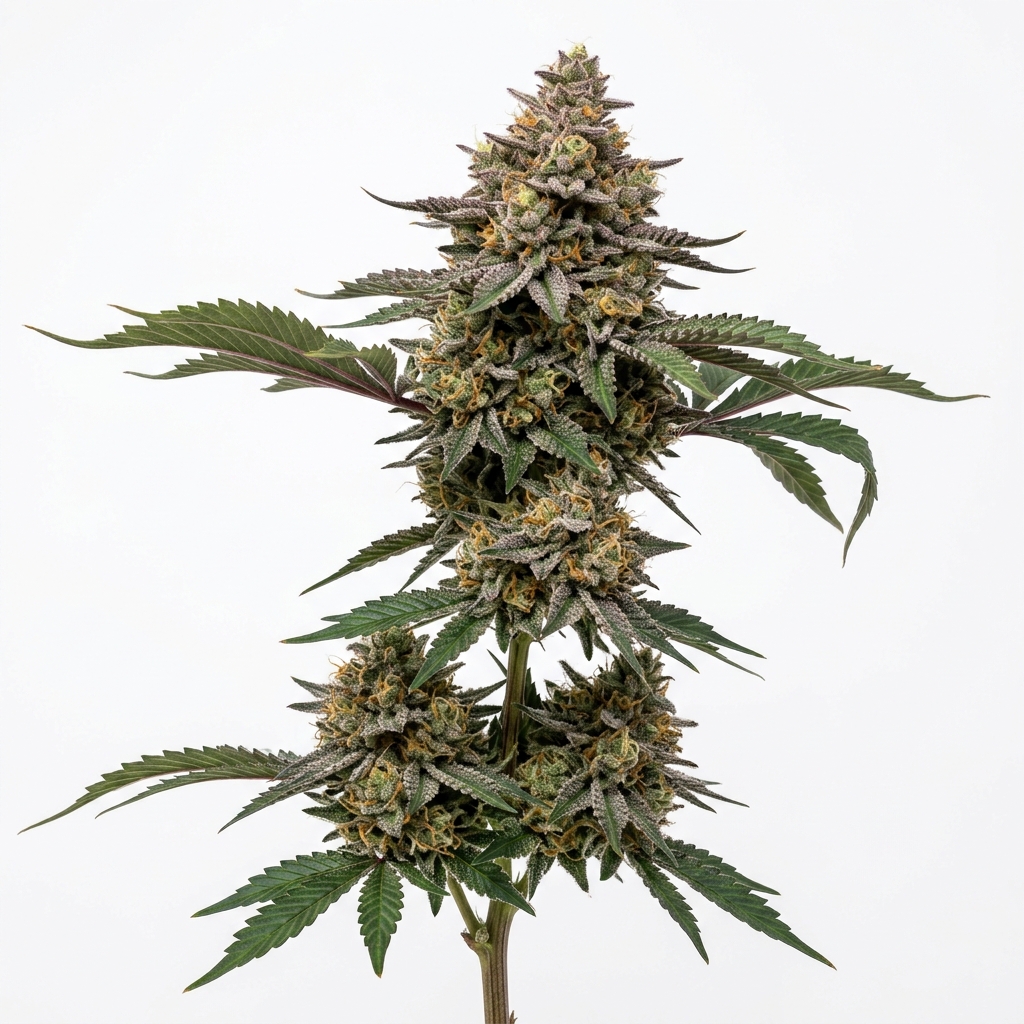
Peach Dosi (Cannabis Strain)
Peach Dosi is an indica-dominant hybrid testing between 20% and THC not consistently reported, produced by crossing Peach Ozz with Do-Si-Dos. The cultivar is known for dense, frosty bracts, a heavy coating of greasy resin, and a profile that balances candied stone fruit with an earthy, pungent gas finish. In the garden, it develops medium-height branching with tight internodal spacing, finishing within an eight- to nine-week window.
The original breeding credit is not consistently documented under a single commercial trademark, though the cross reflects modern West Coast dessert-fuel selections. The maternal Peach Ozz heritage contributes bright stone fruit, floral sweetness, and elevated limonene levels, while the Do-Si-Dos lineage anchors the plant with structural density, rich trichome head development, and a grounding, peppery earthiness. Consumers commonly report a fast-settling mental calm accompanied by deep physical relaxation.
Quick Facts
| Field | Details |
|---|---|
| Breeder | Not consistently documented |
| Genetics | Peach Ozz × Do-Si-Dos |
| Variety | Indica-dominant hybrid |
| THC Range | 20% – 26% |
| Flowering Time | 8 – 9 weeks (56 – 63 days) |
| Yield Potential | Moderate to high |
| Plant Height | Medium |
| Climate Preference | Temperate to warm indoor / Mediterranean outdoor |
| Difficulty | Moderate |
Scientific & Botanical Overview
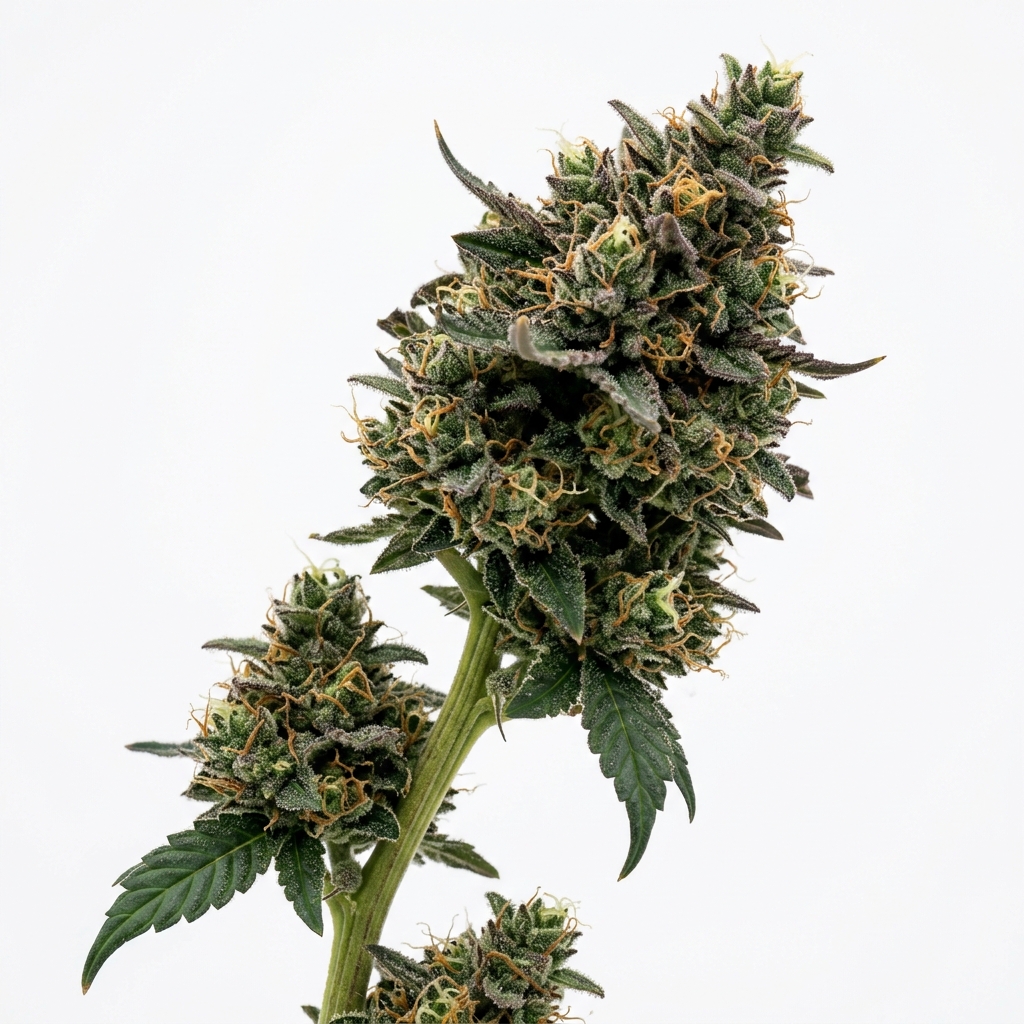
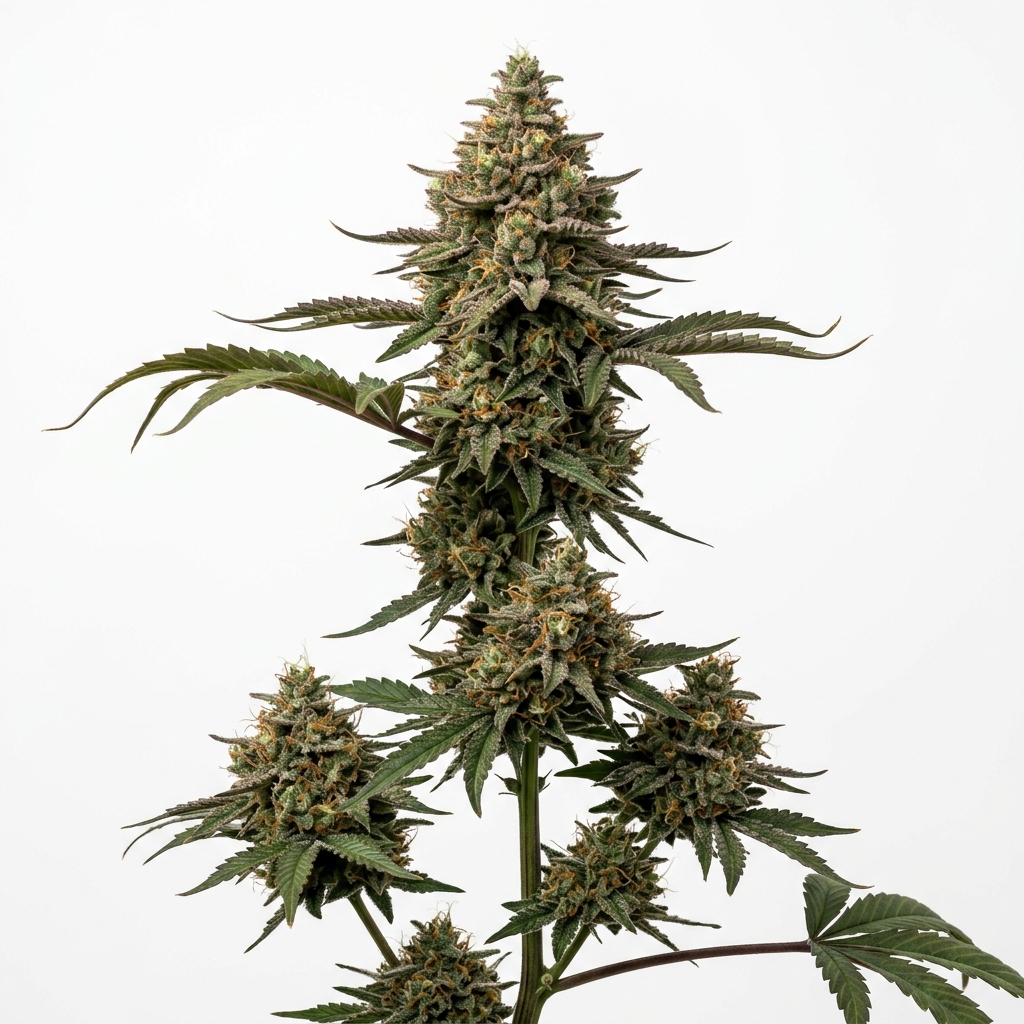
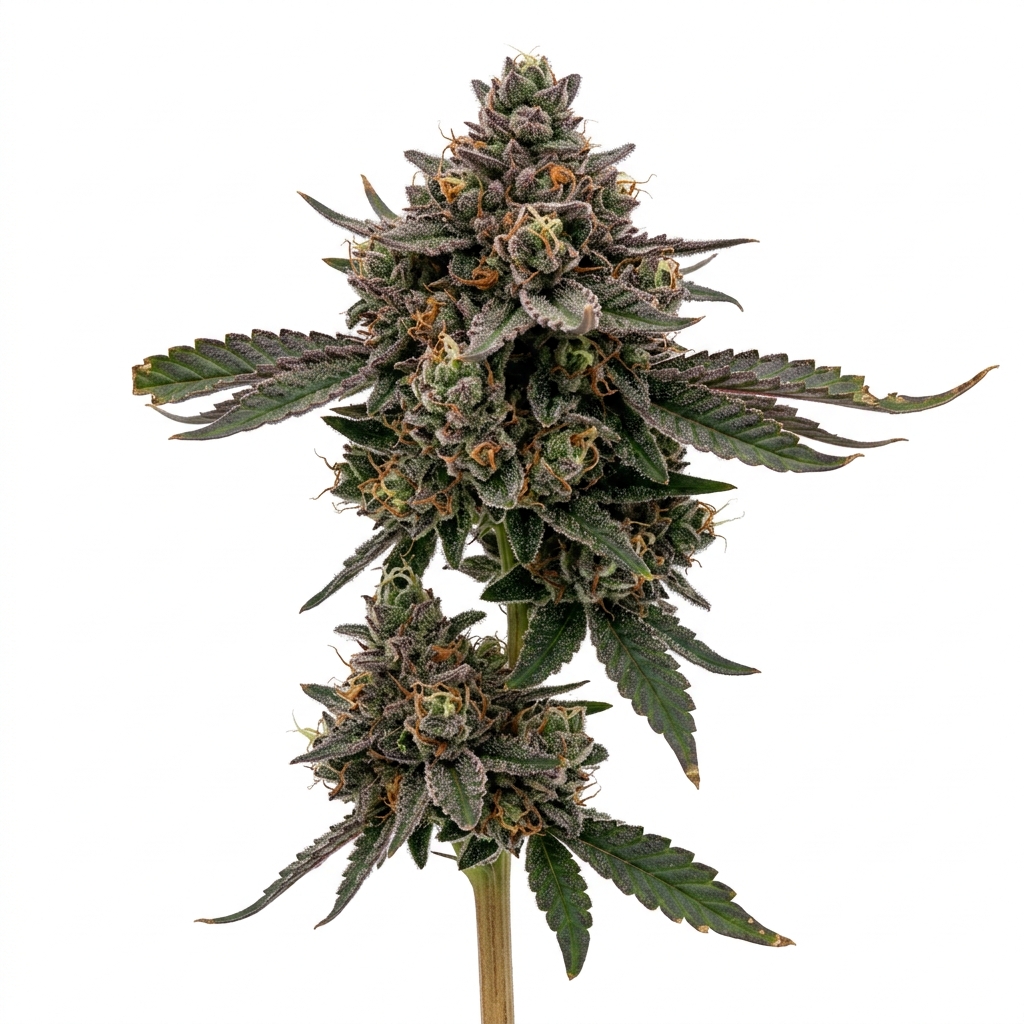
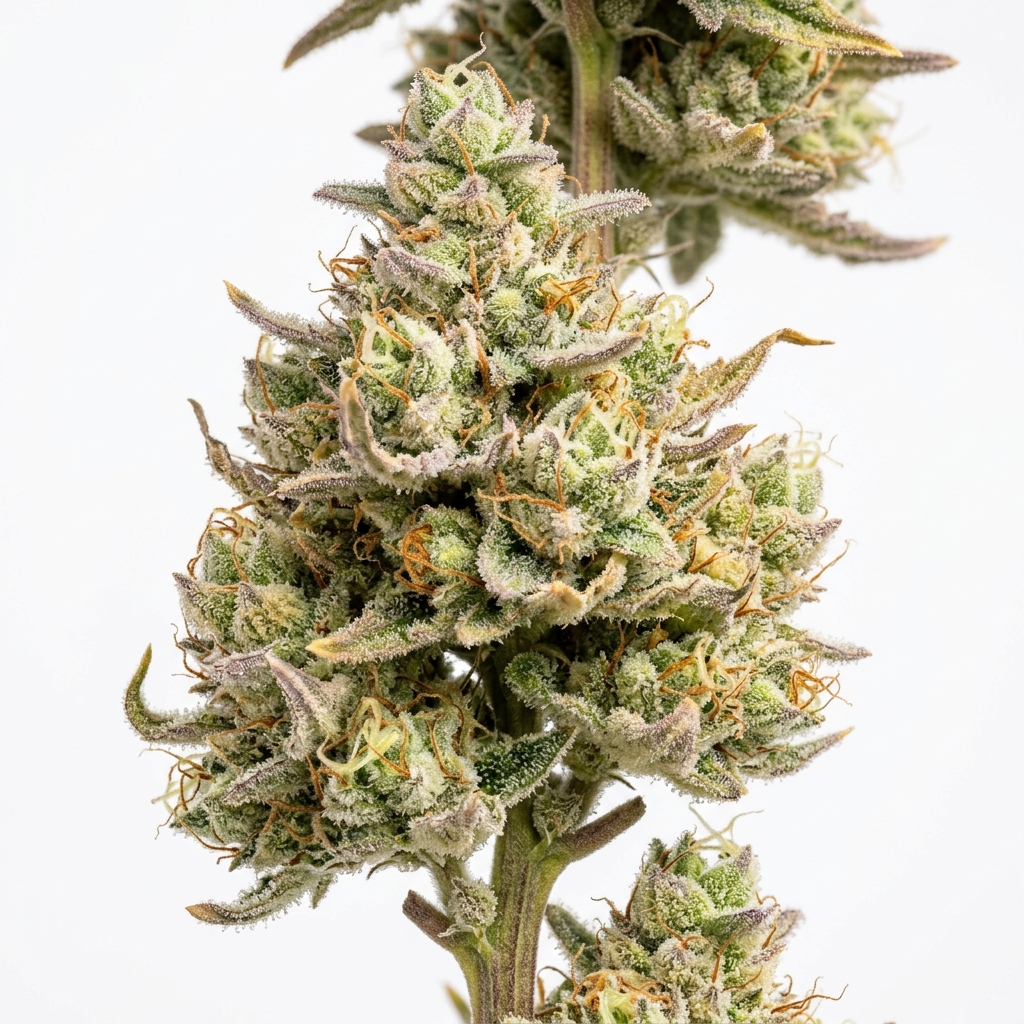
Peach Dosi forms dense, clustered colas characterized by tight calyx stacks and heavy resin gland coverage. Foliage leans toward dark olive-green with occasional lavender or deep purple hues that express as temperatures drop during late flowering. The gland heads are predominantly capitate-stalked, showing thick necks and high cuticle integrity well-suited for hydrocarbon and solventless extraction methods.
Structurally, the plant maintains a moderate stretch of approximately 1.5× to 2× after transitioning to flower. Lateral branches grow stoutly, supporting golf-ball-shaped secondary buds without extreme staking, though trellis netting helps spread the canopy evenly. Leaf morphology displays broad, overlapping leaflets characteristic of its Cookie-dominant heritage.
The chemical profile is marked by high monoterpene retention alongside strong sesquiterpene depth. Volatiles such as limonene and beta-caryophyllene dominate lab panels, supported by secondary fractions of myrcene and linalool. This biochemical profile produces sweet floral esters alongside sharp, sulfurous hydrocarbon undertones.
Effects & Use-Cases (Reported)
Commonly reported effects: Consumers typically describe a calm, mood-elevating onset that eases mental chatter before settling into a weighted, full-body stillness. The cultivar delivers strong physical relaxation without immediately causing extreme sedation, though heavier doses tend to promote sleepiness.
Use-case context: Peach Dosi is widely selected for evening relaxation, unstructured downtime, or low-stress social settings. Its balance of aromatic sweetness and heavy physical grounding makes it a frequent choice for unwinding after physical exertion or managing end-of-day tension.
Individual response varies depending on tolerance, dose, and personal physiology. High-THC cultivars may feel intense for newer consumers.
Aroma & Flavors
Aroma: Freshly broken flowers release an unmistakable burst of ripe peach, candied apricot, and sweet cream. Underlying this fruit forwardness is a distinct layer of damp earth, spicy fuel, and subtle floral dough.
Flavor: The smoke is smooth and fruit-forward, coating the palate with stone fruit syrup and sweet citrus on the intake. The exhale shifts sharply toward the Do-Si-Dos lineage, leaving an earthy, peppery gas and herbal pastry aftertaste.
Terpene associations: The terpene profile is typically led by beta-caryophyllene, limonene, and myrcene, with minor contributions from linalool and humulene providing floral softness and herbal depth.
Tested Cannabinoid & Terpene Ranges
| Compound | Observed Range (Dried Flower) |
|---|---|
| Δ9-THC | 20% – 26% |
| CBD | < 1% |
| CBG | 0.5% – 1.2% |
| Total Terpenes | 1.8% – 3.2% |
| Primary Terpenes | beta-Caryophyllene, Limonene, Myrcene, Linalool |
Range note: Cannabinoid and terpene percentages reflect lab-tested batches of cured, uninfused flower. Exact metrics vary depending on phenotype selection, light intensity, nutritional inputs, and curing conditions.
Cultivation Notes
- Humidity management: Maintain 60% – 65% relative humidity in early vegetative growth, tapering down to 45% – 50% by week 6 of flower. The dense bud structure requires active airflow to prevent botrytis in late bloom.
- Nutrient requirements: Peach Dosi handles moderate nutrient regimens well, showing a steady appetite for calcium and magnesium during weeks 3 through 5 of flower. Avoid overfeeding nitrogen past the stretch phase.
- Canopy training: Responds well to early topping at the fourth or fifth node followed by low-stress training (LST) or a single-layer Scrog screen to maximize light penetration across secondary tops.
- Defoliation: Perform a thorough cleanup of lower fan leaves just before flipping to flower, followed by a second targeted defoliation around day 21 to improve internal airflow.
- Harvest window: Optimal trichome maturity typically occurs between days 56 and 63, when gland heads shift from mostly cloudy to roughly 10% – 15% amber.
Grower Notes (Week-by-Week Snapshot)
- Weeks 1–3 (Transition & Stretch): Internodal spacing elongates moderately as the canopy fills out. Plants display steady vegetative vigor; light leaf pruning around day 21 helps open inner bud sites.
- Weeks 4–6 (Bud Set & Resin Production): Calyx clusters consolidate into tight spears. Resin production begins heavily across sugar leaves, and the sweet fruit-and-cream aroma becomes prominent in the room.
- Weeks 7–9 (Ripening & Senescence): Pistils darken from vibrant white to burnt orange. Calyxes swell visibly while foliage may take on faint purple shades if night temperatures drop below 68°F (20°C).
- Post-Harvest: A slow 12- to 14-day hang dry at 60°F (15.5°C) and 60% relative humidity preserves the volatile stone-fruit monoterpenes before curing in airtight vessels.
Genetic Lineage
The lineage combines Peach Ozz (OZ Kush × Peach Ringz) with the celebrated Do-Si-Dos (OGKB × Face Off OG). Peach Ozz brings high-clarity fruit aromatics and resinous traits from its Zkittlez and OG heritage, known for producing mouthwatering confectionery terpene profiles.
Do-Si-Dos contributes significant structural density, heavy resin gland production, and the classic earthy gas backbone associated with the Face Off OG lineage. The resulting hybrid brings together the best of modern dessert terpene profiles with traditional Kush potency.
Research Insights
Cannabis pharmacological studies indicate that beta-caryophyllene acts as a selective agonist at the CB2 receptor, which plays a role in mediating inflammatory pathways in peripheral tissues. When combined with monoterpenes such as limonene and myrcene, these compounds are studied for their modulating influence on cannabinoid absorption and subjective relaxation.
These generalized phytochemical findings provide context for how complex terpene mixtures operate, but do not represent clinical evaluations of Peach Dosi specifically. Continued research into cultivar-specific secondary metabolites is required to better understand precise entourage dynamics in whole-flower consumption.
Frequently Asked Questions
Who is the original breeder of Peach Dosi?
The original breeder is not consistently documented under a single recognized seed house, though the cross is widely produced by artisanal breeders working with Peach Ozz and Do-Si-Dos parental lines.
Is Peach Dosi an indica or sativa?
Peach Dosi is an indica-dominant hybrid cultivar, reflecting the physical density, rapid flowering time, and relaxing qualities of its Do-Si-Dos heritage.
What does Peach Dosi smell and taste like?
Peach Dosi smells strongly of sweet ripe peaches, candied fruit, and vanilla dough, layered over a pungent base of earthy fuel, pine, and black pepper on the exhale.
How long does Peach Dosi take to flower?
Indoor cultivation typically requires an 8 to 9 week (56 to 63 day) flowering period to reach peak resin development and desired trichome maturity.
Educational Disclaimer
This content is for educational and informational purposes only. Cannabis laws and regulations vary by jurisdiction. Always consult with a qualified professional before beginning any cultivation project or consuming cannabis products.
Rate and review this strain
Ratings and reviews are accepted only from signed-in Google accounts.
Sign in with Google to leave a rating and written review.
Latest Reviews
0 reviewsNo reviews yet. Be the first Google user to rate and review this strain.
Follow New Cultivar Records
Get newly documented genetics, breeder history, research highlights, and important Strainpedia discoveries by email.