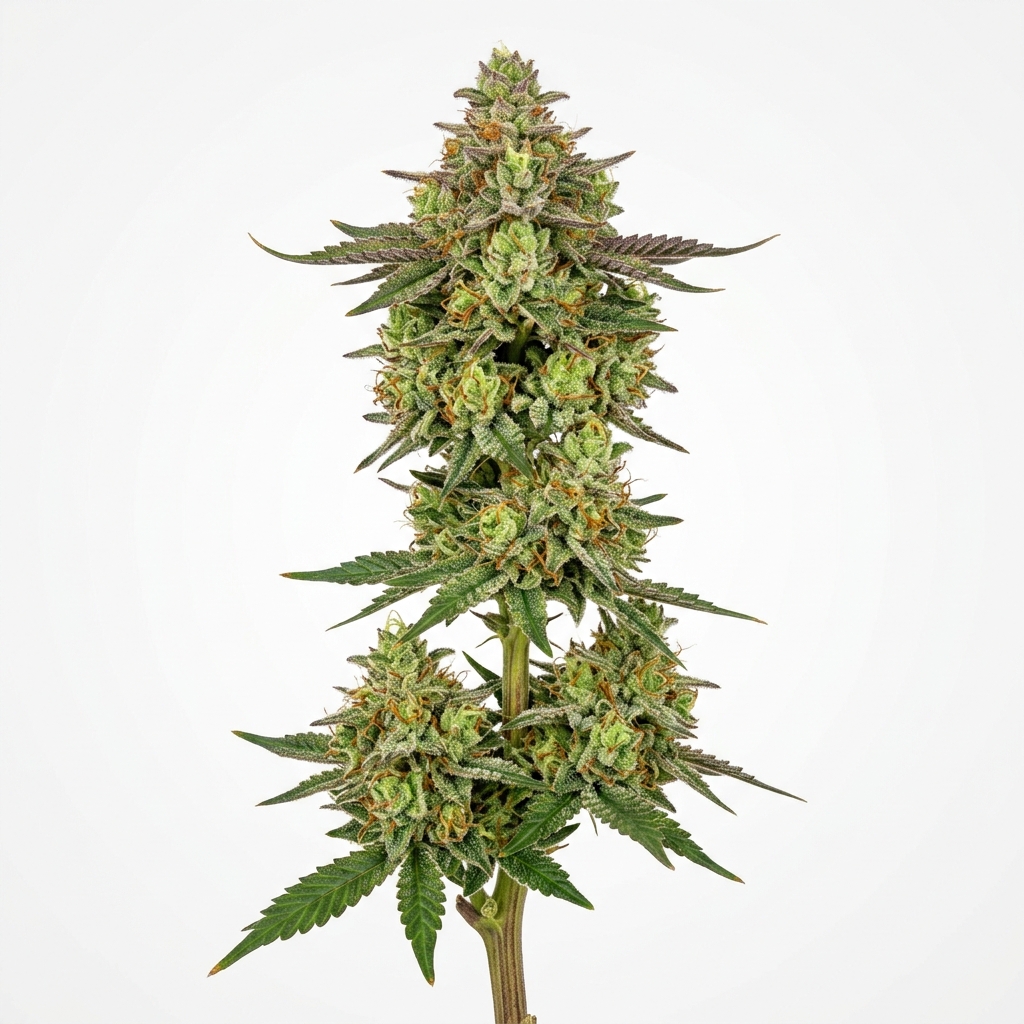
Chem Driver (Cannabis Strain)
Chem Driver is a balanced hybrid cannabis cultivar typically testing between 20% and 26% THC, bred by crossing the pungent Chem D cut with the dessert-leaning Sundae Driver. While specific seed drops have surfaced through various boutique projects, the original breeder is not consistently documented in verified public records. The cultivar merges old-school industrial solvent funk with smooth, sugary fruit undertones. The finished flowers develop dense, swollen calyxes packed under a blanket of greasy resin, making it a favorite for both raw flower consumption and solventless hash washing.
Morphologically, the plant combines the vigorous branching and moderate stretch of its Chemdawg heritage with the tighter internodal structure and vivid pigmentation of Sundae Driver. In consumer circles, it is widely recognized for a fast-acting cerebral head buzz that gradually softens into full-body ease without immediate couchlock. Cultivators appreciate its dependable lateral development, though its resin-coated, dense colas require attentive humidity control in late bloom.
Quick Facts
| Field | Details |
|---|---|
| Breeder | Not consistently documented |
| Genetics | Chem D × Sundae Driver |
| Variety | Hybrid |
| THC Range | 20% – 26% |
| Flowering Time | 9 – 10 weeks (63 – 70 days) |
| Yield Potential | Moderate to High |
| Plant Height | Medium to Tall |
| Climate Preference | Temperate to warm, low-humidity indoor/greenhouse |
| Difficulty | Moderate |
Scientific & Botanical Overview
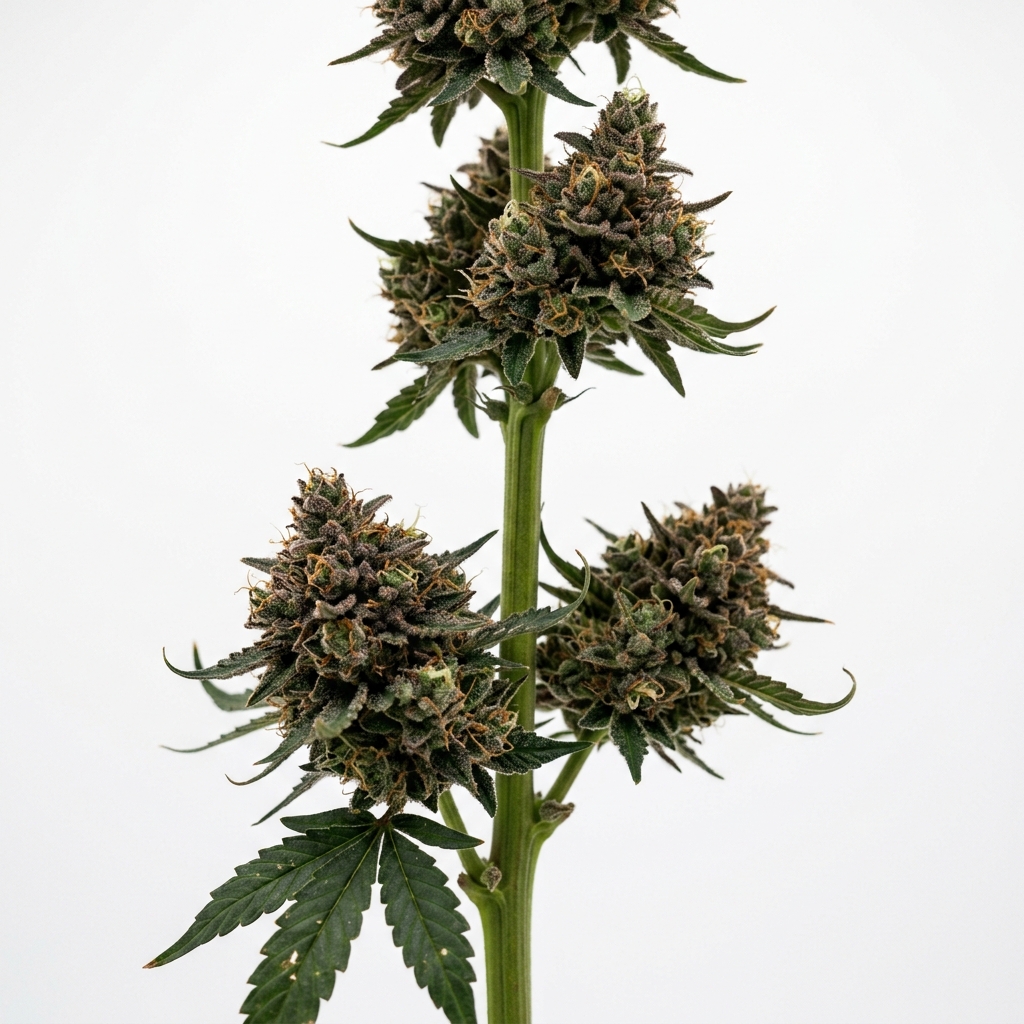
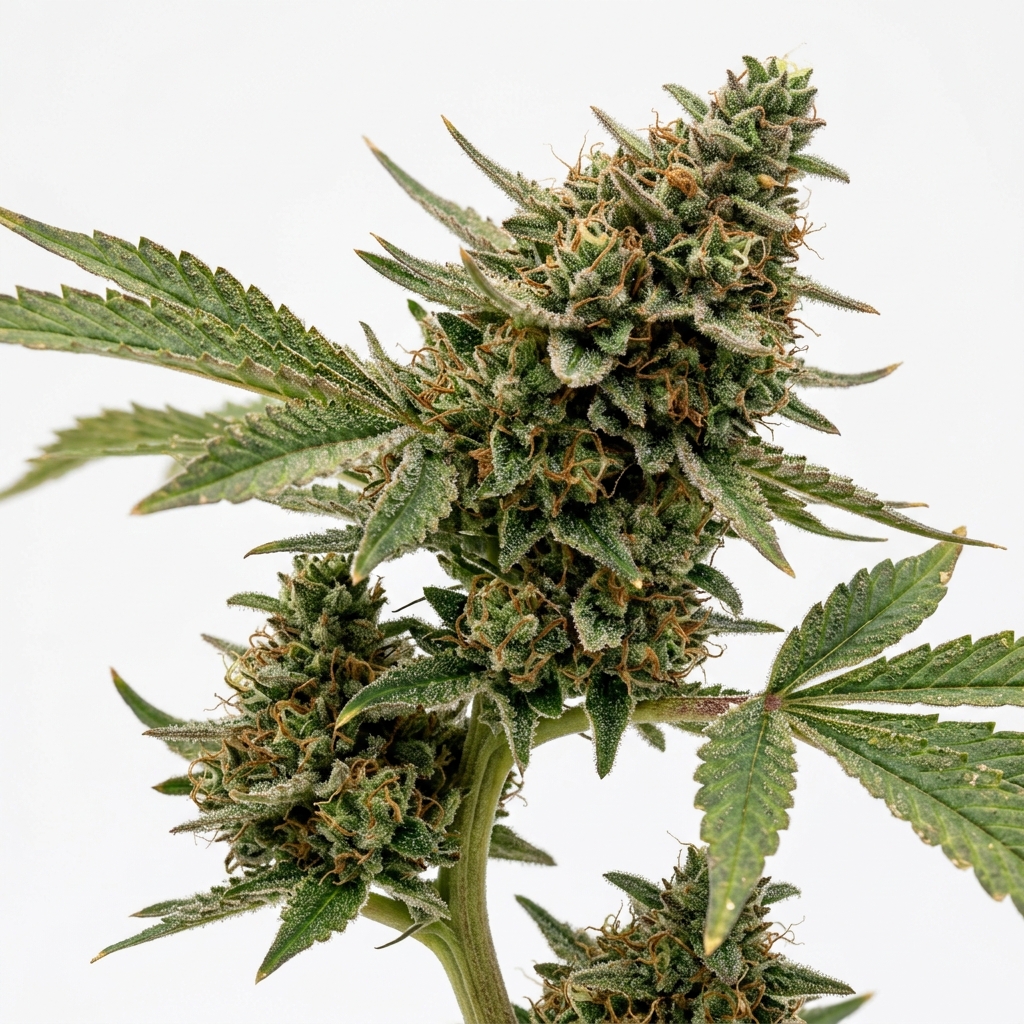
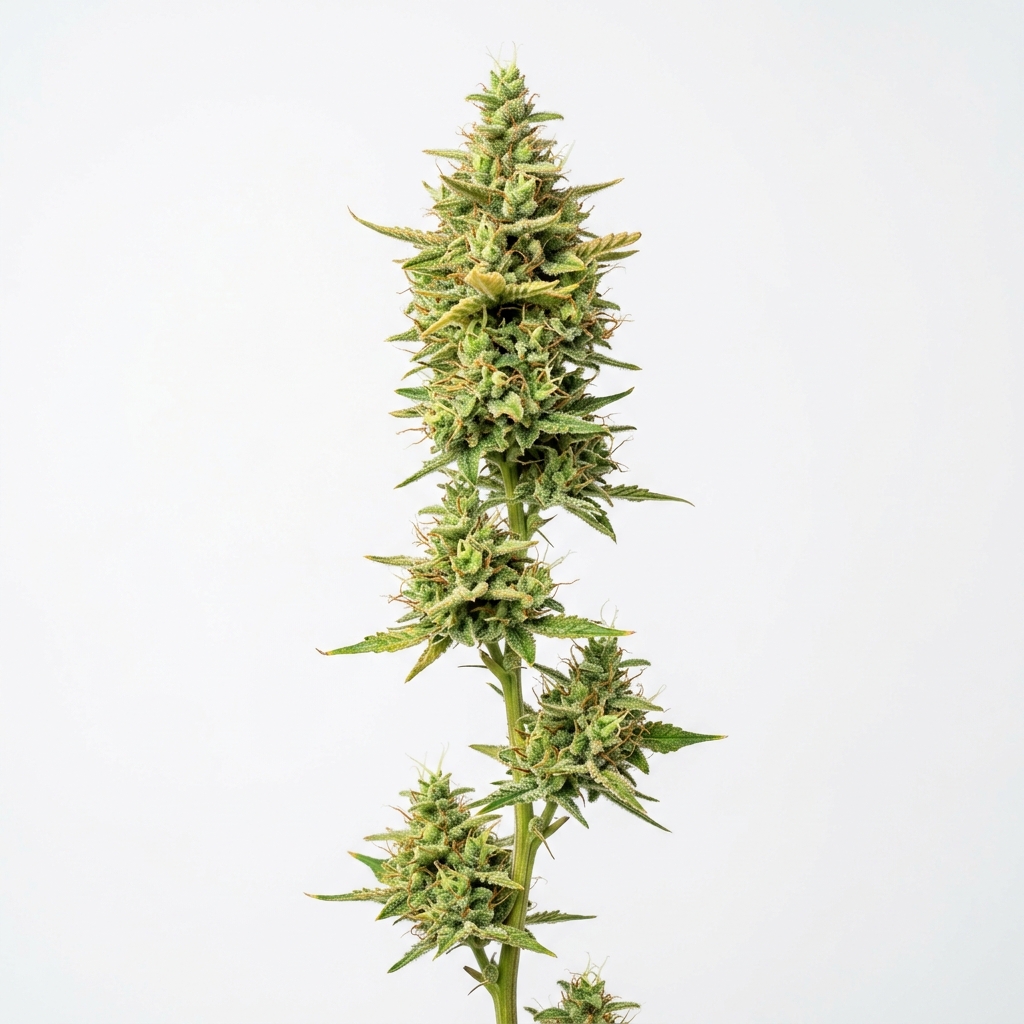
Chem Driver expresses standard hybrid vigor during vegetative development, featuring deep green foliage, medium-wide fan leaves, and strong lateral branching. The plant carries the aggressive stem structure of Chem D alongside the slightly shorter node spacing found in modern dessert crosses. As it transitions into flower, lateral shoots establish upright, spear-like terminal sites that thicken rapidly between weeks four and seven.
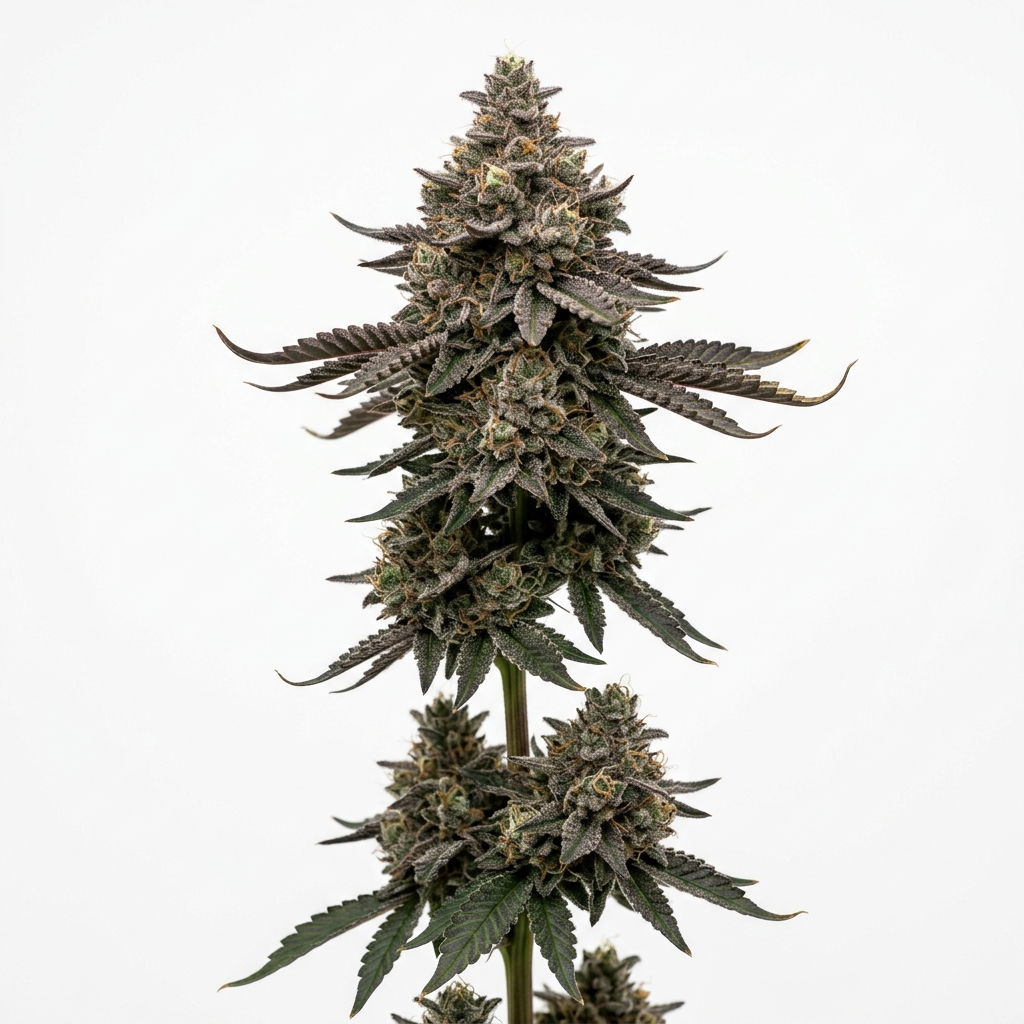
The floral architecture forms compact, golf-ball-sized clusters that merge into dense, conical top colas. Calyxes swell noticeably during late maturation, accumulating high densities of glandular capitate-stalked trichomes with large, oily heads. Phenotypic expression can vary slightly, with cooler night temperatures drawing out deep violet accents from the Sundae Driver parent beneath the bright lime green bracts.
Resin glands on Chem Driver hold a notably oily consistency rich in volatile terpenes. The presence of large, easily detached trichome heads makes this hybrid especially viable for fresh frozen mechanical separation. Stems produce moderate amounts of structural lignin, supporting the weight of heavy tops without excessive staking in well-ventilated environments.
Effects & Use-Cases (Reported)
Commonly reported effects: The onset typically begins with an alert, euphoric head rush and sensory sharpening, directly reflecting its Chem lineage. Within thirty to forty-five minutes, the intense mental buzz transitions into a smooth, grounding body relaxation. Consumers frequently report elevated mood, reduced stress, and muscular ease without an immediate heavy sedative drag.
Use-case context: Chem Driver fits comfortably into late afternoon and evening sessions. Its balanced profile allows for focused social conversation, creative projects, or quiet decompressing after physical activity. Higher amounts tend to accentuate the Sundae Driver body melt, steering users toward relaxed rest.
Individual experiences vary widely based on tolerance, dosage, consumption method, and specific harvest batch chemistry.
Aroma & Flavors
Aroma: The initial jar note presents a sharp wave of chemical cleaner, pungent diesel fuel, and sour skunk. Breaking the cured flowers releases an underlying sweetness featuring marshmallow cream, ripe berries, and damp forest earth.
Flavor: On the palate, the draw is dominated by acrid fuel, sour citrus, and black pepper. The exhale softens dramatically, leaving a lingering finish of sweet grape skin, vanilla dough, and light pine.
Terpene associations: Analytical profiles for Chem Driver are typically dominated by beta-caryophyllene, which provides the peppery spice, balanced by high concentrations of myrcene and limonene. Trace levels of humulene and linalool contribute to the herbal, sour earth finish.
Tested Cannabinoid & Terpene Ranges
| Compound | Typical Range (Dried Flower) |
|---|---|
| Δ9-THC | 20.0% – 26.0% |
| CBG | 0.5% – 1.2% |
| CBD | < 0.2% |
| Total Terpenes | 1.5% – 3.0% |
| β-Caryophyllene | 0.50% – 1.10% |
| Myrcene | 0.30% – 0.80% |
| Limonene | 0.20% – 0.60% |
| Humulene | 0.10% – 0.35% |
Range note: Chemical expression in dried cannabis flower varies depending on individual phenotype, environmental controls, lighting intensity, and post-harvest drying and curing protocols.
Cultivation Notes
- Humidity management: Maintain relative humidity around 55% to 60% in early flower, stepping down to 40% to 45% during the final three weeks to prevent mold in the dense bract structures.
- Nutrient requirements: Chem Driver tolerates moderate to heavy feeding during peak stretch; avoid excessive nitrogen past week four of flower to prevent leafy bud development.
- Canopy training: Responds well to topping and low-stress training (LST) early in veg to establish an even multi-top canopy before flowering.
- Defoliation: Perform a targeted strip of lower foliage at day 21 of flower to increase airflow and light penetration to mid-tier colas.
- Harvest window: Full maturity typically occurs between day 63 and day 70, when trichome heads show milky opacity with approximately 10% to 15% amber coverage.
Grower Notes (Week-by-Week Snapshot)
- Weeks 1–3 (Stretch & Transition): Plants double in size with vigorous lateral reach. Train branches horizontally under a trellis net to set up a broad, uniform canopy.
- Weeks 4–6 (Flower Development & Frost): Internodes knit together as spherical flower clusters swell. Resin production kicks in heavily, releasing noticeable petroleum and sour fruit aromas.
- Weeks 7–9+ (Swelling, Color & Ripening): Calyxes harden and trichome coverage becomes dense and greasy. Night temperatures lowered to 64°F–68°F (18°C–20°C) often bring out purple hues along leaf margins.
- Post-Harvest Cure: Dry slowly at 60°F (15°C) and 60% relative humidity for 12 to 14 days to preserve delicate fuel terpenes and achieve optimal resin texture.
Genetic Lineage
Chem Driver unites two influential branches of modern cannabis breeding. The maternal line comes from Chem D, a celebrated cut of the legendary Chemdawg family known worldwide for its acrid fuel profile, unmatched bag appeal, and intense cerebral potency. Chem D contributes the cultivar’s aggressive resin output, sour chemical aroma, and robust branch structure.
The paternal influence, Sundae Driver (Fruity P × Grape Pie), softens the pungent industrial profile by introducing sweet dessert flavors, subtle floral notes, and rich anthocyanin pigmentation. This pairing creates a balanced modern hybrid that preserves classic Chemdawg potency while adding contemporary bag appeal and rounded flavor.
Research Insights
Academic investigations into cannabis phytochemistry consistently identify beta-caryophyllene, myrcene, and limonene as primary terpenes within high-THC hybrid cultivars. Beta-caryophyllene is distinct among plant terpenes for its ability to selectively bind to peripheral CB2 cannabinoid receptors, a mechanism widely studied in pre-clinical pharmacology for its role in inflammation pathways. Limonene and myrcene remain subjects of ongoing inquiry regarding their modulation of cannabinoid absorption across biological barriers.
While broad pharmacological literature clarifies how specific terpene and cannabinoid combinations function in isolated settings, direct clinical trials on Chem Driver flower specifically have not been conducted. Observed consumer effects represent empirical grower reports and observational data rather than validated medical treatments.
Frequently Asked Questions
Who is the original breeder of Chem Driver?
The original breeder is not consistently documented in verified public records, as several boutique breeders and seedmakers have explored pairings between Chem D and Sundae Driver lines.
Is Chem Driver an indica or sativa?
Chem Driver is a balanced hybrid that brings together the physical relaxation associated with dessert hybrids and the alert cerebral buzz of Chem genetics.
What does Chem Driver smell and taste like?
It carries a sharp initial smell of chemical cleaner, sour skunk, and pungent diesel fuel, which transitions on the palate into a blend of tart gas, creamy vanilla dough, and sweet berry.
How long does Chem Driver take to flower?
Indoor flowering typically requires 9 to 10 weeks (63 to 70 days) for flowers to reach full resin maturity and maximum terpene accumulation.
Educational Disclaimer
This content is for educational and informational purposes only. Cannabis laws and regulations vary by jurisdiction. Always consult with a qualified professional before beginning any cultivation project or consuming cannabis products.
Rate and review this strain
Ratings and reviews are accepted only from signed-in Google accounts.
Sign in with Google to leave a rating and written review.
Latest Reviews
0 reviewsNo reviews yet. Be the first Google user to rate and review this strain.
Follow New Cultivar Records
Get newly documented genetics, breeder history, research highlights, and important Strainpedia discoveries by email.