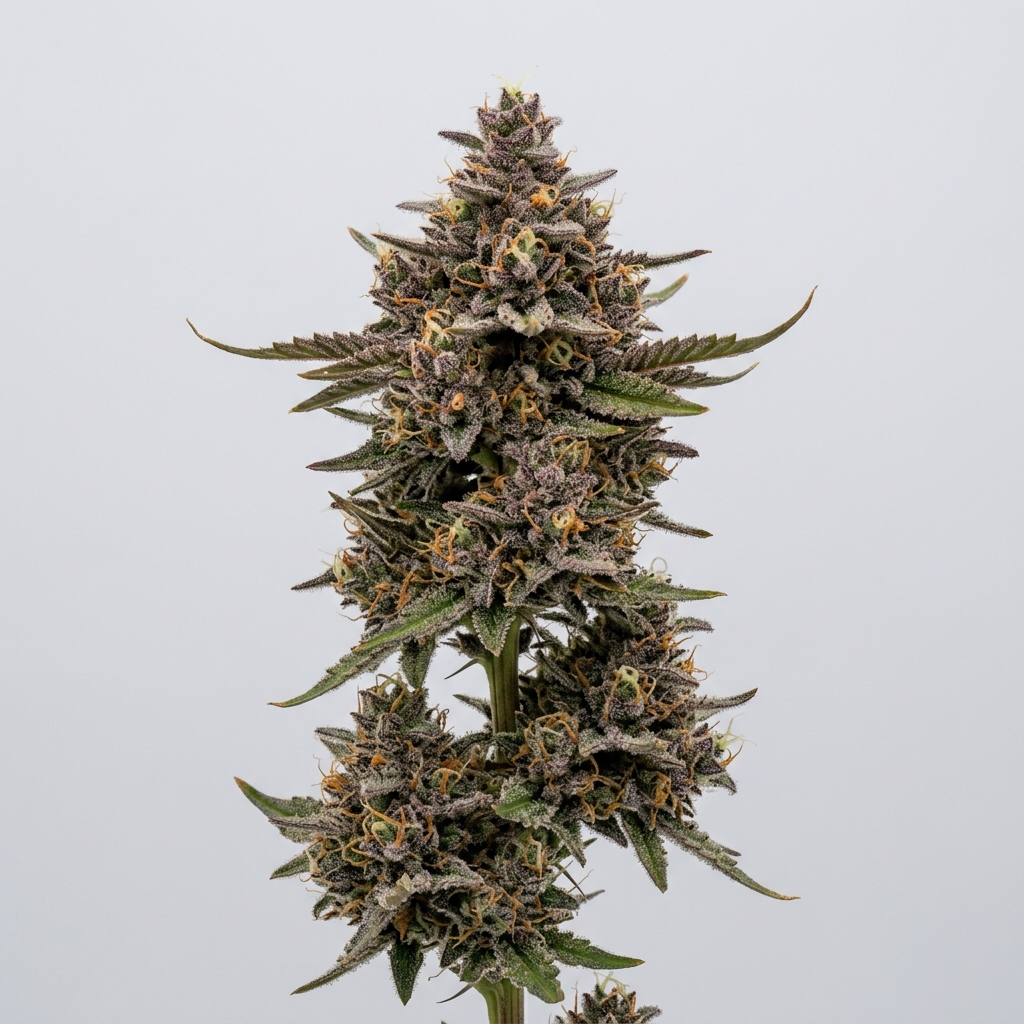
Grape Peanut Butter Kush (Cannabis Strain)
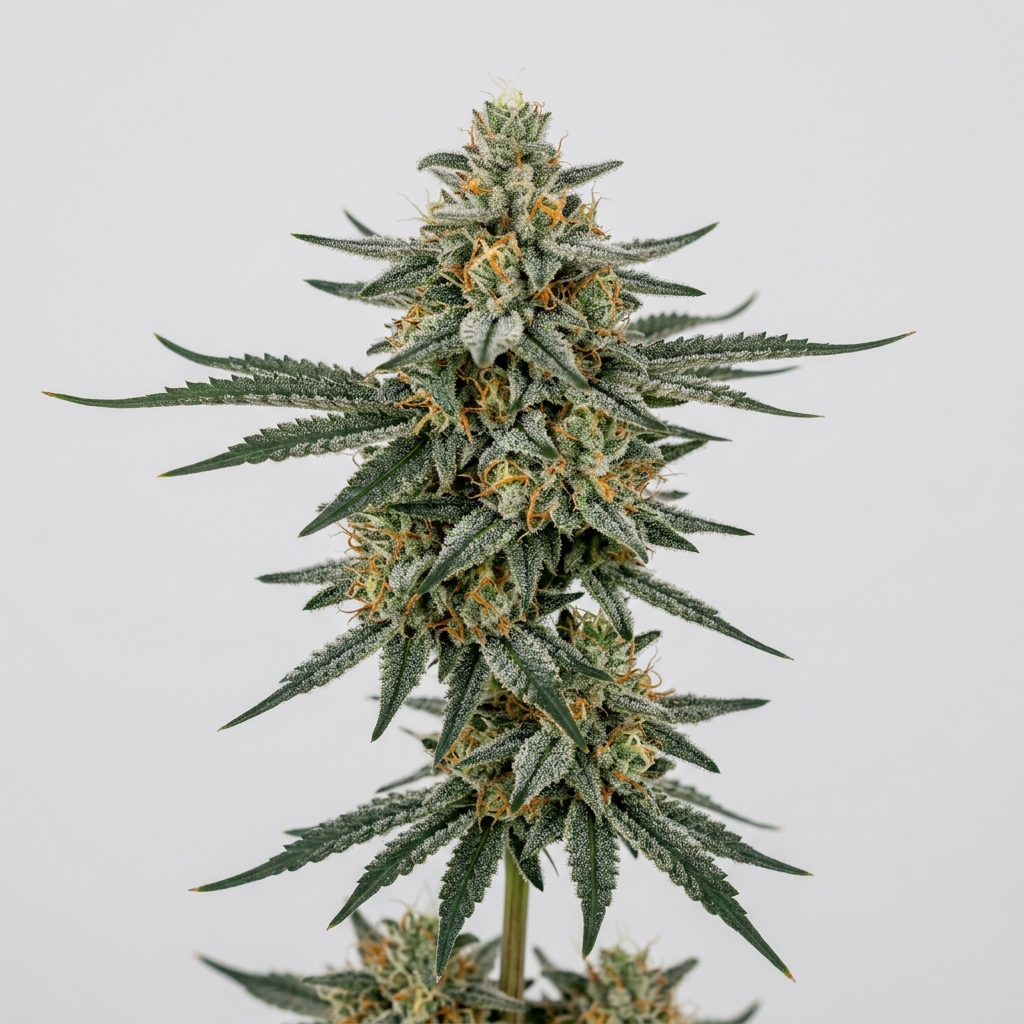
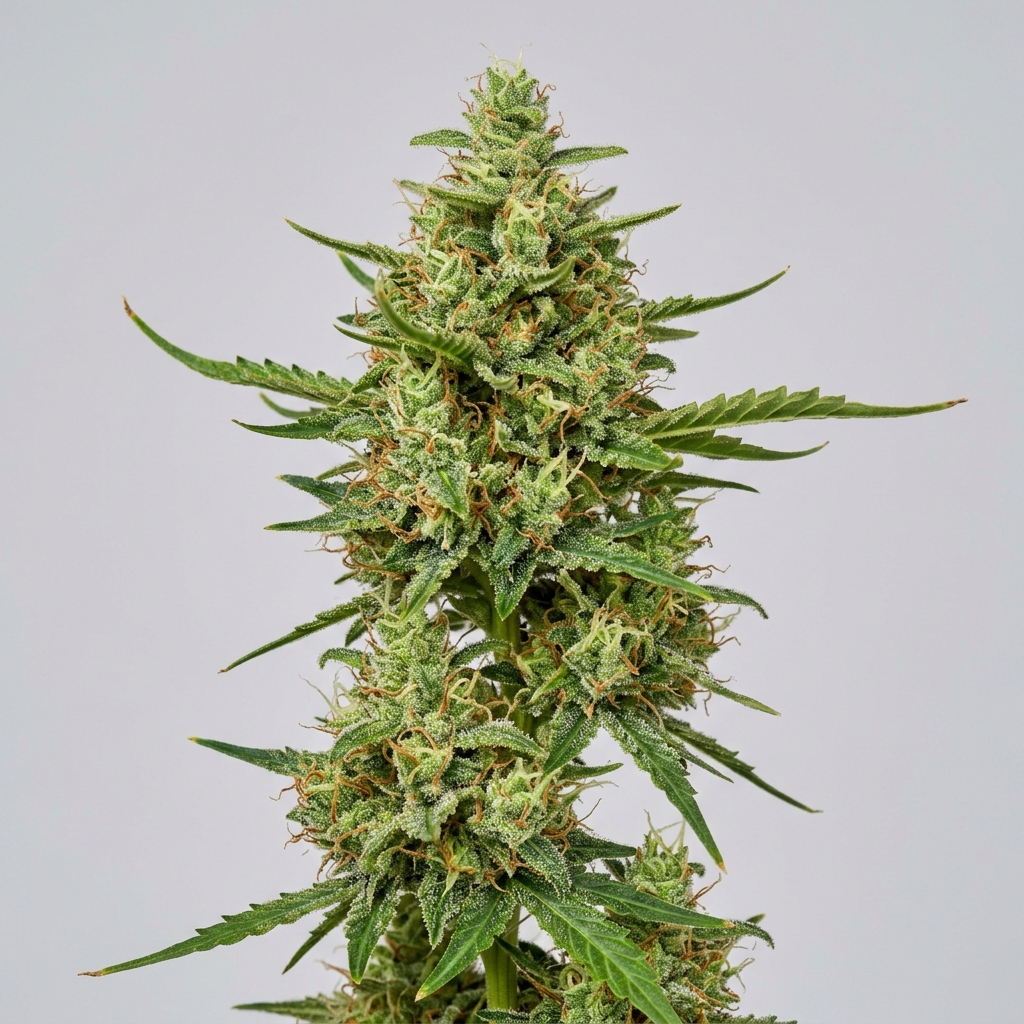
Grape Peanut Butter Kush is an indica-dominant hybrid, typically testing between 20% and 26% THC, bred by crossing the flavor-forward Grape Kush with the resin-dense Peanut Butter Breath. This cultivar is recognized for its combination of dark berry sweetness and a heavy, nutty earthiness, producing dense, glassy buds coated in a greasy resin layer. Growers value the plant for its manageable, controlled stretch and tight internodal spacing, making it an excellent selection for indoor environments requiring canopy efficiency.
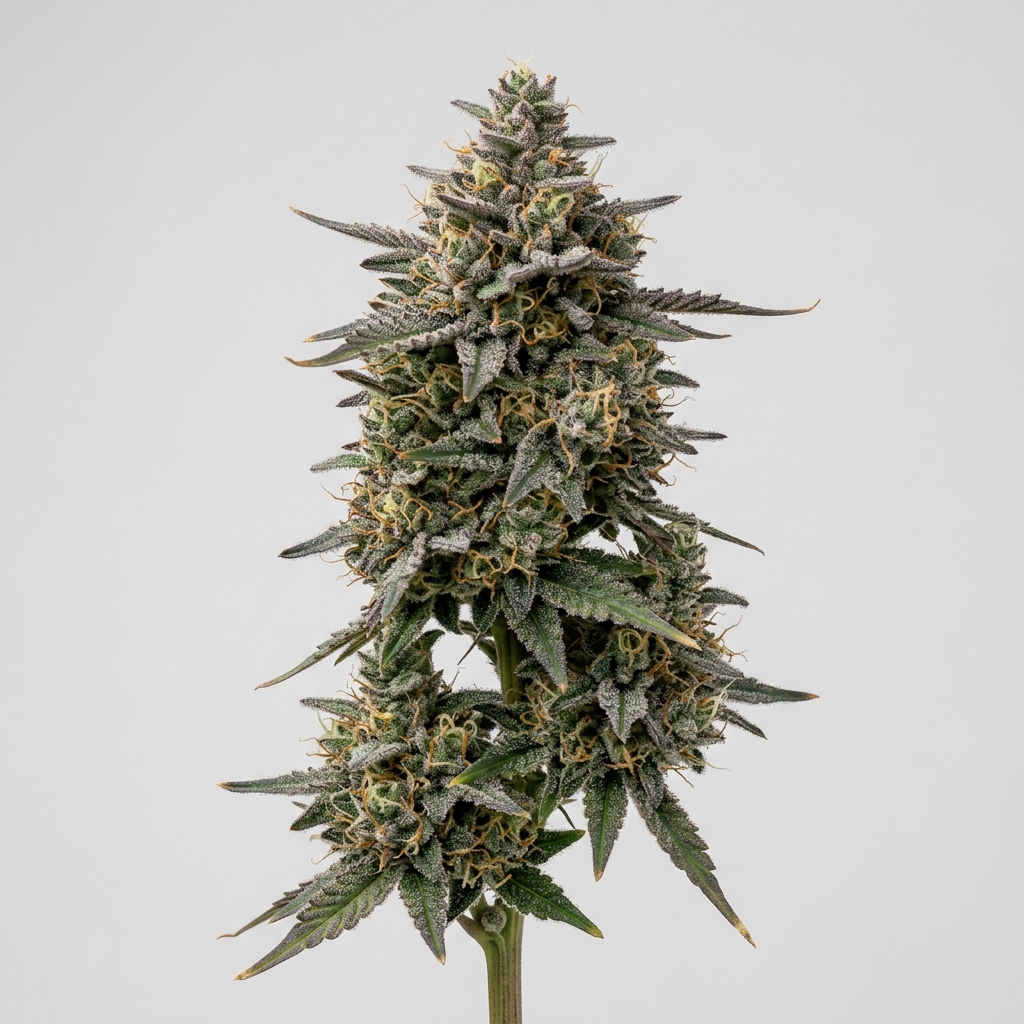
The strain has gained traction among cultivators seeking a distinct terpene profile that moves away from standard sweet fuel profiles toward a savory, dark berry edge. Under optimal late-flower conditions, the foliage often shifts to deep violet hues, while the swollen calyxes maintain a contrasting bright green tone under a heavy blanket of wet frost.
Quick Facts
| Metric | Details |
|---|---|
| Genetics | Grape Kush × Peanut Butter Breath |
| Variety | Indica-dominant hybrid |
| THC Range | 20% – 26% |
| Flowering Time | 8 – 9 Weeks (56 – 63 days) |
| Yield Potential | Moderate to High |
| Plant Height | Medium |
| Climate Preference | Temperate, controlled indoor |
| Difficulty | Moderate |
Scientific & Botanical Overview
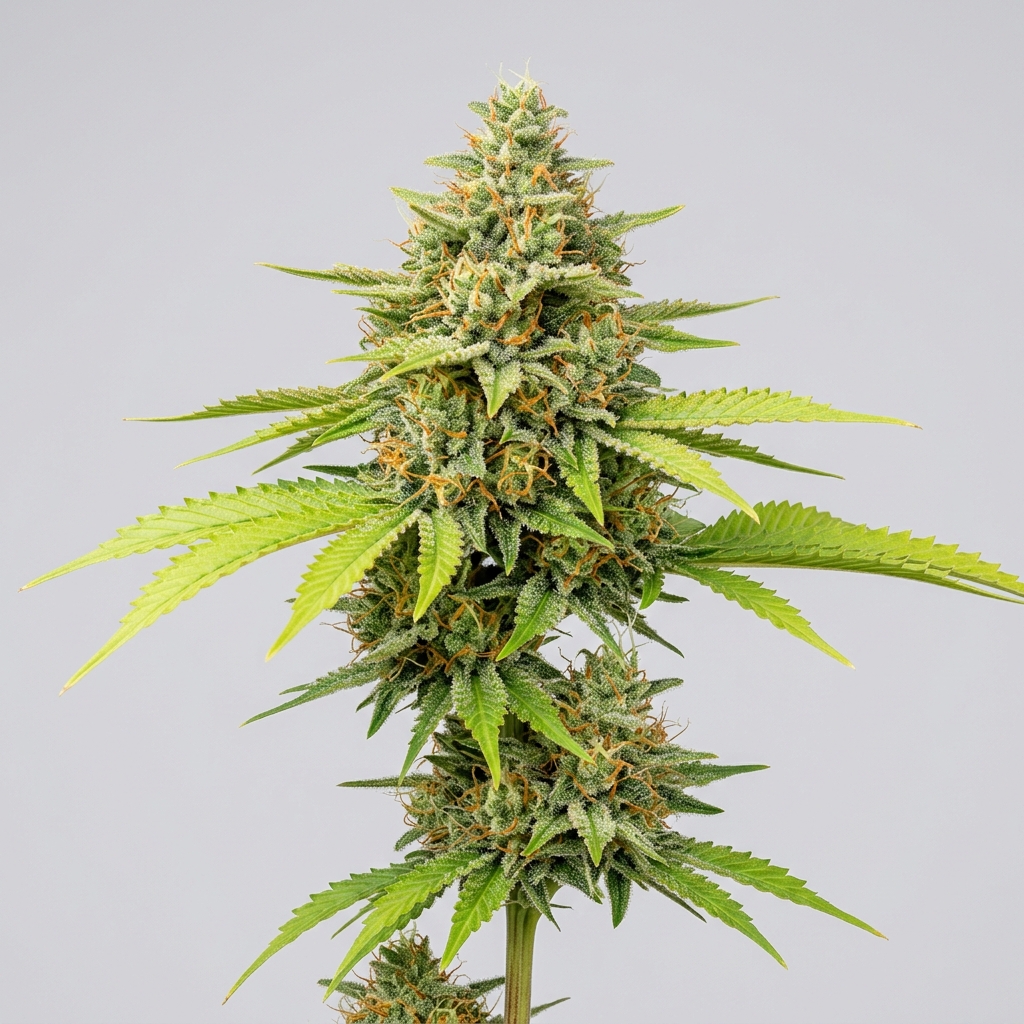
Botanically, Grape Peanut Butter Kush displays classic indica morphology, characterized by broad fan leaves and a sturdy, stocky frame. The plants carry tight internodes that require early leaf tucking or strategic defoliation to ensure adequate light penetration to the lower bud sites.
During the transition to flower, the cultivar manages its stretch predictably, typically doubling in height without the unruly elongation common in sativa-leaning hybrids. The lateral branches develop strong wood, which supports the weight of the dense, resin-rich flowers without requiring excessive support systems.
The calyx-to-leaf ratio is highly favorable, producing tightly packed spear colas that dry down to highly manicured, shelf-ready buds. The resin glands are predominantly capitate-stalked trichomes, which mature from clear to a milky amber state around day 60 of flowering.
Effects & Use-Cases (Reported)
Commonly reported effects: Consumers frequently describe a heavy, physical relaxation that settles into the limbs, accompanied by a calm, slow-paced mental state. The physical impact is notable, easing muscle tension before transitioning into a quiet, sedentary finish.
Use-case context: Given its heavy physical footprint, this strain is best suited for late-evening use or post-activity recovery when physical demands are minimal. It is commonly selected by those seeking relief from physical discomfort or looking to transition into restful sleep.
Note: Individual tolerance and dosage play a significant role in the overall duration; novice consumers should approach this cultivar with caution due to its rapid physical onset.
Aroma & Flavors
Aroma: The initial jar opening releases a heavy wave of roasted nuts and earthy kush, followed closely by a sharp, dark berry edge and a subtle hint of tart gas.
Flavor: On the palate, the strain translates cleanly, offering a savory peanut butter flavor on the inhale, followed by a sweet, slightly tart grape finish that lingers on the exhale.
Terpene associations: The sensory profile is driven by a dominant concentration of caryophyllene, supported by limonene and myrcene, which provide the underlying spicy, citrus, and herbal notes.
Tested Cannabinoid & Terpene Ranges
| Compound | Type | Typical Range |
|---|---|---|
| Δ9-THC | Cannabinoid | 20.0% – 26.0% |
| CBG | Cannabinoid | 0.5% – 1.2% |
| Caryophyllene | Terpene | 0.6% – 1.1% |
| Limonene | Terpene | 0.4% – 0.8% |
| Myrcene | Terpene | 0.3% – 0.7% |
Note: Cannabinoid and terpene levels are highly variable and depend on specific phenotype, cultivation methods, and curing protocols.
Cultivation Notes
- Humidity management: Maintain relative humidity below 45% during the final three weeks of flowering to protect the dense, compact colas from moisture retention.
- Nutrient requirements: This cultivar responds well to moderate feeding schedules; avoid excessive nitrogen during early flower to prevent leafy bud structures.
- Canopy training: Implement a single topping at the fourth or fifth node, followed by a low-stress training (LST) regimen to create a flat, even canopy.
- Harvest window: Monitor trichome maturity closely; harvest when roughly 15% of the trichome heads turn amber for the most balanced physical profile.
- Phenotype variation: Keep an eye out for darker phenotypes that display deep purple coloration early in week six of flower, as these often carry the strongest grape aroma.
Grower Notes (Week-by-Week Snapshot)
- Weeks 1–3 (Vegetative & Early Flower): Focus on building a strong root system and establishing canopy structure; the plant shows tight internodes, so early defoliation of broad fan leaves is recommended to improve airflow.
- Weeks 4–6 (Mid-Flower): The stretch slows down, and the plant begins developing dense bracts; ensure light penetration is optimized and monitor for any sudden calcium or magnesium demands.
- Weeks 7–9 (Late Flower & Flush): Lower the night temperatures by 5–8°F to encourage the expression of deep purple anthocyanins, and initiate a clean water flush during the final 10 days.
- Post-Harvest (Dry & Cure): Hang-dry the whole plant at 60°F and 60% relative humidity for 12 to 14 days to preserve the delicate grape and nutty terpenes before starting a minimum four-week cure.
Genetic Lineage
Grape Peanut Butter Kush derives its unique profile from a deliberate pairing of two highly regarded parent lines. The maternal contributor, Grape Kush, is celebrated for its sweet, dark fruit aroma and robust growth characteristics, passing down the distinct berry notes and structural resilience.
The paternal side is influenced by Peanut Butter Breath, a modern classic known for its distinct nutty, doughy profile and heavy resin production. This lineage infuses the cross with dense, glassy trichomes and a deeply relaxing physical effect, balancing the sweet fruit notes with an earthy, savory base.
Research Insights
Analytical testing indicates that the unique scent profile of this cultivar is largely due to the interaction between sesquiterpenes and monoterpenes. High levels of caryophyllene interact with trace amounts of linalool, creating the complex nutty-berry aroma that defines the strain’s sensory identity.
The high concentration of capitate-stalked trichomes makes this strain highly viable for solventless extraction methods. The greasy resin texture yields clean, terpene-rich concentrates that retain the distinct grape and nutty flavors through the pressing process.
Frequently Asked Questions
What are the primary aromas of Grape Peanut Butter Kush?
The primary aromas are roasted nuts, earthy kush, and sweet grape, with a subtle hint of tart gas on the finish.
Does this strain turn purple during flowering?
Yes, many phenotypes will develop deep purple foliage and violet hues in the buds, especially when night temperatures are lowered during late flower.
Is Grape Peanut Butter Kush easy to grow?
It is of moderate difficulty. The plant is structurally sturdy, but growers must manage late-flower humidity carefully due to the high density of the colas.
What are the parent strains?
Grape Peanut Butter Kush is a direct cross between Grape Kush and Peanut Butter Breath.
Educational Disclaimer
This article is intended solely for educational, scientific, and horticultural reference. It does not constitute medical advice or encourage the illegal cultivation or consumption of controlled substances.
Rate and review this strain
Ratings and reviews are accepted only from signed-in Google accounts.
Sign in with Google to leave a rating and written review.
Latest Reviews
0 reviewsNo reviews yet. Be the first Google user to rate and review this strain.