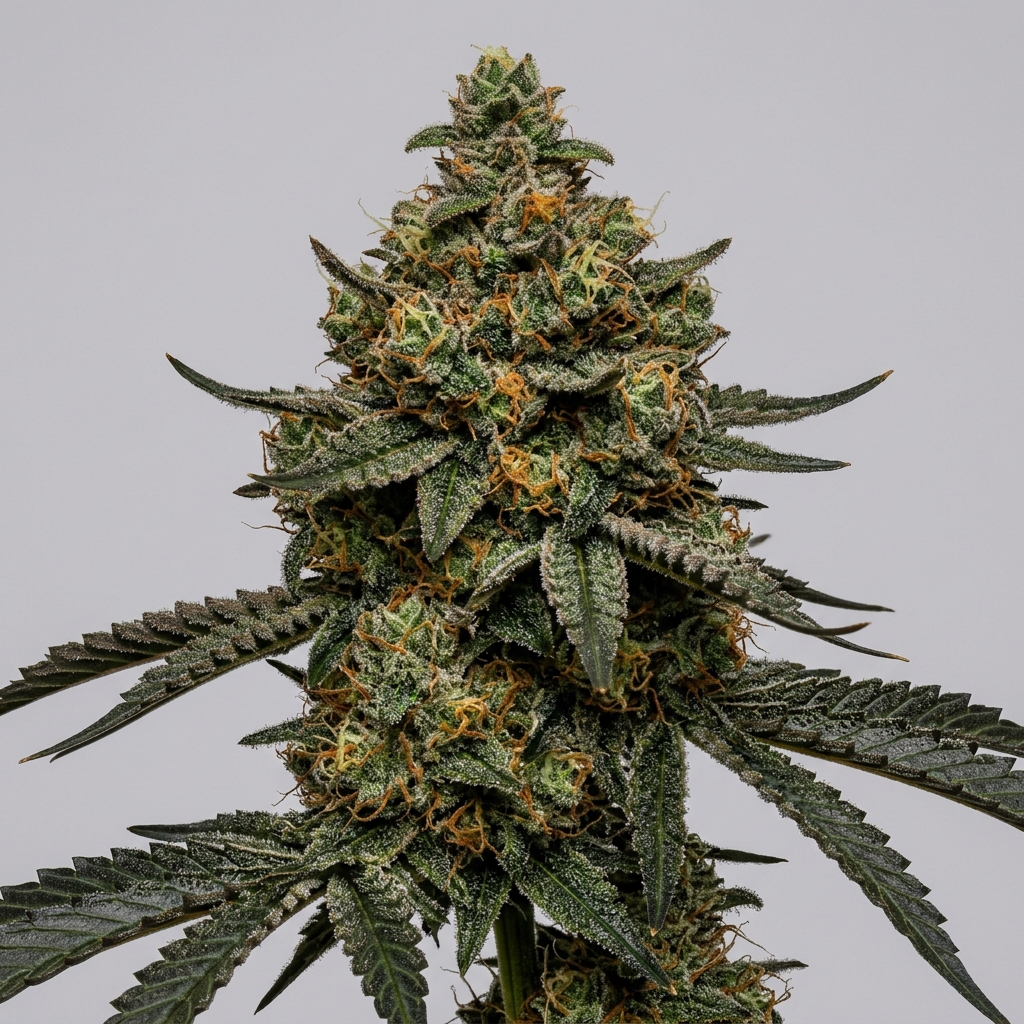
Cataract Kush (Cannabis Strain)
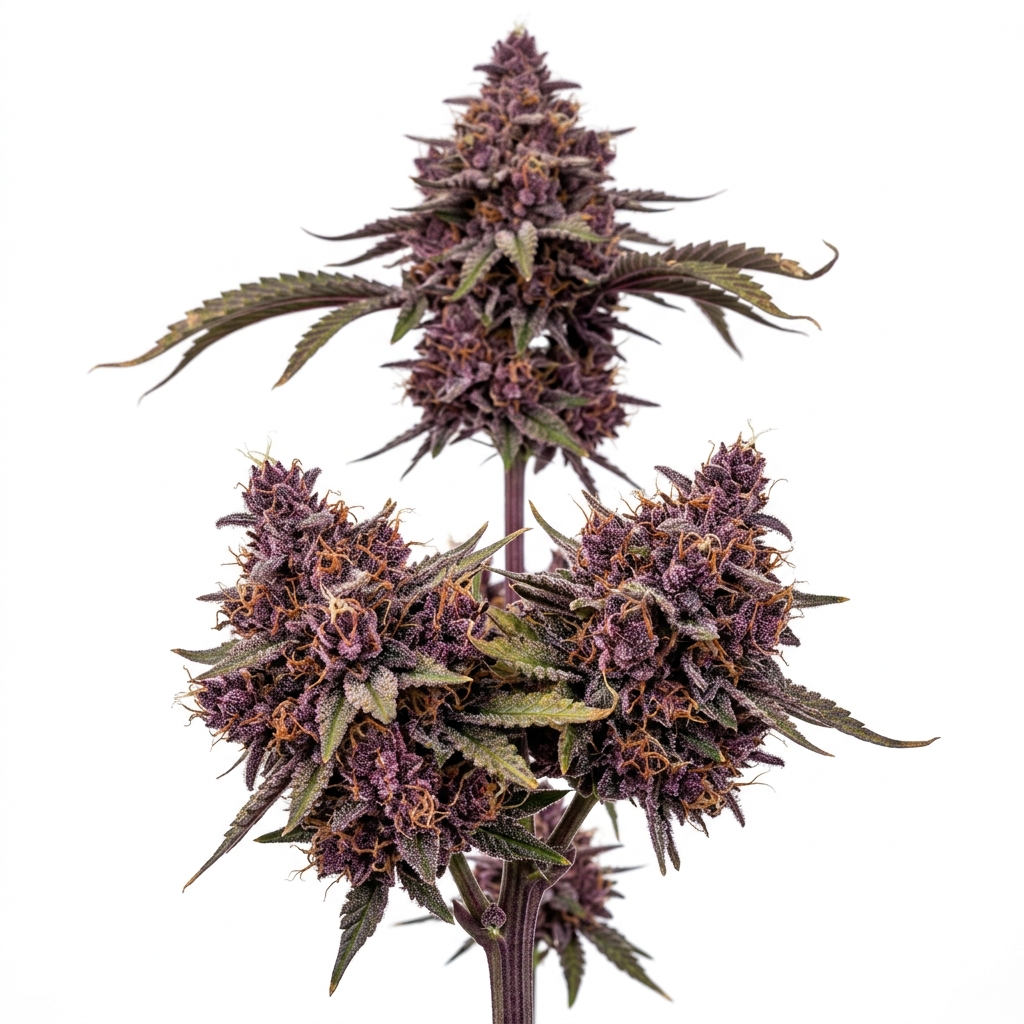
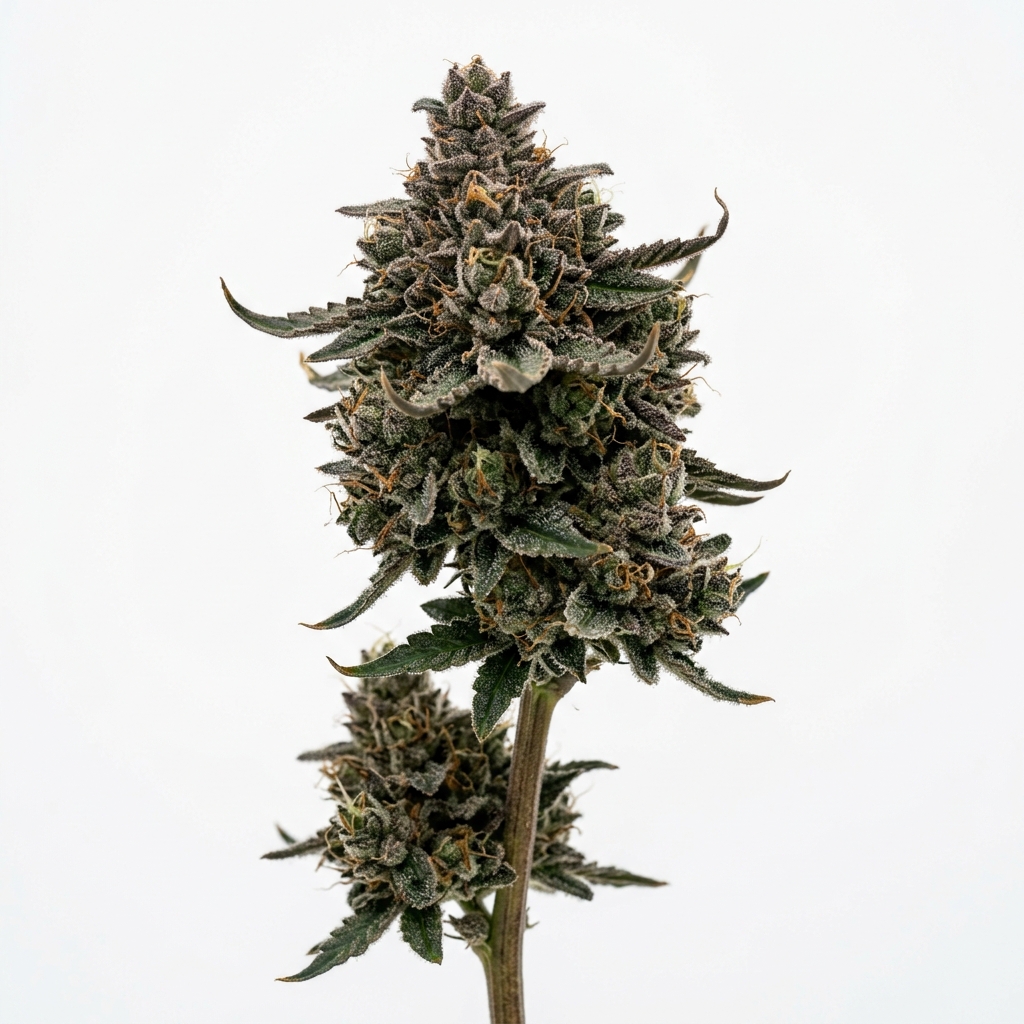
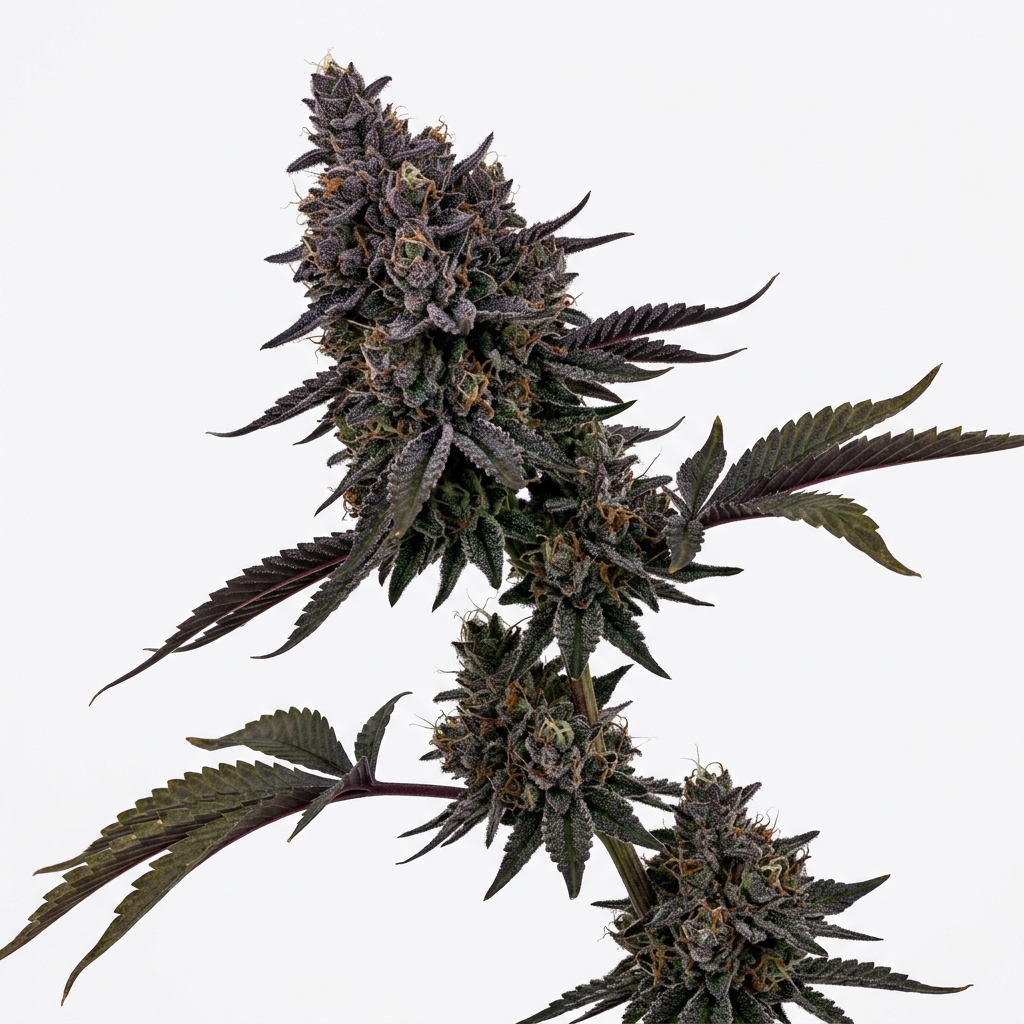
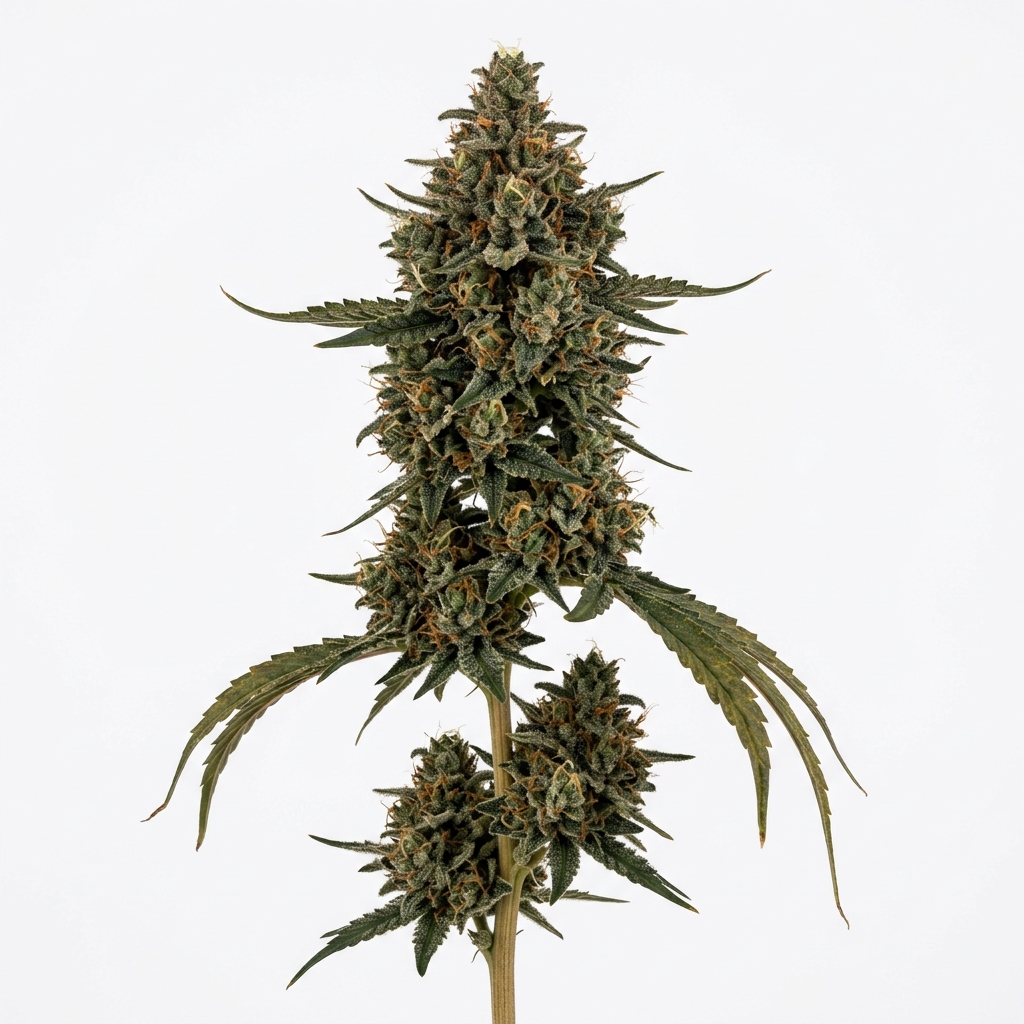
Cataract Kush is a heavy, indica-dominant hybrid crossing the legendary LA Confidential and OG Kush, typically testing between 20% and 24% THC. Known for its creeping, heavy-lidded physical effects and massive resin production, this cultivar features a classic profile of damp earth, spicy pine, and fuel-heavy gas. It grows as a squat, sturdy plant with broad fan leaves and tight internodes, producing dense, glassy buds coated in a thick layer of greasy resin.
Breeder-reported data suggests the strain is highly valued by those seeking deep physical relaxation and a slow-rolling mental calm. Its dense bracts and heavy trichome coverage perform well in solventless extraction, where the earthy terpene profile remains highly pronounced.
Quick Facts
| Attribute | Detail |
|---|---|
| Genetics | LA Confidential × OG Kush |
| Variety | Indica-dominant hybrid |
| THC Range | 20% – 24% |
| Flowering Time | 8 – 9 weeks |
| Yield Potential | Moderate to High |
| Plant Height | Short to Medium |
| Climate Preference | Temperate, low humidity |
| Difficulty | Moderate |
Scientific & Botanical Overview
Cataract Kush shows classic indica morphology, characterized by a squat stature, broad fan leaves, and a dense, compact canopy. The plant allocates significant energy to developing thick lateral branches that support heavy, resin-rich flowers. Its nodal spacing remains tight throughout the vegetative stage, requiring consistent canopy management to ensure light penetration.
During the flowering cycle, the cultivar develops tight, bulbous colas with swollen calyxes that stack closely together. The resin glands mature early, producing a greasy layer of trichomes that covers both the buds and the surrounding sugar leaves. Under cooler nighttime temperatures in late flower, some phenotypes display deep forest green hues with subtle purple undertones.
The structural density of the buds demands careful humidity control, particularly during the final weeks of bloom. High air circulation is critical to prevent moisture retention within the compact floral clusters.
Effects & Use-Cases (Reported)
Commonly reported effects: A slow-onset physical heaviness, intense ocular pressure relaxation, deep sedation, and a calm, quiet headspace.
Use-case context: Best suited for late evening or nighttime use, often chosen by those looking to unwind after physical exertion or prepare for rest.
Note: Due to its creeping nature, the physical effects can feel significantly heavier after thirty to forty-five minutes than they do upon initial inhalation.
Aroma & Flavors
Aroma: Pungent damp earth, spicy pine, and a sharp, chemical gas undertone that intensifies when the buds are broken apart.
Flavor: A heavy, throat-coating earthy kush base accented by a spicy herbal note and a subtle, dark berry edge on the exhale.
Terpene associations: Myrcene, caryophyllene, and limonene dominate the analytical profile, shaping both the classic fuel-like aroma and the deep physical response.
Tested Cannabinoid & Terpene Ranges
| Compound | Tested Range |
|---|---|
| Δ9-THC | 20.0% – 24.0% |
| CBD | < 1.0% |
| CBG | 0.5% – 1.2% |
| Myrcene | 0.6% – 1.2% |
| Caryophyllene | 0.3% – 0.7% |
| Limonene | 0.2% – 0.5% |
Values are literature-informed averages from tested samples and will vary based on cultivation environment, nutrient regimen, and specific phenotype.
Cultivation Notes
- Keep vegetative time moderate to manage the tight, bushy canopy before initiating the flowering stretch.
- Defoliate lower fan leaves systematically during early flower to improve airflow and direct energy to the upper spear colas.
- Maintain late-flower relative humidity below 45% to safeguard the dense, resinous bracts from moisture-related issues.
- Feed with a balanced nutrient regimen, as the strain tolerates moderate to heavy feeding during its peak structural development.
- Execute a slow, two-week dry and cure to preserve the volatile fuel and pine terpenes that define its cured aroma.
Grower Notes (Week-by-Week Snapshot)
- Weeks 1–3 (Transition & Stretch): The plant undergoes a controlled stretch, usually doubling in size. Focus on tucking large fan leaves and establishing a flat, even canopy under the trellis.
- Weeks 4–6 (Bud Formation & Resin): White pistils form dense clusters as the first visible resin glands appear along the bract edges. Ensure lateral branches are supported, as the developing colas quickly become heavy.
- Weeks 7–9 (Ripening & Flush): The buds swell significantly, displaying a wet frost appearance. Reduce humidity, monitor trichome amber ratios, and initiate a clean water flush to clear residual nutrients.
Genetic Lineage
The lineage of Cataract Kush is a direct pairing of two highly influential West Coast classics: LA Confidential and OG Kush. LA Confidential contributes its signature structural stability, deep physical sedation, and dark, broad-leaf morphology. This parent strain is well-regarded for producing dense, resin-rich flowers with a distinct spicy and pine-forward profile.
The OG Kush parent infuses the cross with its characteristic fuel-like gas aroma, sharp citrus lift, and intense potency. This combination results in a hybrid that retains the classic, heavy-hitting attributes of old-school Kush genetics while offering a more predictable, sturdy growth habit in the garden.
Research Insights
Analytical testing of Cataract Kush frequently highlights a dominant concentration of myrcene and caryophyllene, which work together to produce the strain’s characteristic heavy physical profile and spicy, fuel-like undertones. The presence of secondary terpenes like limonene provides a subtle bright note, though the overall chemical signature remains firmly rooted in heavy, earthy sesquiterpenes.
Horticultural observation indicates that the heavy resin production is driven by dense trichome coverage on both the calyxes and surrounding sugar leaves. This high concentration of glandular trichomes makes the cultivar highly stable during post-harvest handling, preserving its terpene clarity and potency throughout a proper cure.
Frequently Asked Questions
Is Cataract Kush suitable for beginners?
While the plant’s short stature makes it easy to manage in small spaces, its dense bud structure requires careful humidity control, making it better suited for growers with some experience.
How much does Cataract Kush stretch during flowering?
The strain shows a very controlled stretch, typically only doubling its vegetative height, which is characteristic of its strong indica heritage.
What is the typical flowering time for this strain?
Most phenotypes of Cataract Kush reach full maturity and are ready for harvest within 8 to 9 weeks of flowering.
What does the name “Cataract” refer to?
The name is a playful reference to the strain’s heavy, creeping physical effects, which often cause a strong sensation of heavy-lidded relaxation around the eyes.
Educational Disclaimer
This article is for educational and informational purposes only. Cannabis laws and regulations vary by jurisdiction. Cultivation should only be undertaken where legally permitted.
Rate and review this strain
Ratings and reviews are accepted only from signed-in Google accounts.
Sign in with Google to leave a rating and written review.
Latest Reviews
0 reviewsNo reviews yet. Be the first Google user to rate and review this strain.
Follow New Cultivar Records
Get newly documented genetics, breeder history, research highlights, and important Strainpedia discoveries by email.