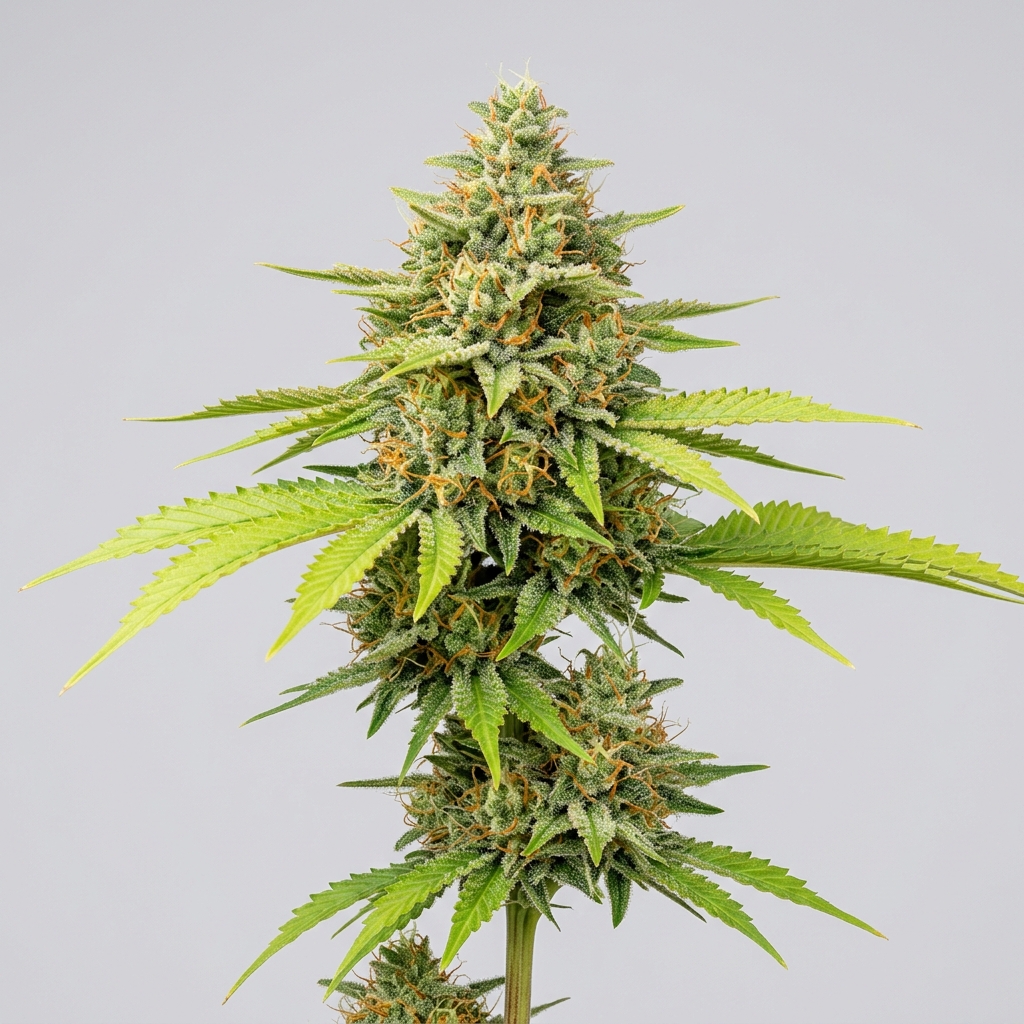
Critical Jack (Cannabis Strain)
Critical Jack is a vigor-forward, sativa-dominant hybrid testing between 15% and 21% THC, bred by crossing Critical Plus with the legendary Jack Herer. This cultivar combines a sharp citrus lift and sweet haze aroma with a heavy coat of glassy trichomes and rapid, productive growth. It is highly regarded for its massive spear colas, making it a favorite for both commercial greenhouse production and boutique personal gardens.
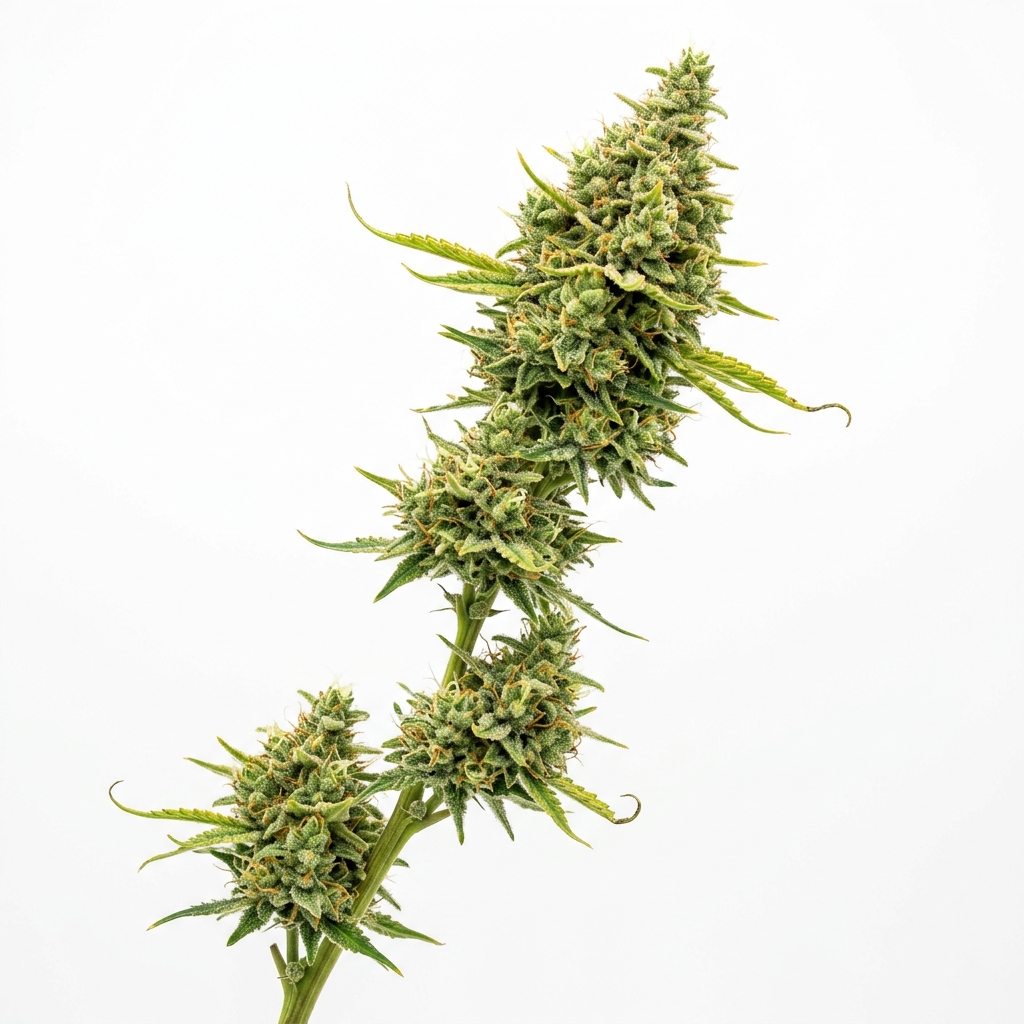
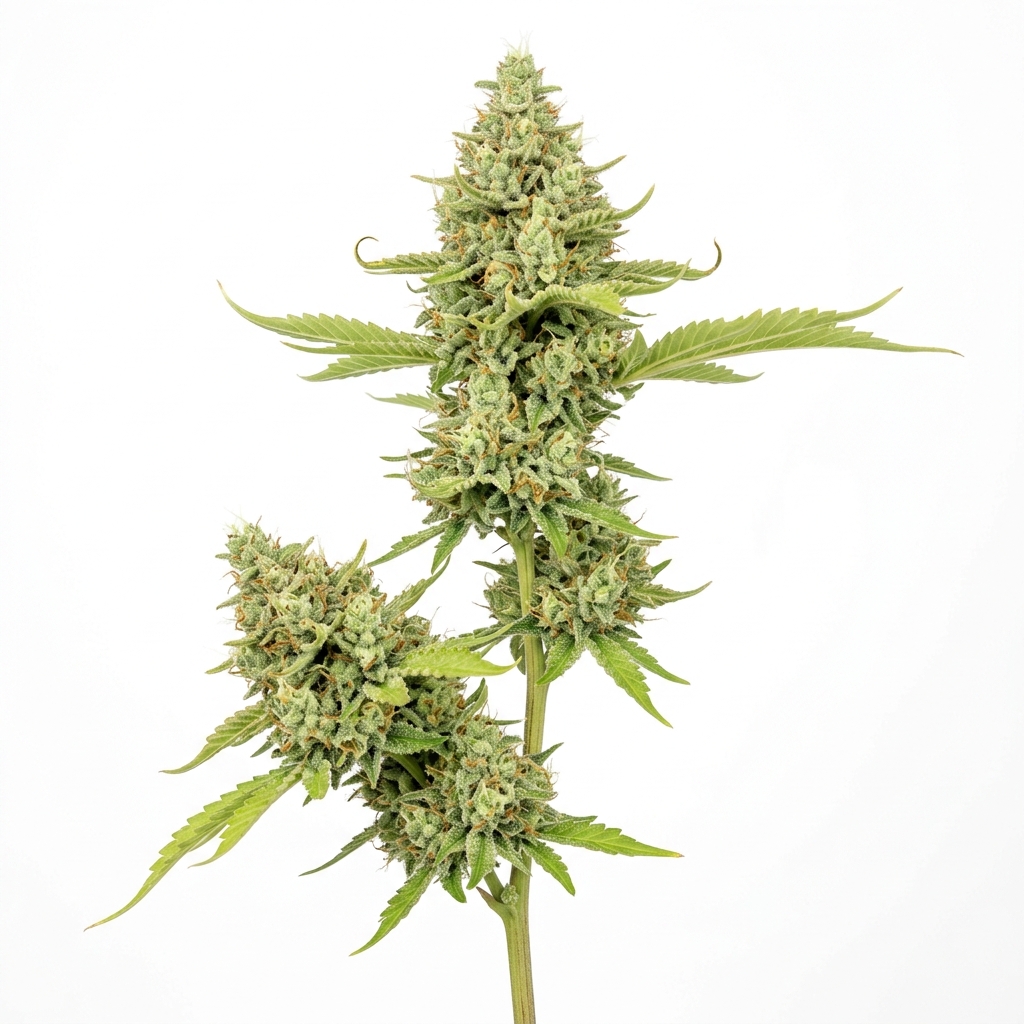
Cultivators appreciate this strain for its robust resistance to environmental stressors and its notably short flowering cycle for a sativa-dominant plant. It delivers a clean, functional clarity that carries none of the heavy physical drag associated with deeper indicas. In Mediterranean climates, outdoor plants easily reach impressive heights, expressing their genetic lineage with broad, light-green fan leaves and highly resinous floral clusters.
Quick Facts
| Attribute | Details |
|---|---|
| Genetics | Critical Plus × Jack Herer |
| Variety | Sativa-dominant Hybrid (approx. 60/40) |
| THC Range | 15% – 21% |
| Flowering Time | 8 – 9 Weeks (55 – 65 Days) |
| Yield Potential | High (up to 625g/m² indoors) |
| Plant Height | Medium to Tall (significant stretch) |
| Climate Preference | Warm, dry, Mediterranean-style climates |
| Difficulty | Moderate |
Scientific & Botanical Overview
From a botanical perspective, this cultivar shows a classic hybrid structure with a strong sativa bias in its growth patterns. The vegetative phase is marked by rapid vertical development and expansive lateral branching, a trait directly inherited from its Skunk-descended parentage. The internodal spacing is moderately wide, allowing for excellent light penetration and airflow through the lower canopy when properly managed.
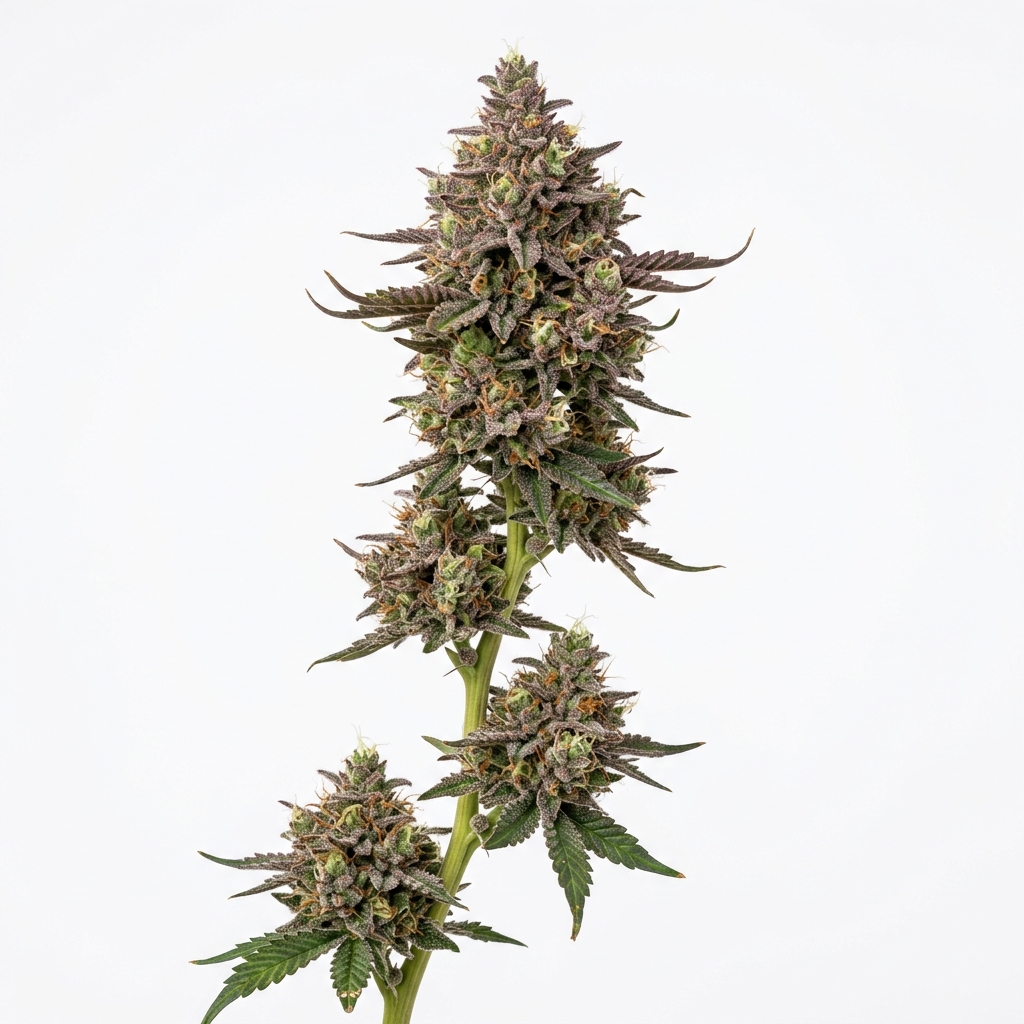
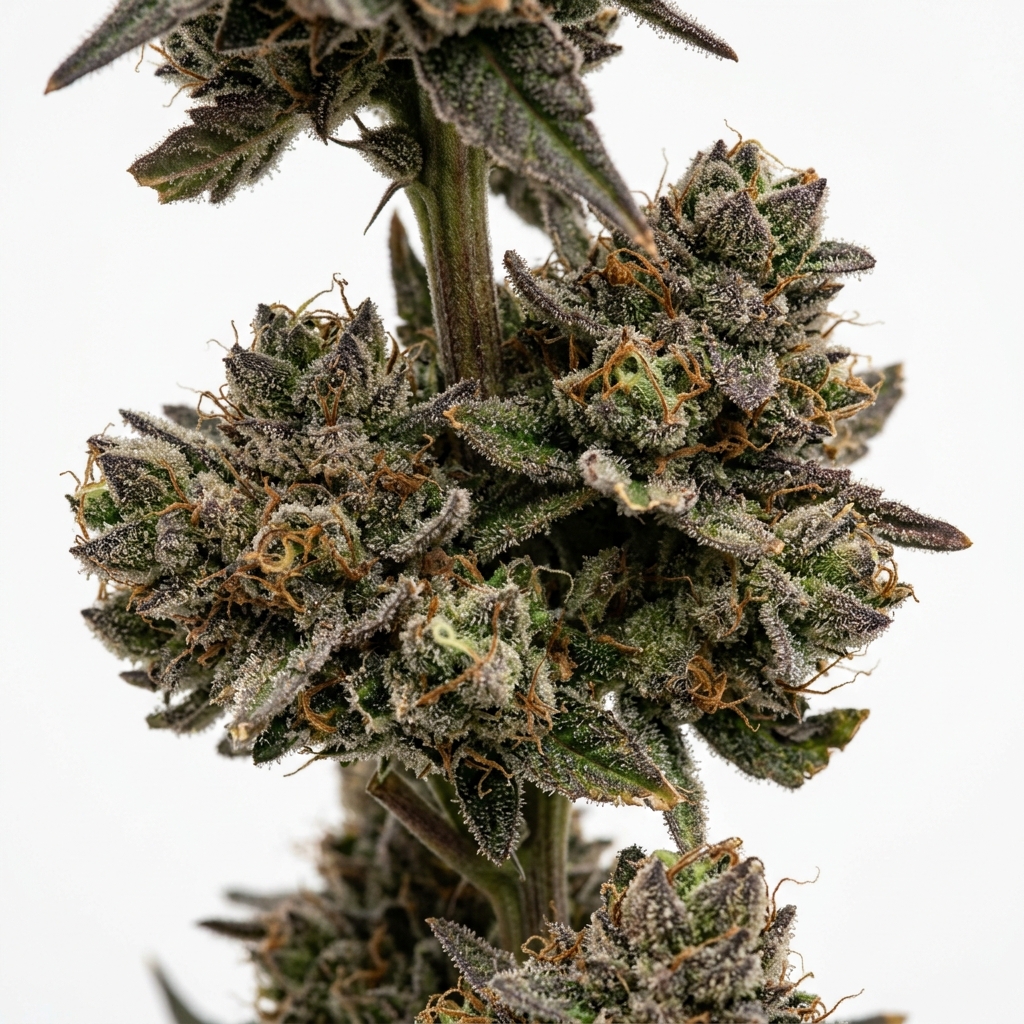
The inflorescences are characterized by elongated, spear-shaped colas composed of swollen calyxes and thin, bright-orange pistils. The bract density is high, but the overall flower structure remains sufficiently open to mitigate some moisture retention risks. Under magnification, the trichome distribution is dense and uniform, showing long stalks with well-formed, glassy heads that mature to a soft amber hue.
Foliar analysis typically reveals broad but sharply serrated fan leaves that transition to a lighter green as the plant approaches maturity. The cultivar shows a strong nutrient uptake capacity, particularly favoring nitrogen during its aggressive vegetative stretch and phosphorus-potassium formulations during peak flower development. Its resilient root system adapts well to both soil-based and hydroponic media.
Effects & Use-Cases (Reported)
Commonly reported effects: Users frequently describe an immediate, clear-headed energy that elevates focus and promotes cognitive clarity without inducing physical jitters. The initial experience is light and cerebral, gradually settling into a gentle, functional body relaxation that does not interfere with daily productivity or physical movement.
Use-case context: This profile makes the cultivar exceptionally well-suited for daytime activities, creative projects, and outdoor tasks requiring sustained mental focus. It is often integrated into morning or early afternoon routines, as its clean finish lacks the heavy, sedative comedown associated with later-harvested indica varieties.
Note: Due to the prominent sativa influence and rapid cerebral onset, individuals prone to anxiety or those with low tolerance should approach initial sessions with moderate, measured dosing to avoid overstimulation.
Aroma & Flavors
Aroma: The primary scent profile is dominated by a sharp citrus lift, characterized by fresh lemon peel and tart grapefruit notes. This bright opening is grounded by a deep, woodsy incense undertone and a distinct pine-like sweetness that lingers in the room long after the flower is handled.
Flavor: On the palate, the smoke or vapor delivers a crisp, sweet haze flavor accented by hints of black pepper and dry cedar. The exhale is clean and smooth, leaving a faint mint finish and a delicate earthiness that reflects its classic Dutch lineage.
Terpene associations: Laboratory testing frequently identifies terpinolene as the dominant terpene, supported by secondary concentrations of beta-caryophyllene, myrcene, and pinene, which collectively drive its complex, herbaceous-citrus profile.
Tested Cannabinoid & Terpene Ranges
| Compound | Typical Range (Dry Weight) |
|---|---|
| Δ9-THC | 15.0% – 21.0% |
| CBG / CBGA | 0.5% – 1.2% |
| Terpinolene | 0.3% – 0.8% |
| beta-Caryophyllene | 0.2% – 0.5% |
| Myrcene | 0.1% – 0.4% |
| Pinene | 0.1% – 0.3% |
Note: Cannabinoid and terpene profiles are highly variable and depend entirely on the specific phenotype, growing medium, environmental conditions, and curing protocols employed by the cultivator.
Cultivation Notes
- Stretch Management: Expect significant vertical stretch during the first three weeks of flowering; early topping or low-stress training (LST) is highly recommended to control canopy height indoors.
- Nutrient Requirements: This cultivar is a heavy feeder that tolerates higher EC levels, particularly during peak vegetative growth and mid-flower swelling.
- Support Systems: Due to the massive size and weight of the ripening spear colas, trellising or bamboo stakes are necessary to prevent branch breakage in late flower.
- Humidity Controls: Maintain late-flower relative humidity (RH) below 45% to protect the dense, resin-rich flower clusters from moisture-related issues.
- Phenotype Variation: Most selections express a uniform, sativa-leaning structure, but look for phenotypes that finish closer to 55 days while retaining the sharp Jack Herer aroma.
Grower Notes (Week-by-Week Snapshot)
- Weeks 1–3 (Transition & Stretch): Plants will double in size. Implement a Screen of Green (ScrOG) system and prune lower, non-productive bud sites to maximize airflow and direct energy to the upper canopy.
- Weeks 4–6 (Flower Development): White pistils form rapidly, creating long, continuous colas. Increase phosphorus and potassium inputs, and ensure structural supports are firmly in place.
- Weeks 7–9 (Ripening & Flush): Calyxes swell and trichomes transition from clear to milky. Reduce environmental humidity, taper off nutrients, and perform a thorough two-week flush with pure, pH-balanced water.
- Post-Harvest (Dry & Cure): Hang-dry the whole plant at 60°F (15°C) and 60% relative humidity for 10 to 14 days to preserve delicate monoterpenes like terpinolene before jar curing.
Genetic Lineage
The genetic architecture of this strain is a deliberate pairing of two highly influential European breeding lines. The mother plant, Critical Plus, is an elite Spanish selection known for its heavy production, reliable structure, and rapid flowering speed, which traces its own ancestry back to Skunk #1 and Big Bud. This element infuses the hybrid with its commercial viability and dense floral clusters.
The pollen donor, Jack Herer, is a classic Dutch sativa-dominant cultivar combining Haze, Northern Lights #5, and Shiva Skunk. This lineage contributes the signature pine-incense aroma, the soaring, clear-headed cerebral effects, and a robust resistance to common garden pathogens. The resulting offspring successfully retains the short flowering window of the Critical parent while capturing the complex sensory traits of the Jack Herer line.
Research Insights
Analytical data indicates that the synergistic relationship between the high concentration of terpinolene and moderate levels of beta-caryophyllene plays a significant role in modulating the user experience. Unlike myrcene-heavy hybrids that often induce physical lethargy, terpinolene-dominant profiles are frequently associated with uplifting, energizing, and focused cognitive outcomes in informal consumer trials.
Furthermore, agricultural researchers study this hybrid’s lineage due to its exceptional hybrid vigor and photosensitive efficiency. The plant’s ability to synthesize high levels of cannabinoids and volatile terpenes within a brief 60-day flowering window makes it a valuable subject for studies focusing on secondary metabolite production efficiency in commercial glasshouse settings.
Frequently Asked Questions
Is Critical Jack difficult to grow?
No, it is generally considered a moderate-difficulty strain. While its rapid vertical stretch requires active canopy management and training, its natural vigor, pest resistance, and forgiving nutrient tolerance make it highly accessible to intermediate growers.
What does Critical Jack smell like?
The primary aroma is a sharp, refreshing blend of tart citrus and sweet lemon, backed by a complex, earthy baseline of pine, cedar wood, and spicy incense inherited from its Jack Herer parent.
How long does it take to flower?
Indoors, the cultivar typically completes its flowering cycle in 8 to 9 weeks (55 to 65 days). Outdoors, it is usually ready for harvest in late September or early October in the Northern Hemisphere.
What are the typical effects of this strain?
It delivers an energetic, clear-headed, and functional experience. Users report a strong sense of focus and creative drive, making it an excellent option for daytime use, social gatherings, and physical activities.
Educational Disclaimer
This content is intended solely for educational, historical, and botanical reference purposes. Local laws regarding the cultivation, possession, and use of cannabis vary significantly by jurisdiction, and readers are advised to consult their local regulations before engaging in any cultivation activities.
Rate and review this strain
Ratings and reviews are accepted only from signed-in Google accounts.
Sign in with Google to leave a rating and written review.
Latest Reviews
0 reviewsNo reviews yet. Be the first Google user to rate and review this strain.
Follow New Cultivar Records
Get newly documented genetics, breeder history, research highlights, and important Strainpedia discoveries by email.