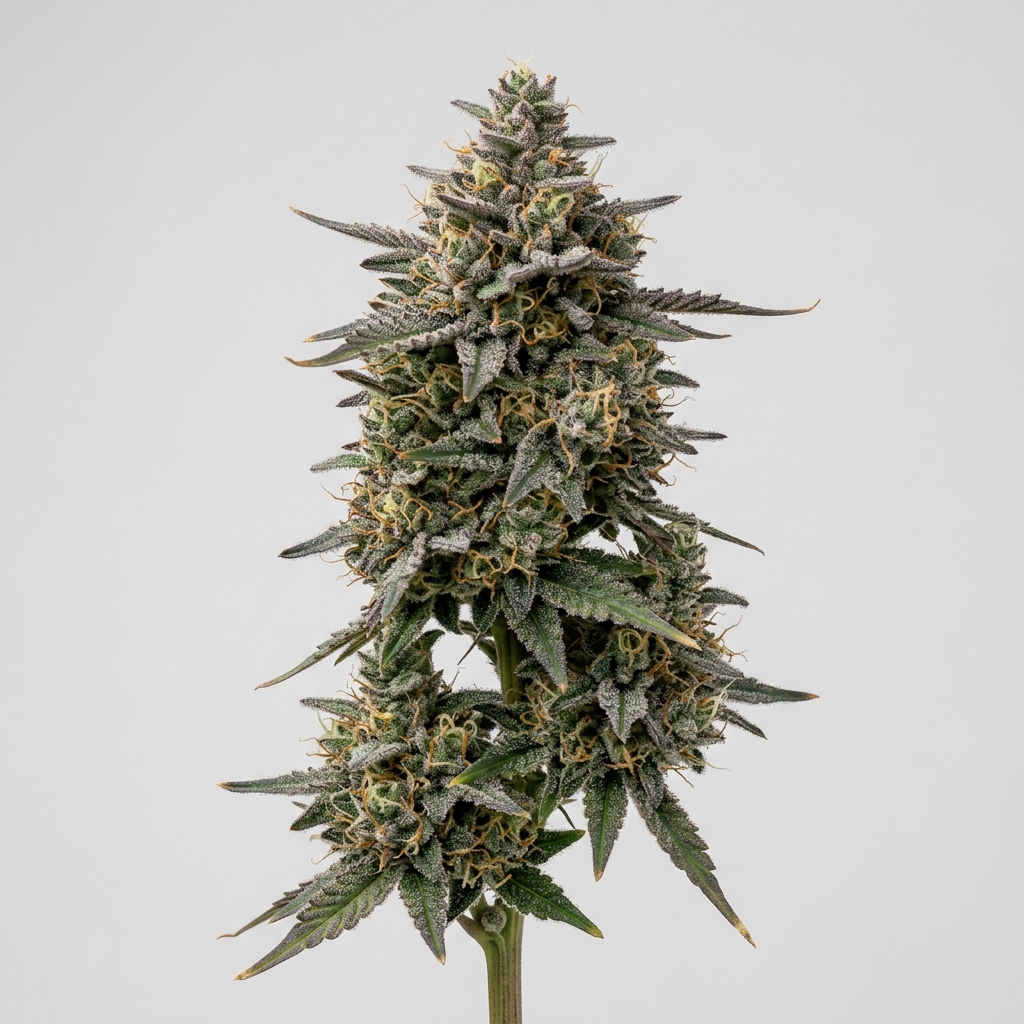
Blue Widow (Cannabis Strain)
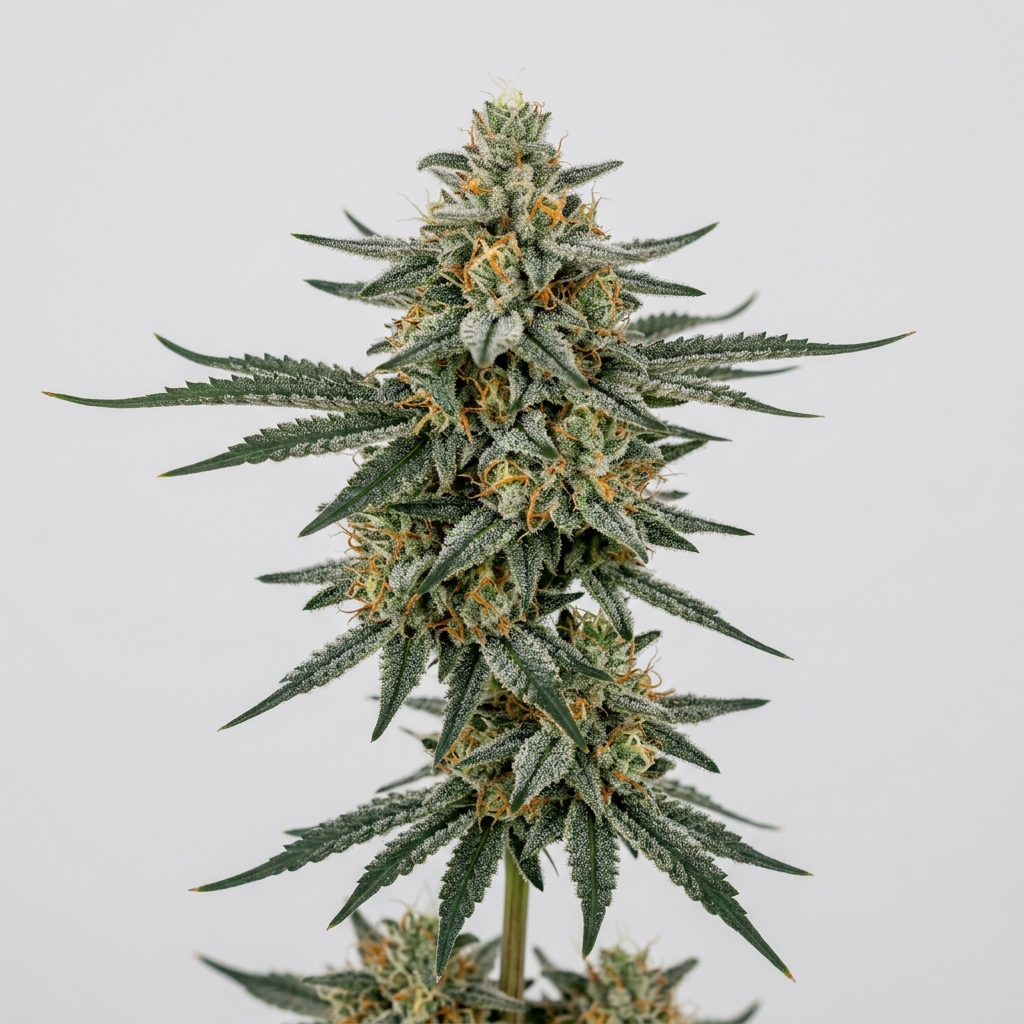
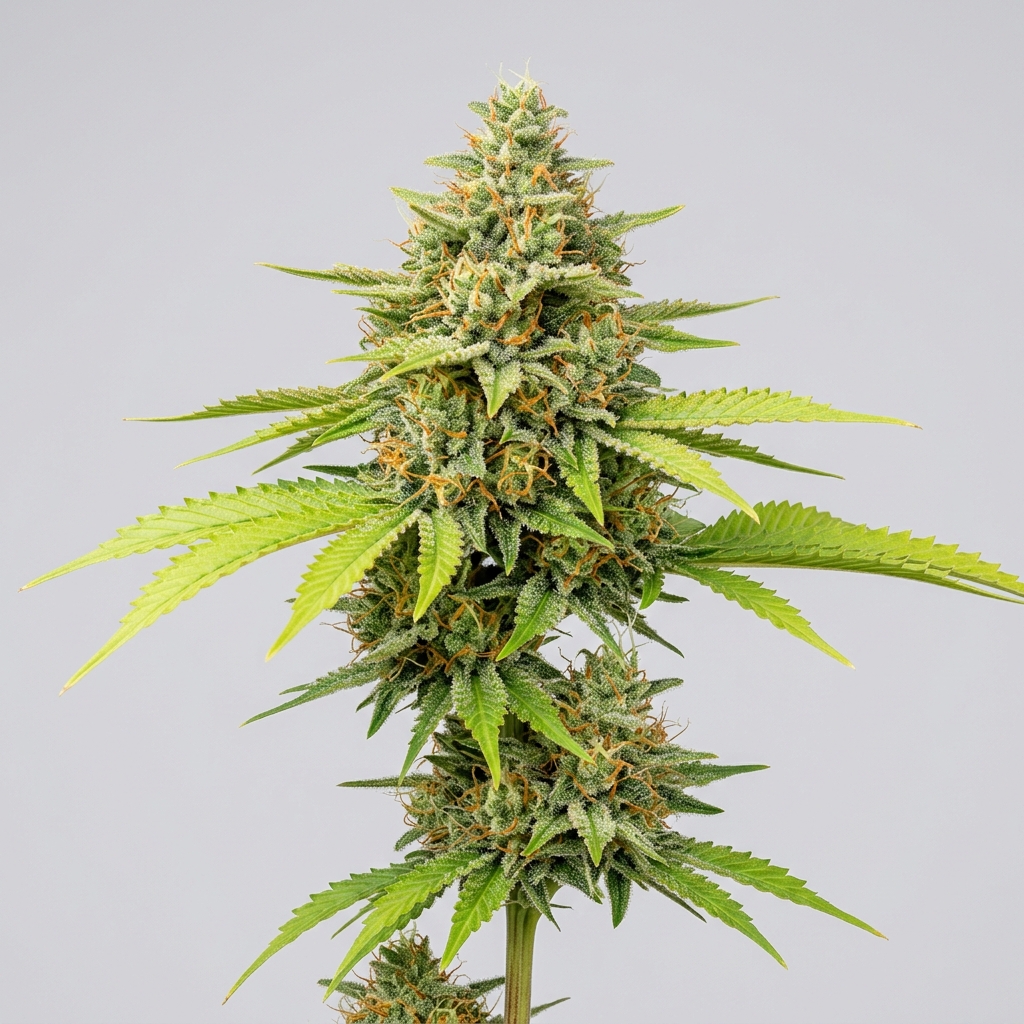
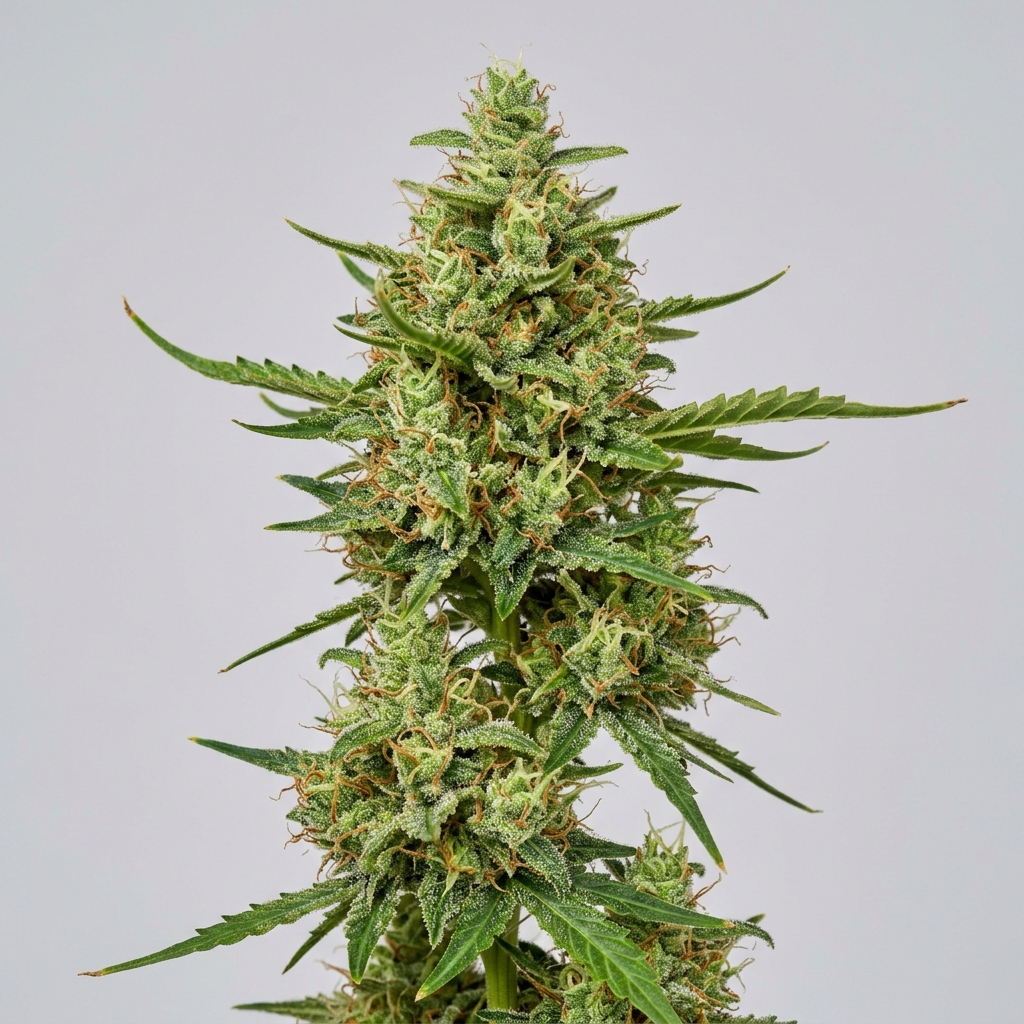
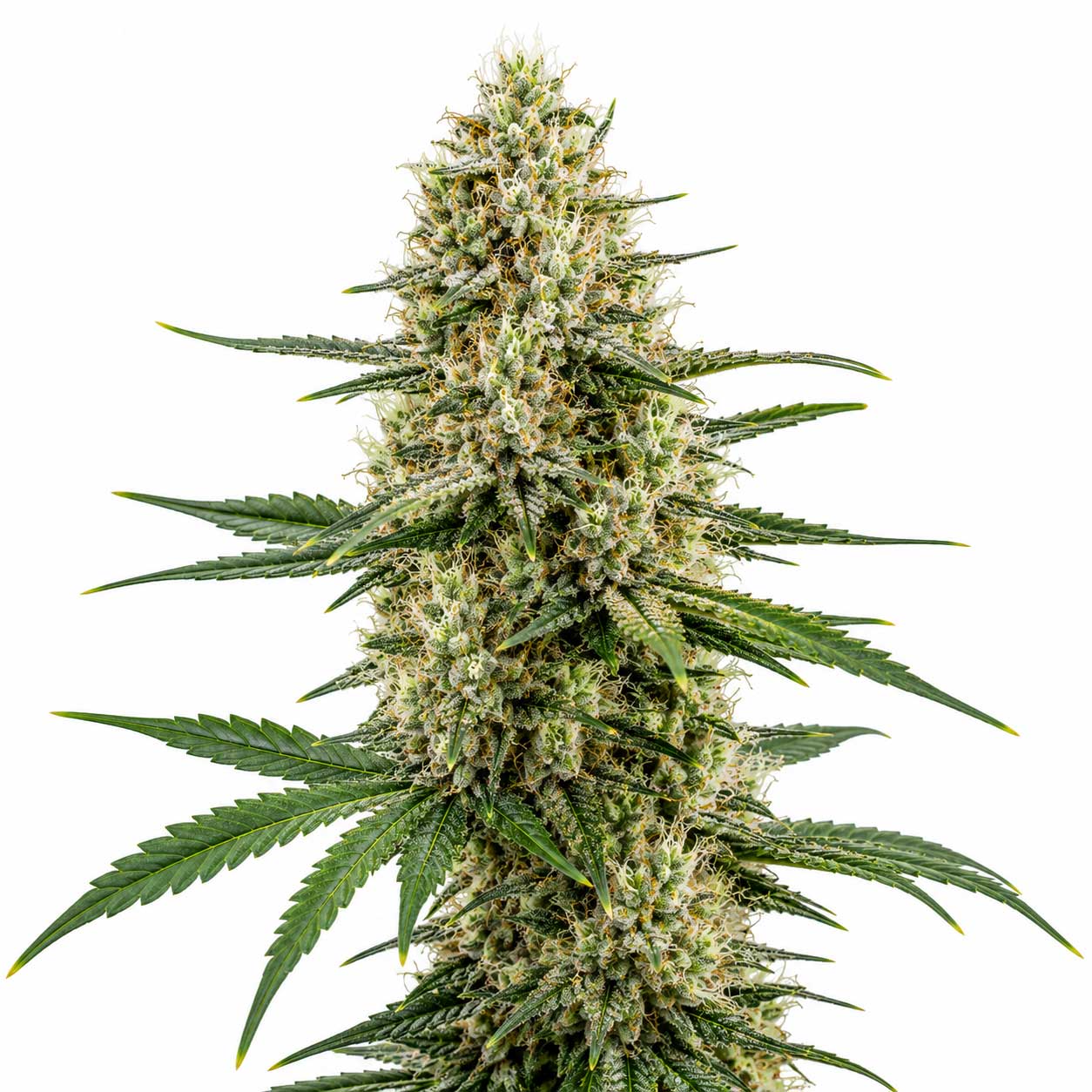
Blue Widow is an indica-dominant hybrid, typically testing between 15% and 22% THC, created by crossing the legendary Blueberry and White Widow cultivars. This classic pairing delivers a profile rich in sweet forest berries, earthy pine, and a faint woody spice, backed by a dense blanket of shimmering, resin-rich trichomes. Growers prize the variety for its manageable medium stretch, strong lateral branching, and vibrant purple-blue hues that emerge during the late-flower flush when night temperatures drop.
Often selected by cultivators seeking a reliable commercial yield with high visual appeal, the strain balances the structural resilience of its landrace-derived ancestors with contemporary market demands. The finished flowers are glassy, dense, and release a deep berry fragrance that intensifies during a slow, controlled cure.
Quick Facts
| Fact | Details |
|---|---|
| Genetics | Blueberry × White Widow |
| Variety | Indica-dominant Hybrid (approx. 60/40) |
| THC Range | 15% – 22% |
| Flowering Time | 8 – 9 Weeks |
| Yield Potential | Moderate to High |
| Plant Height | Medium (controlled stretch) |
| Climate Preference | Temperate, mild, lower late-flower humidity |
| Difficulty | Moderate |
Scientific & Botanical Overview
Blue Widow displays a classic hybrid morphology, characterized by broad fan leaves and tight internodal spacing inherited from its Afghani lineage. The plant produces dense, slightly tapered spear colas with swollen calyxes that swell significantly during the final weeks of bloom. Its structural rigidity allows it to support heavy flower clusters without excessive staking, though light trellis netting is recommended to optimize canopy light penetration.
Under closer inspection, the bracts show a high concentration of capitate-stalked trichomes, inherited from the resin-heavy White Widow parent. Anthocyanin accumulation is highly sensitive to environmental triggers, meaning cooler night temperatures in late flower easily coax out deep blue and lavender shades across the sugar leaves. The plant shows a moderate nutrient appetite, requiring careful nitrogen management during the transition to flower to avoid leafy bud structures.
The root system is robust and adapts well to both soil-based organic setups and high-porosity inert media. Proper airflow through the lower canopy is essential, as the dense bud structure can trap moisture if humidity levels are not carefully managed during the final three weeks of bloom.
Effects & Use-Cases (Reported)
Commonly reported effects: Users frequently describe a gentle, uplifting mental clarity that transitions into a deeply relaxing physical calm without immediate sedation. The initial onset is often noted as a subtle cerebral shift, followed by a warm, grounding sensation throughout the limbs.
Use-case context: This balanced profile makes it highly suited for late afternoon or early evening use, helping to ease transition from active work to rest. It is commonly selected for quiet creative tasks, unwinding after physical exertion, or social gatherings where a calm but functional headspace is preferred.
Note: Individual responses to specific cannabinoid profiles can vary significantly based on tolerance, dosage, and personal physiology.
Aroma & Flavors
Aroma: A dominant sweet berry fragrance immediately leads the profile, backed by a damp forest floor earthiness, pine needles, and a subtle tart gas finish.
Flavor: The smoke or vapor delivers a distinct dark berry edge on the inhale, leaving a clean, woody, and slightly peppery herbal note on the palate during the exhale.
Terpene associations: Laboratory analyses of typical phenotypes show a dominance of myrcene, pinene, and caryophyllene, which drive the blend of sweet fruit, clean pine, and soft spice.
Tested Cannabinoid & Terpene Ranges
| Compound | Typical Range |
|---|---|
| Δ9-THC | 15.0% – 22.0% |
| CBD | < 1.0% |
| beta-Myrcene | 0.3% – 0.8% |
| alpha-Pinene | 0.1% – 0.3% |
| beta-Caryophyllene | 0.15% – 0.5% |
The values above represent typical analytical ranges compiled from various cultivator batches. Actual chemical profiles are highly dependent on specific phenotype selection, cultivation environment, and curing methods.
Cultivation Notes
- Humidity Management: Maintain relative humidity (RH) around 55% during early veg, tapering down to 40-45% in late flower to protect the dense colas from moisture accumulation.
- Temperature Drops: Introduce a 10-15°F temperature differential between day and night during the last two weeks of flower to stimulate anthocyanin production and bring out the signature blue-purple hues.
- Training Techniques: use low-stress training (LST) or topping early in vegetative growth to promote an even canopy and maximize light exposure to lower bud sites.
- Nutrient Regimen: Keep nitrogen levels moderate during the stretch phase; transition to phosphorus- and potassium-heavy feeds by week three of flower to support dense calyx development.
- Defoliation: Perform a targeted strip of lower fan leaves around day 21 of flower to improve internal airflow and light penetration without stunting plant development.
Grower Notes (Week-by-Week Snapshot)
- Weeks 1–3 (Transition & Stretch): Plants show a moderate, predictable stretch of about 50-80%. Tuck broad fan leaves and apply light trellis training to establish a flat, even canopy across all primary shoots.
- Weeks 4–6 (Mid-Flower & Resin Initiation): Internodes fill in rapidly as white pistils form dense clusters. Trichome production begins early, coating the sugar leaves in a sticky, wet frost while a sweet berry aroma starts to develop.
- Weeks 7–9 (Late Flower & Ripening): Calyxes swell and pistils turn amber. Lower the night temperatures to 62-65°F (16-18°C) to encourage purple color expression, and monitor trichome maturity closely for a mix of milky and amber heads.
- Post-Harvest (Slow Dry & Cure): Hang the whole plant for 10 to 14 days at 60°F (15°C) and 60% humidity. A slow dry preserves the delicate berry terpenes and ensures a smooth, non-grassy smoke after a minimum three-week jar cure.
Genetic Lineage
The heritage of Blue Widow is anchored by two of the most influential building blocks in modern cannabis breeding. Its maternal parent, Blueberry, is an iconic indica-dominant hybrid bred by DJ Short in the 1970s, celebrated worldwide for its sweet fruit aroma, robust structure, and signature purple-blue color palette. This genetic contribution infuses the cross with its distinct berry-forward terpene profile and physical relaxation traits.
The paternal contribution comes from White Widow, a legendary Dutch classic bred by Green House Seeds in the 1990s. Renowned for its heavy, resin-rich trichome coverage and uplifting, cerebral sativa-leaning influence, White Widow lends structural vigor, pest resistance, and an intense layer of white frost to the hybrid. The resulting cross perfectly balances the colorful, sweet appeal of the berry lineage with the raw resin production and potency of the widow family.
Research Insights
Scientific interest in Blue Widow frequently focuses on its complex terpene distribution, particularly the ratio of myrcene to pinene. While myrcene typically promotes a relaxing, sedative physical effect, the presence of pinene is believed to modulate this experience by encouraging alertness and focus. This natural counterweight within the plant’s essential oil profile explains why many users report physical relaxation without experiencing overwhelming lethargy.
Additionally, the cultivar’s high concentration of anthocyanins—the water-soluble pigments responsible for its blue and purple hues—presents an interesting subject for phytochemical study. Researchers note that these compounds not only serve an aesthetic purpose but also interact within the plant’s overall defense mechanism against cold stress and UV radiation. The stability of these genetic traits makes the strain a valuable reference point for studying environmental influences on secondary metabolite production.
Frequently Asked Questions
Is Blue Widow an indica or a sativa?
Blue Widow is an indica-dominant hybrid, typically structured around a 60% indica and 40% sativa ratio, offering a balanced blend of physical relaxation and mild mental clarity.
How long does Blue Widow take to flower?
The strain typically finishes flowering in 8 to 9 weeks when grown indoors, while outdoor harvests generally occur in early to mid-October.
Why is my Blue Widow not turning purple?
Purple coloration is phenotype-dependent and requires a drop in night temperatures during late flower; if daytime and nighttime temperatures remain warm, the buds will stay primarily green.
What are the main terpenes in Blue Widow?
The most abundant terpenes found in this strain are myrcene, pinene, and caryophyllene, which create its sweet berry, pine, and herbal aroma profile.
Educational Disclaimer
This profile is intended solely for educational, scientific, and informational purposes. Cultivation of cannabis is subject to varying legal regulations globally; readers must consult and comply with their local laws.
Rate and review this strain
Ratings and reviews are accepted only from signed-in Google accounts.
Sign in with Google to leave a rating and written review.
Latest Reviews
0 reviewsNo reviews yet. Be the first Google user to rate and review this strain.