Shaman (Cannabis Strain)
Shaman is a classic sativa-dominant hybrid (typically testing between 8% and 14% THC) bred by crossing Purple #1 with a select Skunk #1 phenotype. Developed specifically for outdoor and greenhouse cultivation, this cultivar is highly regarded for its mold resistance, vibrant purple hues, and sweet, herbal-spicy aroma. Its open, wind-resistant structure and reliable early-autumn finish make it a staple for growers in cooler, damp climates who require a hardy plant that delivers a clear, functional daytime experience.
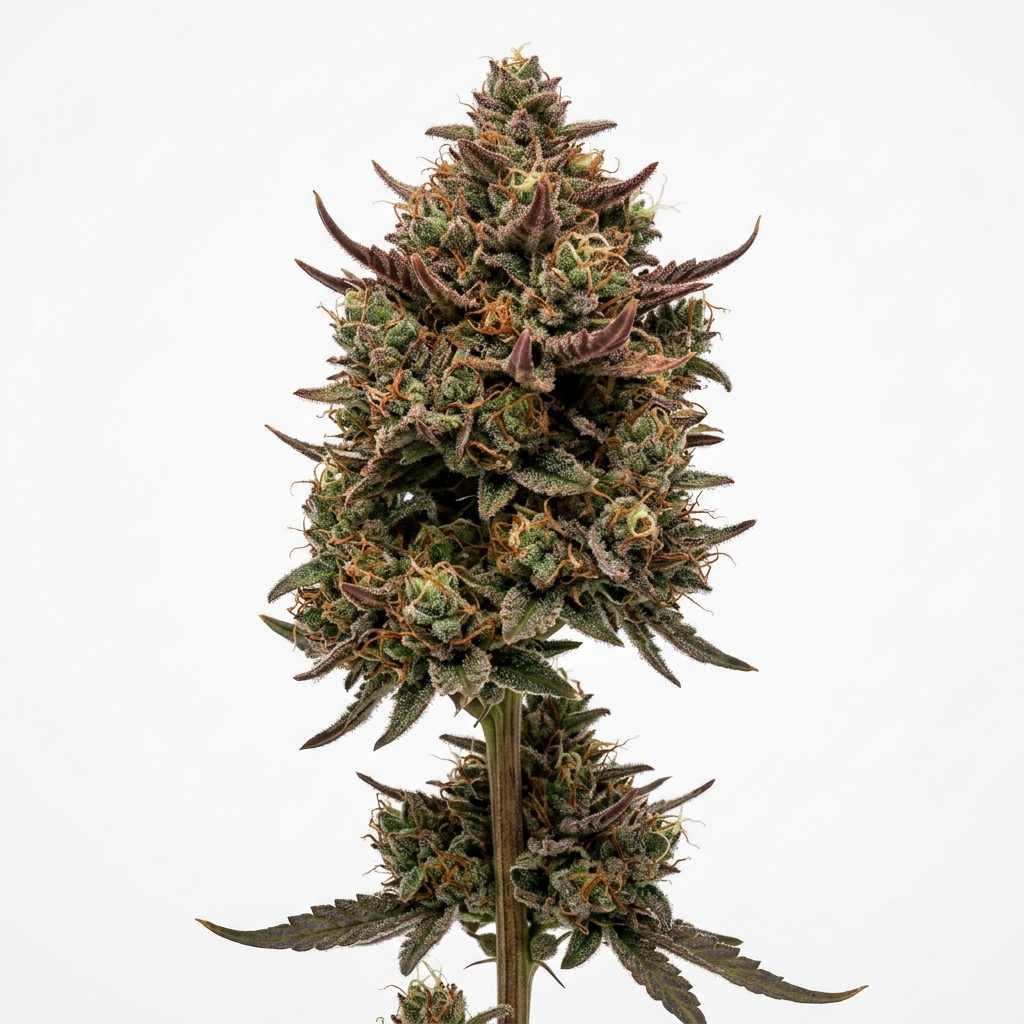
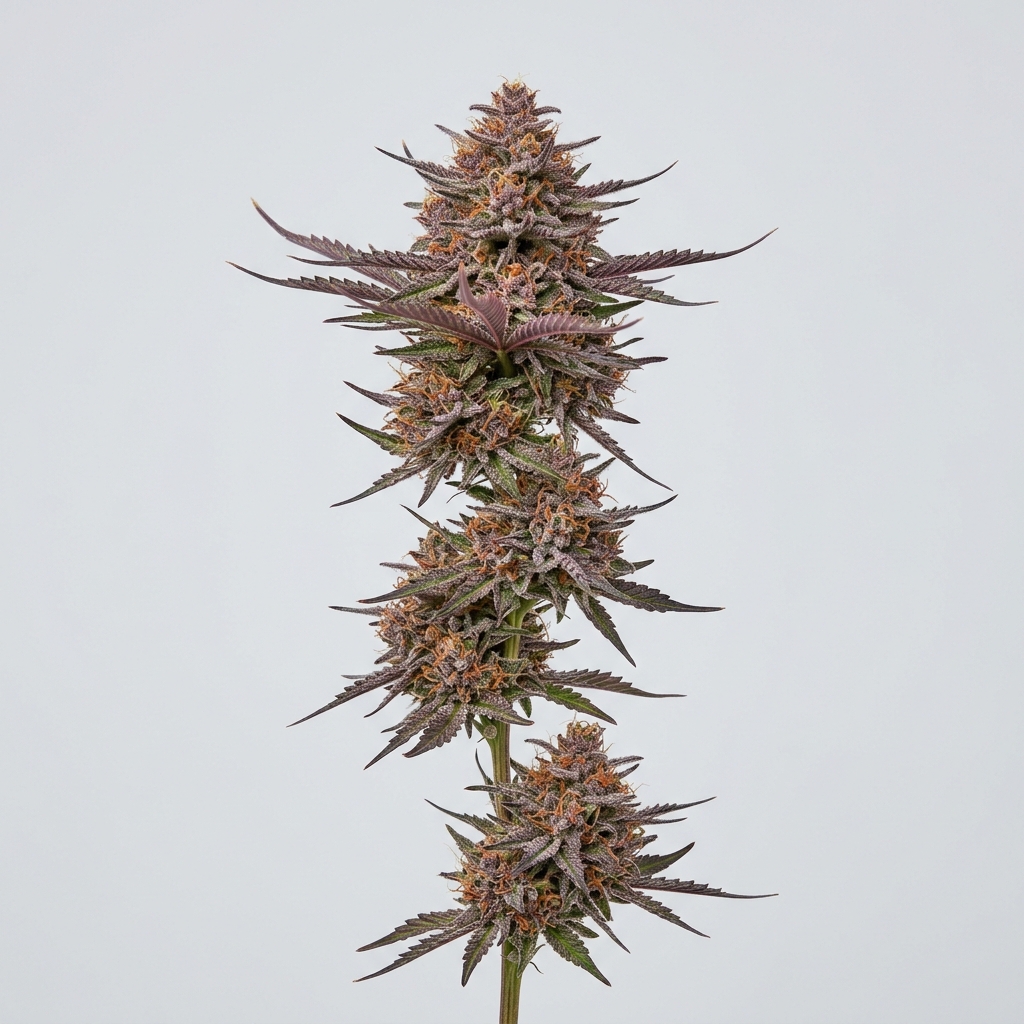
Unlike modern indoor exotics, this old-school Dutch variety relies on structural resilience and a balanced cannabinoid profile rather than sheer potency. The resulting flowers display a classic spear-like shape with striking color contrast, offering a nostalgic profile that bridges classic Skunk pungency with soft, dark berry undertones.
Quick Facts
| Attribute | Details |
|---|---|
| Genetics | Purple #1 × Skunk #1 |
| Variety | Sativa-dominant (approx. 87.5% Sativa / 12.5% Indica) |
| THC Range | 8% – 14% |
| Flowering Time | 7 – 8 weeks (Early October outdoors) |
| Yield Potential | Moderate to High (especially outdoors) |
| Plant Height | Tall (significant outdoor stretch) |
| Climate Preference | Cool, temperate, humid-tolerant |
| Difficulty | Easy to Moderate |
Scientific & Botanical Overview
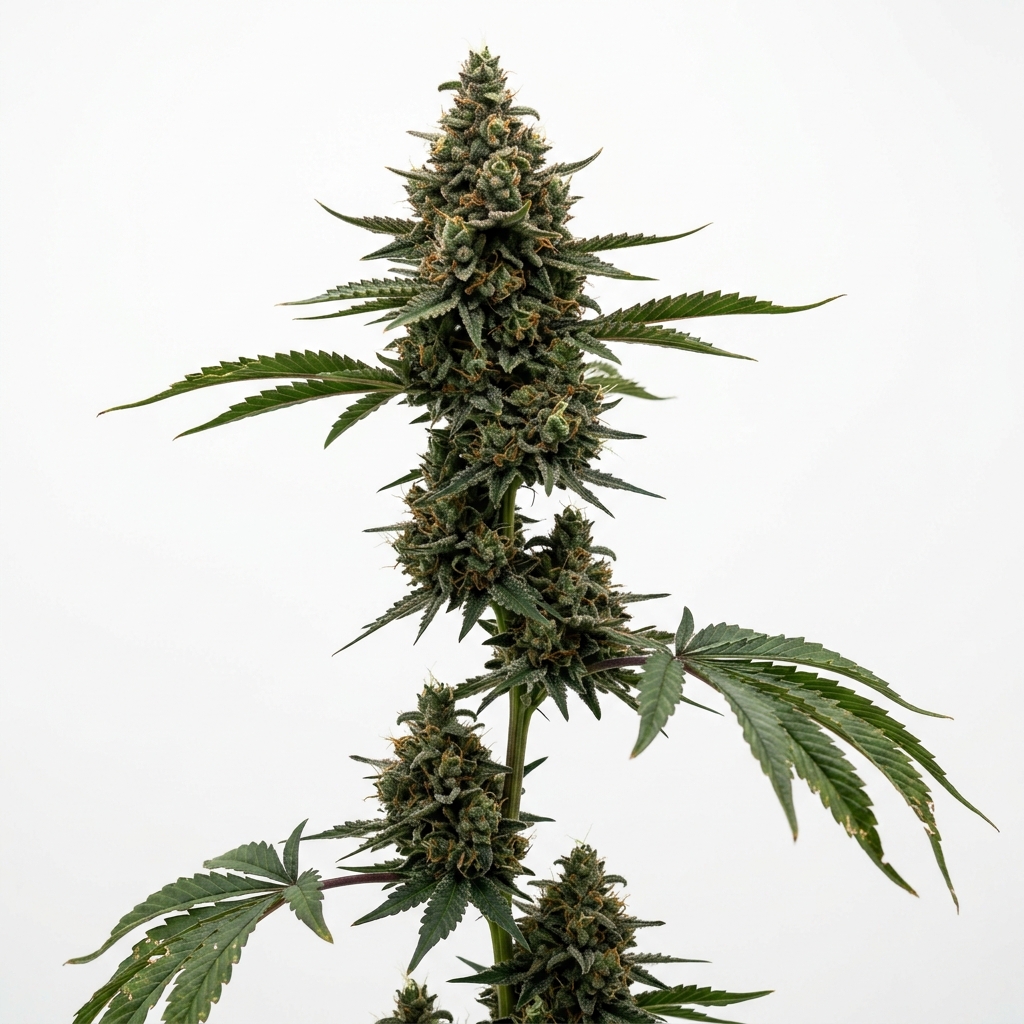
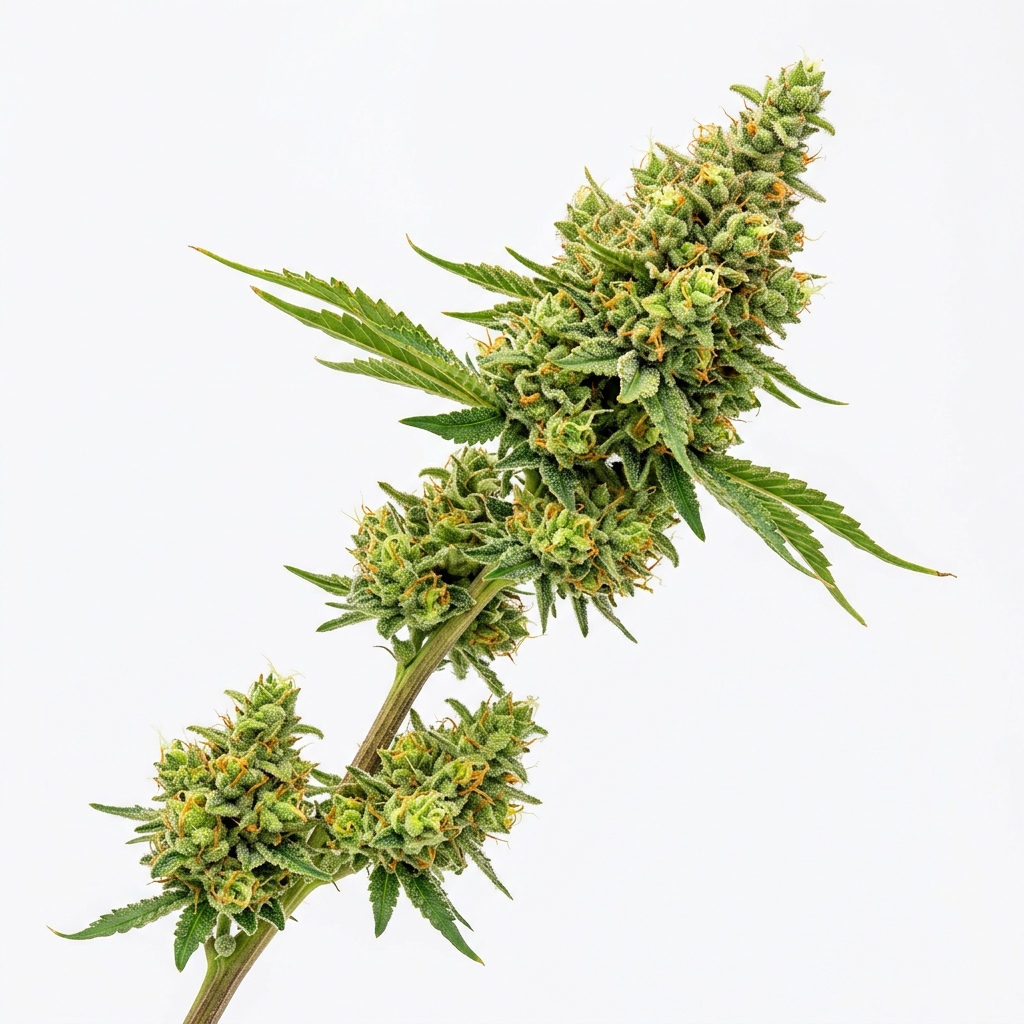
Shaman shows a classic Sativa morphology, characterized by long internodal spacing, thin fan leaves, and a pronounced vertical stretch during the early flowering phase. The plant’s open architecture is a direct adaptation for outdoor survival, allowing optimal airflow through the canopy to prevent moisture retention. This structural trait significantly reduces the risk of botrytis and powdery mildew in late-season conditions.
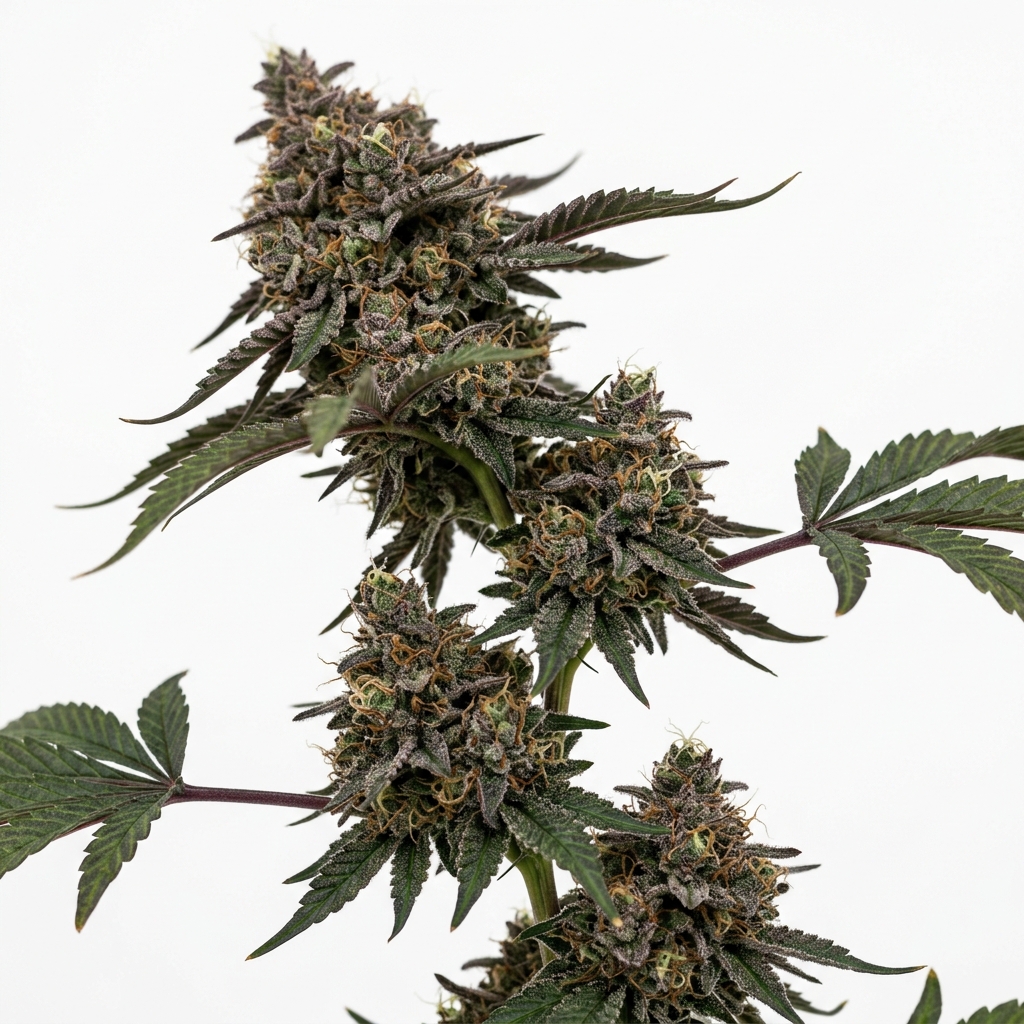
As flowering progresses, roughly half of the phenotypes display a striking color shift, developing deep purple, violet, and magenta tones across the bracts and sugar leaves. This pigmentation is driven by high concentrations of anthocyanins, which become more pronounced when night temperatures begin to drop in early autumn. The pistils typically transition from a bright white to a deep orange-red, contrasting sharply against the darker foliage.
Trichome development on Shaman is steady but refined, producing a glassy, non-greasy resin layer that coats the elongated spear colas. Unlike resin-heavy extraction cultivars, its trichome heads are smaller and more resilient to physical weathering from wind and rain. This physical durability ensures that the delicate terpene profile remains intact even when grown in challenging outdoor environments.
Effects & Use-Cases (Reported)
Commonly reported effects: Users frequently describe the experience as uplifting, clear-headed, and physically energizing, with little to no heavy physical sedation. The moderate THC level delivers a mild, functional buzz that supports focus and social interaction without inducing anxiety or lethargy.
Use-case context: This profile is well-suited for daytime activities, creative projects, or outdoor excursions where mental clarity and physical mobility are desired. It serves as an excellent option for those seeking a gentle, manageable option for daytime use.
Note: Because of its sativa-dominant lineage and lighter cannabinoid concentration, those accustomed to high-potency modern hybrids may find the effects subtle, though its longevity and lack of a heavy crash are widely appreciated.
Aroma & Flavors
Aroma: The initial scent is sweet and woody, underscored by a soft, earthy skunk base and a distinct dark berry edge. Breaking the buds releases a sharper, spicy herbal note reminiscent of fresh pine and wild sage.
Flavor: On the exhale, the smoke is remarkably smooth, leaving a delicate sweet berry taste on the palate mixed with a subtle, peppery mint finish.
Terpene associations: The primary terpene expression is dominated by myrcene, caryophyllene, and pinene, which collectively shape its herbal, spicy, and grounding aromatic profile.
Tested Cannabinoid & Terpene Ranges
| Compound | Type | Typical Range |
|---|---|---|
| Δ9-THC | Cannabinoid | 8.0% – 14.0% |
| CBD | Cannabinoid | < 1.0% |
| Myrcene | Terpene | 0.3% – 0.8% |
| Caryophyllene | Terpene | 0.2% – 0.5% |
| Pinene | Terpene | 0.1% – 0.4% |
Cannabinoid and terpene levels are highly dependent on environmental factors, soil composition, and UV exposure, with outdoor-grown plants often yielding a more complex terpene expression.
Cultivation Notes
- Humidity: Thrives in outdoor environments with high late-flower humidity, though indoor setups should maintain 45-50% RH during the final weeks.
- Nutrition: Prefers a light to moderate nutrient regimen; excessive nitrogen during vegetative growth can lead to uncontrollable stretching.
- Training: Responds exceptionally well to topping and low-stress training (LST) to manage its height and encourage lateral branching.
- Harvest: Outdoor harvests typically occur in late September to early October in the Northern Hemisphere, while indoor crops finish within 50 to 56 days.
- Phenotype management: Monitor plants during early flower to identify the purple-leaning phenotypes, which often carry a slightly sweeter berry profile.
Grower Notes (Week-by-Week Snapshot)
- Weeks 1–3 (Vegetative & Transition): Expect rapid vertical growth and a significant stretch once the light cycle changes. Ensure adequate vertical space and establish structural supports early to handle the long colas.
- Weeks 4–6 (Mid-Flower): Long, slender spear colas begin to form. Airflow remains excellent due to the sparse foliage, but light defoliation of lower fan leaves can help focus energy on the upper canopy.
- Weeks 7–9 (Late Flower & Harvest): Watch for the signature purple coloration in cooler conditions. Trichomes will transition from clear to cloudy; harvest when the majority are milky white for the most energetic effect.
- Post-Harvest: A slow, controlled 10-to-14-day dry at 60°F (15°C) and 60% humidity is essential to preserve the delicate, woody terpene profile and prevent the buds from drying too quickly.
Genetic Lineage
Shaman is a direct descendant of the legendary Purple #1, an early-flowering purple variety known for its extreme outdoor hardiness and vibrant autumn colors. By crossing this resilient parent with a classic, high-performance Skunk #1, breeders successfully infused structural vigor, larger yields, and a more defined sweetness into the lineage.
This genetic combination represents the golden era of Dutch outdoor breeding, where the goal was to create plants capable of finishing before the cold, wet autumn of Northern Europe set in. The Skunk heritage provides the solid bud structure and reliable growth patterns, while the Purple #1 contributes the unique color palette and climatic tolerance.
Research Insights
Analytical testing of Shaman reveals a terpene profile rich in myrcene and caryophyllene, which work alongside moderate THC levels to produce its signature clear-headed effect. The presence of pinene further supports this functional profile, often associated with alertness and the mitigation of short-term memory impairment sometimes caused by higher-potency cultivars.
From a breeding perspective, Shaman is highly valued for its stable, weather-resistant genetics. Its ability to photosynthesize efficiently in lower light conditions and resist high-humidity pathogens makes it a crucial genetic reference point for breeders developing cultivars for marginal agricultural zones.
Frequently Asked Questions
Is Shaman suitable for indoor growing?
Yes, though its significant stretch and tall stature require active height management, such as topping or using a ScrOG (Screen of Green) setup. It is primarily bred to excel in outdoor and greenhouse environments.
Does every Shaman plant turn purple?
Approximately 50% of the phenotypes will display deep purple and violet hues during late flower. This color change is more pronounced when the plants are exposed to cooler night temperatures.
How mold-resistant is this strain?
Shaman is highly resistant to mold, bud rot, and powdery mildew due to its open, airy bud structure and sativa-dominant genetics, making it ideal for wet climates.
What are the typical effects of Shaman?
It offers a mild, uplifting, and functional daytime high that promotes mental clarity and physical energy, without the heavy sedation associated with indica-dominant hybrids.
Educational Disclaimer
This article is for educational and informational purposes only. Cannabis cultivation and consumption are subject to local laws and regulations. Consult with horticultural professionals or local guidelines before starting any cultivation project.
Rate and review this strain
Ratings and reviews are accepted only from signed-in Google accounts.
Sign in with Google to leave a rating and written review.
Latest Reviews
0 reviewsNo reviews yet. Be the first Google user to rate and review this strain.
Follow New Cultivar Records
Get newly documented genetics, breeder history, research highlights, and important Strainpedia discoveries by email.